 After a week of torrid voting and much passionate support, along with a lot of gut-wrenching consideration and jostling during the judging round, I am proud to announce your Top 40 Innovation Bloggers of 2023:
- Robyn Bolton
 Robyn M. Bolton works with leaders of mid and large sized companies to use innovation to repeatably and sustainably grow their businesses.
 - Janet Sernack
 Janet Sernack is the Founder and CEO of ImagineNation™ which provides innovation consulting services to help organizations adapt, innovate and grow through disruption by challenging businesses to be, think and act differently to co-create a world where people matter & innovation is the norm.
 - Greg Satell
 Greg Satell is a popular speaker and consultant. His first book, Mapping Innovation: A Playbook for Navigating a Disruptive Age, was selected as one of the best business books in 2017. Follow his blog at Digital Tonto or on Twitter @Digital Tonto.
 - Mike Shipulski
 Mike Shipulski brings together people, culture, and tools to change engineering behavior. He writes daily on Twitter as @MikeShipulski and weekly on his blog Shipulski On Design.
 - Braden Kelley
 Braden Kelley is a Human-Centered Experience, Innovation and Transformation consultant at HCL Technologies, a popular innovation speaker, workshop leader, and creator of the Human-Centered Change™ methodology. He is the author of Stoking Your Innovation Bonfire from John Wiley & Sons and Charting Change from Palgrave Macmillan. Follow him on Linkedin, Twitter, Facebook, or Instagram.
 - John Bessant
 John Bessant has been active in research, teaching, and consulting in technology and innovation management for over 25 years. Today, he is Chair in Innovation and Entrepreneurship, and Research Director, at Exeter University. In 2003, he was awarded a Fellowship with the Advanced Institute for Management Research and was also elected a Fellow of the British Academy of Management. He has acted as advisor to various national governments and international bodies including the United Nations, The World Bank, and the OECD. John has authored many books including Managing innovation and High Involvement Innovation (Wiley). Follow @johnbessant
 - Pete Foley
 A twenty-five year Procter & Gamble veteran, Pete has spent the last 8+ years applying insights from psychology and behavioral science to innovation, product design, and brand communication. He spent 17 years as a serial innovator, creating novel products, perfume delivery systems, cleaning technologies, devices and many other consumer-centric innovations, resulting in well over 100 granted or published patents. Find him at pete.mindmatters@gmail.com
 - Geoffrey A. Moore
 Geoffrey A. Moore is an author, speaker and business advisor to many of the leading companies in the high-tech sector, including Cisco, Cognizant, Compuware, HP, Microsoft, SAP, and Yahoo! Best known for Crossing the Chasm and Zone to Win with the latest book being The Infinite Staircase. Partner at Wildcat Venture Partners. Chairman Emeritus Chasm Group & Chasm Institute
 - David Burkus
 Dr. David Burkus is an organizational psychologist and best-selling author. Recognized as one of the world’s leading business thinkers, his forward-thinking ideas and books are helping leaders and teams do their best work ever. David is the author of five books about business and leadership and he’s been featured in the Wall Street Journal, Harvard Business Review, CNN, the BBC, NPR, and more. A former business school professor turned sought-after international speaker, he’s worked with organizations of all sizes and across all industries.
 - Shep Hyken
 Shep Hyken is a customer service expert, keynote speaker, and New York Times, bestselling business author. For information on The Customer Focus™ customer service training programs, go to www.thecustomerfocus.com. Follow on Twitter: @Hyken
 - Howard Tiersky
Howard Tiersky is an inspiring and passionate speaker, the Founder and CEO of FROM, The Digital Transformation Agency, innovation consultant, serial entrepreneur, and the Wall Street Journal bestselling author of Winning Digital Customers: The Antidote to Irrelevance. IDG named him one of the “10 Digital Transformation Influencers to Follow Today”, and Enterprise Management 360 named Howard “One of the Top 10 Digital Transformation Influencers That Will Change Your World.”
- Dennis Stauffer
 Dennis Stauffer is an author, independent researcher, and expert on personal innovativeness. He is the founder of Innovator Mindset LLC which helps individuals, teams, and organizations enhance and accelerate innovation success. by shifting mindset. Follow @DennisStauffer
 - Stefan Lindegaard
 Stefan Lindegaard is an author, speaker and strategic advisor. His work focuses on corporate transformation based on disruption, digitalization and innovation in large corporations, government organizations and smaller companies. Stefan believes that business today requires an open and global perspective, and his work takes him to Europe, North and South America, Africa and Asia.
 - Douglas Ferguson
 Douglas Ferguson is an entrepreneur and human-centered technologist. He is the founder and president of Voltage Control, an Austin-based change agency that helps enterprises spark, accelerate, and sustain innovation. He specializes in helping teams work better together through participatory decision making and design inspired facilitation techniques.
 - Teresa Spangler
 Teresa Spangler is the CEO of PlazaBridge Group has been a driving force behind innovation and growth for more than 30 years. Today, she wears multiple hats as a social entrepreneur, innovation expert, growth strategist, author and speaker (not to mention mother, wife, band-leader and so much more). She is especially passionate about helping CEOs understand and value the role human capital plays in innovation, and the impact that innovation has on humanity; in our ever-increasing artificial/cyber world.
 - Soren Kaplan
 Soren Kaplan is the bestselling and award-winning author of Leapfrogging and The Invisible Advantage, an affiliated professor at USC’s Center for Effective Organizations, a former corporate executive, and a co-founder of UpBOARD. He has been recognized by the Thinkers50 as one of the world’s top keynote speakers and thought leaders in business strategy and innovation.
 - Steve Blank
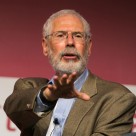 Steve Blank is an Adjunct Professor at Stanford and Senior Fellow for Innovation at Columbia University. He has been described as the Father of Modern Entrepreneurship, credited with launching the Lean Startup movement that changed how startups are built; how entrepreneurship is taught; how science is commercialized, and how companies and the government innovate.
 - Diana Porumboiu
 Diana heads marketing at Viima, the most widely used and highest rated innovation management software in the world, and has a passion for innovation, and for genuine, valuable content that creates long-lasting impact. Her combination of creativity, strategic thinking and curiosity has helped organisations grow their online presence through strategic campaigns, community management and engaging content.
 - Robert B Tucker
 Robert B. Tucker is the President of The Innovation Resource Consulting Group. He is a speaker, seminar leader and an expert in the management of innovation and assisting companies in accelerating ideas to market.
 - Dainora Jociute
 Dainora (a.k.a. Dee) creates customer-centric content at Viima. Viima is the most widely used and highest rated innovation management software in the world. Passionate about environmental issues, Dee writes about sustainable innovation hoping to save the world – one article at the time.
 - Arlen Meyers
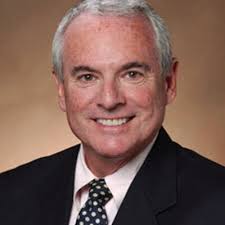 Arlen Meyers, MD, MBA is an emeritus professor at the University of Colorado School of Medicine, an instructor at the University of Colorado-Denver Business School and cofounding President and CEO of the Society of Physician Entrepreneurs at www.sopenet.org. Linkedin: https://www.linkedin.com/in/ameyers/
 - Ayelet Baron
 Ayelet Baron is a pioneering futurist reminding us we are powerful creators through award winning books, daily blog and thinking of what is possible. Former global tech executive who sees trust, relationships and community as our building blocks to a healthy world.
 - Leo Chan
 Leo is the founder of Abound Innovation Inc. He’s a people and heart-first entrepreneur who believes everyone can be an innovator. An innovator himself, with 55 US patents and over 20 years of experience, Leo has come alongside organizations like Chick-fil-A and guided them to unleash the innovative potential of their employees by transforming them into confident innovators.
 - Rachel Audige
 Rachel Audige is an Innovation Architect who helps organisations embed inventive thinking as well as a certified Systematic Inventive Thinking Facilitator, based in Melbourne.
 - Art Inteligencia
 Art Inteligencia is the lead futurist at Inteligencia Ltd. He is passionate about content creation and thinks about it as more science than art. Art travels the world at the speed of light, over mountains and under oceans. His favorite numbers are one and zero.
 - Paul Sloane
 Paul Sloane writes, speaks and leads workshops on creativity, innovation and leadership. He is the author of The Innovative Leader and editor of A Guide to Open Innovation and Crowdsourcing, both published by Kogan-Page.
 - Phil McKinney
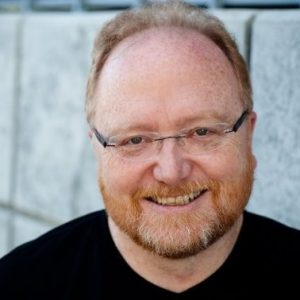 Phil McKinney is the Author of “Beyond The Obvious”, Host of the Killer Innovations Podcast and Syndicated Radio Show, a Keynote Speaker, President & CEO CableLabs and an Innovation Mentor and Coach.
 - Ralph Christian Ohr
 Dr. Ralph-Christian Ohr has extensive experience in product/innovation management for international technology-based companies. His particular interest is targeted at the intersection of organizational and human innovation capabilities. You can follow him on Twitter @Ralph_Ohr.
 - Jeffrey Phillips
 Jeffrey Phillips has over 15 years of experience leading innovation in Fortune 500 companies, federal government agencies and non-profits. He is experienced in innovation strategy, defining and implementing front end processes, tools and teams and leading innovation projects. He is the author of Relentless Innovation and OutManeuver. Jeffrey writes the popular Innovate on Purpose blog. Follow him @ovoinnovation
 - Dean and Linda Anderson
 Dr. Dean Anderson and Dr. Linda Ackerman Anderson lead BeingFirst, a consultancy focused on educating the marketplace about what’s possible in personal, organizational and community transformation and how to achieve them. Each has been advising clients and training professionals for more than 40 years.
 - Shilpi Kumar
 Shilpi Kumar an inquisitive researcher, designer, strategist and an educator with over 15 years of experience, who truly believes that we can design a better world by understanding human behavior. I work with organizations to identify strategic opportunities and offer user-centric solutions.
 - Scott Anthony
 Scott Anthony is a strategic advisor, writer and speaker on topics of growth and innovation. He has been based in Singapore since 2010, and currently serves at the Managing Director of Innosight’s Asia-Pacific operations.
 - Anthony Mills
Anthony Mills is the Founder & CEO of Legacy Innovation Group (www.legacyinnova.com), a world-leading strategic innovation consulting firm working with organizations all over the world. Anthony is also the Executive Director of GInI – Global Innovation Institute (www.gini.org), the world’s foremost certification, accreditation, and membership organization in the field of innovation. Anthony has advised leaders from around the world on how to successfully drive long-term growth and resilience through new innovation. Learn more at www.anthonymills.com. Anthony can be reached directly at anthony@anthonymills.com.
- Paul Hobcraft
 Paul Hobcraft runs Agility Innovation, an advisory business that stimulates sound innovation practice, researches topics that relate to innovation for the future, as well as aligning innovation to organizations core capabilities. Follow @paul4innovating
 - Jorge Barba
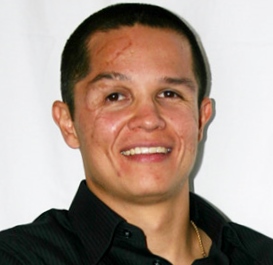 Jorge Barba is a strategist and entrepreneur, who helps companies build new puzzles using human skills. He is a global Innovation Insurgent and author of the innovation blog www.Game-Changer.net
 - Chateau G Pato
 Chateau G Pato is a senior futurist at Inteligencia Ltd. She is passionate about content creation and thinks about it as more science than art. Chateau travels the world at the speed of light, over mountains and under oceans. Her favorite numbers are one and zero.
 - Jesse Nieminen
 Jesse Nieminen is the Co-founder and Chairman at Viima, the best way to collect and develop ideas. Viima’s innovation management software is already loved by thousands of organizations all the way to the Global Fortune 500. He’s passionate about helping leaders drive innovation in their organizations and frequently writes on the topic, usually in Viima’s blog.
 - Alain Thys
 As an experience architect, Alain helps leaders craft customer, employee and shareholder experiences for profit, reinvention and transformation. He does this through his personal consultancy Alain Thys & Co as well as the transformative venture studio Agents of A.W.E. Together with his teams, Alain has influenced the experience of over 500 million customers and 350,000 employees. Follow his blog or connect on Linkedin.
 - Bruce Fairley
 Bruce Fairley is the CEO and Founder of The Narrative Group, a firm dedicated to helping C-Suite executives build enterprise value. Through smart, human-powered digital transformation, Bruce optimizes the business-technology relationship. His innovative profit over pitfalls approach and customized programs are part of Bruce’s mission to build sustainable ‘best-future’ outcomes for visionary leaders. Having spearheaded large scale change initiatives across four continents, he and his skilled, diverse team elevate process, culture, and the bottom line for medium to large firms worldwide.
 - Tom Stafford
 Tom Stafford studies learning and decision making. His main focus is the movement system – the idea being that if we can understand the intelligence of simple actions we will have an excellent handle on intelligence more generally. His research looks at simple decision making, and simple skill learning, using measures of behaviour informed by the computational, robotics and neuroscience work done in the wider group.

If your favorite didn’t make the list, then next year try to rally more votes for them or convince them to increase the quality and quantity of their contributions.
Our lists from the ten previous years have been tremendously popular, including:
Top 40 Innovation Bloggers of 2015
Top 40 Innovation Bloggers of 2016
Top 40 Innovation Bloggers of 2017
Top 40 Innovation Bloggers of 2018
Top 40 Innovation Bloggers of 2019
Top 40 Innovation Bloggers of 2020
Top 40 Innovation Bloggers of 2021
Top 40 Innovation Bloggers of 2022
Download PDF versions of the Top 40 Innovation Bloggers of 2020, 2021 and 2022 lists here:
 . . .
. . . 
 . . .
. . . 
Happy New Year everyone!
 Sign up here to get Human-Centered Change & Innovation Weekly delivered to your inbox every week.
 Happy Holidays!
 Human-Centered Change and Innovation loves making innovation insights accessible for the greater good, because we truly believe that the better our organizations get at delivering value to their stakeholders the less waste of natural resources and human resources there will be.