Tag Archives: teams

Five Challenges All Teams Face

Five Challenges All Teams Face

GUEST POST from David Burkus

Teams face a lot of different challenges. Leading a team involves leading through many challenges. You’re given performance objectives. You map out a plan of execution with your team. But pretty quickly, you will run into challenges—both seen and unseen. And while most of these challenges are unique to the work being done and the team doing that work, some challenges are universal for teams.

These challenges all teams face are less about the work and more about teamwork and collaboration. That’s what makes them so common. But because they’re so common, they can be anticipated—and overcome.

In this article, we’ll outline five challenges all teams face and offer some insight on how to overcome them.

1. Finding Direction

The first challenge all teams face is finding direction. Most teams in most organizations don’t get to decide what specifically they get to work on—it comes with their collective job descriptions. However, they still get to make decisions as a team about what the priorities around all their tasks are, and sometimes even who is going to do which task. This is the initial challenge of finding direction. But keeping direction in a changing environment can be just as challenging as well. Priorities often need to change or be rearranged. New tasks are assigned. New changes in the environment happen. And that could mean slight shifts in the direction need to be made.

As a leader, one of the easiest ways to find and keep direction is through a regular “huddle” or weekly meeting. In that meeting, give the team a chance to review what they’re focused on, what they’ve completed, what potential roadblocks they face, and who needs assistance. These weekly meetings help review the large-scale direction and provide space to make any small-scale shifts in direction as well.

2. Improving Communication

The second challenge all teams face is improving communication. Communication is the lifeblood of any relationship, including the relationships on your team. The challenge of improving communication arises because everyone has slightly different communication preferences. Some people prefer to talk in person, some on the phone, some in email. Some people write short, quick emails, others write five paragraph essays. These differences in communication preferences can lead to a lot of miscommunications as well. Many conflicts on a team happen because one person assumed their preferences were shared by everyone else, and they were not.

As a leader, taking the time to have conversations about communication preferences can go a long way toward improving communication. Outline the communication tools the team has available and discuss when the team would prefer to use each one, for what type of communication, and any best practices the team can think of for that tool. Ideally, this leads to a set of group norms around communication and communication tools. Those norms can be revised from time to time but should be done so collectively. Otherwise, everyone goes back to their typical preferences.

3. Building Trust

The third challenge all teams face is building trust. Trust is a core component of teamwork. We need to trust the competency of our teammates—that they’re going to do what they say they’re going to do. But we also need to trust the character of those teammates—we need to know we can admit failures or request help without being demeaned or ostracized. Teams need a climate of trust so that they can safely disagree with each other and engage in task-focused conflict that ensures the best ideas rise to the top.

Research suggests that trust builds through a reciprocal process. So as a leader, the way to build trust on a team is to step out and signal you trust them. The most powerful way to do this is to be vulnerable. Leaders need to share certain vulnerabilities they have. They need to be willing to admit they don’t have all the answers all of the time, and that they need help from the team as well. Lead with vulnerability and teammates will follow, which over time will lead the team into greater levels of trust.

4. Keeping Diversity

The fourth challenge all teams face is keeping diversity. To be fair, many teams still struggle with finding enough diversity, but most leaders and team recognize that diversity on a team is a worthy goal. That creates a new challenge, keeping diversity. Ideally, diverse teams are formed because people with diverse backgrounds bring a diverse set of experience and perspectives to the team. However, as the team works together over time, they start to share the same experiences and perspectives. Eventually, if a team works together long enough, their ideas and opinions will start to become really similar. They may still look like a diverse team, but they act like a monoculture.

As a leader, this means rotating the roster of your team more often than it might seem necessary. It means being comfortable with the idea that people leaving the team can be a net positive as new members, and new perspectives join. It could also mean looking for small scale additions to diversity such as inviting members of different teams into group discussions or encouraging the team to seek out new cross-functional colleagues or new sources of ideas and inspiration.

5. Maintaining Motivation

The fifth challenge all teams is maintaining motivation. Staying motivated as a team, especially when the work gets difficult is a huge challenge for any team. Motivation and engagement happen when the work people are asked to do challenges them just enough to engage their full skillset—but not so much that it seems impossible. It also requires those challenges to be connected to a broader mission or purpose. People want to do work that matters—and teams want to know why their team matters.

As a leader, this requires looking at motivation both individually and teamwide. Individually, pay attention to the task-load of each member of the team. Ensure that they’re being challenged, but not overwhelmed. This may require moving some assignments around to different people on the team. Teamwide, make sure the team understands how its mission and objectives fit into the larger purpose of the organization. Be ready to draw a clear and connecting line between the work the team is asked to do, and the way that work serves a bigger purpose. Perhaps the best way to convey this purpose is by answering the question “Who is served by the work that we do?” and then building in reminders around that “who.”

These five challenges are ones every team faces eventually. But they aren’t the only challenges teams face. However, teams that proactively work to overcome these challenges work together better—and are better able to overcome those new, specific challenges. All teams face these challenges, but the answers to these challenges are how any team can start to do its best work ever.

Image credit: Pexels

Originally published at https://davidburkus.com on January 23, 2023.

Subscribe to Human-Centered Change & Innovation WeeklySign up here to get Human-Centered Change & Innovation Weekly delivered to your inbox every week.

Why Small Teams Kick Ass

Why Small Teams Kick Ass

GUEST POST from Mike Shipulski

When you want new thinking or rapid progress, create a small team.

When you have a small team, they manage the hand-offs on their own and help each other.

Small teams hold themselves accountable.

With small teams, one member’s problem becomes everyone’s problem in record time.

Small teams can’t work on more than one project at a time because it’s a small team.

And when a small team works on a single project, progress is rapid.

Small teams use their judgment because they have to.

The judgment of small teams is good because they use it often.

On small teams, team members are loyal to each other and set clear expectations.

Small teams coordinate and phase the work as needed.

With small teams, waiting is reduced because the team members see it immediately.

When something breaks, small teams fix it quickly because the breakage is apparent to all.

The tight connections of a small team are magic.

Small teams are fun.

Small teams are effective.

And small teams are powered by trust.

Image credit: Pixabay

Subscribe to Human-Centered Change & Innovation WeeklySign up here to get Human-Centered Change & Innovation Weekly delivered to your inbox every week.
Building Agile Teams in Uncertain Environments

Building Agile Teams in Uncertain Environments

GUEST POST from Chateau G Pato

In today’s fast-paced and ever-changing world, organizations must be prepared to navigate uncertainty effectively. Building agile teams is not just about adopting new methodologies; it’s about fostering a culture of collaboration, adaptability, and resilience. This article will explore strategies for cultivating agile teams, supported by two compelling case studies.

Understanding Agile Teams

Agile teams are characterized by their ability to quickly adapt to changes in their environment and respond to evolving customer needs. The agile mindset prioritizes flexibility, continuous improvement, and rapid delivery, making it essential for organizations operating in uncertain environments.

Case Study 1: XYZ Corp’s Shift to Agility

Background

XYZ Corp, a leading software development company, faced declining product relevance due to rapidly changing market demands. The organization needed to shift from traditional project management to a more agile approach.

Implementation

XYZ Corp initiated a multi-pronged strategy:

  • Formation of cross-functional teams with end-to-end ownership of projects.
  • Implementation of Scrum methodologies, including daily stand-ups and sprint reviews.
  • Regular training sessions to instill agile principles and practices across all levels of the organization.

Results

Within six months, XYZ Corp witnessed a 50% increase in project delivery speed and a marked improvement in team morale. Employee feedback indicated a higher sense of ownership and engagement, leading to enhanced creativity and innovation.

Case Study 2: ABC Health’s Adaptive Strategies

Background

ABC Health, a healthcare provider, encountered unprecedented challenges during the global pandemic, forcing the organization to adapt rapidly to new healthcare protocols and patient needs.

Implementation

ABC Health adopted several strategic initiatives:

  • Creation of a dedicated agile response team to address urgent issues as they arose.
  • Utilization of digital tools to facilitate remote collaboration among medical and administrative staff.
  • Establishment of regular feedback loops with both staff and patients to quickly iterate care protocols.

Results

A B C Health not only managed to maintain continuity in care but also received positive patient feedback, reflecting higher satisfaction levels than before the pandemic. The agile response team was credited with delivering innovative solutions under pressure.

Key Principles for Building Agile Teams

Based on the insights gleaned from the above case studies, the following principles can guide organizations in building effective agile teams:

  • Foster a Collaborative Culture: Encourage open communication and trust among team members, enabling them to share ideas and express concerns freely. For instance, implementing team-building activities can help foster stronger relationships and understanding.
  • Invest in Continuous Learning: Promote skills enhancement and training to keep the team updated with the best practices in agile methodologies, such as offering workshops, certifications, or access to online courses.
  • Empower Decision-Making: Provide teams with the autonomy to make decisions, which leads to quicker responses to change. Organizations can achieve this by establishing clear boundaries and expectations while allowing teams to define their processes.
  • Encourage Flexibility: Embrace changes in direction and encourage teams to learn and adjust their strategies as needed. Regular retrospectives can help teams reflect on past performance and incorporate lessons learned into future work.

Conclusion

Building agile teams is an ongoing journey that requires commitment, skill, and adaptability. By focusing on collaboration, continuous improvement, and a culture of trust, organizations can position themselves to thrive amidst uncertainty. The case studies presented illustrate that proactive strategies lead not only to operational excellence but also to a galvanized workforce ready to tackle any challenge.

Extra Extra: Because innovation is all about change, Braden Kelley’s human-centered change methodology and tools are the best way to plan and execute the changes necessary to support your innovation and transformation efforts — all while literally getting everyone all on the same page for change. Find out more about the methodology and tools, including the book Charting Change by following the link. Be sure and download the TEN FREE TOOLS while you’re here.

Image credit: Pexels

Subscribe to Human-Centered Change & Innovation WeeklySign up here to get Human-Centered Change & Innovation Weekly delivered to your inbox every week.

Diverse Teams Driving Innovation

Case Studies

Diverse Teams Driving Innovation

GUEST POST from Chateau G Pato

In today’s rapidly evolving business landscape, innovation is not just an advantage—it’s a necessity. Diverse teams, bringing a mixture of perspectives, experiences, and cultures, are uniquely equipped to drive groundbreaking solutions. In this article, we’ll explore two compelling case studies illustrating how diversity is at the heart of innovative success.

Case Study 1: HealthTech Company – Revolutionizing Patient Care

A leading HealthTech company, cognizant of the need for inclusive healthcare solutions, formulated a diverse project team to create an app designed to assist patients with varied medical literacy levels. The team comprised software engineers, UX/UI designers, healthcare professionals, and patients from diverse demographic backgrounds. Each member provided unique insights into the app’s development.

**Challenges & Solutions:** Initially, the team grappled with integrating complex medical data in a user-friendly manner. However, the patient representatives highlighted specific pain points, which engineers and designers addressed through simplified designs and intuitive features.

**Results:** The app, celebrated for its user-centered design, increased patient engagement by 40% and was recognized with multiple industry awards. This success underscored the importance of diverse perspectives in healthcare innovation.

Case Study 2: EcoTech Initiative – Sustainable Energy Solutions

An EcoTech firm, aiming to make strides in renewable energy, assembled a team of environmental scientists, engineers, business strategists, and local community leaders. Their objective was to develop a cost-effective solar energy solution suitable for low-income regions.

**Challenges & Solutions:** The primary challenges were cost constraints and adaptability across different geographies. Local leaders provided insights into cultural and regional needs, guiding the development of adaptable units and cost-reduction strategies using locally sourced materials.

**Results:** The firm introduced a versatile solar panel that reduced costs by 30% and adapted to various landscapes. The project not only accelerated energy accessibility but also won contracts across three continents, demonstrating how diversity can expand market reach.

The Power of Diverse Teams in Innovation

Diverse teams are not immune to challenges, but they excel at turning them into opportunities. This is evident from the case studies above. Diverse perspectives ensure that solutions are comprehensive, culturally relevant, and innovative. By fostering diversity, companies can enhance creativity, ensure broader problem-solving capabilities, and ultimately drive success in a competitive market.

Building a Diverse Team: Key Takeaways

  • **Inclusive Recruitment:** Actively seek candidates from varied backgrounds and disciplines to enrich the innovation process.
  • **Empowerment and Inclusion:** Create an environment where all voices are heard and valued, encouraging open dialogue and collaboration.
  • **Continuous Learning:** Support team members in understanding diverse markets and perspectives through seminars, workshops, and cross-cultural training.

Conclusion

Diversity isn’t just a buzzword—it’s a catalyst for innovation. Whether dealing with technological advancements or regional adaptations, diverse teams bring forth multi-faceted solutions that drive industries forward. Embracing diversity thus emerges as a cornerstone of a robust innovation strategy, paving the way for sustainable success.

Extra Extra: Because innovation is all about change, Braden Kelley’s human-centered change methodology and tools are the best way to plan and execute the changes necessary to support your innovation and transformation efforts — all while literally getting everyone all on the same page for change. Find out more about the methodology and tools, including the book Charting Change by following the link. Be sure and download the TEN FREE TOOLS while you’re here.

Image credit: Pexels

Subscribe to Human-Centered Change & Innovation WeeklySign up here to get Human-Centered Change & Innovation Weekly delivered to your inbox every week.

Disrupt Yourself, Your Team and Your Organization

Disrupt Yourself, Your Team and Your Organization

GUEST POST from Janet Sernack

Moving into a new year is always a time for retreating and reflecting to accelerate growth and harvest new ideas from our feelings, thoughts, and learnings gleaned from the last two years of disruption, extreme uncertainty, and instability. Whether you are actively seeking to disrupt yourself, your team, and your organization to effect sustainable success this year, or not, we all have the opportunity to adapt, innovate and grow from the range of challenging events that impacted us in the past 24 months. This is why it might be useful to see these disruptive events as positive, powerful, and impactful forces for creating new cracks in your own, or your team or organizational soil – to sow some imaginative, creative, and inventive seeds for effecting positive change in an unstable world.

To see them germinate the desired changes you want for yourself, your team, and organization and deliver them, to survive and thrive in 2022.

We are all being challenged by disruption

Our status quo and concepts of business-as-usual have all been significantly disrupted, resulting in a range and series of deep neurological shocks, that have shaken many of us, our teams, and our organizations, to our very cores.  Some of us adapted to a sense of urgency and exploited the opportunity to reinvent, iterate, or pivot our teams and organizations, towards co-creating individual and intentional “new normals” and just “got on” with it. Some of us have continually denied, defended, and avoided making changes, where many of us have sunk deeply into our fears and anxieties, falsely believing that our lives, and our work, would eventually go back to “normal”.

This is because a significant number of our habitual, largely unconscious mental models and emotional states, were disrupted, largely by events beyond our individual and collective control.  Causing many of us to experience “cognitive dissonance” (a situation involving conflicting attitudes, beliefs, or behaviors that produce feelings of mental discomfort leading to an alteration in one of the attitudes, beliefs, or behaviors to reduce the discomfort and restore balance) from the chaos, discomfort, confusion, and conflict.

Which saw many of us, disconnect cognitively and emotionally, from the current disruptive reality, where some of us secretly hoped that “it will all go away” manifesting and festering fundamentally and unconsciously, as inherent neurological immobility, (freeze, fight, flight) resulting in many areas as resistance to change.

Why disrupt yourself, your team, and organization?

Yet disruptive change is inevitable, the speed and pace of exponential change cannot be stopped, the range of complex and wicked global and local problems that need to be solved collectively, aren’t going away.

Job security and full-time employment, as hybrid and virtual work, and technology accelerate, are becoming “things of the past” as the workplace continues to destabilize through digitization, AI, and automation.

Whilst the war for talent also accelerates as the great resignation sets in and people make powerful, empowered life balance decisions and are on the move globally.

Taking the first steps to disrupt yourself, your team, and organization

In this time of extreme uncertainty, we have a unique moment in time, to disrupt ourselves, teams, and organizations by:

  1. Hitting our individual, collective mental, and emotional pause buttons, to retreat from our business-as-usual activities, and take time out to reflect upon paying attention and qualifying:
  • How specifically have I/we been disrupted?
  • How have our people,  teams, and customers been disrupted?
  • What are some of the major collective impacts on our organization’s current status and how might these impact our future growth potential and overall sustainability?
  • How connected are we to an exponential world, how can we ensure that our feelings, thoughts, and actions, connect with what is really happening to us, our teams, and our customers?
  • What causes disconnection and how might we manage it to be more mentally tough and emotionally agile in an extremely uncertain future?
  • What really matters to us, our teams, organizations, and customers – what do our people, teams, and customers really want from us?
  • What are some of the key elements of our organizational strategy to enact our purpose and deliver our mission?
  1. Generating safe, evocative, provocative, and creative conversations, that evoke deep listening and deep questioning, about how to individually and collectively reconnect, revitalize, rejuvenate and reenergize people, teams and organizations to survive and thrive through asking:
  • How can we engage and harness our people and teams’ energies in ways that mobilize their collective intelligence to evoke new mindset shifts and new ways of thinking and acting?
  • What are some of the key mindsets and traits we need to disrupt, shift, and cultivate to be successful to adapt and grow through disruption?
  • What skills do our leaders and teams need to learn to think and act differently to shift the organizations culture to deliver our strategy?
  • How might we shift our teams and organizations to be agile, and redesign our organizations for both stability and speed?
  • What does it mean to us, our teams, and organizations to be creative, inventive, and innovative – How might we shift our teams and organizations to be more creative, inventive, and innovative?
  • What are the new behavioral norms that will support and enable us to execute agile and innovative changes?
  • How might becoming agile and innovative help our people, teams co-create a healthy, high-performing, and sustainable organizational culture?
  • How might becoming agile and innovative add value to the quality of people’s lives and help our customers flourish?
  1. Becoming comfortable with being uncomfortable by developing our peoples, teams, and our organizational “discomfort resilience” and dance of the edge of your comfort zones through:
  • Creating safe environments where people and teams are allowed to experiment,  have permission, and are trusted to practice, make mistakes as they move through difficult emotions, and take little bets in low stake situations.
  • Intentionally breaking organizational routines and habits, to create space in people’s brains for new neural pathways to be developed.
  • Enabling people and teams to become mindful of their triggers, to interrupt their automatic reactions.
  • Equipping people and teams to thoughtfully and intentionally respond to situations, that make them uncomfortable and risk-averse, by knowing how to think differently.
  • Bringing more play into the way people work, encourages people to be imaginative, inquisitive, curious, and improvisational, to seek different ways of thinking and acting, that really make a difference in how work gets done.
  • Support people and teams to learn by doing, and failing fast, without the fear of blame, shame, and retribution, despite it being risky to do that.

Why not disrupt yourself, your team, and organization?

The future is going to be full of disruptive events and circumstances that will impact is our families, communities, team, and organizations, and the conditions of extreme uncertainty and disruption are not going to go away. In fact, they are fundamental to what might be described as our collective “new normal” and it’s up to you to disrupt yourself, your team, and organization, to lead, adapt and grow, to survive and thrive through it.

Find out about The Coach for Innovators Certified Program, a collaborative, intimate, and deep personalized innovation coaching and learning program, supported by a global group of peers over 8-weeks, starting May 2022. It is a blended learning program that will give you a deep understanding of the language, principles, and applications of a human-centered approach to innovation, within your unique context. Find out more.

Contact us now at mailto:janet@imaginenation.com.au to find out how we can partner with you to learn, adapt, and grow your business, team and organization through disruption.

Subscribe to Human-Centered Change & Innovation WeeklySign up here to get Human-Centered Change & Innovation Weekly delivered to your inbox every week.

Best Practices for Managing Agile Teams

Best Practices for Managing Agile Teams

GUEST POST from Chateau G Pato

In today’s rapidly changing business environment, effective management of agile teams has become critical. Agile methodologies emphasize flexibility, collaboration, and customer-centricity. However, managing agile teams comes with its unique challenges that require a nuanced approach. In this article, we delve into some of the best practices for managing agile teams and provide insights through two compelling case studies.

Best Practices for Managing Agile Teams

1. Embrace Transparency

Transparency is the cornerstone of agile team management. Ensure that all team members have access to the relevant information and understand the project goals. This clarity helps in fostering trust and aligning team efforts towards a common objective.

2. Foster a Collaborative Culture

Encourage a culture of collaboration by organizing regular stand-up meetings and retrospectives. These practices enable teams to share feedback, tackle challenges collectively, and continuously improve their processes.

3. Empower Teams with Autonomy

Empowering teams means giving them the autonomy to make decisions and take ownership of their work. Autonomy drives innovation, increases motivation, and enhances accountability.

4. Focus on Continual Learning

Agile environments thrive on continual learning. Encourage your team members to engage in learning opportunities, whether through workshops, online courses, or learning communities. This leads to growth both for individuals and the organization.

Case Study Examples

Case Study: Spotify’s Squad Model

Spotify, a great example of agile success, has implemented a unique Squad model. Each Squad works like a mini-startup with its own mission, a small cross-functional team, and complete autonomy over their area of work. This model has fostered innovation and increased agility across the organization.

Best Practice Highlighted: Empowerment through autonomy – Spotify empowers squads to make decisions independently, enabling rapid innovation and adaptation to market changes.

Case Study: ING’s Agile Transformation

ING, a Dutch multinational bank, underwent a large-scale agile transformation. ING adopted agile principles enterprise-wide, moving away from traditional hierarchical structures. The bank formed tribes, squads, and chapters to streamline operations and improve customer experiences.

Best Practice Highlighted: Transparency and collaboration – By breaking down silos and fostering collaboration, ING improved communication and accelerated product delivery.

Conclusion

Managing agile teams effectively requires a balance of transparency, collaboration, empowerment, and a commitment to continual learning. By following these best practices, organizations can harness the full potential of agile methodologies and drive meaningful innovation and growth. As illustrated by the case studies of Spotify and ING, adopting these practices can lead to exceptional organizational transformation and success.

Remember, driving change and fostering innovation in agile teams is a dynamic journey. Begin by embracing these best practices, and watch your agile teams flourish.

Bottom line: Futurology is not fortune telling. Futurists use a scientific approach to create their deliverables, but a methodology and tools like those in FutureHacking™ can empower anyone to engage in futurology themselves.

Image credit: Pexels

Subscribe to Human-Centered Change & Innovation WeeklySign up here to get Human-Centered Change & Innovation Weekly delivered to your inbox every week.

The Science of Motivation: Energizing Teams for Innovation

The Science of Motivation: Energizing Teams for Innovation

GUEST POST from Chateau G Pato

Motivating teams is a critical aspect of driving innovation within organizations. Research has shown that motivated teams are not only more productive but also more likely to generate innovative ideas and solutions. The science of motivation explores various factors that influence team members’ engagement, enthusiasm, and intrinsic drive to excel. By understanding and applying these principles, leaders can effectively energize their teams and foster a culture of innovation. Let us examine two case study examples that illuminate the power of motivation in driving innovation.

Case Study 1: Google’s 20% Time

Google, the tech giant renowned for its innovative products and services, instituted a program called “20% Time” that empowered employees to spend 20% of their work time on self-directed projects unrelated to their assigned responsibilities. This initiative gave team members autonomy and intrinsic motivation to pursue their passions and explore new ideas. As a result, several groundbreaking innovations, such as Gmail and Google News, were born during this designated time. The 20% Time program showcased that when individuals are motivated by personal interest and given the freedom to experiment, it can lead to remarkable results and spur innovation within the organization.

Key Takeaway: Allowing team members to pursue self-directed projects fosters motivation, creativity, and innovation.

Case Study 2: Netflix’s “Freedom and Responsibility” Culture

Netflix, the global streaming giant, has built a reputation for disruptive innovation and original content. Their unique “Freedom and Responsibility” culture empowers employees by decentralizing decision-making and promoting individual ownership. By avoiding strict top-down rules and encouraging freedom, Netflix effectively taps into intrinsic motivation within their teams. Individuals are motivated to take responsibility for their work, think outside the box, and take risks without fear of failure. This culture has enabled Netflix to pioneer numerous game-changing services, such as personalized recommendations and binge-watching, driving continual innovation in a highly competitive industry.

Key Takeaway: Cultivating a culture of freedom and responsibility empowers individuals to think creatively and take ownership, fueling innovation.

The above case studies illustrate the power of motivation and its impact on team innovation. Leaders seeking to energize their teams can apply several effective strategies, such as the following:

1. Foster Autonomy: Provide team members with the freedom to explore personal interests and self-directed projects, unleashing their intrinsic motivation and encouraging innovation.

2. Encourage Risk-Taking: Create a safe environment where employees feel encouraged to take calculated risks and learn from failures. This mindset promotes creativity and engages individuals in pushing boundaries.

3. Recognize and Reward Achievement: Acknowledge and celebrate team members’ accomplishments, reinforcing their motivation and inspiring them to excel further. Recognition creates a positive feedback loop that sustains motivation and innovation.

4. Align Goals with Purpose: Connect team members’ work to a broader purpose by communicating the impact of their contributions. When individuals understand the significance of their work, they are more motivated to innovate and drive positive change.

Conclusion

Motivation is a vital catalyst for driving innovation within teams and organizations. By understanding the science behind motivation and implementing effective strategies, leaders can energize their teams, foster creativity, and inspire a culture of continuous innovation. By learning from the successes of companies like Google and Netflix, organizations can create environments that empower individuals, leading to breakthrough ideas and sustained growth.

Bottom line: Futurology is not fortune telling. Futurists use a scientific approach to create their deliverables, but a methodology and tools like those in FutureHacking™ can empower anyone to engage in futurology themselves.

Image credit: Unsplash

Subscribe to Human-Centered Change & Innovation WeeklySign up here to get Human-Centered Change & Innovation Weekly delivered to your inbox every week.

Creative Leadership: Strategies for Inspiring and Motivating Teams

Creative Leadership: Strategies for Inspiring and Motivating Teams

GUEST POST from Chateau G Pato

As a leader, nothing is more rewarding than inspiring a team to success. Creative and effective leadership can be the difference between a team that works well and one that fails. Fortunately, there are specific strategies that leaders can deploy to ignite creativity and motivation in their teams.

Communication

Great communication is the foundation of creative leadership. Leaders should strive to be transparent, consistent, and encouraging with communications. This helps to ensure that teams have a well-defined purpose, are motivated to reach their goals, and understand exactly what is expected of them. Additionally, leaders should encourage team members to express their own ideas and challenges in order to foster collaboration and innovation.

Goal-Setting

One of the most important responsibilities of a leader is to help set and communicate achievable goals for the team. Goals should be time-sensitive, realistic, and measurable, so that team members have a clear target to strive for. Additionally, leaders should recognize and celebrate accomplishments, big and small, to boost morale and foster a sense of motivation within the team.

Incentives

Incentives are a powerful way to motivate the team. Monetary rewards or recognition for a job well done can be highly motivating. Leaders can also offer incentives such as extra vacation time, flex-time, employee-development programs, or other rewards that align with the team’s culture and values.

Case Study 1 – Ryan’s Auto Body

Ryan ran a successful auto body shop. To motivate his team, he provided incentives and rewards for a job well done. He offered bonus vacation time as well as employee-development programs. Ryan also set team goals and was sure to recognize and celebrate their successes. As a result, his team was motivated and creative, resulting in increased efficiency and productivity.

Case Study 2 – Cuisine of the Future

Patrick was the head chef of a high-end catering company. He communicated clearly with his team and encouraged them to express their own ideas and challenges. He also created a goal-setting system with time-sensitive criteria for success. As a result, Patrick’s team was inspired to come up with innovative dishes and techniques that elevated the company’s reputation even further.

Conclusion

Leadership is an important part of any team’s success. By utilizing effective strategies such as properly communicating expectations, setting achievable goals, and offering incentives, leaders can inspire and motivate their teams to greatness. With the right strategy, any leader can empower their teams to reach extraordinary heights.

Image credit: Pexels

Subscribe to Human-Centered Change & Innovation WeeklySign up here to get Human-Centered Change & Innovation Weekly delivered to your inbox every week.

Preparing Your Team for Change Leadership Success

Preparing Your Team for Change Leadership Success

GUEST POST from Art Inteligencia

Change is an ever-present force in the workplace. As technology and customer preferences evolve, organizations must adapt and stay competitive. To ensure successful change, teams need to be well-prepared to handle the new challenges. As a leader, you must be able to provide your team with the support and guidance needed to make the transition seamless.

By following the steps outlined in this article, you’ll be able to prepare your team for change leadership success.

1. Establish Clear Goals and Objectives

The first step to successful change is to create clear objectives and goals. It’s important to communicate these goals to your team from the outset. This will give your team a focus and provide clarity on the desired outcome of the change.

2. Assign Ownership

To ensure that change is successful, it’s important to assign ownership to different team members. This will help to ensure that everyone is on the same page and that everyone has a clear understanding of their tasks and responsibilities.

3. Provide Training

Providing training to your team will help them to gain the skills and knowledge necessary to successfully implement the change. This could include anything from technical training to leadership training.

4. Foster Collaboration

Encourage collaboration between team members so they can work together to find solutions and drive change. This could involve creating a team-building exercise or providing workshops on problem solving.

5. Celebrate Successes

Celebrating successes is an important part of the change process. Acknowledge and reward team members for their hard work and contributions. This will help to keep morale high and motivate team members to continue striving for success.

Case Study 1: Google

Google is a great example of a company that has successfully implemented change. When Google began, it was a search engine company, but since then it has expanded into many different areas. To ensure successful changes, Google has invested heavily in training and education. They also foster collaboration and provide incentives for employees to innovate.

Case Study 2: Apple

Apple is another example of a company that has successfully implemented change. Apple has been able to stay ahead of the competition by continually innovating and introducing new products. To ensure successful change, Apple invests heavily in research and development and provides extensive training and education to its employees.

Conclusion

By following these steps, your team will be well-prepared to handle the challenges of change and become successful leaders. With the right guidance and support, your team can make the transition seamless and help your organization stay competitive.

Image credit: Pixabay

Subscribe to Human-Centered Change & Innovation WeeklySign up here to get Human-Centered Change & Innovation Weekly delivered to your inbox every week.
Google’s Insights into Successful Teams and Managers

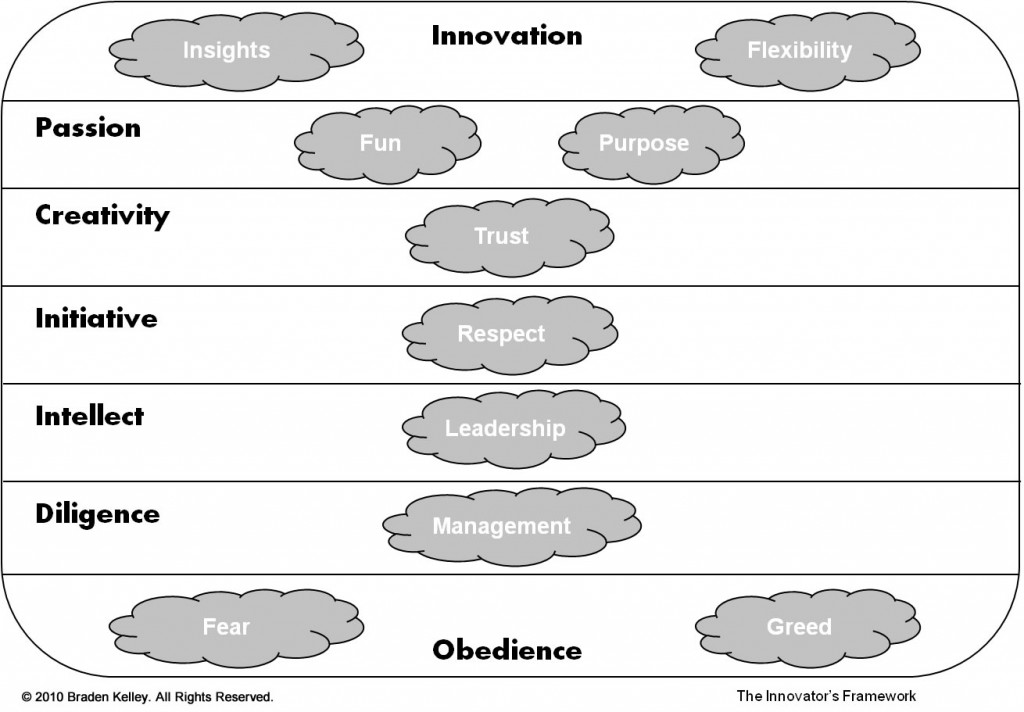
A little over five years ago I created an evolution of a Gary Hamel framework from The Future of Management that I titled The Innovator’s Framework and included in my popular first book Stoking Your Innovation Bonfire.

The Innovator's Framework

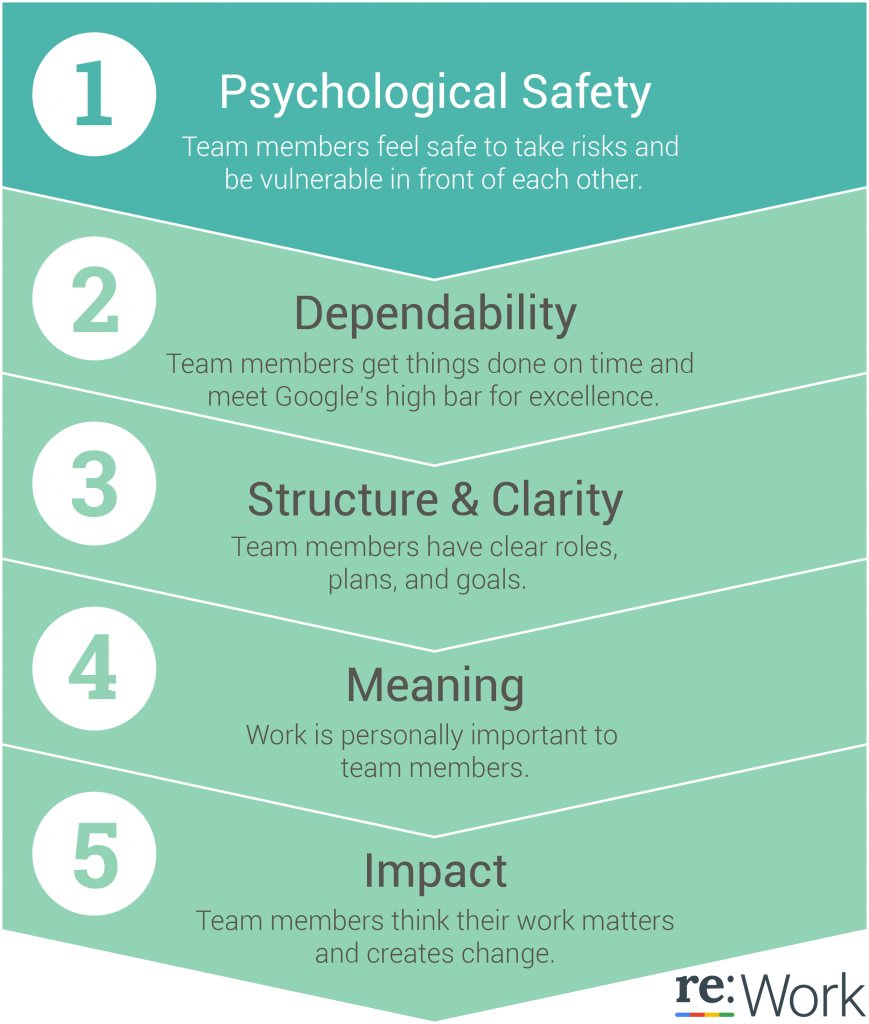
Recently Google recently released some of its extensive research into the skills and character traits of good managers and effective teams, and surprisingly the secret to a high-performing team lies less in the individual team members and more in the broader team dynamics: “Who is on a team matters less than how the team members interact, structure their work, and view their contributions.” High-performing teams, they found, almost always displayed five characteristics:

Google High Performing Teams

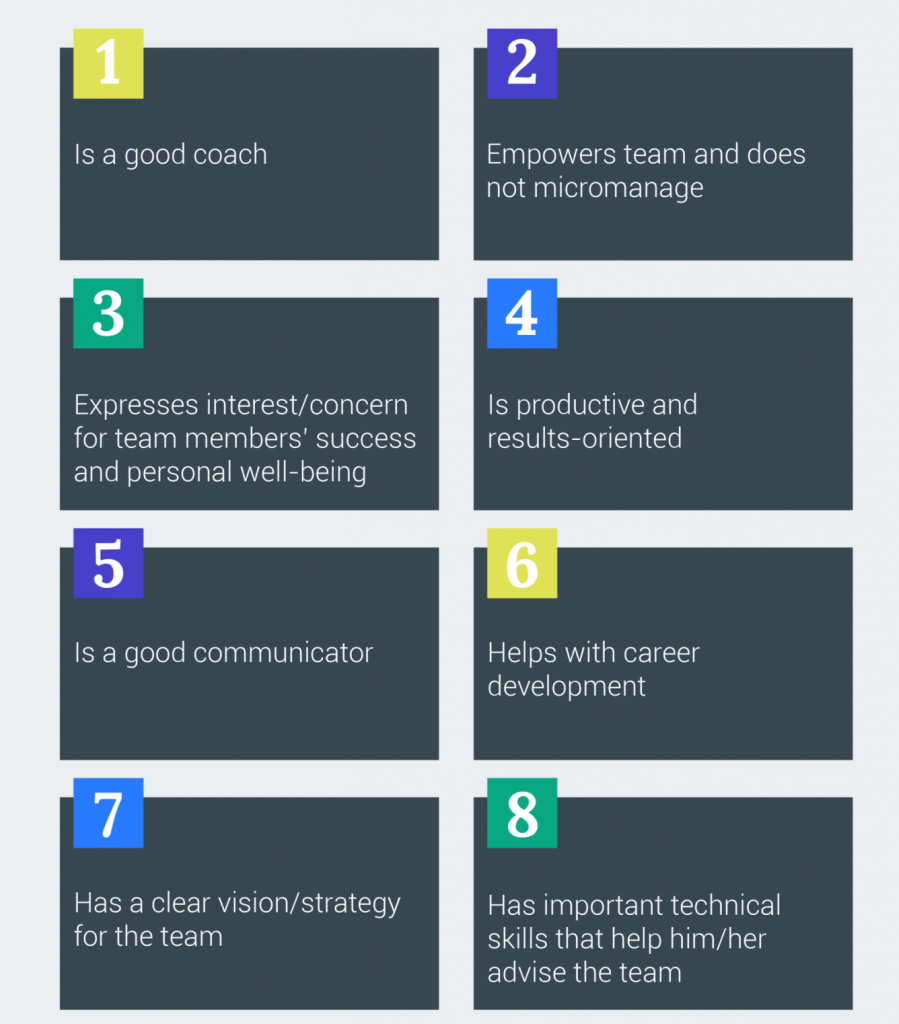
According to their research, by far the most important team dynamic is psychological safety – the ability to be bold and take risks without worrying that your team members will judge you. Now have a look at Google’s previous findings on the Eight Characteristics of Great Managers:

Google High Performing Managers

Eight Characteristics of Great Managers

When you compare the traits of a successful team, a successful manager, and the heirarchy in The Innovators’ Framework its interesting where the three overlap and where they diverge.

What do you see?

Sources: World Economic Forum
Image Credits: Google re:Work

Accelerate your change and transformation success

Subscribe to Human-Centered Change & Innovation WeeklySign up here to get Human-Centered Change & Innovation Weekly delivered to your inbox every week.