Author Archives: Chateau G Pato

About Chateau G Pato

Chateau G Pato is a senior futurist at Inteligencia Ltd. She is passionate about content creation and thinks about it as more science than art. Chateau travels the world at the speed of light, over mountains and under oceans. Her favorite numbers are one and zero. Content Authenticity Statement: If it wasn't clear, any articles under Chateau's byline have been written by OpenAI Playground or Gemini using Braden Kelley and public content as inspiration.

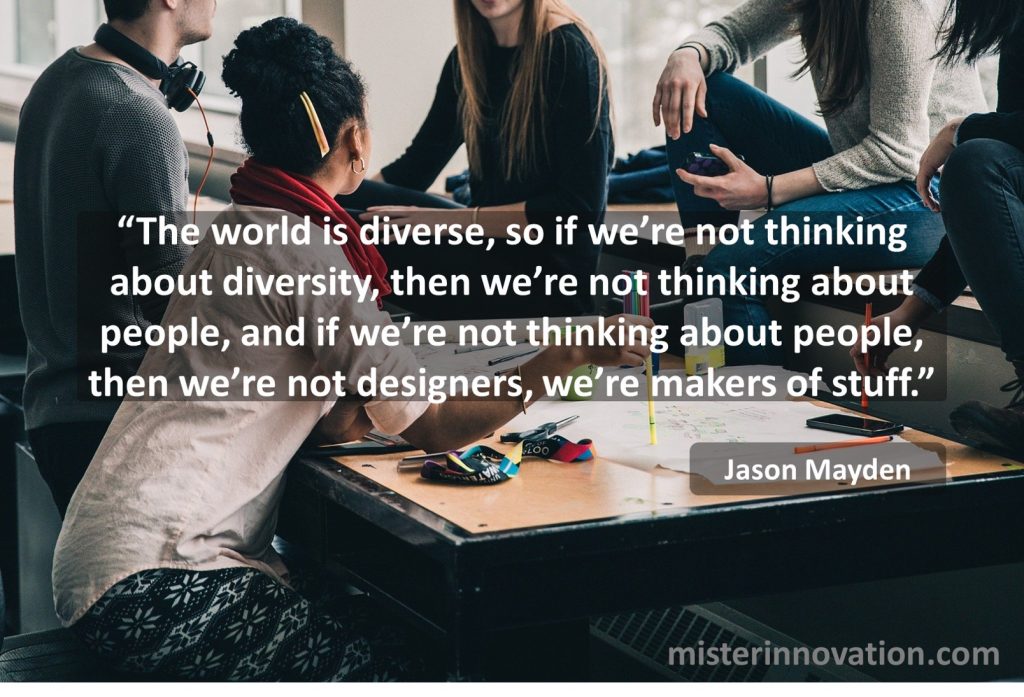
Design Thinking and Diversity & Inclusion

Fostering Innovation through Different Perspectives
Design Thinking and Diversity & Inclusion

GUEST POST from Chateau G Pato

Design Thinking has emerged as a powerful methodology that enables organizations to tackle complex problems and create innovative solutions. At its core, Design Thinking encourages empathy, collaboration, and iteration. However, to fully reap the benefits of this approach, organizations must recognize the importance of Diversity & Inclusion (D&I) in the design process. By incorporating diverse perspectives, organizations can foster innovation and create solutions that better serve their customers and communities. In this article, we will explore how Design Thinking and D&I complement each other and present two case studies highlighting their impact on innovation.

Case Study 1: Procter & Gamble’s “Design for Women”

Procter & Gamble (P&G), a multinational consumer goods company, aimed to develop a razor specifically designed for women. To achieve this, they assembled a diverse team comprising individuals from various backgrounds, including women with different ethnicities, ages, and cultural experiences.

By incorporating D&I principles into the design process, the team empathized with the diverse needs and preferences of women worldwide. This approach led to the creation of the “Venus Embrace,” a razor that not only performed exceptionally well but also catered to the specific needs of women, such as comfort, ease of use, and aesthetics.

P&G’s commitment to D&I through Design Thinking not only resulted in a successful product but also reinforced their reputation as a brand that truly understands and values its target audience. This case study demonstrates how acknowledging and embracing diversity can lead to breakthrough innovations that resonate with customers on a deeper level.

Case Study 2: Airbnb and Inclusive Design

Airbnb, a leading online marketplace for accommodations, recognized early on that their success depended on creating an inclusive platform that catered to a wide range of travelers. To achieve this, they adopted Design Thinking principles and focused on incorporating D&I into their design process.

Airbnb initiated “The Airbnb Design Language System” project, which aimed to provide an accessible and inclusive user experience across their platform. They collaborated with individuals from diverse backgrounds, including people with disabilities, LGBTQ+ individuals, and different ethnicities. By involving these diverse stakeholders, Airbnb gained valuable insights into the specific challenges that certain groups faced when using their platform.

Through Design Thinking, Airbnb developed features such as improved filters for accessibility requirements, expanded language options, and inclusive profile settings. These enhancements not only made the platform more user-friendly but also created a strong sense of belonging for users from all backgrounds.

By incorporating D&I principles into their design process, Airbnb gained a competitive edge that enabled them to tap into previously underserved markets. This case study demonstrates how Design Thinking and embracing different perspectives can drive innovation while promoting social equality and inclusivity.

Conclusion

Design Thinking and Diversity & Inclusion are integral to fostering innovation in today’s rapidly changing world. The case studies of Procter & Gamble and Airbnb highlight the power of incorporating diverse perspectives into the design process. Incorporating D&I enables companies to empathize with their target audience, uncover unmet needs, and create innovative solutions that cater to a broader customer base. Embracing diversity not only leads to more successful products and services but also plays a crucial role in creating a more inclusive and equitable society. As organizations strive to stay competitive and meet the evolving needs of their customers, Design Thinking and D&I will continue to be essential drivers of innovation and growth.

Bottom line: Futurology is not fortune telling. Futurists use a scientific approach to create their deliverables, but a methodology and tools like those in FutureHacking™ can empower anyone to engage in futurology themselves.

Image credit: misterinnovation.com

Subscribe to Human-Centered Change & Innovation WeeklySign up here to get Human-Centered Change & Innovation Weekly delivered to your inbox every week.

The Future of Human-Centered Design

Emerging Trends and Technologies

The Future of Human-Centered Design
GUEST POST from Chateau G Pato

Human-centered design has become a driving force in the technological advancements and innovation of products and services. By focusing on the needs, desires, and behaviors of users, this approach has created a significant impact on improving user experience and satisfaction. As we look towards the future, several emerging trends and technologies show great potential in shaping the future of human-centered design. In this article, we will explore these trends and technologies and present two case study examples highlighting their impact.

1. Artificial Intelligence (AI) and Personalization:

Artificial intelligence has rapidly evolved in recent years, enabling machines to analyze vast amounts of data and make informed decisions. This technological advancement has opened up exciting possibilities for personalization in human-centered design. By understanding user preferences, habits, and behavior patterns, AI can tailor experiences and interfaces to meet individual needs.

Case Study 1: Netflix

Netflix, a leading online streaming platform, has leveraged AI to revolutionize the way content is recommended to its users. By analyzing viewing habits, search history, and other data, Netflix uses various algorithms to suggest personalized content recommendations to each user. This approach not only enhances the user experience but also drives user engagement and satisfaction. Through AI-powered personalization, Netflix has strengthened its position as a leader in the streaming industry.

2. Internet of Things (IoT) and User-Focused Automation:

The Internet of Things has created a connected ecosystem of smart devices, providing valuable data for human-centered design. Combining IoT with user-focused automation can optimize user experiences by seamlessly integrating devices and technologies into everyday activities.

Case Study 2: Philips Hue Lighting System

Philips Hue, a smart lighting system, leverages IoT to enhance user experiences within their homes. This system enables users to control the lighting settings through a smartphone app or voice commands. By connecting with other smart devices, such as motion sensors, the system can automate lighting based on user presence and preferences. This user-focused automation fosters a seamless and personalized experience by adapting to user needs and creating the desired ambiance.

Conclusion

The future of human-centered design is promising, with emerging trends and technologies pushing the boundaries of innovation. Artificial intelligence and personalization offer opportunities for tailoring experiences and interfaces to individual needs, as exemplified by Netflix. The Internet of Things and user-focused automation, as seen in the Philips Hue lighting system, enhance user experiences by seamlessly integrating smart devices into daily activities. As these trends and technologies continue to evolve, human-centered design will further improve user satisfaction and drive innovation in countless domains. Embracing these emerging trends is crucial for organizations aspiring to lead in a digitally transformative world.

Bottom line: Futurology is not fortune telling. Futurists use a scientific approach to create their deliverables, but a methodology and tools like those in FutureHacking™ can empower anyone to engage in futurology themselves.

Image credit: Pixabay

Subscribe to Human-Centered Change & Innovation WeeklySign up here to get Human-Centered Change & Innovation Weekly delivered to your inbox every week.
The Benefits and Challenges of Open Innovation

The Benefits and Challenges of Open Innovation

GUEST POST from Chateau G Pato

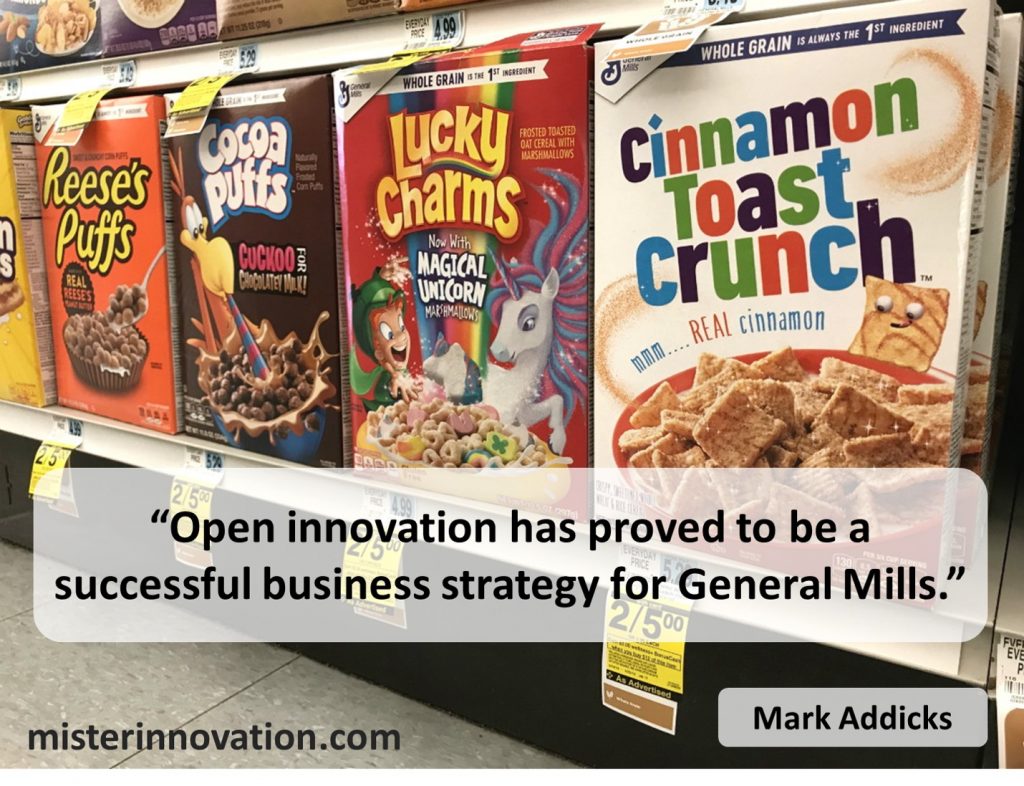
Innovation has always been the lifeblood of successful organizations. It fuels growth, promotes competitiveness, and drives industry disruption. Traditionally, innovation was conducted within the boundaries of individual organizations, with internal R&D teams tirelessly working behind closed doors to develop new products or services. However, the rise of open innovation has revolutionized this approach, allowing companies to tap into external sources of knowledge, ideas, and expertise. By embracing collaboration with external partners – such as customers, suppliers, startups, and even competitors – organizations can magnify the potential for groundbreaking innovations. Nonetheless, this new paradigm comes with its own set of challenges. In this article, we will explore the benefits and challenges of open innovation through two illustrative case studies.

Case Study 1: Procter & Gamble’s Connect + Develop Program

Procter & Gamble (P&G) is renowned for its strategic implementation of open innovation. In 2000, the company realized that its internal R&D efforts were not generating sufficient breakthrough innovations. Instead of solely relying on its own resources, P&G decided to embrace external collaboration. Through its Connect + Develop program, P&G reached out to external partners including universities, entrepreneurs, and small to medium-sized companies. P&G provided them with a platform to submit innovative ideas and solutions. By doing so, P&G successfully tapped into a vast network of external expertise, expanding its innovation ecosystem. This ended up playing a vital role in the development and launch of successful products like Swiffer and Olay Regenerist.

The benefits of P&G’s open innovation approach were manifold. First, it significantly reduced the time and cost associated with the development of new products. Second, it allowed P&G to access a wider range of expertise and knowledge, effectively leveraging external perspectives that may not have been present within the organization. Third, it helped foster a culture of innovation both internally and externally, as P&G became known for its willingness to approach innovation with an open mindset.

However, open innovation also posed several challenges for P&G. One of the biggest was the need to manage intellectual property. When collaborating with external partners, P&G had to strike a balance between sharing enough information to enable collaboration while protecting its valuable proprietary knowledge. Establishing trust with external partners was also crucial, as it required a level of transparency and mutual understanding to forge successful collaborations.

Case Study 2: LEGO’s LEGO Ideas Platform

LEGO, the iconic Danish toy company, successfully harnessed open innovation through its LEGO Ideas platform. Launched in 2008 as LEGO Cuusoo, the platform allows LEGO fans and enthusiasts to submit their own designs for potential LEGO sets. Once submitted, the designs are available for public voting. If a design receives 10,000 votes, it goes through an official review process by LEGO’s design team, and if selected, the design becomes an official LEGO set sold worldwide. This open innovation approach not only engages LEGO’s passionate fan base but also acts as a novel source of innovative product ideas.

The benefits of LEGO’s open innovation approach with LEGO Ideas are evident. It provides a direct connection with customers and empowers them to contribute to product development. This not only improves customer satisfaction but also increases brand loyalty. Moreover, the platform acts as a crowdsourcing tool, amplifying the diversity of ideas and creativity beyond what LEGO’s internal teams could generate alone. Furthermore, the LEGO Ideas platform enables LEGO to gain insights into emerging trends and customer preferences.

Despite its success, LEGO faced challenges in managing the volume of submissions and ensuring the profitability of the resulting sets. Additionally, balancing customer desires, brand consistency, and manufacturing feasibility required thoughtful curation and selection processes to determine which ideas would be pursued.

Conclusion

Open innovation offers numerous advantages to organizations seeking to enhance their innovation capabilities. These benefits can range from better utilization of external expertise and reduced time-to-market to increased customer engagement and differentiation. However, companies embarking on open innovation journeys must navigate potential challenges around the protection of intellectual property, establishing trust with external partners, managing a large volume of submissions, and curating the best ideas. Overall, as exemplified by Procter & Gamble and LEGO, organizations that embrace open innovation strategically and overcome these challenges can unlock tremendous potential and gain a competitive edge in today’s rapidly evolving business landscape.

Bottom line: Futurology is not fortune telling. Futurists use a scientific approach to create their deliverables, but a methodology and tools like those in FutureHacking™ can empower anyone to engage in futurology themselves.

Image credit: misterinnovation.com

Subscribe to Human-Centered Change & Innovation WeeklySign up here to get Human-Centered Change & Innovation Weekly delivered to your inbox every week.

The Science of Motivation: Energizing Teams for Innovation

The Science of Motivation: Energizing Teams for Innovation

GUEST POST from Chateau G Pato

Motivating teams is a critical aspect of driving innovation within organizations. Research has shown that motivated teams are not only more productive but also more likely to generate innovative ideas and solutions. The science of motivation explores various factors that influence team members’ engagement, enthusiasm, and intrinsic drive to excel. By understanding and applying these principles, leaders can effectively energize their teams and foster a culture of innovation. Let us examine two case study examples that illuminate the power of motivation in driving innovation.

Case Study 1: Google’s 20% Time

Google, the tech giant renowned for its innovative products and services, instituted a program called “20% Time” that empowered employees to spend 20% of their work time on self-directed projects unrelated to their assigned responsibilities. This initiative gave team members autonomy and intrinsic motivation to pursue their passions and explore new ideas. As a result, several groundbreaking innovations, such as Gmail and Google News, were born during this designated time. The 20% Time program showcased that when individuals are motivated by personal interest and given the freedom to experiment, it can lead to remarkable results and spur innovation within the organization.

Key Takeaway: Allowing team members to pursue self-directed projects fosters motivation, creativity, and innovation.

Case Study 2: Netflix’s “Freedom and Responsibility” Culture

Netflix, the global streaming giant, has built a reputation for disruptive innovation and original content. Their unique “Freedom and Responsibility” culture empowers employees by decentralizing decision-making and promoting individual ownership. By avoiding strict top-down rules and encouraging freedom, Netflix effectively taps into intrinsic motivation within their teams. Individuals are motivated to take responsibility for their work, think outside the box, and take risks without fear of failure. This culture has enabled Netflix to pioneer numerous game-changing services, such as personalized recommendations and binge-watching, driving continual innovation in a highly competitive industry.

Key Takeaway: Cultivating a culture of freedom and responsibility empowers individuals to think creatively and take ownership, fueling innovation.

The above case studies illustrate the power of motivation and its impact on team innovation. Leaders seeking to energize their teams can apply several effective strategies, such as the following:

1. Foster Autonomy: Provide team members with the freedom to explore personal interests and self-directed projects, unleashing their intrinsic motivation and encouraging innovation.

2. Encourage Risk-Taking: Create a safe environment where employees feel encouraged to take calculated risks and learn from failures. This mindset promotes creativity and engages individuals in pushing boundaries.

3. Recognize and Reward Achievement: Acknowledge and celebrate team members’ accomplishments, reinforcing their motivation and inspiring them to excel further. Recognition creates a positive feedback loop that sustains motivation and innovation.

4. Align Goals with Purpose: Connect team members’ work to a broader purpose by communicating the impact of their contributions. When individuals understand the significance of their work, they are more motivated to innovate and drive positive change.

Conclusion

Motivation is a vital catalyst for driving innovation within teams and organizations. By understanding the science behind motivation and implementing effective strategies, leaders can energize their teams, foster creativity, and inspire a culture of continuous innovation. By learning from the successes of companies like Google and Netflix, organizations can create environments that empower individuals, leading to breakthrough ideas and sustained growth.

Bottom line: Futurology is not fortune telling. Futurists use a scientific approach to create their deliverables, but a methodology and tools like those in FutureHacking™ can empower anyone to engage in futurology themselves.

Image credit: Unsplash

Subscribe to Human-Centered Change & Innovation WeeklySign up here to get Human-Centered Change & Innovation Weekly delivered to your inbox every week.

The Future of Retail: Experiential Shopping and Personalized Experiences

The Future of Retail: Experiential Shopping and Personalized Experiences

GUEST POST from Chateau G Pato

The retail industry is constantly evolving, and recent years have seen a significant shift towards experiential shopping and personalized experiences. In an era where e-commerce is dominating, retailers have realized the importance of creating unique and memorable experiences that cannot be replicated online. By incorporating technology, customization, and interactive elements, retailers are re-imagining the traditional shopping experience and connecting with customers on a deeper level.

One of the key drivers behind the rise of experiential shopping is the desire for authenticity and connection. Customers no longer want to simply buy a product; they want to feel a genuine connection with the brand and the story behind it. This shift is evident in the success of retail spaces that prioritize storytelling and create immersive experiences for customers.

Case Study 1 – Samsung 837 Store

A prime example of this is the Samsung 837 store in New York City. Rather than being a traditional retail store, Samsung 837 is a three-story experience center that showcases the brand’s latest products and innovations. Customers are invited to interact with and test out the products in various experiential zones, such as the Virtual Reality Tunnel and the 4D VR Theater. Additionally, the store hosts regular events, workshops, and performances, creating a sense of community and excitement around the brand. By focusing on creating an immersive and interactive experience, Samsung has successfully transformed the traditional retail space into a destination that customers actively seek out.

Case Study 2 – Nike Flagship Store

Another successful case study in experiential shopping is the Nike flagship store in New York City’s Soho neighborhood. The store features a range of interactive elements that engage customers and encourage them to personalize their shopping experience. For example, the Nike By You Studio allows customers to design and customize their own sneakers, creating a one-of-a-kind product that is unique to them. The store also includes a Nike+ Trial Zone, where customers can test out products on an indoor basketball court, a soccer field, or a treadmill. These interactive experiences not only create a memorable shopping experience for customers but also allow them to engage with the brand in a deeper and more meaningful way.

Personalization is another key aspect of the future of retail. With advances in technology, retailers can now collect and analyze vast amounts of customer data, allowing them to tailor the shopping experience to individual preferences and needs. This personalized approach not only enhances the customer experience but also increases customer loyalty and drives sales.

Amazon is a prime example of a retailer that has successfully leveraged personalization in its shopping experience. Its recommendation engine analyzes a customer’s browsing and purchase history to provide personalized product recommendations. Additionally, Amazon’s Dash Buttons enable customers to quickly reorder commonly used items with the push of a button. By understanding and anticipating customer needs, Amazon has created a seamless and personalized shopping experience that keeps customers coming back.

Conclusion

The future of retail lies in experiential shopping and personalized experiences. By creating immersive and interactive spaces, retailers can forge genuine connections with customers and create a sense of excitement and community. Additionally, by leveraging customer data and technology, retailers can personalize the shopping experience and cater to individual preferences. As the retail landscape continues to evolve, it is clear that the traditional shopping experience is being transformed into a holistic and personalized journey.

Bottom line: Futurology is not fortune telling. Futurists use a scientific approach to create their deliverables, but a methodology and tools like those in FutureHacking™ can empower anyone to engage in futurology themselves.

Image credit: Pexels

Subscribe to Human-Centered Change & Innovation WeeklySign up here to get Human-Centered Change & Innovation Weekly delivered to your inbox every week.

Change Resistance: Addressing Common Barriers and Overcoming Employee Pushback

Change Resistance: Addressing Common Barriers and Overcoming Employee Pushback

GUEST POST from Chateau G Pato

In today’s dynamically evolving business landscape, organizations are faced with a constant need to adapt and embrace change in order to stay competitive. However, change initiatives often encounter resistance from employees, leading to delays and potentially derailing the desired outcomes. Understanding the common barriers to change and implementing strategies to address them is essential for effective change management. This article explores two case studies that illustrate how organizations successfully overcame employee pushback during transformative change endeavors.

Case Study 1: Implementing a New Performance Management System

Company X, a global technology firm, decided to revamp its performance management system to align with their updated business objectives. The organization aimed to encourage a culture of regular feedback and continuous improvement. Recognizing the resistance that the change might evoke, the management team took proactive steps to minimize employee pushback.

Firstly, the company ensured transparency and clarity by communicating the rationale behind the change. They conducted workshops and town hall meetings to explain how the new system would help employees grow professionally and benefit the organization as a whole. This transparent approach enabled employees to grasp the purpose of the change, which reduced uncertainty and resistance.

Secondly, they involved employees in the process by inviting feedback and suggestions. By incorporating their input, the organization demonstrated a genuine commitment to engaging employees and valuing their opinions. This inclusive strategy not only addressed employee concerns but also fostered a sense of ownership among employees, leading to higher acceptance of the new system.

Lastly, the company offered comprehensive training programs to help employees adapt to the change successfully. By providing resources and support, the organization minimized the fear of the unknown and empowered employees to embrace the new performance management system confidently. Regular check-ins and support forums were also established to provide ongoing assistance.

The combined efforts resulted in a smooth transition with minimal resistance. Employees gradually recognized the benefits of the new system, such as increased collaboration and individual growth opportunities. The successful implementation demonstrated that addressing common barriers and involving employees can drive positive change outcomes.

Case Study 2: Shifting to Remote Work during the COVID-19 Pandemic

Organization Y, a mid-sized consulting firm, faced the daunting challenge of transitioning its workforce to remote work amidst the COVID-19 pandemic. While the magnitude of the global crisis was beyond anyone’s control, the management team anticipated the potential resistance from employees during such a sudden transformation.

To overcome employee pushback, the company took proactive measures to support its employees’ transition to remote work. The first step was to ensure open and transparent communication channels. Frequent virtual meetings were conducted to address concerns, provide updates, and clarify expectations. This continuous dialogue improved employee morale and reduced anxiety about the uncertainties associated with remote work.

Understanding that remote work would alter the dynamics of collaboration, the organization invested in collaborative tools and technologies. Platforms like Microsoft Teams and Zoom were introduced to facilitate seamless virtual communication, ensuring effective teamwork and maintaining a sense of connection among employees.

To combat the potential feelings of isolation, the company also organized virtual team-building events, such as online happy hours and game nights. These activities helped foster a sense of camaraderie and provided an emotional support system during a challenging time.

Through these efforts, Organization Y successfully minimized employee resistance and maintained productivity during the transition to remote work. The crisis ultimately pushed the organization to adopt more flexible work practices, resulting in increased employee satisfaction and reduced operational costs.

Conclusion

Change resistance is an inevitable component of any transformative journey, but it does not have to hinder progress. By acknowledging common barriers, understanding employee concerns, and implementing strategies like transparent communication, employee involvement, and ongoing support, organizations can successfully overcome pushback. The case studies of Company X and Organization Y demonstrate that addressing resistance can lead to positive change outcomes and foster a resilient organizational culture capable of embracing future transformations.

EDITOR’S NOTE: Braden Kelley’s Problem Finding Canvas can be a super useful starting point for doing design thinking or human-centered design.

“The Problem Finding Canvas should help you investigate a handful of areas to explore, choose the one most important to you, extract all of the potential challenges and opportunities and choose one to prioritize.”

Image credit: Unsplash

Subscribe to Human-Centered Change & Innovation WeeklySign up here to get Human-Centered Change & Innovation Weekly delivered to your inbox every week.

The Power of Design Thinking in Government

Transforming Public Services

The Power of Design Thinking in Government: Transforming Public Services

GUEST POST from Chateau G Pato

Design thinking is a human-centered problem-solving approach that empowers organizations to create innovative solutions. While traditionally associated with the private sector, design thinking has found a significant role in government organizations to transform public services. This article will explore two case studies that highlight the power of design thinking in improving government services and its potential to drive positive societal change.

Case Study 1: Redesigning the User Experience of a Government Website

In 2017, the Australian government embarked on a project to redesign their official immigration website, aiming to provide a more user-friendly experience. The initial website was complex, cluttered with excessive information, and used technical language that confused and overwhelmed users. Consequently, people struggled to find relevant information and complete application processes efficiently.

Applying design thinking principles, a multidisciplinary team comprising government officials, designers, and user experience experts collaborated to re-imagine the website. They conducted extensive user research, including interviews, focus groups, and user testing, to gain insights into the pain points and frustrations of website users.

Based on these insights, the team simplified the navigation structure, reorganized information, and revamped the language to be more accessible and user-friendly. They implemented a streamlined application process that focused on user needs, reducing redundancies and unnecessary steps. Additionally, they incorporated interactive elements and improved search functionality to enhance the overall user experience.

The redesigned website was rolled out, and its impact on user satisfaction and efficiency was immediately evident. User feedback indicated higher levels of understanding, reduced confusion, and a significant decrease in time required to complete tasks. This case study demonstrates how design thinking can drive the transformation of government services by prioritizing the needs and experiences of citizens.

Case Study 2: Improving Public Transportation Systems

Public transportation plays a crucial role in the daily lives of millions of citizens. Recognizing the need for an improved public transportation system, the Singapore government utilized design thinking principles to initiate a holistic transformation. They aimed to create a seamless and user-centric experience for commuters, thereby increasing overall public transportation usage.

The government engaged with citizens and stakeholders through surveys, interviews, and immersive empathy exercises to understand their pain points, desires, and aspirations related to public transportation. This comprehensive research informed the creation of personas representing different commuter profiles, which became the focal point for designing solutions.

Design thinking techniques were applied to various aspects, including bus stop design, route planning, mobile applications, and fare collection systems. Bus stops were redesigned to provide shelter, seating, and real-time information, catering to the needs of different user groups. Route planning was optimized based on commuter data, and mobile applications were developed to provide live updates on bus timings, route changes, and fare information.

The result was a remarkable enhancement in the overall public transportation experience. Commuters reported reduced wait times, improved convenience, and increased ridership. The government’s successful implementation of design thinking principles demonstrates its potential to transform public services by incorporating user needs into the core of service delivery.

Conclusion

Design thinking has an unrivaled power to transform public services by prioritizing citizen needs and experiences. The case studies discussed above exemplify how governments can leverage this approach to drive positive change. By emphasizing empathy, collaboration, and iterative problem-solving, design thinking can revolutionize the way governments design and deliver public services. It is time for governments worldwide to embrace design thinking as a catalyst for innovation and citizen-centric transformations.

EDITOR’S NOTE: Braden Kelley’s Problem Finding Canvas can be a super useful starting point for doing design thinking or human-centered design.

“The Problem Finding Canvas should help you investigate a handful of areas to explore, choose the one most important to you, extract all of the potential challenges and opportunities and choose one to prioritize.”

Image credit: Pixabay

Subscribe to Human-Centered Change & Innovation WeeklySign up here to get Human-Centered Change & Innovation Weekly delivered to your inbox every week.

Designing Products with Emotional Intelligence

Understanding User Needs and Desires

Designing Products with Emotional Intelligence: Understanding User Needs and Desires

GUEST POST from Chateau G Pato

In today’s competitive market, many companies strive to create products that not only meet customer needs but also evoke emotions and build meaningful connections. This approach is known as designing products with emotional intelligence. By understanding and addressing user needs and desires, companies can create products that resonate with customers on a deeper level, leading to increased customer satisfaction, loyalty, and ultimately, business success. This article explores the concept of designing products with emotional intelligence and provides two case study examples.

Case Study 1: Apple iPhone – A seamless blend of aesthetics and functionality

One of the most successful examples of designing products with emotional intelligence is the Apple iPhone. When the first iPhone was introduced in 2007, it revolutionized the mobile phone industry by offering a seamless blend of aesthetics and functionality. Apple understood that customer needs extended beyond mere features and specifications. They realized that customers desired a device that was not only technologically advanced but also visually appealing and user-friendly.

Apple’s designers focused on creating an emotional connection with their users by prioritizing the user experience. The iPhone’s sleek design, intuitive interface, and user-friendly features addressed the desires of consumers who craved a mobile device that was not only functional but also aesthetically pleasing. As a result, the iPhone became an iconic product, renowned for its emotional appeal, and established Apple as a leader in the smartphone industry.

Case Study 2: Airbnb – Creating a sense of belonging and personalization

Another prime example of designing products with emotional intelligence is Airbnb. The company recognized that travelers often desired a more intimate and authentic travel experience than what traditional hotels could offer. To meet these needs and desires, Airbnb created a platform that allows homeowners to rent out their properties to travelers, enabling them to experience local culture instead of staying in impersonal hotel rooms.

Airbnb’s success can be attributed to the emotional connection it established with its users. By focusing on personalization, the company ensured that travelers felt a sense of belonging while staying at a stranger’s home. The platform allows users to explore various listings, read reviews, and communicate with hosts, fostering trust and creating an emotional bond before booking. Additionally, by providing personalized recommendations based on user preferences, Airbnb delivers a tailored experience that aligns with each user’s desires, making them feel valued and understood.

Conclusion

Designing products with emotional intelligence is crucial for companies aiming to create meaningful connections with their customers. Understanding user needs and desires enables businesses to go beyond functional features and address the emotional aspect of product experiences. By focusing on emotional intelligence, companies like Apple and Airbnb have achieved tremendous success. By crafting products that not only meet practical needs but also evoke positive emotions, companies can build a loyal customer base and differentiate themselves in today’s competitive market. Ultimately, the key to designing products with emotional intelligence lies in empathizing with users, delving into their desires, and creating experiences that resonate with their emotions.

Bottom line: Futurology is not fortune telling. Futurists use a scientific approach to create their deliverables, but a methodology and tools like those in FutureHacking™ can empower anyone to engage in futurology themselves.

Image credit: Pixabay

Subscribe to Human-Centered Change & Innovation WeeklySign up here to get Human-Centered Change & Innovation Weekly delivered to your inbox every week.

Innovation Trends to Watch Out for in the Coming Years

Innovation Trends to Watch Out for in the Coming Years

GUEST POST from Chateau G Pato

As the world becomes more connected and technology continues to advance at a rapid pace, innovation is becoming increasingly crucial for businesses to stay competitive. Companies that fail to embrace new trends and adapt their strategies accordingly risk falling behind and missing out on significant opportunities for growth and success.

In this article, we will explore two key innovation trends that are expected to shape the business landscape in the coming years. These trends, backed by real-world case studies, underscore the immense potential for transformative innovation and offer valuable insights for organizations seeking to stay ahead of the curve.

Trend to watch #1 – Artificial Intelligence (AI) and Machine Learning (ML) in Customer Service

Artificial Intelligence and Machine Learning have revolutionized various industries, and their impact on customer service is undeniable. AI-powered chatbots and virtual assistants are being adopted by businesses to enhance customer experience, streamline operations, and reduce costs.

One prominent case study comes from Amazon, which implemented AI to improve its customer service capabilities. By leveraging machine learning algorithms, Amazon’s AI-powered customer service chatbots are capable of understanding complex customer queries, providing accurate responses, and resolving issues promptly. This has significantly reduced the burden on human support agents while ensuring consistently efficient and personalized customer service.

Another successful application of AI in customer service is seen in the case of Bank of America. The bank launched an AI-powered virtual assistant called Erica. Erica uses natural language processing and predictive analytics to provide personalized financial advice and assist customers with their banking needs. Erica has transformed the customer experience, offering tailored insights and guidance based on individual preferences, driving customer engagement, and increasing customer satisfaction.

Trend to Watch #2 – Sustainable Innovation

As environmental concerns take center stage, sustainable innovation has emerged as a critical trend in recent years. Businesses across industries are increasingly focused on developing eco-friendly solutions and adopting sustainable practices to reduce their carbon footprint and contribute to a greener future.

One inspiring case study is Patagonia, an outdoor clothing and gear company known for its commitment to sustainability. Patagonia has developed innovative ways to reduce waste and promote recycling. Notably, they launched the ‘Worn Wear’ program, offering repairing services to extend the lifecycle of their products. This initiative not only reduces waste but also fosters customer loyalty by encouraging sustainable consumption habits.

Another example is Tesla, the renowned electric vehicle manufacturer. Tesla has revolutionized the automotive industry by developing high-performance electric vehicles that run on renewable energy. By successfully merging technological advancements with sustainability, Tesla has made significant progress in encouraging the widespread adoption of electric vehicles and reducing dependence on fossil fuels.

Conclusion

Staying up-to-date with innovation trends is vital for businesses to stay relevant and thrive in the fast-paced digital era. Artificial Intelligence and Machine Learning are transforming customer service, while sustainability is becoming increasingly essential. Embracing these trends by leveraging case studies like Amazon, Bank of America, Patagonia, and Tesla can inspire organizations to make informed decisions and embrace innovation to drive growth and success in the coming years.

Bottom line: Futurology is not fortune telling. Futurists use a scientific approach to create their deliverables, but a methodology and tools like those in FutureHacking™ can empower anyone to engage in futurology themselves.

Image credit: Pexels

Subscribe to Human-Centered Change & Innovation WeeklySign up here to get Human-Centered Change & Innovation Weekly delivered to your inbox every week.

The Impact of Omnichannel Experiences on Customer Satisfaction

The Impact of Omnichannel Experiences on Customer Satisfaction

GUEST POST from Chateau G Pato

In our increasingly digitally connected world, consumers are no longer limited to a single channel for interacting with brands. The rise of multiple touchpoints – online, offline, mobile applications, social media, and more – has given birth to the omnichannel customer experience. This new paradigm has drastically changed customer expectations, prompting brands to adopt a cohesive and holistic approach to engage, assist, and delight customers. In this thought leadership article, we explore the impact of omnichannel experiences on customer satisfaction, using case studies to highlight its transformative power.

Case Study 1: Sephora

Sephora, a renowned beauty retailer, recognized the importance of embracing omnichannel experiences to enhance customer satisfaction. They strategically integrated physical stores, an e-commerce website, mobile applications, and a robust loyalty program, seamlessly connecting every touchpoint of the customer journey.

Sephora’s “Beauty Insider” program exemplifies the success of their omnichannel approach. Customers can sign up for free and accumulate points across all channels. Regardless of whether they shop in-store, online, or through the mobile app, customers always receive personalized recommendations, exclusive offers, and tailored rewards. This cohesion and convenience are major contributors to customer satisfaction.

According to a Harvard Business Review study, Sephora’s Beauty Insider members spend an average of three and a half times more compared to non-members. By embracing an omnichannel mindset and valuing customer satisfaction, Sephora fosters loyalty, drives sales, and inspires customer advocacy.

Case Study 2: Nike

Another prime example of the impact of omnichannel experiences on customer satisfaction is Nike, the global sportswear giant. Nike leverages technology to create a seamless and personalized experience that surpasses customers’ expectations.

In 2018, Nike launched its NikePlus membership program, which allows customers to connect their in-store, online, and mobile app interactions under a single account. This integration enables customers to browse products, reserving them for in-store try-ons, receiving personalized training programs, and accessing exclusive events. Nike’s omnichannel strategy is explicitly designed to enhance their customers’ satisfaction by making interactions effortless and tailored.

As a result, NikePlus members spend almost triple the amount per year compared to non-members. This success demonstrates that by providing an omnichannel experience centered around customer satisfaction, brands can significantly impact their customers’ buying habits and generate long-term loyalty.

Conclusion

The impact of omnichannel experiences on customer satisfaction cannot be understated. Brands that embrace a cohesive and holistic approach, integrating all touchpoints across the customer journey, stand to gain numerous benefits. Sephora and Nike’s case studies demonstrate how an omnichannel mindset can lead to increased customer spending, improved loyalty, and enhanced satisfaction. By putting the customer at the heart of their strategies and leveraging technology to create seamless experiences, brands can thrive in today’s customer-centric landscape.

SPECIAL BONUS: Braden Kelley’s Problem Finding Canvas can be a super useful starting point for doing design thinking or human-centered design.

“The Problem Finding Canvas should help you investigate a handful of areas to explore, choose the one most important to you, extract all of the potential challenges and opportunities and choose one to prioritize.”

Image credit: Pixabay

Subscribe to Human-Centered Change & Innovation WeeklySign up here to get Human-Centered Change & Innovation Weekly delivered to your inbox every week.