Category Archives: Leadership

The Power of Storytelling in Driving Change Initiatives

The Power of Storytelling in Driving Change Initiatives

GUEST POST from Chateau G Pato

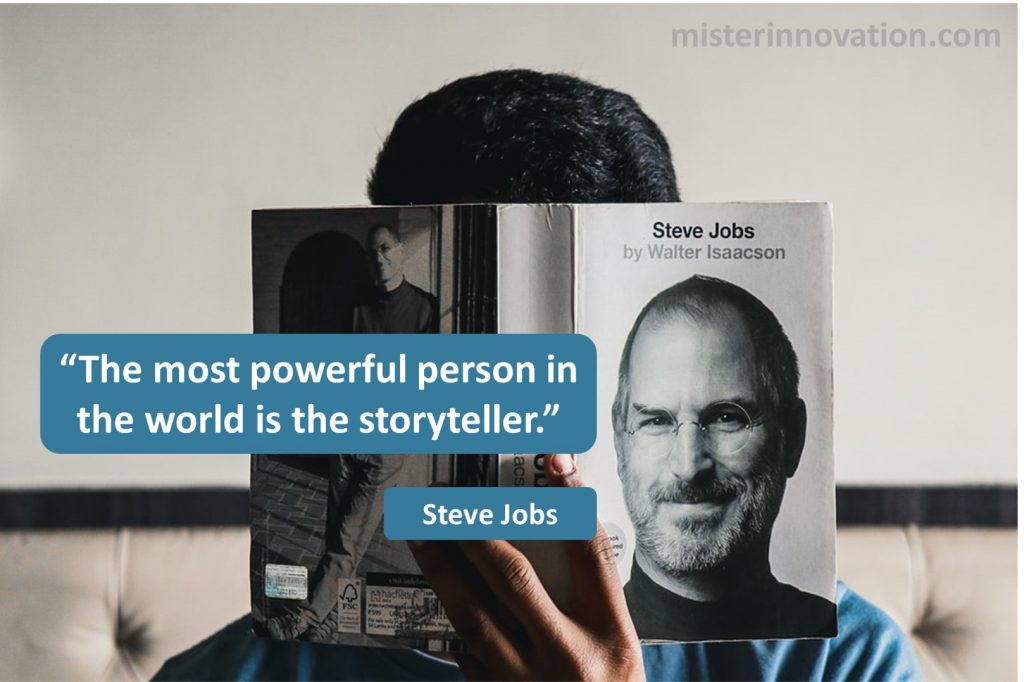
Change is an inevitability in organizations, and its successful implementation often relies on effective communication and engagement. In this context, storytelling emerges as a powerful tool that captures people’s attention, fosters understanding, and ultimately drives change initiatives forward. As Braden Kelley aptly states, “Stories help us understand complex ideas and remember key information in an engaging and emotive way.” By weaving narratives into change management efforts, organizations can inspire, unite, and galvanize their workforce to embrace transformation. Let us explore two compelling case studies that exemplify the power of storytelling in driving successful change initiatives.

Case Study 1: Disney’s “Casting Call” Transformation

In the early 2000s, The Walt Disney Company faced challenging times due to declining attendance and customer satisfaction. To address these concerns, CEO Robert Iger introduced a change initiative known as “Casting Call.” Iger believed that by actively involving employees in the change effort and sharing inspiring stories, the company could drive a cultural shift towards exceptional guest experiences.

The company leveraged storytelling by creating a daily internal newsletter, “The E-Ticket,” which featured stories showcasing exemplary employee behaviors. These stories celebrated actions that went above and beyond, inspiring others to do the same. They celebrated the “Disney Difference” and demonstrated how every individual played a crucial role in creating magical moments for guests. By amplifying these narratives throughout the organization, Disney stimulated a sense of pride, empowerment, and a shared commitment to delivering outstanding customer experiences. As a result, Disney’s “Casting Call” not only reversed the decline but also established a solid foundation for the company’s future success.

Case Study 2: Patagonia’s Sustainable Revolution

Patagonia, the outdoor clothing company, embarked on a change initiative to promote sustainability and combat climate change. CEO Rose Marcario recognized that to truly engage customers and employees, Patagonia needed to go beyond traditional marketing campaigns. She understood the power of storytelling in inspiring action and creating lasting change.

Patagonia launched the “Worn Wear” campaign, which encouraged customers to share stories about their well-worn Patagonia products and how they had been repaired rather than replaced. By highlighting these anecdotes on their website and through social media, Patagonia invited a global community to participate in the narrative of environmental responsibility and sustainable consumption. These stories not only strengthened the emotional connection between the brand and its customers but also inspired other organizations to follow suit. Patagonia’s storytelling approach effectively transformed the company’s mission from merely selling clothing to fostering a sustainable revolution within the outdoor industry.

Conclusion

The compelling case studies of Disney’s “Casting Call” and Patagonia’s “Worn Wear” campaign demonstrate the undeniable power of storytelling in driving change initiatives. Stories possess an innate ability to influence, educate, and inspire people towards action. By harnessing this power, organizations can successfully navigate the storms of organizational change, foster meaningful connections, and create a shared vision for a better future. As Braden Kelley succinctly puts it, “In a world of facts, numbers, and figures, stories are what cut through the clutter and create deeper meaning.” Embrace storytelling as an essential tool in the realm of change management, and unleash its transformative potential within your organization.

SPECIAL BONUS: Braden Kelley’s Problem Finding Canvas can be a super useful starting point for doing design thinking or human-centered design.

“The Problem Finding Canvas should help you investigate a handful of areas to explore, choose the one most important to you, extract all of the potential challenges and opportunities and choose one to prioritize.”

Image credit: Misterinnovation.com

Subscribe to Human-Centered Change & Innovation WeeklySign up here to get Human-Centered Change & Innovation Weekly delivered to your inbox every week.

7 Secrets of Effective Data Analysis

7 Secrets of Effective Data Analysis

GUEST POST from Art Inteligencia

Data analysis is a critical skill in the world of business, and the ability to effectively analyze data can be the difference between success and failure. With the increasing amount of data available today, it’s more important than ever to get the most out of the data you have. Here are some tips for effective data analysis.

1. Have a Clear Goal

Before you begin any data analysis, it’s important to have a clear goal in mind. What do you want to learn from the data? What kind of questions do you want to answer? Having a clear goal will help you focus your efforts and ensure that you’re making the most of your data.

2. Collect Quality Data

Data is only as good as the quality of the data you collect. Collecting accurate data is essential for effective analysis, so ensure that you’re collecting data from reliable sources.

3. Understand Your Data

Before you can begin to analyze your data, you need to understand what it is telling you. Take the time to familiarize yourself with the data and what it means.

4. Use the Right Tools

There are a variety of tools available for data analysis, and it’s important to use the right ones for the task at hand. Using the right tools will help you get the most out of your data and make the analysis process more efficient.

5. Visualize Your Data

Visualizing your data can help you better understand it and draw more meaningful conclusions. There are a variety of tools available for visualizing data, from simple charts and graphs to more complex visualizations.

6. Focus on the Big Picture

When analyzing data, it’s easy to get lost in the details. It’s important to remember to step back and look at the big picture. What are the overarching trends and patterns in your data? What does it all mean in the grand scheme of things?

7. Be Prepared to Take Action

Once you’ve analyzed your data, it’s important to be prepared to take action. What changes can you make based on the data you’ve analyzed? How can you use the data to drive growth and improve performance?

By following these tips, you can ensure that you’re getting the most out of your data and making informed decisions. Data analysis is an invaluable skill in the modern business world, and the ability to effectively analyze data can be the difference between success and failure.

Image credit: Pexels

Subscribe to Human-Centered Change & Innovation WeeklySign up here to get Human-Centered Change & Innovation Weekly delivered to your inbox every week.

The Role of Leadership in Change Management

Examining the characteristics and behaviors that effective leaders exhibit during periods of change, and how they can inspire and guide their teams.

The Role of Leadership in Change Management

GUEST POST from Chateau G Pato

Change is inevitable, and in the fast-paced world we live in, organizations must constantly adapt and evolve to stay competitive. However, navigating change is not an easy task. It requires a strategic approach, clear vision, and most importantly, effective leadership. In this article, we will examine the characteristics and behaviors that effective leaders exhibit during periods of change and present two case studies that highlight their role in inspiring and guiding their teams through transformation.

1. Building trust and transparency:

During times of change, leaders must build trust within their teams by being transparent about the reasons behind the change, its potential impact, and the desired outcomes. This open communication fosters a sense of psychological safety, reducing resistance to change and empowering team members to contribute their ideas and solutions. A leader who exemplified this characteristic is Satya Nadella, the CEO of Microsoft. Upon his appointment, Nadella faced the daunting task of transforming the tech giant’s culture and refocusing its strategy. By setting clear goals, fostering transparency, and encouraging collaboration, he reinvigorated the company and successfully led Microsoft’s transition to a cloud-first, mobile-first organization.

2. Leading by example and embracing change:

Effective leaders not only communicate the need for change but also demonstrate their commitment to it by embracing it themselves. By leading by example, they inspire their teams to embrace change, view it as an opportunity for growth, and adapt without fear. Steve Jobs, co-founder of Apple Inc., exhibited this characteristic during the company’s transformation from a computer-focused organization to one rooted in innovation and design. Jobs led the charge by continuously pushing the boundaries of technology, embracing new ideas, and challenging the status quo, inspiring his team to do the same. His visionary leadership and willingness to change laid the foundation for Apple’s unprecedented success.

3. Empowering and supporting teams:

During periods of change, effective leaders recognize that their teams are the driving force behind any successful transformation. They empower their team members by providing them with the necessary resources, support, and encouragement to thrive in the face of change. An excellent example of such leadership is Mary Barra, CEO of General Motors (GM). When Barra assumed leadership at GM, the company was undergoing significant cultural and operational change following the ignition switch crisis. Barra prioritized effective communication, empowered her team members to take ownership, and supported their efforts to drive innovation and quality. Under her leadership, GM not only navigated the crisis successfully but also regained its position as a leader in the automotive industry.

Conclusion

Effective leadership is indispensable during times of change. Leaders who build trust and transparency, lead by example while embracing change themselves, and empower their teams lay the foundation for a successful transformation. By examining the characteristics and behaviors of leaders like Satya Nadella, Steve Jobs, and Mary Barra, we understand how their visionary approach and effective leadership inspire and guide their teams through periods of change. As organizations continue to evolve, it is crucial for leaders to embrace their role as change agents and drive their teams towards a brighter future.

SPECIAL BONUS: Braden Kelley’s Problem Finding Canvas can be a super useful starting point for doing design thinking or human-centered design.

“The Problem Finding Canvas should help you investigate a handful of areas to explore, choose the one most important to you, extract all of the potential challenges and opportunities and choose one to prioritize.”

Image credit: Pixabay

Subscribe to Human-Centered Change & Innovation WeeklySign up here to get Human-Centered Change & Innovation Weekly delivered to your inbox every week.
The Role of Leadership in Fostering a Culture of Innovation

The Role of Leadership in Fostering a Culture of Innovation

GUEST POST from Art Inteligencia

In today’s rapidly changing business landscape, it has become evident that innovation is the key to long-term success and sustainability. Organizations that foster a culture of innovation are more likely to stay ahead of the competition and meet the evolving needs of their customers. However, creating such a culture requires strong and visionary leadership. In this article, we will explore the critical role leaders play in fostering a culture of innovation, supported by two inspiring case study examples.

Case Study 1: Google

Google, a tech giant renowned for its innovation, owes much of its success to its leaders’ commitment to fostering a culture of creativity and innovation. One standout example is Google’s ‘20% time’ policy, introduced by former CEO Eric Schmidt. This policy allowed employees to spend 20% of their work time pursuing passion projects outside their core responsibilities. This meant that engineers and employees across the organization had the opportunity to explore their own ideas, which ultimately led to the creation of groundbreaking products such as Gmail and Google Maps.

Leaders at Google understood that innovation required an environment that encouraged risk-taking and supported employees’ intrapreneurial efforts. By empowering their workforce to think beyond their immediate tasks, leaders demonstrated trust and belief in the abilities of their employees. This approach not only resulted in game-changing innovations but also bolstered employee engagement and satisfaction.

Case Study 2: Salesforce

Salesforce, a global leader in customer relationship management software, is another company that exemplifies the power of leadership in fostering a culture of innovation. CEO Marc Benioff is known for his strong belief in the importance of innovation and incorporates this vision into the company’s core values. Salesforce’s dedicated program, called ‘Innovation Hour,’ allows employees to spend one hour each week working on innovative projects or learning new technologies.

This intentional allocation of time sends a clear message that innovation is a priority for leaders at Salesforce. By providing their workforce with protected time for creative pursuits, leaders encourage and nurture innovative thinking throughout the organization. This culture of innovation has propelled Salesforce to the forefront of its industry and helped the company continuously deliver new, value-added solutions to its customers.

The Role of Leadership

Leadership plays a vital role in shaping the culture of an organization. When leaders prioritize and actively foster a culture of innovation, it sets in motion a positive chain reaction. Here are some key ways leaders can foster such a culture:

1. Encouraging Risk-Taking: Leaders should create an environment where employees feel safe to take risks, experiment, and learn from both successes and failures. By celebrating efforts and providing constructive feedback, leaders can instill a growth mindset within the organization.

2. Empowering and Trusting Employees: Leaders must empower and trust employees to think creatively and make decisions. When employees feel valued and their ideas are heard, they are more likely to contribute meaningfully to the innovation process.

3. Modeling Innovation: Leaders have a responsibility to set the example by embracing innovation themselves. They should actively seek out new ideas, technologies, and approaches to problem-solving. By embodying innovation, leaders inspire others to do the same.

Conclusion

Fostering a culture of innovation is the responsibility of leaders at all levels of an organization. The case studies of Google and Salesforce demonstrate the immense impact leadership can have on cultivating a culture that nurtures innovation. By encouraging risk-taking, empowering employees, and modeling innovation, leaders can create an environment where creativity thrives, ideas flourish, and game-changing innovations emerge. In an era characterized by disruption, organizations that prioritize innovation will be better equipped to adapt, grow, and succeed in the long run.

Image credit: Pixabay

Subscribe to Human-Centered Change & Innovation WeeklySign up here to get Human-Centered Change & Innovation Weekly delivered to your inbox every week.

The Role of Emotional Intelligence in Effective Change Leadership

The Role of Emotional Intelligence in Effective Change Leadership

GUEST POST from Art Inteligencia

Change is an inevitable aspect of any organization’s journey towards growth and success. Whether it is implementing new strategies, restructuring workflows, or adapting to market trends, change is constant. However, leading and managing change is not an easy task. It requires strong leadership skills, and one crucial aspect of effective change leadership is emotional intelligence. Emotional intelligence is the ability to understand, manage, and express emotions, both your own and those of others. In this article, we will explore the role of emotional intelligence in effective change leadership through two case study examples.

Case Study Example 1: Steve Jobs and Apple’s Turnaround

When Steve Jobs returned to Apple in 1997, the company was on the verge of bankruptcy. Jobs had to make significant changes to revive the company and set it on a path of success. One of the major challenges he faced was bringing together a demoralized and disorganized workforce. Jobs recognized the importance of emotional intelligence in this critical situation.

Instead of solely focusing on the technical aspects of change, Jobs first worked on building strong relationships with his employees. He listened to their concerns and ideas, making them feel valued and motivated. By understanding their emotions, he successfully created a sense of loyalty and commitment among the employees.

Jobs also demonstrated empathy and resilience, which are essential elements of emotional intelligence. He understood that change could be difficult for some individuals and empathized with their fears and insecurities. Through his charisma and visionary leadership, he instilled confidence and inspired the employees to embrace the change.

The result of Jobs’ emotionally intelligent change leadership was Apple’s incredible turnaround. The company launched groundbreaking products, such as the iPod, iPhone, and iPad, reshaping entire industries and becoming one of the most valuable companies in the world.

Case Study Example 2: Mary Barra and General Motors’ Cultural Transformation

When Mary Barra became the CEO of General Motors (GM) in 2014, the company was dealing with the aftermath of a major safety crisis. Several recalls were made due to faulty ignition switches, which led to accidents and deaths. Barra recognized that rebuilding GM’s reputation and reshaping its culture required exceptional change leadership.

Barra leveraged emotional intelligence to lead the transformation. She prioritized open and honest communication, encouraging employees to share their concerns and ideas. She acknowledged the emotions surrounding the crisis and expressed empathy towards the victims and their families, showing genuine remorse and commitment to change.

Barra also fostered a culture of psychological safety, where employees felt comfortable speaking up about potential risks and flaws in the organization. By actively listening to their feedback and taking action, she created an environment that embraced change and innovation.

Under Barra’s emotionally intelligent leadership, GM implemented significant changes, focusing on safety and accountability. The company not only regained its reputation but also became a benchmark for proactive corporate culture transformation.

Conclusion

These case study examples highlight how emotional intelligence plays a pivotal role in effective change leadership. Leaders who possess emotional intelligence can connect with their teams on a deeper level, inspire trust, and navigate through the challenges associated with change. By understanding and managing emotions, empathizing with others, and fostering a culture of psychological safety, emotionally intelligent leaders are better equipped to lead successful transformations.

Image credit: Pixabay

Subscribe to Human-Centered Change & Innovation WeeklySign up here to get Human-Centered Change & Innovation Weekly delivered to your inbox every week.

Change Leadership vs Change Management: What’s the Difference?

Change Leadership vs Change Management: What's the Difference?

GUEST POST from Art Inteligencia

Change management and change leadership are two terms often used interchangeably, but there are key differences between the two. Change management is focused on the implementation of a change, while change leadership is focused on inspiring, motivating, and driving the change. Understanding the distinction between the two is essential for organizations looking to successfully lead change.

Change management is the process of managing a change from its conception to its completion. It involves planning, controlling, and implementing changes in order to meet a goal or objectives. Change management focuses on the logistics of a change, such as budgeting, scheduling, communication, and resource allocation. It also focuses on the people involved, making sure they have the training and support they need to successfully complete the change.

Change leadership, on the other hand, is the process of inspiring, engaging, and guiding people through a change. It is about motivating people to buy into the change, and leading them through it. Change leadership involves understanding the needs and motivations of stakeholders, and using that knowledge to create a vision for the change. It also involves communicating the vision to stakeholders to gain their support, and providing guidance and support to help them through the change.

Change management and change leadership are both essential elements of successful change. Change management focuses on the logistics of a change, while change leadership focuses on the people involved. Together, these two components enable organizations to successfully lead change.

Image credit: Pixabay

Subscribe to Human-Centered Change & Innovation WeeklySign up here to get Human-Centered Change & Innovation Weekly delivered to your inbox every week.

Navigating the Challenges of Leading Change in a Remote Work Environment

Navigating the Challenges of Leading Change in a Remote Work Environment

GUEST POST from Art Inteligencia

In today’s fast-paced and ever-evolving world, remote work has become more prevalent than ever before. With the ongoing COVID-19 pandemic, organizations worldwide have been forced to embrace remote work as the primary mode of operations. However, leading change in a remote work environment can bring forth a unique set of challenges. In this article, we will explore these challenges and provide insights from two case studies to help leaders navigate this shift successfully.

Case Study 1: Company X – Introducing a New Project Management Software

Company X, a medium-sized marketing agency, decided to implement a new project management software to enhance collaboration and streamline workflows. However, they faced significant challenges in making this transition in a remote work environment.

Communication was a major hurdle for Company X, as employees were used to in-person interactions. To overcome this obstacle, the company implemented regular virtual meetings to keep everyone informed about the software’s functionalities and benefits. They also encouraged open communication channels and used several digital tools to facilitate real-time discussions.

Another challenge was ensuring that all employees were equipped with the necessary tools and skills to use the new software effectively. Company X provided comprehensive training sessions and created a repository of resources accessible to all employees. Additionally, they designated internal champions who could provide assistance and guidance to their colleagues during the transition.

By effectively addressing the communication gap and providing adequate support, Company X successfully led the change and now enjoys improved project management and collaboration in their remote work environment.

Case Study 2: Company Y – Restructuring Teams

Company Y, a global technology company, decided to restructure their teams to align with their evolving business goals. This shift required employees to switch teams, work with new colleagues, and adapt to different roles. Such changes can be particularly challenging in a remote work environment where employees have limited face-to-face interactions.

To navigate this transition successfully, Company Y organized virtual team-building activities to foster connections and build rapport among team members. They also encouraged social interactions through digital platforms and created informal spaces for employees to share ideas and experiences.

To ensure a smooth transition, Company Y provided extensive training and resources to equip employees with the necessary knowledge and skills required for their new roles. Regular feedback and performance evaluations were conducted, helping employees feel supported and valued throughout the change process.

Thanks to these initiatives, Company Y successfully led the restructuring process, creating stronger, more agile teams that thrive in the remote work environment.

Conclusion

Leading change in a remote work environment poses unique challenges that require a thoughtful and proactive approach. By addressing communication gaps, providing training and resources, and fostering a sense of community and support, organizations like Company X and Company Y have successfully navigated these challenges. As remote work continues to shape our professional landscape, embracing change and effectively leading teams through such transitions will be crucial for long-term success.

Image credit: Pixabay

Subscribe to Human-Centered Change & Innovation WeeklySign up here to get Human-Centered Change & Innovation Weekly delivered to your inbox every week.

The Evolution of Change Management

From Top-Down to Agile Approaches

The Evolution of Change Management

GUEST POST from Chateau G Pato

Change is an inevitable part of any organization’s growth and survival. In the past, change management strategies primarily followed a top-down approach, where leaders dictated the changes and employees were expected to comply. However, over time, as organizations faced increasing complexity and speed of change, a more agile approach to change management has emerged. This article explores the evolution of change management from top-down to agile approaches and provides two case study examples showcasing the benefits of adopting agile change practices.

The traditional top-down approach to change management involved leaders identifying the need for change, setting objectives, and then cascading the change down through the hierarchy. In this approach, employees were often not adequately involved or consulted, leading to resistance or low engagement. The lack of employee involvement also hampered creativity and innovation, with change initiatives frequently facing roadblocks and slow implementation.

Recognizing the limitations of the top-down approach, organizations began embracing agile change management methodologies, inspired by the principles derived from agile software development. The agile approach emphasizes collaboration, flexibility, and iterative progress, empowering employees to actively participate in the change process. This shift enables organizations to respond swiftly to changing circumstances and capitalize on emerging opportunities.

Case Study 1 – Spotify

One notable case study that highlights the effectiveness of an agile change approach is the transformation of Spotify. This music streaming giant faced the challenge of scaling rapidly while maintaining innovation and adaptability. They shifted from a traditional top-down approach to a squad-based, agile organizational structure. In their agile change management, cross-functional teams were empowered to make decisions, experiment, and continuously improve. This resulted in faster implementation of ideas, increased employee satisfaction, and enhanced customer experiences.

Case Study 2 – Dutch Government

Another case study illustrating the benefits of agile change practices is the digital transformation of the Dutch government. Facing the need to modernize and improve service delivery, they adopted an agile approach to change management. Using this methodology, they formed multidisciplinary teams responsible for specific projects, involving end-users throughout the development process. By conducting frequent iterations and incorporating feedback, the Dutch government successfully rolled out digital initiatives such as the Digital Identity App and the My Belastingdienst portal. The agile change approach ensured that the final products met users’ needs and expectations, leading to improved citizen engagement and satisfaction.

The shift from top-down to agile change management approaches is driven by the understanding that employees are key stakeholders and vital sources of expertise and innovation. By involving employees throughout the change process, organizations can tap into their knowledge, unlock creativity, and improve the quality and sustainability of change initiatives. This collaborative approach results in higher levels of ownership, engagement, and commitment from employees, fostering a culture of continuous learning and adaptation.

Conclusion

The evolution of change management from top-down to agile approaches represents a paradigm shift in how organizations navigate and embrace change. The agile approach, with its emphasis on collaboration, flexibility, and employee involvement, enables organizations to adapt swiftly in an ever-changing environment. Case studies such as Spotify and the Dutch Government’s digital transformation illustrate the positive outcomes of adopting agile change practices. Embracing agile change management not only accelerates the implementation of changes but also nurtures a culture of innovation, empowerment, and resilience in organizations.

Image credit: Pexels

Subscribe to Human-Centered Change & Innovation WeeklySign up here to get Human-Centered Change & Innovation Weekly delivered to your inbox every week.

The Power of Empathy

How to Develop a Human-Centered Design Mindset

The Power of Empathy

GUEST POST from Art Inteligencia

In today’s fast-paced and technology-driven world, designing for human needs has become more important than ever. Human-centered design, also known as empathic design, focuses on understanding the needs and experiences of individuals to create products and services that truly meet their requirements. By adopting this mindset, designers can revolutionize industries and positively impact the lives of people around the globe. In this article, we explore the power of empathy in design through two case study examples that demonstrate the transformative potential of a human-centered approach.

Case Study 1: Airbnb

When Airbnb was founded in 2008, the founders, Brian Chesky and Joe Gebbia, were faced with a market saturated by traditional hotels and limited accommodation options. To differentiate their platform, they decided to incorporate human-centered design principles into their approach. Chesky and Gebbia knew that to truly understand the needs of their potential users, they had to immerse themselves in their shoes. Hence, they embarked on a journey of empathic research by personally living in the homes of their target audience.

Through extensive interviews, observations, and interactions with hosts and guests, Airbnb gained valuable insights into the pain points and desires of their users. They learned that guests sought a more personalized and authentic experience, while hosts wanted to share their homes and make meaningful connections with others. Building on these insights, Airbnb designed their platform to cater to both guest and host needs, allowing users to personalize their bookings, interact with the local community, and build trust through user reviews. The human-centered design approach fueled Airbnb’s rapid growth and disrupted the hospitality industry, leveraging the power of empathy to revolutionize the way people travel and experience new places.

Case Study 2: IDEO

IDEO, an award-winning global design firm, is renowned for its human-centered design mindset. One notable example of their empathic approach is their work with the healthcare system in Ghana. In collaboration with the Ghana Health Service and the Bill & Melinda Gates Foundation, IDEO sought to address the challenges of immunization delivery in rural areas.

IDEO’s team immersed themselves in the local communities, engaging with healthcare workers, parents, and children to gain a deep understanding of the barriers to immunization. They conducted interviews, observed vaccination processes in action, and analyzed the existing infrastructure and resources. Through this empathic research, IDEO uncovered multiple obstacles, such as inadequate refrigeration systems, lack of transportation, and cultural misconceptions about vaccination.

Drawing on these insights, IDEO developed innovative solutions tailored to the specific needs of the Ghanaian communities. They introduced portable solar refrigeration units to ensure the safe storage of vaccines in remote areas, designed transportation systems to reach underserved populations efficiently, and implemented community education programs to dispel myths surrounding vaccines. IDEO’s human-centered design approach not only improved vaccination rates in Ghana but also served as a model for transforming immunization delivery worldwide.

These two case studies exemplify the power of empathy in design. By immersing themselves in the lives of users, both Airbnb and IDEO were able to uncover profound insights that drove meaningful innovation and positive impact. Empathy allows designers to move beyond assumptions and preconceived notions, enabling them to create products and services that truly resonate with the needs and aspirations of users.

To develop a human-centered design mindset, it is crucial to cultivate empathy throughout the design process. This involves actively listening to users, conducting thorough research, and engaging in open-minded conversations. By understanding the context, motivations, and challenges of the target audience, designers can create solutions that go beyond aesthetics, focusing on the overall experience and satisfaction of users.

Conclusion

Empathy is a formidable tool in the hands of designers. By embracing a human-centered design mindset, they can revolutionize industries, enhance user experiences, and positively impact society as a whole. The case studies of Airbnb and IDEO demonstrate how empathy can drive innovation and transform lives. Let us harness the power of empathy and work towards creating a more inclusive and people-centric world through design.

EDITOR’S NOTE: Braden Kelley’s Problem Finding Canvas can be a super useful starting point for doing design thinking or human-centered design.

“The Problem Finding Canvas should help you investigate a handful of areas to explore, choose the one most important to you, extract all of the potential challenges and opportunities and choose one to prioritize.”

Image credit: Pixabay

Subscribe to Human-Centered Change & Innovation WeeklySign up here to get Human-Centered Change & Innovation Weekly delivered to your inbox every week.

Six Key Skills Innovation Managers Should Have

Six Key Skills Innovation Managers Should Have

GUEST POST from Art Inteligencia

Innovation managers are responsible for identifying and developing new ideas and products that will give their company a competitive advantage. They must have a combination of creative and analytical skills, as well as the ability to lead and motivate a team. Here are some key skills that an innovation manager should possess:

1. Strategic Thinking

Innovation managers must have the ability to think strategically, developing long-term plans and strategies that can help their organization stay ahead of the competition. They must be able to identify new opportunities for growth and be able to effectively communicate their ideas to the rest of the organization.

2. Leadership

Innovation managers must be able to lead and motivate a team to achieve their goals. They must be able to foster a collaborative environment and ensure that everyone is working together to reach their objectives.

3. Communication

Innovation managers must have strong communication skills in order to effectively convey their ideas and plans to the rest of the organization. They must also be able to effectively listen to their team and be able to provide feedback in a constructive manner.

4. Analytical Skills

Innovation managers must be able to analyze data and make informed decisions. They must be able to identify trends and patterns and use them to their advantage.

5. Creativity

Innovation managers must be able to come up with creative solutions to problems. They must be able to think outside the box and come up with innovative ideas that will give their company an edge.

6. Project Management

Innovation managers must be able to manage projects from start to finish. They must be able to effectively prioritize tasks and ensure that deadlines are met.

By possessing these six key skills, an innovation manager can help their organization stay ahead of the competition and achieve their goals. And of course, a good understanding of the concepts in my friend Braden Kelley’s excellent innovation primer Stoking Your Innovation Bonfire will help as well.

Image credit: Pexels

Subscribe to Human-Centered Change & Innovation WeeklySign up here to get Human-Centered Change & Innovation Weekly delivered to your inbox every week.