
Category Archives: Leadership

Leadership Lessons from Industry Disruptors

Navigating the Future

Leadership Lessons from Industry Disruptors

GUEST POST from Art Inteligencia

In our volatile, uncertain, complex, and ambiguous (VUCA) world, disruption isn’t an occasional event; it’s the constant drumbeat of progress. Every sector, from finance to healthcare, is ripe for transformation, and the organizations leading this charge—the true industry disruptors—offer invaluable lessons. As a human-centered change and innovation thought leader, I constantly examine what sets these trailblazers apart. It extends far beyond pioneering technology or clever business models; it’s fundamentally about a distinct style of leadership that empowers people, fosters relentless innovation, and fearlessly navigates the unknown. These lessons are not just for startups; they are essential for any established leader aiming to not merely survive, but truly thrive and shape the future.

Cultivating a Visionary, Purpose-Driven North Star

Industry disruptors are rarely driven by profit alone. Instead, they are propelled by a powerful, often audacious, purpose-driven vision that transcends conventional financial goals. Leaders of these organizations articulate a compelling future state – perhaps solving a societal problem, democratizing access, or creating an entirely new category of experience. This vision acts as an unwavering North Star, inspiring employees, attracting mission-aligned talent, and deeply resonating with customers. It provides immense resilience during inevitable setbacks and guides every strategic decision, ensuring sustained momentum toward a transformative objective.

“Disruptors are propelled by a powerful, often audacious, purpose-driven vision that transcends conventional financial goals.”

Relentless, Empathetic Customer Obsession

While many companies pay lip service to customer-centricity, disruptors embody it as an absolute obsession. Their leaders cultivate an organizational culture where understanding and even anticipating customer needs—often before customers themselves can articulate them—is paramount. This goes far beyond traditional market research. It involves deep empathy mapping, immersing teams in the customer journey, conducting ethnographic studies, and maintaining iterative product development cycles based on continuous feedback. They aren’t just selling a product or service; they’re designing an experience around the user’s authentic desires and pain points, willing to completely redesign fundamental aspects of their offerings if it improves the customer’s life.

Embracing Intelligent Experimentation and Learning from Failure

Innovation is rarely a linear process; it’s inherently iterative and often messy. Leaders of disruptive companies recognize that failure is not the opposite of success, but a crucial stepping stone. They actively create environments where intelligent experimentation is encouraged, and setbacks are meticulously analyzed as valuable learning opportunities, not causes for blame or punishment. This requires building psychological safety, de-risking rapid prototyping, and embedding processes that enable quick pivots based on data and emerging insights. They model a “test, learn, and iterate rapidly” mindset, understanding that speed of learning often outpaces speed of execution in uncharted territories.

Case Study 1: Netflix – Pioneering the Streaming Revolution

Netflix’s evolution from a DVD-by-mail service to a global streaming and content production juggernaut is a definitive case study in disruptive leadership. Under Reed Hastings’ guidance, the company didn’t just adapt; it courageously **cannibalized its own highly successful business model**. Their audacious strategic pivot into streaming, despite significant initial investment and risk, demonstrated profound foresight into shifting consumer behavior and technological trends. They understood the future was digital, on-demand, and personalized.

Key leadership lessons from Netflix include: a **visionary long-term view** that anticipated the death of physical media; a **radical culture of “freedom and responsibility”** that empowered employees with unparalleled autonomy and expected peak performance, famously codified in their culture deck; and a **relentless, almost scientific, focus on data-driven decision-making** regarding content acquisition, personalization algorithms, and user experience. They weren’t afraid to make bold, initially unpopular internal decisions (like the Qwikster split, though later reversed) in pursuit of their long-term vision, always prioritizing customer experience and future growth over short-term revenue. Their willingness to “break” what was working to build what would ultimately dominate the entertainment landscape is a hallmark of their leadership.

Key Takeaway: Bold visionary leadership, a culture of high freedom and responsibility, and deep data obsession enable successful self-disruption and market transformation.

Empowering Autonomous, Cross-Functional Teams

Disruptive leaders understand that genuine innovation rarely flourishes within rigid, hierarchical silos. Instead, they actively flatten organizational structures, decentralizing decision-making authority and delegating significant power to small, agile, autonomous, cross-functional teams. These teams are given clear strategic objectives but significant freedom and ownership over how to achieve them. This structure fosters remarkable agility, enhances accountability, and cultivates a stronger sense of purpose and psychological ownership among team members. The result is an accelerated pace of innovation and a superior ability to respond rapidly to market changes. It’s a shift from leading with control to leading with context and trust.

Fostering a Culture of Perpetual Learning and Adaptability

The unrelenting pace of technological and societal change means that yesterday’s winning formula might be tomorrow’s obsolescence. Disruptive leaders intrinsically understand this, and they cultivate an organizational culture of perpetual learning—at both the individual and systemic levels. This involves continuous investment in skill development and reskilling, championing knowledge sharing across teams, and nurturing a strong growth mindset throughout the organization. Critically, these leaders embody adaptability themselves, demonstrating a willingness to pivot strategies, embrace new technologies, challenge long-held assumptions, and even admit when initial approaches were wrong. They build learning organizations, not just performing ones.

Case Study 2: Tesla – Redefining Automotive, Energy, and Manufacturing

Under the visionary, albeit often controversial, leadership of Elon Musk, Tesla has done far more than simply build electric cars. It has fundamentally challenged and disrupted the automotive industry’s traditional manufacturing, sales, and service models, while simultaneously forging a path into the sustainable energy sector with integrated solar and battery solutions. This represents disruption across multiple, deeply entrenched industries.

Key leadership lessons from Tesla include: an **audacious, almost impossible, mission-driven vision** to accelerate the world’s transition to sustainable energy, which acts as a powerful magnet for passionate, top-tier talent; an **extreme bias for action and rapid iteration**, even in hardware and complex manufacturing processes, exemplified by continuous over-the-air software updates to vehicles and relentless factory optimizations; and a bold **vertical integration strategy** that grants unparalleled control over the entire value chain, from battery production to direct-to-consumer sales and a proprietary charging infrastructure. Musk’s leadership, while intense, is defined by a singular, unwavering focus on the long-term mission, an unparalleled willingness to push technological boundaries to their absolute limit, and an acceptance of intense scrutiny and immense risk in pursuit of a truly transformative future. He cultivates a culture of urgency, engineering excellence, and seemingly impossible ambition.

Key Takeaway: An audacious, mission-driven vision combined with extreme bias for action, vertical integration, and a culture of urgency can drive multi-industry disruption.

Leading with Unwavering Transparency and Authenticity

In environments characterized by rapid change and inherent uncertainty, trust is not merely beneficial; it’s foundational. Leaders of disruptive organizations often operate with remarkably high degrees of transparency and authenticity. They openly share both triumphs and setbacks, strategic challenges and emerging opportunities, fostering a deeper sense of psychological safety within the organization. This builds profound credibility, encourages open communication, facilitates constructive feedback, and helps align every individual around the core mission and strategic pivots. When leaders are genuine and vulnerable, it empowers employees to bring their full selves to work and contribute freely to the shared journey of innovation.

Conclusion: The Imperative for Disruptive Leadership

The transformative lessons emanating from industry disruptors are crystal clear: the future of leadership is not about maintaining the status quo or simply adapting to change; it’s about courageously initiating and forging new paths. It demands a visionary purpose, relentless customer obsession, a deep commitment to intelligent experimentation and continuous learning, the empowerment of autonomous teams, and unwavering transparency and authenticity. These aren’t abstract ideals solely applicable to burgeoning startups; they are concrete, actionable principles essential for any established organization seeking to remain relevant, innovative, and impactful in an era of constant transformation. By deliberately embracing and cultivating these leadership qualities, we can shift from being disrupted to becoming the disruptors, actively shaping tomorrow’s industries today.

Extra Extra: Futurology is not fortune telling. Futurists use a scientific approach to create their deliverables, but a methodology and tools like those in FutureHacking™ can empower anyone to engage in futurology themselves.

Image credit: Pixabay

Subscribe to Human-Centered Change & Innovation WeeklySign up here to get Human-Centered Change & Innovation Weekly delivered to your inbox every week.

3 Ways to Get Customer Insights without Talking to Customers

3 Ways to Get Customer Insights without Talking to Customers

GUEST POST from Robyn Bolton

Most of my advice to leaders who want to use innovation to grow their businesses boils down to two things*:

  1. Talk (and listen) to customers
  2. Do something

But what if you don’t want to talk to customers?

After all, talking to customers can be scary because you don’t know what they’ll say. It can be triggering if they say something mean about your product, your business, or even you as a person. It can be draining, especially if you’re an introvert.

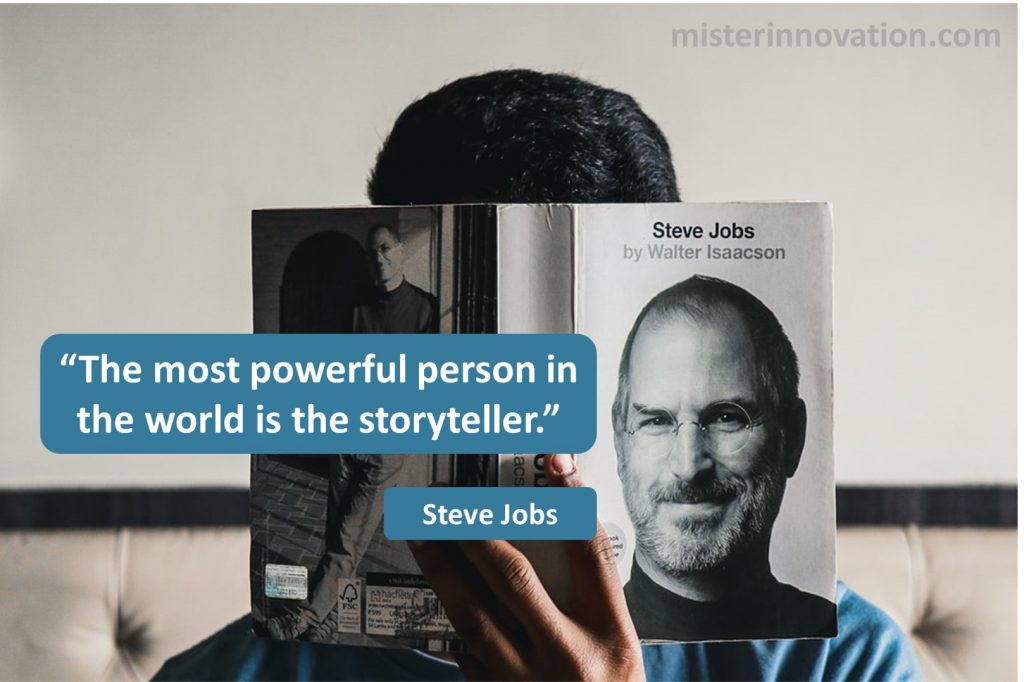
Plus, there are so many ways to avoid talking to customers – Send a survey, hire a research firm to write a report, invoke the famous Steve Jobs quote about never doing customer research.

Isn’t it just better to stay tucked away in the office, read reports, state opinions as if they are facts (those opinions are based on experience, after all), and make decisions?

Nope.

It is not better. It is also not safer, easier, or more efficient.

To make the best decisions, you need the best data, which comes from your customers.

But that doesn’t mean you need to talk to them to get it.

The best data

The best data helps you understand why your customers do what they do. This is why Jobs to be Done is such a powerful tool – it uncovers the emotional and social Jobs to be Done that drive our behavior and choices (functional Jobs to be Done are usually used to justify our choices).

But discovering Jobs to be Done typically requires you to talk to people, build rapport and trust in a one-on-one conversation, and ask Why? dozens of times so surface emotional and social JTBD.

Luckily, there are other ways to find Jobs to be Done that don’t require you to become an unlicensed therapist.

Observe your customers

Go where your customers are (or could be) experiencing the problem you hope to solve and try to blend in. Watch what people are doing and what they’re not doing. Notice whether people are alone or with others (and who those others are – kids, partners, colleagues, etc.). Listen to the environment (is it loud or quiet? If there’s noise, what kind of noise?) and to what people are saying to each other.

Be curious. Write down everything you’re observing. Wonder why and write down your hypotheses. Share your observations with your colleagues. Ask them to go out, observe, wonder, and share. Together you may discover answers or work up the courage to have a conversation.

Quick note – Don’t be creepy about this. Don’t lurk behind clothing racks, follow people through stores, peep through windows, linger too long, or wear sunglasses, a trench coat, and a fedora on a 90-degree day, so you look inconspicuous. If people start giving you weird looks, find a new place to people-watch.

Observe yourself

Humans are fascinating, and because you are a human, you are fascinating. So, observe yourself when you’re experiencing the problem you’re hoping to solve. Notice where you are, who is with you, the environment, and how you feel. Watch what you do and don’t do. Wonder why you chose one solution over another (or none).

Be curious. Write down everything you did, saw, and felt and why. Ask your colleagues to do the same. Share your observations with your colleagues and find points of commonality and divergence, then get curious all over again.

Quick note – This only works if you have approximately the same demographic and psychographic profiles and important and unsatisfied Jobs to be Done of your target customers.

Be your customer

What if your business solves a problem that can’t be easily observed? What if you don’t have the problem that your business is trying to solve?

Become your customer (and observe yourself).

Several years ago, I worked with a client that made adult incontinence products. I couldn’t observe people using their products, and I do not have important (or unsatisfied) Jobs to be Done that the products can solve.

So, for one day, I became a customer. I went to Target and purchased their product. I went home, wore, and used the product. I developed a deep empathy for the customer and wrote down roughly 1 million ways to innovate the product and experience.

Quick note – Depending on what’s required to “be your customer,” you may need to give people a heads up. My husband was incredibly patient and understanding but also a little concerned on the day of the experiment.

It’s about what you learn, not how you learn it

It’s easy to fall into the trap of thinking there is one best way to get insights. I’m 100% guilty (one-on-one conversations are a hill I have died on multiple times).

Ultimately, when it comes to innovation and decision-making, the more important thing is having, believing, and using insights into why customers do what they do and want what they want. How you get those insights is an important but secondary consideration.

* Each of those two things contains A TON of essential stuff that must be done the right way at the right time otherwise, they won’t work, but we’ll get into those things in another article

Image Credit: Pixabay

Subscribe to Human-Centered Change & Innovation WeeklySign up here to get Human-Centered Change & Innovation Weekly delivered to your inbox every week.

Laddering Up Your Career Portfolio

Laddering Up Your Career Portfolio

GUEST POST from Arlen Meyers, M.D.

A career used to describe your roles in one company throughout your working life, like a career at Monsanto, Deloitte, a university or IBM. But, the workplace and generational attitudes have changed, along with a prolonged life expectancy, so careers now mean something different. Now, a career includes all the roles you undertake throughout your life – education, training, paid and unpaid work, family, volunteer work, leisure activities and more.

In today’s world the term career is seen as a continuous process of learning and development. For physicians, those activities that contribute to a career can include:

  • training
  • education
  • employment
  • work experience
  • community activities
  • enterprise activities
  • employment
  • different life roles
  • volunteer work
  • leisure activities

The traditional career ladder for doctors meant 4 years of college, 4 years of medical school and then 4-6 years of residency or fellowship followed by 30-40 years of practice, if not more. The contemporary career trajectory is much different. Exit ramps exist and clinical practice half-lives are shorter.

Investment advisers often suggest bond laddering as an investment risk management strategy. A bond ladder is the name given to a portfolio of bonds with different maturities. For example, you buy bonds with maturation dates that are 1 year, 3 years,5 years and 10 years with variable returns. When one matures, you retire it and buy another on the ladder. Physician entrepreneurs should consider doing the same with their careers as a way to hedge career risk. Doctors, like most everyone, need some side gigs. But, you don’t want to quit your day job until the time is right.

Career laddering is a also a way to leverage your impact. As you move how you spend your time on one thing to another, the results of your efforts should be more meaningful and impactful, whether it be helping more people, helping to solidify your personal brand or creating a higher return the investement of your time. Think about your position, authority, and influence. How are you using them to positively impact the lives of your sphere?

Instead of putting all of your eggs in one basket, diversify your interests and job roles, gradually retiring one to assume another. For example, while clinical practice is the focus of most doctors, take time to build your interest portfolio and dedicate the requisite time and attention to those roles to build value in them. Such roles can be teaching, volunteering, advising, writing, consulting,entrepreneurship or many others. Then, when it’s time, prune or retire one of the roles to assume another on the ladder.

The strategy also applies to advising or consulting. At some point, if you have done things right, people will be coming to you to ask for help. Here are some tips on how to navigate the gig economy.

For example, you might want to apply these criteria to whether you accept your next gig based on fit:

  1. Does it meet your personal and professional needs?
  2. Do you trust the people ?
  3. Do you think the business is viable and how long will it take?
  4. What are the next critical success factors and do you have the knowledge, skills, attitudes and competencies to deliver them?
  5. Are you satisfied with the compensation being offered?
  6. Is there a conflict of interest with other projects?
  7. How much will this intrude into your non-work life and other commitments?
  8. Is the problem the company wants to solve important to you?
  9. How much time, effort and travel is expected?
  10. How much liability is there?

Don’t get stuck in the three boxes of life. Laddering jobs during your career, including after traditional retirement age as an encore career, is a great way to keep you engaged and satisfied.

Here is the case against early retirement. Many of these studies clearly show that health problems intensify after workers qualify for retirement benefits and abate after policies encouraging work are introduced. In addition, there are financial and social consequences.

The word is out. For the first time in 57 years, the participation rate in the labor force of retirement-age workers has cracked the 20 percent mark, according to a new report from money manager United Income (PDF). Some work longer because they want to. Most do it because they think they have to.

What’s more, since social security costs will exceed income in 2020, by delaying retirement ,you will be doing your part for your country’s budget.

You don’t have to do all this full time. Instead you can be a digital nomad or follow the 10/20/30 plan.

Some cities or towns will pay you to move there. Job switching for higher pay is common.

Create a career portfolio and rethink your encore career: You lower your risk, increase your return and can wake up with a smile on your face having made a wise investment.

Image credit: Pixabay

Subscribe to Human-Centered Change & Innovation WeeklySign up here to get Human-Centered Change & Innovation Weekly delivered to your inbox every week.

Measuring Employee Satisfaction and Engagement

Measuring Employee Satisfaction and Engagement

GUEST POST from Art Inteligencia

In today’s hyper-competitive and ever-evolving business landscape, what truly separates the thriving organizations from those merely surviving? It’s not just about technology or market share; it’s about the **people**. As a thought leader in human-centered change and innovation, I’ve seen firsthand that the heart of organizational resilience and future success lies in understanding, nurturing, and actively responding to the needs and aspirations of your workforce.

Gone are the days when a once-a-year, generic satisfaction survey was sufficient. Today, we need a continuous, multi-faceted approach that delves deeper than surface-level sentiment, uncovering the true drivers of engagement and identifying opportunities for meaningful change. Measuring employee satisfaction and engagement isn’t just a “nice to have” HR function; it’s a strategic imperative for fostering innovation and maintaining a competitive edge.

The Innovation-Engagement Nexus

Let’s be unequivocally clear: highly satisfied and deeply engaged employees are the bedrock of innovation. When individuals feel valued, heard, and genuinely connected to their work and the organization’s overarching purpose, they are far more likely to contribute groundbreaking ideas, take calculated risks, and collaborate effectively across teams. This intrinsic motivation fuels a virtuous cycle of creativity and problem-solving.

“Engaged employees don’t just do their jobs; they own their jobs. They are the proactive problem-solvers, the spontaneous innovators, and the most powerful advocates for your organization.”

Conversely, disengagement breeds stagnation, high turnover, and a palpable resistance to essential organizational change. Consider the hidden, yet substantial, cost of *dis*engagement: lost productivity, increased recruitment and training expenses, diminished morale, and a significant drag on an organization’s adaptive capacity. In stark contrast, organizations that cultivate high levels of satisfaction and engagement consistently experience superior financial performance, higher customer satisfaction, and a thriving culture of creativity that attracts and retains top talent.

Beyond the Annual Survey: A Holistic Listening Ecosystem

While traditional annual surveys still hold value as benchmarks and provide a broad overview, they are merely one piece of a much larger puzzle. To truly measure employee satisfaction and engagement effectively, we must embrace a holistic listening ecosystem that integrates various feedback mechanisms into the very fabric of the organization.

Key Strategies and Methods:

  • Pulse Surveys: Implement short, frequent surveys (weekly, bi-weekly, or monthly) focused on specific, timely aspects of the employee experience. These allow for real-time insights into sentiment shifts and can quickly identify emerging issues or celebrated successes. Think of them as vital signs, constantly monitored to ensure organizational health and agility.Example Questions for Pulse Surveys: “On a scale of 1-5, how supported do you feel by your manager this week?” or “I clearly understand how my work contributes to the company’s goals. (Agree/Disagree)”
  • One-on-One Conversations and Stay Interviews: Frontline managers are critical conduits for understanding nuanced employee sentiment. Regular, meaningful one-on-one meetings provide a safe, confidential space for open dialogue and individual problem-solving. Proactively conducting “stay interviews” with valuable employees (who are *not* looking to leave) can reveal precisely what keeps them engaged and satisfied, offering invaluable, proactive insights into long-term retention drivers.
  • Anonymous Feedback Channels: Establish diverse, easily accessible, and truly anonymous platforms such as digital suggestion boxes, dedicated online forums, or specialized HR tech tools. These channels empower employees to share honest feedback without fear of reprisal, which is particularly valuable for identifying sensitive issues, uncovering systemic problems, or fostering psychological safety that might otherwise go unaddressed.
  • Ethical Behavioral Analytics: While requiring careful implementation, robust ethical guidelines, and absolute transparency with employees, analyzing aggregated, anonymized data from digital workplace tool usage (e.g., collaboration platforms, communication patterns), and internal network interactions can provide macro-level insights into team dynamics, workload distribution, and potential friction points. This is about understanding collective patterns, not individual surveillance.
  • Performance Reviews (Reimagined as Growth Conversations): Move beyond traditional performance reviews as mere appraisal tools. Transform them into dynamic, future-focused development conversations where employees actively participate in setting meaningful goals, discussing career aspirations, identifying skill gaps, and providing upward feedback to their managers. This shifts the focus from evaluation to empowerment.
  • Internal Promotion and Retention Rates: These are powerful lagging indicators that speak volumes about your organizational health. A consistently high internal promotion rate signals robust opportunities for career growth and a strong commitment to investing in your existing talent, which are key drivers of long-term satisfaction and loyalty. Conversely, high turnover, especially among new hires or specific demographics, unequivocally indicates issues with onboarding, cultural fit, or the overall employee experience that demand immediate attention.

Case Studies in Action

To truly illustrate the power of a comprehensive, human-centered approach, let’s explore how two distinct organizations embraced innovative methods for measuring and proactively improving employee satisfaction and engagement:

Case Study 1: “InnovateCo” – From Annual Survey to Continuous Listening

InnovateCo, a rapidly growing tech startup renowned for its agile development, traditionally relied on a lengthy, cumbersome annual employee satisfaction survey. While it provided a data snapshot, the insights were often stale by the time comprehensive action plans could be developed and implemented. A persistent, unexplained high turnover rate in their engineering and product development departments indicated a deeper, underlying problem that the infrequent survey wasn’t capturing.

Intervention: InnovateCo collaborated with a human-centered design firm to implement a dynamic “Feedback Fusion Platform” and a “Continuous Listening Program.” They transitioned to weekly pulse surveys, strategically focused on specific, actionable themes like “My manager provides constructive feedback” or “I feel comfortable voicing new ideas.” Alongside this, anonymous digital suggestion boxes were introduced, powered by AI for sentiment analysis and thematic categorization. Crucially, managers were intensively trained on conducting effective “stay interviews” and how to proactively use the real-time pulse survey data to inform their one-on-one coaching and team discussions. This shifted the burden of feedback collection from a single annual event to an ongoing, integrated process.

Results: Within just six months, InnovateCo experienced a remarkable 15% improvement in overall employee engagement scores as measured by their agile pulse surveys. Turnover in previously problematic departments decreased by a significant 10%, directly attributable to proactive interventions. For instance, a recurring theme about “meeting overload” surfaced quickly through the anonymous feedback and pulse survey data. The company responded decisively by implementing “No-Meeting Wednesdays” and introducing clear guidelines for meeting efficacy, leading to a palpable boost in perceived productivity, reduced stress, and improved work-life balance. This direct link between continuous feedback and tangible, visible action fostered an unparalleled culture of trust and psychological safety, empowering employees to innovate more freely and enthusiastically.

Case Study 2: “Global Connect Solutions” – Beyond Numbers to Rich Narratives

Global Connect Solutions, a large, established multinational consulting firm, faced the complex challenge of a diverse, geographically dispersed workforce spanning multiple continents. While their global Employee Net Promoter Score (eNPS) remained relatively stable, qualitative feedback from exit interviews and sporadic town halls suggested a significant cultural disconnect between different regions and a worrying lack of understanding regarding nuanced local drivers of engagement.

Intervention: Global Connect recognized the limitations of purely quantitative data and augmented its existing metrics with a “Global Pulse & Narrative Engine.” This innovative initiative involved deploying small, culturally sensitive, anonymous virtual focus groups facilitated by third-party consultants in each major region. These sessions allowed for deeper, qualitative insights into highly specific pain points, local cultural dynamics, and regional successes. They also courageously launched an internal “Story Share” platform where employees could voluntarily submit short video testimonials or written accounts of their personal experiences, highlighting moments of pride, collaborative breakthroughs, and even overcoming challenges. While participation was voluntary, the raw authenticity and diversity of the shared stories resonated deeply across the organization, creating a powerful sense of empathy and shared experience.

Results: The Narrative Collection Initiative proved transformative, revealing stark, previously unknown differences in work-life balance expectations, recognition preferences, and communication styles across regions that the aggregate eNPS alone completely missed. For example, in one Asian market, employees unequivocally valued structured, transparent career progression paths above all else, whereas in a European market, radical flexibility and autonomy were paramount. This granular, qualitative understanding enabled Global Connect to profoundly tailor and localize their engagement strategies, moving decisively away from a rigid, one-size-fits-all global approach. The “Story Share” platform, surprisingly, evolved into a powerful internal marketing and community-building tool, fostering a powerful sense of shared identity and purpose that transcended geographical and cultural boundaries. This directly led to a measurable uptick in cross-regional project collaborations and a noticeable increase in highly qualified employee referrals, demonstrating the power of understanding the human story behind the data.

Taking Action: The Imperative of Response

Measuring employee satisfaction and engagement, no matter how sophisticated the methods, is only half the battle. The true, transformative value lies in **acting** on the insights gained. When employees consistently see their feedback translate into tangible improvements, it profoundly reinforces their belief in the process, strengthens their trust in leadership, and deepens their commitment to the organization. Conversely, collecting data without acting on it is worse than not collecting it at all – it erodes trust and breeds cynicism.

Key Principles for Action:

  • Transparency: Communicate survey results openly and honestly, both the positive findings and the areas needing improvement. Explain *why* certain actions are being taken (or not taken).
  • Accountability: Assign clear ownership for addressing identified issues to specific teams or individuals. Establish measurable goals and track progress, sharing updates regularly with the workforce.
  • Iteration & Agility: Treat employee engagement as an ongoing journey, not a finite destination. Continuously refine your measurement methods and action plans based on new insights, emerging trends, and evolving employee needs. Be prepared to adapt and iterate.
  • Empower Managers: Equip managers with the training, tools, and authority to address engagement issues within their own teams. They are often the most influential touchpoint for employee experience.

The Future is Human-Centered

By embracing a truly human-centered, data-driven, and relentlessly action-oriented approach to measuring employee satisfaction and engagement, organizations can unlock the full, untapped potential of their workforce. This strategic focus is not just about making employees “happy” in a superficial sense; it’s about building a robust, adaptive, and inherently innovative culture that is future-proofed against disruption. It’s about creating an environment where every individual feels empowered to contribute their best, drive meaningful change, and ultimately, help shape a more successful tomorrow.

Invest in understanding your people, and they will invest their ingenuity and passion back into your organization. This is the cornerstone of sustainable growth and enduring innovation.

Extra Extra: Futurology is not fortune telling. Futurists use a scientific approach to create their deliverables, but a methodology and tools like those in FutureHacking™ can empower anyone to engage in futurology themselves.

Image credit: Pixabay

Subscribe to Human-Centered Change & Innovation WeeklySign up here to get Human-Centered Change & Innovation Weekly delivered to your inbox every week.

Reset and Reconnect in a Chaotic World

Reset and Reconnect in a Chaotic World

GUEST POST from Janet Sernack

Meeting face to face, for a lovely lunch recently, with a coaching colleague, we were both shocked to discover how stressed and anxious we were feeling about being asked to deliver live workshops and face-to-face coaching to clients once again.

We shared how emotionally, mentally, and physically overwhelmed we felt, despite having decades of knowledge, experience, and skills in being able to deliver deep learning programs and face-to-face coaching sessions, about doing live gigs again! We also agreed, that despite the range of largely effective emotionally intelligent coping strategies we developed to help ourselves and our clients self-regulate, self-manage, to better adapt to the pandemic-imposed work-from-home restrictions that the past two and half years of working, alone, and in isolation, online, had taken its toll.

We acknowledged and accepted that we along with many of our clients were all suffering from elevated levels of stress, discomfort, and anxiety. We then agreed that it was time to focus on exploring how to better help ourselves and our clients reconnect and reset by enabling them to create states of well-being, emotional agility, and mental fitness, where they can feel good, can function well, and be effective and innovative in an increasingly chaotic world.

To seek new ways of enabling ourselves and our clients to deal effectively with a range of unresourceful feelings including helplessness, powerlessness, and fearfulness about an uncertain future. 

We noticed that these feelings often caused many of our clients to contract and freeze, and become immobilised as a result of what we describe as a “bubble” of self-induced silo-based behaviours. That often evolved into extreme self-centeredness, and unconscious selfishness, which ultimately increased their feelings of isolation and loneliness, and lack of belonging, resulting in defensive and avoidant behaviours, in what is becoming an increasingly chaotic world.

How are these ways of being and acting impacting organisations?

Partnering in a wide range of online global coaching sessions, we noticed that a number of common trends emerged as to how our client’s teams and organisations, are being impacted at the cultural level:

  • Immobilization – many people are unable to self-manage their work from home workloads and are quietly burning out, through being overly task-focused and busy, whilst others are preferring to work autonomously, and not waste hours commuting.
  • Lacking safety and trust – many organisations are freezing all of their change initiatives, learning programs, and projects, causing people to fear loss and overall job insecurity, where many people are contracting more deeply within their “bubbles” and become even more distrustful of leadership and even more passively defensive and avoidant.
  • Lacking clarity and foresight – many organisations have slipped into being so reactive, focussing only on delivering short-term results, and are not communicating a clear strategy for leading the way forwards.

Resulting in:

  • Increased resistance to change and going back to the office adds to people’s inertia, and to their sense of disconnection and lack of belonging.
  • Increased risk adversity and conventional (cost cutting), tactical and short-term focus, inhibits any investment in Research and Development or the skills development required in developing and executing a future innovation strategy.
  • People have become even more fearful of failure, and are not stretching themselves to adapt, grow, learn and innovate with disruption, and often choosing to merely change jobs, in a competitive job marketplace, driven by scarcity, as a perceived short term solution.

A unique moment in time

This has created an opportunity, in this unique moment in time, to focus on being kinder to ourselves and to others by helping and supporting each other, respectfully and compassionately, creatively and courageously, to reconnect and reset. Despite rising levels of economic, civic, and social uncertainty and unrest.

What made sense yesterday may not make so much sense today.

Many of the mental models we applied yesterday may not be relevant for tomorrow because corporate culture, civic and social structures have drastically changed and digitalization has become commonplace, noting that we are shifting from a VUCA to BANI world where:

  • Brittle has replaced Volatility.
  • Anxiety reflects Uncertainty.
  • Non-linearity is an addition to Complexity.
  • Incomprehensibility is ultimately the consequence of our non-linear world and goes one step further than Ambiguity.

Paradoxically, this has created new openings to genuinely explore and discover new thresholds to adapt, generate new mindsets, develop skill sets, and power up our toolkits to keep pace with the effects of the emerging BANI world and capture complex systems by asking a  key generative or catalytic question:

How might you support and enable others to think and act differently in such a world, where old patterns seem to crumble while new ideas and systems still need to be created, invented, innovated, and established?

As the world of work changes, so does the need for everyone to consider how to be more open-hearted, minded, and willed with one another.

A final word from Gallop CEO Jon Preston in the Gallop Global Emotions Report:

“All over the world, people are trying to understand the rise of violence, hatred, and increased radicalization. They will continue to argue over what the best policy responses should be and what role social media plays in fueling negative emotions.

However, policymakers must understand why so many more people are experiencing unprecedented negative emotions and focus on the drivers of a great life.

Our shared humanity and wellbeing depend on it”.

When we generously and kindly demonstrate care, respect, and appreciation for the value everyone brings, we can also demonstrate helpfulness and support, through our unconditional willingness to reconnect and reset.

Resulting in an ability to co-create a better sense of belonging and a more optimistic outlook, through enhancing our emotional intelligence.  To effectively self-regulation and self-manage the superpowers and strategies required to thrive, flourish and flow, and make transformational changes in the face of relentless uncertainty, disruption, and a chaotic world.

This is the first in a series of three blogs on the theme of reconnecting and resetting, to create, invent and innovate in an increasingly chaotic world. You can also register for our free 45-minute masterclass on Thursday, 25th August, to discover new ways of re-connecting through the complexity and chaos of dis-connection to create, invent and innovate in the future! Find out more.

Image credit: Pixabay

Subscribe to Human-Centered Change & Innovation WeeklySign up here to get Human-Centered Change & Innovation Weekly delivered to your inbox every week.

Exploring Future Scenarios for Strategic Planning

Exploring Future Scenarios for Strategic Planning

GUEST POST from Art Inteligencia

In an age defined by relentless disruption and the constant hum of uncertainty, traditional strategic planning feels increasingly like navigating a vast ocean with only a rearview mirror. Relying solely on past performance or single-point forecasts leaves organizations vulnerable to the seismic shifts that characterize our VUCA world. As a fervent advocate for human-centered change and innovation, I believe the true power of strategic foresight lies not in predicting a singular future, but in robustly exploring a kaleidoscope of plausible futures through scenario planning.

Scenario planning is far more than an academic exercise; it’s a vital, proactive discipline for building organizational resilience and fostering groundbreaking innovation. It challenges us to move beyond linear projections and embrace the inherent messiness and multiplicity of tomorrow. Fundamentally, it’s a profoundly human endeavor, demanding empathy for the diverse needs and behaviors of future stakeholders, sparking creativity to envision divergent paths, and sharpening critical thinking to assess their profound implications. This approach empowers organizations to stress-test assumptions, illuminate potential blind spots, and embed adaptability deep into their core DNA, ensuring they don’t just survive, but thrive, no matter what lies ahead.

Why Scenario Planning is Your Strategic Imperative Now

  • Mitigate Unseen Risks: By consciously considering worst-case, best-case, and a spectrum of plausible scenarios, organizations can proactively identify emerging threats and develop agile contingency plans, dramatically reducing the likelihood of being caught off guard.
  • Uncover Hidden Opportunities: The disciplined exploration of different futures inevitably reveals nascent trends, evolving societal values, and unmet needs, leading directly to the discovery of untapped markets, disruptive products, or entirely new service paradigms.
  • Engineer Adaptability: Organizations that have systematically explored multiple scenarios cultivate an inherent agility, enabling them to pivot quickly and effectively when unexpected events materialize. This builds a profound organizational resilience.
  • Catalyze Authentic Innovation: The very process of scenario development forces out-of-the-box thinking, challenging entrenched conventional wisdom and fostering a dynamic culture of continuous learning, experimentation, and breakthrough innovation.
  • Forge Stakeholder Alignment: Scenario planning provides an invaluable shared language and compelling framework for diverse internal and external stakeholders to collaboratively discuss the future, fostering deep alignment and a unified strategic vision.

The Human-Centered Heart of Scenario Development

At its very core, robust scenario planning hinges on understanding people – how their needs and aspirations might evolve, how societal norms and values could dramatically shift, and how technological advancements will intimately impact human behavior and interaction. It’s a collaborative process that thrives on diverse perspectives and design thinking principles:

  • Deep Empathy for Future Users: What will the daily lives of our customers, employees, and communities truly be like in 5, 10, or 20 years? What novel pain points, emergent desires, or unexpected behaviors will surface? This requires stepping into their potential future shoes.
  • Identifying Core Driving Forces: These are the fundamental, often interconnected factors shaping the future – ranging from technological breakthroughs and profound demographic shifts to macroeconomic trajectories, escalating environmental concerns, and complex geopolitical realignments. Crucially, we distinguish between predetermined elements (e.g., an aging global population) and critical uncertainties (e.g., the exact pace of AI-driven job displacement).
  • Constructing Plausible Narratives: This is the creative act of combining these driving forces in varied, logical ways to forge distinct, coherent, and compelling stories about the future. These are not predictions, but rather carefully crafted “what if” explorations, each a complete, imaginable world.
  • Strategic Backcasting: Once these vivid scenarios are developed, the crucial step is to work backward from each future state. This helps identify the strategic choices, critical decision points, and “no-regret moves” required today to successfully navigate and thrive within that particular future.

Case Study 1: Shell’s Enduring Strategic Foresight

Mastering Energy Transitions with Human Insight

One of the most celebrated and enduring examples of systematic scenario planning is Royal Dutch Shell. Starting in the 1970s, Shell presciently recognized the profound uncertainties inherent in the global energy landscape, particularly concerning resource availability and political stability. Rather than relying on rigid, single-point forecasts, they pioneered the development of multiple, divergent scenarios, including those that daringly posited significant oil price shocks and major geopolitical shifts. This strategic foresight allowed them to better prepare for the oil crises of the 1970s and subsequent market volatility, adapting their business models ahead of competitors.

Shell’s scenario planning isn’t a singular event; it’s an ongoing, deeply institutionalized practice. Their scenarios, often publicly shared, meticulously explore long-term energy transitions, the escalating role of renewables, and the multifaceted impact of climate policy on human societies and economies. This continuous, human-informed engagement with alternative futures has allowed Shell to maintain a remarkable degree of adaptability in a notoriously volatile industry, enabling them to make more resilient investment decisions and strategically diversify their portfolio over many decades. Their success isn’t about perfectly predicting the future, but about building a strategic posture robust across numerous plausible futures, always with an eye on evolving human energy needs and environmental demands.

Case Study 2: Singapore’s Nation-State Resilience through Foresight

Proactive Nation-Building for Human Prosperity

The government of Singapore has long stood as a global exemplar in national strategic foresight. Recognizing its intrinsic vulnerabilities as a small island nation with limited natural resources and a diverse population, Singapore has systematically integrated scenario planning into the very fabric of its policy-making processes. Agencies such as the Centre for Strategic Futures (CSF) within the Prime Minister’s Office collaborate seamlessly across ministries to identify emerging global trends, critical uncertainties, and potential disruptions that could impact its citizens’ well-being and national prosperity.

For instance, their rigorous foresight efforts have meticulously considered scenarios ranging from the rapid spread of global pandemics (years before COVID-19) to major demographic shifts, and the profound impact of advanced automation on employment and societal structures. By deeply exploring these diverse futures, with a clear focus on the human implications, Singapore has been able to develop remarkably proactive policies in critical areas like education (proactively reskilling its workforce for new economic realities), urban planning (designing adaptable infrastructure for evolving human habitation patterns), and healthcare (building robust, resilient public health systems to protect its populace). This proactive, human-centric, scenario-driven approach has enabled Singapore to navigate complex global challenges with unparalleled agility and maintain its long-term stability and remarkable prosperity for its people.

The Road Ahead: Embracing Plurality and Human Ingenuity

The unparalleled power of scenario planning lies in its profound ability to dismantle our ingrained mental models and dramatically expand our collective perception of what’s truly possible. It elevates us beyond mere reactive problem-solving, propelling us into the realm of proactive future-shaping. For today’s leaders and organizations, the critical task is no longer to identify the singular “right” future, but rather to cultivate the dynamic capacity to not just survive, but profoundly thrive, across a multiplicity of futures.

This demands an unwavering commitment to continuous learning, a courageous willingness to engage with uncomfortable truths and challenging possibilities, and, most critically, the audacious courage to make decisive choices today that will resonate positively across tomorrow’s diverse and complex landscapes. Embrace this journey of rigorous exploration. The future is not a predetermined destination; it is a vibrant spectrum of possibilities, waiting to be understood, influenced, and, ultimately, masterfully navigated with inspired human ingenuity and prescient foresight.

Extra Extra: Futurology is not fortune telling. Futurists use a scientific approach to create their deliverables, but a methodology and tools like those in FutureHacking™ can empower anyone to engage in futurology themselves.

Image credit: Pexels

Subscribe to Human-Centered Change & Innovation WeeklySign up here to get Human-Centered Change & Innovation Weekly delivered to your inbox every week.

Successful Agile Transformations

Case Studies

Successful Agile Transformations

GUEST POST from Art Inteligencia

In a world accelerating at an unprecedented pace, the very notion of how organizations function and deliver value is undergoing a seismic shift. For too long, “Agile” has been bandied about as a mere set of tools or a new project management methodology. But let me be clear: that’s missing the forest for the trees. True Agile transformation is a profoundly human transformation. It’s about dismantling rigid hierarchies, fostering a culture of trust and autonomy, and relentlessly focusing on delivering real value to real people – your customers and your employees.

Many organizations embark on Agile journeys, only to stumble. They hit the inevitable resistance to change, encounter leadership unwilling to cede control, or fail to truly embed the Agile mindset within their cultural DNA. Yet, amidst these challenges, beacons of success shine brightly. These are the organizations that understood that process is important, but people are paramount. They didn’t just *do* Agile; they *became* Agile, from the inside out. Let’s delve into a couple of illuminating case studies that highlight the power of successful, human-centered Agile transformations.

Case Study 1: ING – Banking on Agility and Empowerment

The Challenge: ING, a venerable multinational banking and financial services corporation, faced the classic dilemma of established giants: how to remain competitive and responsive against nimble fintech disruptors in a rapidly digitalizing market. Their traditional waterfall approaches and siloed departments were creating drag, hindering innovation and slowing their ability to deliver new digital products and services quickly. Customer expectations were evolving rapidly, and ING needed to catch up – fast.

The Human-Centered Agile Approach: ING didn’t merely adopt a framework; they engineered a radical organizational redesign centered on people. Drawing inspiration from Silicon Valley’s tech giants, they famously restructured their entire Dutch headquarters into a “tribe and squad” model. This wasn’t just a reshuffle; it was a profound cultural shift.

  • Empowered, End-to-End Ownership: They disbanded traditional functional departments, creating small, cross-functional “squads” (teams of 5-9 people) with complete, end-to-end responsibility for specific products or customer journeys. Each squad was given the autonomy to decide how they would achieve their objectives, fostering an incredible sense of ownership, accountability, and psychological safety. This was a direct investment in the human capital.
  • Relentless Customer-Centricity: The focus moved dramatically from internal processes to external customer value. Squads were organized explicitly around customer needs and journeys, ensuring every effort directly contributed to enhancing the customer experience. Continuous feedback loops, rapid prototyping, and extensive user testing became the norm, allowing ING to truly listen to its customers.
  • Leadership as Facilitators, Not Commanders: Senior leadership transformed from a command-and-control hierarchy to a servant leadership model. Their role became one of removing impediments, empowering teams, coaching, and fostering a culture where experimentation and learning from failure were not just tolerated, but encouraged. They invested heavily in comprehensive training and ongoing coaching for *all* employees, reinforcing the new mindset.

The Results: ING’s transformation is a benchmark for large-scale enterprise agility.

  • Dramatic Speed & Innovation: They significantly reduced time-to-market for new digital services, often by two-thirds. This agility fueled a surge in innovation, leading to a richer array of customer-facing products.
  • Enhanced Customer and Employee Experience: By placing customers at the heart of development, ING saw marked increases in customer satisfaction. Internally, employee engagement and morale soared as individuals felt more empowered, valued, and connected to the impact of their work.
  • Significant Cost Savings: Streamlined processes and increased efficiency led to substantial operational cost reductions.

Key Takeaways from ING:

  1. Go Beyond Process: Agile is a cultural redesign. Real transformation requires fundamentally rethinking organizational structure and leadership roles.
  2. Empower the Edge: Push decision-making authority to the teams closest to the work and the customer. Trust your people.
  3. Leaders Must Serve: Leadership’s role shifts from directing to enabling and fostering a safe, experimental environment.

Case Study 2: Microsoft – Reigniting Innovation Through DevOps and Human Connection

The Challenge: For decades, Microsoft, an undeniable software behemoth, operated under deeply ingrained, lengthy waterfall development cycles. This led to notoriously slow response times to market shifts, often years-long product release cycles, and a growing disconnect between engineering teams and the rapidly evolving needs of their enterprise and consumer customers. As the industry pivoted to cloud computing and continuous delivery, Microsoft’s traditional pace became a critical liability. The scale of change required was staggering.

The Human-Centered Agile Approach: Microsoft’s revitalization, particularly within its Azure cloud services division, stands as a testament to the power of human-centered engineering transformation. It wasn’t just about adopting Scrum; it was about building a culture of rapid feedback and continuous improvement.

  • DevOps as a Cultural Bridge: A cornerstone was the widespread adoption of DevOps practices. This went far beyond automation; it was about fostering deep collaboration and communication between traditionally siloed development and operations teams. This human alignment created shared ownership for the entire software delivery lifecycle, leading to smoother, faster deployments and a significant reduction in blame-games.
  • Small, Autonomous Teams & Direct Customer Connection: They moved from massive, multi-year projects to smaller, highly focused, cross-functional engineering teams. Crucially, these teams were given significant autonomy and were pushed to establish direct, continuous feedback loops with customers. They regularly released minimal viable products (MVPs), gathered immediate user insights, and iterated. This direct connection gave engineers a palpable sense of purpose and impact.
  • Iterative Development and Continuous Delivery: The shift from infrequent, “big bang” releases to continuous integration and continuous delivery (CI/CD) meant delivering value incrementally, reducing risk, and allowing teams to adapt their products in real-time based on actual usage and feedback. This empowered teams to learn and adjust on the fly.
  • Leadership Modeling the Change: Under Satya Nadella’s leadership, there was a profound cultural pivot towards a “growth mindset.” Leadership actively participated in Agile ceremonies, openly discussed challenges, celebrated incremental successes, and championed transparency. This top-down commitment to vulnerability and learning reinforced the new ways of working and built trust across the organization.

The Results: Microsoft’s transformation is widely recognized for reigniting its innovation engine and solidifying its position as a cloud and software leader.

  • Exponential Release Acceleration: The release cadence for Azure, once measured in months or years, accelerated to daily or even hourly deployments for some services, allowing them to compete fiercely and effectively.
  • Superior Product Quality & Relevance: Continuous testing, integration, and rapid feedback loops led to higher quality products that were consistently more aligned with customer needs.
  • Elevated Employee Engagement: Engineers reported vastly improved morale, feeling more connected to the product, the customer, and the impact of their work. The ability to see their code deployed and used quickly was a massive motivator.
  • A Culture of Continuous Learning: Beyond metrics, Microsoft successfully instilled a culture of experimentation, embracing failure as a learning opportunity, and fostering a relentless drive for improvement across its vast engineering organization.

Key Takeaways from Microsoft:

  1. DevOps is More Than Tools: It’s a cultural imperative that bridges development and operations for faster, higher-quality delivery.
  2. Customer Proximity is Power: Direct and continuous customer feedback empowers teams and ensures relevance.
  3. Leadership Must Lead By Example: A growth mindset, transparency, and active participation from the top are non-negotiable for large-scale change.

The Human Element: The True North of Agile Success

What these remarkable case studies unequivocally demonstrate is that successful Agile transformation is never purely about adopting methodologies or implementing new tools. These are merely enablers. The true alchemy happens when organizations embrace the human element – when they empower their people, foster deep psychological safety, build unwavering trust, and cultivate an environment where continuous learning, radical collaboration, and unwavering customer-centricity are not just preached, but deeply ingrained in every interaction.

When you genuinely commit to understanding your employees, listening to your customers, and creating the conditions for people to do their absolute best work, that’s when agility transcends a buzzword and becomes a sustainable, formidable competitive advantage. It’s not just about doing Agile; it’s about being Agile, mind, body, and soul. And that, my friends, is the only transformation worth pursuing in our increasingly complex world.

Extra Extra: Futurology is not fortune telling. Futurists use a scientific approach to create their deliverables, but a methodology and tools like those in FutureHacking™ can empower anyone to engage in futurology themselves.

Image credit: Pexels

Subscribe to Human-Centered Change & Innovation WeeklySign up here to get Human-Centered Change & Innovation Weekly delivered to your inbox every week.

Feedback Mechanisms for Continuous Improvement

Feedback Mechanisms for Continuous Improvement

GUEST POST from Art Inteligencia

In the dynamic landscape of modern business, the only constant is change. Organizations that thrive are not those that resist this tide, but rather those that embrace it, leveraging agility and adaptability as their core strengths. At the heart of this adaptive capacity lies a robust system of feedback mechanisms – the circulatory system that delivers vital information, enabling continuous improvement, innovation, and sustained growth.

Many organizations understand the theoretical importance of feedback, yet struggle to implement effective, actionable systems. It’s not enough to simply ask for opinions; true continuous improvement requires a deliberate, multi-faceted approach to gathering, analyzing, and acting upon insights from every corner of the enterprise and beyond. This article will delve into the critical role of well-designed feedback mechanisms, explore various types, and provide practical considerations for implementation, illustrated with compelling case studies.

The Imperative of Effective Feedback: Fueling Human-Centered Progress

Why are feedback mechanisms so crucial? Beyond mere data collection, they serve several vital functions that directly impact people and performance:

  • Early Warning System: Identify issues, risks, and emerging problems before they escalate into crises, protecting both operational flow and employee well-being.
  • Innovation Catalyst: Uncover new ideas, unmet needs, and opportunities for product, service, or process enhancement, often bubbling up from frontline insights.
  • Performance Enhancement: Provide data-driven insights for optimizing individual, team, and organizational performance, fostering a culture of learning and growth.
  • Employee Engagement & Empowerment: Foster a culture where employees feel heard, valued, and empowered to contribute to positive change, enhancing psychological safety and ownership.
  • Customer Centricity: Ensure that products and services truly meet customer expectations and evolving demands, leading to stronger loyalty and advocacy.
  • Strategic Alignment: Offer insights into whether current strategies are effective and guide necessary adjustments, ensuring the organization remains on course with its human and business objectives.

Without effective feedback, organizations operate in a vacuum, making decisions based on assumptions rather than reality. This leads to stagnation, declining market relevance, and a workforce that feels disengaged and unvalued.

Diverse Avenues for Feedback: A Holistic View

Effective feedback comes in many forms, both formal and informal. A holistic approach incorporates a blend of mechanisms, tailored to specific objectives, and recognizing that different insights come from different sources:

  • Direct Customer Feedback: Surveys (NPS, CSAT, CES), focus groups, interviews, user testing, online reviews, social media monitoring, customer support interactions – understanding the external pulse.
  • Employee Feedback: Pulse surveys, engagement surveys, 360-degree feedback, skip-level meetings, suggestion boxes (digital and physical), town halls, one-on-one reviews, internal social platforms – empowering the internal voice.
  • Process Feedback: Kaizen events, Gemba walks, A/B testing, process audits, performance metrics, defect tracking, root cause analysis – optimizing the ‘how’.
  • Partner/Supplier Feedback: Regular reviews, performance evaluations, collaborative workshops – strengthening the ecosystem.
  • Market & Competitor Intelligence: Market research reports, competitive analysis, industry trends, analyst briefings – understanding the broader environment.
  • Data Analytics: Web analytics, sales data, operational data, IoT data – interpreting patterns to reveal often hidden, quantitative insights.

The key is not just collecting data, but connecting the dots across these diverse sources to form a comprehensive picture, allowing for more informed, human-centered decisions.

Case Study 1: Adobe’s “Kickbox” for Intrapreneurship

Adobe, a software giant, faced the challenge of fostering internal innovation and combating the “brain drain” of talented employees leaving to start their own ventures. They recognized that traditional top-down innovation processes were too slow and stifling. Their solution was the “Kickbox” program. Each employee who applies and is accepted receives a literal red box containing a pre-paid credit card (worth $1,000), a 6-step innovation guide, and other tools. The idea is to empower employees with a small budget and a structured process to explore their own innovative ideas without layers of approval. The feedback mechanism here is inherent: employees are directly encouraged to develop and test ideas. The results (or lack thereof) from their Kickbox projects provide immediate, actionable feedback on the viability of concepts, and the program itself provides feedback on the company’s ability to foster grassroots innovation. This bottom-up, human-centered approach allows Adobe to tap into a vast pool of creativity and quickly identify promising new directions, fostering a culture of continuous experimentation and improvement driven by direct employee insights and autonomy.

Case Study 2: Toyota’s Andon Cord System

Toyota’s legendary production system is a prime example of continuous improvement fueled by immediate feedback. A cornerstone is the “Andon Cord.” In a Toyota factory, any worker on the assembly line can pull the Andon cord if they spot a defect or an anomaly. When the cord is pulled, the line stops, and supervisors and team members immediately swarm to address the problem. This isn’t just about stopping production; it’s about identifying the root cause of the problem, fixing it, and implementing measures to prevent recurrence. The feedback is instant, visible, and empowers every single employee to act as a quality control agent and problem-solver. This immediate feedback loop ensures that small issues are caught before they become large ones, driving relentless improvement in quality, efficiency, and safety. It reinforces a culture where problems are seen as opportunities for learning, not something to hide, profoundly trusting the human element on the shop floor.

Implementing Effective Feedback Mechanisms: Key Considerations

Simply deploying a survey or installing an Andon cord isn’t enough. For feedback mechanisms to truly drive continuous improvement, especially in a human-centered way, consider the following:

  • Clarity of Purpose: What specific insights are you seeking? How will the feedback be used? Communicate this clearly to build trust and encourage relevant input.
  • Accessibility and Ease of Use: Make it effortless for individuals to provide feedback. Reduce friction points – whether it’s an intuitive digital interface or clear physical drop-off points.
  • Timeliness: Collect feedback frequently and act on it promptly. Stale feedback loses its value and can breed cynicism.
  • Anonymity and Trust: For sensitive topics, ensure mechanisms that protect anonymity to encourage honest input. Crucially, build a culture of psychological safety where feedback is welcomed, not feared.
  • Actionability: This is perhaps the most crucial. Feedback without action is demoralizing. Dedicate resources to analyze feedback and implement tangible changes.
  • Communication Loop Closure: Inform those who provided feedback about what actions were taken as a result. This reinforces the value of their input, builds trust, and encourages future participation.
  • Integration: Connect feedback data across different systems (e.g., CRM, HRIS, project management tools) to gain a holistic view and identify cross-functional insights.
  • Leadership Buy-in & Modeling: Leaders must not only champion the feedback process but also actively model receptive behavior, thanking individuals for input and visibly acting on insights.

Overcoming Common Feedback Challenges

  • Feedback Fatigue: Keep feedback mechanisms concise and targeted. Don’t over-survey. Vary methods.
  • Analysis Paralysis: Prioritize insights. Start with small, actionable changes. Don’t try to fix everything at once.
  • Fear of Reprisal: Emphasize anonymity where appropriate and consistently demonstrate that feedback leads to positive change, not punishment.
  • Lack of Follow-Through: Assign ownership for acting on feedback and clearly communicate progress.

Conclusion

In an era defined by rapid change, the ability to continuously learn and adapt is the ultimate competitive advantage. Feedback mechanisms are not mere administrative tools; they are the strategic enablers of organizational agility, innovation, and resilience. By intentionally designing, implementing, and acting upon diverse feedback streams – with a genuine commitment to the human beings providing and benefiting from that feedback – organizations can cultivate a vibrant culture of continuous improvement. This ensures they not only survive but truly thrive in the face of evolving challenges and opportunities. Stop waiting. Embrace feedback not as a chore, but as the essential oxygen that fuels your organization’s journey of progress and unlocks its full human potential. Your next breakthrough might just be waiting in a piece of uncollected feedback.

Extra Extra: Futurology is not fortune telling. Futurists use a scientific approach to create their deliverables, but a methodology and tools like those in FutureHacking™ can empower anyone to engage in futurology themselves.

Image credit: Unsplash

Subscribe to Human-Centered Change & Innovation WeeklySign up here to get Human-Centered Change & Innovation Weekly delivered to your inbox every week.
The Phoenix Checklist – Strategies for Innovation and Regeneration

The Phoenix Checklist - Strategies for Innovation and Regeneration

GUEST POST from Teresa Spangler

The general who wins the battle makes many calculations in his temple before the battle is fought.”   Sun Tzu

As reference I love using Michael Michalko book, Thinkertoys. It’s been on my shelf since first released in the 1991, especially in the most challenging times. This book has gotten me and my businesses through 2 gulf wars, 9/11/01 economic aftermath, 2008/9 deep recession and even good times where innovation felt no need.

In chapter 14, Phoenix, he shares the CIA’s checklist for dissecting and solving critical problems. BUT don’t just use this for tackling a problem, use it to help you design new business models, new revenue models, innovating a new product… the checklist applies to scenario planning and breaking down opportunities into manageable strategies to execute new ideas, processes and products.

It’s a strategy used and touted by experts over and over again and it works: The Phoenix Checklist Strategy. Challenging your own assumptions every minute of the day is not a bad thing right now. Putting a framework around how best to challenge your team and build stronger more reliable assumptions and plans is a great idea. I am sure there are strategies already at play and that too is a great thing. What more could be done today that you are not already doing? Maybe this is a great basis for the first question you want to answer using the Central Intelligence Agency’s (CIA) trusted Phoenix checklist.

Below is the Phoenix Checklist but broken down in the way we at Plazabridge Group use the tool for innovating new ideas and solving critical issues for our clients.

>Start here: Can you imagine the result if you solve the problem?

Illusion licensed from iStock by PlazaBridge GroupGet those creative juices flowing.

What do you see?

What’s the first thing you see?

What’s the 2nd thing you see?

I. Define the problem– The first stage is to tackle the checklist.

Below are the Typical questions we ask and may have answers for… but go deeper!

  • Why is it necessary to solve the problem?
  • What benefits do you get by solving the problem?
  • What are the unknown factors?
  • Have you encountered this problem before?
  • What data do we have to help us dissect the problem down into smaller pieces?

We often fail to go deeper into defining the challenges to be solved or opportunities to create Go deeper questions:

  • What are you not yet understanding?
  • What information do you have?
  • What is not the problem?
  • Is the information you have sufficient? Insufficient? Superfluous? Contradictory?
  • Can you describe the problem in a chart?
  • Where is the limit for the problem?
  • Can you distinguish the different parts of the problem? Can you write them down? What are the relationships between the different parts of the problem? What is common to the different problem areas?

Then go even deeper exploration:

  • Have you seen this problem in a slightly different form? Do you know a related issue?
  • Try to think of a familiar problem with the same or similar unknown factors.
  • Suppose you find a problem similar to yours that has already been resolved. Can you use it? Can you use the same method?
  • Can you reformulate your problem? How many different ways can you reformulate it? More generally? More specifically? Can the rules change?
  • What are the best, worst and most likely outcomes you can imagine?

Designing the plan checklist:

Our team starts here cutting through most challenges or designing new opportunities we want to tackle.

What will solving this problem do for our company? Answer this question daily for two weeks. See what happens. It’s magical really!   Define, Write, chart, and visualize every step of the way. Assign roles to each member of the team to tackle component outcomes of the exploration.

  • How will you solve the whole problem? Can you break the problem down?
  • How much of the unknown can you influence?
  • Can you deduce something useful from the information you have?
  • Have you used all available information?
  • Have you taken into account all the essential factors in the problem?
  • Can you identify the steps in the problem-solving process? Can you determine the accuracy of each step?
    • Draw these out –
    • Then redraw them
    • And again
  • What creative techniques can you use to generate ideas? How many different techniques?
    • After exploring creative techniques go back to the previous bullet point and draw out the steps again.
    • Then again
    • And yes ONE MORE MAGICAL time

Imagine again the results in the perfect world! What would the results be, look like, feel to everyone in the company, to you and to your customers?

  • Can you imagine the result? How many different types of results can imagine?
  • How many different ways can you try to solve the problem?
  • What have others done?
  • Can you intuitively see the solution? Can you check the result?
  • What should be done? How should it be done?
  • Where, when and by whom should it be done?
  • What do you need to do right now?
  • Who will be responsible for what?

Now what? Can you do more with the plan?

  • Can you use this problem to resolve any other issues?
  • What are the unique qualities that make this problem what it is and nothing else?
  • Which milestones can best highlight your progress?
  • How do you know when you are successful?

This last point is so very important and often left out of processes. There are stages of success. Success doesn’t happen all at once so how will you create your timeline to give any new plan a chance to succeed? Better yet, how will you know if you are not succeeding? The plan was well thought out, a lot of time was invested and possibly a lot of money! Don’t give up but in your scenario planning do know what you are watching for to say, how and where shall we adjust along the way and constantly question how to improve the plan. Give it long enough, give it a fighting chance, put your top minds in the company on these challenges and opportunities.

Create your opportunity team of diverse thinkers! They are your innovators.

Create your action team! They are your executors!

Now you are ready for the next challenge or opportunity. Start at the top and repeat.

Original Article

Image credits: iStockPhoto (purchased by the author)

Subscribe to Human-Centered Change & Innovation WeeklySign up here to get Human-Centered Change & Innovation Weekly delivered to your inbox every week.

Involving Employees in Decision-Making Processes

Involving Employees in Decision-Making Processes

GUEST POST from Art Inteligencia

In the rapidly evolving landscape of 2025, the traditional top-down organizational structure is increasingly becoming a relic of the past. Organizations that thrive are those that recognize their most valuable asset isn’t their technology or their capital, but their people. And for people to truly be an asset, they must be empowered, engaged, and intimately involved in the decisions that shape their work and the future of the enterprise.

For decades, I’ve championed the cause of human-centered innovation. My message has consistently been that true innovation doesn’t happen in a vacuum, nor does it emerge solely from a corner office. It bubbles up from the collective intelligence, diverse perspectives, and lived experiences of every individual within an organization. This is why involving employees in decision-making processes isn’t just a “nice-to-have”; it’s a strategic imperative for resilience, agility, and sustained competitive advantage.

Why the Time is Now: The Unarguable Case for Empowerment

The arguments for employee involvement are stronger than ever. The velocity of change demands faster, more informed decisions. The complexity of modern business challenges often outstrips the capacity of a small leadership team to fully grasp. When you bring your entire workforce into the decision-making fold, you unlock a cascade of benefits that are simply non-negotiable for future success:

  • Enhanced Decision Quality: Diverse perspectives lead to a more comprehensive understanding of problems and a wider array of potential solutions. Those closest to the work often possess the most accurate, granular insights.
  • Increased Buy-in and Implementation Success: When employees are integral to crafting the solution, they inherently own it. This dramatically reduces resistance to change, accelerates adoption, and embeds solutions deeply within the operational fabric.
  • Boosted Employee Engagement and Morale: Feeling valued, heard, and impactful is a fundamental human need. Involvement fosters a profound sense of purpose, psychological safety, and belonging, creating a truly vibrant workplace.
  • Improved Innovation and Problem-Solving: A culture of authentic participation naturally encourages creative thinking, challenges the status quo, and cultivates a proactive, solution-oriented approach to identifying and addressing complex challenges.
  • Reduced Turnover: Empowered employees are happier, more fulfilled employees. They are significantly more likely to stay with an organization that respects their intelligence, values their contributions, and invests in their growth.

Beyond the Suggestion Box: Practical Approaches for Leaders

So, how do organizations move beyond token gestures and truly integrate employees into decision-making? It requires a fundamental shift in mindset from control to collaboration, and a steadfast commitment to structured, intentional processes. For leaders, this means:

  1. Cultivating Radical Transparency: Lay the groundwork by openly sharing context, challenges, and strategic goals. Employees can only contribute meaningfully if they understand the big picture. Transparency builds trust and enables truly informed contributions.
  2. Empowering Cross-Functional Teams and Task Forces: For specific projects or complex problems, convene diverse teams with representatives from all affected departments and levels. Grant these teams genuine autonomy to research, analyze, propose solutions, and even execute pilot programs.
  3. Leveraging Democratic Idea Generation Platforms: Utilize modern digital platforms (like enterprise social networks, dedicated innovation portals, or AI-powered ideation tools) where employees can submit ideas, collaboratively refine them, and democratically vote on their merit. This democratizes innovation.
  4. Implementing Participatory Budgeting: Involve teams or departments in decisions about how their operational budgets are allocated. This fosters a heightened sense of accountability, strategic thinking, and ownership at every level.
  5. Hosting Open Forums and Deliberative Dialogues: Create regular, facilitated opportunities for two-way dialogue between leadership and employees. These aren’t just Q&A sessions; they’re platforms for inviting challenging questions, candid feedback, and strategic suggestions on key organizational directions.
  6. Embracing “Wisdom of Crowds” Methodologies: For complex, high-stakes decisions, engage a representative sample of employees in structured deliberative polling exercises. This scientifically-backed approach gauges collective sentiment, uncovers hidden insights, and can often predict outcomes more accurately than small expert groups.

Case Study 1: “AgileSphere Innovations” – Redefining Product Roadmap for a Hyper-Competitive Market

AgileSphere Innovations, a leading enterprise software provider, faced a common challenge in 2023: their product roadmap was often perceived as being dictated by a few senior executives, leading to internal misalignment, delayed feature adoption, and occasional missed market opportunities in an increasingly competitive landscape.

Instead of the usual top-down annual planning cycle, AgileSphere launched “Co-Create the Future.” They implemented a quarterly “Innovation Sprint” where every employee, regardless of role or seniority, was invited to submit product feature ideas, improvements, and even entirely new product concepts. These ideas were then collaboratively refined, discussed, and voted upon within an internal, gamified ideation platform. The top 50 ideas would then be pitched in a company-wide virtual “Shark Tank” style event, judged by a diverse panel of executives and randomly selected employees. The winning ideas directly influenced the next quarter’s product roadmap, with allocated resources and dedicated, self-organizing teams formed around them.

Outcome: Within 18 months, AgileSphere reported a remarkable 30% increase in employee engagement scores related to “feeling heard” and “impact on company direction.” Crucially, three of their most successful product launches in 2024 originated directly from employee submissions through this process, including a groundbreaking AI-powered analytics dashboard that captured significant market share, validating the power of collective intelligence.

Case Study 2: “EcoHarvest Foods” – Optimizing Supply Chain Resilience in a Volatile World

EcoHarvest Foods, a sustainable food distributor operating across North America, experienced significant and costly disruptions in their supply chain during the global events of the early 2020s. Recognizing that the frontline workers in their warehouses, logistics, and procurement departments held invaluable operational knowledge often overlooked, they initiated “The Ground Up Initiative” in late 2022.

This initiative involved creating regional “Resilience Circles” – self-managing, cross-functional groups of 8-12 employees who met bi-weekly. Their mandate was to identify supply chain vulnerabilities, propose alternative sourcing strategies, and streamline internal processes. These circles were given genuine autonomy to pilot small-scale improvements and report their findings directly to a senior leadership steering committee. EcoHarvest also implemented a “Reverse Mentoring” program, where younger, digitally native employees mentored senior leaders on emerging technologies like blockchain for traceability and AI for demand forecasting, bridging critical knowledge gaps.

Outcome: By mid-2024, EcoHarvest Foods had reduced supply chain lead times by an average of 15% and diversified their critical supplier base by 25%, significantly enhancing their resilience against future disruptions. The initiative also led to a 10% reduction in operational waste through employee-identified process efficiencies, proving that empowering those closest to the problem leads to tangible, bottom-line results and a more sustainable enterprise.

Navigating the Path: Addressing Challenges and Empowering Leaders

While the benefits are clear, implementing broad employee involvement isn’t without its challenges. Leaders must be prepared to address:

  • Fear of Ceding Control: This is perhaps the biggest hurdle. Leaders must understand that empowering doesn’t mean losing control, but rather amplifying influence through shared ownership.
  • Information Overload: As more voices contribute, managing the influx of information requires robust digital tools and clear facilitation processes.
  • Ensuring Equitable Participation: Not everyone is comfortable speaking up. Leaders need to actively foster an inclusive environment where all voices feel safe and encouraged to contribute, leveraging anonymous feedback channels where appropriate.
  • Managing Expectations: Not every idea can be implemented. Transparent communication about why certain decisions are made, even when an employee’s specific idea isn’t chosen, is crucial.
  • Decision Fatigue: While involvement is good, not every decision requires broad consensus. Leaders must discern when broad input is vital versus when efficient, executive decision-making is necessary.

For leaders, this shift requires new muscles: active listening, empathetic facilitation, skillful synthesis of diverse inputs, and a genuine belief in the wisdom of their collective workforce. Invest in leadership development that focuses on coaching, collaboration, and building psychological safety.

Your Next Step: Ignite the Power Within

The future belongs to the organizations that democratize decision-making. Don’t wait for a crisis to realize the untapped potential within your workforce. Begin today by identifying one key decision area where employee input could be transformative. Open the dialogue. Trust your people. And watch as engagement soars, innovation accelerates, and your organization becomes truly future-proof. The journey to a human-centered enterprise starts with empowering every voice.

Extra Extra: Futurology is not fortune telling. Futurists use a scientific approach to create their deliverables, but a methodology and tools like those in FutureHacking™ can empower anyone to engage in futurology themselves.

Image credit: Pixabay

Subscribe to Human-Centered Change & Innovation WeeklySign up here to get Human-Centered Change & Innovation Weekly delivered to your inbox every week.
