Category Archives: education

The Future of Education

How Technology is Transforming Learning
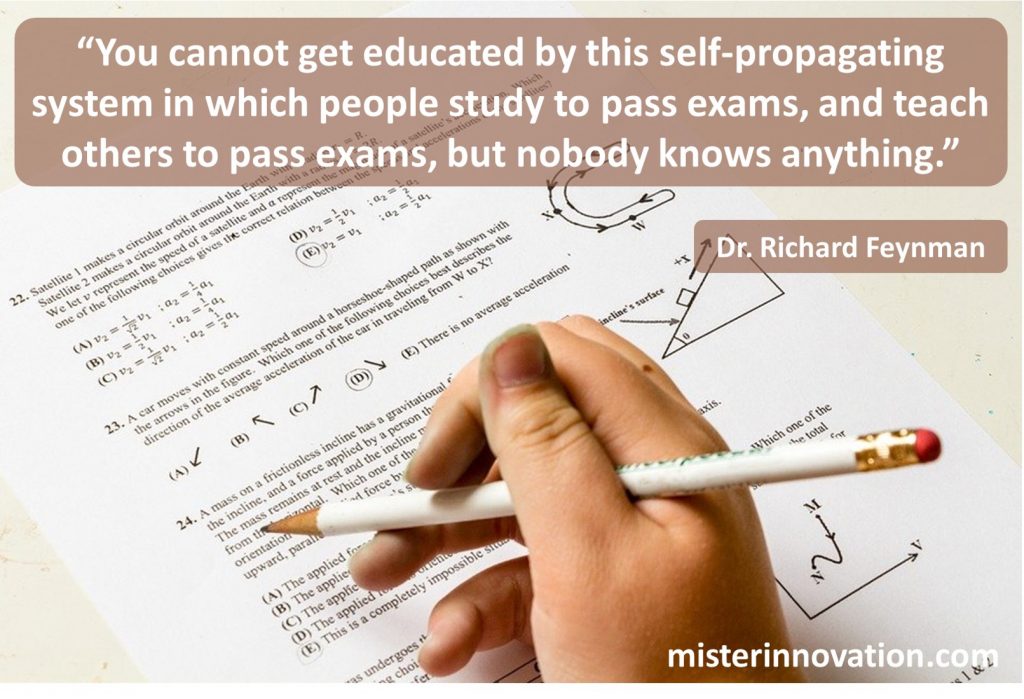
The Future of Education: How Technology is Transforming Learning

GUEST POST from Chateau G Pato

In an age where technological advancements are reshaping every industry, education stands at a pivotal moment. The integration of technology within learning environments is not just a forthcoming trend, but a necessary evolution to prepare future generations for a rapidly changing world. As we navigate the future of education, we must understand how technology is fundamentally transforming the way learners engage with content, educators impart knowledge, and institutions evolve.

Key Technologies Driving Change in Education

Before delving into specifics, it is crucial to recognize the technological pillars that are facilitating this transformation:

  1. Artificial Intelligence (AI) and Machine Learning (ML): These technologies are personalizing learning experiences, enabling adaptive learning platforms that cater to the individual needs of students.
  2. Virtual Reality (VR) and Augmented Reality (AR): These tools are creating immersive learning experiences that can transcend physical classroom limits.
  3. Blockchain Technology: Ensuring the secure and transparent management of educational credentials and records.
  4. Internet of Things (IoT): Facilitating smart classrooms that enhance the accessibility and interplay of educational resources.

In this article, we’ll explore real-world case studies demonstrating how these technologies are transforming education.

Case Study #1: Closing the Learning Gap with Artificial Intelligence in India

In a country as vast and diverse as India, educational disparity is a significant challenge. Despite concerted efforts to improve educational access, rural and underserved urban areas often lag behind in academic achievement. Enter *BYJU’S*, an edtech company leveraging AI and ML to bridge this gap effectively.

BYJU’S Approach:

BYJU’S offers personalized learning experiences through their AI-driven app, which adapts to each student’s learning pace and style. The adaptive learning platform uses algorithms to analyze performance and engagement metrics, tailoring content accordingly. Questions and problems are presented based on the student’s prior interactions, ensuring that learning is neither too easy nor too difficult—a perfect equilibrium to maintain interest and facilitate comprehension.

Impact:

  • Enhanced Engagement: By providing interactive and gamified content, BYJU’S has significantly increased student engagement rates. Learning isn’t a chore; it’s fun.
  • Personalized Pathways: Students receive a bespoke educational journey. The AI identifies areas needing improvement and revisits them with alternative explanations and varied problem sets.
  • Scalability: The digital nature of the platform ensures that it can be deployed across vast demographics, accommodating millions of students without the limitations of physical infrastructure.

In a country where educational resources may be scarce in rural areas, BYJU’S is democratizing education, offering every child a chance for personalized learning.

Case Study #2: Immersive Learning Environments in the United States

At the heart of Silicon Valley, *Stanford University’s Virtual Human Interaction Lab (VHIL)* is pioneering the use of VR and AR to create immersive learning experiences. Traditional learning methods can be abstract and difficult for students to relate to, particularly in fields like history, science, and engineering. VHIL addresses this by bringing lessons to life in a virtual environment.

Stanford’s Approach:

VHIL employs VR to simulate real-world scenarios that complement the theoretical knowledge delivered in lecture halls. For example, engineering students can interact with and troubleshoot complex machinery in a virtual space, gaining hands-on experience without the constraints and safety risks of real-world setups.

Impact:

  • Increased Retention: Studies have shown that immersive learning experiences significantly improve information retention. As students “experience” the content, they are more likely to remember it.
  • Active Learning: Instead of passively consuming information, students are active participants in their educational journey. This fosters critical thinking and problem-solving skills.
  • Accessibility: With VR, education is no longer confined to the classroom. Students can participate in field trips to historical sites, natural habitats, or even outer space, all from their school desks.

Stanford’s initiative illustrates how VR and AR can transform theoretical knowledge into practical understanding, making learning a more engaging and effective process.

The Future Roadmap: Challenges and Opportunities

While these case studies highlight the transformative potential of technology in education, there are challenges to consider. The digital divide remains a critical issue worldwide, with unequal access to technology putting disadvantaged students at risk of falling further behind. Ensuring inclusive access to technological advancements is paramount.

Moreover, the integration of technology necessitates teacher training and curriculum adjustments. Educators must be equipped not just with digital tools, but with the pedagogical strategies to incorporate them effectively.

Final Thoughts

Technology is undeniably propelling education into a new era, fostering a more personalized, engaging, and accessible learning environment. As we look toward the future, continued innovation and thoughtful implementation will be key to unlocking the full potential of these transformative tools. By harnessing the power of AI, VR, AR, and other emerging technologies, we can shape a future of education that is equitable, dynamic, and capable of preparing learners for the complexities of the modern world.

As educators, policymakers, and technologists, our mission is clear: to embrace this educational renaissance and to ensure that the benefits of technological advancements reach all corners of society. The future of education is not just for those with access and privilege—it is for everyone. And that is the most transformative aspect of all.

SPECIAL BONUS: The very best change planners use a visual, collaborative approach to create their deliverables. A methodology and tools like those in Change Planning Toolkit™ can empower anyone to become great change planners themselves.

Image credit: misterinnovation.com

Subscribe to Human-Centered Change & Innovation WeeklySign up here to get Human-Centered Change & Innovation Weekly delivered to your inbox every week.
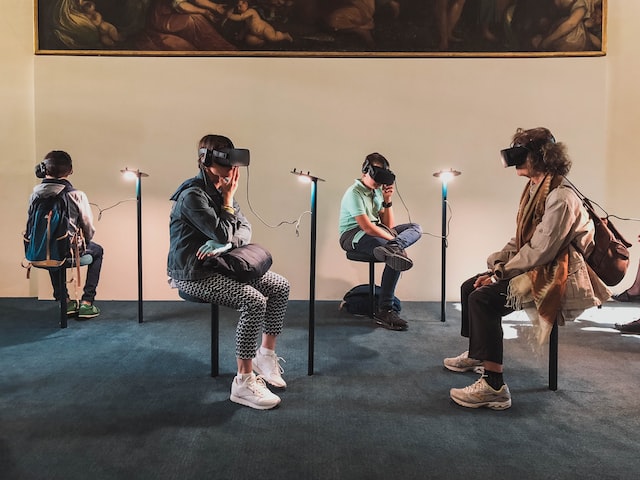
Transforming Entertainment and Education

The Rise of Virtual Reality

Transforming Entertainment and Education

GUEST POST from Chateau G Pato

Virtual Reality (VR) has ceaselessly evolved since its inception, transforming from a science-fiction concept into a tangible, consumer-ready product. Far beyond mere escapism, we’re now observing VR’s broad-reaching implications in entertainment, education, and several other areas.

Today, we’ll delve into VR’s transformative potential in two fields: entertainment and education. Through case studies, we explore how VR is reshaping these landscapes, creating immersive experiences and facilitating progressive learning models.

CASE STUDY 1: Entertainment – The New Era of Immersive Gaming

Sony’s PlayStation VR stands as a testament to VR’s transformative play in the entertainment industry. This VR gaming set has redefined the gaming experience, offering high-definition visuals, unrivaled audio, and a jaw-dropping feel of realism that gamers could only dream of a decade ago.

The launch and success of the Resident Evil 7: Biohazard on PlayStation VR, demonstrating an immersive horror survival experience, have dramatically changed the perception of VR among gamers—highlighting its capabilities beyond aesthetics towards a full-fledged narrative experience. The impact of VR on the game’s design, gaming experience, and horror genre are astonishing—deeply engaging users and escalating their emotional responses like fear, stress, and relief.

Moreover, PlayStation VR has catalyzed the acceptance and adoption of VR among developers and consumers. It has showcased the potential of VR to offer diverse gaming genres and experiences, fostering a dynamic and fast-paced evolution in the gaming industry.

CASE STUDY 2: Education – Immersive Learning Through Google Expeditions

In the realm of education, Google Expeditions exemplifies the transformative power of VR. This revolutionary app leads students on virtual trips worldwide, making learning interactive and immersive by breathing life into textbook concepts.

The app offers over 900 unique expeditions, transporting students to historical sights, undersea adventures, or even outer space. Students can explore the Great Barrier Reef, wander the International Space Station, or walk through the Colosseum without leaving the classroom.

Through Google Expeditions, the learning experience is re-engineered to stimulate curiosity and facilitate better comprehension. The pilot program reported that students remembered 27% more factual content from VR trips.

Equally impactful, this VR application is democratic. Even schools with limited budgets can access Expeditions— all needed is a simple cardboard VR viewer and a smartphone. Removing geographical and economic barriers fosters educational inclusivity, a significant step forward for global education.

The Future of VR: Transforming Industries

These case studies illustrate VR’s potential across domains, as it revolutionizes both entertainment and education. However, its transformative potential extends even wider, from healthcare, where VR is used for pain and anxiety management, to engineering, where it aids in the design and testing process.

Indeed, we can view VR not as an end in itself, but as a tool that can amplify human potential, stimulate emotions, and foster a deeper understanding of knowledge and experience – essentially, a significant shift towards more immersive and inclusive experiences. To that end, the rise of VR is not just about technology—it’s about how we interact with the world around us, and ultimately, with each other.

As we embrace and navigate this new frontier, we must consider the broader implications of VR—managing the ethical, societal, and technological challenges to maximize its benefits for society. The road ahead for VR is adventurous and challenging, yet undoubtedly promising.

SPECIAL BONUS: Futurology is not fortune telling. Futurists use a scientific approach to create their deliverables, but a methodology and tools like those in FutureHacking™ can empower anyone to engage in futurology themselves.

Image credit: Unsplash

Subscribe to Human-Centered Change & Innovation WeeklySign up here to get Human-Centered Change & Innovation Weekly delivered to your inbox every week.

Zoom Tutorial – Amazing New PowerPoint Background Feature

EPISODE SIX – Ask the Consultant

Today in EPISODE SIX of Ask the Consultant, host Braden Kelley shows you how to take advantage of an amazing new Zoom feature that lets you easily create compelling videos with PowerPoint slides over your shoulder in the background.

This is a way better method of presenting slides than having your camera on and sharing your screen.

This video is itself an example of what you can do with this new Zoom feature (currently in BETA) and inside I’ll show you step by step how to do it.

This zoom tutorial will help all of the following people be more efficient and effective:

It shows how to simply do what previously took third-party apps like mmhmm or post-production video editing knowledge and lots of time to achieve. It’s so easy that I can finally get around to recording Change Planning Toolkit™ eLearning and certification programs.

So, stay tuned!

Surprise people the next time you present on Zoom or record more compelling instructional videos and e-Learning to power your business or engage your students.

Now would be a great time to hire me to do a virtual keynote for your organization to empower your employees with greater knowledge and capabilities around innovation, change, transformation or design thinking.

Book Innovation Speaker Braden Kelley for Your Event

Quick Reminder of Steps to Create Over the Shoulder Slides in Zoom

PART ONE:

  1. Create a new PowerPoint (13.33” x 7.5” works well)
  2. Choose a Background for your Zoom slides
  3. Fill default wide-screen format of all slides
  4. Copy slide from source presentation and paste it as an image onto one of your new background slides
  5. Resize pasted slide image to be 9.5” wide
  6. Position slide image upper right with ¼” border
  7. Repeat

PART TWO:

  1. Open Zoom
  2. Start a Meeting
  3. Click the Start Video icon (ALT + V)
  4. Click the Screen Sharing icon (ALT + S)
  5. Click the Advanced tab
  6. Click on ‘PowerPoint as Virtual Background’
  7. Select Your PowerPoint to import as a background

Help Shape the Next ‘Ask the Consultant’ Episode

  1. Contact me with your question for the next video episode of “Ask the Consultant” live from my innovation studio
  2. Grab a great deal on Stoking Your Innovation Bonfire on Amazon while they last!
  3. Get a copy of my latest book Charting Change on Amazon

Below are the previous episodes of ‘Ask the Consultant’:

  1. EPISODE ONE – What is innovation?
  2. EPISODE TWO – How do I create continuous innovation in my organization?
  3. EPISODE THREE – What is digital transformation?
  4. EPISODE FOUR – What is the best way to create successful change?
  5. EPISODE FIVE – What is design thinking?
  6. All other episodes of Ask the Consultant


Accelerate your change and transformation success

Subscribe to Human-Centered Change & Innovation WeeklySign up here to get Human-Centered Change & Innovation Weekly delivered to your inbox every week.

Revolutionizing Education

How Technology Will Shape Learning in the Future

Revolutionizing Education: How Technology Will Shape Learning in the Future

GUEST POST from Chateau G Pato

Education is the fundamental pillar of human progress, enabling individuals to acquire knowledge, develop skills, and transform society. Throughout history, educational systems have evolved, reflecting societal advancements and the changing needs of learners. In the digital age, technology has emerged as a powerful tool that promises to revolutionize education, providing learners with unprecedented access to information, personalized learning experiences, and collaborative platforms. This article explores the transformative potential of technology in education by highlighting two case study examples that exemplify how it is shaping learning in the future.

Case Study 1: Khan Academy

Khan Academy, a non-profit organization founded by Salman Khan, has become a pioneer in leveraging technology for educational impact. With a vision to provide a free, world-class education for anyone, anywhere, Khan Academy has developed a vast library of instructional videos covering various subjects and academic levels. These videos are complemented by interactive exercises, practice materials, and real-time feedback, allowing learners to engage actively with the content and monitor their progress. The platform empowers students to study at their own pace, filling knowledge gaps and fostering a deep understanding of concepts before moving on. By embracing technology, Khan Academy has democratized education, transcending geographical barriers and addressing individual learning needs.

Furthermore, Khan Academy’s use of data analytics exemplifies the potential of technology in customizing learning experiences. The platform tracks user performance, enabling educators to identify common misconceptions and tailor interventions accordingly. By analyzing individual data points, educators can provide targeted support and foster adaptive learning environments. This technology-driven approach ensures that students receive personalized attention, effectively addressing their specific learning needs. Khan Academy’s success with technology-driven personalized learning serves as an inspiration for educational institutions worldwide, signaling a shift from traditional one-size-fits-all models towards dynamic, tailored approaches that optimize student outcomes.

Case Study 2: Virtual Reality in Medical Education

Technology is also revolutionizing specialized fields such as medical education. Traditional medical education relies heavily on textbooks, lectures, and practical experiences. However, emerging technologies like virtual reality (VR) offer immersive and interactive learning experiences that bridge the gap between theory and practice, enhancing knowledge retention and skill acquisition.

One noteworthy case study is the use of VR in surgical training. Companies like Osso VR and FundamentalVR have developed virtual simulations that allow medical students and professionals to practice complex procedures in a risk-free environment. These simulations provide haptic feedback, replicating the tactile sensations of real surgical instruments. By repeatedly engaging in realistic scenarios, learners gain confidence, hone their technical skills, and refine their decision-making abilities. VR technology enables educators to expose learners to various scenarios, ranging from routine cases to rare emergencies, preparing them for a wide range of surgical challenges. Its application in medical education not only improves learning outcomes but also facilitates standardized training, ultimately enhancing patient safety.

Conclusion

The future of education is being shaped by technology-driven transformations that offer immense potential for personalization, accessibility, and enhanced learning outcomes. The case studies of Khan Academy and the use of VR in medical education exemplify the power of technology to democratize learning and optimize skill development. As we embrace these advancements, it is crucial to ensure that technology remains a tool to enhance human interactions, critical thinking, and creativity within the learning process. By leveraging technology effectively, we can revolutionize education, prepare learners for the challenges of the future, and contribute to a more inclusive and knowledge-driven society.

Bottom line: Futurology is not fortune telling. Futurists use a scientific approach to create their deliverables, but a methodology and tools like those in FutureHacking™ can empower anyone to engage in futurology themselves.

Image credit: misterinnovation.com

Subscribe to Human-Centered Change & Innovation WeeklySign up here to get Human-Centered Change & Innovation Weekly delivered to your inbox every week.

The Importance of Continuous Learning

Developing Growth Mindsets for Employee Engagement and Innovation

The Importance of Continuous Learning

GUEST POST from Art Inteligencia

In today’s rapidly changing business landscape, continuous learning is more important than ever. It is essential for organizations to foster a culture of growth mindset among their employees in order to drive employee engagement and encourage innovation. In this article, we will explore the significance of continuous learning and how it can create a positive impact on the overall success of a company.

Continuous learning is the process of acquiring new knowledge and skills throughout one’s career. It is about constantly seeking out new opportunities for growth and development, whether through formal training programs, informal learning experiences, or on-the-job experiences. By encouraging employees to engage in continuous learning, organizations can foster a culture of curiosity, creativity, and adaptability.

One of the key benefits of continuous learning is its impact on employee engagement. When employees are given the opportunity to learn and grow, they are more likely to feel motivated and invested in their work. This, in turn, can lead to increased productivity, better job satisfaction, and higher levels of employee retention. A study conducted by Gallup found that companies with highly engaged employees are 21% more profitable than those with low levels of engagement. By investing in continuous learning opportunities for their employees, organizations can create a more engaged and committed workforce.

Furthermore, continuous learning can also drive innovation within an organization. By encouraging employees to constantly expand their knowledge and skills, companies can create a culture of experimentation and creativity. Employees who are willing to take risks and try new things are more likely to come up with innovative solutions to complex problems. This can give organizations a competitive edge in the marketplace and help them stay ahead of the curve.

To illustrate the importance of continuous learning in driving employee engagement and innovation, let’s look at two case studies:

Case Study 1: Google

Google is widely known for its innovative culture and commitment to continuous learning. The company encourages its employees to spend 20% of their time on personal projects that interest them, allowing them to explore new ideas and concepts outside of their daily responsibilities. This practice has led to the development of some of Google’s most successful products, including Gmail and Google News. By fostering a culture of continuous learning and experimentation, Google has been able to stay at the forefront of the technology industry.

Case Study 2: IBM

IBM has also seen the benefits of continuous learning in driving employee engagement and innovation. The company offers a wide range of training and development programs for its employees, including online courses, workshops, and mentorship opportunities. By investing in the professional growth of its workforce, IBM has been able to create a culture of continuous improvement and innovation. This has enabled the company to stay competitive in a rapidly changing market and deliver cutting-edge solutions to its clients.

Conclusion

Continuous learning is essential for organizations looking to drive employee engagement and foster a culture of innovation. By investing in the professional growth of their workforce and encouraging a growth mindset, companies can create a more engaged and creative workforce that is better equipped to meet the challenges of the future. Organizations that prioritize continuous learning are likely to see greater levels of employee satisfaction, higher levels of productivity, and increased levels of innovation. Ultimately, continuous learning is not just a nice-to-have, but a must-have for companies looking to thrive in a dynamic and ever-changing business environment.

Bottom line: Futurists are not fortune tellers. They use a formal approach to achieve their outcomes, but a methodology and tools like those in FutureHacking™ can empower anyone to be their own futurist.

Image credit: Pixabay

Subscribe to Human-Centered Change & Innovation WeeklySign up here to get Human-Centered Change & Innovation Weekly delivered to your inbox every week.

Why Sharpening Your Innovation Skills Could Be the Smartest Career Move You’ll Ever Make

Why Sharpening Your Innovation Skills Could Be the Smartest Career Move You'll Ever Make

GUEST POST from Robert B. Tucker

A recent McKinsey survey found that fewer than 30 percent of business leaders feel confident that they are prepared for vast changes ahead. Most don’t feel up to the challenge of addressing the changes they see coming. The pandemic, combined with a deep global recession, and unprecedented social turmoil in the United States are huge distractions to say the least.

But the good news is that good news is on the way. A covid-19 vaccine will be ready in Q1 2021. and experts predict the pandemic will recede from crisis by 3rd quarter of 2021. The economy will then get better, and barring a coup, there will be new leadership in Washington come January 20th.

Here’s my advice as an advisor to managers around the world: Don’t let these triple crises go to waste. It’s time to use your skills as an innovator to focus on shaping the post-pandemic future to your advantage. As the changes keep coming at us — social, technological, demographic, climatological, political and otherwise — the mindset, skillset and toolset that got you here may not get you there. Yesterday’s skillsets are no longer are enough for the post-pandemic environment.

It’s time to focus on a set of skills that are often mentioned in passing, but are commonly assumed that one either has them or one doesn’t. I call them innovation skills, or i-Skills for short. As a futurist and innovation coach to over 200 of the Fortune 500 companies, I have led innovation skills training workshops in 54 countries and seen with my own eyes that these are developable skills, not innate characteristics. You get better with practice. And, going forward in this VUCA environment (volatile, uncertain, complex and ambiguous) sharpening and upgrading your iSkills will prove to be the smartest career move you’ll ever make.

The best place to start is to assess your current iSkills, so you know where you stand. To help you do that, I have developed a free popular assessment that you can take to measure yours, and identify where you’re strong, and where you need improvement.

Meanwhile, here are three suggestions on where to start getting “future-focused” and innovation-ready:

  1. Focus on short and long term horizons simultaneously. BCG’s research into the tenures of 7000 CEOs found that one of the biggest distinguishing traits of the successful ones is that they stay focused on the future. They don’t allow themselves to become overwhelmed and distracted with current problems. “You can’t just put out fires,” one executive summed up. “At some point you’ve got to start them.” Actions: A CEO in the IT services industry told me his 50 person firm is hosting strategic sessions twice a year during the crisis because things are changing so rapidly. And a company leader in the call center industry reports that she and her leadership team are now spending 20 percent of their time focused on the 3 to 5 year horizon.
  2. Master new strategic foresight methods. Strategic foresight is the the act of identifying and tracking trends, examining scenarios of possible futures, assaulting assumptions and thereby forecasting what will happen and what will be needed in the future. Based on improved informational intake including front line observational skills, I teach executives to develop their own antenna, and not rely totally on data, or internal inputs. Questions are better than answers in this important iSkill arena, such as: how will climate change impact our industry and what do we need to do to prepare? What will 3D printed buildings do to our business? How will changing demographics affect our ability to attract and retain talent?
  3. Continuously work to improve your innovation process. I once asked Simon Spencer, Borg Warner Corporation’s first Innovation Catalyst what led the company to completely revamp how they approach innovation. He said, “We simply looked around and observed we had a process for everything else, but why didn’t we have a process for innovation?” And that was the shot heard around the world as more and more companies have streamlined and outlined an overarching process so that everybody knows the score. These days, even small and mid-sized companies are paying attention to how they look, think and act ahead of the curve. “We have built an internal R&D team that is constantly scanning the horizon for new technologies that would be beneficial to our clients, as well as our internal teams,” said Jeff Miller, of Interstates Control Systems, Inc. Sioux Falls, South Dakota.

This article originally appeared in Forbes
Image credit: Pixabay

Subscribe to Human-Centered Change & Innovation WeeklySign up here to get Human-Centered Change & Innovation Weekly delivered to your inbox every week.

The Impact of Virtual Reality on Education and Training

The Impact of Virtual Reality on Education and Training

GUEST POST from Art Inteligencia

Over the past decade, virtual reality (VR) has rapidly evolved from a mere gaming technology to a powerful tool with vast potential in various industries. One sector where VR has already made a significant impact is education and training. With its ability to create immersive and realistic experiences, virtual reality has transformed the way we learn and develop new skills. In this article, we will explore the profound impact of VR on education and training through two compelling case study examples.

Case Study 1: Medical Training

One area where virtual reality has revolutionized education and training is in the field of medicine. Traditional medical training heavily relies on textbooks and real-life patient interactions. However, these methods have limitations when it comes to providing hands-on experience and exposure to rare medical scenarios. Virtual reality has stepped in to bridge this gap.

Take, for instance, the case of Osso VR. This VR surgical training platform allows medical students, residents, and even experienced surgeons to practice complex surgical procedures in a realistic virtual environment. By recreating the surgical environment, complete with haptic feedback, trainees can simulate various procedures on virtual patients with life-like precision. Osso VR has been proven to increase the efficiency of learning surgical techniques, reduce risks associated with training on patients, and enhance overall performance. It provides an invaluable opportunity for medical professionals to gain confidence and proficiency in critical procedures before stepping into the operating room.

Case Study 2: Cultural Immersion

Virtual reality has also proved to be a valuable tool in providing immersive cultural experiences for students. Many educational institutions now leverage VR to take students on virtual field trips, transcending the boundaries of physical travel and enabling them to explore ancient civilizations, distant countries, and unique cultural sites without leaving the classroom.

For instance, Google Expeditions offers an extensive library of virtual field trips using VR technology. Using inexpensive VR headsets, students can teleport to historical landmarks, foreign cities, or even outer space. By immersing themselves in these virtual environments, students can experience the history, culture, and natural wonders of places they may have never otherwise visited.

These experiences go beyond simply viewing images or reading textbooks. They enable students to actively engage with their surroundings, interact with virtual objects, and listen to narrations from experts. Research has shown that such immersive VR experiences enhance students’ retention, increase their empathy and cultural understanding, and improve their overall engagement with the subject matter.

Conclusion

The examples of medical training and cultural immersion provided here are just scratching the surface of the possibilities that virtual reality offers in education and training. VR has the potential to enhance learning outcomes across various disciplines, from engineering and architecture to aviation and military training. By offering safe, cost-effective, and immersive experiences, virtual reality is revolutionizing the way we educate and develop new skills.

As the technology continues to advance and become more accessible, it is essential for educators, institutions, and policymakers to embrace and integrate virtual reality into their curricula. By doing so, we can unlock the full potential of virtual reality and empower future generations with superior educational experiences, leading to a more dynamic and knowledgeable society.

Bottom line: Futures research is not fortune telling. Futurists use a scientific approach to create their deliverables, but a methodology and tools like those in FutureHacking™ can empower anyone to engage in futures research themselves.

Image credit: Pexels

Subscribe to Human-Centered Change & Innovation WeeklySign up here to get Human-Centered Change & Innovation Weekly delivered to your inbox every week.

Empowering Students and Teachers

Design Thinking for Effective Educational Strategies

Empowering Students and Teachers: Design Thinking for Effective Educational Strategies

GUEST POST from Chateau G Pato

In today’s rapidly changing world, education systems must adapt to meet the needs of students and prepare them for the challenges they will face in their future careers. Traditional teaching methods are no longer sufficient, and educators must embrace innovative approaches that foster critical thinking, problem-solving, and creativity. Design thinking, a human-centered approach to problem-solving, has emerged as a powerful tool for shaping effective educational strategies. This article explores how design thinking can empower students and teachers through two case study examples.

Case Study 1: Redesigning the Curriculum

At the Bayside High School in California, educators faced the challenge of creating a curriculum that would engage students and prepare them for the digital age. Using design thinking principles, the school formed a cross-functional team consisting of teachers, administrators, students, parents, and industry professionals. They conducted empathy interviews and observed students in their learning environment to gain a deep understanding of their needs and aspirations.

Through the design thinking process, the team identified a need for more hands-on, project-based learning experiences that would integrate technology and real-world problem-solving. Inspired by this insight, they redesigned the curriculum to incorporate interdisciplinary projects where students collaborated, researched, prototyped, and presented their solutions to community issues.

The results were phenomenal. Students became more engaged, taking ownership of their learning process and connecting with real-world problems. They demonstrated enhanced problem-solving skills, critical thinking abilities, and improved subject-matter understanding. By applying design thinking principles, Bayside High School transformed their curriculum into an effective and empowering one for both students and teachers.

Case Study 2: Enhancing Teacher Professional Development

In a district-wide initiative, the City School District in New York aimed to improve teacher professional development by applying design thinking principles. Educators recognized the importance of providing a supportive environment for teachers to learn and grow, which would ultimately benefit their students.

Using the design thinking process, the district created a teacher-centered approach. They conducted empathy interviews and observed teachers’ struggles and aspirations in their professional development journey. The insights gained helped the district identify gaps and areas of improvement in existing programs.

Armed with this information, the district piloted a new professional development program, which focused on collaboration among teachers, personalized learning experiences, and ongoing support. The program incorporated coaching sessions, peer-to-peer learning, and opportunities for teachers to develop and implement innovative teaching practices.

The results were transformative. Teachers felt empowered, more enthusiastic about their professional growth, and better equipped to meet their students’ needs. The collaborative approach fostered a sense of community among teachers, enabling the sharing of best practices and resources.

Conclusion

Design thinking offers a powerful framework for creating effective educational strategies that empower both students and teachers. By adopting a human-centered approach, education systems can gain a deep understanding of the needs and aspirations of their stakeholders. The case studies presented here demonstrate the positive impact of design thinking on transforming education.

Design thinking encourages a shift from passive learning to active problem-solving, nurturing critical thinking, creativity, and collaboration among students. Moreover, it fosters a supportive environment for teachers to develop and implement innovative teaching methods, leading to improved student outcomes.

As the world continues to evolve, it is imperative for educational institutions to embrace design thinking to empower future generations. By applying empathy, collaboration, prototyping, and iteration, educators can create educational strategies that equip students with the skills and mindset necessary to thrive in a rapidly changing global landscape.

SPECIAL BONUS: Braden Kelley’s Problem Finding Canvas can be a super useful starting point for doing design thinking or human-centered design.

“The Problem Finding Canvas should help you investigate a handful of areas to explore, choose the one most important to you, extract all of the potential challenges and opportunities and choose one to prioritize.”

Image credit: Misterinnovation.com

Subscribe to Human-Centered Change & Innovation WeeklySign up here to get Human-Centered Change & Innovation Weekly delivered to your inbox every week.

The Role of Employee Training and Development in Enhancing Customer Experience

The Role of Employee Training and Development in Enhancing Customer Experience

GUEST POST from Art Inteligencia

In today’s highly competitive business landscape, delivering exceptional customer experiences has become the key differentiator for organizations across industries. To achieve this, companies are starting to recognize the pivotal role that employee training and development play in enhancing customer satisfaction. A well-trained and motivated workforce can provide better service, build lasting relationships with customers, and create advocates for the brand. This article will discuss the significance of employee training and development in enhancing customer experience, supported by two case study examples.

Case Study 1: Zappos

Zappos, an online shoe and clothing retailer, excels in customer service and is often cited as a prime example of how training and development initiatives can revolutionize the customer experience. Zappos believes that happy employees lead to happy customers, and they invest heavily in employee development programs.

The company’s onboarding process is unique. New employees undergo an immersive four-week training program that covers Zappos’ core values, culture, and customer service philosophies. Call center employees receive intensive training on active listening, problem-solving, and empathy techniques, enabling them to address customers’ concerns effectively.

The training doesn’t stop after onboarding. Zappos follows an open-door policy, allowing employees to access support and training resources whenever needed. The company encourages collaboration and learning through continuous coaching, mentoring, and workshops. By prioritizing employee training and development, Zappos has created a workforce that is genuinely passionate about delivering exceptional customer experiences.

As a result, Zappos receives numerous positive customer reviews and boasts an impressive customer loyalty rate. The company’s success is a testament to the impact employee training and development can have on enhancing the customer experience.

Case Study 2: The Ritz-Carlton

The Ritz-Carlton Hotel Company is renowned worldwide for its impeccable customer service and luxury experience. The organization firmly believes that delivering outstanding customer experiences starts with investing in employees.

The Ritz-Carlton takes a unique approach to employee empowerment through a program called “The Ritz-Carlton Mystique.” The program encourages employees to take ownership of their roles and empowers them to make decisions that enhance the guest experience within specific guidelines.

To ensure that employees understand the company’s service values, all new employees, regardless of their position, attend an intensive onboarding program known as “The Ritz-Carlton Experience.” This program instills the service philosophy and standards expected of employees to deliver exceptional customer experiences consistently.

The company also emphasizes ongoing training and development to enhance skills and knowledge. Employees have access to various learning opportunities, including on-the-job training, mentoring, leadership development programs, and continuous performance feedback.

Through these initiatives, The Ritz-Carlton has created a culture that cultivates excellence in customer service. Empowered employees who possess the skills and knowledge to handle any situation efficiently elevate the overall customer experience, leading to exemplary guest satisfaction and loyalty.

Conclusion

Employee training and development play a critical role in enhancing the customer experience in organizations across industries. The case studies of Zappos and The Ritz-Carlton provide compelling evidence of how investing in employees’ skills, knowledge, and empowerment leads to improved customer satisfaction and loyalty.

Companies should recognize that training and development should be an ongoing endeavor, with emphasis placed on understanding customers’ needs, effective communication, problem-solving, and a customer-centric mindset. By prioritizing these aspects, businesses can create a workforce that is equipped to deliver exceptional customer experiences, resulting in a strong competitive advantage.

EDITOR’S NOTE: Braden Kelley’s Problem Finding Canvas can be a super useful starting point for doing design thinking or human-centered design.

“The Problem Finding Canvas should help you investigate a handful of areas to explore, choose the one most important to you, extract all of the potential challenges and opportunities and choose one to prioritize.”

Image credit: Unsplash

Subscribe to Human-Centered Change & Innovation WeeklySign up here to get Human-Centered Change & Innovation Weekly delivered to your inbox every week.

The Future of Education

Leveraging Technology for Improved Outcomes

The Future of Education

GUEST POST from Chateau G Pato

Education plays a crucial role in shaping society and preparing future generations for success. With the rapid advancements in technology, it is essential to explore how it can be leveraged to enhance education and improve outcomes. This article will delve into the future of education, highlighting two case studies where technology has revolutionized learning methods and brought about positive results.

Case Study 1: Khan Academy’s Personalized Learning

Khan Academy, a non-profit educational organization, has been at the forefront of using technology to personalize education. Traditional classroom settings often struggle to cater to the unique learning needs of diverse students, leading to students falling behind or becoming disengaged. However, Khan Academy’s online platform provides students with personalized learning experiences, adapting to their individual progress and needs.

The platform offers a wide range of subjects, enabling students to learn at their own pace and revisit concepts until they grasp them fully. Detailed analytics and progress reports provide teachers with valuable insights into students’ strengths and areas of improvement, allowing for more targeted instructional strategies.

Several studies have shown the positive impact of Khan Academy on student learning outcomes. For instance, a study by the Center for Research on Education Outcomes found that students who used Khan Academy for at least 30 minutes a week outperformed their peers in mathematics by 0.29 standard deviations. This personalized learning approach has transformed education by giving students the agency to drive their own learning experience and achieve improved academic performance.

Case Study 2: Virtual Reality in Medical Education

Advancements in virtual reality (VR) technology have opened up new possibilities in medical education. One innovative example is the use of VR simulations to train future surgeons. Traditional medical training would often rely on observing surgeries and practicing on cadavers or dummies, limiting exposure and hands-on experience.

With VR, medical students can engage in realistic surgical simulations, gaining practical experience and refining their skills in a controlled environment. The ability to repeat procedures and receive instant feedback contributes to accelerated learning. Moreover, VR also enables collaboration among students and instructors in virtual operating rooms, creating a community of practice and fostering teamwork.

A study published in the Journal of Medical Internet Research compared the efficacy of VR simulation training with traditional methods for laparoscopic surgery. The results revealed that VR training significantly improved participants’ technical skills, compared to those using traditional methods. VR not only enhances the learning process but also helps reduce risks and costs associated with live surgical training.

Conclusion

Technology holds immense potential to transform education and improve academic outcomes. The case studies discussed above illustrate just a glimpse of the possibilities that lie ahead. Khan Academy’s personalized learning approach showcases how technology can adapt to the unique needs of each learner, leading to enhanced results. Additionally, the use of virtual reality in medical education revolutionizes hands-on training and provides an immersive environment for students to acquire crucial skills.

As we move towards the future, it is essential to harness technology’s full potential and integrate it seamlessly into education. By doing so, we can create a more inclusive, personalized, and engaging learning experience for students across the globe, ultimately equipping them with the skills and knowledge necessary to thrive in tomorrow’s world.

Bottom line: Futurology is not fortune telling. Futurists use a scientific approach to create their deliverables, but a methodology and tools like those in FutureHacking™ can empower anyone to engage in futurology themselves.

Image credit: Pixabay

Subscribe to Human-Centered Change & Innovation WeeklySign up here to get Human-Centered Change & Innovation Weekly delivered to your inbox every week.