Category Archives: Futurology

The Future of Work

Embracing Automation and Artificial Intelligence

The Future of Work

GUEST POST from Chateau G Pato

As we step into the rapidly evolving realm of automation and artificial intelligence (AI), the future of work beckons exciting prospects and transformative changes. While concerns about job displacement persist, forward-thinking organizations have already begun embracing automation and AI as catalysts for innovation, increased efficiency, and enhanced employee experiences. In this thought leadership article, we will explore how businesses can navigate this shifting landscape, highlighting two compelling case studies that demonstrate the successful integration of automation and AI technologies.

Case Study 1: Automating Tedious Processes – Digital Evolution Inc.

Digital Evolution Inc. (DEI), a leading software solutions provider, creatively harnessed automation to revolutionize their business processes. Identifying a need to streamline complex data migration tasks for their clients, they introduced an AI-powered automation system called “MigratePro.” This system seamlessly migrated vast amounts of data between different platforms, eliminating the need for extensive manual intervention.

By embracing automation, DEI reduced the time required for data migrations by 70%, resulting in significant cost savings for their clients. Moreover, the system allowed their employees to focus on value-added tasks, such as data analysis and problem-solving, rather than being bogged down by repetitive, time-consuming work. The successful integration of automation not only increased customer satisfaction but also improved employee satisfaction and retention rates, as employees felt empowered by technology to contribute meaningfully to the organization.

Case Study 2: AI for Enhanced Decision-Making – Mindful Investments Corp.

Mindful Investments Corp., a wealth management firm, harnesses the power of AI to drive better decision-making and superior customer experiences. Recognizing the challenges their advisors faced in analyzing vast volumes of financial data to provide personalized recommendations, they developed an AI-driven tool called “InvestAID.” This tool utilized natural language processing and machine learning algorithms to analyze historical market data, investor preferences, and current trends, enabling advisors to make informed investment decisions efficiently.

With the integration of AI technology, Mindful Investments Corp. witnessed a remarkable increase in client satisfaction. The accuracy and speed of recommendations improved significantly, leading to better investment outcomes. Additionally, the AI tool provided advisors with real-time insights and notifications, enhancing their ability to provide a personalized touch to their clients. This implementation not only exemplified the firm’s commitment to innovation but also augmented client trust and loyalty.

Conclusion

The future of work lies in the harmonious coexistence of humans and technology. Properly leveraging automation and AI can unlock untapped potential, improving operational efficiency, fostering innovation, and elevating employee experiences. The case studies of Digital Evolution Inc. and Mindful Investments Corp. showcase how embracing automation and AI can yield tremendous benefits for businesses across various sectors.

Forward-thinking organizations must seize the opportunity to restructure their workflows, empowering employees to take on more strategic and creative roles while technology handles mundane tasks. Preparing the workforce for this transformative future requires reskilling and upskilling initiatives to equip employees with the necessary skills to work alongside AI systems effectively.

By embracing automation and AI, companies can forge a future of work that optimizes efficiency, augments decision-making, and cultivates a workforce prepared for the ever-evolving technological landscape. Embracing the potential of automation and AI is the key to staying ahead in an increasingly competitive world.

SPECIAL BONUS: Futurology is not fortune telling. Futurists use a scientific approach to create their deliverables, but a methodology and tools like those in FutureHacking™ can empower anyone to engage in futurology themselves.

Image credit: Unsplash

Subscribe to Human-Centered Change & Innovation WeeklySign up here to get Human-Centered Change & Innovation Weekly delivered to your inbox every week.

How to Perform a Technology Assessment

How to Perform a Technology Assessment

GUEST POST from Art Inteligencia

Technology assessments are essential to any organization that wants to remain competitive and to stay up-to-date with the latest technological advancements. A technology assessment is a comprehensive analysis of the current and future state of an organization’s technology infrastructure, including hardware, software, networking and communications, and processes.

The purpose of a technology assessment is to identify areas in which the organization’s technology can be improved, and to recommend strategies and solutions to improve performance and reliability. A technology assessment can also help organizations identify opportunities to take advantage of new technology.

The following steps can help organizations conduct a successful technology assessment:

1. Gather Information

Before starting a technology assessment, it is important to first gather information about the organization’s current technology infrastructure and usage. This includes gathering data on hardware, software, networking, and communications. It can also be beneficial to collect information from users and other stakeholders about their technology needs and preferences.

2. Analyze Data

Once the data has been collected, it is important to analyze it to identify areas for improvement. This analysis should include an examination of the organization’s current technology infrastructure and usage, as well as an assessment of the organization’s future needs and goals.

3. Develop Technology Strategies

After analyzing the data, the next step is to develop technology strategies to meet the organizational goals. These strategies should consider both short-term and long-term goals and take into account the organization’s budget and other resources.

4. Create a Plan

Once the strategies have been developed, it is important to create a plan to implement them. This plan should include timelines and milestones, as well as budgets and resources needed to meet the goals.

5. Monitor and Adjust

Finally, it is important to monitor the progress of the technology assessment and make adjustments as needed. This will ensure that the assessment remains on track and that the organization is able to keep up with the latest technological advancements.

By following these steps, organizations can conduct a successful technology assessment and ensure that their technology infrastructure is up-to-date and optimized for the greatest efficiency and productivity.

If you’re still not clear what a technology assessment is, then check out my previous post:

What is a Technology Assessment?

Image credit: Pixabay

Subscribe to Human-Centered Change & Innovation WeeklySign up here to get Human-Centered Change & Innovation Weekly delivered to your inbox every week.

What is Trend Monitoring?

Trend Monitoring: How to Track the Latest Market Developments

What is Trend Monitoring?

GUEST POST from Art Inteligencia

In today’s fast-paced business world, staying ahead of the competition is a must. Companies need to stay on top of the latest trends in the market to ensure they’re not left behind. That’s where trend monitoring comes in.

Trend monitoring is the process of researching and tracking emerging trends in the market. It’s a critical tool for staying competitive and staying ahead of the competition. By tracking the latest developments in the market, you’ll be able to spot opportunities and capitalize on them.

The most effective way to monitor trends is to have a dedicated team of professionals who are constantly researching the latest developments and tracking the market. This team should include experts in the industry and market analysts who can provide the latest information on trends.

Once you have a team in place, you’ll need to set up a process for monitoring trends. This process should include identifying key trends to monitor, researching the latest developments, and tracking the market on a regular basis.

To identify key trends, you’ll need to look at the market both broadly and narrowly. Start by looking at larger trends such as macroeconomic and demographic changes. Then drill down and look at narrower trends such as industry-specific changes.

Once you’ve identified the key trends, you’ll need to research them. This includes gathering data, analyzing it, and drawing conclusions. You’ll also need to track the market on a regular basis to spot any changes.

Finally, you’ll need to act on the information you’ve gathered. This could include adjusting your marketing strategy, launching new products, or changing your pricing model.

By monitoring trends in the market, you’ll be better equipped to stay ahead of the competition and take advantage of new opportunities. It’s a critical tool for any business looking to stay competitive and profitable.

Now, some of you may be wondering how to spot trends in the first place or what trend spotting is. If so, then check out my previous article – What is Trend Spotting?

Bottom line: Trend monitors are not quite the same thing as futurists, but trend monitoring is a component of futurology. Trend monitors use a formal approach to achieve their outcomes, but a methodology and tools like those in FutureHacking™ can empower anyone to be their own futurist and trend monitor.

Image credit: Pexels

Subscribe to Human-Centered Change & Innovation WeeklySign up here to get Human-Centered Change & Innovation Weekly delivered to your inbox every week.
What is Trend Analysis?

What is Trend Analysis?

GUEST POST from Art Inteligencia

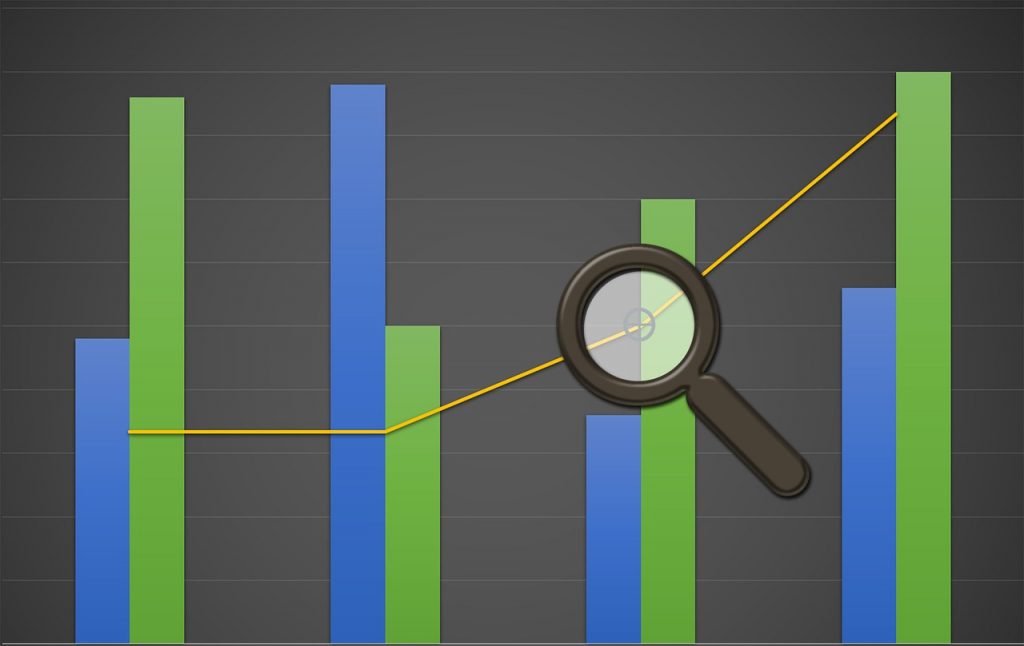
Trend analysis is an important tool for businesses, and it’s essential to understand how to use it in order to stay competitive. Trend analysis is the process of looking at data points over time to identify patterns and changes in behavior. It can help businesses identify opportunities, risks, and trends in the market, and it’s a great way to measure performance and plan for the future.

Trend analysis can be used to analyze past and current data, and it can also be used to predict future trends. By looking at patterns in the data, businesses can identify correlations and relationships between different variables that can inform decision-making. This can help businesses anticipate changes in the market and develop strategies to capitalize on them.

Trend analysis can be used to measure customer behavior, demand for products and services, and the effectiveness of marketing campaigns. It can also be used to identify seasonal trends, such as shopping habits during the holidays, and to monitor the performance of competitors.

Businesses can use trend analysis to identify potential opportunities and risks in the market. By analyzing past data, businesses can identify potential opportunities and create strategies to take advantage of them. They can also use trend analysis to identify potential risks and develop strategies to mitigate them.

PESTLE analysis can be used in trend analysis to identify key drivers of change.

PESTLE stands for Political, Economic, Social, Technological, Legal, and Environmental factors. It is an acronym used to analyze and assess the external environment of an organization in order to identify any potential opportunities or threats that may affect its operations. PESTLE analysis provides a comprehensive view of the external environment in which a business operates and can be used to identify potential risks and advantages that may not be immediately obvious.

This can help to identify potential opportunities and threats that may arise from changes in the external environment. By understanding how trends in these factors may impact your business, you can better plan for the future and ensure that your business remains competitive.

Trend analysis can also be used to track progress and measure the success of a business. By looking at data points over time, businesses can track their progress and measure the success of their strategies. This can help them identify areas of improvement and adjust their strategies accordingly.

Trend analysis is a powerful tool for businesses, and it’s essential to understand how to use it in order to stay competitive. By analyzing data points over time, businesses can identify trends, opportunities, and risks in the market and develop strategies to capitalize on them. It’s a great way to measure performance and plan for the future, and it can help businesses stay ahead of the competition.

Bottom line: Futurology is not fortune telling. Futurists use a scientific approach to create their deliverables, but a methodology and tools like those in FutureHacking™ can empower anyone to engage in futurology themselves.

Image credit: Pixabay

Subscribe to Human-Centered Change & Innovation WeeklySign up here to get Human-Centered Change & Innovation Weekly delivered to your inbox every week.
What is Trend Spotting?

What is Trend Spotting?

GUEST POST from Art Inteligencia


I am sure everyone has heard the term “trend spotting”, but what does it actually mean?

What is the Meaning of Trendspotting?

The meaning of trendspotting — also written as trend spotting or trend-spotting — is the practice of identifying emerging patterns, shifts in behavior, or early signals of change before they become widely recognized or mainstream. A trendspotter is someone who detects these early signals and interprets their significance for a specific industry, market, or audience. The term is used interchangeably with trend identification, trend detection, and early trend analysis.

In business and organizational contexts, trendspotting specifically means the systematic observation of cultural, technological, social, economic, and competitive signals that may indicate a significant shift in customer behavior, market dynamics, or competitive landscape — before that shift has generated enough data to show up in conventional market research or financial metrics. It is the discipline of seeing what’s coming before it arrives, and acting on that insight while there is still competitive advantage to be gained from moving first.

The term originated in the fashion industry, where buyers and designers would literally “spot” emerging trends on runways, in street fashion, and in cultural moments before those trends reached mainstream retail. Today the term and the practice have expanded to cover virtually every industry where competitive advantage can be gained by identifying what’s next before competitors do.

Trend spotting is the process of identifying emerging trends in the marketplace and using them to inform strategic decision-making. Businesses have been using trend spotting to stay ahead of their competition and capitalize on emerging markets for decades.

Trend spotting can be used to identify new customer demographics, changing tastes and preferences, and upcoming products and services. It is a way to stay ahead of the curve, as trends can provide insights into what will be popular in the future.

There are several methods used to spot trends. Some businesses use surveys and polls to gauge customer sentiment and get an idea of what people are looking for. Others use competitive analysis to identify what their rivals are doing and where they are succeeding. Businesses can also use market research to track changes in the marketplace and stay ahead of the curve.

However, it’s important to remember that trend spotting isn’t an exact science. Trends can change quickly and the results of trend spotting can be unpredictable. Businesses should use a variety of methods and sources when trying to spot trends. They should also be aware that trends can be short-lived and should always be open to new ideas.

Trend spotting is an important tool for businesses looking to stay ahead of the competition and capitalize on emerging markets. However, it’s important to remember that it is not an exact science and can be unpredictable. Businesses should always be open to new ideas and use a variety of methods and sources when trying to spot trends.

Once you understand what trendspotting is, the next challenge is turning those insights into transformation.

Trendspotting Examples: How It Works in Practice

Trendspotting becomes much clearer when you see it applied to real situations. Here are several examples that illustrate how organizations across different industries identify emerging trends before they become obvious:

Social listening for emerging consumer shifts
Spirits company Pernod Ricard used AI-powered social listening to identify the organic wine trend before it became mainstream — spotting increased conversation volume and sentiment around organic and natural wine production well ahead of broader market awareness. This is trendspotting in its purest form: monitoring signals at scale to detect a shift before it shows up in sales data.

Viral moments becoming marketing trends
When the “In My Feelings” dance challenge went viral on TikTok and Instagram, brands including Google and Walmart quickly recognized the trend and created their own versions to participate in the cultural moment. The trendspotting here wasn’t predicting the dance challenge itself — it was recognizing, within days, that a cultural moment was building enough momentum to be worth a brand response.

Fashion runway forecasting
Fashion editors and trend scouts have practiced one of the oldest forms of trendspotting for decades: observing consistent elements and themes across runway collections at major fashion weeks and distilling them into style predictions. This observation-based approach — looking for what’s repeating across many independent sources — is a foundational trendspotting method that scales from fashion to technology, food, and workplace culture.

Customer feedback as an early signal
A restaurant noticing a growing number of requests for plant-based options, or a retailer seeing increased social media comments about sustainable materials, are both examples of trendspotting through direct audience engagement. These signals are often available well before they show up in formal market research — the trendspotter’s job is to notice the pattern and recognize its significance early.

User-generated content revealing shifting preferences
Coca-Cola’s “Share a Coke” campaign — which replaced the brand’s logo with popular names — both responded to and accelerated a broader trend toward personalization and user-generated content. Organizations that were already trendspotting in the personalization space recognized this shift and built campaigns to ride it; those that weren’t were caught flat-footed by competitors who had.

Trendspotting vs Trend Analysis: What’s the Difference?

“Trendspotting” and “trend analysis” are often used interchangeably, but they describe two distinct — and complementary — activities.

Trendspotting Trend Analysis
What it is Identifying emerging signals and shifts as they first appear Examining historical and current data to understand and forecast established trends
Timing Early — before a trend is widely recognized or quantifiable Later — once enough data exists to identify patterns over time
Primary methods Social listening, observation, expert interviews, horizon scanning, customer feedback Statistical analysis, S-curve analysis, trend extrapolation, trend impact analysis
Data requirements Works with sparse, qualitative, or emerging signals Requires sufficient historical data to identify a pattern
Primary question answered “What’s starting to shift?” “How is this trend likely to develop, and what does it mean for us?”
Best for Getting ahead of emerging trends before competitors notice them Validating, forecasting, and planning around trends that are already underway

The most effective approach uses both together: trendspotting to surface what’s emerging — often through qualitative signals that wouldn’t yet show up in any dataset — and trend analysis to validate, quantify, and forecast the trends that trendspotting identifies. An organization that only does trend analysis is always working with trends that are already established (and likely already noticed by competitors). An organization that only does trendspotting without follow-up analysis risks chasing every emerging signal without understanding which ones matter most.

For a deeper look at how trends relate to the weaker, earlier-stage indicators that often precede them, see our guide to the difference between signals and trends.

Bottom line: Trend spotters are not quite the same thing as futurists, but trend spotting is a component of futurology. Trend spotters use a formal approach to achieve their outcomes, but a methodology and tools like those in FutureHacking™ can empower anyone to be their own futurist and trend spotter.

Image credit: Pixabay

Subscribe to Human-Centered Change & Innovation WeeklySign up here to get Human-Centered Change & Innovation Weekly delivered to your inbox every week.

Are You Prepared for the Coming Boom?

Are You Prepared for the Coming Boom?

GUEST POST from Robert B. Tucker

Asked to reveal the secret of his amazing success, renowned ice hockey center-man Wayne Gretzky replied: “It’s pretty simple. I don’t skate to where the puck is. I skate to where the puck is going to be.”

Gretzky was merely stating the obvious. But his comment soon took on the dimension of strategic gospel. From Detroit to Dubai to Dublin, PowerPoint decks were suddenly ablaze with the aphorism. CEOs kicked off strategic retreats by citing Gretzky to encourage their managers to look farther up the road to discover tomorrow’s opportunities. Finally, “skate to where the puck is going to be” became such an overused cliché that it fell from grace.

As trite as Gretzky’s expression may seem to us today, he stumbled upon an important point. He reminded us of the value to be gained in spending time pondering where the puck in our own lives will be in the very near future.

As a 30 year futurist and innovation advisor to top organizations, I believe that we are about to experience an economic and social boom of epic proportions.

My research base is to interview countless leaders every year, for their insights on future trends, business prospects, disruption, and technological directions. The best leaders, like the best athletes, are hyper-focused on where things are going next. They know how to gain unique insights through what I call “playing with the clay” and considering different scenarios.

They project ahead in order to get their teams thinking ahead. In painful periods such as now they visualize future glory, and devote themselves to the task of turning vision into reality. They ask provocative questions, such as:

  • what do we need to do now to prepare for this trend, development or technology?
  • Where is this trend going to be in one year? Three? Ten?
  • Where is the emerging opportunity for us?
  • What are we missing?

In other words, their mindset is proactive rather than reactive, action-oriented rather than Sustainer Mode. They are always about envisioning a bigger, bolder “future state” rather than being satisfied with “present state.” They deploy what my colleague and fellow futurist Daniel Burrus calls “anticipatory thinking” to out-think and outfox conventional wisdom – and see the shape of the future just a little bit ahead of the rest.

To see more clearly where the puck is going to be in six months, gather up and examine the forecasts: The world economy is likely to grow by around six percent this year, according to Oxford Economics, the fastest rate in almost half a century. The US, rather than China, is going to play the role of global locomotive in 2021, according to leading economists like Citibank’s Catherine Mann. More Americans are being vaccinated each day. Herd immunity is on the horizon. The $1.9 trillion USA stimulus bill is flowing funding into people’s bank accounts. With demand surging in industry after industry, envisioning a coming boom is becoming easier with each passing day. Will you be ready?

In a world where change is incremental and slow, exercising the skills of anticipation and scenario planning are not required. In a world of rapidly accelerating change, continuously upgrading your futurist skills and carving out time to peer ahead a year, three years, even 10 years is an essential activity for success. What specific steps can you take to stay ahead of the curve and navigate successfully in the new post-pandemic era? Here are three suggestions:

1. Beef up your strategic trend-tracking skillset.

First thing I recommend: audit your “information diet” to ensure that you are getting the best data, research and insights available on topics ranging from emerging technology, economic and social trends, and geopolitical and industry developments. The leading innovators that I’ve studied over the years select, champion and prune informational sources with great care. They take in the richest information with the greatest insights and skip the empty calories of partisan vitriol and blather. They know the power of experienced reporting such as provided by the New York Times and peer-reviewed studies, versus blogs and opinion. The best trend-spotters work at it constantly, keeping their antennae up so as to recognize patterns and inform their intuition, as they discern between signals and mere noise. They take in quantitative and qualitative information and insights. And they skip over the gossipy, entertaining but vapid “news” of the day. They spot misinformation and disinformation a mile away and dismiss sources that are unreliable and biased. They exhibit genuine curiosity and sharp front-line observational skills, always questioning, and looking for potential threats and opportunities.

2. Commit to lifelong learning.

There was a time when what you learned in school lasted a lifetime, but those days are over. Personal obsolescence happens faster than you think, and at an earlier age than ever. The innovators I’ve had the pleasure of interviewing throughout my career are lifelong learners. They are autodidactic. For them, the world is their university and curiosity their lodestar. Curiosity leads them to dig deeper into a subject, and to want to know not just “how” but “why.” Their pattern of learning tends to approximate what is known in eating circles as binging. They become fascinated with a new topic and they delve into it headlong. They read all the books they can find on the subject. They amass and analyze dozens of articles, often seeking out top experts.

3. Unleash your inner visionary.

Reflecting on the current travails of hard- hit New York City, Wall Street Journal columnist Peggy Noonan wrote that “Never have we needed visionaries more than now. People in politics, in and out who have an outsize creativity and a deep knowledge of human beings, who can come up with ideas.” Noonan has a point, and not just in the arena of politics. In all industries, professions, countries – we lack visionaries to embrace change and turn problems into opportunities. Unleashing your inner visionary starts with desire to make an impact. It starts with dreaming of a better way, a better world. Not daydreaming idly but imagining the future without being limited by limits. Visionariness is a state of mind. It is the willingness to look at what is needed, and what will be needed in the future, and putting shape and texture and dimension to that vision.

When the Bubonic Plague ended in the 14th century, there was jubilation and dancing in the streets. When the administration of Donald Trump was over, people realized what a divisive, corrupt and ultimately traumatic four years it had been and began to appreciate the quietude of competence and experience at the helm regardless of their policy preferences – Biden’s approval ratings are at 57 percent.

I am more optimistic now than at any time over the past five years for economic and societal resurgence. Cycles of decay and decline do not last forever. They swing. Are you ready?

Now is the perfect time to upgrade your habits and practices in the foresight arena; to position yourself to profit from the coming boom.

This article originally appeared in Forbes
Image credit: Dall-E

Subscribe to Human-Centered Change & Innovation WeeklySign up here to get Human-Centered Change & Innovation Weekly delivered to your inbox every week.

What is a Technology Assessment?

What is a Technology Assessment?

GUEST POST from Art Inteligencia

A technology assessment is a formal evaluation of a technology’s current capabilities and potential for the future. It is commonly used to determine the viability of a technology for a particular purpose, such as to determine whether a certain technology is suitable for a given project or application. It is also used to assess the potential of a technology to solve existing problems or to create new opportunities.

The technology assessment process typically involves a review of the existing technology, an analysis of its current capabilities and its potential for development, and the identification of potential risks and benefits associated with the technology. This process is often conducted by a team of experts from a variety of disciplines, including technology, engineering, business, and finance.

The technology assessment process can involve both quantitative and qualitative analyses. Quantitative analyses involve the collection and analysis of data related to the technology, such as its performance, cost effectiveness, and security. Qualitative analyses involve the analysis of the technology’s potential to solve problems, as well as its potential to create new opportunities.

The results of the technology assessment are used to make decisions about whether or not to invest in the technology. In many cases, this decision is based on a cost-benefit analysis that takes into account the cost of the technology, the expected return on investment, and the potential risks associated with the technology.

Technology assessments are an important part of the decision-making process for any organization. They help organizations make informed decisions about the technologies they use and the direction they should take in order to remain competitive and successful.

Image credit: Pixabay

Subscribe to Human-Centered Change & Innovation WeeklySign up here to get Human-Centered Change & Innovation Weekly delivered to your inbox every week.

What is a Trend?

What is a Trend?

GUEST POST from Art Inteligencia

A trend is a general direction in which something is developing or changing. Trends can be seen in many different aspects of life, including fashion, technology, and the economy. In fashion, a trend is a popular style or look that is generally seen on the streets or in the media. In technology, a trend may refer to a new product or service that is gaining popularity with consumers. And in the economy, trends can refer to the direction of economic indicators such as GDP, unemployment rate, and inflation.

Trends are constantly evolving and changing. For example, in fashion, trends come and go every season. One year, a certain style of clothing may be popular, and the next, it might be completely out of style. Similarly, in technology, products and services that are popular today may be obsolete tomorrow. And in the economy, economic indicators can change from day to day, depending on the state of the markets.

Trends can have a major impact on businesses and individuals. For businesses, trends can provide valuable insights into the direction of the market and what consumers are looking for. This can help businesses make decisions about their product offerings, marketing strategies, and pricing. For individuals, trends can help them stay up to date with the latest fashion and technology trends.

Trends can also be used to predict the future. By looking at past trends, analysts can make predictions about what might happen in the future. This can be used to inform decisions about investments, marketing strategies, and other business decisions.

Overall, trends are an important part of our lives and can help us stay informed about current and future developments. Understanding trends can be beneficial for both businesses and individuals.

Bottom line: Understanding trends is not quite the same thing as understanding the future, but trends are a component of futurology. Trend spotters use a formal approach to achieve their outcomes, but a methodology and tools like those in FutureHacking™ can empower anyone to be their own futurist and trend spotter.

Image credit: Pixabay

Subscribe to Human-Centered Change & Innovation WeeklySign up here to get Human-Centered Change & Innovation Weekly delivered to your inbox every week.

So You Want to Become a Futurist

So You Want to Become a Futurist

GUEST POST from Art Inteligencia

In a follow-up to my article What is a Futurist? I thought we could explore a bit more about what it takes to become a futurist.

As the world races towards a more digital future, the need for futurists to guide us through it grows more urgent. Futurists are professionals who study the current state of the world and make predictions about where we are heading. They can be found in all sorts of fields, from technology to finance to public policy. It is a complex and demanding job and learning to be a futurist involves a lot of hard work and dedication.

The first step in learning to be a futurist is to get an education. A degree in fields such as economics, international relations, or computer science can be helpful, as they will provide a strong foundation of knowledge in the areas that will be most important for a futurist to understand. Or you could jump straight in and check out one of the Top 5 Future Studies Programs. From there, aspiring futurists should focus on sharpening their analytical skills, as this will be a key part of their job. This can be done through courses, seminars, and other activities that hone their critical thinking and problem-solving abilities.

Beyond this, developing a deep understanding of the present is essential for a successful career as a futurist. Keeping up with the latest news and trends in the world is a must, as well as having an understanding of the history of the topics they are studying. Having a wide network of contacts in the field can also be invaluable. All of this will help futurists to be better prepared to make accurate predictions about the future.

At the same time, futurists should also strive to stay ahead of the curve in terms of technology and other emerging trends. Understanding the implications of new innovations and how they will shape the future is a critical part of a futurist’s job. Keeping up with the latest research and keeping an open mind to new ideas will be essential in this regard.

Finally, becoming a futurist also involves developing a unique perspective on the world. Futurists must be able to look at the world with a fresh set of eyes and think critically about the possibilities that lie ahead. They should be able to think outside the box and come up with creative solutions to the problems that we are likely to face in the future.

A career as a futurist is demanding but rewarding. If you build a strong educational background, sharp analytical skills, a deep understanding of the present, and the ability to think creatively about the future you too can become a futurist. In fact, with the right attitude and dedication, anyone can become a successful futurist!

Bottom line: Futurists are not fortune tellers. They use a formal approach to achieve their outcomes, but a methodology and tools like those in FutureHacking™ can empower anyone to be their own futurist.

Image credit: Pixabay

Subscribe to Human-Centered Change & Innovation WeeklySign up here to get Human-Centered Change & Innovation Weekly delivered to your inbox every week.

What is a Futurist?

What is a Futurist?

GUEST POST from Art Inteligencia

A futurist is a person who studies and predicts the future. They are experts in their field, often having backgrounds in economics, sociology, engineering and other sciences. Futurists look at data, trends, and technology to make informed predictions and suggest innovative solutions for the future.

Futurists are often employed by companies and organizations to help them plan for the future. They can help create strategies to ensure success, or to help steer their organization in the right direction. They can also provide insight into potential risks, or ways to improve current systems and processes.

Futurists are also used to help develop new products and services. They can help to identify the needs of the customer and suggest ways to meet those needs. This includes evaluating existing technologies and exploring new ones. They can also provide a unique perspective on how the world is changing, and how it may shape the future.

Futurists often rely on data and research to generate their predictions. They use this information to develop strategies and plans that can help businesses and organizations stay ahead of the curve. This includes identifying potential risks and opportunities and developing strategies to capitalize on them.

Futurists can also help to identify and develop new markets. They can use their analytical skills to identify potential opportunities for growth and suggest ways to capitalize on them. This can be especially helpful in navigating a rapidly changing world.

Futurists can also use their skills to help shape public policy. They can provide valuable insight into the future and help to inform decision makers. This can be especially useful in helping to shape public policy in areas such as health, education, and the environment.

Futurists are an invaluable asset to any organization. They can help to ensure the future success of a business or organization and can provide a unique insight into the future. Some organizations choose to employ one or more futurists on staff, others don’t have a dedicated futurist role and instead assign it to an innovation or market research or strategy individual (or group) to perform. And still others hire an external futurist or agency to perform this group of responsibilities.

Does your organization employ a futurist?

Bottom line: Futurists are not fortune tellers. They use a formal approach to achieve their outcomes, but a methodology and tools like those in FutureHacking™ can empower anyone to be their own futurist.

Image credit: Pixabay

Subscribe to Human-Centered Change & Innovation WeeklySign up here to get Human-Centered Change & Innovation Weekly delivered to your inbox every week.