Category Archives: Uncategorized

Building an Adaptable Organization with Change Resilience

Building an Adaptable Organization with Change Resilience

GUEST POST from Art Inteligencia

In today’s rapidly evolving business landscape, organizations must cultivate the ability to adapt swiftly to change while remaining resilient. This adaptability is not just about surviving change but thriving through it. Leadership strategies and cultural transformation play crucial roles in shaping an adaptable organization. This article explores practical approaches and showcases case studies of organizations that have successfully integrated change resilience into their DNA.

Leadership Strategies: Guiding Through Change

Effective leadership is the cornerstone of any successful change management strategy. Leaders must not only drive change but also inspire their teams to embrace it. A key strategy involves developing change resilience among leaders themselves. This involves training them to manage uncertainty and equip their teams with the tools to navigate challenges.

A more in-depth exploration of how to develop these skills can be found in my article on Building Resilience in Change Leaders.

Case Study 1: Tech Innovators, Inc.

Tech Innovators, Inc. is a prime example of how leadership strategies can foster an adaptable organization. Facing the threat of obsolescence in a competitive market, the company embarked on a comprehensive leadership development program. This program focused on agility, equipping leaders with the skills to manage change proactively.

The result? A cultural shift that permeated the organization, enabling teams to innovate rapidly and respond to market shifts with unparalleled agility. Leadership became a collective endeavor, tapping into diverse insights to drive strategic decisions. By championing resilience at every level, Tech Innovators, Inc. fortified itself against future disruptions.

Cultural Transformation: Embedding Resilience

Beyond leadership, cultural transformation is critical in building an adaptable organization. A resilient culture is characterized by open communication, psychological safety, and a shared vision of change as an opportunity.

Embedding resilience into the company culture starts by nurturing it among employees. Encouraging employees to view change as a gateway to growth instills a sense of empowerment. For more insights on nurturing resilience in employees, consider reading Nurturing Resilience in Employees During Periods of Change.

Case Study 2: Global Retail Giant

The journey of a global retail giant illustrates the transformative impact of reshaping organizational culture. Confronted with an unpredictable market and a rapidly evolving consumer landscape, this retail giant prioritized building a culture of resilience.

By investing in continuous learning and fostering a collaborative environment, the company empowered its employees to spearhead innovation. Regular feedback loops and transparent communication bridged the gap between leadership and staff, creating a unified front poised to adapt seamlessly.

The outcome was a rejuvenated workforce, capable not only of managing change but leveraging it strategically to gain a competitive edge. The organization’s adaptive culture became a magnet for top talent, further reinforcing its market position.

Conclusion

In an era defined by volatility, building an adaptable organization requires a dual focus on leadership strategies and cultural transformation. As demonstrated by the experiences of Tech Innovators, Inc. and the global retail giant, resilience can be developed at both individual and organizational levels, positioning companies to thrive amidst change.

The path to becoming an adaptable organization is not without challenges. However, with the right strategies and cultural backbone, organizations can transform adversity into opportunity—emerging stronger and more resilient in the face of an uncertain future.

Extra Extra: Futurology is not fortune telling. Futurists use a scientific approach to create their deliverables, but a methodology and tools like those in FutureHacking™ can empower anyone to engage in futurology themselves.

Image credit: Pixabay

Subscribe to Human-Centered Change & Innovation WeeklySign up here to get Human-Centered Change & Innovation Weekly delivered to your inbox every week.

Quantum Computing is the Next Frontier in Innovation

Quantum Computing is the Next Frontier in Innovation

GUEST POST from Chateau G Pato

As we stand at the crossroads of technological evolution, quantum computing emerges as a groundbreaking force poised to redefine the landscape of innovation. Unlike traditional computers that use bits as the smallest unit of data, quantum computers utilize qubits, which have the ability to exist in multiple states at once, leading to computational capabilities that are exponentially faster and more powerful. This revolutionary technology holds the potential to transform industries, solve complex problems, and open up new avenues for creativity and progress.

The Promise of Quantum Computing

Quantum computing represents a paradigm shift, offering immense power for problem-solving in fields such as materials science, cryptography, and artificial intelligence. Because of their ability to perform complex calculations at unprecedented speeds, quantum computers can analyze and process enormous amounts of data, providing solutions that were previously unimaginable.

Case Study 1: Pharmaceutical Innovation

Pharmaceutical companies are at the forefront of leveraging quantum computing to accelerate drug discovery. One groundbreaking example is the collaboration between the tech giant IBM and the pharmaceutical leader GlaxoSmithKline (GSK). This partnership aims to use quantum computing to simulate molecular interactions at an atomic level, dramatically speeding up the discovery of new compounds. By accurately predicting how molecules interact, GSK hopes to streamline the development of new drugs, reducing the time and cost involved in bringing lifesaving treatments to market.

With quantum computing, researchers are now able to run simulations that capture the complexities of molecular dynamics, leading to a better understanding of drug efficacy and safety. As a result, this case study underscores the transformative potential of quantum computing in the pharmaceutical industry, promising to revolutionize how new therapies are developed and personalized for patients.

Case Study 2: Revolutionizing Transportation with Quantum Optimization

The transportation sector stands to gain immensely from quantum computing, particularly in the realm of optimization. Volkswagen, in collaboration with D-Wave, a pioneer in quantum computing systems, explored the use of quantum algorithms to improve traffic flow and reduce congestion in urban environments. The pilot project targeted reducing wait times and optimizing routes for city buses in Lisbon during the Web Summit.

By leveraging quantum computing to process and analyze real-time traffic data, the project demonstrated its potential to minimize traffic jams and enhance the overall efficiency of transportation networks. This case study illustrates how quantum computing can be an engine of innovation, offering solutions that create value not only for businesses but also for cities and their inhabitants by reducing travel time, cutting emissions, and improving the quality of urban life.

The Road Ahead

While quantum computing is still in its nascent stages, the potential it holds for catalyzing innovation across industries is undeniable. As we invest in research, development, and collaboration, it’s vital for organizations to envision how they can harness the power of quantum computing to address unique challenges and seize new opportunities. As we step into this new frontier, interdisciplinary partnerships and a keen focus on human-centered design will be essential to unlocking the full potential of quantum technologies.

In conclusion, quantum computing is not just the next frontier in innovation; it is a catalyst for the radical transformation of the technological landscape. By continuing to explore and invest in this extraordinary field, we open doors to limitless possibilities that promise to reshape our world for the better.

SPECIAL BONUS: The very best change planners use a visual, collaborative approach to create their deliverables. A methodology and tools like those in Change Planning Toolkit™ can empower anyone to become great change planners themselves.

Image credit: Pixabay

Subscribe to Human-Centered Change & Innovation WeeklySign up here to get Human-Centered Change & Innovation Weekly delivered to your inbox every week.

Design Thinking Workshops – A Step-by-Step Guide

Design Thinking Workshops - A Step-by-Step Guide

GUEST POST from Art Inteligencia

In today’s fast-paced world, the need for innovative solutions has never been more apparent. Design Thinking has emerged as a powerful philosophy to guide teams toward creative solutions. This step-by-step guide unveils how to conduct effective Design Thinking workshops that harness collaborative creativity.

Step-by-Step Guide to Conducting a Design Thinking Workshop

Step 1: Empathize

Begin by understanding the users you’re designing for. Use observation, interaction, and immerse yourself in their experiences to glean insights.

Step 2: Define

Clearly articulate the problem you’re aiming to solve. This stage helps in narrowing the focus and addressing the right challenge.

Step 3: Ideate

Brainstorm a plethora of ideas without judgment. Encourage wild thinking and shelve feasibility questions. Capture as many ideas as possible.

Step 4: Prototype

Create inexpensive, scaled-down versions of the product or features to investigate what works and what doesn’t.

Step 5: Test

Test the prototypes with users. Gather feedback, refine and redefine to ensure the solution meets user needs effectively.

Case Studies

Case Study 1: Revamping Customer Experience in Banking

Challenge: A leading bank wanted to improve its customer onboarding process to enhance satisfaction and reduce drop-offs.

Approach: Through a series of Design Thinking workshops, the bank invited frontline employees to empathize with customers. They mapped the entire customer journey, pinpointing stressful pain points.

Outcome: The bank devised a simplified onboarding mobile app with real-time assistance features, slashing drop-offs by 30% within six months.

Case Study 2: Educational Tools for Remote Learning

Challenge: With the rise of remote learning, an educational publisher needed a way to keep students engaged outside traditional classrooms.

Approach: Utilizing Design Thinking workshops, the team included educators, students, and tech experts. Empathy maps were crafted to understand both teachers’ and students’ struggles.

Outcome: The team created a gamified learning platform that used interactive storytelling, resulting in a 40% increase in student engagement rates.

Conclusion

Design Thinking workshops are not just sessions, but transformational journeys that reshape perspectives and cultivate innovative solutions. When executed well, they empower organizations to not just meet, but anticipate and exceed user expectations.

Bottom line: Futurology is not fortune telling. Futurists use a scientific approach to create their deliverables, but a methodology and tools like those in FutureHacking™ can empower anyone to engage in futurology themselves.

Image credit: Pexels

Subscribe to Human-Centered Change & Innovation WeeklySign up here to get Human-Centered Change & Innovation Weekly delivered to your inbox every week.

Harnessing the Power of Data Analytics in Designing for Disruption

How Businesses can use Data-driven Insights to Identify Emerging Trends and Design Proactive Strategies

Harnessing the Power of Data Analytics in Designing for Disruption

GUEST POST from Chateau G Pato

In an era of rapid technological advancements and unpredictable market dynamics, businesses face the constant challenge of adapting to disruption. Traditional approaches to strategy development are no longer sufficient in navigating this volatile landscape. To thrive amidst such uncertainties, organizations must leverage the power of data analytics to gain crucial insights into emerging trends and design proactive strategies. This article explores the significant benefits of data-driven decision-making by presenting two compelling case studies that demonstrate how companies successfully harnessed data analytics to stay ahead of the disruption curve.

Case Study 1: Netflix’s Data-Driven Content Strategy

Netflix, the world’s leading subscription-based streaming service, is renowned for its data-driven approach to revolutionize the entertainment industry. By leveraging the vast amounts of user data collected, Netflix employed sophisticated data analytics techniques to identify viewer preferences and consumption patterns.

In one instance, Netflix analyzed their users’ viewing patterns and discovered a rising interest in political dramas. This data-driven insight enabled them to develop their highly successful original series, House of Cards, which catered precisely to their target audience’s preferences. As a result, the show garnered critical acclaim and increased user engagement on the platform, cementing Netflix’s position as a market disruptor.

The key takeaway from this case study is that by harnessing data analytics to inform their content strategy, Netflix transformed the traditional television landscape and outperformed competitors by delivering tailored and engaging content.

Case Study 2: Walmart’s Data Analytics-driven Supply Chain Optimization

Walmart, one of the world’s largest retailers, recognized the potential value of data analytics in optimizing their supply chain operations. Facing fierce competition and customer demands for seamless shopping experiences, Walmart strived to proactively identify patterns and trends that could impact their inventory management and distribution.

By analyzing a diverse range of data sources, including point-of-sale transactions, weather forecasts, and social media sentiment analysis, Walmart gained real-time insights into customer preferences and inventory demands. This allowed them to make data-driven decisions related to inventory stocking, item assortment, and pricing strategies. Moreover, Walmart applied predictive analytics to anticipate potential disruptions, such as extreme weather events, and proactively adjust their supply chain to minimize operational disruptions and improve customer satisfaction.

Through these data-driven initiatives, Walmart significantly improved its supply chain efficiency, reduced costs, and enhanced its overall competitive advantage. By staying ahead of the curve, Walmart demonstrated the power of leveraging data analytics in designing proactive strategies to navigate a disruptive retail landscape successfully.

Conclusion

The two case studies presented highlight the immense potential of utilizing data analytics in designing proactive strategies to handle disruption effectively. By applying a data-driven approach, businesses gain an edge by identifying emerging trends, understanding customer preferences, and optimizing operations. Companies that embrace data analytics can make informed decisions, develop innovative solutions, and gain a significant competitive advantage over their disruptors. In a world driven by data, harnessing data analytics becomes pivotal in designing strategies that propel businesses towards success despite uncertainties.

SPECIAL BONUS: The very best change planners use a visual, collaborative approach to create their deliverables. A methodology and tools like those in Change Planning Toolkit™ can empower anyone to become great change planners themselves.

Image credit: Pexels

Subscribe to Human-Centered Change & Innovation WeeklySign up here to get Human-Centered Change & Innovation Weekly delivered to your inbox every week.

Design Thinking in Product Development

Driving Success through User-centric Design

Design Thinking in Product Development: Driving Success through User-centric Design

GUEST POST from Chateau G Pato

In today’s fast-paced and highly competitive market, businesses can no longer solely rely on creating products based on assumptions or mere technical feasibility. Instead, they need to embrace a user-centric approach that prioritizes the needs and desires of their target audience. This is where design thinking comes into play. Design thinking is a problem-solving methodology that emphasizes empathy, ideation, prototyping, and continuous iteration. By incorporating design thinking principles into product development, businesses can drive success by delivering products that truly resonate with their users. In this article, we will explore the concept of design thinking and present two case studies that exemplify its effectiveness in creating successful products.

Case Study 1: Apple iPhone – Revolutionizing the Smartphone Industry

The Apple iPhone serves as a remarkable example of how design thinking can drive success in product development. Before the iPhone was introduced in 2007, smartphones were typically bulky, complicated, and lacked an intuitive user interface. Apple understood the need for a revolutionary design that prioritized the user experience. By immersing themselves in the lives of potential users and empathizing with their frustrations, Apple’s team of designers identified key pain points such as complex navigation, limited functionality, and lack of touch-based interaction.

Applying the principles of design thinking, Apple ideated and prototyped various concepts until they arrived at the iconic iPhone design. They focused on simplicity, ease of use, and intuitive gestures, leading to the creation of a touchscreen interface that eliminated the need for physical keyboards. The iPhone’s user-centric design not only won over millions of users but also disrupted the entire smartphone industry. By prioritizing the needs and desires of users, Apple achieved unprecedented success and set new standards for smartphone design.

Case Study 2: Airbnb – Revolutionizing the Hospitality Industry

Airbnb, the popular accommodation platform, utilized design thinking to redefine the hospitality industry. The founders of Airbnb recognized that travelers were seeking unique, affordable, and personalized experiences rather than sterile hotel rooms. By observing potential users and conducting in-depth interviews, they empathized with the pain points of both guests and hosts, including lack of trust, limited options, and cumbersome booking processes.

Applying design thinking principles, Airbnb ideated innovative solutions that addressed these pain points. They created a platform that connected hosts and guests, allowing users to personalize their travel experiences. To instill trust, Airbnb introduced user profiles, reviews, and secure payment systems.

Furthermore, Airbnb continuously iterated its platform based on user feedback, driving greater success. This user-centric approach revolutionized the hospitality industry, empowering individuals to monetize their spaces and providing travelers with unique, affordable, and authentic accommodations.

Conclusion

Design thinking offers a powerful framework for businesses to optimize product development processes. The case studies of Apple iPhone and Airbnb demonstrate how incorporating the principles of design thinking leads to successful, user-centric products. By empathizing with users, identifying pain points, and continuously iterating, businesses can deliver products that not only meet but exceed user expectations. As the market becomes increasingly user-driven, organizations that embrace design thinking have a competitive edge in driving success through user-centric design.

SPECIAL BONUS: Futurology is not fortune telling. Futurists use a scientific approach to create their deliverables, but a methodology and tools like those in FutureHacking™ can empower anyone to engage in futurology themselves.

Image credit: Unsplash

Subscribe to Human-Centered Change & Innovation WeeklySign up here to get Human-Centered Change & Innovation Weekly delivered to your inbox every week.

Building a Sustainable Corporate Culture

Strategies for Employee Engagement and Raising Awareness

Building a Sustainable Corporate Culture

GUEST POST from Chateau G Pato

In today’s fast-paced business world, companies are increasingly recognizing the importance of building a sustainable corporate culture. A strong and positive corporate culture can lead to increased employee engagement, improved morale, and ultimately, higher productivity. In this article, we will explore strategies for creating a sustainable corporate culture that fosters employee engagement and raises awareness.

Employee Engagement

One of the key elements of a sustainable corporate culture is employee engagement. Engaged employees are more motivated, productive, and committed to their work. There are several strategies that companies can use to foster employee engagement:

1. Encourage open communication: Create a culture where employees feel comfortable sharing their ideas, concerns, and feedback. This can be done through regular team meetings, anonymous suggestion boxes, and open-door policies with managers.

2. Provide opportunities for growth and development: Offer professional development opportunities such as training programs, workshops, and mentorship programs. Investing in employee growth not only benefits the individual but also the company as a whole.

3. Recognize and reward employees: Acknowledge employees’ hard work and achievements through recognition programs, employee of the month awards, or bonuses. Feeling appreciated and valued can boost employee morale and engagement.

Case Study 1: Google

Google is known for its strong corporate culture that emphasizes employee engagement and well-being. The company offers perks such as free gourmet meals, on-site fitness centers, and nap pods to promote work-life balance. Google also encourages open communication through weekly all-hands meetings and employee feedback channels. These initiatives have helped Google maintain high employee satisfaction and retention rates.

Raising Awareness

Another important aspect of building a sustainable corporate culture is raising awareness about social and environmental issues. Companies that prioritize social responsibility and sustainability are more likely to attract and retain top talent, as employees increasingly value working for organizations that align with their values. Here are some strategies for raising awareness within your organization:

1. Implement sustainability initiatives: Start by reducing your company’s carbon footprint, promoting recycling programs, and using eco-friendly products. These initiatives not only benefit the environment but also demonstrate your commitment to social responsibility.

2. Support community engagement: Encourage employees to volunteer for local charities, participate in community clean-up events, or donate to causes they care about. Giving back to the community can boost employee morale and foster a sense of purpose.

3. Communicate transparently: Keep employees informed about your company’s sustainability efforts and social impact. Share progress updates, success stories, and challenges to engage employees and inspire them to get involved.

Case Study 2: Patagonia

Patagonia, an outdoor apparel company, is a leading example of a company that prioritizes social and environmental responsibility. The company donates a percentage of its profits to environmental causes, reduces waste in its supply chain, and promotes fair labor practices. Patagonia’s commitment to sustainability has not only attracted environmentally conscious customers but also engaged and motivated employees who share the company’s values.

Conclusion

Building a sustainable corporate culture requires a holistic approach that encompasses employee engagement and awareness-raising initiatives. By prioritizing strategies that promote employee well-being, foster open communication, and demonstrate social responsibility, companies can create a positive and enduring corporate culture that benefits both employees and the broader community.

Bottom line: Futurology is not fortune telling. Futurists use a scientific approach to create their deliverables, but a methodology and tools like those in FutureHacking™ can empower anyone to engage in futurology themselves.

Image credit: Pexels

Subscribe to Human-Centered Change & Innovation WeeklySign up here to get Human-Centered Change & Innovation Weekly delivered to your inbox every week.
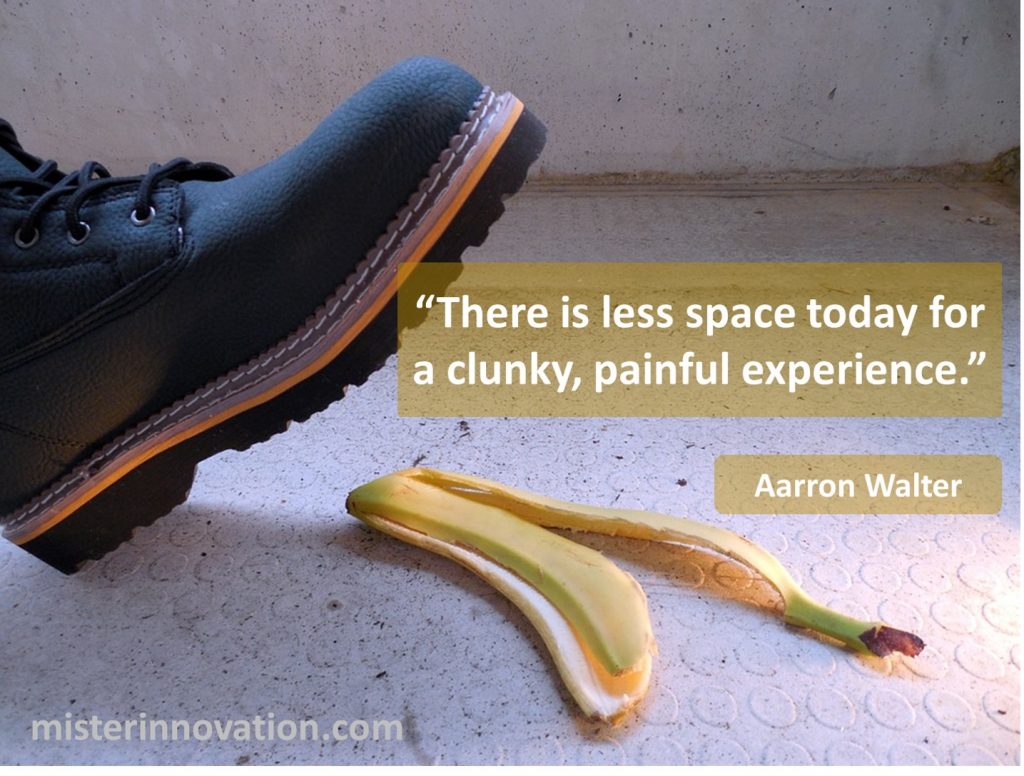
Understanding and Addressing Customer Pain Points

A Key to Business Success

Understanding and Addressing Customer Pain Points

GUEST POST from Art Inteligencia

In today’s competitive business landscape, companies are constantly striving to gain a competitive edge. One crucial aspect of achieving this is understanding and addressing customer pain points effectively. By doing so, organizations can not only improve customer satisfaction but also increase customer loyalty, boost brand reputation, and foster long-term growth. In this thought leadership article, we will explore the significance of identifying customer pain points and provide two case study examples that highlight successful strategies for addressing them.

First, let’s delve into the concept of customer pain points. These can be defined as specific frustrations, challenges, or needs that customers encounter throughout their journey when interacting with a brand’s products or services. Understanding and empathizing with these pain points is essential for businesses to deliver effective solutions that match customer expectations.

Case Study 1 – Amazon

A prime example of a company that skillfully addressed customer pain points is Amazon. The e-commerce giant recognized early on that customers struggled to find and purchase books conveniently and efficiently online. Amazon’s founder, Jeff Bezos, perceived this as a pain point and devised a solution that subsequently revolutionized the entire industry. By creating a user-friendly platform with a vast selection of books, personalized recommendations, and a seamless checkout process, Amazon alleviated the customers’ hassle and drastically improved their overall experience. This transformation catapulted Amazon to become the e-commerce behemoth we know today.

Case Study 2 – Hilton Hotels and Resorts

Another illustrative case study involves the hospitality industry. Hilton Hotels and Resorts understood that check-in and check-out processes could cause inconvenience and frustration for guests. In response, they introduced digital key technology as part of their customer journey. This innovation allowed guests to bypass the front desk and use their smartphones to unlock their rooms, enhancing efficiency and providing a seamless experience. By addressing this pain point, Hilton Hotels and Resorts not only improved customer satisfaction but also gained a competitive advantage by leveraging technology to differentiate themselves from other hotel chains.

Successfully Addressing Customer Pain Points

To successfully address customer pain points, businesses must adopt several key strategies. One crucial step is identifying pain points accurately by conducting thorough market research, collecting customer feedback, and monitoring customer behavior. This insight will serve as a foundation for developing tailored solutions that directly address customer needs and expectations.

Moreover, organizations need to prioritize effective communication and engagement with customers. By actively listening to their concerns, soliciting feedback, and proactively responding to queries or complaints, companies can create a culture of trust and openness. This approach further solidifies the brand-customer relationship, and customers will appreciate the effort to address their pain points.

Additionally, companies should embrace technology and innovation as allies in addressing customer pain points. Analyzing customer data and leveraging advanced analytics tools can help identify patterns and trends related to pain points, enabling businesses to proactively develop solutions. Furthermore, embracing emerging technologies such as artificial intelligence, chatbots, or self-service options can offer efficient and personalized assistance to customers, minimizing pain points throughout their journey.

Conclusion

Understanding and effectively addressing customer pain points are vital for businesses looking to differentiate themselves, gain a competitive edge, and foster long-term growth. By closely examining case studies like Amazon and Hilton Hotels and Resorts, companies across industries can learn valuable lessons on how to successfully address customer pain points. By identifying pain points accurately, cultivating strong customer relationships, and leveraging technological advancements, organizations can surpass customer expectations and secure a loyal customer base. Only by consistently striving to understand and address customer pain points can businesses thrive in today’s rapidly evolving market.

Image credit: misterinnovation.com

Subscribe to Human-Centered Change & Innovation WeeklySign up here to get Human-Centered Change & Innovation Weekly delivered to your inbox every week.

The Impact of Virtual Reality on Education and Training

The Impact of Virtual Reality on Education and Training

GUEST POST from Art Inteligencia

Over the past decade, virtual reality (VR) has rapidly evolved from a mere gaming technology to a powerful tool with vast potential in various industries. One sector where VR has already made a significant impact is education and training. With its ability to create immersive and realistic experiences, virtual reality has transformed the way we learn and develop new skills. In this article, we will explore the profound impact of VR on education and training through two compelling case study examples.

Case Study 1: Medical Training

One area where virtual reality has revolutionized education and training is in the field of medicine. Traditional medical training heavily relies on textbooks and real-life patient interactions. However, these methods have limitations when it comes to providing hands-on experience and exposure to rare medical scenarios. Virtual reality has stepped in to bridge this gap.

Take, for instance, the case of Osso VR. This VR surgical training platform allows medical students, residents, and even experienced surgeons to practice complex surgical procedures in a realistic virtual environment. By recreating the surgical environment, complete with haptic feedback, trainees can simulate various procedures on virtual patients with life-like precision. Osso VR has been proven to increase the efficiency of learning surgical techniques, reduce risks associated with training on patients, and enhance overall performance. It provides an invaluable opportunity for medical professionals to gain confidence and proficiency in critical procedures before stepping into the operating room.

Case Study 2: Cultural Immersion

Virtual reality has also proved to be a valuable tool in providing immersive cultural experiences for students. Many educational institutions now leverage VR to take students on virtual field trips, transcending the boundaries of physical travel and enabling them to explore ancient civilizations, distant countries, and unique cultural sites without leaving the classroom.

For instance, Google Expeditions offers an extensive library of virtual field trips using VR technology. Using inexpensive VR headsets, students can teleport to historical landmarks, foreign cities, or even outer space. By immersing themselves in these virtual environments, students can experience the history, culture, and natural wonders of places they may have never otherwise visited.

These experiences go beyond simply viewing images or reading textbooks. They enable students to actively engage with their surroundings, interact with virtual objects, and listen to narrations from experts. Research has shown that such immersive VR experiences enhance students’ retention, increase their empathy and cultural understanding, and improve their overall engagement with the subject matter.

Conclusion

The examples of medical training and cultural immersion provided here are just scratching the surface of the possibilities that virtual reality offers in education and training. VR has the potential to enhance learning outcomes across various disciplines, from engineering and architecture to aviation and military training. By offering safe, cost-effective, and immersive experiences, virtual reality is revolutionizing the way we educate and develop new skills.

As the technology continues to advance and become more accessible, it is essential for educators, institutions, and policymakers to embrace and integrate virtual reality into their curricula. By doing so, we can unlock the full potential of virtual reality and empower future generations with superior educational experiences, leading to a more dynamic and knowledgeable society.

Bottom line: Futures research is not fortune telling. Futurists use a scientific approach to create their deliverables, but a methodology and tools like those in FutureHacking™ can empower anyone to engage in futures research themselves.

Image credit: Pexels

Subscribe to Human-Centered Change & Innovation WeeklySign up here to get Human-Centered Change & Innovation Weekly delivered to your inbox every week.

The Power of Empathy

How to Develop a Human-Centered Design Mindset

The Power of Empathy

GUEST POST from Art Inteligencia

In today’s fast-paced and technology-driven world, designing for human needs has become more important than ever. Human-centered design, also known as empathic design, focuses on understanding the needs and experiences of individuals to create products and services that truly meet their requirements. By adopting this mindset, designers can revolutionize industries and positively impact the lives of people around the globe. In this article, we explore the power of empathy in design through two case study examples that demonstrate the transformative potential of a human-centered approach.

Case Study 1: Airbnb

When Airbnb was founded in 2008, the founders, Brian Chesky and Joe Gebbia, were faced with a market saturated by traditional hotels and limited accommodation options. To differentiate their platform, they decided to incorporate human-centered design principles into their approach. Chesky and Gebbia knew that to truly understand the needs of their potential users, they had to immerse themselves in their shoes. Hence, they embarked on a journey of empathic research by personally living in the homes of their target audience.

Through extensive interviews, observations, and interactions with hosts and guests, Airbnb gained valuable insights into the pain points and desires of their users. They learned that guests sought a more personalized and authentic experience, while hosts wanted to share their homes and make meaningful connections with others. Building on these insights, Airbnb designed their platform to cater to both guest and host needs, allowing users to personalize their bookings, interact with the local community, and build trust through user reviews. The human-centered design approach fueled Airbnb’s rapid growth and disrupted the hospitality industry, leveraging the power of empathy to revolutionize the way people travel and experience new places.

Case Study 2: IDEO

IDEO, an award-winning global design firm, is renowned for its human-centered design mindset. One notable example of their empathic approach is their work with the healthcare system in Ghana. In collaboration with the Ghana Health Service and the Bill & Melinda Gates Foundation, IDEO sought to address the challenges of immunization delivery in rural areas.

IDEO’s team immersed themselves in the local communities, engaging with healthcare workers, parents, and children to gain a deep understanding of the barriers to immunization. They conducted interviews, observed vaccination processes in action, and analyzed the existing infrastructure and resources. Through this empathic research, IDEO uncovered multiple obstacles, such as inadequate refrigeration systems, lack of transportation, and cultural misconceptions about vaccination.

Drawing on these insights, IDEO developed innovative solutions tailored to the specific needs of the Ghanaian communities. They introduced portable solar refrigeration units to ensure the safe storage of vaccines in remote areas, designed transportation systems to reach underserved populations efficiently, and implemented community education programs to dispel myths surrounding vaccines. IDEO’s human-centered design approach not only improved vaccination rates in Ghana but also served as a model for transforming immunization delivery worldwide.

These two case studies exemplify the power of empathy in design. By immersing themselves in the lives of users, both Airbnb and IDEO were able to uncover profound insights that drove meaningful innovation and positive impact. Empathy allows designers to move beyond assumptions and preconceived notions, enabling them to create products and services that truly resonate with the needs and aspirations of users.

To develop a human-centered design mindset, it is crucial to cultivate empathy throughout the design process. This involves actively listening to users, conducting thorough research, and engaging in open-minded conversations. By understanding the context, motivations, and challenges of the target audience, designers can create solutions that go beyond aesthetics, focusing on the overall experience and satisfaction of users.

Conclusion

Empathy is a formidable tool in the hands of designers. By embracing a human-centered design mindset, they can revolutionize industries, enhance user experiences, and positively impact society as a whole. The case studies of Airbnb and IDEO demonstrate how empathy can drive innovation and transform lives. Let us harness the power of empathy and work towards creating a more inclusive and people-centric world through design.

EDITOR’S NOTE: Braden Kelley’s Problem Finding Canvas can be a super useful starting point for doing design thinking or human-centered design.

“The Problem Finding Canvas should help you investigate a handful of areas to explore, choose the one most important to you, extract all of the potential challenges and opportunities and choose one to prioritize.”

Image credit: Pixabay

Subscribe to Human-Centered Change & Innovation WeeklySign up here to get Human-Centered Change & Innovation Weekly delivered to your inbox every week.

Designing for the Margins

Why Solving for Extreme User Needs Unlocks Mainstream Value

Designing for the Margins

GUEST POST from Chateau G Pato


Introduction: The Myth of the Average User

When we design for the average, we design for no one. Standard mass-market innovation relies on a fundamental misconception: that the safest path to scale is to solve for the middle of the bell curve. We construct ideal personas based on statistical medians — a theoretical user operating under ideal conditions. But real human lives are rarely average, and they are never ideal.

True human-centered breakthroughs don’t happen in the cozy center of the distribution curve. They happen at the edges — the margins. When you build solutions for edge cases — users navigating severe physical, cognitive, situational, or contextual constraints — you are forced to strip away fluff, eliminate hidden friction, and create radical clarity.

The Edge-Case Dividend

Designing for high-constraint environments yields a powerful dividend: a solution forged under extreme conditions is infinitely more resilient, intuitive, and effortless when brought back to the mainstream. What begins as a necessary accommodation for a few becomes a delight for the many.

Core Thesis: Innovation value isn’t created by catering to the majority; it is unlocked at the extremes and distributed to the center.

To move beyond incremental, easily commoditized products, organizations must rethink their approach to experience design. Solving for extreme user needs is not a philanthropic exercise or a compliance task — it is the ultimate catalyst for competitive advantage and sustainable growth.

Part 1: The Bell Curve Trap in Experience Design

Standard product development relies heavily on statistical medians. We construct ideal personas based on demographically average users operating in ideal conditions. But when you design for the mean, you create solutions tailored to a theoretical person who doesn’t actually exist in the wild.

The Comfort of the Center

Organizations gravitate toward the center of the bell curve because it feels safe, quantifiable, and financially lucrative. However, targeting the majority directly leads to incremental, easily commoditized offerings. When every competitor builds for the same median user, products homogenize and compete solely on price rather than meaningful value.

Hidden Friction vs. Hard Walls

The fundamental difference between mainstream users and edge users isn’t the existence of friction — it’s how they handle it:

  • Mainstream users adapt: They tolerate clunky navigation, fill in operational gaps, and invent silent workarounds for poorly designed tools because they have the cognitive or physical bandwidth to compensate.
  • Extreme users hit a wall: For edge users, design flaws aren’t mild inconveniences — they are absolute blockers. They expose systemic flaws in the experience long before mainstream users speak up.

Re-Defining the “Extreme User”

Designing for extreme needs isn’t just about permanent physical accommodations; it is about recognizing human contexts across three distinct dimensions:

  • Permanent & Physical: Individuals with distinct visual, auditory, mobility, or neurodivergent profiles who interact with products through alternative modalities or assistive tech.
  • Situational & Temporary: Everyday scenarios where ordinary environments create extreme constraints — such as a parent holding a baby with one hand, a commuter navigating in glaring sunlight, or a field worker on a degraded mobile network.
  • Systemic & Contextual: Operational extremes at both ends of the spectrum—from power users pushing a system to its absolute limits, to first-time users operating with zero domain literacy or training.

By shifting focus from the statistical middle to these high-constraint edge cases, experience designers reveal hidden friction and unlock breakthroughs that benefit everyone across the entire spectrum.

Part 2: The Mechanics of Extreme-Driven Innovation

Innovation thrives on constraints. Without clear boundary conditions, product teams tend to over-engineer, adding feature layers that clutter the experience without solving root problems. Designing for extreme user needs establishes immediate, uncompromising constraints that force simplicity, focus, and elegance.

Constraints as Catalysts for Breakthroughs

Blank slates often produce mediocrity because they lack friction. When a team is tasked with designing a solution for a user who has full vision, two free hands, high bandwidth, and infinite patience, the design choices are virtually limitless — and often lazy. Extreme constraints remove that luxury.

By designing for the tightest operational window first, you eliminate fluff from the foundation upward. The resulting core architecture is leaner, faster, and remarkably resilient.

The Curb-Cut Effect in Action

The “Curb-Cut Effect” describes a foundational phenomenon in experience design: when you solve a hard problem for a constrained group, the broader population reaps unexpected benefits. What begins as a vital necessity for an edge case becomes an effortless convenience for the mainstream.

  • The Physical Realm: In the late 1960s, disability rights activists fought for ramped cutouts in sidewalk curbs for wheelchair users. Once installed, these curb cuts immediately transformed urban mobility for parents pushing strollers, travelers rolling heavy luggage, skateboarders, delivery workers with hand trucks, and pedestrians with temporary injuries.
  • The Digital Realm: Closed captioning was originally created to give deaf and hard-of-hearing viewers access to broadcast television. Today, muted auto-play video feeds on social media and mobile devices have made captions the primary modality through which the majority of people consume video in public spaces, noisy environments, or quiet offices.
  • Product Design: Good Grips kitchen tools were originally created by Sam Farber for his wife, who suffered from severe arthritis in her hands. The resulting wide, rubberized, ergonomic handles provided such superior leverage and comfort that they disrupted the entire culinary gadget industry, becoming a mainstream gold standard.

The Value Translation Model

To capture the financial and strategic upside of extreme-driven innovation, organizations must understand how edge solutions translate into scalable mainstream value:

  1. Isolate High Friction (5% Segment): Identify where users hit a hard wall due to extreme physical, cognitive, or situational constraints.
  2. Solve for Absolute Zero Friction: Engineer an experience that bypasses or completely eliminates that barrier under extreme conditions.
  3. Deploy to the Mainstream (95% Segment): Introduce the simplified solution to average users, who will experience the absence of friction as delight, speed, and cognitive relief.

When you solve the hardest version of a problem first, every simpler variation of that problem resolves automatically.

Part 3: A Human-Centered Toolkit for Uncovering Edge Value

To capture value at the margins, organizations must rethink how they gather research and validate experiences. Traditional focus groups and survey medians obscure extreme needs by averaging them out. Uncovering actionable insights at the edges requires high-empathy observational methods that study human behavior where systems break down.

Reframing Fieldwork for High Empathy

Standard market research seeks statistically representative samples to validate existing assumptions. In contrast, extreme user research seeks extreme behaviors to challenge those assumptions. Observing how people navigate severe constraints exposes unarticulated needs and systemic design flaws that standard users simply tolerate.

Mapping the Human Experience at the Fringes

Teams can uncover high-value opportunities at the edges by applying a three-step inquiry framework during research and discovery:

  1. Identify the Extremes: Look for individuals at both ends of the usage spectrum. Who struggles the most to complete a basic task in your category? Conversely, who uses your product in unexpected, creative, or unintended ways to overcome its limitations?
  2. Isolate Root Friction and Workarounds: Pay close attention to “hacks” — the custom workarounds, manual scripts, or makeshift tools extreme users create to bridge gaps in your experience. These workarounds pinpoint exactly where your current design falls short.
  3. Synthesize for Universal Application: Evaluate the underlying barrier facing the extreme user. Ask: “If we completely remove this barrier for this user, how does the simplified interaction streamline the workflow for an everyday user operating under fatigue, distraction, or time pressure?”

Building Continuous Feedback Loops

Human needs, environments, and technologies are never static. Experience design must operate as a continuous discipline rather than a one-time project. Establishing dedicated feedback loops with extreme user communities ensures your design architecture remains adaptable, accessible, and resilient as new operational constraints emerge over time.

Part 4: Managing Organizational Change & Buy-In

Shifting an organization’s focus from the lucrative center of the bell curve to the margins is rarely a design challenge—it is a cultural and operational change challenge. Product leaders, strategists, and experience designers frequently encounter institutional inertia, risk aversion, and immediate pushback when proposing extreme-driven innovation initiatives.

Overcoming the Sunk-Cost of the “Average”

The most common objection from leadership is economic: “Why are we allocating engineering and design resources to solve a problem for such a small slice of our market?”

This pushback stems from a fundamental misunderstanding of the return on investment. The goal of edge-driven design is not to build niche products for small audiences; it is to leverage the extremes as a testbed for friction-free experiences that scale to the entire market. Countering this objection requires reframing accessibility and inclusivity from a cost center or compliance task into a primary driver of growth and competitive advantage.

The Business Case for Edge-Driven Design

To secure executive buy-in, human-centered leaders must anchor edge-driven design in core business metrics:

  • Reduced Friction Accelerates Scale: Products built for extreme simplicity reduce onboarding drop-off, lower support ticket volume, and increase conversion rates across all user segments. When an experience requires zero learning curve for an edge user, it feels effortless to a mainstream user.
  • Defensibility and Moat Building: Mass-market solutions built for the “average” user are easy to replicate and commoditize. Experiences engineered to handle complex, high-constraint edge cases build operational moats that low-cost competitors cannot easily copy.
  • Deep Emotional Capital and Loyalty: Organizations that meaningfully solve hard problems for underserved populations earn fiercely loyal advocates. This trust creates brand equity that shields the organization during market shifts.

Structuring Cross-Functional Alignment

Integrating extreme-user thinking into the organizational culture requires shifting cross-functional team habits across the entire product lifecycle:

  1. Product Management: Redefine definition-of-done criteria to include high-constraint scenarios (low connectivity, single-handed input, screen readers) before a feature can ship.
  2. Design & Research: Mandate that every usability study includes participants from the outer deciles of physical capability, digital literacy, or situational constraint.
  3. Executive Leadership: Measure the ROI of experience design not just by total addressable market (TAM) served initially, but by the velocity and retention gains achieved across the entire base after removing edge friction.

When leadership recognizes that designing for the margins protects and expands the core, extreme-driven innovation becomes standard operating procedure.

Conclusion: Shifting the Paradigm

The middle of the bell curve offers a false sense of security. Designing for an idealized, average user yields predictable, incremental results — and ultimately leaves products vulnerable to commoditization and disruption. True market differentiation lives at the outer edges.

When you solve for extreme constraints, you don’t just help a small segment of your audience — you stress-test your design architecture against real-world friction. The solutions forged at the margins create cleaner interfaces, smoother workflows, and more resilient systems that elevate the experience for every single user who touches your product.

A New Question for Experience Leaders

To move from safe mediocrity to sustainable innovation, leadership teams must reframe their discovery questions. Stop asking:

“What features do most people in our target market expect?”

Instead, start asking:

“Who is hitting a hard wall in our category today — and what happens to our value proposition if we make that experience entirely effortless?”

The margins are not an edge case to be ignored, nor are they a compliance checklist to be ticked off. They are an untapped goldmine of human insight, operational clarity, and mainstream commercial value waiting to be unlocked.

Frequently Asked Questions

What is the difference between accessibility compliance and designing for the margins?

Accessibility compliance often focuses on meeting baseline regulatory requirements (such as WCAG guidelines) as a late-stage checklist. Designing for the margins is a proactive innovation methodology. It uses extreme constraints — including physical, situational, and contextual edge cases — as the primary inspiration to drive simplicity and breakthrough value for all users from the start.

Won’t solving for extreme edge cases make our product too complex for mainstream users?

No. Extreme constraints force product teams to eliminate unnecessary clutter, simplify navigation, and streamline core interactions. The result is typically a leaner, more intuitive core architecture that speeds up task completion and reduces cognitive load for mainstream users operating under daily fatigue or distraction.

How do we justify allocating resources to extreme user research to executive leadership?

Reframe edge design as a driver of mainstream growth and operational resilience rather than a niche feature set. Highlight the “Curb-Cut Effect” — demonstrating how removing absolute blockers for high-constraint users directly improves core business metrics such as lower user drop-off, reduced support ticket volume, higher retention, and stronger market defensibility.


Image credit: Gemini

Subscribe to Human-Centered Change & Innovation WeeklySign up here to get Human-Centered Change & Innovation Weekly delivered to your inbox every week.