As businesses worldwide increasingly recognize the importance of corporate social responsibility (CSR), design thinking has emerged as a powerful tool to enhance and innovate CSR initiatives. Design thinking, a human-centered problem-solving approach, allows organizations to create sustainable and impactful solutions to societal challenges. In this article, we will explore the role of design thinking in CSR through two inspiring case study examples.
Case Study 1 – Airbnb’s Open Homes program
Airbnb, the renowned online marketplace for accommodations, introduced the Open Homes program in response to natural disasters and other urgent needs for short-term housing. Using design thinking principles, Airbnb identified the challenge of offering immediate assistance to those affected by disasters and leveraged its platform to match hosts willing to provide free or discounted housing with individuals in need.
By empathizing with the victims and understanding their needs, Airbnb recognized that it required a solution that was easy, scalable, and available in real-time. It partnered with disaster response organizations to create a seamless booking process exclusively for emergency situations. Through design thinking, Airbnb successfully transformed its existing platform into a vehicle for global social impact, establishing a unique CSR initiative that aligns with its business model.
Case Study 2 – PepsiCo’s social vending concept
PepsiCo, one of the world’s leading food and beverage companies, employed design thinking to address the challenge of increasing access to safe drinking water in developing regions. Recognizing the critical need for safe water, PepsiCo created the social vending concept, a network of water dispensers that enables consumers to purchase beverages while also donating clean drinking water to communities in need.
Design thinking played a pivotal role in this initiative. PepsiCo’s team identified the importance of combining consumer conveniences with social responsibility to create a sustainable solution. By integrating advanced filtration systems into the vending machines, the company ensured that consumers would receive high-quality beverages while simultaneously contributing to CSR efforts. This innovative approach has not only provided access to clean drinking water but also enhanced PepsiCo’s brand image as a socially responsible organization.
The case studies of Airbnb and PepsiCo exemplify how design thinking can drive successful CSR initiatives. By adopting a human-centered approach, companies can gain a deeper understanding of social problems, empathize with those affected, and design innovative solutions. Design thinking helps organizations unleash their creative potential, enabling them to align their CSR initiatives with their core business strategies and create greater value for both society and the company itself.
Furthermore, design thinking encourages collaboration and cross-disciplinary ideation. By involving various stakeholders, including employees, customers, and communities, companies can generate a diversity of perspectives and co-create solutions that reflect a wide range of needs. This comprehensive approach increases the chance of successful outcomes and fosters a sense of ownership among stakeholders.
Conclusion
The role of design thinking in corporate social responsibility is transformative. It allows businesses to identify opportunities for positive impact, solve complex problems, and align CSR efforts with their core values. Companies embracing design thinking can create innovative and sustainable solutions that not only address social challenges but also enhance their brand reputation and stakeholder relationships. As more organizations embrace this approach, we can envision a future where companies drive positive change through purposeful and human-centered CSR initiatives.
SPECIAL BONUS: Braden Kelley’s Problem Finding Canvas can be a super useful starting point for doing design thinking or human-centered design.
“The Problem Finding Canvas should help you investigate a handful of areas to explore, choose the one most important to you, extract all of the potential challenges and opportunities and choose one to prioritize.”
Image credit: Pixabay
Sign up here to get Human-Centered Change & Innovation Weekly delivered to your inbox every week.

In today’s increasingly interconnected world, the importance of inclusivity and diversity cannot be overstated. From business to education and beyond, embracing diversity has become a crucial aspect of fostering creativity, promoting innovation, and driving positive change. Nowhere is this more evident than in human-centered design, where the needs, perspectives, and experiences of diverse populations must be considered to create products and services that truly meet the needs of all users. In this article, we will explore the significance of diversity in human-centered design through two compelling case study examples.
Case Study 1: Apple’s VoiceOver Feature
Apple, a leader in technological innovation, understands the value of diversity and inclusivity in its design considerations. One prime example of their commitment to inclusivity is their VoiceOver feature. Introduced in 2009, VoiceOver is an accessibility feature integrated into Apple devices that verbalizes the content on the screen to assist users with visual impairments or blindness.
Apple’s design team included people with visual impairments throughout the development process, ensuring that the feature met their specific needs. By including individuals with disabilities in the design process, Apple not only created a user-friendly feature that empowers and includes these users but also demonstrated the importance of diversity in ensuring a successful outcome. The results speak for themselves, as VoiceOver has transformed the daily lives of millions of individuals who rely on Apple devices for communication, work, and leisure activities.
Case Study 2: OXO Good Grips Kitchen Tools
OXO, a well-known kitchenware brand, recognized the importance of diverse perspectives when designing its Good Grips line of kitchen tools. Typically, kitchen tools are designed with a one-size-fits-all approach, assuming that all users have similar hand dexterity and strength. However, OXO took a different approach by incorporating inclusivity into their design philosophy.
The OXO design team conducted extensive research, including interviews with individuals living with arthritis, hand mobility issues, and limited strength. By incorporating their insights, the team created kitchen tools with ergonomically designed handles that were comfortable and easy to use for people with diverse physical abilities. OXO’s commitment to inclusivity not only improved the functionality of their products but also increased the market reach of their brand, as millions of individuals with various physical challenges now appreciate the accessibility and usability of their kitchen tools.
Conclusion
The case studies of Apple’s VoiceOver feature and OXO’s Good Grips kitchen tools demonstrate the significance of designing for inclusivity in human-centered design. By involving diverse individuals in the design process, these companies created products that addressed the specific needs of different user groups. In doing so, they not only improved the lives of millions of users but also fostered a culture of inclusivity and innovation that benefits society as a whole.
Designing for inclusivity not only leads to better products and experiences but also sends a powerful message about the value of diverse perspectives. The world is made up of a multitude of backgrounds, abilities, and experiences, and it is our responsibility as designers to recognize and embrace this diversity. By doing so, we can create a more equitable and inclusive future where everyone’s needs are met, and no one is left behind.
SPECIAL BONUS: Braden Kelley’s Problem Finding Canvas can be a super useful starting point for doing design thinking or human-centered design.
“The Problem Finding Canvas should help you investigate a handful of areas to explore, choose the one most important to you, extract all of the potential challenges and opportunities and choose one to prioritize.”
Image credit: Pixabay
Sign up here to get Human-Centered Change & Innovation Weekly delivered to your inbox every week.
Design thinking is a problem-solving approach that prioritizes empathy for users and focuses on creating innovative and effective solutions. While its application has been widely recognized in various industries, healthcare is an area where design thinking can drastically improve patient experience and outcomes. By placing patients at the center of the design process, healthcare providers and designers can craft services and solutions that cater to their unique needs and ultimately transform the way healthcare is delivered.
Case Study 1: The Mayo Clinic
The Mayo Clinic, a renowned healthcare institution in the United States, has embraced design thinking as a way to enhance patient experience. In collaboration with design firm IDEO, the Mayo Clinic’s Center for Innovation developed the “Patient Revolution” project. This initiative aimed to empower patients to be more active participants in their healthcare journey.
One of the notable solutions was the “What Matters to Me” tool, which helped healthcare providers understand patients’ personal values, goals, and priorities. By using simple conversation cards, patients were able to express what really mattered to them, beyond their medical condition. This information allowed doctors to tailor treatments and care plans that encompassed the individual’s holistic well-being. Through this empathetic approach, the Mayo Clinic saw improved patient satisfaction, better communication, and ultimately, enhanced health outcomes.
Case Study 2: Dignity Health
Dignity Health, a healthcare system with hospitals across the United States, recognized the need for more patient-centered experiences in their facilities. With the help of design firm IDEO, they created an innovative solution called “Hellohumankindness.” The focus of this project was to infuse kindness and compassion into every interaction between patients, staff, and visitors.
Dignity Health redesigned the physical spaces within their facilities to promote healing and create a more welcoming environment. Simple but impactful changes, such as placing comfortable seating in hallways and providing artwork and nature views, positively affected the overall patient experience. Moreover, staff members were trained on empathy and communication skills to ensure patients felt heard, understood, and cared for.
Through the implementation of Hellohumankindness, Dignity Health saw a significant increase in patient satisfaction, reduced stress levels, and improved employee morale. Design thinking played a crucial role in transforming the healthcare system’s culture and instilling a more patient-centric approach.
Conclusion
Design thinking has proven to be a valuable tool in revolutionizing the healthcare industry. By prioritizing empathy and crafting solutions that truly address patients’ needs, healthcare providers can improve patient experience and outcomes. The Mayo Clinic’s “Patient Revolution” and Dignity Health’s “Hellohumankindness” are just two examples of how design thinking has transformed healthcare delivery to create more patient-centered and compassionate care.
In an era where patient satisfaction and engagement are key factors in healthcare success, design thinking provides a powerful framework for generating innovative and effective solutions. As more healthcare organizations embrace this approach, the industry can move closer towards a future where patients receive care that not only treats their ailments but also respects their values and enriches their overall well-being.
SPECIAL BONUS: Braden Kelley’s Problem Finding Canvas can be a super useful starting point for doing design thinking or human-centered design.
“The Problem Finding Canvas should help you investigate a handful of areas to explore, choose the one most important to you, extract all of the potential challenges and opportunities and choose one to prioritize.”
Image credit: Pexels
Sign up here to get Human-Centered Change & Innovation Weekly delivered to your inbox every week.
In today’s fast-paced and technology-driven world, designing for human needs has become more important than ever. Human-centered design, also known as empathic design, focuses on understanding the needs and experiences of individuals to create products and services that truly meet their requirements. By adopting this mindset, designers can revolutionize industries and positively impact the lives of people around the globe. In this article, we explore the power of empathy in design through two case study examples that demonstrate the transformative potential of a human-centered approach.
Case Study 1: Airbnb
When Airbnb was founded in 2008, the founders, Brian Chesky and Joe Gebbia, were faced with a market saturated by traditional hotels and limited accommodation options. To differentiate their platform, they decided to incorporate human-centered design principles into their approach. Chesky and Gebbia knew that to truly understand the needs of their potential users, they had to immerse themselves in their shoes. Hence, they embarked on a journey of empathic research by personally living in the homes of their target audience.
Through extensive interviews, observations, and interactions with hosts and guests, Airbnb gained valuable insights into the pain points and desires of their users. They learned that guests sought a more personalized and authentic experience, while hosts wanted to share their homes and make meaningful connections with others. Building on these insights, Airbnb designed their platform to cater to both guest and host needs, allowing users to personalize their bookings, interact with the local community, and build trust through user reviews. The human-centered design approach fueled Airbnb’s rapid growth and disrupted the hospitality industry, leveraging the power of empathy to revolutionize the way people travel and experience new places.
Case Study 2: IDEO
IDEO, an award-winning global design firm, is renowned for its human-centered design mindset. One notable example of their empathic approach is their work with the healthcare system in Ghana. In collaboration with the Ghana Health Service and the Bill & Melinda Gates Foundation, IDEO sought to address the challenges of immunization delivery in rural areas.
IDEO’s team immersed themselves in the local communities, engaging with healthcare workers, parents, and children to gain a deep understanding of the barriers to immunization. They conducted interviews, observed vaccination processes in action, and analyzed the existing infrastructure and resources. Through this empathic research, IDEO uncovered multiple obstacles, such as inadequate refrigeration systems, lack of transportation, and cultural misconceptions about vaccination.
Drawing on these insights, IDEO developed innovative solutions tailored to the specific needs of the Ghanaian communities. They introduced portable solar refrigeration units to ensure the safe storage of vaccines in remote areas, designed transportation systems to reach underserved populations efficiently, and implemented community education programs to dispel myths surrounding vaccines. IDEO’s human-centered design approach not only improved vaccination rates in Ghana but also served as a model for transforming immunization delivery worldwide.
These two case studies exemplify the power of empathy in design. By immersing themselves in the lives of users, both Airbnb and IDEO were able to uncover profound insights that drove meaningful innovation and positive impact. Empathy allows designers to move beyond assumptions and preconceived notions, enabling them to create products and services that truly resonate with the needs and aspirations of users.
To develop a human-centered design mindset, it is crucial to cultivate empathy throughout the design process. This involves actively listening to users, conducting thorough research, and engaging in open-minded conversations. By understanding the context, motivations, and challenges of the target audience, designers can create solutions that go beyond aesthetics, focusing on the overall experience and satisfaction of users.
Conclusion
Empathy is a formidable tool in the hands of designers. By embracing a human-centered design mindset, they can revolutionize industries, enhance user experiences, and positively impact society as a whole. The case studies of Airbnb and IDEO demonstrate how empathy can drive innovation and transform lives. Let us harness the power of empathy and work towards creating a more inclusive and people-centric world through design.
EDITOR’S NOTE: Braden Kelley’s Problem Finding Canvas can be a super useful starting point for doing design thinking or human-centered design.
“The Problem Finding Canvas should help you investigate a handful of areas to explore, choose the one most important to you, extract all of the potential challenges and opportunities and choose one to prioritize.”
Image credit: Pixabay
Sign up here to get Human-Centered Change & Innovation Weekly delivered to your inbox every week.

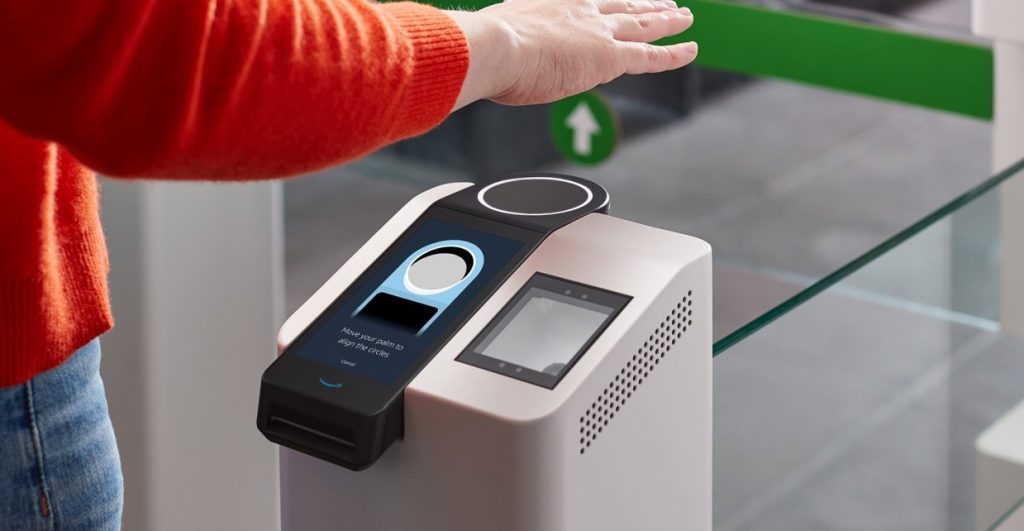
For decades, the technology industry operated under a comforting illusion: it conflated experience design with visual interface polish. Success was measured in pixel-perfect layouts, drop shadows, slick app transitions, and sleek glass rectangles. The screen became our digital crutch—a convenient canvas where every complex backend problem could be solved by simply adding another button, menu, or modal overlay.
That era is rapidly coming to a close. As ambient intelligence, agentic workflows, multi-modal voice systems, and spatial sensors blend seamlessly into our physical environments, technology is disappearing from view. We are entering the age of Zero UI, where the primary touchpoint is no longer a display you stare at, but an environment that understands you.
Removing the visual screen does not remove the need for design. In fact, it does the exact opposite. When you strip away the interface, you eliminate the visual handrails that users rely on to navigate systems. Experience design is suddenly elevated from cosmetic surface work to foundational organizational architecture. Without a screen to hide behind, the underlying system logic, emotional resonance, and end-to-end human experience must do all the heavy lifting.
The Paradox of Invisibility
The transition toward invisible technology presents a fundamental design paradox: as technology becomes more seamless, human understanding of that technology becomes more fragile. For over thirty years, visual interfaces provided essential cognitive scaffolding. Graphical menus, back buttons, and explicit form fields created clear affordances—they signaled to users what actions were possible, where they were within a process, and how to recover when something went wrong.
When you dissolve the interface, you strip away those visual breadcrumbs. Without intentional experience design, screenless interactions quickly induce cognitive friction. Technology that fails to clearly communicate its status or intent risks feeling unpredictable, intrusive, or frustratingly opaque. Instead of empowering people, “invisible” systems can easily leave users feeling powerless.
Solving this paradox requires a fundamental shift in design discipline:
From Visual Affordance to Contextual Awareness: Designing systems that interpret human intent through environmental cues, location, dynamic voice prompts, and subtle haptic feedback rather than static visual buttons.
From User Interface (UI) to Holistic Service Design: Shifting the focus from what people see on a display to how people feel, perceive, and move through an end-to-end service ecosystem.
From Explicit Inputs to Implicit Interaction: Anticipating user needs without forcing manual entry, while preserving a clear sense of user agency and control.
In a screenless world, experience design becomes the ultimate bridge between human expectation and invisible computational power. The goal is not merely to eliminate pixels, but to build intuitive trust in moments where no visual cues exist.
Core Pillars of Post-Interface Experience Design
Designing for a screenless world demands a fundamental reset of our frameworks, toolkits, and evaluation metrics. When pixels are no longer the primary medium of interaction, experience designers must anchor their work in new operational pillars that span human perception, predictive intelligence, and system resilience.
The table below highlights the critical shift in design priorities as organizations transition from traditional visual interfaces to invisible, ambient environments:
Focus Area
Traditional UI Era
Invisible Technology Era
Primary Interaction
Taps, clicks, screen navigation, and manual form fills
Contextual cues, human intent, natural language, and presence
System Behavior
Reactive (awaits explicit user input before executing)
Proactive & Predictive (anticipates needs based on real-time signals)
Trust Building
Visual confirmations, status bars, and UI indicators
Ambient haptics, multi-modal feedback, and transparent intent cues
Failure Recovery
Inline error messages, dialog boxes, and 404 screens
Gracefully degraded dialogs, soft handoffs, and human-in-the-loop overrides
Key Principles for the Ambient Experience Architect
Context as the New Interface: The environment, physical location, biometric state, and situational urgency replace the traditional navigation menu. Systems must continuously interpret context without overstepping boundaries.
Multimodal Feedback Loops: Because visual confirmation is absent or secondary, designers must master subtle auditory signatures, spatial audio, haptic pulses, and low-cognitive-load ambient light to signal state changes.
Systemic Resilience over Surface Polish: When an interface vanishes, friction in backend business processes is exposed instantly. Experience design must address the end-to-end architecture, ensuring data pipelines, API integrations, and human support channels are perfectly aligned.
Human-Centered Change: Rethinking the Architecture of Value
Transitioning to an invisible interface model isn’t just a technological pivot; it is a profound organizational and human-centered change management challenge. When you remove the visual screen, you strip away the buffer that previously masked underlying organizational complexity. On a smartphone screen, a company can mask siloed departments with neat tabs and drop-down menus. In a screenless, ambient environment, any friction in your internal workflows instantly manifests as a broken, jarring user experience.
To design value when the interface disappears, organizations must realign their operational architecture around three core shifts:
Context Over Static Content: Traditional experience design mapped predictable, static user paths across static pages. Post-interface design requires orchestrating dynamic journeys that adapt in real time to human context—accounting for location, emotional urgency, physical environment, and cognitive load.
Intelligent Intent Recognition: We must shift from designing systems that force users to learn how to operate software toward building empathetic systems that interpret what the human is trying to accomplish. The burden of translation moves entirely from the human to the technology.
Silo Elimination Across the Value Chain: Invisible front-ends require hyper-connected back-ends. Cross-functional alignment across IT, customer experience (CX), operations, and service delivery is no longer optional—it is the foundational prerequisite for seamless experience delivery.
Human-Centered Change management ensures that as algorithms and ambient systems take over the mechanics of interaction, human agency, dignity, and real-world value creation remain at the dead center of your business model.
Trust, Transparency, and Control in a Screenless World
When technology operates silently in the background, a critical psychological question emerges: How do you trust an experience you cannot see? Without visual progress bars, visible security badges, or explicit confirmation prompts, users can easily feel alienated or wary of autonomous systems making decisions on their behalf.
To prevent invisible experiences from devolving into opaque “black boxes,” experience designers must proactively embed trust-building mechanisms directly into the interaction framework:
Micro-Moments of Ambient Confirmation: Leveraging subtle, non-intrusive sensory feedback—such as distinct acoustic cues, localized haptic responses, or soft ambient lighting shifts—to validate system actions without interrupting the user’s flow.
Proactive Intent Disclosure: Designing systems that subtly communicate why an automated action was taken, giving humans effortless visibility into predictive background choices before or as they occur.
Unconditional Human Agency and Override: Guaranteeing that users maintain ultimate control. In a screenless ecosystem, the ability to pause, modify, or gracefully override an automated workflow must be frictionless and instantly available across all voice, gesture, or physical touchpoints.
Ethical Safeguards and Privacy by Design: Ensuring that as digital touchpoints dissolve into physical environments, continuous ambient data collection respects personal boundaries, data sovereignty, and explicit consent.
True innovation in the zero-UI era isn’t measured by how much technology can automate behind the scenes, but by how effectively it preserves human dignity, safety, and confidence in the process.
Conclusion: The Renaissance of True Experience Designers
The disappearance of the interface is not the demise of design; it is its ultimate elevated realization. For years, design teams were constrained by pixels, grid systems, and screen constraints—focusing heavily on surface aesthetics rather than fundamental human utility. As screens recede into the environment, experience design returns to its true, strategic roots.
This shift forces designers to move up the value chain. They are no longer screen painters or visual layout specialists; they are system strategists, behavioral architects, and orchestrators of human-technology harmony. Their primary mandate is no longer asking “What should this screen look like?” but rather “How should this entire system behave to enrich human capability?”
Organizations that continue to treat design as a cosmetic afterthought will find themselves struggling in an ambient world where visual tricks can no longer mask fragmented backend operations. Conversely, leaders who invest in holistic, human-centered experience design will create seamless, high-trust ecosystem experiences that redefine competitive advantage for decades to come.
Frequently Asked Questions
What does “Zero UI” mean for experience design?
Zero UI refers to seamless computing environments—such as voice, ambient sensors, gesture, and predictive AI—where traditional visual screens are absent. For experience design, it means shifting focus away from visual layouts and button placements toward context awareness, system architecture, and human intent recognition.
How do you build trust with users when there is no visual interface?
Trust is built in screenless environments through subtle, non-intrusive feedback mechanisms like ambient lighting, distinct audio signatures, and haptic pulses. Additionally, systems must provide clear intent disclosure, predictable behavior, and effortless human overrides to ensure users always maintain agency.
Why does invisible technology require stronger organizational alignment?
Visual interfaces often act as a mask for fragmented internal processes and siloed teams. When the screen disappears, any friction in backend data pipelines, operations, or cross-departmental handoffs instantly disrupts the user experience, making cross-functional alignment an essential prerequisite.
EDITOR’S NOTE: Braden Kelley’s Problem Finding Canvas can be a super useful starting point for doing design thinking or human-centered design.
“The Problem Finding Canvas should help you investigate a handful of areas to explore, choose the one most important to you, extract all of the potential challenges and opportunities and choose one to prioritize.”
Image credit: Gemini
Sign up here to get Human-Centered Change & Innovation Weekly delivered to your inbox every week.

How Open, Inclusive Design Drives Customer and Employee Trust
GUEST POST from Chateau G Pato
Intro: The Trust Recession
Trust is the world’s most undervalued currency—and right now, we’re running a massive deficit.
It wasn’t lost overnight. It eroded, decision by decision, black box by black box, and statement by statement. The catalysts are all around us: the rapid rise of AI, mass layoffs, relentless data breaches, growing polarization, an explosion of misinformation, and the decades-long expansion of surveillance capitalism. Together, they’ve vaporized the era of blind trust.
The old playbook is dead. Corporate spin, perfectly worded press releases, and the addiction to perfectionism no longer earn loyalty. They only create more skepticism. Your customers and employees can spot transparency theater from a mile away. And once they do, your credibility debt begins to compound at a rate that no marketing budget can ever repay.
“If your employees don’t trust you, your customers never will. It’s not a separate effort. It’s the same effort.”
This is why we need to talk about a different approach. One that doesn’t ask if you can afford to be open, but rather, how much you’re already paying to be opaque. I call that return The Transparency Dividend.
1. What Is The Transparency Dividend?
The Transparency Dividend is the compounding interest of trust. It’s the measurable return your organization earns when you proactively invest in openness and inclusive design. Every honest explanation, every closed feedback loop, and every moment of clarity you provide pays you back over time. Conversely, every moment of opacity withdraws from that same account.
The Very Real Cost of Opacity
Too many leaders view transparency as “giving away leverage.” In reality, opacity is one of the most expensive strategies on the balance sheet. It shows up as:
Customer churn: People will leave the moment they feel they’re being manipulated or kept in the dark.
Employee attrition: Top talent is leaving organizations they don’t believe in, and they’re telling others why.
Reputational damage: In a hyper-connected world, a crisis of trust spreads faster than any apology can contain.
Adoption lag: If people don’t understand how your product or AI works, they won’t adopt it at scale.
Innovation drag: Without psychological safety, the best ideas never see the light of day.
An Investment, Not a Cost Center
Reframing transparency as a strategic innovation investment changes the conversation entirely. It prevents losses before they occur, while also fueling growth. Organizations earning a healthy Transparency Dividend experience faster adoption, radical resilience in times of crisis, greater idea-sharing, and a distinct advantage in the ongoing war for talent.
Measuring What Matters
If you’re going to invest in it, you must measure it. Consider tracking these leading indicators of your trust account:
Trust Indicator
What It Measures
Where To Find It
eNPS
Employee belief in the organization
Internal pulse surveys
Trust Ratings
Customer perception of credibility and integrity
Brand trust studies & post-interaction surveys
Adoption Speed
Time to value and willingness to try new features (especially AI)
Product analytics
Product Retention
Long-term loyalty driven by clarity, not lock-in
Cohort retention data
Time to Resolution & Loop Closure
How quickly you acknowledge and close the loop on feedback or incidents
Support tickets & feedback systems
Co-Design Participation
Willingness of customers and employees to shape your future with you
Participation in research, roadmapping, or co-design
2. Trust Starts Internally: The People Side of Change
Here’s a truth I have seen play out time and time again in my work with change catalysts across the globe: Employees will always experience your trustworthiness before your customers ever do.
You can run the world’s best ad campaign, but if your people are bracing for the next surprise behind closed doors, your customers will feel that dissonance in every interaction.
Practice What You Prototype
Your internal culture is your testing ground for external transparency. If you can’t explain the “why” to your employees with clarity and empathy, you aren’t ready to explain it to your customers. Treat your internal change communications with the same level of intentional experience design that you give your product’s onboarding flow.
Small Acts Compound Exponentially
Massive trust-building campaigns often fail because they try to boil the ocean. Instead, focus on micro-moments of openness that prove you’re worthy of trust over and over again. Some of the most powerful acts include:
Explaining the “why”: Share the rationale behind difficult decisions—especially layoffs, reorganizations, or roadmap shifts—with empathy and humanity.
Sharing the things that matter: Publish pay ranges, decision frameworks, product roadmaps (including what’s being deprioritized), and real-time change impacts.
Admitting uncertainty: Leaders, your superpower isn’t having all of the answers. It’s having the courage to say, “We don’t know yet, but here’s how we’ll find out.”
Equipping managers: Give people leaders the context and tools they need to have candid conversations. Change doesn’t happen at the all-hands. It happens in 1:1s.
Psychological Safety Is the Infrastructure
You cannot have sustainable transparency without psychological safety. That means building systems where feedback is welcomed, retaliation is unthinkable, and blamelessness is practiced when things go wrong. Without this bedrock, your attempts at openness will be met with silence—the most dangerous response to any change effort.
Minimum Viable Change: Build Trust in Iterations
In change management, we often talk about going big. But when trust is low, going big is reckless. Instead, employ Minimum Viable Change: pick the smallest, meaningful transparency action you can take, follow through with it completely, and use what you learn to inform your next move. This is how you build momentum without overcommitting your credibility.
Action: This week, in your next team meeting, explain the “why” behind one decision that was recently made, even if it feels uncomfortable. Then, leave space for questions with no time limit.
3. Designing For Openness: Experience Design in Action
Transparency isn’t just a leadership memo—it’s an experience. As experience designers, product leaders, and engineers, we have a profound responsibility. We can either bake opacity into our systems by default, or we can intentionally design for openness.
Explainability By Default
In the age of agentic AI, the black box is a trust killer. Users don’t need a PhD in machine learning. They need clarity. Designing for explainability looks like:
Showing your work: Implement features like, “Why was this recommended to you?” or “What factors led to this output?”
Setting expectations: Be clear about when a response is AI-generated, its confidence level, and where its limitations are.
Responsible guardrails: Make it obvious what your system won’t do, and why those boundaries exist.
Radical Clarity Over Legalese
If your Terms of Service, consent flow, or privacy notice requires a law degree to decipher, it’s not a notice—it’s a barrier. Design for understanding, not just compliance. Use plain language, display consent choices in a way that are actually actionable, and communicate system statuses in real-time when things aren’t working as expected.
Open Roadmapping: Share the Tradeoffs
Your users understand you can’t build everything. What they don’t understand is why you’re choosing to build A over B. Open roadmapping builds immense goodwill by sharing not just what you’re building, but what you’ve deprioritized and the rationale behind those tradeoffs. It transforms customers from passive consumers into informed collaborators.
Fail Out Loud
No organization is perfect. The question isn’t if you’ll have an incident, it’s whether you’ll compound the harm with silence, or build credibility through candor. Failing out loud means practicing blameless post-incident reviews, communicating early and often during outages, and most importantly, publicly sharing the learnings and the concrete actions you’re taking to prevent recurrence. This is one of the fastest ways to earn a massive Transparency Dividend after adversity.
Action: Review one user-facing flow this week (consent, onboarding, or an error state). Ask yourself, “Could a new user understand why this is happening, in plain language?” If not, simplify it.
4. Nothing About Us, Without Us: Inclusive Design Is Non-Negotiable
Transparency without inclusion is nothing more than performance. If you’re only being open to the people who already have a seat at the table, you’re not building trust—you’re managing optics.
This is where human-centered change and futurology must intersect with equity. The future we’re designing must be built with, not for, the communities impacted by it.
Co-Design Over Feedback Forms
Feedback forms are a lagging indicator. Participatory design is a trust multiplier. Bring impacted communities in at the beginning of the problem-framing process, not at the very end when the pixels are already locked in. Compensate them for their time, expertise, and lived experience. That isn’t a courtesy, it’s a necessity.
Design for the Margins
Some of the most groundbreaking innovations in history were born from designing for the margins. When we intentionally include disabled people, neurodivergent people, BIPOC, LGBTQIA+, older adults, and members of the global majority, we don’t just build trust with those communities—we create solutions that are more resilient, flexible, and usable for everyone.
Proactive Consent & Data Sovereignty
Data trust is one of the defining issues of our time. The future belongs to organizations that treat data as a relationship, not a resource to extract. That means: easy-to-understand opt-outs, granular consent that doesn’t require a dark pattern, portable data, and designing your systems to proactively prevent predatory data practices. Respect builds more durable value than any hidden toggle ever could.
Representation With Decision-Making Power
Tokenism erodes trust faster than silence. Lived experience must be represented in the room and hold real decision-making authority. Change catalysts with proximity to the problem should be empowered to veto, shape, and resource the solutions that impact their communities.
Action: Identify one upcoming product or policy decision that will disproportionately impact a historically excluded community. Before you ideate solutions, reach out to at least one community expert and co-create your research plan with them.
5. Avoiding The Transparency Trap
Being open isn’t easy. If done recklessly, it can create chaos, compromise safety, or backfire spectacularly. As with any change effort, we must be thoughtful about the how, not just the why.
Transparency Theater: The Credibility Killer
Transparency theater is the gap between what you say and what you do. It looks like a well-crafted DEI statement with no budget or headcount behind it. It looks like a “Tell Us How We’re Doing” feedback form that hasn’t been read in six months. It looks like promising change, but never reporting back. This is the fastest path to accruing insurmountable credibility debt.
Use a Transparency Spectrum
You don’t need to share everything with everyone. You need to share the right things with the right people, at the right time, with clear rationale. I use a simple framework to guide these decisions:
Approach
When To Use
Examples
Share by Default
Information that builds agency, safety, or trust with no reasonable harm in sharing.
Roadmap tradeoffs, incident status updates, pay ranges, “why this was recommended” explanations.
Share on Demand
Context that is important to a specific group, but not universally necessary or could create noise.
Detailed technical post-mortems for customers impacted by an outage, or change rationale for a specific department.
Share Never (With Rationale)
Information that would compromise employee or user safety, violate privacy, or create active harm.
Specific PII, security vulnerabilities before remediation, or details that could put a marginalized group at risk. Explain this boundary when asked.
The Legal, Security & HR Tightrope
Transparency doesn’t mean abandoning your duty of care. It means collaborating earlier. Bring Legal, Security, and HR to the conversation before you commit to sharing something publicly. Instead of asking, “Can we share this?”, ask “How can we share this responsibly to meet our duty of care and our duty of trust?” You’ll often find a workable middle ground when you co-design the approach from the start.
Under-Promise and Over-Deliver
If trust is already low, your margin for error is razor thin. The safest path forward is to under-promise on your transparency commitments, and over-deliver on your follow-through. And above all else, adhere to the golden rule of human-centered change: Close The Loop. If you ask for feedback, commit to when you’ll report back, and then report back—even if the answer is “we heard you, but we can’t do this right now, and here’s why.”
Action: Audit your last three major change announcements. For each one, ask: Did we explain the ‘why’? Did we close the loop on questions? Did we do what we said we would do, by when? Be ruthlessly honest with your answers.
6. The Future Payoff & A Call To Action
Let’s look toward the horizon for a moment. In a world awash with synthetic content, deepfakes, and increasingly autonomous agentic AI, verifiability will eclipse virality. The organizations that will thrive in this next era won’t be the loudest. They’ll be the most trustworthy.
The Compounding Return
When you consistently invest in your Transparency Dividend, the future payoff becomes exponential:
Faster AI adoption: People will willingly adopt AI tools they understand, not fear the ones they don’t.
Radical resilience: When a crisis hits, trust becomes your shock absorber. You’ll recover faster because you’ve banked goodwill for years.
Unstoppable innovation: Psychological safety unlocks the ideas your quietest change catalysts have been holding onto.
Talent magnetism: The best people are increasingly choosing employers whose values match their own. They aren’t just looking for a paycheck, they’re looking for integrity.
A durable competitive moat: Trust can’t be copied from a competitor’s slide deck. It’s earned, day after day, through action.
Be The Catalyst
Here’s the part that I believe with every fiber of my being: change doesn’t start with a press release or a policy update. It starts with you.
You don’t need to be the CEO to be a change catalyst. You can be an IC designer, a product manager, an engineer, a researcher, or a people leader. The levers for change are everywhere. But they require courage. They require the willingness to go first, to explain the “why” when it’s easier to stay silent, and to close the loop when it’s easier to move on to the next thing.
“Don’t wait for a PR crisis to start building trust. Pick ONE micro-transparency action today, follow through with it, and close the loop. That’s how change begins.”
Your Challenge
So I’ll leave you with the question I ask every leader, designer, and change catalyst I have the privilege of working with:
What is your organization’s current Transparency Dividend, and are you investing in it—or withdrawing from it—with your very next decision?
Key Takeaways
Trust is compounding: Opacity creates immediate withdrawal, while proactive transparency creates a long-term dividend that fuels retention, adoption, and resilience.
Employees first: Trust starts internally. If your people don’t believe you, your customers never will. Use Minimum Viable Change to rebuild it incrementally.
Design it in: Bake explainability, radical clarity, and open roadmapping into your products and experiences. Your UX is your trust strategy.
Inclusion is mandatory: Nothing about us, without us. Co-design with impacted communities, design for the margins, and ensure data sovereignty.
Avoid the trap: Steer clear of transparency theater by utilizing the Transparency Spectrum, collaborating with Legal/Security/HR early, and relentlessly closing the loop.
Trust is your moat: In a world of synthetic content and agentic AI, verifiable trustworthiness will be your most durable competitive advantage.
Frequently Asked Questions (FAQ)
What is the Transparency Dividend?
The Transparency Dividend is the compounding return organizations earn when they invest in proactive openness and inclusive design. Instead of losing trust through opacity, they build credibility over time, resulting in higher retention, faster adoption, greater innovation, and increased resilience.
Why is transparency a strategic investment and not just a cost?
Because opacity has a very real price tag: churn, attrition, reputational damage, and the massive cost of rebuilding trust after it’s broken. Transparency, when done with intention, prevents those losses, accelerates adoption, attracts talent, and becomes a competitive moat in an era of AI and synthetic content.
How can an organization start building its Transparency Dividend today?
Start small with a Minimum Viable Change. For example, explain the ‘why’ behind a decision, close the loop on feedback with a committed timeline, publish a simple incident update, or share what was deprioritized on your roadmap and why. The key is to pick one micro-action, follow through, and close the loop.
What’s the difference between transparency and transparency theater?
Transparency is action-backed openness: you share context, follow through on what you said you would do, and close the loop. Transparency theater is performative. It’s a statement with no resourcing, a feedback form with no responses, or promises made with no intention or ability to deliver. Theater erodes credibility debt at an accelerated rate.
How does inclusive design fit into building trust?
Transparency without inclusion is performative. Co-designing with impacted communities, designing for the margins, and ensuring proactive consent and data sovereignty builds trust with those most likely to be harmed by opacity. The innovations that result from designing for the margins almost always scale to benefit everyone.
EDITOR’S NOTE: Braden Kelley’s Problem Finding Canvas can be a super useful starting point for doing design thinking or human-centered design.
“The Problem Finding Canvas should help you investigate a handful of areas to explore, choose the one most important to you, extract all of the potential challenges and opportunities and choose one to prioritize.”
Image credit: Microsoft AI
Sign up here to get Human-Centered Change & Innovation Weekly delivered to your inbox every week.
I. Introduction: The Death of the Rectangular Tether
The Flatland Trap: The Cognitive Friction of Glass
For nearly half a century, computing has forced human intelligence to adapt to the constraints of the rectangle. From cathode-ray tubes to smartphone glass, we have funneled our rich, multidimensional capacity for perception and action into a flatland of pixels, taps, and glowing grids. This “Screen-First” paradigm was a necessary stepping stone in the early digital era, but today it represents an artificial bottleneck on human potential. It demands constant visual dominance, fragments our attention, and treats the rest of our senses—and our physical environment—as mere background noise. The result isn’t augmented humanity; it’s visual fatigue, split focus, and continuous partial attention.
The Paradigm Shift: Defining “Sensation-First” HCI
The next frontier of human-computer interaction is not about making screens higher resolution, faster, or more ubiquitous. It is about fundamentally abandoning the screen as the primary interface. Moving to a “Sensation-First” architecture means designing interactions that engage the full spectrum of human biological capabilities—spatial orientation, haptic feedback, directional acoustics, micro-gestures, and ambient environmental awareness. Instead of forcing humans to translate their natural physical intent into software-understandable visual clicks, Sensation-First computing translates digital intent directly into rich, intuitive human sensory experiences.
The Human Core: Reducing Friction Between Intent and Response
True innovation in experience design has never been about adding features; it has always been about removing friction. At its heart, a Sensation-First approach returns us to human-centered fundamentals. When computing recedes into the background and leverages our innate biological senses, technology ceases to feel like an intrusive tool we operate and begins to feel like a natural extension of our own agency. As experience designers and change leaders, our mandate is to design for the whole human—minimizing cognitive load, preserving flow states, and unlocking seamless interaction beyond the boundary of the glass.
Screen-First interfaces hijack human attention, forcing users into a continuous cycle of visual searching, menu navigation, and deliberate decision-making. Sensation-First design flips this model by prioritizing cognitive ergonomics. By leveraging ambient intelligence and context-aware sensors, the system operates largely in the background—anticipatory rather than reactive. Information is communicated through subtle, peripheral signals rather than intrusive pop-ups, respecting the finite nature of human focus and keeping users grounded in their primary real-world tasks.
Human movement in the real world is fluid, spatial, and effortless. Traditional UI, however, forces our physical capabilities into rigid visual abstractions like buttons, scroll bars, and typing prompts. Sensation-First HCI bridges this gap by grounding interaction in conative action—our instinctive drive to act and manipulate space. Through micro-gestures, subtle eye tracking, spatial positioning, bio-signals, and dynamic haptics, the friction between having an intent and executing an action collapses. Technology responds to natural biological movement rather than forcing hand-eye calibration against a flat surface.
Sensory experiences trigger immediate, deep emotional and physiological responses long before visual interfaces can be intellectually processed. Screen-First interactions often fail to build deep engagement because flat pixels lack physical presence and visceral weight. Sensation-First architecture engages the affective domain by combining spatial awareness, directional acoustics, and dynamic force-feedback. This creates an immersive feedback loop that feels real, emotionally resonant, and instinctively trustworthy—transforming digital interactions from transactional tasks into meaningful, human experiences.
III. Architectural Pillars: How We Build Beyond the Screen
Ambient Interfaces and Zero-UI Systems
The transition away from glass requires embedding computational intelligence directly into our physical environments, materials, and everyday objects. Ambient interfaces operate on the principle of Zero-UI, where the environment itself becomes the interaction layer. By integrating conductive textiles, responsive surfaces, and smart materials, technology operates in the periphery of our consciousness until explicitly needed. This eliminates interface friction, allowing technology to blend seamlessly into architecture and lifestyle without demanding front-and-center attention.
Multisensory Feedback Loops
Visual progress bars, loading spinners, and digital notifications are artifacts of a visual-centric era. Sensation-First systems replace visual clutter with rich, multisensory feedback loops that communicate status instantly through touch, sound, and spatial cues. Advanced micro-haptics provide variable texture and resistance, targeted ultrasonic force-feedback creates physical sensation in mid-air, and directional acoustics deliver pinpoint spatial audio. These non-visual cues allow users to verify system state and confirm actions instinctively without ever looking at a screen.
Spatial and Contextual Intelligence
Sensation-First architecture relies on systems that possess a deep understanding of physical geometry, temporal context, and human state. Through spatial mapping, environmental awareness, and non-invasive biological sensing, computing environments evaluate user proximity, physical stance, and psychological readiness before delivering information. Systems dynamically determine when to provide gentle haptic guidance, subtle acoustic cues, or full spatial interaction—ensuring that computing acts as an intelligent partner that respects situational focus and physical context.
IV. Experience Design & The Human Adoption Challenge
Overcoming Resistance: De-programming the Screen Habit
Human beings are creatures of habit, and for over a generation, we have been conditioned to equate computing with glowing rectangles. Transitioning users from visual control to sensory reliance requires intentional change management. Experience designers must carefully scaffold this transition, using progressive disclosure to build trust. By introducing subtle haptic and spatial affordances alongside familiar visual cues, we can systematically de-program screen addiction and guide users toward more intuitive, sensation-led interaction habits without causing cognitive dislocation.
The PCC Framework for Sensation-First Adoption
To successfully introduce non-visual interaction models, organizations must evaluate user readiness through the lens of Psychology, Capability, and Capacity (PCC). Psychology addresses the mental models and emotional comfort required to trust invisible, ambient interfaces. Capability examines whether users possess the physical literacy and contextual understanding to perform micro-gestures or interpret haptic signals. Capacity measures the user’s available cognitive load—ensuring that sensory inputs reduce friction rather than contributing to biological strain.
Ethical Boundaries: Protecting the Human Sensory Envelope
Moving beyond the screen unlocks unprecedented intimacy between human and machine, bringing with it significant ethical responsibility. When interfaces engage our physical senses directly, dark patterns can cross the line into sensory invasion. Designers must establish strict ethical guardrails against spatial spam, intrusive haptic notifications, and subconscious nudge tactics. Respecting the human sensory envelope requires designing explicit consent mechanisms, protecting bio-metric privacy, and ensuring users maintain ultimate agency over their physical and mental focus.
V. The Organizational Blueprint for Sensation-First Innovation
Cross-Functional Collaboration: Breaking Silos for Multisensory Systems
Designing Sensation-First experiences requires dismantling traditional product development silos. The era of software engineers and UI/UX designers operating independently from hardware teams is over. Building intuitive, multisensory systems demands tight integration between software architects, industrial designers, audio engineers, neuroscientists, and service designers. Organizations must foster cross-disciplinary fluency, ensuring that technical capabilities are continually aligned with human physiology, spatial dynamics, and cognitive ergonomics from day one.
Visual Prototyping and Frameworks for Non-Visual Systems
Traditional wireframes and flat visual mockups are completely inadequate for mapping ambient, haptic, or spatial interactions. Innovation leaders must adopt dynamic mapping frameworks and visual prototyping toolkits designed specifically for physical-digital spatial journeys. By utilizing sensory journey maps, spatial flowcharts, and tangible prototyping canvases, teams can design, test, and iterate on multi-modal feedback loops—evaluating how haptics, acoustics, and ambient cues orchestrate together long before writing production code.
Measuring Success: Evolving from Engagement to Flow State
The legacy metrics of the Screen-First era—time on page, click-through rates, and daily active visual engagement—are fundamentally misaligned with Sensation-First philosophy. Success in an ambient computing paradigm is defined by invisibility and efficiency. Organizations must shift toward human-centric performance indicators, measuring intent fulfillment speed, cognitive load reduction, friction elimination, and the preservation of continuous user flow state. The ultimate measure of a Sensation-First experience is how effectively it empowers human achievement while receding gracefully into the background.
VI. Conclusion: Preparing for the Post-Screen Reality
The Ultimate Goal: Technology as a Natural Biological Extension
The transition from Screen-First to Sensation-First is more than a technical upgrade; it is a fundamental realignment of computing with human biology. When we dismantle the flat glass barriers that divide our digital intent from our physical realities, technology stops feeling like a cumbersome tool we operate and begins operating as an intuitive extension of our agency. By grounding interaction in human perception, tactile feedback, spatial intelligence, and cognitive harmony, we unlock a future where digital power amplifies human potential without demanding our undivided visual attention.
Call to Action for Leaders: Architecting Tomorrow’s Human Experience
The post-screen reality will not arrive by accident—it must be intentionally designed and strategically led. Innovation leaders, experience strategists, and change architects must begin preparing their organizations today. This requires shifting investment from incremental screen refinements toward multisensory prototyping, building cross-disciplinary teams that bridge digital and physical worlds, and establishing ethical guardrails that protect the human sensory envelope. The leaders who master Sensation-First experience design now will define the next era of human-computer interaction, building experiences that are richer, more seamless, and profoundly human-centered.
Frequently Asked Questions
What is the difference between Screen-First and Sensation-First HCI?
Screen-First design relies on visual translation via 2D flat glass interfaces (pixels, taps, and clicks), which causes high cognitive load and visual fatigue. Sensation-First HCI engages the full human biological spectrum—leveraging haptics, spatial positioning, directional acoustics, and micro-gestures to allow computing to respond naturally to human intent without requiring constant screen attention.
How does ambient computing fit into Sensation-First design?
Ambient computing operates on Zero-UI principles, embedding technology directly into physical environments, conductive textiles, and everyday materials. Instead of interrupting users with visual pop-ups, ambient systems process context in the background and deliver subtle sensory feedback only when necessary, preserving human flow state and attention.
What is the PCC Framework for technology adoption?
The PCC Framework evaluates user readiness when transitioning to non-visual interfaces across three dimensions: Psychology (mental comfort and trust in invisible systems), Capability (physical literacy with micro-gestures and sensory signals), and Capacity (ensuring sensory inputs reduce rather than add to cognitive strain).
EDITOR’S NOTE: Braden Kelley’s Problem Finding Canvas can be a super useful starting point for doing design thinking or human-centered design.
“The Problem Finding Canvas should help you investigate a handful of areas to explore, choose the one most important to you, extract all of the potential challenges and opportunities and choose one to prioritize.”
Image credit: Pexels
Sign up here to get Human-Centered Change & Innovation Weekly delivered to your inbox every week.

Design thinking is a powerful tool that has transformed the way organizations approach problem-solving and innovation. It is a human-centered approach that encourages empathy, collaboration, and experimentation to create innovative solutions that meet the needs of users. By focusing on understanding and addressing user needs, design thinking has proven to be highly effective in driving innovation across various industries.
Case Study 1: Apple’s Success with the iPod
Apple’s success with the iPod exemplifies the power of design thinking in driving innovation. In the early 2000s, Apple identified a gap in the market for a portable music player that offered a seamless and intuitive user experience. Instead of relying solely on technological advancements, Apple’s design thinking approach centered on understanding user needs and pain points.
Apple invested in extensive user research to understand not only the technical aspects of music players but also the emotional connection users had with their music. This research led to the development of a simple, elegant, and user-friendly interface that made accessing and organizing music effortless. The design thinking approach propelled Apple’s innovation in the music industry, revolutionizing how people listen to music and turning the iPod into a cultural phenomenon.
Case Study 2: Airbnb’s Disruption in the Hospitality Industry
Another example that showcases the power of design thinking is Airbnb’s disruption in the hospitality industry. When Airbnb founders Brian Chesky and Joe Gebbia struggled to pay rent, they identified an opportunity by considering the design needs of travelers and home-sharing hosts. They realized that traditional accommodations did not always meet the needs and desires of travelers, while many people had underutilized spaces in their homes.
Drawing on the principles of design thinking, Chesky and Gebbia conducted extensive user research to understand the pain points and desires of both travelers and hosts. By empathizing with their users, they created a platform that provided unique, authentic travel experiences while enabling hosts to monetize their unused spaces. This innovative approach led to Airbnb’s rapid growth and its disruption of the hospitality industry, challenging traditional hotel chains and inspiring the proliferation of the sharing economy.
In both cases, design thinking played a critical role in driving innovation. By putting the user at the center of the design process and empathizing with their needs, Apple and Airbnb were able to develop solutions that transformed their respective industries.
The power of design thinking lies in its ability to foster a culture of innovation within organizations. It encourages collaboration, iteration, and experimentation, allowing teams to explore and test multiple ideas before arriving at the optimal solution. By integrating design thinking into their processes, organizations can unleash the creativity of their employees and develop innovative solutions that truly address user needs.
Conclusion
Design thinking is a powerful approach that drives innovation by putting people and their needs at the forefront. Through empathy, collaboration, and experimentation, organizations can create transformative solutions that disrupt industries and revolutionize user experiences. The case studies of Apple with the iPod and Airbnb in the hospitality industry serve as compelling examples of the power of design thinking in driving innovation. By embracing this approach, organizations can harness the full potential of design thinking to unlock new possibilities and create a better future.
EDITOR’S NOTE: Braden Kelley’s Problem Finding Canvas can be a super useful starting point for doing design thinking or human-centered design.
“The Problem Finding Canvas should help you investigate a handful of areas to explore, choose the one most important to you, extract all of the potential challenges and opportunities and choose one to prioritize.”
Image credit: Unsplash
Sign up here to get Human-Centered Change & Innovation Weekly delivered to your inbox every week.
Empathy is a powerful skill that allows individuals to understand and share the feelings of others. While it is often associated with personal relationships and emotional intelligence, empathy also plays a crucial role in driving innovation. By putting themselves in the shoes of their customers, innovators can gain valuable insights and create products and services that truly address their needs and desires. This article explores the impact of empathy in driving innovation through two intriguing case studies.
Case Study 1 – The Airbnb Story
In 2008, Joe Gebbia and Brian Chesky were two struggling entrepreneurs in San Francisco, struggling to pay their rent. They decided to rent out some space in their apartment and provide a homemade breakfast for guests. To better understand the needs and experiences of their potential customers, the duo decided to step into their shoes.
To gain empathy, Gebbia and Chesky traveled to New York City and rented out their own space using their platform. They lived with the guests, capturing their reactions, preferences, and pain points. This experience turned out to be crucial in shaping Airbnb’s future success.
The empathy-driven insights helped them understand that people craved authentic, unique experiences when traveling. As a result, they shifted their focus from just renting out spaces to creating an entire marketplace for unique and local accommodations. They incorporated features like personal profiles, reviews, and detailed listings to build a sense of trust and connection between hosts and guests.
By putting themselves in the shoes of their customers, Gebbia and Chesky were able to create a platform that revolutionized the way people travel. Today, Airbnb boasts over 7 million listings worldwide and has become a global leader in the hospitality industry.
Case Study 2 – The Apple Story
Apple, under the leadership of Steve Jobs, is renowned for its innovative products that have shaped the technology landscape. One of the key factors contributing to Apple’s success is its ability to empathize with customers and anticipate their needs, even before they realize them.
When developing the iPod, for instance, Apple recognized that ordinary people found existing MP3 players too confusing and cumbersome. To better understand the user experience, the team at Apple conducted extensive research, observed customers, and put themselves in their shoes.
The insights gathered from this empathetic approach led to the creation of a simple and intuitive interface that revolutionized the way people interacted with portable music players. The iPod’s success paved the way for future innovations like the iPhone, iPad, and Apple Watch.
By empathizing with customers and anticipating their desires, Apple has consistently introduced groundbreaking products that transcend consumer expectations, reinvent industries, and propel technological advancements.
Conclusion
These case studies highlight how the power of empathy can drive innovation and shape successful business ventures. By understanding the needs, desires, and pain points of customers through empathy, entrepreneurs can develop products and services that truly resonate with their target audience. Furthermore, empathy encourages a user-centric approach, fueling creativity and unlocking new possibilities for innovation.
In a world that is becoming increasingly interconnected and diverse, empathy is not only an essential skill in personal relationships but also a critical catalyst for driving innovation. As businesses strive to stay competitive and relevant, the power of empathy should not be underestimated. It has the potential to transform industries, disrupt markets, and create products and services that truly make a difference in people’s lives.
Image credit: Pexels
Sign up here to get Human-Centered Change & Innovation Weekly delivered to your inbox every week.

Design thinking is a problem-solving approach that has garnered significant attention in recent years. Originally embraced by the design industry, it has now expanded its influence across a wide range of sectors, from technology and healthcare to finance and education. This article will explore how design thinking can be successfully implemented in various industries through the analysis of two case studies.
Case Study 1 – Airbnb: Transforming the Hospitality Industry
One prominent example of design thinking in action is Airbnb, the online marketplace for short-term rentals. In the early stages of their journey, Airbnb encountered a major challenge: the lack of trust between hosts and guests. To address this issue, the company applied design thinking principles to reimagine the user experience and build a platform centered around trust and community.
Airbnb identified that photographs played a crucial role in establishing trust. They started by sending professional photographers to capture appealing images of listed properties. This step not only improved the overall quality of the platform but also helped to foster trust between hosts and guests. Additionally, Airbnb introduced a review system, enabling users to provide feedback and ratings for both hosts and guests. This feedback mechanism helped further build trust and accountability within the community.
By adopting a design thinking approach, Airbnb was able to create an innovative solution to a common industry problem. They focused on human-centered design, empathy, and iterative prototyping, leveraging these principles to revolutionize the hospitality industry.
Case Study 2 – Kaiser Permanente: Enhancing Healthcare Services
Design thinking has also been successfully applied in the healthcare sector, as demonstrated by the renowned healthcare organization, Kaiser Permanente. Their goal was to improve the patient experience by reducing wait times and enhancing communication between patients and medical staff.
To achieve this, Kaiser Permanente undertook a redesign of their emergency departments, seeking to understand the pain points and barriers experienced by patients. They engaged in empathy research, observing and interviewing patients to gain a deeper understanding of their needs and frustrations.
Based on these insights, Kaiser Permanente implemented various design-driven solutions. They simplified and clarified signage to reduce confusion, created digital tools to provide patients with real-time updates on their wait times, and introduced a triage system to prioritize patients based on the severity of their condition. These changes not only improved the overall patient experience but also optimized the workflow of medical professionals, resulting in more efficient and effective care.
By utilizing design thinking principles, Kaiser Permanente transformed their healthcare services, making them more patient-centric and responsive to individual needs.
Implementing Design Thinking in Your Workplace
To introduce design thinking in your workplace, consider the following steps:
1. Foster a culture of innovation: Encourage your team to think creatively and embrace a problem-solving mindset. Provide a safe space for experimenting and taking risks.
2. Empathize with users: Understand the needs, desires, and pain points of your target audience. Engage in research and direct observation to gain empathy and develop a deeper understanding of their experiences.
3. Prototype and iterate: Develop prototypes and continually refine your solutions based on feedback and testing. Embrace an iterative process that allows for continuous improvement.
4. Collaborate and seek diverse perspectives: Design thinking thrives on collaboration and diverse viewpoints. Encourage cross-functional teams and create opportunities for brainstorming and sharing ideas.
5. Embrace failure as a learning opportunity: Design thinking often involves trial and error. Embrace failure as a stepping stone to success and encourage a culture of continuous learning and growth.
By implementing design thinking principles, organizations can drive innovation, improve their products and services, and create meaningful user experiences. By learning from successful cases, such as Airbnb and Kaiser Permanente, businesses across industries can benefit from this problem-solving approach and stay ahead in an ever-evolving market.
EDITOR’S NOTE: Braden Kelley’s Problem Finding Canvas can be a super useful starting point for doing design thinking or human-centered design.
“The Problem Finding Canvas should help you investigate a handful of areas to explore, choose the one most important to you, extract all of the potential challenges and opportunities and choose one to prioritize.”
Image credit: misterinnovation.com
Sign up here to get Human-Centered Change & Innovation Weekly delivered to your inbox every week.
