Author Archives: Chateau G Pato

About Chateau G Pato

Chateau G Pato is a senior futurist at Inteligencia Ltd. She is passionate about content creation and thinks about it as more science than art. Chateau travels the world at the speed of light, over mountains and under oceans. Her favorite numbers are one and zero. Content Authenticity Statement: If it wasn't clear, any articles under Chateau's byline have been written by OpenAI Playground or Gemini using Braden Kelley and public content as inspiration.

The Role of Change Agents

Empowering Employee-Led Change

The Role of Change Agents: Empowering Employee-Led Change

GUEST POST from Chateau G Pato

Change is an inevitable part of organizational growth and success. In today’s rapidly evolving business landscape, companies need to constantly adapt and reinvent themselves to stay competitive. Traditionally, change initiatives were often driven by top-down approaches where management dictated the direction and employees were expected to comply. However, this approach often met resistance, leading to low engagement, lack of ownership, and ultimately, failed change efforts.

Recognizing the need to foster a culture of engagement and ownership, organizations have started embracing a new approach, harnessing the power of change agents. Change agents are forward-thinking individuals who are passionate about driving change and inspiring others. They act as catalysts, facilitating employee-led change initiatives and ensuring their successful implementation. This article explores the role of change agents and their significance in empowering employee-led change, using two case study examples.

Case Study 1: Zappos

Zappos, an online shoe and clothing retailer, has gained a reputation for its exceptional customer service. In 2014, the company embarked on a transformational journey to shift its focus from a traditional hierarchical structure to a holacracy, a system in which traditional managers are replaced by self-managing teams. To facilitate this change, Zappos identified and empowered a group of change agents known as the “Zappos Culture Crew.”

The Zappos Culture Crew was composed of employees from various departments who volunteered to be change agents. They were responsible for driving the cultural transformation and breaking down barriers within the organization. By empowering these change agents to lead the change, Zappos fostered a sense of ownership and commitment among employees. The change agents actively engaged in creating awareness, facilitating workshops, and providing ongoing support, ensuring the successful implementation of the holacracy model.

Case Study 2: Adobe Systems

Adobe Systems, a multinational software company, experienced a significant digital transformation when it transitioned from a traditional annual performance review process to a more agile, continuous feedback model. To overcome resistance and ensure successful adoption, Adobe identified a group of employees enthusiastic about the change and trained them as change agents.

These change agents, known as “performance coaches,” played a vital role in driving the new performance management system. They conducted training sessions, provided ongoing support, and acted as a bridge between the leadership team and employees. By leveraging the knowledge and influence of these change agents, Adobe empowered their workforce to embrace the change and actively participate in shaping the new performance evaluation process.

Benefits of Empowering Employee-Led Change

Empowering change agents and enabling employee-led change offers several benefits:

1. Increased employee engagement: By involving employees in the change process, organizations tap into their knowledge, insights, and creativity. Empowered employees feel a sense of ownership, leading to higher engagement levels and increased commitment to the change initiative.

2. Improved change adoption and success: When employees are actively involved in driving change, they understand the reasons behind it and have a stake in its success. This involvement leads to higher adoption rates and successful implementation of change initiatives.

3. Enhanced problem-solving capability: Employees on the front lines often have valuable insights into the operational challenges and customer needs. Empowering them as change agents enables organizations to tap into this knowledge, resulting in more innovative and effective solutions.

Conclusion

Empowering change agents and fostering employee-led change is crucial for organizations seeking long-term success in today’s ever-changing business environment. By leveraging the passion and expertise of employees, companies can unlock the potential for innovation, improvement, and growth. As illustrated by the case studies of Zappos and Adobe Systems, change agents play a significant role in creating a culture of engagement, ownership, and successful change adoption. Organizations that embrace this approach not only navigate change more effectively but also build a workforce that is resilient, adaptable, and ready to tackle future challenges.

SPECIAL BONUS: Braden Kelley’s Problem Finding Canvas can be a super useful starting point for doing design thinking or human-centered design.

“The Problem Finding Canvas should help you investigate a handful of areas to explore, choose the one most important to you, extract all of the potential challenges and opportunities and choose one to prioritize.”

Image credit: Pixabay

Subscribe to Human-Centered Change & Innovation WeeklySign up here to get Human-Centered Change & Innovation Weekly delivered to your inbox every week.

The Role of Design Thinking in Corporate Social Responsibility

The Role of Design Thinking in Corporate Social Responsibility

GUEST POST from Chateau G Pato

As businesses worldwide increasingly recognize the importance of corporate social responsibility (CSR), design thinking has emerged as a powerful tool to enhance and innovate CSR initiatives. Design thinking, a human-centered problem-solving approach, allows organizations to create sustainable and impactful solutions to societal challenges. In this article, we will explore the role of design thinking in CSR through two inspiring case study examples.

Case Study 1 – Airbnb’s Open Homes program

Airbnb, the renowned online marketplace for accommodations, introduced the Open Homes program in response to natural disasters and other urgent needs for short-term housing. Using design thinking principles, Airbnb identified the challenge of offering immediate assistance to those affected by disasters and leveraged its platform to match hosts willing to provide free or discounted housing with individuals in need.

By empathizing with the victims and understanding their needs, Airbnb recognized that it required a solution that was easy, scalable, and available in real-time. It partnered with disaster response organizations to create a seamless booking process exclusively for emergency situations. Through design thinking, Airbnb successfully transformed its existing platform into a vehicle for global social impact, establishing a unique CSR initiative that aligns with its business model.

Case Study 2 – PepsiCo’s social vending concept

PepsiCo, one of the world’s leading food and beverage companies, employed design thinking to address the challenge of increasing access to safe drinking water in developing regions. Recognizing the critical need for safe water, PepsiCo created the social vending concept, a network of water dispensers that enables consumers to purchase beverages while also donating clean drinking water to communities in need.

Design thinking played a pivotal role in this initiative. PepsiCo’s team identified the importance of combining consumer conveniences with social responsibility to create a sustainable solution. By integrating advanced filtration systems into the vending machines, the company ensured that consumers would receive high-quality beverages while simultaneously contributing to CSR efforts. This innovative approach has not only provided access to clean drinking water but also enhanced PepsiCo’s brand image as a socially responsible organization.

The case studies of Airbnb and PepsiCo exemplify how design thinking can drive successful CSR initiatives. By adopting a human-centered approach, companies can gain a deeper understanding of social problems, empathize with those affected, and design innovative solutions. Design thinking helps organizations unleash their creative potential, enabling them to align their CSR initiatives with their core business strategies and create greater value for both society and the company itself.

Furthermore, design thinking encourages collaboration and cross-disciplinary ideation. By involving various stakeholders, including employees, customers, and communities, companies can generate a diversity of perspectives and co-create solutions that reflect a wide range of needs. This comprehensive approach increases the chance of successful outcomes and fosters a sense of ownership among stakeholders.

Conclusion

The role of design thinking in corporate social responsibility is transformative. It allows businesses to identify opportunities for positive impact, solve complex problems, and align CSR efforts with their core values. Companies embracing design thinking can create innovative and sustainable solutions that not only address social challenges but also enhance their brand reputation and stakeholder relationships. As more organizations embrace this approach, we can envision a future where companies drive positive change through purposeful and human-centered CSR initiatives.

SPECIAL BONUS: Braden Kelley’s Problem Finding Canvas can be a super useful starting point for doing design thinking or human-centered design.

“The Problem Finding Canvas should help you investigate a handful of areas to explore, choose the one most important to you, extract all of the potential challenges and opportunities and choose one to prioritize.”

Image credit: Pixabay

Subscribe to Human-Centered Change & Innovation WeeklySign up here to get Human-Centered Change & Innovation Weekly delivered to your inbox every week.

Designing for Inclusivity

Why Diversity Matters in Human-Centered Design

Why Diversity Matters in Human-Centered Design

GUEST POST from Chateau G Pato

In today’s increasingly interconnected world, the importance of inclusivity and diversity cannot be overstated. From business to education and beyond, embracing diversity has become a crucial aspect of fostering creativity, promoting innovation, and driving positive change. Nowhere is this more evident than in human-centered design, where the needs, perspectives, and experiences of diverse populations must be considered to create products and services that truly meet the needs of all users. In this article, we will explore the significance of diversity in human-centered design through two compelling case study examples.

Case Study 1: Apple’s VoiceOver Feature

Apple, a leader in technological innovation, understands the value of diversity and inclusivity in its design considerations. One prime example of their commitment to inclusivity is their VoiceOver feature. Introduced in 2009, VoiceOver is an accessibility feature integrated into Apple devices that verbalizes the content on the screen to assist users with visual impairments or blindness.

Apple’s design team included people with visual impairments throughout the development process, ensuring that the feature met their specific needs. By including individuals with disabilities in the design process, Apple not only created a user-friendly feature that empowers and includes these users but also demonstrated the importance of diversity in ensuring a successful outcome. The results speak for themselves, as VoiceOver has transformed the daily lives of millions of individuals who rely on Apple devices for communication, work, and leisure activities.

Case Study 2: OXO Good Grips Kitchen Tools

OXO, a well-known kitchenware brand, recognized the importance of diverse perspectives when designing its Good Grips line of kitchen tools. Typically, kitchen tools are designed with a one-size-fits-all approach, assuming that all users have similar hand dexterity and strength. However, OXO took a different approach by incorporating inclusivity into their design philosophy.

The OXO design team conducted extensive research, including interviews with individuals living with arthritis, hand mobility issues, and limited strength. By incorporating their insights, the team created kitchen tools with ergonomically designed handles that were comfortable and easy to use for people with diverse physical abilities. OXO’s commitment to inclusivity not only improved the functionality of their products but also increased the market reach of their brand, as millions of individuals with various physical challenges now appreciate the accessibility and usability of their kitchen tools.

Conclusion

The case studies of Apple’s VoiceOver feature and OXO’s Good Grips kitchen tools demonstrate the significance of designing for inclusivity in human-centered design. By involving diverse individuals in the design process, these companies created products that addressed the specific needs of different user groups. In doing so, they not only improved the lives of millions of users but also fostered a culture of inclusivity and innovation that benefits society as a whole.

Designing for inclusivity not only leads to better products and experiences but also sends a powerful message about the value of diverse perspectives. The world is made up of a multitude of backgrounds, abilities, and experiences, and it is our responsibility as designers to recognize and embrace this diversity. By doing so, we can create a more equitable and inclusive future where everyone’s needs are met, and no one is left behind.

SPECIAL BONUS: Braden Kelley’s Problem Finding Canvas can be a super useful starting point for doing design thinking or human-centered design.

“The Problem Finding Canvas should help you investigate a handful of areas to explore, choose the one most important to you, extract all of the potential challenges and opportunities and choose one to prioritize.”

Image credit: Pixabay

Subscribe to Human-Centered Change & Innovation WeeklySign up here to get Human-Centered Change & Innovation Weekly delivered to your inbox every week.
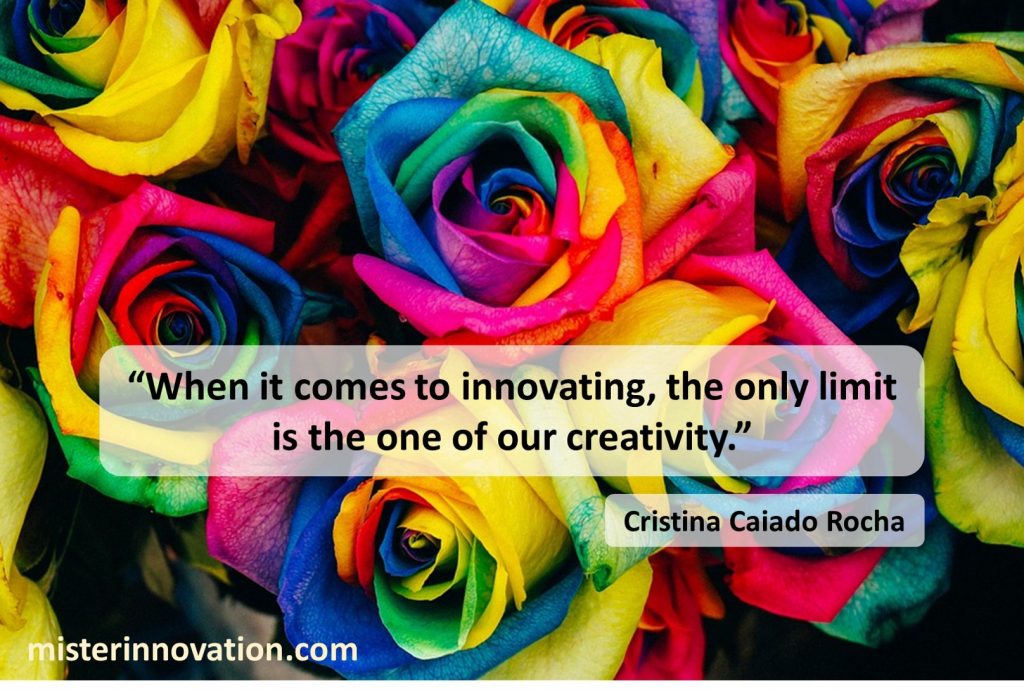
Unlocking Creativity: Strategies and Techniques for Innovative Thinking

Unlocking Creativity: Strategies and Techniques for Innovative Thinking

GUEST POST from Chateau G Pato

Creativity is a valuable asset in today’s fast-paced and competitive world. It is the key to finding new solutions, thinking outside the box, and pushing the boundaries of what is possible. Whether you are an entrepreneur, artist, or professional in any field, unlocking your creativity can lead to numerous benefits. In this article, we will explore strategies and techniques to enhance innovative thinking. We will also discuss two case study examples to demonstrate how these approaches can foster creativity.

1. Embracing Divergent Thinking:

Divergent thinking is a crucial aspect of creativity. It involves generating multiple ideas and exploring different possibilities. To unlock your creativity through divergent thinking, you can try the following strategies:

a. Mind mapping: Start by writing down your central idea or problem at the center of a blank page. Then, brainstorm related ideas and connect them with lines. This technique encourages free-flowing thinking and helps you see potential connections and patterns.

b. Random word association: Pick a word unrelated to your problem or idea and generate associations with it. This exercise prompts your brain to make unconventional connections, leading to novel ideas and possibilities.

Case study example 1: Pixar Animation Studios

Pixar is renowned for its creative storytelling and groundbreaking animations. In their pursuit of innovative ideas, they employ divergent thinking techniques. For instance, during brainstorming sessions for the movie “Finding Nemo,” the team used mind mapping to explore various themes, character traits, and underwater elements. This process helped them uncover unique storylines and create a captivating film.

2. Encouraging Constraints:

Contrary to popular belief, constraints can actually enhance creativity. When faced with limitations, our brains are forced to think more creatively and find innovative solutions. Here are two strategies to encourage creative thinking within constraints:

a. SCAMPER technique: SCAMPER is an acronym that stands for Substitute, Combine, Adapt, Modify, Put to another use, Eliminate, and Rearrange. This method prompts you to consider various modifications and possibilities with an existing idea or problem. By challenging yourself to think within these constraints, you can generate fresh and innovative concepts.

b. Forced connections: Take two seemingly unrelated ideas or concepts, and challenge yourself to find connections between them. This exercise forces your brain to think creatively within the given parameters, leading to unique and unexpected ideas.

Case study example 2: Google’s “20% Time”

Google famously implemented the “20% Time” policy, allowing employees to spend one-fifth of their work hours on personal projects unrelated to their assigned tasks. This constraint encouraged Google’s employees to explore their passions and come up with innovative ideas. This policy has led to groundbreaking initiatives such as Gmail and Google News, which originated from employees’ personal projects during their dedicated 20% time.

Conclusion

Unlocking creativity is essential for innovation and success in various domains. By embracing divergent thinking, encouraging constraints, and leveraging techniques like mind mapping and forced connections, individuals and organizations can unlock their creative potential. The case studies of Pixar Animation Studios and Google demonstrate the effectiveness of these strategies in fostering innovation. By consistently implementing these strategies and techniques, you can enhance your creative thinking and achieve groundbreaking results in your endeavors.

Bottom line: Futurology is not fortune telling. Futurists use a scientific approach to create their deliverables, but a methodology and tools like those in FutureHacking™ can empower anyone to engage in futurology themselves.

Image credit: misterinnovation.com

Subscribe to Human-Centered Change & Innovation WeeklySign up here to get Human-Centered Change & Innovation Weekly delivered to your inbox every week.

Building a Culture of Innovation: Nurturing Human Potential

Building a Culture of Innovation: Nurturing Human Potential

GUEST POST from Chateau G Pato

In today’s rapidly evolving world, innovation has become the cornerstone of success for organizations across industries. To remain competitive and keep up with the ever-changing market demands, companies must foster a culture of innovation and provide an environment that nurtures the potential of their most valuable asset – their employees. This article explores the importance of building a culture of innovation and highlights two case study examples of companies that have successfully embraced this approach.

A culture of innovation is not just about coming up with groundbreaking ideas; it is a mindset that encourages experimentation, fosters creativity, and values out-of-the-box thinking. When employees feel empowered and supported, they are more likely to take risks, challenge the status quo, and find innovative solutions to complex problems.

Case Study 1 – Google

One example of a company that has successfully created such a culture is Google. Known for its innovative products and services, Google encourages its employees to dedicate 20% of their working hours to pursue passion projects. This “20% time,” as it is famously called, has resulted in some of the company’s most successful products, including Gmail and Google News. By allowing employees to invest time and resources into projects they are passionate about, Google fosters an entrepreneurial spirit that fuels its innovation engine.

Case Study 2 – 3M

Another inspiring case study is that of 3M, a multinational conglomerate known for its ability to continuously innovate across different industries. At 3M, employees are encouraged to spend 15% of their workweek pursuing projects that are not directly related to their job roles. This “15% time” policy, similar to Google’s approach, has led to numerous breakthrough innovations, such as the invention of Post-it Notes. By empowering its employees to explore new ideas and offering them the flexibility to pursue their passions, 3M has been able to cultivate a culture that values and rewards innovation.

So, how can organizations build a culture of innovation and unleash the full potential of their employees?

First and foremost, it starts with leadership. Executives and managers must champion a culture that encourages risk-taking, tolerates failure, and rewards creativity. Leaders should provide resources, support, and autonomy to employees, empowering them to experiment and explore new ideas.

Secondly, organizations should establish platforms and processes that facilitate idea generation and collaboration. From brainstorming sessions and hackathons to innovation labs and cross-functional teams, companies must create spaces where employees can come together, share insights, and work towards solving complex problems.

Furthermore, organizations should invest in continuous learning and development programs that enable employees to acquire new skills and stay ahead of industry trends. By creating a learning culture, companies foster an environment of intellectual curiosity and encourage employees to think outside the box.

Lastly, celebrating and rewarding innovation is crucial to sustaining a culture of innovation. Recognizing and showcasing successful innovative projects not only motivates employees but also demonstrates the organization’s commitment to nurturing talent and supporting creativity.

Conclusion

Building a culture of innovation is a continuous journey that requires commitment, openness, and adaptability. By emulating the examples of companies like Google and 3M and implementing strategies that empower employees, organizations can unleash the full potential of their workforce and remain at the forefront of innovation in today’s dynamic business landscape.

Bottom line: Futurology is not fortune telling. Futurists use a scientific approach to create their deliverables, but a methodology and tools like those in FutureHacking™ can empower anyone to engage in futurology themselves.

Image credit: misterinnovation.com

Subscribe to Human-Centered Change & Innovation WeeklySign up here to get Human-Centered Change & Innovation Weekly delivered to your inbox every week.

The Role of AI in Shaping the Future of Work

The Role of AI in Shaping the Future of Work

GUEST POST from Chateau G Pato

Artificial Intelligence (AI) is no longer just a concept from science fiction movies – it has become a reality that is reshaping various industries, including the way we work. As AI technologies continue to evolve, they are playing an increasingly significant role in revolutionizing work processes across different sectors. In this article, we will explore how AI is shaping the future of work and discuss two case study examples that demonstrate its potential.

Case Study 1 – Customer Service

One prominent example of AI transforming the workplace is in the field of customer service. Traditionally, customer inquiries were handled by human operators, often resulting in long wait times and limited availability. However, with the advent of AI-powered chatbots, organizations are able to provide 24/7 customer support with minimal wait times. These AI chatbots are capable of understanding and responding to customer queries in real-time, offering personalized assistance and resolving issues efficiently. For instance, leading global e-commerce platform, Amazon, utilizes AI-powered chatbots to assist customers with order inquiries, tracking shipments, and answering frequently asked questions. The implementation of these AI chatbots has not only improved customer satisfaction but also reduced the workload for human customer service agents, allowing them to focus on more complex and specialized tasks.

Case Study 2 – Healthcare

Another example of AI’s impact on work processes can be seen in the healthcare industry. Medical professionals are now leveraging AI technologies to enhance diagnostic accuracy and patient care. AI algorithms can analyze vast amounts of medical data, including patient records, lab results, and medical images, to assist doctors in making more informed decisions. One such case study involves the use of AI in radiology. A study published in Nature found that an AI algorithm developed by Google’s DeepMind outperformed human radiologists in detecting breast cancer from mammogram images. By leveraging AI’s ability to detect subtle patterns and anomalies, this technology has the potential to tremendously improve early diagnosis rates and reduce the burden on radiologists.

Beyond Healthcare and Customer Service

The application of AI in the workplace extends beyond customer service and healthcare. Industries such as finance, manufacturing, and logistics are also witnessing the transformational impact of AI on work processes. Financial institutions are employing AI-powered algorithms to automate repetitive tasks, such as fraud detection and risk assessment, enabling them to operate more efficiently and securely. In manufacturing, AI-powered robots are being utilized for tasks that require precision and repetitive manual labor, resulting in increased productivity and cost savings. Moreover, in logistics and supply chain management, AI technologies are being used to optimize route planning, inventory management, and demand forecasting, reducing operational costs and enhancing delivery efficiency.

As AI continues to evolve, it is evident that its role in shaping the future of work will expand even further. It presents both opportunities and challenges. While the implementation of AI can automate mundane tasks, improve efficiency, and reduce human error, it also raises concerns about job displacement and the need for upskilling. It is important for organizations and individuals to adapt and embrace AI technologies to stay competitive in the evolving job market.

Conclusion

AI is revolutionizing the way we work across various industries. Case studies show that AI-powered chatbots are transforming customer service, ensuring round-the-clock assistance and enhancing customer satisfaction. Additionally, AI algorithms are augmenting the capabilities of healthcare professionals, allowing for more accurate diagnoses and improved patient care. From finance to manufacturing and logistics, AI is impacting work processes and opening up new opportunities for efficiency and innovation. The future of work is undoubtedly intertwined with AI, and embracing its potential will be essential for success in the evolving job market.

Bottom line: Futurology is not fortune telling. Futurists use a scientific approach to create their deliverables, but a methodology and tools like those in FutureHacking™ can empower anyone to engage in futurology themselves.

Image credit: Pixabay

Subscribe to Human-Centered Change & Innovation WeeklySign up here to get Human-Centered Change & Innovation Weekly delivered to your inbox every week.

The Evolution of Change Management

From Top-Down to Agile Approaches

The Evolution of Change Management

GUEST POST from Chateau G Pato

Change is an inevitable part of any organization’s growth and survival. In the past, change management strategies primarily followed a top-down approach, where leaders dictated the changes and employees were expected to comply. However, over time, as organizations faced increasing complexity and speed of change, a more agile approach to change management has emerged. This article explores the evolution of change management from top-down to agile approaches and provides two case study examples showcasing the benefits of adopting agile change practices.

The traditional top-down approach to change management involved leaders identifying the need for change, setting objectives, and then cascading the change down through the hierarchy. In this approach, employees were often not adequately involved or consulted, leading to resistance or low engagement. The lack of employee involvement also hampered creativity and innovation, with change initiatives frequently facing roadblocks and slow implementation.

Recognizing the limitations of the top-down approach, organizations began embracing agile change management methodologies, inspired by the principles derived from agile software development. The agile approach emphasizes collaboration, flexibility, and iterative progress, empowering employees to actively participate in the change process. This shift enables organizations to respond swiftly to changing circumstances and capitalize on emerging opportunities.

Case Study 1 – Spotify

One notable case study that highlights the effectiveness of an agile change approach is the transformation of Spotify. This music streaming giant faced the challenge of scaling rapidly while maintaining innovation and adaptability. They shifted from a traditional top-down approach to a squad-based, agile organizational structure. In their agile change management, cross-functional teams were empowered to make decisions, experiment, and continuously improve. This resulted in faster implementation of ideas, increased employee satisfaction, and enhanced customer experiences.

Case Study 2 – Dutch Government

Another case study illustrating the benefits of agile change practices is the digital transformation of the Dutch government. Facing the need to modernize and improve service delivery, they adopted an agile approach to change management. Using this methodology, they formed multidisciplinary teams responsible for specific projects, involving end-users throughout the development process. By conducting frequent iterations and incorporating feedback, the Dutch government successfully rolled out digital initiatives such as the Digital Identity App and the My Belastingdienst portal. The agile change approach ensured that the final products met users’ needs and expectations, leading to improved citizen engagement and satisfaction.

The shift from top-down to agile change management approaches is driven by the understanding that employees are key stakeholders and vital sources of expertise and innovation. By involving employees throughout the change process, organizations can tap into their knowledge, unlock creativity, and improve the quality and sustainability of change initiatives. This collaborative approach results in higher levels of ownership, engagement, and commitment from employees, fostering a culture of continuous learning and adaptation.

Conclusion

The evolution of change management from top-down to agile approaches represents a paradigm shift in how organizations navigate and embrace change. The agile approach, with its emphasis on collaboration, flexibility, and employee involvement, enables organizations to adapt swiftly in an ever-changing environment. Case studies such as Spotify and the Dutch Government’s digital transformation illustrate the positive outcomes of adopting agile change practices. Embracing agile change management not only accelerates the implementation of changes but also nurtures a culture of innovation, empowerment, and resilience in organizations.

Image credit: Pexels

Subscribe to Human-Centered Change & Innovation WeeklySign up here to get Human-Centered Change & Innovation Weekly delivered to your inbox every week.

Improving Patient Experience and Outcomes

Design Thinking in Healthcare

Improving Patient Experience and Outcomes: Design Thinking in Healthcare

GUEST POST from Chateau G Pato

Design thinking is a problem-solving approach that prioritizes empathy for users and focuses on creating innovative and effective solutions. While its application has been widely recognized in various industries, healthcare is an area where design thinking can drastically improve patient experience and outcomes. By placing patients at the center of the design process, healthcare providers and designers can craft services and solutions that cater to their unique needs and ultimately transform the way healthcare is delivered.

Case Study 1: The Mayo Clinic

The Mayo Clinic, a renowned healthcare institution in the United States, has embraced design thinking as a way to enhance patient experience. In collaboration with design firm IDEO, the Mayo Clinic’s Center for Innovation developed the “Patient Revolution” project. This initiative aimed to empower patients to be more active participants in their healthcare journey.

One of the notable solutions was the “What Matters to Me” tool, which helped healthcare providers understand patients’ personal values, goals, and priorities. By using simple conversation cards, patients were able to express what really mattered to them, beyond their medical condition. This information allowed doctors to tailor treatments and care plans that encompassed the individual’s holistic well-being. Through this empathetic approach, the Mayo Clinic saw improved patient satisfaction, better communication, and ultimately, enhanced health outcomes.

Case Study 2: Dignity Health

Dignity Health, a healthcare system with hospitals across the United States, recognized the need for more patient-centered experiences in their facilities. With the help of design firm IDEO, they created an innovative solution called “Hellohumankindness.” The focus of this project was to infuse kindness and compassion into every interaction between patients, staff, and visitors.

Dignity Health redesigned the physical spaces within their facilities to promote healing and create a more welcoming environment. Simple but impactful changes, such as placing comfortable seating in hallways and providing artwork and nature views, positively affected the overall patient experience. Moreover, staff members were trained on empathy and communication skills to ensure patients felt heard, understood, and cared for.

Through the implementation of Hellohumankindness, Dignity Health saw a significant increase in patient satisfaction, reduced stress levels, and improved employee morale. Design thinking played a crucial role in transforming the healthcare system’s culture and instilling a more patient-centric approach.

Conclusion

Design thinking has proven to be a valuable tool in revolutionizing the healthcare industry. By prioritizing empathy and crafting solutions that truly address patients’ needs, healthcare providers can improve patient experience and outcomes. The Mayo Clinic’s “Patient Revolution” and Dignity Health’s “Hellohumankindness” are just two examples of how design thinking has transformed healthcare delivery to create more patient-centered and compassionate care.

In an era where patient satisfaction and engagement are key factors in healthcare success, design thinking provides a powerful framework for generating innovative and effective solutions. As more healthcare organizations embrace this approach, the industry can move closer towards a future where patients receive care that not only treats their ailments but also respects their values and enriches their overall well-being.

SPECIAL BONUS: Braden Kelley’s Problem Finding Canvas can be a super useful starting point for doing design thinking or human-centered design.

“The Problem Finding Canvas should help you investigate a handful of areas to explore, choose the one most important to you, extract all of the potential challenges and opportunities and choose one to prioritize.”

Image credit: Pexels

Subscribe to Human-Centered Change & Innovation WeeklySign up here to get Human-Centered Change & Innovation Weekly delivered to your inbox every week.

Exploring the Impact of Augmented Reality on Everyday Life

Exploring the Impact of Augmented Reality on Everyday Life

GUEST POST from Chateau G Pato

Augmented reality (AR) is a revolutionary technology that combines the digital and physical worlds, creating an interactive and immersive experience for users. From entertainment and gaming to healthcare and education, AR has begun to impact various aspects of our daily lives. This article will explore the transformative effects of augmented reality through two case study examples.

Case Study 1: Pokémon GO – Revolutionizing Gaming and Social Interaction

When Pokémon GO was released in 2016, it quickly became a global phenomenon, introducing millions of people to the interactive world of augmented reality. The game allowed players to capture virtual Pokémon creatures in real-world locations through their smartphones. By overlaying digital elements onto real environments, Pokémon GO transformed the way people interacted with their surroundings.

One of the most significant impacts of Pokémon GO was its ability to encourage physical activity and outdoor exploration. Players were motivated to walk and explore their neighborhoods, parks, and cities in search of Pokémon. This aspect of the game led to various health benefits, such as increased exercise and improved mental well-being.

Furthermore, Pokémon GO sparked a sense of community and social interaction. Players gathered in designated locations called “Pokéstops” to collect items and battle together. These meetups brought people together, forging new friendships and creating a sense of belonging. Through its blend of augmented reality, gaming, and social interaction, Pokémon GO showcased how AR can enhance our everyday lives.

Case Study 2: IKEA Place – Enhancing Shopping and Interior Design Experience

IKEA Place is an augmented reality app that enables users to virtually place furniture and home décor items in their living spaces. By utilizing the camera on smartphones or tablets, IKEA Place overlays digital representations of furniture onto a real environment, allowing users to see how the items would look in their homes before making a purchase.

This AR solution revolutionizes the way people shop for furniture, improving decision-making and reducing buyer’s remorse. Customers can browse through IKEA’s extensive catalog, select items they are interested in, and visualize how they will fit and complement their existing home decor. Moreover, users can explore different color options and manipulate the furniture’s position, ensuring a perfect fit without any physical effort.

IKEA Place also allows users to capture photos and share them with friends and family, eliciting feedback and opinions. This collaborative aspect enhances the shopping experience and brings people together, even when physically apart. By simplifying and enhancing the furniture buying process, IKEA Place demonstrates the transformative impact AR can have on everyday activities.

Conclusion

These two case study examples illustrate the transformative impact of augmented reality on everyday life. Pokémon GO showcased how AR can revolutionize gaming, encouraging physical activity, fostering social interactions, and creating a sense of community. IKEA Place, on the other hand, demonstrated how AR can enhance the shopping experience, empowering consumers to visualize furniture in their homes and facilitating collaboration with others.

As technology continues to advance, augmented reality is expected to have an increasing influence on various areas of our lives, including education, healthcare, and communication. Whether it is through immersive gaming experiences or interactive shopping tools, AR has the potential to reshape how we interact with our environment and make the most of our everyday experiences.

Bottom line: Futurology is not fortune telling. Futurists use a scientific approach to create their deliverables, but a methodology and tools like those in FutureHacking™ can empower anyone to engage in futurology themselves.

Image credit: Pixabay

Subscribe to Human-Centered Change & Innovation WeeklySign up here to get Human-Centered Change & Innovation Weekly delivered to your inbox every week.

How to Create a Customer-Centric Culture in Your Organization

How to Create a Customer-Centric Culture in Your Organization

GUEST POST from Chateau G Pato

In today’s highly competitive business environment, creating a customer-centric culture within your organization is crucial for long-term success. A customer-centric culture ensures that all members of your organization are focused on meeting and exceeding customer expectations, leading to increased customer satisfaction, loyalty, and ultimately, business growth. Here are some strategies and case study examples to help you develop a customer-centric culture in your organization.

1. Empower Your Employees to Act in the Customer’s Best Interest

One of the keys to building a customer-centric culture is empowering your employees to go above and beyond for customers. Zappos, the online shoe and clothing retailer, is a prime example of an organization that prioritizes customer satisfaction. Zappos encourages its employees to spend as much time as needed with customers to ensure they find the perfect product. The company empowers its customer service representatives to act in the customer’s best interest and provide exceptional service, even if it means taking unconventional measures such as locating an item from a competitor’s store. By giving employees the freedom to make decisions that benefit customers, Zappos has cultivated a strong customer-centric culture that sets them apart in the industry.

2. Gather and Act on Customer Feedback

To truly create a customer-centric culture, you need to actively listen to your customers and address their concerns. Apple, renowned for its loyal customer base, exemplifies the importance of leveraging customer feedback. The company collects extensive feedback from its customers through various channels, including surveys, customer support interactions, and product reviews. Apple then uses this feedback to improve its products and services continuously. By actively seeking out customer input and acting upon it, Apple demonstrates a commitment to meeting customer needs and preferences. This customer-centric approach has undoubtedly contributed to their success and brand loyalty.

3. Align Your Organization’s Goals and Values

Creating a customer-centric culture requires aligning your organization’s goals and values with the needs and wants of your customers. Amazon, the world’s largest online retailer, exemplifies this alignment by making customer obsession one of their core values. This focus on the customer has driven Amazon to continuously innovate and find ways to make the shopping experience more convenient and personalized. By ensuring that every decision and action within the organization is driven by customer needs, Amazon has successfully ingrained a customer-centric culture into its DNA.

4. Invest in Employee Training and Development

To create a customer-centric culture, it is crucial to invest in training and developing your employees. Ritz-Carlton Hotels is a perfect example of an organization that places a high emphasis on employee training to drive exceptional customer service. The hotel chain is renowned for its personalized and luxurious customer experience, which is made possible by empowering its employees through intensive training and ongoing professional development. Ritz-Carlton provides its employees with the necessary tools, knowledge, and skills to anticipate and fulfill customer needs, ensuring that every interaction leaves a lasting positive impression.

Conclusion

Creating a customer-centric culture is essential for organizations looking to thrive in today’s customer-driven world. By empowering employees, actively seeking and acting on customer feedback, aligning goals and values with customer needs, and investing in employee training, organizations can foster a customer-centric culture that drives long-term success. Drawing insights from successful case studies such as Zappos, Apple, Amazon, and Ritz-Carlton Hotels can provide valuable inspiration and guidance in this journey.

EDITOR’S NOTE: Braden Kelley’s Problem Finding Canvas can be a super useful starting point for doing design thinking or human-centered design.

“The Problem Finding Canvas should help you investigate a handful of areas to explore, choose the one most important to you, extract all of the potential challenges and opportunities and choose one to prioritize.”

Image credit: misterinnovation.com

Subscribe to Human-Centered Change & Innovation WeeklySign up here to get Human-Centered Change & Innovation Weekly delivered to your inbox every week.