Tag Archives: wellness

Innovation or Not – Midjourney Medical and the Illusion of Frictionless Health

Innovation or Not - Midjourney Medical and the Illusion of Frictionless Health

by Braden Kelley and Art Inteligencia

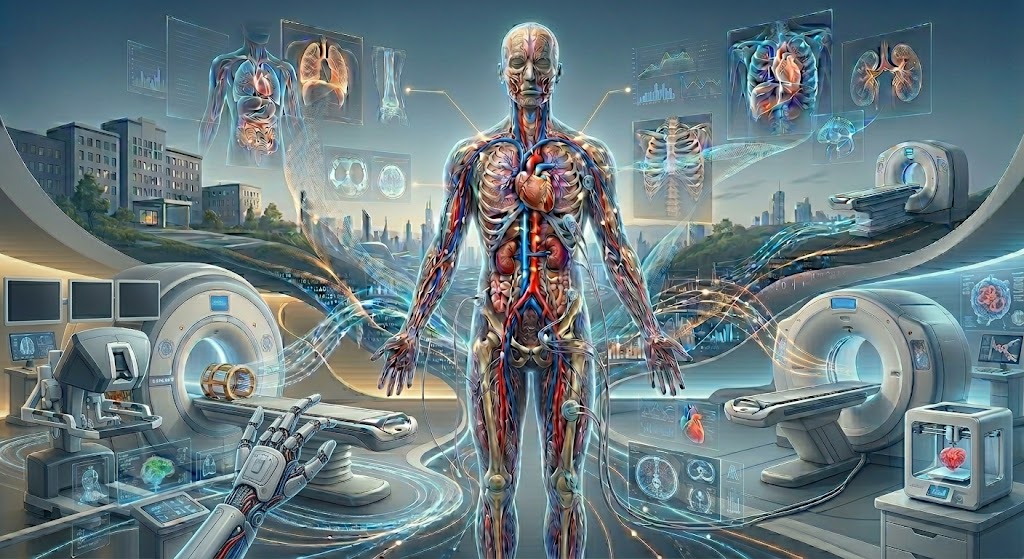
For years, the technology world has watched Midjourney dominate the digital canvas, turning text prompts into breathtaking generative art. But in an unexpected, high-stakes pivot, the self-funded AI research lab is shifting its focus from software pixels to heavy medical hardware. Under the visionary direction of David Holz, the company is attempting to completely rearchitect how we map the human anatomy by introducing a 60-second immersion tank designed to challenge the established medical imaging status quo.

“We want to turn a cold, clinical, and often terrifying event into a casual, proactive trip to the spa.”

By moving away from the intimidating, clanging cylinders of traditional radiology and steering toward consumer wellness spaces filled with pools of golden light, Midjourney is attempting a massive feat of experience design. However, as any strategist knows, a beautiful interface does not inherently solve a complex medical problem.

From a human-centered innovation perspective, we have to look past the aesthetic appeal and ask the hard questions: Can a system built on ultrasound waves and massive computational reconstruction genuinely disrupt the deeply entrenched MRI and CT scan markets? Or is this an overhyped, physics-constrained novelty that risks creating more diagnostic noise than actual clinical value? Let’s break down the genesis, the mechanics, and the economic realities of this emerging technology to determine if it is a true paradigm shift — or simply a brilliant illusion.

Section I: The Genesis of an AI Outlier (Core Business vs. The Hardware Leap)

To understand the magnitude of this shift, you have to look at the sheer contrast in business models. Midjourney built its empire as a lean, hyper-profitable software-as-a-service (SaaS) platform, leveraging massive cloud compute to generate digital art for millions of subscribers. Moving from that friction-free digital realm into the high-risk, heavily regulated world of medical hardware is a leap few saw coming.

But this isn’t a random detour; it is a calculated bet on the convergence of physics and algorithms. Midjourney isn’t building the foundational hardware entirely from scratch. Instead, they have formed a massive $74 million co-development partnership with Butterfly Network, utilizing forty of their cutting-edge “Ultrasound-on-Chip” silicon modules. By combining Butterfly’s semiconductor-based ultrasound technology with Midjourney’s world-class computational reconstruction capabilities, the goal is to transform chaotic acoustic waves into crisp, full-body anatomical maps.

The strategic play here is treating massive compute power and large-scale AI models as a universal hammer to solve complex, real-world data reconstruction problems.

Founder David Holz’s broader organizational philosophy treats software and hardware as two sides of the same coin, balancing a portfolio of four software projects and four hardware initiatives. By treating the human body as a data set waiting to be rendered, Midjourney is attempting to prove that the core competency of an AI company isn’t just generating beautiful images — it is interpreting complex physical data to design a healthier, lower-friction human experience.
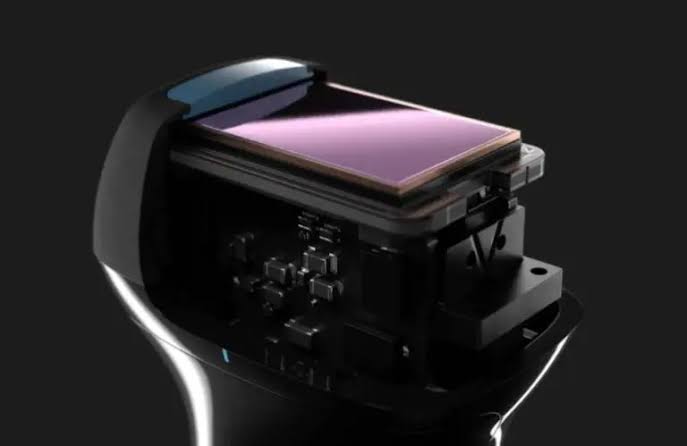
Ultrasound on a Chip Foundation

Section II: Modality Breakdown — The Midjourney Scanner vs. MRI vs. CT

To evaluate whether Midjourney’s system can legitimately disrupt medical radiology, we must contrast its core mechanics against the industry workhorses: Magnetic Resonance Imaging (MRI) and Computed Tomography (CT). While the immersion tank is designed to feel frictionless, the underlying physics presents a starkly different story of trade-offs.

The core hardware architecture relies on arrays of semiconductor chips, a massive shift from traditional radiation or magnetic resonance equipment.

Here is how the three modalities compare across their primary operational, infrastructural, and physical characteristics:

Feature Midjourney “Ultrasonic CT” Conventional MRI Conventional CT Scan
Primary Physics Ultrasound (Sound waves + water immersion) Powerful Magnetic Fields + Radio Waves Ionizing Radiation (X-rays)
Scan Duration ~60 seconds 30 to 90 minutes 5 to 15 minutes
Infrastructure Consumer wellness space (“Midjourney Spa”) Shielded clinical room, liquid helium cooling Hospital/clinical radiology department
Inherent Limits Struggles with dense bone and air-filled organs (lungs) Claustrophobia, zero metal allowed, high maintenance Radiation exposure limits frequency of use
Clinical Utility Non-diagnostic body composition mapping (Gen-1) Deep tissue, neurological, and joint diagnostics Bone fractures, internal bleeding, acute chest/abdo

The Definite Advantages

  • Zero Ionizing Radiation: Unlike a CT scan, which uses X-rays, Midjourney’s scanner uses acoustic waves. This makes it safe for repeated, routine baseline monitoring.
  • Speed and Comfort: A 60-second immersion entirely side-steps the extreme claustrophobia and deafening, jackhammer-like thumping of an MRI machine.
  • Decentralized Infrastructure: Because it doesn’t require liquid helium cooling or radiation-shielded walls, it can exist in light commercial real estate rather than expensive hospital wings.

The Unforgiving Disadvantages

This is where the laws of physics present a massive wall. Ultrasound waves travel exceptionally well through water and soft tissue, but they scatter severely when encountering dense bone or air pockets.

An MRI uses radio frequencies to manipulate hydrogen atoms, providing unparalleled resolution of soft tissues, brains, and ligaments. A CT scan cuts through bone with mathematical precision. Midjourney’s scanner, by using ultrasound, inherently struggles to “see” inside the skull or provide precise diagnostic data on air-filled lungs. While their massive AI model can use predictive algorithms to stitch scattered sound waves together, it runs the dangerous risk of hallucinating details to fill in acoustic blind spots — a minor issue for digital art, but a fatal flaw for a medical diagnosis.

Section III: The Economics of the Scan (Cost per Test)

To understand how Midjourney intends to disrupt the medical imaging market, we have to look past the technology and analyze the economic ecosystem. Traditional healthcare radiology is built on a highly centralized, capital-intensive model. Midjourney, true to its technology roots, is attempting to deploy a decentralized, high-volume model that relies on radical unit economic scaling.

The Heavy Burden of Legacy Systems

Traditional MRI and CT systems are financial black holes for healthcare providers before a single patient even walks through the door. A new, high-field MRI machine typically costs between $1 million and $3 million upfront, paired with hundreds of thousands of dollars in annual maintenance contracts, specialized software licensing, and the continuous cost of liquid helium for cooling.

When you factor in specialized radiologic technologist labor, hospital facility overhead, and the necessary physician interpretation fees, the cost passed to the consumer or insurance provider explodes. A standard MRI scan in the United States ranges from $400 to over $12,000, depending entirely on the hospital system and insurance coverage. This extreme cost makes scanning inherently reactive — reserved only for acute crises or post-injury confirmation.

“The legacy model treats imaging as a scarce, expensive luxury. Midjourney’s objective is to treat imaging data as an abundant commodity.”

Silicon Scaling vs. Superconducting Magnets

Midjourney’s approach completely bypasses these legacy infrastructure costs by leaning heavily on semiconductor technology. By utilizing Butterfly Network’s Ultrasound-on-Chip modules, the hardware costs scale alongside the manufacturing efficiencies of the silicon industry, rather than the expensive raw materials required for massive superconducting magnets.

This hardware shift enables a completely different operational scale. Midjourney has laid out an incredibly aggressive target: 50,000 scanners deployed globally by 2031, with the capability to process an astonishing 1 billion scans per month.

The Consumer Subscription Paradigm

Because the upfront infrastructure costs are significantly lower, Midjourney can entirely opt out of the complex, bureaucratic insurance reimbursement pipeline. Instead, they are positioning the scanner as an out-of-pocket, direct-to-consumer wellness product.

By matching the consumer subscription architecture of their core generative art business, a full-body scan could realistically be priced at a fraction of a clinical scan — democratizing access to full-body physical tracking. This changes the consumer paradigm entirely: instead of paying thousands of dollars for a one-time diagnostic scan after getting hurt, users pay a predictable, accessible fee to continuously monitor their baseline health over time.

Section IV: The Experience Design and Human Factors

As a human-centered design practitioner, this is where the Midjourney project becomes truly fascinating. Innovation isn’t just about the underlying technology; it is about how that technology fits into the fabric of human life. Midjourney is attempting a radical intervention in experience architecture, completely reimagining the emotional and sensory journey of medical imaging.

Friction Reduction: From Clinical Dread to Spa-Like Sanctuary

The traditional imaging experience is fundamentally hostile to human comfort. To get a standard MRI, a patient is slid into a cramped, freezing, claustrophobic plastic tube, instructed not to swallow or breathe for long intervals, and subjected to a deafening, metallic jackhammer cadence. It is an experience designed around the machine, not the human.

Midjourney completely flips this dynamic. By embedding forty ultrasound chips into an immersion tank, they replace clinical dread with sensory-focused relaxation. The user steps into a warm, shallow pool of water enveloped by soft, golden light. The entire scan takes a mere 60 seconds, requiring no breath-holds or structural restraints. By removing the psychological barriers of fear and discomfort, Midjourney converts a medical chore into a low-friction wellness ritual.

“True human-centered innovation doesn’t just make a system faster; it alters how the user feels while engaging with it.”

The Behavioral Shift: Reactive Crisis vs. Proactive Benchmarking

This experiential shift fundamentally alters human behavior. Today, we view medical scans as reactive interventions — something you endure only when you are broken, injured, or deeply sick.

By lowering both physical and financial friction, Midjourney aims to transition users into a state of proactive health tracking. Instead of a frantic, single-point-in-time diagnostic event, the full-body scan becomes an ongoing baseline. Users can visualize changes in their body composition, muscle mass, and internal soft-tissue structures month-over-month, shifting the health paradigm from waiting for illness to actively managing wellness.

The Over-Diagnosis Trap and “Clinical Noise”

However, an optimized user experience can still lead to systemic friction. Medical professionals are already raising alarms about the over-diagnosis trap. The human body is beautifully imperfect; we are filled with benign cysts, harmless nodules, and structural anomalies that will never cause us harm.

When you give millions of consumers an effortless, low-cost way to scan their entire bodies every month, you inevitably generate a massive influx of “clinical noise.” A user sees an unfamiliar shadow on their automated Midjourney report, panics, and floods the traditional healthcare system demanding specialist consultations, biopsies, and secondary MRIs. More data does not automatically equal better health. If an experience-driven tool inadvertently drives healthy people into spiral of unnecessary medical anxiety and drains clinical resources, it fails the ultimate test of human-centered utility.

Section V: The Regulatory and Future Development Roadmap

The leap from software pixels to medical-grade diagnostics is governed by an uncompromising arbiter: regulatory clearance. In the United States, the Food and Drug Administration (FDA) treats diagnostic machinery with the highest level of scrutiny. To navigate this reality without grinding their momentum to a halt, Midjourney is executing a highly strategic, phased rollout.

The Wellness Sidestep: Launching under General Wellness Guidance

Midjourney is deliberately holding back from making immediate disease diagnoses. When the first flagship “Midjourney Spa” opens its doors near Union Square in San Francisco in late 2027, it will strictly offer “detailed body composition maps.” By focusing solely on measuring muscle volumes, body fat distribution, and skeletal structures without asserting clinical diagnoses, Midjourney can launch under the FDA’s General Wellness Policy.

This is the exact same low-risk, non-invasive regulatory lane utilized by premium whole-body MRI screening services like Prenuvo and Ezra. It allows Midjourney to immediately commercialize the technology, build consumer habits, and generate cash flow while completely bypassing the years of grueling clinical trials required for formal diagnostic approval.

“The short-term goal is to do what is regulatorily simple to establish the footprint. The long-term goal is incremental validation.”

The Massive Computational Challenge

While David Holz noted that the Gen-1 prototype doesn’t even rely on generative AI yet, the data reconstruction pipeline is an absolute beast. The machine’s ring of 40 custom Butterfly Network chips streams roughly 17 gigabytes of raw acoustic data per second.

Processing these non-linear inverse scattering problems — essentially stitching scattered sound waves into a coherent, sub-millimeter 3D volume — demands over two petaflops of on-device computational power. The future development roadmap relies heavily on refining these proprietary algorithms to cleanly differentiate tissue boundaries over the next 12 to 24 months.

The 10-Year Vision: Diagnostics and Beyond

Midjourney has already initiated preliminary discussions with the FDA. The overarching strategy is a rolling submission process: as their data sets grow from thousands of consumer scans, they will submit clinical test results to the FDA to unlock “increased capabilities” piece by piece.

Over a ten-year horizon, Midjourney expects these machines to evolve far beyond basic body mapping into tools capable of running thousands of automated diagnostic cross-checks. Holz has even hinted at a long-term future where the hardware isn’t just used for passive imaging, but scales into localized, acoustic therapeutic applications as well.

Conclusion: Innovation or Not? The Verdict

When evaluating an emerging technology through the lens of strategic foresight and human-centered design, we must separate the seductive pull of an exquisite user experience from the hard reality of systemic impact. Midjourney’s full-body scanner is undeniably one of the most audacious pivots in tech history, but does it truly deserve the title of an innovation?

Why it IS an Innovation

From an experiential standpoint, it is a masterclass in friction reduction. It takes a universally dreaded clinical procedure — the cold, loud, claustrophobic machinery of legacy radiology — and transforms it into an accessible, 60-second wellness ritual. By combining semiconductor-based ultrasound with high-petaflop computational reconstruction, Midjourney is bypassing the multi-million-dollar physical constraints of traditional MRIs. If they achieve their goal of global scale, they will successfully shift human behavior from reactive crisis management to proactive, continuous health tracking.

Why it might NOT be

However, an innovative interface cannot rewrite the fundamental laws of physics. Ultrasound waves scatter when facing dense bone and air, leaving inherent diagnostic blind spots that cannot be entirely solved by predictive code. Furthermore, by making full-body scans an effortless consumer commodity, Midjourney risks unlocking the over-diagnosis trap — flooding the healthcare ecosystem with false positives, benign findings, and “clinical noise” that triggers immense medical anxiety and strains real-world clinical resources.

“True innovation does not just solve a human friction point on the front end; it ensures it does not create a deeper systemic failure on the back end.”

The Final Verdict

Ultimately, Midjourney Medical is a qualified innovation. It is a brilliant, high-compute disruption of the preventative wellness space, but it is not a true replacement for the diagnostic precision of an MRI or CT scan. Until the technology undergoes rigorous clinical validation and handles acoustic blind spots without the risk of algorithmic hallucinations, it remains an extraordinary tool for proactive physical benchmarking. David Holz and his team have designed an incredible, low-friction gateway to our data — but for now, the spa-like sanctuary is a complement to medicine, not a substitute for it.

Frequently Asked Questions

1. Can the Midjourney full-body scanner completely replace a traditional hospital MRI or CT scan?

No, it cannot replace them. While Midjourney’s scanner offers a fast, comfortable 60-second experience, it relies on ultrasound-on-chip technology. Sound waves inherently struggle to penetrate dense bone or image air-filled organs like the lungs. Traditional MRIs and CT scans use magnetic fields and X-rays, providing deep-tissue and skeletal diagnostic precision that ultrasound waves simply cannot achieve due to the laws of physics.

2. Does the Midjourney scanner have FDA approval for medical diagnostics?

No. Midjourney is deliberately launching the device under the FDA’s General Wellness Policy guidelines, focusing strictly on “body composition mapping” (such as muscle volume and fat distribution) rather than diagnosing specific diseases. This allows them to open consumer wellness spaces by late 2027 without waiting years for clinical diagnostic trials, though they plan a rolling submission process to gain incremental diagnostic approvals over the next decade.

3. How does the cost of a Midjourney scan compare to traditional clinical imaging?

Traditional MRIs and CT scans are highly centralized and expensive, ranging anywhere from $400 to over $12,000 depending on insurance and hospital overhead. Because Midjourney uses silicon semiconductor chips instead of multi-million dollar superconducting magnets, their hardware scaling costs are drastically lower. Midjourney bypasses insurance entirely, offering direct-to-consumer out-of-pocket pricing structured around an affordable, subscription-based wellness model.


Image credits: Google Gemini, The Robot Report

Content Authenticity Statement: The topic area, key elements to focus on, etc. were decisions made by Braden Kelley, with a little help from Google Gemini to clean up the article, add images and create infographics.

Subscribe to Human-Centered Change & Innovation WeeklySign up here to get Human-Centered Change & Innovation Weekly delivered to your inbox every week.

Innovation or Not – The Microdosing Revolution

Innovation or Not - The Microdosing Revolution

GUEST POST from Art Inteligencia

In recent years, the concept of microdosing has moved from the fringes of alternative therapy into the mainstream as a potential tool for enhancing mental performance and wellness. But is microdosing truly an innovation, or is it a passing trend destined for the annals of speculative practices? Through examining its revolutionary potential and analyzing its impact in real-world scenarios, we can better understand the role microdosing plays in our continuous pursuit of human-centered innovation.

Understanding Microdosing

Microdosing typically involves taking sub-perceptual doses of psychedelics, like LSD or psilocybin, approximately one-tenth of a recreational dose, to experience the potential therapeutic benefits without hallucinogenic effects. Advocates claim it can boost creativity, alleviate anxiety, and improve focus, leading to its rising popularity among entrepreneurs, artists, and the tech-savvy.

Case Study 1: Microdosing in Silicon Valley

In the competitive landscape of Silicon Valley, professionals are constantly seeking a competitive edge to enhance productivity and creativity. The tech hub has notably become a breeding ground for experimentation with microdosing. Tech workers claim the practice helps them to sustain high levels of innovation and problem-solving abilities in an environment where mental agility is highly prized.

For instance, a significant number of software developers and startup founders have reported that microdosing has supported cognitive function and stress reduction, leading to improved workplace performance and job satisfaction. Companies have begun embracing wellness practices, subtly endorsing microdosing as part of a broader strategy to cultivate employee well-being and foster an innovative work culture.

Case Study 2: Microdosing in Mental Health Treatment

Beyond corporate environments, microdosing has gained attention as a potential revolutionary approach in mental health treatment. Psychedelics-assisted therapy research has opened up dialogues about microdosing’s efficacy as a treatment for mood disorders and PTSD. Leading institutions are exploring the controlled use of microdoses as an adjunct to traditional therapies.

A pilot study conducted at a renowned university evaluated the impact of psilocybin microdosing on patients with treatment-resistant depression. Preliminary findings suggest a marked improvement in mood stabilization and cognitive flexibility among participants, renewing hope for alternative approaches in mental health treatment. This study has prompted further research and dialogue within the medical community, transforming discussions around treatment paradigms.

Case Study 3: Brez Beverages – Microdosing in the Consumer Market

Brez Beverages, a pioneering player in the beverage industry, has embraced the microdosing revolution by developing a line of drinks infused with adaptogenic and nootropic compounds. Their products aim to provide consumers with the benefits of microdosing in a more accessible and socially acceptable format.

Brez Beverages

The innovative approach of Brez Beverages lies in their ability to tap into the growing desire for wellness-centric consumer products. By integrating microdosed elements into beverages, they offer a unique alternative for individuals seeking mental clarity and stress reduction without committing to psychedelic substances. Brez Beverages represents a shift in how microdosing concepts can be commercialized and introduced to mainstream consumers.

Market feedback indicates a burgeoning interest among health-conscious customers who are drawn to the idea of enhancing their daily lives with subtle botanical blends, thus carving a new niche in the health and wellness sector. Brez continues to capitalize on the demand for unconventional health solutions, reflecting both the challenge and potential of integrating microdosing into consumer products.

The Verdict: Innovation or Not?

Whether microdosing is labeled as an innovation largely depends on one’s perspective. On one hand, it presents a novel application of existing compounds, showcasing unconventional problem-solving in enhancing human potential—an experimental departure from typical wellness and therapeutic practices. On the other hand, its lack of universal acceptance and scientific consensus makes it a contentious archetype of modern self-experimentation rather than unmistakable innovation.

In conclusion, microdosing embodies the dynamic nature of innovation—provocative yet promising. As we push the boundaries of what’s possible in the human experience, microdosing remains an emblem of the desire to enhance and evolve our capabilities. Whether it stands the test of time will depend on ongoing research, legal structures, and societal acceptance, but it undoubtedly shapes the current discourse on potential pathways for human-centered transformation.

Image credit: DrinkBrez.com, Pexels

Subscribe to Human-Centered Change & Innovation WeeklySign up here to get Human-Centered Change & Innovation Weekly delivered to your inbox every week.

A Different Approach to Well-being, Resilience and Creativity

A Different Approach to Well-being, Resilience and Creativity

GUEST POST from Janet Sernack

In our previous blogs, we outlined the need, in our chaotic world of unknowns, to reclaim our focus and attention and take charge of our own minds. By reclaiming these, and enhancing self-awareness we have a deeper understanding of the sources of our anxiety and distractions.  How to self-manage and self-regulate them through developing deliberate calm. To effectively create consciousness, and a safe space that potentially transforms the power of our minds and hearts to connect with others, cultivate well-being, harness people’s collective genius, and generate our resilience, through thinking about creativity differently.

Transforming fear and alarm

This mobilizes the energy our fears, anxiety, and alarm provide to transform the power of our minds and develop physical and psychological well-being. We can then apply proven neuroscience principles and coaching practices to cultivate resilience and think about creativity differently.

Transforming our fears and alarm in this way increases our resilience in responding to events in real-time, anticipating future events, and processing learning’s post events. It also enhances our well-being and creativity to enable us to be courageous and compassionate when inventing and innovating in an uncertain and constantly changing environment.

The potential outcomes include people experiencing more positive emotions, increased engagement at work, increased development of positive relationships, and more meaningful and purposeful work. These help us be adaptive, and transform the power of our hearts and minds to be creative, accomplish, learn, adapt, grow, and innovate through disruption.

Well-being is in crisis

In the latest report, by Udemy on “Workplace Learning Trends” they compare data collected from Australian workers (human capital) in early September 2022 with previous surveys in November 2019, August 2020, and May 2021.

They discovered three surprising truths about well-being, including:

  • Workers’ resilience levels are waning. More than two-thirds of workers (68.5%) felt like they were burning out at work. This is impacting workers’ levels of performance, job satisfaction, and commitment.
  • There is a crisis for meaningful work Only 39.1% of workers said their work was valuable and worthwhile, versus 47% in 2021, and 52.9% in 2020.
  • Many workplaces are wasting their well-being Workplaces have too much invested in EAP services (which are proving only slightly more effective than doing nothing) and not enough in more effective tools that workers are more comfortable accessing like Wellbeing Artificial Intelligence Bots, Wellbeing Apps, Wellbeing Workshops and Wellbeing Coaching.

This reinforces the need to think and act differently when we approach cultivating well-being, resilience, and creativity to better realize our human potential and human skills in times when they are our most valuable assets and needed the most and are crucial to future success!

Developing deliberate calm

“Deliberate calm” involves developing a practice of adaptive, intentional choices that anyone can develop by embracing what was once regarded as “soft” stuff: self-awareness, emotional intelligence, and mindfulness to learn proactively and lead dynamically amid the most uncertain circumstances, where according to Aaron De Smet, the co-author of “Deliberate Calm: How to Learn and Lead in a Volatile World”:

“Why do we say “deliberate”? Because if you’re not deliberate about it you will probably freak out. I need to be very deliberate in knowing that I’m in a chaotic situation, knowing the stakes are high, knowing there’s a lot of uncertainty, and then deliberately calming myself down and taking stock”.

Deliberate calm looks at the inner world, the outer world, the context, and the dynamic between those and starts by slowing down to create a safe space for people to enjoy the benefits of deliberate calm.  This helps activate, focus, and unleash our creative brains and facilitates thinking about creativity differently.

Hitting our pause buttons

Creating deliberate calm is one of the most critically urgent human skill sets to develop.

It involves creating for ourselves and co-creating, with others, more normalized states of equilibrium and calmness. This enables us to cultivate our physical and psychological well-being, develop resilience and unleash creativity differently by accessing our collective intelligence, skills, and experience through applying proven neuroscience principles and coaching practices.

It starts with initiating a habit of pausing long enough to take deep breaths, retreat, reflect, and access these inner parts of ourselves; including noticing our emotions, identifying our triggers, observing our physical reactions to normalize our equilibrium, coherence, and calmness, and focusing on thinking about creativity differently.

Re-appraising our situation

We can then reappraise what is really going on, by identifying what our emotions are telling us, sustaining the most resourceful emotions and letting negative ones go, and finally, by identifying the key options for taking positive actions. Ultimately take smarter risks, make smarter decisions, and take more intelligent actions that cultivate our well-being, develop our resilience, unleash creativity differently, and satisfy our desire for meaning, purpose, and accomplishment.

As evidenced by our global coaching practice, this personally empowering and energizing activity focuses our attention, minds, and hearts on what really matters, and on what we can truly influence and control in a world of unknowns, and engages people deeply in doing the value-adding, productive and meaningful work that delivers it.

Three new deliberate calming practices to access and unleash our creative brains

  • Being grounded: involves being fully embodied, whole, centered, and balanced in ourselves and our relationships, we are in complete control of our mental, physical, and emotional selves, and are not easily influenced or shaken by other ideas or individuals.
  • Our unconscious mind, through our brains’ default mode network (DMN), is freed to wander, and be spontaneous in emerging and generating novel and surprising ideas and patterns.

This is usually achieved by regularly practicing a range of very simple activities that help us get centered, including removing any distractions (mobile phones), deep breathing (box breathing), and slow grounding repetitive exercises such as Feldenkrais.

  • Being mindful: involves focusing our conscious attention on the present moment, our physical sensations, thoughts, and emotions in an accepting, nonjudgmental, and discerning way. It involves training our unconscious minds to notice, focus and pay deep attention to what is really going on, for ourselves, for others, and in the system, we are operating within.
  • Our conscious minds are now provided with the focus necessary for guided problem-solving and for identifying the actions required to deliver the desired outcomes.

This is usually achieved by simple activities, by directing your focus when walking during the day (in nature without headsets), yoga, swimming, golf, tennis, listening to music, cooking, or by simple mindful meditation practices.

  • Being conscious: involves being in the present moment, or fully in the “here and now,” and means that we are grounded, fully aware, and mindful of what is happening at every moment because we are now consciously aware and able to shift our minds and generate creative thinking strategies.
  • Our conscious minds are able to exploit possibilities and make sense of the ideas that surface in the mind-wandering phase, by accessing the salience network, which then recruits the executive control networks, in our brains to refine and develop an idea. We can then exploit the range of creative ideas to make unexpected connections and to emerge, diverge and converge novel ideas for thinking about creativity differently, as well as for smart risk-taking, decision-making, and innovative problem-solving.

Empowering people to envision and transform

Creating a safe space, to transform the power of our minds and hearts to connect with others cultivates our well-being, harnesses peoples’ collective genius, generates resilience, and unleashes creativity by thinking about creativity differently.

This manifests as an opportunity to empower people to plan and make the nudges necessary to kickstart change, envision and plan for the future of unknowns.

Rather than unintentionally colluding with their unconscious panicking and retreating from the fears, anxiety, and risks currently emerging in an uncertain world full of disruption and crises.

Find out about our collective, learning products and tools, including The Coach for Innovators, Leaders, and Teams Certified Program, presented by Janet Sernack, is a collaborative, intimate, and deeply personalized innovation coaching and learning program, supported by a global group of peers over 9-weeks, starting Friday, May 12, 2023.

It is a blended and transformational change and learning program that will give you a deep understanding of the language, principles, and applications of an ecosystem focus, human-centric approach, and emergent structure (Theory U) to innovation, and upskill people and teams and develop their future fitness, within your unique innovation context.

Image Credit: Pixabay

Subscribe to Human-Centered Change & Innovation WeeklySign up here to join 17,000+ leaders getting Human-Centered Change & Innovation Weekly delivered to their inbox every week.

Mindfulness for Mavericks

Finding Calm in the Chaos of Innovation

Mindfulness for Mavericks - Finding Calm in the Chaos of Innovation

GUEST POST from Art Inteligencia

The world of the innovator — the Maverick — is inherently chaotic. It is defined by relentless speed, constant pivoting, the terror of the unknown, and the inevitable sting of failure. For too long, we have celebrated the myth of the stressed-out, high-octane leader who fuels breakthrough with sheer exhaustion and adrenaline. But this model is not only unsustainable; it is strategically deficient. Exhausted minds make predictable mistakes, miss subtle signals, and react impulsively. As a human-centered change and innovation thought leader, I argue that the single most powerful, yet overlooked, strategic tool for any innovator is Mindfulness — the non-judgmental awareness of the present moment. Mindfulness is not a “soft” wellness trend; it is the hard skill required to cultivate clarity, enhance resilience, and make smarter, more ethical decisions in the face of constant organizational chaos.

Innovation lives in the space between stimulus and response. When an unexpected challenge arises — a competitor’s sudden move, a prototype failure, or a market rejection — the unmindful leader reacts based on fear, bias, or past trauma. The mindful leader, however, creates a brief, intentional pause. This pause is where wisdom resides. It allows them to observe the emotional surge without being hijacked by it, ensuring that their response is strategic and deliberate, not emotional and reactionary. The capacity to be fully present, focused, and non-reactive is, therefore, the core competitive advantage in any fast-moving market. Calm is the new creativity.

Mindfulness as a Strategic Capability

Embedding mindfulness into the innovation culture is not a matter of employee benefit; it is a strategic imperative that directly impacts your bottom line and your capacity for disruptive thought. Here is why it belongs on the strategy table:

  • Reduces Cognitive Bias: Innovation is plagued by confirmation bias and anchoring bias. Mindfulness trains the brain to observe thoughts, feelings, and assumptions as temporary phenomena, not as absolute truths. This ability to decenter from one’s own immediate judgments is vital for seeing new solutions and avoiding fatal strategic blind spots.
  • Accelerates Resilience: Failure is oxygen for innovation. Mindfulness equips teams to process setbacks faster. By practicing non-judgmental observation, innovators learn to treat failure not as a personal crisis, but as neutral data — a valuable data point that requires analysis, not anguish. This allows for quicker pivots and less wasted time mourning a failed concept.
  • Enhances Deep Listening: Human-centered innovation demands empathy. Mindfulness sharpens our ability to listen—not just to the words being said in a user interview, but to the unspoken emotions, the subtle body language, and the unarticulated needs. This deep listening capability is the raw fuel for breakthrough insights.

“The mind is not a vessel to be filled, but a fire to be stoked. Mindfulness is the bellows that focuses the flame.” — Braden Kelley (author of Stoking Your Innovation Bonfire)


Case Study 1: Google’s Search Inside Yourself (SIY) Program – Institutionalizing Calm

The Challenge:

Even at a place like Google, where technical brilliance is abundant, high pressure, rapid scaling, and information overload were creating burnout and hindering effective cross-functional leadership. The challenge was finding a way to enhance emotional intelligence and focus that was rigorous, scientific, and acceptable to a highly analytical culture.

The Mindfulness Solution:

In 2007, Google launched Search Inside Yourself (SIY), a now-famous program pioneered by engineer Chade-Meng Tan. It was a six-week course designed not just for “wellness,” but explicitly to enhance emotional intelligence, self-awareness, and focus through mindfulness training. The program used neurological data and a practical, secular approach to teach engineers and leaders how to manage stress and respond more skillfully to complex workplace situations. By linking mindfulness directly to measurable outcomes like improved collaboration and reduced conflict, the program integrated it as a strategic leadership tool.

The Human-Centered Result:

SIY proved that institutionalizing mindfulness could be scaled, even in the most demanding tech environments. The program fostered a generation of leaders better equipped to handle ambiguity and lead with empathy. It demonstrated that by training the mind to be calm and present, you directly improve the capacity for high-stakes problem-solving and sustainable innovation—making it a core capability, not a peripheral perk.


Case Study 2: Tactical Mindfulness in High-Stakes Environments – The Intentional Pause

The Challenge:

In fields where chaos is the norm—such as emergency medicine, aviation, or high-level tactical operations—decision-making must be instantaneous, precise, and free of panic. A sudden system failure in a cockpit or a rapid-fire sequence of events in a surgical theater demands peak cognitive performance under immense stress. Traditional training focuses on technical checklists, but often fails to address the cognitive breakdown that occurs when fear takes over.

The Mindfulness Solution:

High-reliability organizations, from Navy SEALs to commercial aviation safety experts, increasingly incorporate elements of Tactical Mindfulness into their training. This is not about long meditation sessions; it is about practicing the Intentional Pause. Techniques like “Box Breathing” or a quick “Sensory Scan” (grounding oneself by noting five things they can hear, see, or feel) are used to rapidly interrupt the panic cycle. This returns the prefrontal cortex—the rational decision-making center—to control. The goal is to maximize the time between the chaotic stimulus (e.g., a warning light) and the response, ensuring the action is deliberate and based on training, not terror.

The Human-Centered Result:

This application of mindfulness strips away any lingering stigma and positions it as a non-negotiable performance multiplier. By cultivating the capacity for calm under fire, these professionals significantly reduce error rates. This translates directly to the innovation world: the ability to execute an intentional pause when a major product launch fails, or a critical pivot is required, ensures the team moves from crisis to calculated action with speed and clarity—the very definition of resilient innovation.


Conclusion: The Ultimate Future-Proofing Skill

Mindfulness is the ultimate tool for FutureHacking. It allows the Maverick to rise above the noise of the market and the internal anxiety of their own ambition, creating the necessary cognitive space to see truly disruptive opportunities. Leaders must recognize that their most powerful asset is the clarity of their team’s attention. By modeling and supporting mindfulness, you are not just offering a pathway to reduced stress; you are building an organization that is inherently more focused, more empathetic, more resilient, and ultimately, more capable of sustainable innovation.

The time has come to stop chasing the next distraction and start prioritizing the depth of your presence. The future of change belongs not to the fastest to react, but to the most skilled at pausing. Find the calm within the chaos, and you will find the answers you seek.

Extra Extra: Futurology is not fortune telling. Futurists use a scientific approach to create their deliverables, but a methodology and tools like those in FutureHacking™ can empower anyone to engage in futurology themselves.

Image credit: Wikimedia Commons

Subscribe to Human-Centered Change & Innovation WeeklySign up here to get Human-Centered Change & Innovation Weekly delivered to your inbox every week.

Scanning the Horizon to Identify Emerging Trends and Human Needs

Scanning the Horizon to Identify Emerging Trends and Human Needs

GUEST POST from Art Inteligencia

In the fast-paced world of innovation, it’s easy to get caught up in the immediate, to react to the latest competitor move or market blip. But the most impactful innovators aren’t just responding to the present; they are anticipating the future. They have a panoramic view, constantly scanning the horizon for the subtle signals that reveal emerging trends and, more importantly, the underlying human needs driving them. This is the art of strategic foresight, and it is the single greatest competitive advantage in a world of constant change.

The distinction between a trend and a fad is crucial. A fad is a fleeting novelty—a temporary spike in popularity with no lasting impact. A trend, however, is a longer-term shift in consumer behavior, technology, or culture that is driven by a fundamental change in human needs or values. While a fad can be a fun distraction, a trend is a powerful current that will shape the future of markets, industries, and society itself. The challenge for innovators is to identify these currents and understand what they mean for the people we serve.

Scanning the horizon is a deliberate, multi-faceted practice. It goes beyond simple market research and requires a blend of curiosity, empathy, and strategic thinking. It involves:

  • Observing Anomalies: Paying attention to the small, strange things that don’t fit the current narrative. The early adopters of a new technology, the unexpected success of a niche product, or a new social movement. These are often the first whispers of a major trend.
  • Connecting Disparate Fields: Looking at what is happening in seemingly unrelated industries or domains. A breakthrough in materials science might be a signal for a future innovation in retail or healthcare.
  • Engaging with Lead Users: Identifying and deeply engaging with the customers who are ahead of the curve. These “lead users” often have unmet needs that the mass market will develop in the future. Their struggles and workarounds are a goldmine of innovation opportunities.
  • Synthesizing Data with Empathy: Combining quantitative data (what people are doing) with qualitative insights (why they are doing it). The data can show you the “what,” but a deep, human-centered understanding will reveal the “why,” which is where true innovation is born.

Case Study 1: The Rise of the Sharing Economy

The Challenge: Shifting Human Needs and Asset Utilization

Before the emergence of companies like Airbnb and Uber, the concept of a sharing economy was not a mainstream idea. The world was dominated by an ownership-based model, where owning a car or a home was the primary goal. However, beneath the surface, a number of social and economic trends were quietly changing human needs. Younger generations were increasingly prioritizing experiences over ownership, urban populations were growing, and people were looking for ways to generate extra income from underutilized assets. These were the subtle signals of a massive shift in how people valued and accessed resources.

The Innovation:

Innovators at Airbnb and Uber didn’t invent the concept of sharing a room or a ride. They saw the emerging human needs and built platforms that leveraged technology to make it easy, trustworthy, and scalable. They addressed the core human needs for **flexibility, connection, and economic empowerment**. Airbnb tapped into the desire for authentic, local travel experiences and a new source of income for homeowners. Uber addressed the need for convenient, on-demand transportation and created a flexible work opportunity for drivers. They built trust into their systems through ratings and reviews, which was a critical component of their success.

The Results:

By connecting these disparate trends—the rise of mobile technology, changing generational values, and the desire for economic flexibility—these companies created entirely new industries. They didn’t just compete with existing hotels or taxi companies; they created a new paradigm for how people think about asset utilization and human-centered services. The result was not just a successful business, but a fundamental change in how we live, work, and travel.

Key Insight: The most transformative innovations often emerge from connecting seemingly unrelated trends and building a trusted platform to meet a new, underlying human need.

Case Study 2: Personalized Health and Wellness

The Challenge: The Shift from Reactive to Proactive Health

For a long time, healthcare was a largely reactive industry. We went to the doctor when we were sick. However, innovators began to notice a growing trend: people were becoming more proactive about their health. The increasing awareness of diet, exercise, and mental health was creating a new human need for **personalization, agency, and prevention**. The rise of digital technology, from wearables to at-home genetic testing, was a powerful enabler of this trend, but the core driver was a fundamental desire for more control and information about one’s own well-being.

The Innovation:

A new wave of companies emerged to meet this need. They developed products and services that moved beyond a one-size-fits-all approach. Wearable technology, like the Apple Watch, didn’t just tell time; it empowered users with continuous data about their heart rate, activity levels, and sleep patterns. At-home genetic testing companies offered insights into ancestry and health predispositions, satisfying a deep human curiosity and desire for self-knowledge. App-based wellness platforms provided personalized fitness plans, guided meditations, and nutrition advice, bringing professional-level wellness coaching to the palm of a user’s hand.

The Results:

By scanning the horizon and recognizing the shift from reactive to proactive health, these innovators created a massive new market for personalized health and wellness. They didn’t just sell a product; they sold a sense of **empowerment and control** over one’s own health journey. This has not only created billion-dollar companies but has also contributed to a broader societal change, making health and wellness a core part of our daily lives, rather than a periodic reaction to illness. The key was understanding that the technology was just a tool; the true innovation was meeting a human need for a more personalized and proactive approach to well-being.

Key Insight: True innovation lies in recognizing a fundamental shift in human values and building technology that serves a new, deeply felt need for control and personalization.

The Path Forward: From Trend-Spotting to Human-Centered Foresight

The practice of scanning the horizon is more than a predictive exercise; it’s an act of deep empathy. It requires us to listen carefully, to observe with an open mind, and to ask ourselves not just “what’s next?” but “what will people need next?” The most successful innovators understand that a great innovation isn’t just about a clever idea; it’s about a deep, resonant connection to a human need that is just beginning to emerge. By formalizing this process of strategic foresight and grounding it in a human-centered approach, we can move from being passive observers of the future to active creators of it. It’s time to put on our binoculars and start looking past the noise of today, toward the meaningful signals of tomorrow.

Extra Extra: Futurology is not fortune telling. Futurists use a scientific approach to create their deliverables, but a methodology and tools like those in FutureHacking™ can empower anyone to engage in futurology themselves.

Image credit: Pexels

Subscribe to Human-Centered Change & Innovation WeeklySign up here to get Human-Centered Change & Innovation Weekly delivered to your inbox every week.

Mask of the Road Warrior – The Xupermask

Xupermask on WILL.I.AM

WILL.I.AM and Honeywell have collaborated to bring the Xupermask to market.

What is the Xupermask?

It’s probably easiest to describe the Xupermask as equal parts: health & safety equipment, personal electronics, and fashion statement.

At its heart the Xupermask is a human-centered design intended to empower the user to feel both safe AND productive. It addresses the following set of user needs that are mostly unmet by traditional mask options:

1. Fits well to the face so escaping air doesn’t fog up your glasses
2. Fit also better prevents unsafe air from entering
3. Fans improve the ease of respiration
4. HEPA filters improve air quality
5. Built-in microphone for easier and safer phone calls
6. Built-in Bluetooth noise cancelling headphones for phone and entertainment

For me, the Xupermask seems like overkill for many day to day situations.

But, when I think about getting on public transport every day or flying on a commercial airline cross-country or across an ocean, the idea of having a Xupermask to wear becomes quite appealing.

And for those of us in the western United States, this could come in quite handy during forest fire season – just saying.

What do you think about the Xupermask?

Innovation or not?

Image credit: Xupermask


Accelerate your change and transformation success

Subscribe to Human-Centered Change & Innovation WeeklySign up here to get Human-Centered Change & Innovation Weekly delivered to your inbox every week.

Human-Centered Innovation for Health Monitoring

Wearable Tech and Wellness

Human-Centered Innovation for Health Monitoring

GUEST POST from Chateau G Pato
LAST UPDATED: January 6, 2026 at 12:36PM

Welcome to the future. We have reached a point of saturation where wearable technology is no longer a novelty; it is an extension of our biological selves. Most of us are adorned with rings, watches, patches, or smart textiles that continuously stream biometric data to the cloud. We have successfully turned the human body into an emitter of massive amounts of data. But we must pause and ask the difficult question: Has this deluge of data actually resulted in a healthier, happier populace?

The answer is complicated. We have fallen into a classic Efficiency Trap in the wellness sector. We have become incredibly efficient at capturing heart rate variability, blood oxygen levels, and sleep staging, but we have often failed at the human-centered aspect of interpreting what that data means for daily life. True innovation in this space is no longer about better sensors or longer battery life; innovation is change with impact. In health monitoring, impact means shifting behavior and reducing anxiety, not just generating a prettier dashboard.

If we want wearable technology to fulfill its promise, we must pivot from treating humans as machines to be optimized, and instead treat them as complex biological and emotional beings who need context, agency, and empathy.

“The greatest failure of early wearable technology was the assumption that data equals insight. It does not. To innovate in wellness, we must stop bombarding people with metrics that induce anxiety and start providing context that induces agency. The goal isn’t a quantified self; it’s an understood self.” — Braden Kelley

Moving Beyond the “Nagging” Interface

For years, the dominant paradigm of wearable tech was the “nudge,” which often felt more like a nag. Devices buzzed to tell us we hadn’t moved enough, slept enough, or breathed deeply enough. This approach ignores the psychological reality of change management. When technology acts as a stern taskmaster, the human “antibody” response kicks in — we ignore the notifications, or worse, abandon the device entirely because it makes us feel inadequate.

Human-centered innovation requires designing systems that understand why we aren’t moving. Are we stressed? Ill? Overworked? A sensor can detect a lack of steps, but it requires human-centered AI to discern the context and offer a compassionate, actionable suggestion rather than a generic demand to “stand up.”

Case Studies in Human-Centered Adaptation

The market winners in 2026 are those who recognized that raw data, without human context, is a liability. Here are two examples of organizations that shifted the paradigm.

Case Study 1: The Paradigm Shift from “Activity” to “Recovery” (Whoop & Oura)

In the early 2020s, a significant shift occurred in the athletic and wellness communities, led by companies like Whoop and Oura. The previous generation of wearables gloried in the “hustle” — 10,000 steps, closing rings, pushing harder. This often led to burnout and injury.

These innovators realized that the missing piece of the human performance puzzle wasn’t exertion; it was rest. They reframed health monitoring around “Recovery” and “Readiness” scores. By using data (HRV, resting heart rate, sleep temperature) to tell a user, “Your body needs rest today, do not push hard,” they provided permission for self-care. This was a profound psychological shift. It changed the user relationship from serving the device’s demands for activity to the device serving the user’s need for balance. It was change with impact because it fundamentally altered behavior toward sustainable health rather than short-term metrics.

Case Study 2: Ignoring the “Default Male” and Innovating for Inclusivity (Oura & Natural Cycles)

For decades, medical research and subsequently, health tech, treated the male physiology as the default, often ignoring the complex biological rhythms of half the population. This is the antithesis of human-centered design.

A major breakthrough in human-centered wellness came when wearable companies began seriously integrating menstrual cycle tracking into their core biometric analysis. Oura, for example, utilized its precise temperature sensors to partner with Natural Cycles, allowing for FDA-cleared birth control capabilities via a wearable ring. Furthermore, they began contextualizing other metrics — why sleep quality might dip or respiratory rate might rise — based on hormonal phases. By acknowledging and designing for these distinct biological realities, they didn’t just add a feature; they validated the lived experiences of millions of women, creating deep product loyalty and genuine wellness outcomes that generic algorithms never could.

The Future: Agentic Health and Invisible Tech

Looking ahead, the next frontier of human-centered wellness tech will focus on invisibility and agency. We are moving toward “agentic AI” in health — systems that don’t just report data but can, with our permission, take micro-actions on our behalf. Imagine your wearable detecting rising stress levels and automatically adjusting your smart home lighting to a calming hue, or rescheduling a low-priority meeting on your calendar to create breathing room.

However, the success of these future systems rests entirely on trust. To overcome the natural resistance to having tech intervene in our lives, these systems must prove they are acting in our best interests, prioritizing our well-being over engagement metrics. The technology must fade into the background so that life can come to the foreground.

Frequently Asked Questions on Wearable Wellness

Isn’t having constant health data making people more anxious rather than healthier?

It certainly can if the data is presented without context. This is what I call the “Efficiency Trap” of data collection. Human-centered innovation means moving away from raw numbers that induce anxiety (orthosomnia) and toward synthesized insights that give users a sense of control and agency over their outcomes.

How do we ensure privacy as wearables collect increasingly intimate biological data?

Privacy is the foundational trust requirement for future adoption. We must move beyond simple consent forms toward “sovereign data” models, where the individual owns their biometric data absolutely and grants temporary, revocable access to service providers, rather than the device manufacturer owning the data by default.

What is the biggest mistake companies make when designing wellness wearables?

They forget that health is a behavior change problem, not a technology problem. They build excellent sensors but terrible change management tools. They rely on nagging and generic goals instead of empathy, personalization, and an understanding of the psychological barriers to adopting healthier habits.

Extra Extra: Because innovation is all about change, Braden Kelley’s human-centered change methodology and tools are the best way to plan and execute the changes necessary to support your innovation and transformation efforts — all while literally getting everyone all on the same page for change. Find out more about the methodology and tools, including the book Charting Change by following the link. Be sure and download the TEN FREE TOOLS while you’re here.

Image credits: Google Gemini

Subscribe to Human-Centered Change & Innovation WeeklySign up here to get Human-Centered Change & Innovation Weekly delivered to your inbox every week.
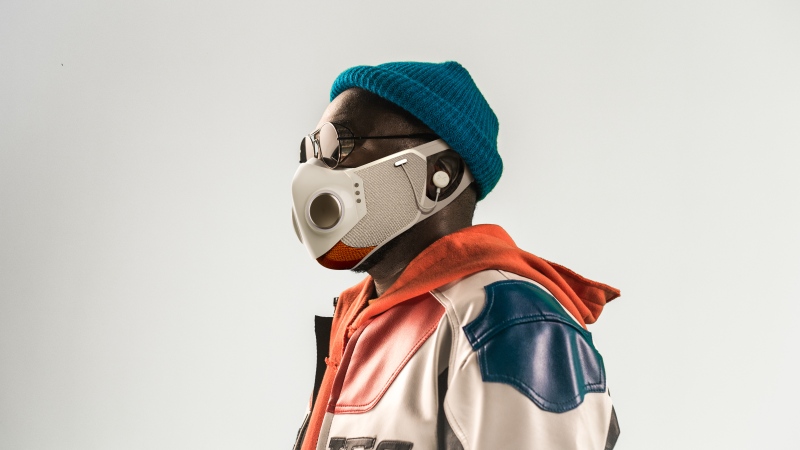
Will Health Sensors Make iWatch the Must Have Wearable?

iWatch Concept with Health SensorsBack in the 1990’s NBC referred to Thursday night as must watch television, and when it comes to making the transformation from invention to innovation, an innovation often needs a ‘Must Have’ feature.

So, with rumors swirling about the potential introduction today of an Apple iWatch, will Health Sensors make the iWatch a ‘Must Have’ or a ‘Must Wear’?

Will the iWatch do to the Fitbit and Nike Fuelband what the iPhone did to the Flip video camera?

If so, it will be yet another example of how it is more important to build a product or service that moves people. Move them not in a spiritual way (although creating something akin to a spiritual experience can help), but in an emotional way where the product or service (through value creation, value access, and value translation) provides enough ‘Must Have’ (or at least ‘Must Try’) to move people to abandon their existing solution (even if it is the ‘Do Nothing’ solution) to try and ultimately adopt your new solution in large numbers.

Moving people in this way is what moves your product or service from being an invention, to being an innovation.

Will the purported ten sensors of the iWatch provide enough entertainment, functionality, and actionable information to make the iWatch a ‘Must Wear’, make it a device that you won’t want to take it off?

If Apple can pull that off, then they will have a huge hit on their hands.

Are they too early like Samsung?

Have they seeded an ecosystem to grow after the launch of the iWatch?

After all it was the ecosystem created around the App Store that turned the iPhone into the market leader, it was the ecosystem created around the iTunes Store (and a Windows version of the software to access it) that turned the iPod into the market leader.

Or is it too early for Apple to launch an iWatch?

What ten sensors would make an iWatch a ‘Must Wear’?

  1. Accelerometer
  2. Pulse monitor
  3. NFC
  4. Blood pressure monitor?
  5. Temperature sensor?
  6. Barometric pressure sensor?
  7. ?
  8. ?
  9. ?
  10. ?

I guess we’ll find out next year.

Image Credit: techradar


Build a common language of innovation on your team

Subscribe to Human-Centered Change & Innovation WeeklySign up here to get Human-Centered Change & Innovation Weekly delivered to your inbox every week.
Your Chance to Help Overworked Entrepreneurs

Your Chance to Help Overworked Entrepreneurs

Life for a busy entrepreneur regular working 60 hours a week can lead to a struggle with maintaining a healthy weight. You may find that you are eating out for convenience and getting to the gym very infrequently (if at all). This lifestyle may have been fine through your twenties and early thirties, but after 35, it gets difficult to keep active and you might find those few extra pounds you’ve put on every year are really starting to add up.

Have you had similar struggles?

If you have a way to help motivate overworked entrepreneurs to lay off the takeout and introduce more physical activity into their busy lives, we at Premera would love to hear about it.

Simply post your idea to Premera’s Facebook or Twitter page using the hashtag #IGNITEchange, or as a comment to their stories. You are then automatically entered into a drawing to win a $200 Amazon gift card. Best of all, you have the chance to impact a real person’s life. There will be four chances to win, once every week from now until September 8, 2014 (terms and conditions link expired).

Have a true game-changing idea that will spark families to make lasting, realistic improvements to their health?

Premera is rewarding that type of innovation as well through Premera’s Innovate to Motivate challenge (link expired), which offers a grand prize of $5,000!


Build a common language of innovation on your team

Subscribe to Human-Centered Change & Innovation WeeklySign up here to get Human-Centered Change & Innovation Weekly delivered to your inbox every week.

Your Chance to Help Working Professionals

Your Chance to Help Working ProfessionalsToday life in our college years feels somehow more manageable than the hectic pace of the working professional. Somehow it feels like it was easier then to eat reasonably well and to stay in good shape. Recent college graduates feel the pressure to build a strong foundation for a career and a social life, then add in responsibilities like car payments, pets, rent, and student loan debt, and it’s no wonder many working professionals find a focus on a healthy lifestyle often comes last.

With time short, stress high, and energy running low after work, it is often easier to grab a burger or pizza than to make a kale salad, and skip the gym in favor of the siren’s song of Netflix and the couch.

Are you struggling with a similar issue or is this sounding like the problems of a younger you?

Then here is your chance to help working professionals everywhere!
(and possibly win some cash at the same time)

Simply post your idea to Premera’s Facebook or Twitter page using the hashtag #IGNITEchange, or as a comment to their stories. You are then automatically entered into a drawing to win a $200 Amazon gift card. Best of all, you have the chance to impact a real person’s life. There will be four chances to win, once every week from now until September 8, 2014 (terms and conditions link expired).

Have a true game-changing idea that will spark families to make lasting, realistic improvements to their health?

Premera is rewarding that type of innovation as well through Premera’s Innovate to Motivate challenge (link expired), which offers a grand prize of $5,000!


Build a common language of innovation on your team

Subscribe to Human-Centered Change & Innovation WeeklySign up here to get Human-Centered Change & Innovation Weekly delivered to your inbox every week.