Tag Archives: Microsoft

Innovative Approaches to Accessibility in Technology

Innovative Approaches to Accessibility in Technology

GUEST POST from Chateau G Pato

In the rapidly evolving landscape of technology, the importance of accessibility remains a crucial focus. As we advance into a world increasingly intertwined with digital tools and platforms, ensuring that all individuals, regardless of ability, can operate these technologies is more important than ever. Creating technology that is accessible not only serves those with disabilities but enriches the user experience for everyone. In this article, we explore innovative approaches to accessibility and offer insights into how companies are successfully integrating these strategies to create a more inclusive digital environment.

Redefining Accessibility

Traditional accessibility in technology often focused on compliance-driven adaptations, which, while necessary, sometimes missed the bigger picture of user experience and inclusivity. Innovative approaches begin with empathy and a deep understanding of diverse user needs, leading to solutions that are not only compliant but also delightful to use.

Universal Design Principles

Universal design, a concept originally from architecture, has transcended into the tech sphere, emphasizing that solutions should be usable by everyone to the greatest extent possible, without the need for adaptation. By applying universal design principles, designers and developers can create products that are inherently accessible right out of the gate. This approach fosters innovation as teams are challenged to think outside the box and create interfaces and interactions that are intuitive for all users.

Artificial Intelligence and Machine Learning

Advancements in artificial intelligence (AI) and machine learning (ML) are paving the way for more insightful accessibility solutions. AI can automate and enhance accessibility features such as voice recognition, real-time translation, and image recognition, thus opening new realms of possibility for people with disabilities. By training AI models on diverse and inclusive datasets, accessibility can become more personalized and responsive to individual user needs.

Case Study: Microsoft’s AI for Accessibility

Microsoft’s commitment to accessibility is prominently showcased through its ambitious “AI for Accessibility” program. Launched in 2018, the initiative invests in leveraging AI technologies to amplify human capabilities for those with disabilities, focusing on employment, daily life, and communication.

One of the flagship outputs of this initiative is the Seeing AI app, designed for visually impaired individuals. This app utilizes AI to narrate the world around the user using a smartphone camera, identifying objects, reading text, and recognizing faces. Seeing AI delivers on multiple fronts of accessibility, offering an intuitive user experience underpinned by cutting-edge technology.

“By augmenting human abilities with artificial intelligence, we can achieve more inclusive outcomes and ensure that technology empowers all users,” says Jenny Lay-Flurrie, Microsoft’s Chief Accessibility Officer.

Microsoft’s dedication to inclusive design highlights not just the potential of AI, but also the importance of a commitment across the organization. By fostering a culture of accessibility from leadership to product teams, companies can ensure that accessibility is not an afterthought but an integral part of the innovation process.

Case Study: Apple’s VoiceOver

Apple has long been a pioneer in integrating accessibility features directly into its products. VoiceOver, a screen reader built into iOS and macOS, is a prime example of innovation in this space. Unlike traditional screen readers, which are often third-party applications that must be purchased and installed separately, VoiceOver comes pre-installed and integrated deeply with the operating systems.

VoiceOver utilizes gesture-based navigation with touch commands on iOS devices, allowing visually impaired users to explore their devices in an intuitive manner. What makes VoiceOver particularly innovative is its synergy with Apple’s ecosystem, enhancing the overall accessibility across different devices, including Mac, iPhone, iPad, and Apple Watch.

This integrated approach has far-reaching implications for user empowerment and independence. It reflects Apple’s belief that accessibility should be central to the user experience, not a mere add-on. By equipping all of its devices with robust accessibility features, Apple ensures that users with disabilities have the tools they need to thrive in an increasingly digital world.

Design Thinking for Accessibility

Integrating accessibility into the design thinking process is crucial for creating solutions that truly meet user needs. This begins with empathy and understanding, engaging with people with disabilities in the research phases of product development. Through methods like journey mapping and prototyping with diverse populations, teams can uncover unique insights and innovate in ways that standard testing may not reveal.

Inclusive Testing and Feedback Loops

To ensure that accessibility is woven into the fabric of technology solutions, businesses must incorporate inclusive testing and feedback loops. Involving users with varying abilities in testing stages ensures that products are genuinely accessible and valuable. Continuous feedback loops enable organizations to iterate on their products, continuously refining and enhancing accessibility features.

Future Directions

As we forge ahead, the future of accessibility in technology is promising yet requires commitment from all stakeholders. Educating teams within organizations about the importance and techniques of accessibility will drive innovation. Furthermore, as technologies like augmented reality (AR) and virtual reality (VR) continue to evolve, they hold the potential to significantly enhance accessibility, creating immersive experiences that are accessible to all.

Moreover, as global connectivity increases, collaboration across industries and borders will be instrumental in developing universal accessibility standards. By working together, sharing knowledge, and championing inclusivity, we can cultivate a digital world where technology serves as a bridge to opportunity rather than a barrier.

Conclusion

The journey towards accessible technology is ongoing and demands an innovative mindset. By embracing emerging technologies, conducting empathetic research, and fostering inclusive design, we can create digital environments that are not only accessible but also empowering for all users. As technology leaders, it’s our responsibility to champion accessibility as a core value, ensuring that everyone has the opportunity to thrive in our connected world.

Extra Extra: Because innovation is all about change, Braden Kelley’s human-centered change methodology and tools are the best way to plan and execute the changes necessary to support your innovation and transformation efforts — all while literally getting everyone all on the same page for change. Find out more about the methodology and tools, including the book Charting Change by following the link. Be sure and download the TEN FREE TOOLS while you’re here.

Image credit: Unsplash

Subscribe to Human-Centered Change & Innovation WeeklySign up here to get Human-Centered Change & Innovation Weekly delivered to your inbox every week.

Embedding Inclusivity in Innovation

Accessibility by Design

Embedding Inclusivity in Innovation

GUEST POST from Chateau G Pato

In the ever-evolving landscape of business innovation, the concept of ‘Accessibility by Design’ serves as a cornerstone for creating inclusive products and services. But what does this term mean, and why should it matter to you as a business professional?

Accessibility by Design involves proactively integrating accessibility into the design process from the ground up. By doing so, organizations transform a reactive approach to inclusivity into a proactive strategy, ensuring products and services are accessible to everyone, including people with disabilities.

Why Inclusivity Matters

According to the World Health Organization, over 15% of the world’s population lives with some form of disability. Ignoring this demographic isn’t just socially irresponsible; it also means missing out on a substantial market segment. By embedding accessibility in your innovation process, you not only adhere to the principles of human-centered change but also drive broader market engagement and customer satisfaction.

Case Study 1: Microsoft’s Inclusive Design

Microsoft has been a leader in the integration of accessibility into their innovation processes. One notable initiative is their development of the Xbox Adaptive Controller, designed specifically for gamers with limited mobility. By collaborating with communities like AbleGamers, Microsoft was able to turn insights into practical solutions, showcasing how building relationships with specific user groups can lead to groundbreaking product development.

This initiative not only opened up their gaming products to a wider audience but also reinforced their brand as a leader in inclusive design. For more on how collaboration can drive innovation, see my thoughts on Collaborative Innovation for Social Good.

Case Study 2: Airbnb’s Accessibility Upgrades

Airbnb provides another compelling example of Enhancing Accessibility in innovation. Recognizing the barriers travelers with disabilities faced, Airbnb launched a series of upgrades aimed at improving accessibility. They introduced filters for accessibility needs and updated search functionalities to include features such as step-free entries and wheelchair-friendly paths.

Driven by user feedback and thorough testing, Airbnb demonstrates how customer involvement can shape more inclusive services. By focusing on accessibility, they’ve not only improved their user experience but have also expanded their market reach. To explore more on customer-centric innovation, check out Customer Experience Audit 101.

Conclusion: A Call to Action

As business professionals, failing to incorporate accessibility in your innovation strategy is no longer an option; it’s a responsibility. Consider accessibility not as a checkbox but as an integral part of your design ethos. By prioritizing Accessibility by Design, you create a competitive advantage while championing inclusivity.

What steps will you take to embed accessibility in your innovation journey?

This article provides an overview of the importance of accessibility in design, with concrete case studies and actionable insights. Let me know if there’s anything else you’d like to adjust or add!

Extra Extra: Because innovation is all about change, Braden Kelley’s human-centered change methodology and tools are the best way to plan and execute the changes necessary to support your innovation and transformation efforts — all while literally getting everyone all on the same page for change. Find out more about the methodology and tools, including the book Charting Change by following the link. Be sure and download the TEN FREE TOOLS while you’re here.

Image credit: Pixabay

Subscribe to Human-Centered Change & Innovation WeeklySign up here to get Human-Centered Change & Innovation Weekly delivered to your inbox every week.

Principles of Inclusive Design

Creating for All

Principles of Inclusive Design

GUEST POST from Chateau G Pato

In our rapidly changing world, designing products and services that serve a diverse user base has never been more important. Inclusive design is not just a trend; it is a movement towards accessibility, equity, and respect for human diversity. At the heart of this approach lies a profound commitment to creating solutions that are not only user-friendly but fully accessible to everyone, regardless of their abilities or circumstances.

In this article, we will explore the core principles of inclusive design and illustrate them with two compelling case studies. By understanding these principles, designers and innovators can craft experiences that are not only innovative but profoundly inclusive. For further insights, explore our articles on Five Immutable Laws of Change and Human-Centered Innovation.

Core Principles of Inclusive Design

Inclusive design involves several key principles:

  • Recognize Diversity and Uniqueness: Understand the varied needs of different users and design with empathy.
  • Create Flexible Solutions: Develop adaptable solutions that can cater to a broad range of needs.
  • Offer Equal Use: Ensure that products and services provide the same means of use for all users, avoiding the need for adaptation or specialized solutions.
  • Offer Equitable Experience: The experience should be equally satisfying for everyone, encouraging user engagement and delight.

Let’s delve into two real-world examples where these principles are skillfully applied.

Case Study 1: Microsoft and the Inclusive Design Toolkit

Microsoft has been a pioneer in applying inclusive design principles. Their Inclusive Design Toolkit is a testament to their commitment to accessibility and innovation.

The toolkit was created based on extensive research and user feedback, and it offers guidelines that help designers create products that consider a wide array of potential users. For instance, Microsoft Word now includes accessibility checkers, which assists users in creating documents that are accessible to people with disabilities.

One significant feature is the ability to provide real-time subtitles during video calls on Microsoft Teams. This functionality addresses the needs of hearing-impaired users, foreign language speakers, and those in noisy environments, showcasing Microsoft’s commitment to creating flexible, equitable solutions.

Case Study 2: OXO’s Universal Design Approach

Another exemplary application of inclusive design principles is found in the work of OXO, a company that revolutionized kitchen tools with its commitment to ease of use for all.

OXO’s journey began with a simple potato peeler. Sam Farber, the founder, realized his wife, who had arthritis, found it difficult to use traditional peelers. The solution was the OXO Good Grips range, featuring soft rubber handles that were comfortable for everyone, whether or not they had physical limitations.

This universal design approach has become a staple of OXO’s philosophy, ensuring that their products are accessible, functional, and engaging for a diverse user base. The success of OXO emphasizes the power of inclusive design to create products that resonate with, and are appreciated by, a vast audience.

Conclusion

Inclusive design is not just about compliance or accessibility; it is about creating experiences that resonate with everyone. As demonstrated by Microsoft and OXO, companies that embrace inclusive design open the door to innovation, engagement, and satisfaction.

By adhering to the core principles of inclusive design—recognizing diversity, creating flexible solutions, ensuring equal use, and offering equitable experiences—we can achieve a more inclusive world. For more strategies on this transformative approach, explore our writings on Five Immutable Laws of Change and Human-Centered Innovation.

As designers and innovators, the call to action is clear: Let’s build a future that is open, accessible, and welcoming to all.

Extra Extra: Futurology is not fortune telling. Futurists use a scientific approach to create their deliverables, but a methodology and tools like those in FutureHacking™ can empower anyone to engage in futurology themselves.

Image credit: Pixabay

Subscribe to Human-Centered Change & Innovation WeeklySign up here to get Human-Centered Change & Innovation Weekly delivered to your inbox every week.
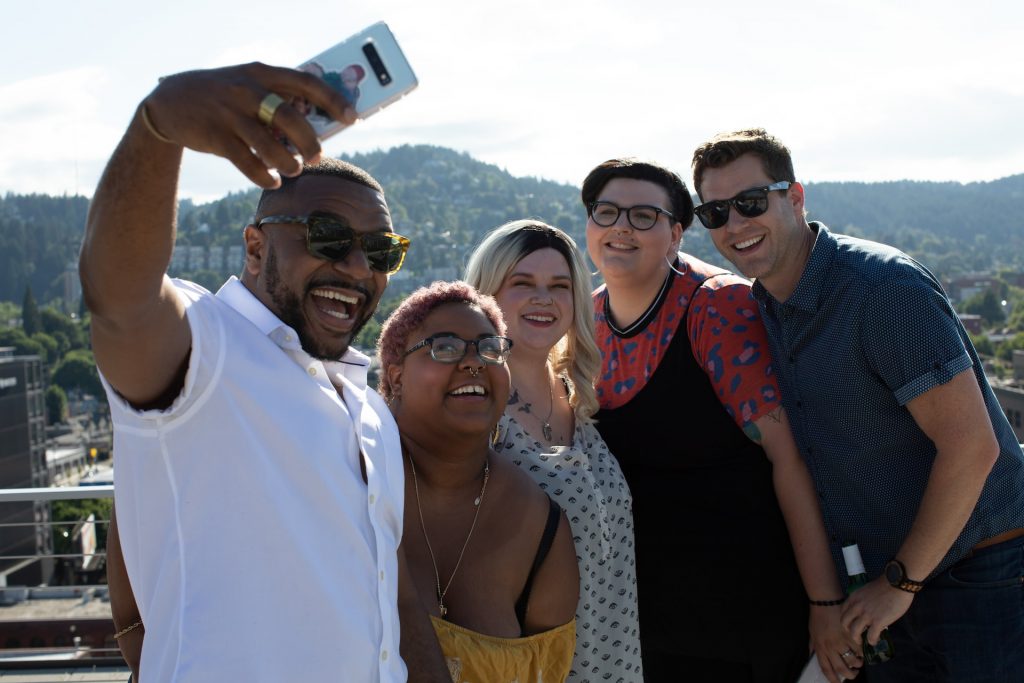
Navigating Innovation and Change Like a Visionary Leader

Navigating Innovation and Change Like a Visionary Leader

GUEST POST from Chateau G Pato

In today’s rapidly evolving business landscape, companies are constantly facing the pressures of innovation and change. The leaders who can effectively navigate these waters not only secure their companies’ survival but also thrive through dynamic market shifts. Visionary leaders—those who cultivate a culture of creativity while managing change—are becoming indispensable. Let’s explore how some have successfully harnessed innovation and change to propel their organizations forward.

The Power of Purpose-Driven Leadership

Visionary leadership begins with a clear understanding of the organization’s core purpose. This is more than just a mission statement; it’s a guiding light that informs strategy, drives motivation, and fosters resilience amidst change.

Case Study 1: Indra Nooyi at PepsiCo

Under Indra Nooyi’s leadership, PepsiCo underwent a transformative change balancing profit with purpose. Her ‘Performance with Purpose’ vision not only refocused the company’s portfolio towards health-conscious products but also embedded sustainability into its business strategy. Nooyi recognized that long-term success depended on aligning business practices with the changing expectations of society. The introduction of healthier product lines and sustainable packaging are testaments to her visionary leadership, resulting in increased market shares and brand loyalty.

Nooyi’s approach illustrates how visionary leaders integrate their organization’s core purpose into innovation strategies, ensuring that change efforts resonate with both consumers and stakeholders.

Fostering a Culture of Innovation

Visionary leaders know that innovation doesn’t just happen; it requires a supportive environment where creativity is encouraged and risk-taking is tolerated. Creating such an environment involves more than installing bean bags and coffee machines—it requires a fundamental shift in how failure and success are perceived within the organization.

Case Study 2: Satya Nadella at Microsoft

When Satya Nadella took over as CEO in 2014, Microsoft was seen as a technology behemoth that had lost its innovative edge. Nadella committed to fostering a culture of learning and collaboration. The ‘growth mindset’ philosophy he introduced encouraged employees to embrace challenges and learn from failures. Under Nadella’s leadership, Microsoft shifted its focus to cloud computing, AI, and open-source software, areas where it has since become a dominant player.

This cultural transformation at Microsoft showcases how visionary leaders can reinvigorate innovation by altering organizational mindsets and encouraging cross-departmental collaboration.

Embracing and Managing Change

While innovation sets the stage for what’s possible, it’s the ability to manage change that ensures its implementation. Visionary leaders understand the human side of change—recognizing that people are at the heart of every successful transformation.

To delve deeper into effective change management techniques, consider exploring my articles on The Change Curve Model and Emotional Commitment to Change. These resources provide valuable insights into leading your team through the complexities of change.

Conclusion: The Legacy of Visionary Leaders

Visionary leaders leverage their foresight to drive transformative changes, fostering innovative solutions while ensuring alignment with organizational values. They balance stability with flexibility, profit with purpose, and short-term wins with long-term objectives.

The legacy of leaders like Indra Nooyi and Satya Nadella demonstrates that with the right vision, a commitment to cultural shifts, and a keen understanding of change management, any organization can navigate the tumultuous waters of innovation and emerge stronger. As we look to the future, it is clear that the leaders who can navigate these challenges with foresight and empathy will continue to shape the world of business.

Extra Extra: Futurology is not fortune telling. Futurists use a scientific approach to create their deliverables, but a methodology and tools like those in FutureHacking™ can empower anyone to engage in futurology themselves.

Image credit: Pexels

Subscribe to Human-Centered Change & Innovation WeeklySign up here to get Human-Centered Change & Innovation Weekly delivered to your inbox every week.

Inclusivity in UX Design

Practical Tips

Inclusivity in UX Design

GUEST POST from Chateau G Pato

Inclusivity in UX design isn’t just a moral obligation; it’s a design imperative. Striving for inclusivity means considering the diverse range of human beings that interact with digital products. It’s about making sure that everyone, regardless of their abilities, language, or background, can have a meaningful interaction with the technology we create.

As a thought leader in human-centered change and innovation, I’m committed to sharing practical insights into how UX designers can embed inclusivity into their processes. Here are some actionable tips along with two case studies highlighting successful inclusivity efforts.

Practical Tips for Inclusivity in UX Design

1. Understand Your User Base

Begin with comprehensive user research. Go beyond demographics to delve into psychographics and cultural differences. Understand how people interact with your product, considering accessibility needs such as screen readers for the visually impaired or captions for the hearing impaired.

2. Implement Inclusive Design Principles

Inclusive design involves simultaneous consideration of user diversity through sustainable methods. Microsoft’s principles of inclusive design—Recognize Exclusion, Solve for One, Extend to Many, and Learn From Diversity—can guide you in this journey.

3. Prototype and Test with Diverse Groups

Prototype iteratively and engage a broad range of users in your testing phases. Seek feedback from people with different abilities to identify overlooked accessibility issues, ensuring your designs are inherently flexible and adaptable.

4. Leverage Technology for Accessibility

Utilize technology such as voice user interfaces, AI, and adaptive technologies that can enhance usability for diverse user groups. Features like voice search, text-to-speech, and customizable interfaces support various accessibility needs.

Case Studies

Case Study 1: Airbnb’s Inclusive Design Practice

Airbnb exemplifies inclusivity with its mission to create an open and accessible product for everyone. Their Design Language System (DLS) incorporates accessibility from the ground up. One notable practice is their Inclusive Design Workshops, where product teams learn to recognize biases and design for user-centered accessibility.

During one workshop, Airbnb discovered that their booking interface was challenging for older adults unfamiliar with progressive disclosure in UI. By redesigning the interface with more visible cues and clear instructions, they increased usability across age groups, ultimately increasing booking rates by 17%.

Case Study 2: Microsoft’s Xbox Adaptive Controller

Microsoft’s Xbox Adaptive Controller is a prime example of inclusive design in action. Designed in collaboration with organizations like The AbleGamers Charity and The Cerebral Palsy Foundation, the controller provides a customizable gaming experience for players with limited mobility.

This innovation stemmed from feedback from users with disabilities. By conducting inclusive research and design phases, Microsoft created a controller that not only empowers disabled gamers but also extends its usability to other creative and educational applications. This broadened the controller’s market potential and reinforced Microsoft’s commitment to accessibility.

Conclusion

Designing for inclusivity requires a thoughtful, user-centered approach that considers the full spectrum of human diversity. By adopting inclusive design principles and learning from successful case studies like Airbnb and Microsoft, UX designers can create products that are not only accessible but also drive innovation and market success.

As we move forward, let’s redefine our design processes to ensure everyone can fully engage in the digital experiences we create. After all, inclusivity is not just a box to tick; it’s an ongoing journey toward a shared future where everyone has a seat at the table.

Bottom line: Futurology is not fortune telling. Futurists use a scientific approach to create their deliverables, but a methodology and tools like those in FutureHacking™ can empower anyone to engage in futurology themselves.

Image credit: Unsplash

Subscribe to Human-Centered Change & Innovation WeeklySign up here to get Human-Centered Change & Innovation Weekly delivered to your inbox every week.

Fun Ways to Foster Innovation with Gamification

Fun Ways to Foster Innovation with Gamification

GUEST POST from Art Inteligencia

In today’s rapidly changing business landscape, fostering innovation is not just advantageous — it’s essential. But how can organizations kindle this spirit of innovation in a way that is engaging and sustainable? Enter gamification: the art of applying game-design elements in non-game contexts. By infusing work with fun, gamification has the power to drive motivation, encourage creativity, and ultimately, foster innovation. This article explores how two companies successfully employed gamification to boost their innovation efforts.

Case Study 1: Microsoft’s Language Quality Game

Microsoft faced a challenge that is common to global technology companies: ensuring the quality and consistency of translated content across different languages. The process of identifying and fixing errors in translations can be tedious and time-consuming. To combat this, Microsoft implemented a gamified approach known as the “Language Quality Game.”

The game involved users and employees who could earn points, badges, and visual accolades by identifying errors or suggesting improvements to translation strings. Not only did this encourage more participation, but it also created a sense of competition and engagement among users and employees. As a result, Microsoft was able to improve the accuracy of its translations while also fostering a sense of ownership and contribution among its linguistically diverse user base.

Case Study 2: SAP’s Quiz-Based Idea Competition

SAP, a leader in enterprise software solutions, faced the internal challenge of stimulating innovative ideas from its global workforce. To tackle this, SAP turned to gamification by creating a quiz-based idea competition known as “InnoJam 48.” Participants were grouped into teams and tasked with solving real-world challenges by creating innovative software solutions within 48 hours.

The incorporation of gamified elements like quizzes, real-time feedback, and virtual leaderboards infused a competitive spirit into the event and motivated employees to put forward their best ideas. This approach not only inspired creative problem-solving but also cultivated a culture of continuous innovation. The best ideas were recognized and rewarded, encouraging more employees to participate in future events.

Conclusion

Gamification has emerged as a powerful tool for driving innovation in organizations. By leveraging the intrinsic human desire for fun, competition, and achievement, companies like Microsoft and SAP have successfully harnessed the power of gamification to foster innovation. It effectively transforms mundane tasks and challenges into engaging, rewarding experiences. As businesses strive to innovate in ever-evolving markets, gamification presents itself as an enticing strategy to consider.

Bottom line: Futurology is not fortune telling. Futurists use a scientific approach to create their deliverables, but a methodology and tools like those in FutureHacking™ can empower anyone to engage in futurology themselves.

Image credit: Pixabay

Subscribe to Human-Centered Change & Innovation WeeklySign up here to get Human-Centered Change & Innovation Weekly delivered to your inbox every week.

Scaling Agile in Large Organizations

Scaling Agile in Large Organizations

GUEST POST from Chateau G Pato

In an era where the technology landscape is constantly shifting, large organizations find themselves in a dilemma. How do they remain nimble and innovative while managing complex structures and processes? The answer for many is Agile—a methodology once the preserve of small teams, now being scaled to fit the groundwork of multi-layered businesses. But scaling Agile in large organizations isn’t just about implementing new processes and tools; it’s about fostering a culture shift that emphasizes collaboration, efficiency, and customer-centricity.

The Need for Scaling Agile

Large organizations traditionally operate in silos, with distinct departments managing their own priorities. This often leads to misalignment and inefficiency. Agile methodology helps break down these silos, promoting cross-functional collaboration and aligning teams with the organization’s overall goals. The key to scaling Agile successfully is not merely in extending Agile practices organization-wide, but in tailoring them to fit unique organizational contexts while maintaining the core Agile principles.

Case Study 1: Implementing Agile at Scaled Levels – The Spotify Model

Spotify’s scaling of Agile is widely regarded as a benchmark for large organizations. Recognizing the limitations of traditional hierarchies, Spotify created a new organizational framework that supports agile at scale. They introduced ‘Squads’, which are akin to Scrum teams, emphasizing autonomy and accountability. These Squads are powered by ‘Tribes’ to maintain coherence, and ‘Chapters’ and ‘Guilds’ to foster skill development and knowledge sharing.

By focusing on cultural values and providing a structure that emphasizes trust, transparency, and strong team identity, Spotify was able to enhance its ability to innovate while scaling its business. The success of this model lies in its flexibility, allowing other organizations to adapt it to their own needs and challenges.

Case Study 2: Scaling Agile at Microsoft – The Journey to Business Agility

Microsoft’s transition to Agile was driven by the need to better respond to customer needs in a rapidly evolving market. By adopting agile practices across various product teams, Microsoft sought to improve its development processes and enhance product quality. The journey was not without challenges; initial resistance was expected and encountered.

Microsoft tackled these by investing in comprehensive Agile training programs and fostering a culture of continuous feedback and improvement. They broke down traditional silos and championed cross-functional teamwork, resulting in quicker release cycles and increased innovation.

The transformation at Microsoft underscores the importance of persistence, leadership commitment, and a well-articulated vision in scaling Agile across a large organization.

Conclusion

Scaling Agile in large organizations is more about mindset shifts than merely adopting a set of practices. It requires embracing transparency, collaboration, and a focus on delivering value to customers. The experiences of Spotify and Microsoft highlight the adaptability and benefits of Agile methods but also illustrate the necessity of context-specific strategies and strong leadership.

For large organizations looking to scale Agile, it’s crucial to drive cultural change, empower teams, and remain adaptable to continually refine the approach as new challenges and opportunities arise.

I hope you have enjoyed my attempt to provide a structured and informative perspective on how large organizations can scale Agile methodologies effectively, illustrated with case studies of Spotify and Microsoft.

SPECIAL BONUS: The very best change planners use a visual, collaborative approach to create their deliverables. A methodology and tools like those in Change Planning Toolkit™ can empower anyone to become great change planners themselves.

Image credit: Pixabay

Subscribe to Human-Centered Change & Innovation WeeklySign up here to get Human-Centered Change & Innovation Weekly delivered to your inbox every week.

Principles of Inclusive Design

Making Products for Everyone

Principles of Inclusive Design

GUEST POST from Art Inteligencia

In today’s increasingly diverse world, creating inclusive products is not just a moral imperative but also a smart business strategy. Inclusive design is about making products that are accessible and usable by as many people as possible, regardless of age, disability, gender, culture, or any other differentiating factor. By prioritizing inclusivity, businesses can reach a broader audience, foster innovation, and demonstrate social responsibility.

What is Inclusive Design?

Inclusive design is a methodology born from the realization that the needs of people are diverse, and there is no ‘average’ user. It involves considering the full range of human diversity, making products that are adaptable and flexible to accommodate a wide variety of user needs. Inclusive design seeks to remove barriers that prevent people from using a product or service effectively and with dignity.

Principles of Inclusive Design

1. Equitable Use

Design should be usable and marketable to people with diverse abilities. This principle ensures that all users are treated equally by avoiding segregation or stigmatization.

2. Flexibility in Use

The design should accommodate a wide range of individual preferences and abilities, providing different ways to use a product or service.

3. Simple and Intuitive

Regardless of the user’s experience, knowledge, language skills, or concentration level, the design should be easy to understand.

4. Perceptible Information

The product should communicate necessary information effectively to the user, regardless of ambient conditions or the user’s sensory abilities.

5. Tolerance for Error

The design should minimize hazards and adverse consequences of accidental or unintended actions.

6. Low Physical Effort

The design should be usable efficiently and comfortably with a minimum of fatigue.

7. Size and Space for Approach and Use

Appropriate size and space should be provided for approach, reach, manipulation, and use, regardless of the user’s body size, posture, or mobility.

Case Study 1: Microsoft’s Xbox Adaptive Controller

Microsoft’s Xbox Adaptive Controller is a prime example of inclusive design in action. Designed specifically for gamers with limited mobility, this innovative product features large programmable buttons and can be connected to a variety of external devices to support a wide range of physical abilities. Microsoft’s commitment to inclusivity extends beyond the product itself; they collaborated with accessibility experts and disabled gamers to ensure the controller met real needs. This inclusive approach not only opened up the world of gaming to a broader audience but also positioned Microsoft as a leader in accessibility and innovation.

Case Study 2: OXO Good Grips Kitchen Tools

OXO’s Good Grips line of kitchen tools is a staple in many households, and it all started with a simple principle of inclusive design. The founder, Sam Farber, observed that his wife, who had arthritis, struggled with conventional kitchen utensils. This insight led to the creation of kitchen tools with comfortable, non-slip grips and ergonomic designs. The tools are not only beneficial for those with arthritis but also for anyone looking for more comfortable and efficient kitchen utensils. By addressing the needs of a specific user group, OXO created products that benefit everyone, proving the power of inclusive design principles.

Why Inclusive Design Matters More Than Ever

With the global population becoming more diverse and age demographics shifting, the importance of inclusive design continues to grow. Companies that embrace inclusivity can tap into a wider market, foster loyalty, and drive innovation by thinking outside the conventional boundaries of ‘normal’ product use. Inclusive design isn’t merely a trend; it’s a fundamental shift towards a more considerate and intelligent approach to creating products and services.

Ultimately, inclusive design is about more than just accessibility—it’s about creating a world where everyone can participate fully without encountering unnecessary barriers. By following these principles and learning from successful case studies, businesses can not only enhance their marketability but also take significant strides toward social equity and inclusivity.

Bottom line: Futurology is not fortune telling. Futurists use a scientific approach to create their deliverables, but a methodology and tools like those in FutureHacking™ can empower anyone to engage in futurology themselves.

Image credit: Microsoft Copilot

Subscribe to Human-Centered Change & Innovation WeeklySign up here to get Human-Centered Change & Innovation Weekly delivered to your inbox every week.

Leading Change

Strategies for Successful Organizational Transformation

Leading Change - Strategies for Successful Organizational Transformation

GUEST POST from Art Inteligencia

Effective organizational transformation is not just about making changes; it’s about making the right changes in the right way. As a leader, your role is to guide your organization through the challenges and uncertainties that accompany transformation. This article explores key strategies for successful organizational transformation and illustrates them with two compelling case studies.

Key Strategies for Organizational Transformation

  1. Establish a Clear Vision and Communicate it Effectively

    A clear vision provides direction and purpose. Communicate this vision consistently across all levels of the organization to ensure alignment and buy-in.

  2. Engage and Empower Your Team

    Involving employees in the transformation process boosts morale and commitment. Empower them to take ownership of their roles in the change process.

  3. Measure Progress and Adapt

    Set measurable objectives and keep track of progress. Be prepared to adapt strategies based on feedback and changing circumstances.

  4. Build a Culture of Continuous Improvement

    Encourage a mindset of innovation and continuous improvement. This ensures the organization remains agile and responsive to new opportunities and challenges.

Case Study 1: Zappos – Creating a Customer-Centric Culture

Zappos, an online shoe and clothing retailer, is renowned for its exceptional customer service. Tony Hsieh, the former CEO, led a transformation that put the customer at the core of the business. Here’s how they did it:

Strategy in Action:

  • Clear Vision: Hsieh communicated the vision of delivering “WOW” through service and instilled this vision into every aspect of the business.
  • Employee Engagement: Zappos invested heavily in employee training and development, ensuring that every employee was aligned with the company’s values.
  • Continuous Improvement: The company maintained an open-feedback culture where employees could contribute ideas for enhancing customer experiences.

The result was a culture that celebrated extraordinary customer service, making Zappos a model for customer-centricity in retail and driving sustained business growth.

Case Study 2: Microsoft – From a Culture of Know-it-All to Learn-it-All

Under the leadership of CEO Satya Nadella, Microsoft underwent a cultural transformation that shifted the company from a “know-it-all” to a “learn-it-all” mentality. Here’s a look at the strategies employed:

Strategy in Action:

  • Clear Vision: Nadella emphasized a vision of empathy, collaboration, and a growth mindset. He communicated this vision through regular town halls and personal storytelling.
  • Employee Empowerment: Microsoft encouraged cross-functional collaboration and learning from failures. Employees were empowered to pursue creative solutions and explore new technologies.
  • Measuring Progress: The company set quantifiable goals related to innovation and employee engagement, regularly reviewing performance and making necessary adjustments.

This cultural shift rejuvenated Microsoft, fostering innovation and establishing the company as a leader in cloud computing, artificial intelligence, and other cutting-edge technologies.

Conclusion

Organizational transformation is a journey that requires intentionality, leadership, and persistence. By establishing a clear vision, engaging and empowering your team, measuring progress, and fostering a culture of continuous improvement, you can navigate the complexities of change and achieve sustainable success.

Remember, transformation is not a one-time event; it’s an ongoing process. The cases of Zappos and Microsoft highlight that with the right strategies, any organization can transform itself to meet future challenges and opportunities head-on.

Bottom line: Futurology is not fortune telling. Futurists use a scientific approach to create their deliverables, but a methodology and tools like those in FutureHacking™ can empower anyone to engage in futurology themselves.

Image credit: Dall-E

Subscribe to Human-Centered Change & Innovation WeeklySign up here to get Human-Centered Change & Innovation Weekly delivered to your inbox every week.

Change Leadership

An Essential Skill for Today’s Leaders

Change Leadership - An Essential Skill for Today's Leaders

GUEST POST from Art Inteligencia

In today’s rapidly evolving landscape, leaders face a unique set of challenges and opportunities. To navigate this environment successfully, change leadership has emerged as an indispensable skill. Leaders who can adeptly guide their teams and organizations through change not only ensure survival but also drive innovation and long-term growth. In this article, we’ll explore what change leadership entails, why it’s essential, and how it’s been successfully implemented through two enlightening case studies.

What is Change Leadership?

Change leadership refers to the ability to influence and inspire teams to embrace change and drive transformation. Unlike traditional change management, which focuses on processes and tools, change leadership centers on people. It’s about engaging hearts and minds, fostering a culture of adaptability, and ensuring that everyone is aligned with the vision for change.

Why is Change Leadership Essential?

There are several reasons why change leadership is more critical now than ever:

  • Accelerated Technological Advancements: The digital age has introduced rapid technological changes, requiring leaders to be agile and forward-thinking.
  • Globalization: As businesses expand globally, leaders must manage cross-cultural teams and navigate various market dynamics.
  • Regulatory Changes: Frequent regulatory updates necessitate quick adaptation and compliance.
  • Workforce Dynamics: With the rise of remote work and the gig economy, traditional management structures are evolving.
  • Customer Expectations: Modern consumers demand constant innovation, pushing organizations to be more responsive to market shifts.

Case Study 1: IBM’s Transformation Under Lou Gerstner

Background

Starting in the early 1990s, IBM faced declining revenues and a rapidly changing technology landscape. The mainframe-centric company was struggling to compete in the burgeoning personal computer and network computing markets. Lou Gerstner was appointed CEO in 1993 with the monumental task of turning the ship around.

Change Leadership in Action

Vision Setting

Gerstner began by articulating a clear vision. He envisioned IBM transforming from a hardware-centric company to a solutions-based provider. This vision broke from IBM’s traditional focus and set a new course for the company.

Engaging Stakeholders

Gerstner took steps to engage all levels of the organization. He initiated regular town hall meetings, encouraging open communication and feedback. This inclusivity helped dismantle silos and fostered a collaborative culture.

Cultural Shift

Recognizing that the existing culture was a barrier to change, Gerstner introduced a new set of values emphasizing customer solutions, teamwork, and speed. He also revamped the performance evaluation system to align with the new cultural values.

Results

IBM’s transformation under Gerstner was a resounding success. By the late 1990s, the company had repositioned itself as a leader in the IT services sector, experiencing significant revenue growth and improved market share. The shift not only saved IBM from potential obsolescence but also set the stage for future innovations.

Case Study 2: Microsoft’s Satya Nadella and the Cultural Renaissance

Background

In 2014, Satya Nadella took over as CEO of Microsoft. At the time, Microsoft was criticized for its cutthroat culture and was lagging in key areas like mobile and cloud computing. Employee morale was low, and the company needed a transformative leader.

Change Leadership in Action

Empathy-Driven Leadership

Nadella emphasized empathy and collaboration from the outset. His leadership style was a significant departure from Microsoft’s historically aggressive culture. He introduced the concept of “growth mindset” to encourage employees to embrace challenges and learn continuously.

Vision and Strategy

Nadella articulated a clear vision: to transform Microsoft into a cloud-first, mobile-first company. He made bold moves, such as acquiring LinkedIn and GitHub, to align with this vision. These strategic acquisitions positioned Microsoft as an indispensable player in the tech ecosystem.

Inclusivity and Diversity

Nadella focused heavily on inclusivity, believing a diverse workforce would foster better innovation. He implemented measures to improve diversity at all levels, creating an inclusive atmosphere where every voice could be heard.

Results

Under Nadella’s leadership, Microsoft experienced a cultural renaissance that translated into financial success. The company saw its stock price quadruple, re-established itself as an industry leader, and was lauded for its inclusive culture.

Key Takeaways for Today’s Leaders

Change leadership is not just about steering your organization through disruption but about thriving in it. From IBM’s pivot under Lou Gerstner to the cultural shift at Microsoft led by Satya Nadella, the principles of effective change leadership remain consistent:

  • Clear Vision: A compelling vision can unite and guide an organization.
  • Engage Stakeholders: Open communication and stakeholder engagement are vital.
  • Cultural Alignment: A culture aligned with your vision can propel your organization forward.
  • Inclusivity: Diverse perspectives foster innovation and resilience.

In an era of constant flux, embracing change leadership is not just advisable—it’s imperative. As demonstrated by our case studies, those who master this skill can lead their organizations to unparalleled success.

Conclusion

Change leadership is an essential competency for navigating today’s ever-changing business landscape. By understanding its core principles and learning from successful leaders, today’s executives can set their organizations on a path to sustainable growth and innovation. Through vision, engagement, cultural shifts, and inclusivity, leaders can inspire their teams to not just accept change but to thrive in it.

Bottom line: Futurology is not fortune telling. Futurists use a scientific approach to create their deliverables, but a methodology and tools like those in FutureHacking™ can empower anyone to engage in futurology themselves.

Image credit: Pixabay

Subscribe to Human-Centered Change & Innovation WeeklySign up here to get Human-Centered Change & Innovation Weekly delivered to your inbox every week.