Author Archives: Chateau G Pato

About Chateau G Pato

Chateau G Pato is a senior futurist at Inteligencia Ltd. She is passionate about content creation and thinks about it as more science than art. Chateau travels the world at the speed of light, over mountains and under oceans. Her favorite numbers are one and zero. Content Authenticity Statement: If it wasn't clear, any articles under Chateau's byline have been written by OpenAI Playground or Gemini using Braden Kelley and public content as inspiration.

Overcoming Resistance to Change

Offering Strategies and Techniques for Identifying and Addressing Resistance to Change, Ensuring Smoother Transitions

Overcoming Resistance to Change

GUEST POST from Chateau G Pato

Change is inevitable in any organization, and yet many leaders find themselves battling resistance when attempting to implement new initiatives. Resistance to change stems from a variety of reasons, including fear of the unknown, lack of trust in leadership, and perceived threats to job security. However, with the right strategies and techniques, leaders can effectively identify and address resistance, leading to smoother transitions and increased organizational success. In this article, we will explore two case study examples to provide practical insights into overcoming resistance to change.

Case Study Example 1: The Sales Department’s Shift to Digital Platforms

In a mid-sized retail company, the sales department was reluctant to embrace digital platforms for customer engagement, despite the clear advantages it offered. Many sales representatives were comfortable with traditional methods and feared that digital adoption would render their roles obsolete. To address this resistance, the leadership implemented the following strategies:

1. Effective Communication: The first step was to communicate the benefits of digital platforms for both the company and sales representatives personally. Leaders explained how digital tools could enhance sales efficiency, generate more leads, and open doors to new markets. Additionally, interactive workshops were conducted to alleviate concerns and answer questions, creating a safe space for open dialogue.

2. Training and Support: Recognizing that resistance often stems from a lack of knowledge or skills, the company provided comprehensive training on digital tools. This training empowered sales representatives with the necessary skills to navigate the new platforms confidently. Ongoing support, including real-time troubleshooting and feedback sessions, further fostered a sense of security among the sales team.

As a result of these strategies, the sales department gradually embraced digital platforms, and their sales performance improved significantly. Representatives recognized the increased potential that digital tools offered, leading to a more harmonious transition and a boost in overall productivity.

Case Study Example 2: Restructuring for Agile Project Management

In a large software development company, a resistance to change emerged when transitioning from a traditional hierarchical management structure to a more agile project management approach. Some employees were skeptical, believing that the new structure would lead to increased workloads, decreased job security, and diminished autonomy. To overcome this resistance, the company employed the following strategies:

1. Empowering Leadership: To gain employee buy-in, the leadership openly communicated the reasons for the change, emphasizing the benefits of increased collaboration, faster response times, and greater innovation. Leaders ensured that team members felt involved by seeking their input and incorporating their ideas into the new structure. This approach helped build trust and alleviate concerns.

2. Pilot Projects: Instead of an immediate, company-wide implementation, the company initiated pilot projects in selected teams. This allowed small groups of employees to experience the benefits firsthand and share their success stories within the organization. By highlighting positive outcomes and lessons learned, the resistance began to diminish.

By effectively overcoming resistance through these strategies, the company successfully transitioned to the agile project management approach. Employees experienced increased job satisfaction, stronger teamwork, and the ability to adapt quickly to changing client needs. The organization as a whole became more responsive, competitive, and achieved higher client satisfaction rates.

Conclusion

Overcoming resistance to change requires proactive strategies to address the fears and concerns that accompany transitions. By implementing effective communication, training, support systems, empowering leadership, and pilot projects, organizations can achieve smoother transitions and garner employee support. The case study examples provided demonstrate the effectiveness of these strategies in tackling resistance to change. Leaders who implement these techniques will not only increase the likelihood of successful change implementation but also foster a culture of adaptability and growth within their organizations.

SPECIAL BONUS: Braden Kelley’s Problem Finding Canvas can be a super useful starting point for doing design thinking or human-centered design.

“The Problem Finding Canvas should help you investigate a handful of areas to explore, choose the one most important to you, extract all of the potential challenges and opportunities and choose one to prioritize.”

Image credit: Misterinnovation.com

Subscribe to Human-Centered Change & Innovation WeeklySign up here to get Human-Centered Change & Innovation Weekly delivered to your inbox every week.
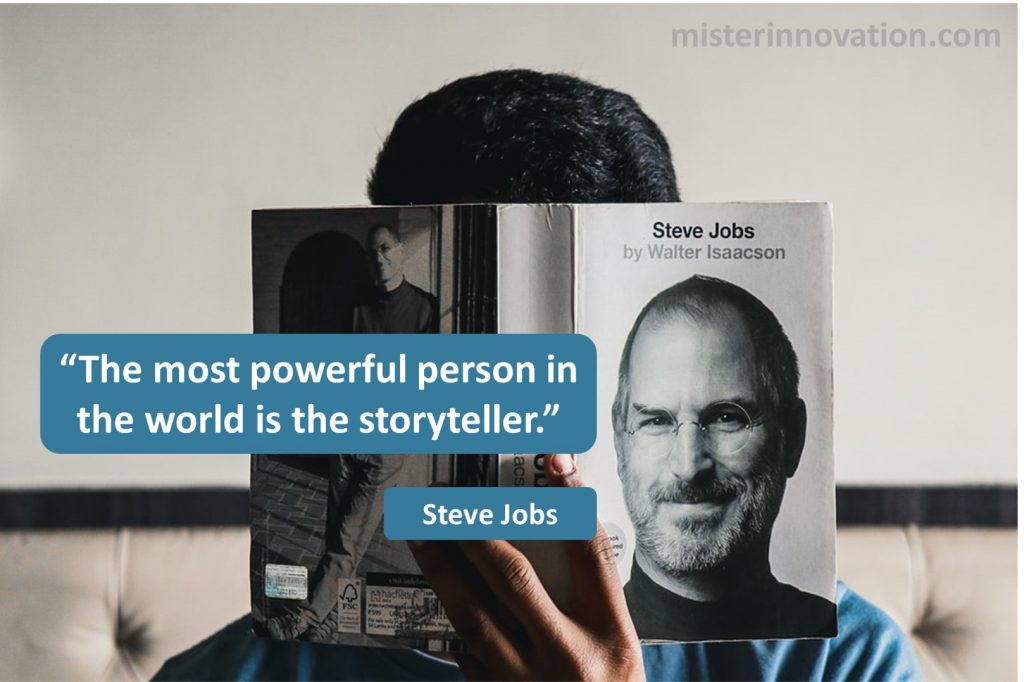
The Power of Storytelling in Driving Change Initiatives

The Power of Storytelling in Driving Change Initiatives

GUEST POST from Chateau G Pato

Change is an inevitability in organizations, and its successful implementation often relies on effective communication and engagement. In this context, storytelling emerges as a powerful tool that captures people’s attention, fosters understanding, and ultimately drives change initiatives forward. As Braden Kelley aptly states, “Stories help us understand complex ideas and remember key information in an engaging and emotive way.” By weaving narratives into change management efforts, organizations can inspire, unite, and galvanize their workforce to embrace transformation. Let us explore two compelling case studies that exemplify the power of storytelling in driving successful change initiatives.

Case Study 1: Disney’s “Casting Call” Transformation

In the early 2000s, The Walt Disney Company faced challenging times due to declining attendance and customer satisfaction. To address these concerns, CEO Robert Iger introduced a change initiative known as “Casting Call.” Iger believed that by actively involving employees in the change effort and sharing inspiring stories, the company could drive a cultural shift towards exceptional guest experiences.

The company leveraged storytelling by creating a daily internal newsletter, “The E-Ticket,” which featured stories showcasing exemplary employee behaviors. These stories celebrated actions that went above and beyond, inspiring others to do the same. They celebrated the “Disney Difference” and demonstrated how every individual played a crucial role in creating magical moments for guests. By amplifying these narratives throughout the organization, Disney stimulated a sense of pride, empowerment, and a shared commitment to delivering outstanding customer experiences. As a result, Disney’s “Casting Call” not only reversed the decline but also established a solid foundation for the company’s future success.

Case Study 2: Patagonia’s Sustainable Revolution

Patagonia, the outdoor clothing company, embarked on a change initiative to promote sustainability and combat climate change. CEO Rose Marcario recognized that to truly engage customers and employees, Patagonia needed to go beyond traditional marketing campaigns. She understood the power of storytelling in inspiring action and creating lasting change.

Patagonia launched the “Worn Wear” campaign, which encouraged customers to share stories about their well-worn Patagonia products and how they had been repaired rather than replaced. By highlighting these anecdotes on their website and through social media, Patagonia invited a global community to participate in the narrative of environmental responsibility and sustainable consumption. These stories not only strengthened the emotional connection between the brand and its customers but also inspired other organizations to follow suit. Patagonia’s storytelling approach effectively transformed the company’s mission from merely selling clothing to fostering a sustainable revolution within the outdoor industry.

Conclusion

The compelling case studies of Disney’s “Casting Call” and Patagonia’s “Worn Wear” campaign demonstrate the undeniable power of storytelling in driving change initiatives. Stories possess an innate ability to influence, educate, and inspire people towards action. By harnessing this power, organizations can successfully navigate the storms of organizational change, foster meaningful connections, and create a shared vision for a better future. As Braden Kelley succinctly puts it, “In a world of facts, numbers, and figures, stories are what cut through the clutter and create deeper meaning.” Embrace storytelling as an essential tool in the realm of change management, and unleash its transformative potential within your organization.

SPECIAL BONUS: Braden Kelley’s Problem Finding Canvas can be a super useful starting point for doing design thinking or human-centered design.

“The Problem Finding Canvas should help you investigate a handful of areas to explore, choose the one most important to you, extract all of the potential challenges and opportunities and choose one to prioritize.”

Image credit: Misterinnovation.com

Subscribe to Human-Centered Change & Innovation WeeklySign up here to get Human-Centered Change & Innovation Weekly delivered to your inbox every week.

Disruptive Innovation vs. Sustaining Innovation

Understanding the Difference

Disruptive Innovation vs. Sustaining Innovation

GUEST POST from Chateau G Pato

In today’s rapidly evolving business landscape, innovation is often seen as the key to success. Companies are constantly seeking ways to gain a competitive advantage and stay ahead of the curve. Two concepts that often come up in discussions about innovation are disruptive innovation and sustaining innovation. Understanding the difference between these two types of innovation is crucial for companies looking to navigate the ever-changing marketplace effectively. In this article, we will explore the distinctions between disruptive and sustaining innovation and provide two real-world case studies to illustrate their practical applications.

Disruptive Innovation

Disruptive innovation refers to the introduction of a new product, service, or business model that fundamentally changes the existing market dynamics. It often disrupts traditional industries, displacing established products or services. Disruptive innovations usually start by serving niche markets or addressing the needs of under-served customers, eventually gaining traction and undermining existing market leaders. They often offer unique value propositions or bring significant cost advantages, enabling them to capture previously overlooked customer segments.

One prominent case study of disruptive innovation is Uber. Before Uber entered the transportation industry, traditional taxi services dominated the market. However, Uber brought a revolutionary business model by leveraging technology to connect passengers directly with drivers using their own vehicles. This disruptive approach offered several advantages like lower fares, real-time tracking, and cashless payments, giving it a competitive edge over traditional taxi services. This innovation not only transformed the ride-hailing industry but also revolutionized urban transportation around the world.

Sustaining Innovation

In contrast to disruptive innovation, sustaining innovation refers to incremental improvements made to existing products, services, or business models. It focuses on enhancing features, quality, or performance, helping companies improve their current market position or maintain a competitive advantage. Sustaining innovation allows companies to meet customer demands, keep up with changing market trends, and strengthen their market share by appealing to existing customers.

Apple’s evolution in the smartphone industry provides a compelling case study for sustaining innovation. When the first iPhone was introduced in 2007, it completely transformed the mobile phone landscape. However, instead of betting everything on a single disruptive innovation, Apple consistently pursued sustaining innovation by releasing new iterations of the iPhone each year. These subsequent models offered incremental improvements like faster processors, better cameras, and enhanced user experiences. By continually enhancing their product, Apple was able to maintain its market dominance and keep customers engaged, despite fierce competition from rival smartphone manufacturers.

Understanding the Difference

Differentiating between disruptive and sustaining innovation is crucial for businesses looking to adapt and thrive in today’s dynamic market environment. Disruptive innovation represents breakthrough changes that challenge existing norms, while sustaining innovation represents iterative enhancements aimed at maintaining market leadership.

By understanding the difference between these two forms of innovation, companies can make informed decisions about their strategic direction. They can identify opportunities for disruptive innovation to explore new markets, attract under-served customers, and potentially disrupt established industries. Simultaneously, they can also focus on sustaining innovation to enhance their existing products or services, ensuring they stay relevant and competitive.

Conclusion

Disruptive innovation and sustaining innovation play distinct roles in driving business success. While disruptive innovation can revolutionize industries and create new markets, sustaining innovation is essential for maintaining market dominance and satisfying current customer demands. Striking the right balance between these two forms of innovation can shape a company’s growth and longevity in an ever-evolving market.

Bottom line: Futurology is not fortune telling. Futurists use a scientific approach to create their deliverables, but a methodology and tools like those in FutureHacking™ can empower anyone to engage in futurology themselves.

Image credit: Pexels

Subscribe to Human-Centered Change & Innovation WeeklySign up here to get Human-Centered Change & Innovation Weekly delivered to your inbox every week.

The Future of Transportation

Autonomous Vehicles and Beyond

The Future of Transportation: Autonomous Vehicles and Beyond

GUEST POST from Chateau G Pato

Transportation has always been an essential element of human progress and development. From horse-drawn carriages to steam locomotives and automobiles, our journey towards efficient mobility has been nothing short of remarkable. However, the next phase of transportation promises to be truly revolutionary, thanks to the advent of autonomous vehicles. In this article, we will explore the potential of self-driving cars and highlight two intriguing case studies that illustrate the trajectory of this transportation revolution.

Case Study 1: Waymo’s Self-Driving Taxis in Phoenix

A prominent player in the field of autonomous vehicles is Waymo, a subsidiary of Alphabet Inc. (Google’s parent company). Waymo has been steadily forging ahead with its self-driving taxi service in Phoenix, Arizona since December 2018. This ambitious project aims to replace traditional ride-sharing services by providing fully autonomous transport to residents in the Phoenix metropolitan area.

Waymo’s test fleet consists of various autonomous vehicles equipped with an array of sensors, Lidar, radar, and computer vision systems. These technologies enable the cars to perceive their surroundings, navigate complex traffic situations, and interact with pedestrians and other road users safely. As of 2021, Waymo’s taxis have successfully completed over 20 million miles on public roads in autonomous mode, honing their capabilities through machine learning algorithms.

The Phoenix case study showcases the potential of autonomous vehicles to revolutionize daily commuting. By removing the need for human drivers, self-driving taxis can significantly reduce traffic congestion, carbon emissions, and the costs associated with car ownership. Moreover, they offer improved accessibility to transportation for those who are unable to drive, such as the elderly or individuals with disabilities. Waymo’s ongoing success in Phoenix hints at a future where autonomous transportation becomes the primary mode of urban mobility.

Case Study 2: Tesla’s Autopilot and Full Self-Driving Capability

While Waymo focuses on ride-sharing, Tesla, the electric vehicle pioneer, has been at the forefront of enabling autonomous driving for personal vehicles. Tesla’s Autopilot system, a suite of advanced driver-assistance features, has been available in their vehicles since 2014. Over the years, Tesla has continuously refined and expanded its Autopilot capabilities, aiming to eventually achieve full self-driving (FSD) capability.

Tesla’s approach to autonomy revolves around utilizing an ever-increasing fleet of vehicles to collect vast amounts of data. Those data are then used to train machine learning algorithms, which inform the development of autonomous driving software. Through regular over-the-air updates, Tesla’s global fleet’s driving experiences continuously contribute to the improvement of their autonomous technology.

This case study demonstrates the power of leveraging data and machine learning to achieve greater levels of autonomy. Tesla’s wide-reaching network of vehicles, each acting as a data-gathering entity, allows for rapid advancements in autonomous driving capabilities. As Tesla’s FSD technology matures, it has the potential to transform personal transportation, offering individuals the freedom to relax or be more productive during their journeys.

Looking Beyond Autonomous Vehicles

While autonomous vehicles are undoubtedly the future of transportation, the revolution extends beyond cars. Other transportation modes, such as trucks, buses, and drones, are also ripe for autonomous disruption. Self-driving trucks, for instance, have the potential to revolutionize logistics and freight transportation by maximizing efficiency and minimizing the risk of human error. Furthermore, autonomous drones could soon revolutionize last-mile deliveries, bringing packages directly to our doorsteps more efficiently and at lower costs.

Conclusion

The future of transportation lies in autonomous vehicles and beyond. The case studies of Waymo and Tesla illustrate the significant progress being made towards this future, where fully autonomous transportation becomes the norm. As we ride this wave of technological innovation, it is crucial to embrace the opportunities and challenges that autonomous vehicles present. By doing so, we can shape a future of transportation that is safer, more efficient, and more sustainable for us all.

Bottom line: Futurology is not fortune telling. Futurists use a scientific approach to create their deliverables, but a methodology and tools like those in FutureHacking™ can empower anyone to engage in futurology themselves.

Image credit: Pexels

Subscribe to Human-Centered Change & Innovation WeeklySign up here to get Human-Centered Change & Innovation Weekly delivered to your inbox every week.

The Rise of Blockchain Technology: Transforming Industries Beyond Cryptocurrency

The Rise of Blockchain Technology: Transforming Industries Beyond Cryptocurrency

GUEST POST from Chateau G Pato

Blockchain technology has rapidly emerged as one of the most disruptive and transformative innovations of our time. While most commonly associated with cryptocurrencies like Bitcoin, its potential reaches far beyond the financial sector. As businesses around the world begin to grasp the implications of this decentralized ledger system, numerous industries are being revolutionized by blockchain.

Case Study 1: Supply Chain Management – Walmart

One of the notable examples of blockchain’s impact is evident in Walmart’s implementation of the technology to optimize its supply chain management. Prior to adopting blockchain, the company faced challenges in traceability, increased fraud risks, and delayed dispute resolution. However, by leveraging blockchain, Walmart has transformed its supply chain processes to ensure transparent, secure, and efficient transactions.

By implementing a blockchain-based system, Walmart improved its product traceability from days to mere seconds. The technology provides accurate and real-time information about the origin and movement of products, reducing the impact of fraud and mitigating the spread of contaminated products. Additionally, the decentralized nature of blockchain allows stakeholders to authenticate information, reducing the need for intermediaries, and saving costs for all parties involved.

Case Study 2: Healthcare – Medicalchain

Another industry significantly impacted by blockchain technology is healthcare. Medicalchain, a UK-based blockchain startup, is effectively utilizing this technology to revolutionize how patient data is stored, accessed, and shared securely.

Traditional healthcare systems are often plagued by fragmented data sets, privacy concerns, and inefficiencies in record-keeping. Medicalchain’s blockchain platform provides a secure and decentralized solution by giving patients full ownership of their medical data. Using smart contracts, patients can grant access to healthcare providers, researchers, or insurers on a need-to-know basis, ensuring privacy and transparency.

Through this blockchain-based system, patients have greater control over their medical history, reducing the likelihood of incorrect diagnoses due to incomplete information. It also eliminates the need for repetitive medical tests, lowering costs, and improving overall healthcare quality. Furthermore, researchers can securely access anonymized data for crucial medical studies and advancements without breaching patient privacy.

Future Opportunities and Conclusion

These case studies present just a glimpse of the vast potential blockchain technology holds in transforming various industries. Its decentralized nature, immutability, and transparency have the power to revolutionize sectors such as finance, supply chain management, healthcare, real estate, governance, and more.

In the finance sector, blockchain can reduce the reliance on intermediaries, enhance security, facilitate faster cross-border transactions, and enable greater financial inclusion. In real estate, blockchain can provide transparent property transactions, streamline the process of title transfers, and allow fractional ownership.

As blockchain technology continues to mature and stakeholders become more aware of its benefits, its potential applications will only expand. Governments, businesses, and individuals must embrace this technology and collaborate to shape its future.

In conclusion, blockchain technology is no longer confined to cryptocurrencies. It is already disrupting industries worldwide, bringing transparency, security, and efficiency to various processes. Businesses that incorporate blockchain into their operations will be well-positioned to thrive in this rapidly evolving digital landscape. The rise of blockchain presents an opportunity for industries to transform and surpass existing limitations, propelling us towards a more innovative and inclusive future.

Bottom line: Futurology is not fortune telling. Futurists use a scientific approach to create their deliverables, but a methodology and tools like those in FutureHacking™ can empower anyone to engage in futurology themselves.

Image credit: Pixabay

Subscribe to Human-Centered Change & Innovation WeeklySign up here to get Human-Centered Change & Innovation Weekly delivered to your inbox every week.

Building Customer Loyalty through Exceptional Service

Building Customer Loyalty through Exceptional Service

GUEST POST from Chateau G Pato

In today’s highly competitive business landscape, acquiring new customers is becoming increasingly challenging. To maintain a competitive edge, businesses need to focus on building customer loyalty. Customer loyalty is not just about offering a great product or competitive pricing; it is also about providing exceptional service. This article will delve into the importance of exceptional service and provide two case studies that illustrate how companies have successfully built customer loyalty through this approach.

Case Study 1: Zappos – Delivering Happiness

Zappos, the online shoe and clothing retailer, has become synonymous with exceptional customer service. Their commitment to providing the best service possible has become their unique selling proposition. They believe that happier customers lead to more loyal customers, and in turn, increased business success.

Zappos demonstrates this philosophy through their exceptional returns policy. They offer a 365-day return period, allowing customers to try on their purchases and return them hassle-free if they’re not satisfied. Their customer service representatives are available 24/7 and are empowered to solve problems creatively, going above and beyond to exceed customer expectations.

By prioritizing customer satisfaction over short-term gains, Zappos has cultivated a loyal customer base. These customers not only return for repeat purchases but also become brand ambassadors, spreading positive word-of-mouth and recommending Zappos to their friends and family.

Case Study 2: Ritz-Carlton – Personalized Experiences

Ritz-Carlton, a luxury hotel chain, understands that exceptional service is crucial in the hospitality industry. They have built a reputation for providing personalized experiences that leave a lasting impression on their guests.

One remarkable example of their commitment to exceptional service is the “Cleo’s Lemonade Stand” story, which has become legendary in the customer service world. A family staying at the Ritz-Carlton’s Amelia Island location had a child with severe food allergies. The family had forgotten to pack the child’s special lemonade, which they desperately needed to prevent a potentially life-threatening allergic reaction.

Recognizing the urgency, a Ritz-Carlton employee went above and beyond to procure the specific lemonade, driving to six different local stores until he found it. The employee ensured that the child’s stay at the hotel was not only safe but also filled with joy.

This personalized and empathetic approach to customer service has earned Ritz-Carlton a level of loyalty that extends beyond mere satisfaction. Guests not only continue to return to their hotels but also become lifelong advocates, sharing their exceptional experiences with others.

Conclusion

Exceptional service is the key to building customer loyalty, and these case studies underscore the significance of going above and beyond to exceed customer expectations. Zappos and Ritz-Carlton have demonstrated that by prioritizing customer satisfaction and delivering exceptional experiences, businesses can cultivate loyal customers who become organic brand ambassadors. In today’s competitive marketplace, exceptional service should be a top priority for businesses striving to build meaningful connections with their customers and thrive in the long run.

SPECIAL BONUS: Braden Kelley’s Problem Finding Canvas can be a super useful starting point for doing design thinking or human-centered design.

“The Problem Finding Canvas should help you investigate a handful of areas to explore, choose the one most important to you, extract all of the potential challenges and opportunities and choose one to prioritize.”

Image credit: Pexels

Subscribe to Human-Centered Change & Innovation WeeklySign up here to get Human-Centered Change & Innovation Weekly delivered to your inbox every week.

The Role of Leadership in Change Management

Examining the characteristics and behaviors that effective leaders exhibit during periods of change, and how they can inspire and guide their teams.

The Role of Leadership in Change Management

GUEST POST from Chateau G Pato

Change is inevitable, and in the fast-paced world we live in, organizations must constantly adapt and evolve to stay competitive. However, navigating change is not an easy task. It requires a strategic approach, clear vision, and most importantly, effective leadership. In this article, we will examine the characteristics and behaviors that effective leaders exhibit during periods of change and present two case studies that highlight their role in inspiring and guiding their teams through transformation.

1. Building trust and transparency:

During times of change, leaders must build trust within their teams by being transparent about the reasons behind the change, its potential impact, and the desired outcomes. This open communication fosters a sense of psychological safety, reducing resistance to change and empowering team members to contribute their ideas and solutions. A leader who exemplified this characteristic is Satya Nadella, the CEO of Microsoft. Upon his appointment, Nadella faced the daunting task of transforming the tech giant’s culture and refocusing its strategy. By setting clear goals, fostering transparency, and encouraging collaboration, he reinvigorated the company and successfully led Microsoft’s transition to a cloud-first, mobile-first organization.

2. Leading by example and embracing change:

Effective leaders not only communicate the need for change but also demonstrate their commitment to it by embracing it themselves. By leading by example, they inspire their teams to embrace change, view it as an opportunity for growth, and adapt without fear. Steve Jobs, co-founder of Apple Inc., exhibited this characteristic during the company’s transformation from a computer-focused organization to one rooted in innovation and design. Jobs led the charge by continuously pushing the boundaries of technology, embracing new ideas, and challenging the status quo, inspiring his team to do the same. His visionary leadership and willingness to change laid the foundation for Apple’s unprecedented success.

3. Empowering and supporting teams:

During periods of change, effective leaders recognize that their teams are the driving force behind any successful transformation. They empower their team members by providing them with the necessary resources, support, and encouragement to thrive in the face of change. An excellent example of such leadership is Mary Barra, CEO of General Motors (GM). When Barra assumed leadership at GM, the company was undergoing significant cultural and operational change following the ignition switch crisis. Barra prioritized effective communication, empowered her team members to take ownership, and supported their efforts to drive innovation and quality. Under her leadership, GM not only navigated the crisis successfully but also regained its position as a leader in the automotive industry.

Conclusion

Effective leadership is indispensable during times of change. Leaders who build trust and transparency, lead by example while embracing change themselves, and empower their teams lay the foundation for a successful transformation. By examining the characteristics and behaviors of leaders like Satya Nadella, Steve Jobs, and Mary Barra, we understand how their visionary approach and effective leadership inspire and guide their teams through periods of change. As organizations continue to evolve, it is crucial for leaders to embrace their role as change agents and drive their teams towards a brighter future.

SPECIAL BONUS: Braden Kelley’s Problem Finding Canvas can be a super useful starting point for doing design thinking or human-centered design.

“The Problem Finding Canvas should help you investigate a handful of areas to explore, choose the one most important to you, extract all of the potential challenges and opportunities and choose one to prioritize.”

Image credit: Pixabay

Subscribe to Human-Centered Change & Innovation WeeklySign up here to get Human-Centered Change & Innovation Weekly delivered to your inbox every week.

Change Leadership: Overcoming Resistance and Managing Stakeholders

Change Leadership: Overcoming Resistance and Managing Stakeholders

GUEST POST from Chateau G Pato

In today’s rapidly evolving business landscape, change is not only inevitable but also a key driver of success and competitiveness. However, successfully implementing change within organizations is often met with resistance and challenges from stakeholders. Change leaders play a crucial role in navigating these obstacles and ensuring a smooth transition. In this article, we will explore two case studies that exemplify effective change leadership, including strategies to overcome resistance and manage stakeholders.

Case Study 1: Microsoft’s Transformation Journey

Microsoft, one of the world’s largest technology companies, embarked on a significant organizational transformation under the leadership of Satya Nadella. The change involved shifting the company culture, adopting a growth mindset, and focusing on cloud-based services. While this transformation was necessary for Microsoft’s long-term success, it faced resistance from internal stakeholders fearful of change.

To overcome resistance, Nadella employed several strategies:

1. Visionary Leadership: Nadella clearly communicated the vision of the transformation, emphasizing the potential benefits and aligning it with Microsoft’s core values. By painting a compelling picture of the future, he inspired stakeholders and created a shared purpose.

2. Empowering Employees: Nadella empowered employees to embrace change by fostering a culture of learning and experimentation. He encouraged risk-taking and provided resources and support to develop new skills. This approach instilled confidence in employees and helped them overcome fear and resistance.

3. Continuous Communication: To manage stakeholders effectively, Nadella prioritized transparent and consistent communication. Regular updates, town hall meetings, and open forums allowed employees to voice concerns or ask questions while understanding the rationale behind the change. This approach built trust, minimizing resistance.

These strategies facilitated Microsoft’s successful transformation, resulting in a renewed market position and increased innovation capabilities.

Case Study 2: Zappos Holacracy Implementation

Zappos, an online shoe and clothing retailer, aimed to transition from a traditional hierarchical structure to a Holacracy-driven organization. The Holacracy model involves self-management and distributed decision-making authority. However, implementing such a radical change faced resistance not only from employees but also from external stakeholders like investors and customers.

Zappos utilized the following tactics to manage stakeholders and overcome resistance:

1. Transparent Communication: CEO Tony Hsieh communicated the motivations and goals behind the Holacracy implementation clearly. He engaged employees in ongoing conversations about the change, ensuring they understood the long-term benefits of self-management and decision-making authority.

2. Piloting Approach: Zappos implemented the Holacracy in pilot teams, allowing employees to experience the system and provide feedback. This approach enabled leadership to address concerns and iterate on the implementation strategy based on real-world experiences.

3. Customized Training and Support: Zappos invested in comprehensive training and development programs to equip employees with the necessary skills to thrive in the new decentralized structure. They also provided ongoing support and coaching to help employees navigate the change successfully.

Despite challenges, Zappos achieved a remarkable transformation by aligning stakeholders and empowering employees. The Holacracy implementation led to increased autonomy, creativity, and employee engagement, fostering a culture of innovation.

Conclusion

Change leadership is about more than merely implementing new processes or structures. It involves effectively managing stakeholders and overcoming resistance to ensure the change’s successful adoption. Microsoft and Zappos provide valuable insights into how change leaders can navigate these challenges by fostering a shared vision, empowering employees, and maintaining open lines of communication. By applying these strategies, organizations can drive transformation and position themselves for long-term success in an ever-evolving business environment.

SPECIAL BONUS: Braden Kelley’s Problem Finding Canvas can be a super useful starting point for doing design thinking or human-centered design.

“The Problem Finding Canvas should help you investigate a handful of areas to explore, choose the one most important to you, extract all of the potential challenges and opportunities and choose one to prioritize.”

Image credit: Pixabay

Subscribe to Human-Centered Change & Innovation WeeklySign up here to get Human-Centered Change & Innovation Weekly delivered to your inbox every week.

How to Foster a Culture of Experimentation

Unlocking Innovation Potential

How to Foster a Culture of Experimentation

GUEST POST from Chateau G Pato

In today’s fast-paced and ever-changing business environment, innovation has become a vital aspect of success for organizations across industries. Companies must constantly explore new ideas, products, and processes to stay ahead of the competition. However, fostering a culture of experimentation within an organization can be challenging. It requires a mindset that embraces failure as a stepping stone to success and encourages employees to think outside the box. In this article, we will explore the importance of experimentation and highlight two case studies that demonstrate how organizations have successfully unlocked their innovation potential.

Case Study 1: Google’s 20% Time

Google is a pioneer in fostering a culture of experimentation through its well-known “20% time” policy. Starting in the early 2000s, Google allowed its employees to dedicate 20% of their workweek to pursue projects of their own choosing, even if those projects were unrelated to their current roles. This policy encouraged employees to think creatively, take risks, and work on innovative ideas that were not part of their daily responsibilities.

This culture of experimentation led to the creation of successful products like Gmail, Google Maps, and AdSense, which all began as side projects during employees’ 20% time. By giving employees the freedom to explore their passions and experiment with new ideas, Google was able to tap into the collective potential of its workforce, resulting in groundbreaking innovations.

The success of Google’s 20% time policy illustrates the power of fostering a culture that promotes experimentation and risk-taking within an organization. By providing employees with the space and autonomy to dedicate time to their own projects, companies can unlock new perspectives, drive creativity, and spark innovation.

Case Study 2: Amazon’s Fail Fast Culture

Another excellent example of fostering a culture of experimentation is demonstrated by Amazon. Amazon has a “fail fast” approach, which encourages employees to test out new ideas quickly, learn from failures, and iterate rapidly. This mindset emphasizes the importance of taking calculated risks and accepting that not all experiments will succeed.

One notable example is Amazon’s foray into the smartphone market with the launch of the Fire Phone in 2014. Despite heavy investments, the Fire Phone failed to gain traction in the market and faced significant backlash. Instead of dwelling on this failure, Amazon quickly learned from the experience, pivoted its strategy, and went on to introduce successful products like the Kindle Fire tablet and the Amazon Echo.

Amazon’s fail fast culture allowed the company to bounce back from setbacks and leverage the knowledge gained through experimentation to drive future successes. By fostering a culture that embraces failure as a valuable learning experience, Amazon encourages its employees to take risks and explore new possibilities, spurring innovation throughout the organization.

Conclusion

Unlocking innovation potential and fostering a culture of experimentation is crucial for organizations looking to stay competitive in today’s dynamic business landscape. By learning from real-life case studies like Google’s 20% time policy and Amazon’s fail fast culture, businesses can gain insights into how to create an environment that encourages creativity, risk-taking, and continuous learning.

To foster a culture of experimentation, organizations should empower employees with autonomy, provide dedicated time for innovative projects, and foster an environment where failures are seen as learning opportunities rather than obstacles. By embracing experimentation and cultivating a mindset that values and encourages innovation, organizations can unlock their full potential and drive sustainable growth in the long run.

Bottom line: Futurology is not fortune telling. Futurists use a scientific approach to create their deliverables, but a methodology and tools like those in FutureHacking™ can empower anyone to engage in futurology themselves.

And to help you with your culture of experimentation, please be sure to download Braden Kelley’s FREE Experiment Canvas, which you can print as a 35″x56″ poster or an 11″x17″ or use as a background in online whiteboarding tools like Miro, Mural, Lucidspark, Google Jamboard and Microsoft Whiteboard.

Image credit: Misterinnovation.com

Subscribe to Human-Centered Change & Innovation WeeklySign up here to get Human-Centered Change & Innovation Weekly delivered to your inbox every week.

The Role of Virtual Reality in Shaping Future Learning Environments

The Role of Virtual Reality in Shaping Future Learning Environments

GUEST POST from Chateau G Pato

With the rapid advancement of technology, it comes as no surprise that virtual reality (VR) has emerged as a transformative tool in various industries. One such area where VR is making significant strides is in the field of education. Virtual Reality has the potential to revolutionize traditional learning methods by creating immersive and interactive experiences that enhance student engagement and understanding. In this thought leadership article, we will explore the role of virtual reality in shaping future learning environments, highlighting two case studies that demonstrate its remarkable impact.

Case Study 1: Medical Education

One notable example of VR’s influence on the learning landscape is its application in medical education. Traditionally, medical students have relied on textbooks, lectures, and limited hands-on experiences to grasp complex medical concepts and procedures. However, VR has opened up a whole new realm of learning by providing students with interactive simulations and realistic scenarios.

Imagine a medical student aspiring to become a surgeon. In the past, they might have observed surgeries from a distance or practiced on models. But with VR, they can now step into a virtual operating room and experience a surgery in a much more hands-on way. Companies like Osso VR have developed VR training modules that guide students through realistic surgical procedures, allowing them to practice their skills in a safe and controlled environment. This immersive experience enhances their learning outcomes, confidence, and muscle memory, ultimately leading to more skilled and prepared medical professionals.

Case Study 2: Historical Education

VR is also transforming the way history is taught. History can often be perceived as a dull subject, filled with abstract dates and events. But with virtual reality, students can transport themselves to different historical eras, bringing the past to life in a tangible way.

Take, for example, the VR experience built by the British Museum in partnership with Samsung. Through their virtual reality tour, students can explore an ancient Greek city or walk through the rooms of the Egyptian Book of the Dead. This interactive experience immerses students in history, allowing them to see and touch artifacts that would otherwise be inaccessible. By engaging multiple senses, VR enhances learning retention and stimulates students’ curiosity, making history a captivating and memorable subject.

Looking Ahead

As VR continues to advance, its potential in shaping future learning environments is immense. From aiding simulations in scientific experiments to creating virtual laboratories for chemistry and biology, the possibilities are endless. VR opens doors to disciplines where physical constraints, safety concerns, or limited resources could hinder traditional learning methods.

However, implementing VR in education does come with challenges. Infrastructure requirements, availability of affordable devices, and content creation can be barriers that need to be addressed. Collaboration between academia, technology providers, and policymakers is crucial to ensure equitable access to VR tools and content.

Conclusion

In conclusion, virtual reality is revolutionizing education by creating immersive and interactive learning experiences. The case studies in medical education and historical education serve as powerful examples of VR’s potential to enhance learning outcomes. As we look towards the future, it is essential to embrace this technology, adapt curricula, and foster collaborations to unlock the full potential of VR in shaping future learning environments. By doing so, we will empower students with an innovative and engaging educational experience, preparing them to thrive in an ever-evolving world.

Bottom line: Futurology is not fortune telling. Futurists use a scientific approach to create their deliverables, but a methodology and tools like those in FutureHacking™ can empower anyone to engage in futurology themselves.

Image credit: Pixabay

Subscribe to Human-Centered Change & Innovation WeeklySign up here to get Human-Centered Change & Innovation Weekly delivered to your inbox every week.