
Author Archives: Art Inteligencia

About Art Inteligencia

Art Inteligencia is the lead futurist at Inteligencia Ltd. He is passionate about content creation and thinks about it as more science than art. Art travels the world at the speed of light, over mountains and under oceans. His favorite numbers are one and zero. Content Authenticity Statement: If it wasn't clear, any articles under Art's byline have been written by OpenAI Playground or Gemini using Braden Kelley and public content as inspiration.

The Future of Education

How Technology is Transforming Learning and Development

The Future of Education - How Technology is Transforming Learning and Development

GUEST POST from Art Inteligencia

In today’s rapidly evolving world, the landscape of education is undergoing significant transformations. Technological advancements are not just enhancing traditional methods but are also creating new paradigms for learning and development. From virtual classrooms to AI-driven personalized learning, the possibilities are endless. In this article, we will explore how technology is shaping the future of education and provide real-world case studies that exemplify these shifts.

The Role of Technology in Education

The integration of technology in education serves multiple purposes:

  • Enhancing accessibility to quality education
  • Promoting personalized learning experiences
  • Facilitating collaborative learning
  • Providing data-driven insights to improve pedagogical practices

Case Study 1: Khan Academy

Background

Khan Academy, a non-profit educational organization, has revolutionized how education is delivered globally. Founded by Salman Khan in 2008, it offers free online courses, lessons, and practice exercises in a wide range of subjects.

Technological Integration

Khan Academy harnesses the power of technology in several ways:

  • Video Lessons: It provides thousands of video tutorials that break down complex topics into easily understandable segments.
  • Interactive Exercises: The platform includes interactive exercises that allow students to practice and reinforce what they have learned.
  • Analytics: Advanced data analytics provide educators and students with real-time feedback on performance and learning gaps.

Impact

Khan Academy has democratized education by making high-quality resources accessible to anyone with an internet connection. It has significantly lowered the barrier to entry for learning new subjects and skills, particularly in under-resourced areas.

Case Study 2: Minerva Schools at KGI

Background

Minerva Schools at KGI is an innovative higher education institution that aims to prepare students for the complexities of the modern world. Founded in 2014, it offers a radically different approach to traditional college education.

Technological Integration

Minerva Schools employ technology to offer a unique, globally immersive learning experience:

  • Active Learning Forum (ALF): All classes are conducted through the ALF, a proprietary online platform that facilitates high levels of student engagement and interaction.
  • Global Rotation: Students live in up to seven different countries during their four-year college experience, applying their classroom learning to real-world contexts.
  • Data-Driven Assessment: The platform continuously collects data on student participation, performance, and engagement, allowing for highly personalized feedback and support.

Impact

Minerva Schools have redefined the college experience by integrating technology in ways that promote active learning, global awareness, and critical thinking. Their model has shown that it is possible to deliver high-quality education that is both flexible and deeply impactful.

Conclusion

The future of education is intricately tied to technological innovation. As demonstrated by Khan Academy and Minerva Schools, technology is enabling more inclusive, personalized, and effective learning experiences. As educators and institutions continue to embrace these advancements, the potential for positive transformation in learning and development is boundless.

What Lies Ahead

Looking forward, several trends are poised to shape the future of education:

  • AI and Machine Learning: These technologies will further personalize learning and provide predictive insights to help educators tailor interventions.
  • Virtual and Augmented Reality: These immersive technologies will create new ways for students to explore complex subjects and scenarios.
  • Blockchain: It could offer a secure way to handle educational credentials and transcripts, simplifying the verification process.
  • Gamification: Integrating game design elements can make learning more engaging and motivating.

Final Thoughts

The transformation of education through technology is not just a possibility; it is a necessity for keeping pace with the demands of the 21st century. As we continue to innovate and leverage these tools, we have the unique opportunity to create a more inclusive, effective, and engaging educational landscape for future generations.

Bottom line: Futurology is not fortune telling. Futurists use a scientific approach to create their deliverables, but a methodology and tools like those in FutureHacking™ can empower anyone to engage in futurology themselves.

Image credit: Pixabay

Subscribe to Human-Centered Change & Innovation WeeklySign up here to get Human-Centered Change & Innovation Weekly delivered to your inbox every week.

Measuring the Effectiveness of Change Management Initiatives

Measuring the Effectiveness of Change Management Initiatives

GUEST POST from Art Inteligencia

Effective change management is a critical factor in the success of any organizational transformation. But how do you measure its effectiveness? While many organizations embark on change initiatives, few actually track the metrics that determine their success. In this article, we will explore key indicators for measuring change management effectiveness and delve into two case studies that highlight these principles in action.

Key Metrics for Measuring Effectiveness

There are several metrics organizations can use to assess the success of their change management initiatives:

  • Employee Engagement: Levels of employee participation and enthusiasm towards the change.
  • Adoption Rates: The speed and extent to which the new practices or tools are adopted.
  • Resistance Levels: The volume and intensity of opposition to the change.
  • Performance Metrics: Productivity, quality, and other performance metrics before and after the change.
  • Cultural Shift: Long-term sustainability of the change in the organization’s culture.

Case Study 1: TechCorp’s Agile Transformation

TechCorp, a mid-sized software development company, decided to shift from a waterfall to an agile development methodology. Here’s how they measured the effectiveness of their change management initiative:

  • Employee Engagement: The company conducted monthly surveys to gauge team morale and engagement. Engagement levels increased by 25% within six months.
  • Adoption Rates: Within three months, 90% of the development teams were practicing Agile methodologies.
  • Resistance Levels: Initial resistance was high, but decreased significantly after implementing a series of workshops and training sessions.
  • Performance Metrics: Lead time and cycle time metrics showed a 30% improvement in the first year.
  • Cultural Shift: Two years post-implementation, Agile principles were deeply embedded in the company culture, with ongoing improvements driven by employee feedback loops.

TechCorp’s methodical approach to measuring change allowed them to pinpoint areas of resistance and adapt their strategies, ensuring a successful transformation.

Case Study 2: HealthWay’s Digital Healthcare Initiative

HealthWay, a healthcare provider, embarked on a digital transformation to improve patient experience through telehealth services. Their measures of change management effectiveness included:

  • Employee Engagement: Weekly town hall meetings were held to address concerns and share progress. Engagement surveys indicated a 40% improvement in employee sentiment towards the initiative.
  • Adoption Rates: Telehealth consults increased from 5% to 60% of total consultations within six months.
  • Resistance Levels: Through one-on-one coaching and extensive training, initial resistance levels dropped from 30% to under 5% within the first quarter.
  • Performance Metrics: Patient satisfaction scores improved by 20%, while operational costs associated with consultations dropped by 15%.
  • Cultural Shift: A year after the initiative, the company saw a significant shift towards a more technology-oriented culture, with continual investments in digital tools and services.

HealthWay’s focus on robust engagement and thorough training was crucial for the success of their digital transformation, significantly enhancing both employee and patient satisfaction.

Conclusion

Measuring the effectiveness of change management initiatives is not just about tracking immediate outcomes, but also about understanding the long-term impact on your organization. By focusing on key metrics such as employee engagement, adoption rates, resistance levels, performance metrics, and cultural shifts, organizations can ensure that their change initiatives are not only successful but also sustainable. TechCorp and HealthWay demonstrate that with the right measures in place, meaningful change is achievable, paving the way for continuous improvement and a resilient organizational culture.

Bottom line: Futurology is not fortune telling. Futurists use a scientific approach to create their deliverables, but a methodology and tools like those in FutureHacking™ can empower anyone to engage in futurology themselves.

Image credit: Pixabay

Subscribe to Human-Centered Change & Innovation WeeklySign up here to get Human-Centered Change & Innovation Weekly delivered to your inbox every week.

Measuring the Impact of Design Thinking on Business Success

Measuring the Impact of Design Thinking on Business Success

GUEST POST from Art Inteligencia

Design Thinking has rapidly become a cornerstone of modern business strategy, promising to foster innovation and solve complex problems through a human-centered approach. But how can businesses measure the real impact of Design Thinking on their success? In this article, we will explore key metrics and provide two compelling case studies to illustrate how companies have achieved measurable success through Design Thinking.

Key Metrics for Measuring Impact

To assess the impact of Design Thinking, organizations should consider a combination of quantitative and qualitative metrics. Here are some critical metrics to consider:

  • Customer Satisfaction: Feedback scores and net promoter scores (NPS) before and after Design Thinking initiatives.
  • Time to Market: Reduction in the time it takes to develop and launch new products.
  • Revenue Growth: Increase in sales and market share attributable to new product innovations.
  • Employee Engagement: Improvement in employee satisfaction and retention rates.
  • Innovation Pipeline: The number and quality of new ideas entering the development phase.

Case Study 1: IBM

IBM, a global technology leader, adopted Design Thinking to accelerate innovation and enhance customer experiences. By integrating Design Thinking into their processes, IBM achieved significant results.

  • Customer-Centric Solutions: IBM focused on understanding the problems and needs of their users, leading to more intuitive and effective software solutions.
  • Shortened Development Cycles: The use of iterative prototyping and user testing reduced the time required to bring new products to market by 50%.
  • Increased Revenue: IBM saw a significant rise in revenue from new products designed using Design Thinking principles, contributing to a 20% increase in quarterly earnings.

IBM’s success demonstrates how adopting a human-centered approach can yield substantial benefits, both in terms of customer satisfaction and financial performance.

Case Study 2: Airbnb

Airbnb leveraged Design Thinking to transform their platform and enhance the user experience. This pivot was critical at a time when Airbnb faced stagnation and increased competition.

  • Empathy Mapping: Airbnb conducted extensive user research, including empathy mapping, to understand the pain points of both hosts and guests.
  • Prototype Development: They developed and tested numerous prototypes rapidly, iterating based on user feedback.
  • User-Centric Interface: The redesign of the platform led to a more user-friendly interface, resulting in improved engagement and booking rates.
  • Business Growth: Airbnb’s revenue surged as a result of the enhanced user experience, helping them achieve a valuation of over $100 billion.

The transformation of Airbnb highlights the power of Design Thinking in driving substantial growth and user engagement for digital platforms.

Conclusion

Design Thinking is more than just a buzzword; it’s a powerful methodology that can drive business success across various metrics. By focusing on human-centered design, organizations like IBM and Airbnb have not only improved their products and services but also achieved remarkable financial performance and market positioning.

To measure the impact of Design Thinking effectively, businesses should consider a blend of customer satisfaction, time to market, revenue growth, employee engagement, and the robustness of their innovation pipeline. As these case studies show, the power of Design Thinking lies in its comprehensive approach to problem-solving and its ability to transform challenges into opportunities for growth and success.

Bottom line: Futurology is not fortune telling. Futurists use a scientific approach to create their deliverables, but a methodology and tools like those in FutureHacking™ can empower anyone to engage in futurology themselves.

Image credit: Pexels

Subscribe to Human-Centered Change & Innovation WeeklySign up here to get Human-Centered Change & Innovation Weekly delivered to your inbox every week.

Measuring Success in Human-Centered Design

Key Metrics and KPIs to Track

Measuring Success in Human-Centered Design - Key Metrics and KPIs to Track

GUEST POST from Art Inteligencia

Human-Centered Design (HCD) isn’t just a buzzword; it’s a critical component of successful product and service development. Focusing on the human needs, behaviors, and limitations not only drives innovation but also ensures that the solutions are meaningful and impactful. However, one of the persistent challenges organizations face is measuring the success of their Human-Centered Design initiatives. In this article, we will explore key metrics and KPIs to track, supplemented with two case studies to illustrate their application.

Key Metrics in Human-Centered Design

Here are some of the key metrics to consider when measuring the success of HCD initiatives:

  • User Satisfaction: Through surveys and feedback forms, measure how satisfied users are with the design and functionality of the product.
  • Usability Scores: Conduct structured usability tests and track metrics such as error rates, task completion rates, and time to complete tasks.
  • Adoption Rates: Track the number of new users or clients adopting the product or service over time.
  • Customer Retention: Measure the rate at which existing users continue to use the product or service.
  • Net Promoter Score (NPS): Gauge overall customer loyalty and the likelihood of users recommending the product to others.
  • Engagement Metrics: Track how often and how long users engage with the product or service.

Case Study 1: Improving Mobile App Usability

Company A, a leading mobile application development firm, wanted to improve the usability of their flagship app. They implemented an HCD approach and focused on the following key metrics:

  • Usability Scores: Initial usability tests revealed that users struggled to complete specific tasks. Over several iterations, task completion rates improved from 60% to 95%.
  • User Satisfaction: Post-update surveys showed a significant increase in user satisfaction scores, climbing from 3.5 to 4.8 out of 5.
  • Customer Retention: The improved intuitive design led to a 20% increase in customer retention over six months.

The focus on user-centric metrics allowed Company A to tailor their design efforts effectively, resulting in a more user-friendly app and higher customer satisfaction.

Case Study 2: Enhancing Online Shopping Experience

Retailer B, an eCommerce company, aimed to enhance their online shopping experience using HCD principles. They focused on the following KPIs:

  • Adoption Rates: After redesigning their website, they saw a 30% increase in new users within the first quarter.
  • Net Promoter Score (NPS): NPS surveys conducted pre- and post-redesign showed an increase from 35 to 60, indicating higher customer satisfaction and loyalty.
  • Engagement Metrics: Time spent on the website per session increased by 25%, and the bounce rate decreased by 15%, suggesting more engaging content and a better overall user experience.

By systematically tracking these KPIs, Retailer B was able to validate the effectiveness of their design changes and continuously optimize the online shopping experience.

Conclusion

Measuring success in Human-Centered Design is crucial to ensure that design efforts are aligned with user needs and organizational goals. By focusing on metrics such as user satisfaction, usability scores, adoption rates, customer retention, NPS, and engagement metrics, organizations can gain comprehensive insights into the effectiveness of their HCD initiatives. The case studies of Company A and Retailer B illustrate the impact of a systematic approach to measuring design success, ultimately leading to more intuitive, engaging, and successful products and services.

Adopting these metrics and KPIs will not only enable organizations to quantify the results of their design efforts but also to continuously iterate and improve, ensuring sustained innovation and user satisfaction.

Stay curious, stay innovative!

Bottom line: Futurology is not fortune telling. Futurists use a scientific approach to create their deliverables, but a methodology and tools like those in FutureHacking™ can empower anyone to engage in futurology themselves.

Image credit: Pixabay

Subscribe to Human-Centered Change & Innovation WeeklySign up here to get Human-Centered Change & Innovation Weekly delivered to your inbox every week.

The Art of Storytelling

How to Communicate Innovation Effectively

The Art of Storytelling: How to Communicate Innovation Effectively

GUEST POST from Art Inteligencia

Innovation is the lifeblood of progress. But inventing the next big thing is only half the battle; the real challenge lies in communicating these innovations effectively. Enter the art of storytelling. In the world of business, effective storytelling can bridge the gap between abstract ideas and tangible outcomes. Here, we unravel the secrets behind the art of storytelling and how it can be harnessed to communicate innovation.

Why Storytelling?

Storytelling is much more than a marketing strategy; it is a powerful tool that:

  • Engages and captivates the audience.
  • Conveys complex ideas in a simple, relatable way.
  • Builds an emotional connection with the audience.

When used effectively, storytelling can turn an innovative concept from a mere idea into a compelling vision that drives action.

Case Study 1: Apple and the iPhone

When Apple first introduced the iPhone, they did more than just unveil a new product—they told a story. Steve Jobs stood on stage and didn’t just list the features; he narrated a tale of an innovative future. His key strategies included:

  1. Focusing on Benefits: Jobs highlighted how the iPhone would simplify life by combining multiple devices into one compact unit.
  2. Using Visual Aids: Through vivid visuals and demonstrations, he showed practical uses of the iPhone, making the audience visualize its impact on their lives.
  3. Crafting a Narrative: Jobs’ presentation wasn’t just about the “what,” but also the “why” and “how,” crafting a compelling narrative of technological evolution.

The result? The world saw the iPhone not just as a new gadget, but as a revolutionary tool transforming communication and daily life.

Case Study 2: Tesla and the Roadster

Tesla’s journey with the Roadster is another exemplary case of innovation storytelling. Elon Musk and his team focused on more than just the car’s specifications. Their key strategies included:

  • Emphasizing the Vision: Tesla communicated a broader vision of a sustainable future, bottling the imagination of a world less dependent on fossil fuels.
  • Highlighting Impact over Features: Rather than boasting about technical metrics, they highlighted the environmental benefits and long-term savings.
  • Creating Inspirational Content: Through high-impact videos, interviews, and social media, Tesla created a narrative of excitement and urgency around adopting electric vehicles.

This storytelling approach allowed Tesla to overcome skepticism, foster enthusiasm, and galvanize a community of early adopters and brand evangelists.

Key Elements of Effective Innovation Storytelling

To master the art of storytelling in innovation, consider these essential elements:

1. Know Your Audience: Tailor your narrative to resonate with the values, beliefs, and needs of your target audience.

2. Craft a Clear Message: Simplify complex concepts and focus on the overarching benefit or the big “why” behind your innovation.

3. Use Emotional Appeal: Connect with the audience on an emotional level through relatable stories, testimonials, or visions of a better future.

4. Utilize Visuals: Use compelling visuals to demonstrate your innovation’s impact vividly and memorably.

5. Build a Narrative Arc: Structure your story with a clear beginning, middle, and end, bringing the audience along a journey of discovery and transformation.

Conclusion

Innovation without effective communication is like a masterpiece locked in a vault. The art of storytelling is the key to unlocking its potential. By borrowing techniques from great storytellers and focusing on the emotional and practical impacts of your innovations, you can not only communicate effectively but drive meaningful change. After all, the stories we tell today shape the world we innovate for tomorrow.

Bottom line: Futurology is not fortune telling. Futurists use a scientific approach to create their deliverables, but a methodology and tools like those in FutureHacking™ can empower anyone to engage in futurology themselves.

Image credit: Pixabay

Subscribe to Human-Centered Change & Innovation WeeklySign up here to get Human-Centered Change & Innovation Weekly delivered to your inbox every week.
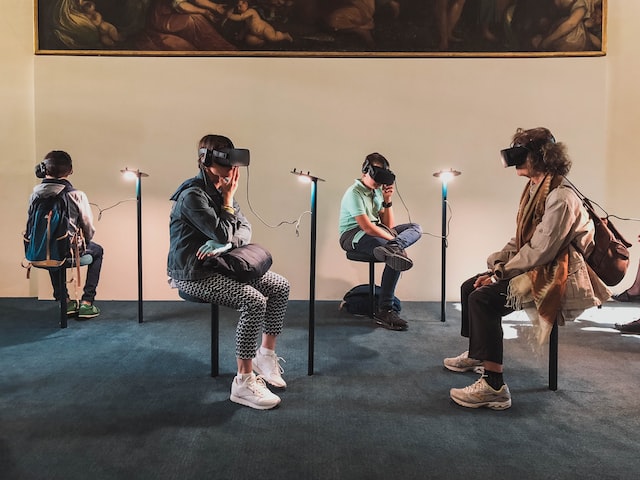
The Impact of Psychological Safety on Innovation Success

The Impact of Psychological Safety on Innovation Success

GUEST POST from Art Inteligencia

In today’s rapidly changing business environment, the ability to innovate has become a crucial differentiator for organizations. However, one indispensable factor that often goes unnoticed is psychological safety. Teams that feel safe to take risks and voice their ideas without fear of retribution are the ones most likely to succeed in driving innovation. This article explores the profound impact of psychological safety on innovation success, supported by two compelling case studies.

What is Psychological Safety?

Psychological safety is a shared belief held by members of a team that it is safe to take interpersonal risks. It was first introduced by Harvard professor Amy Edmondson, who described it as a climate in which people are comfortable expressing and being themselves. The concept is integral for fostering an innovative culture, as it encourages open dialogue, creativity, and the willingness to challenge the status quo.

The Link Between Psychological Safety and Innovation

Organizations that cultivate psychological safety can expect a more engaged, motivated, and innovative workforce. The freedom to fail without fear of humiliation or punishment leads to higher levels of experimentation and risk-taking, both of which are essential for innovation. Several studies have shown a strong correlation between psychological safety and innovation outcomes, making it a non-negotiable element for organizations aiming to stay ahead of the curve.

Case Studies

Case Study 1: Google’s Project Aristotle

Google conducted an extensive research project, code-named Project Aristotle, to identify what makes an effective team. The study revealed that psychological safety was the most significant factor in determining team success.

  • Findings: Teams with high psychological safety were found to be more innovative and effective.
  • Implementation: Google implemented various strategies to foster psychological safety, including encouraging open communication, setting clear expectations, and creating a supportive environment.
  • Outcome: As a result, teams became more collaborative and productive, leading to numerous successful projects and innovations.

Case Study 2: Microsoft’s Culture Transformation

When Satya Nadella became the CEO of Microsoft, he introduced a culture of openness and psychological safety that significantly contributed to the company’s turnaround and innovation success.

  • Findings: Nadella recognized that fostering a growth mindset and a safe environment for risk-taking were crucial for innovation.
  • Implementation: Microsoft launched several initiatives, such as internal hackathons and the “One Week” experiment, which encouraged employees to pitch and develop new ideas.
  • Outcome: This shift led to a surge in creative solutions and innovative products, helping Microsoft reclaim its position as a leading tech company.

Strategies for Building Psychological Safety

  • Encourage Open Communication: Foster an environment where team members feel comfortable sharing their thoughts and ideas without fear of judgment.
  • Promote a Growth Mindset: Encourage learning from mistakes and view them as opportunities for growth rather than failures.
  • Model Vulnerability: Leaders should demonstrate vulnerability by admitting their own mistakes and showing that it’s okay to not have all the answers.
  • Recognize and Reward: Acknowledge and reward innovative thinking and risk-taking to reinforce the value of psychological safety.

Conclusion

Psychological safety is a foundational element for any organization aiming to foster a culture of innovation. The case studies of Google and Microsoft demonstrate that creating an environment where employees feel safe to take risks, voice their ideas, and learn from failures leads to significant innovation success. By implementing strategies to build psychological safety, organizations can unlock the full potential of their teams and thrive in an ever-evolving business landscape.

Bottom line: Futurology is not fortune telling. Futurists use a scientific approach to create their deliverables, but a methodology and tools like those in FutureHacking™ can empower anyone to engage in futurology themselves.

Image credit: Pixabay

Subscribe to Human-Centered Change & Innovation WeeklySign up here to get Human-Centered Change & Innovation Weekly delivered to your inbox every week.

The Future of Healthcare

Innovations in Medical Technology and Personalized Medicine

The Future of Healthcare - Innovations in Medical Technology and Personalized Medicine

GUEST POST from Art Inteligencia

The field of healthcare is undergoing a remarkable transformation, driven by rapid advancements in medical technology and the increasing emphasis on personalized medicine. This article explores the future of healthcare, highlighting key innovations and providing real-world examples of how they are improving patient care and outcomes.

Innovations in Medical Technology

1. Artificial Intelligence and Machine Learning

Artificial Intelligence (AI) and Machine Learning (ML) are revolutionizing healthcare by enabling data-driven decision-making and predictive analytics. These technologies are being applied in various areas, including diagnosis, treatment planning, and patient monitoring.

  • AI-based diagnostic tools can identify patterns in medical images that are invisible to the human eye, leading to earlier and more accurate diagnoses.
  • ML algorithms can predict patient outcomes based on historical data, helping healthcare providers tailor treatment plans.

2. Telemedicine

The COVID-19 pandemic accelerated the adoption of telemedicine, a technology that enables remote consultation and treatment. Telemedicine has become an essential tool for providing healthcare to patients who cannot visit a clinic in person.

  • Virtual consultations allow doctors to reach patients in remote or under-served areas.
  • Remote monitoring devices enable continuous tracking of chronic conditions, reducing the need for frequent hospital visits.

Case Study: IBM Watson Health

IBM Watson Health has developed an AI-powered platform that assists oncologists in diagnosing and treating cancer. By analyzing vast amounts of data from medical literature and patient records, Watson provides evidence-based treatment recommendations, enhancing the decision-making process for healthcare providers.

Personalized Medicine

Personalized medicine aims to tailor medical treatment to the individual characteristics of each patient. This approach considers genetic, environmental, and lifestyle factors to design more effective and targeted therapies.

1. Genomic Medicine

Genomic medicine involves the use of genetic information to guide clinical care. Advances in genome sequencing technology have made it possible to identify genetic mutations associated with various diseases and conditions.

  • Patients can receive treatments that are specifically designed to target their unique genetic profiles.
  • Genetic testing can reveal an individual’s predisposition to certain diseases, allowing for preventative measures.

2. Pharmacogenomics

Pharmacogenomics combines pharmacology and genomics to understand how an individual’s genetic makeup affects their response to medications. This field is critical in developing personalized drug therapies.

  • Patients can be prescribed medications that are most likely to be effective based on their genetic makeup.
  • This approach reduces the risk of adverse drug reactions and increases treatment efficacy.

Case Study: 23andMe

23andMe is a consumer genetics and research company that provides direct-to-consumer genetic testing services. Through its platform, individuals can learn about their genetic predispositions to various health conditions and traits. This information empowers users to make proactive decisions about their health and wellness.

Conclusion

The future of healthcare is bright, with innovations in medical technology and personalized medicine poised to transform the industry. Artificial Intelligence, telemedicine, genomic medicine, and pharmacogenomics are just a few examples of the advancements that are improving patient care and outcomes. As these technologies continue to evolve, they hold the promise of a more effective, efficient, and personalized approach to healthcare.

Bottom line: Futurology is not fortune telling. Futurists use a scientific approach to create their deliverables, but a methodology and tools like those in FutureHacking™ can empower anyone to engage in futurology themselves.

Image credit: Pixabay

Subscribe to Human-Centered Change & Innovation WeeklySign up here to get Human-Centered Change & Innovation Weekly delivered to your inbox every week.

Building a Change-ready Culture

Key Elements to Foster Organizational Agility

Building a Change-ready Culture

GUEST POST from Art Inteligencia

In today’s fast-paced and highly competitive business environment, the ability to adapt and respond quickly to change has become crucial for organizational success. Building a change-ready culture is paramount, as it enables companies to embrace and navigate disruption, seize opportunities, and stay ahead of the curve. This article outlines the key elements necessary to foster organizational agility, supported by two case studies that demonstrate the effectiveness of these strategies.

1. Shared Purpose and Vision:

One of the fundamental elements of building a change-ready culture is establishing a shared purpose and vision throughout the organization. When employees understand the why behind their work, they become more invested and committed to embracing change. A clear purpose and well-communicated vision provide a strong foundation for aligning efforts and creating a common sense of direction.

Case Study 1: Zappos

Zappos, the online footwear and clothing retailer, is renowned for its customer-centric culture. To foster organizational agility, Zappos CEO Tony Hsieh instilled a strong sense of purpose by promoting the company’s core values, which include delivering wow through service, embracing and driving change, and creating fun and a little weirdness. By building a change-ready culture, Zappos consistently evolves to meet customer needs and thrives in the ever-changing e-commerce landscape.

2. Transparent Communication and Collaboration:

Transparent communication is critical for an agile organization. Leaders must be open and honest about the need for change and its potential impact on employees. Encouraging feedback and creating platforms for collaboration empowers employees to contribute innovative ideas and adapt to new challenges collectively. Open communication channels build trust and foster a sense of psychological safety that supports a change-ready culture.

Case Study 2: Google

Google, renowned for its innovation and agility, emphasizes transparency and open communication. Google’s famous “TGIF” meetings, where employees ask candid questions directly to the CEOs and discuss company updates, serve as a platform for transparent communication. By fostering a culture of open dialogue, Google has created an environment where change is not only expected but also embraced, leading to continuous innovation and growth.

3. Empowerment and Continuous Learning:

To foster an agile organization, it is crucial to empower employees by providing autonomy, fostering a learning culture, and supporting professional growth. Empowered employees are more likely to adapt quickly to change, take ownership of their work, and proactively seek innovative solutions. Continuous learning ensures that employees have the skills and knowledge necessary to navigate evolving circumstances effectively.

Case Study 3: Netflix

Netflix, the renowned online streaming giant, has successfully built an agile culture that embraces change. The company promotes a “freedom and responsibility” culture, granting employees the autonomy to make decisions without seeking approval from higher-ups. This empowerment, combined with a strong focus on continuous learning and development, has allowed Netflix to successfully pivot its business model multiple times and innovate in the highly competitive entertainment industry.

Conclusion

Building a change-ready culture is no longer a choice but a necessity for organizations in today’s dynamic business landscape. By establishing a shared purpose and vision, promoting transparent communication and collaboration, and empowering employees through continuous learning, organizations can foster agility and adaptability. The case studies of Zappos, Google, and Netflix provide actionable insights on how these strategies can be effectively implemented. By embracing and nurturing an agile culture, organizations can thrive, stay ahead of the competition, and create a path to long-term success.

Bottom line: Futurology is not fortune telling. Futurists use a scientific approach to create their deliverables, but a methodology and tools like those in FutureHacking™ can empower anyone to engage in futurology themselves.

Image credit: Unsplash

Subscribe to Human-Centered Change & Innovation WeeklySign up here to get Human-Centered Change & Innovation Weekly delivered to your inbox every week.

Augmented Reality in Automotive Industry

Rethinking Customer Engagement

Augmented Reality in Automotive Industry

GUEST POST from Art Inteligencia

In recent years, the automotive industry has witnessed a significant shift towards embracing digital technologies to enhance customer engagement. Among these technologies, augmented reality (AR) stands out as a powerful tool reshaping the way automotive companies connect with their customers. By seamlessly merging the physical and digital worlds, AR is transforming the traditional automotive ownership journey into an immersive and personalized experience. In this thought leadership article, we will explore the potential of AR in the automotive industry, highlighting its impact and presenting two compelling case studies that demonstrate how AR is redefining customer engagement.

Case Study 1: Porsche AR Visualizer App

Porsche, renowned for its luxurious sports cars, sought to elevate customer engagement by enabling potential buyers to experience their dream cars in an unprecedented way. To achieve this, Porsche introduced the Porsche AR Visualizer App, leveraging augmented reality technology. The app allows users to project a virtual, life-sized Porsche vehicle into their real-world surroundings using their smartphones. Prospective buyers can explore different Porsche models, customize colors, wheels, and other specifications, and even virtually sit in the driver’s seat to imagine themselves behind the wheel. By providing an immersive and interactive experience, Porsche’s AR Visualizer App offers customers a unique opportunity to engage with their desired car, amplifying their emotional connection and ultimately influencing their purchasing decision.

Case Study 2: Ford’s Virtual Reality Showroom

Ford recognized the potential of augmented reality to redefine the automotive showroom experience. In collaboration with Gravity Sketch, a virtual reality (VR) and design company, Ford introduced a virtual showroom concept that allows customers to explore and customize virtual car models using AR and VR technologies. This immersive experience enables prospective buyers to visualize various Ford car designs, tailor features, and test drive them in a virtual environment. The virtual reality showroom offers a customer-centric approach, fostering engagement and allowing users to make informed purchase decisions based on a personalized and interactive experience. Ford’s implementation of AR and VR technologies in their showroom not only modernizes the car-buying experience but also provides customers with a better understanding of the brand’s offerings.

Impacts and Benefits of AR in the Automotive Industry:

1. Enhanced Customer Engagement: AR technology empowers customers to engage with automotive brands on a whole new level. By creating immersive and interactive experiences, AR applications allow users to visualize products, customize features, and even test drive vehicles before making a purchase. This heightened engagement leads to increased emotional connection and brand loyalty.

2. Personalized Product Experience: AR enables customers to personalize their product experiences by virtually customizing different aspects of the vehicle, such as colors, interiors, and accessories. This customization feature enables automotive companies to cater specifically to individual preferences, leading to higher customer satisfaction and a sense of ownership.

3. Reduced Purchase Anxiety: Augmented reality facilitates a transparent and informed decision-making process. By allowing customers to visualize and interact with virtual car models, AR mitigates anxiety related to choosing the right car. Customers can experiment with different options and configurations, empowering them to make confident purchase decisions.

Conclusion

The automotive industry is witnessing a dramatic transformation in the way customer engagement is approached, thanks to augmented reality. By leveraging AR technologies, companies like Porsche and Ford have redefined the purchasing journey, creating immersive and personalized experiences that drive emotional connections with their customers. The impacts of AR in the automotive industry, as demonstrated by the case studies presented, include enhanced engagement, personalized experiences, and reduced purchase anxiety. Embracing augmented reality has become an imperative for automotive companies that seek to stay ahead in this digitally empowered era. Through AR, the automotive industry is reinventing customer engagement, paving the way for a future where technology seamlessly integrates with the joy of driving.

Bottom line: Futurology is not fortune telling. Futurists use a scientific approach to create their deliverables, but a methodology and tools like those in FutureHacking™ can empower anyone to engage in futurology themselves.

Image credit: Pixabay

Subscribe to Human-Centered Change & Innovation WeeklySign up here to get Human-Centered Change & Innovation Weekly delivered to your inbox every week.

Overcoming the Challenges of Remote Collaboration

Best Practices

Overcoming the Challenges of Remote Collaboration

GUEST POST from Art Inteligencia

In the wake of the COVID-19 pandemic, remote collaboration has become the new norm for organizations worldwide. With teams scattered across different regions and time zones, businesses face unique challenges in maintaining productivity, fostering effective communication, and cultivating a sense of unity and shared purpose. In this article, we explore best practices to overcome the obstacles of remote collaboration, supported by real-world case study examples.

Case Study 1: Automating Workflows for Seamless Collaboration

The problem:
A prominent marketing agency, XYZ Inc., had a dispersed team working on numerous client projects simultaneously. Managing multiple projects across various time zones and coordinating deliverables became increasingly challenging, resulting in missed deadlines and miscommunication.

The solution:
Implementing a centralized project management solution played a transformative role in overcoming the barriers XYZ Inc. faced. The agency streamlined their workflows and established clear channels for communication using project management tools like Asana, Trello, or Monday.com. By utilizing shared task boards, team members could easily track progress, provide input, and access up-to-date project information. These tools automated notifications, eliminating unnecessary back-and-forth and ensuring everyone stayed aligned and on track.

The outcome:
The implementation of automated workflows significantly reduced confusion, improved accountability, and enhanced communication within the team. Consequently, XYZ Inc. experienced a significant decrease in missed deadlines, leading to improved client satisfaction and better overall team morale.

Case Study 2: Cultivating a Collaborative Culture in a Remote Workforce

The problem:
A software development company, ABC Tech, transitioned to a fully remote workforce due to the pandemic. However, they faced difficulties in fostering collaboration, maintaining team spirit, and replicating the valuable spontaneous interactions that occurred in the office.

The solution:
Recognizing the need for a strong company culture, ABC Tech implemented various initiatives to foster collaboration and engagement among remote employees. They regularly organized virtual team-building activities such as online games, video conferences, and virtual coffee breaks. Additionally, ABC Tech established virtual water cooler channels on their messaging platforms, encouraging casual conversations and idea exchanges.

The outcome:
By actively promoting a collaborative culture, ABC Tech successfully managed to maintain a sense of unity among its remote workforce. These initiatives resulted in increased camaraderie, boosted morale, and even sparked new ideas and collaborations between team members who might otherwise have limited interaction.

Conclusion

Remote collaboration presents unique challenges, but with the right approach, organizations can overcome them and thrive in the decentralized work environment. The case studies of XYZ Inc. and ABC Tech demonstrate the effectiveness of implementing centralized project management tools and cultivating a collaborative culture.

By utilizing automation and establishing clear communication channels, businesses can streamline workflows, improve productivity, and reduce miscommunication. Simultaneously, initiatives aimed at fostering employee engagement and replicating the benefits of in-person interactions ensure teams remain connected and driven towards shared goals.

With the lessons learned from these case studies, organizations can embrace remote collaboration with confidence, armed with the best practices to overcome its challenges and unlock the full potential of their virtual teams.

Bottom line: Futurology is not fortune telling. Futurists use a scientific approach to create their deliverables, but a methodology and tools like those in FutureHacking™ can empower anyone to engage in futurology themselves.

Image credit: Pixabay

Subscribe to Human-Centered Change & Innovation WeeklySign up here to get Human-Centered Change & Innovation Weekly delivered to your inbox every week.