
Category Archives: Leadership

Scaling Human-Centered Design

Best Practices for Growth and Expansion

Scaling Human-Centered Design

GUEST POST from Chateau G Pato

In today’s fast-paced, ever-evolving market landscape, human-centered design (HCD) has emerged as a bright guiding star for organizations striving to create products, services, and experiences that resonate deeply with their users. However, scaling HCD practices across large, distributed teams, or during periods of rapid growth, presents unique challenges.

To successfully expand your HCD capabilities while preserving their core principles, it’s crucial to follow certain best practices. In this article, we’ll explore these best practices through insightful case studies of organizations that have effectively scaled HCD.

Understanding Human-Centered Design

Human-centered design is a creative approach to problem-solving that starts with an understanding of the needs and experiences of the people you’re designing for. The process often involves the following stages:

  1. Empathize – Understand your users and their needs.
  2. Define – Clearly articulate the problem you are solving.
  3. Ideate – Generate a wide range of solutions.
  4. Prototype – Build tangible representations for a range of your ideas.
  5. Test – Iterate and refine your solutions based on user feedback.

Best Practices for Scaling Human-Centered Design

Scaling HCD requires more than just integrating it into your workflows. It involves a cultural shift, investment in education, and effective tools and processes. Here are some key best practices:

1. Institutionalize a User-Centric Culture

  • Leadership Buy-in: Leaders should be vocal advocates for HCD, encouraging its methods and principles throughout the organization.
  • Cross-functional Teams: Embed HCD practitioners within cross-functional teams to ensure diverse perspectives and holistic solutions.
  • Celebration of Wins: Recognize and celebrate successful HCD projects to reinforce its value.

2. Develop Robust Training Programs

  • Workshops and Bootcamps: Regularly offer training sessions to enhance skills and spread HCD knowledge.
  • Mentorship Programs: Pair less experienced staff with HCD experts to provide on-the-job learning opportunities.
  • Online Resources: Create a repository of HCD tools, templates, and case studies that employees can access anytime.

3. Implement Repeatable Processes and Tools

  • Design Systems: Develop and maintain a design system to ensure consistency across products.
  • Journey Mapping: Use journey maps to visualize and communicate user experiences.
  • Feedback Loops: Establish consistent feedback mechanisms to quickly iterate on designs.

Case Study: IBM – From Design Thinking to Enterprise-wide HCD

IBM is a prime example of a company that scaled HCD across its massive, global organization. The company’s transformation started with the adoption of design thinking principles in 2012. Here’s how they did it:

Cultural Transformation

IBM understood that scaling HCD would require a cultural overhaul. They appointed over 1,000 design leaders across various divisions, ensuring that teams had dedicated advocates for HCD practices. Leadership reinforced the value of design thinking by integrating it into the company’s overall strategic goals.

Training and Tools

IBM invested heavily in training, creating IBM Design Thinking, a scalable framework for design thinking with resources accessible to all employees. They developed the “Loop” model, emphasizing continuous user feedback and iteration, which helped embed HCD into the DNA of their operations.

Results

As a result, IBM saw significant improvements in user satisfaction and a faster time-to-market for their products. The embracement of HCD enabled IBM to stay competitive and innovative in a rapidly changing tech landscape.

Case Study: Airbnb – Building an HCD Culture through Storytelling and Visualization

Airbnb illustrates how storytelling and visualization can drive the adoption of HCD at scale.

Storytelling

Airbnb’s founders began by listening to user stories to understand their needs deeply. This storytelling approach became a foundational element of their HCD practice, making user experiences tangible and relatable for the entire team.

Visualization with Experience Maps

Airbnb created detailed experience maps that visualized the journey of users from start to finish, allowing teams to identify pain points and opportunities for improvement. These visual tools helped communicate the importance of HCD to non-designers and facilitated cross-functional collaboration.

Results

By embedding storytelling and visualization in their HCD efforts, Airbnb could continuously innovate and refine their platform based on real user insights. This approach significantly contributed to their rapid growth and global success.

Conclusion

Scaling human-centered design is both an art and a science. It requires a concerted effort to foster a user-centered culture, invest in employee education, and implement robust processes and tools. By learning from the experiences of companies like IBM and Airbnb, organizations can navigate the complexities of growth while maintaining an unwavering focus on their users.

Human-centered design, when scaled effectively, not only drives innovation but also ensures that growth is rooted in genuine user needs and experiences. As you embark on your scaling journey, remember: empathy, education, and iteration are your greatest allies.

Human-Centered Change and Innovation is embracing the heart of innovation, one user at a time.

SPECIAL BONUS: The very best change planners use a visual, collaborative approach to create their deliverables. A methodology and tools like those in Change Planning Toolkit™ can empower anyone to become great change planners themselves.

Image credit: Pexels

Subscribe to Human-Centered Change & Innovation WeeklySign up here to get Human-Centered Change & Innovation Weekly delivered to your inbox every week.

The Power of Storytelling in Change Leadership

The Power of Storytelling in Change Leadership

GUEST POST from Chateau G Pato

Change is an inevitable part of organizational growth and development. Yet, despite its necessity, change often meets with resistance. As a human-centered change and innovation thought leader, I’ve come to understand that the art of storytelling can be a formidable tool in leading and sustaining change initiatives. Let me share with you why storytelling is so potent in this context and provide real-world cases where narrative power transformed organizational landscapes.

Understanding Storytelling in Change Leadership

Storytelling in change leadership is about crafting and sharing narratives that encapsulate the vision, mission, and progress of change. Stories have an innate ability to make abstract concepts tangible and relatable, which helps to inspire, persuade, and rally people around a common cause.

Why is Storytelling Effective?

  • Emotional Connection – Stories evoke emotions, which are crucial for inspiring action. Emotional engagement can motivate people more powerfully than logic or data alone.
  • Simplifying Complexities – Organizational changes are often complex. Narratives help distill these complexities into understandable and manageable segments.
  • Creating Shared Understanding – Through storytelling, diverse groups within an organization can develop a shared understanding and commitment to the change process.
  • Preserving Organizational Memory – Narratives help in capturing lessons learned and crucial moments, preserving the organization’s collective memory and facilitating future initiatives.

Case Study 1: IBM’s Turnaround with Lou Gerstner

Background

In the early 1990s, IBM faced a severe crisis. The company was on the brink of breaking up into smaller, autonomous units due to declining profits. Lou Gerstner was brought in as CEO to steer IBM back to stability.

The Role of Storytelling

Gerstner used storytelling to reshape IBM’s identity and strategy:

  • Crafting a New Vision – Through compelling narratives, Gerstner communicated a bold vision of a united IBM that could offer integrated solutions to clients—departing from the idea of breaking the company up.
  • Personal Engagement – He shared stories of his personal interactions with clients and employees to convey the need for responsive and customer-centered innovation. These stories highlighted the consequences of remaining fragmented and the benefits of cohesive operations.
  • Revitalizing Culture – Gerstner’s stories focused on a cultural shift from a hardware-centric mindset to a service-oriented one. His consistent messaging created a shared understanding and communal drive across IBM’s global workforce.

Outcomes

Through these narratives, Gerstner succeeded in aligning the workforce with the new, unified strategy. IBM managed to regain its foothold in the industry, pivoting into services and consulting, which remain critical revenue streams to this day.

Case Study 2: Procter & Gamble’s (P&G) Cultural Transformation

Background

In the early 2000s, P&G faced stagnation. Aging brands and lost market share became primary concerns. A.G. Lafley took the helm as CEO with a vision to rejuvenate the corporate culture and accelerate innovation.

The Role of Storytelling

Lafley utilized storytelling as a key method to ignite change:

  • Connecting to Purpose – Lafley often shared stories about P&G’s storied history, reminding employees about innovative breakthroughs and the company’s mission to improve consumer lives.
  • Success Stories – By highlighting past and ongoing success stories, Lafley demonstrated the power of collaboration and innovation. These stories celebrated employee contributions and showcased the tangible benefits of P&G’s efforts on the end-consumer.
  • Story-Driven Communication – Lafley integrated storytelling into day-to-day communications, using it to clarify strategic objectives and instill a sense of purpose in every division of the company.

Outcomes

The consistent narrative connected employees to a common purpose, and P&G saw a renaissance in innovation. The cultural shift led to the revival of several key brands and introduced successful new products to the market, ultimately reviving P&G’s growth trajectory.

Implementing Storytelling in Your Organization

Steps to Get Started

  • Identify Core Messages – Determine the key themes and messages that need to be conveyed.
  • Seek Authentic Stories – Look for genuine instances within the organization that illustrate these messages.
  • Engage Employees – Encourage employees to share their own stories, fostering a culture of inclusion and participation.
  • Use Multiple Channels – Disseminate stories through various platforms – meetings, newsletters, videos, and social media.

Best Practices

  • Be Consistent: Regularly reinforce the core messages through your stories.
  • Keep it Relatable: Ensure that stories are relevant to the audience’s experiences.
  • Be Honest: Authenticity builds trust, an essential component of effective change leadership.

Conclusion

Storytelling isn’t just a means of communication; it’s a crucial strategy in change leadership. By connecting emotionally, simplifying complexities, and creating shared understanding, leaders can guide their organizations through transformation journeys more effectively. The success stories of IBM and P&G illustrate the transformative power of well-crafted narratives. As you lead your organization through change, remember that every interaction is an opportunity to tell a story that resonates and inspires.

Final Thought

Embrace the power of storytelling in your leadership approach, and watch how it fosters a more engaged, resilient, and forward-moving organization.

SPECIAL BONUS: The very best change planners use a visual, collaborative approach to create their deliverables. A methodology and tools like those in Change Planning Toolkit™ can empower anyone to become great change planners themselves.

Image credit: misterinnovation.com

Subscribe to Human-Centered Change & Innovation WeeklySign up here to get Human-Centered Change & Innovation Weekly delivered to your inbox every week.

Building Resilient Organizations

Strategies for Designing Agile and Resilient Organizations that can Effectively Navigate Industry Disruptions

Building Resilient Organizations

GUEST POST from Chateau G Pato

In today’s fast-paced and ever-evolving business landscape, organizations face continuous disruptions that challenge their ability to remain competitive and thrive. To navigate these disruptions successfully, organizations must prioritize resilience and agility. By designing resilient organizations that can adapt and respond effectively, leaders can better position their businesses to weather industry disruptions and emerge stronger. In this article, we will explore strategies that can help build agile and resilient organizations, showcasing two compelling case studies that demonstrate their practical application.

1. Embracing a Culture of Adaptability:

A resilient organization begins with a resilient culture. Companies that foster a mindset of adaptability and continuous learning are better equipped to navigate industry disruptions. Organizations must first assess their current culture and identify areas in need of improvement. By encouraging innovation, risk-taking, and employee empowerment, businesses can build an environment that promotes flexibility and agility.

Case Study 1: Netflix

Netflix, originally a DVD rental service, recognized the shift in consumer behavior towards streaming services. Instead of resisting the change, Netflix embraced the disruption by evolving into a leading provider of online content. By prioritizing adaptability and empowering employees to experiment and take risks, Netflix capitalized on the opportunity to transform its business model, ultimately becoming one of the most influential disruptors in the entertainment industry.

2. Developing Robust Strategic Planning:

Strategic planning is essential for building resilient organizations. Effective planning allows businesses to anticipate disruptions, make proactive decisions, and quickly adapt to market shifts. Organizations must be willing to challenge conventional thinking, explore alternative scenarios, and foster an environment that supports experimentation.

Case Study 2: Amazon

Amazon’s journey from an online bookstore to a global retail giant serves as a testament to the company’s strategic planning capabilities. Amazon consistently invests in innovation, technology, and supply chain optimization to maintain a competitive edge. By staying ahead of industry disruptions, Amazon successfully integrated new business models like marketplace platforms and cloud computing, ensuring long-term sustainability.

3. Building Collaborative Networks:

In an increasingly interconnected business world, organizations cannot thrive in isolation. Resilient organizations actively cultivate partnerships, collaborations, and networks that allow them to leverage shared knowledge, resources, and expertise. Building strong relationships with suppliers, customers, and industry players fosters resilience by enhancing access to valuable information and enabling collaboration during times of disruption.

Conclusion

Building resilient organizations is vital to navigating industry disruptions successfully. By embracing a culture of adaptability, establishing robust strategic planning processes, and cultivating collaborative networks, businesses can enhance their resilience and fortify their ability to thrive amid uncertainty. The case studies of Netflix and Amazon exemplify these strategies’ effectiveness, showcasing how organizations that prioritize agility and resilience can not only survive but also lead industry disruptions. By leveraging these approaches, organizations can position themselves as catalysts for positive change and build a future-ready business ecosystem.

SPECIAL BONUS: The very best change planners use a visual, collaborative approach to create their deliverables. A methodology and tools like those in Change Planning Toolkit™ can empower anyone to become great change planners themselves.

Image credit: Pixabay

Subscribe to Human-Centered Change & Innovation WeeklySign up here to get Human-Centered Change & Innovation Weekly delivered to your inbox every week.

Empowering Employees: Encouraging Autonomy to Foster Creativity

Empowering Employees: Encouraging Autonomy to Foster Creativity

GUEST POST from Art Inteligencia

In today’s fast-paced and complex business landscape, nurturing employee creativity has become vital for organizations to stay ahead of the competition. Encouraging autonomy among employees plays a crucial role in harnessing their creative potential and driving innovation. By granting employees the freedom to make decisions, take ownership, and explore new avenues, organizations can create an environment that fosters a culture of creativity. This thought leadership article aims to explore the benefits of empowering employees and illustrate its effectiveness through two compelling case studies.

Case Study 1: Google’s “20% Time” Philosophy

Perhaps one of the most famous examples of empowering employees to foster creativity is Google’s “20% Time” policy. In 2004, Google introduced this initiative, allowing employees to dedicate 20% of their working hours to pursue personal projects unrelated to their assigned tasks. This policy removed bureaucratic constraints and empowered employees to delve into their passions and ideas. As a result, iconic products like Gmail and Google Maps were born during these allotted hours. Encouraging autonomy and providing a platform for employee creativity has proven to be a game-changer for Google, fueling its reputation as an innovative tech giant.

The success of the “20% Time” philosophy lies in granting employees the freedom to explore and experiment without fear of failure. This autonomy builds a sense of ownership, accountability, and intrinsic motivation within the workforce. By investing in employee autonomy, Google demonstrated that empowering employees can lead to groundbreaking innovations and foster a culture of sustained creativity.

Case Study 2: Pixar’s Collaborative Autonomy

Pixar Animation Studios serves as another outstanding example of empowering employees and nurturing autonomy to unlock creativity. Known for its exceptional storytelling and groundbreaking animations, Pixar encourages its employees to actively contribute and take ownership of their projects. Animators, writers, and creative minds are given the freedom to make meaningful decisions, shaping the overall outcome of their work.

Pixar’s film “Toy Story” serves as a remarkable case study. Director John Lasseter empowered his team to contribute ideas, take risks, and challenge conventions throughout the creative process. By fostering a culture of individual and collective autonomy, Pixar cultivated an environment where creativity thrived. This approach allowed the team to push boundaries, resulting in a critically acclaimed and commercially successful film that revolutionized the animation industry.

Lessons Learned and Strategies for Organizations:

The case studies of Google and Pixar illustrate the significant advantages of empowering employees to foster creativity within organizations. To apply these lessons effectively, organizations can consider the following strategies:

1. Encourage experimentation and risk-taking: Provide employees with the freedom to experiment, make decisions, and learn from failures. Organizations should view failures as opportunities for growth and encourage the sharing of lessons learned.

2. Provide platforms for idea exchange: Create spaces where employees can collaborate, share ideas, and contribute to the company’s creative goals. Platforms such as brainstorming sessions, cross-functional teams, and digital collaboration tools can fuel innovation and foster a creative ecosystem.

3. Foster a growth mindset: Encourage continuous learning and development by supporting employees in acquiring new skills and knowledge. Provide resources and training opportunities that enable individuals to stretch their creative abilities further.

4. Recognize and celebrate creativity: Establish recognition programs that celebrate and reward employees’ creative contributions. This appreciation reinforces the value of autonomy and empowers employees to continue pushing the boundaries of creativity.

Conclusion

Empowering employees and promoting autonomy can invigorate creativity and innovation within organizations. The case studies of Google’s “20% Time” philosophy and Pixar’s collaborative autonomy demonstrate the tremendous benefits that result from nurturing creativity within the workforce. By implementing strategies that encourage experimentation, idea exchange, a growth mindset, and recognition, organizations can create an environment where employees feel empowered to unleash their creative potential. Embracing and fostering autonomy will not only drive innovation but also lead to a more engaged and committed workforce, ultimately propelling organizations toward sustainable success in an increasingly competitive marketplace.

Bottom line: Futurology is not fortune telling. Futurists use a scientific approach to create their deliverables, but a methodology and tools like those in FutureHacking™ can empower anyone to engage in futurology themselves.

Image credit: Pexels

Subscribe to Human-Centered Change & Innovation WeeklySign up here to get Human-Centered Change & Innovation Weekly delivered to your inbox every week.

Fostering a Growth Mindset to Fuel Innovation

Fostering a Growth Mindset to Fuel Innovation

GUEST POST from Art Inteligencia

In today’s rapidly evolving business landscape, the ability to innovate has quickly risen to the top of organizational priorities. Companies worldwide are incessantly seeking that elusive competitive edge, and more often than not, they discover that their success hinges not on technology or process changes alone, but on the mindset of their people. A growth mindset, the belief that abilities and intelligence can be developed through dedication and hard work, has become synonymous with innovation and business success.

Why a Growth Mindset Matters

A growth mindset creates a fertile environment where creativity, resilience, and a willingness to take risks can flourish. When employees believe that their talents can be nurtured and expanded, they are more likely to:

  • Embrace challenges rather than avoid them.
  • Persist in the face of setbacks instead of giving up.
  • See effort as a path to mastery and not as a futile endeavor.
  • Learn from criticism rather than ignore it.
  • Find lessons and inspiration in the success of others rather than feeling threatened.

The Role of Leadership

Leadership plays a pivotal role in fostering a growth mindset within an organization. Leaders must model growth-oriented behaviors and create an atmosphere where employees feel safe to experiment, fail, and learn. To illustrate how transformative leadership can nurture a growth mindset, let’s explore two case studies.

Case Study 1: Microsoft’s Cultural Transformation

Starting Point

When Satya Nadella became CEO of Microsoft in 2014, he inherited a company struggling with internal silos, stagnation, and a fixed mindset. The company’s ‘know-it-all’ culture was inhibiting collaboration and stifling innovation.

Action Steps

Nadella embarked on a mission to reboot Microsoft’s organizational culture by instilling a growth mindset throughout the company. Key initiatives included:

  • Redefining Leadership Principles: Nadella emphasized empathy, learning, and openness. He encouraged leaders to listen, understand different perspectives, and continuously seek feedback.
  • Promoting Continuous Learning: Microsoft invested in learning programs and tools, such as LinkedIn Learning, to promote continual professional development.
  • Incentivizing Collaboration: The company restructured their performance evaluation system to reward team achievements and cooperative behaviors rather than individual accomplishments alone.
  • Encouraging Risk-Taking: Nadella focused on creating a safe environment for experimentation, where failures were seen as learning opportunities.

Outcome

Within a few years, Microsoft’s culture transformed. The shift to a growth mindset allowed the company to improve innovation significantly, resulting in game-changing products like Azure and significant improvements in existing services like Office 365. Microsoft’s market value soared, reaffirming the power of a growth mindset to fuel innovation.

Case Study 2: Adobe’s “Kickbox” Program

Starting Point

Adobe, a powerhouse in software for creative professionals, faced the challenge of rapid technological change and increasing competition. To maintain its edge, Adobe needed to stimulate creativity and innovation from within.

Action Steps

Adobe introduced the “Kickbox” initiative to empower employees at all levels to innovate. The program consists of:

  • Red and Blue Boxes: Employees received a “red box” containing a prepaid credit card with $1,000, notebooks for ideas, and a step-by-step innovation process guide. Successful projects would then move to a “blue box” stage, receiving more resources and support.
  • Structured Framework: The Kickbox came with a six-level framework guiding employees through the innovation journey, from initial idea to potential implementation.
  • Self-Driven Projects: Employees were encouraged to take time away from their regular roles to work on their projects, ensuring they could focus entirely on innovation.
  • Democratizing Innovation: Adobe democratized the innovation process by making Kickbox available to everyone, not just those in designated R&D roles.

Outcome

The Kickbox initiative led to the surfacing of countless creative projects and ideas, several of which turned into successful products and features. Moreover, employees felt more engaged and motivated, contributing to a culture where innovation was part of the everyday fabric.

Key Takeaways for Leaders

To foster a growth mindset and drive innovation, consider these critical steps:

  • Encourage Lifelong Learning: Promote continuous learning and personal growth through professional development resources and opportunities.
  • Emphasize Effort Over Talent: Recognize and reward hard work, curiosity, and resilience rather than just innate talent or performance outcomes.
  • Model Growth-Oriented Behaviors: Leaders should exhibit behaviors reflecting a growth mindset, including a willingness to take risks and learn from their mistakes.
  • Remove Fear of Failure: Cultivate an environment where employees feel safe to fail, learn, and try again.
  • Support Cross-Functional Collaboration: Break down silos and encourage team-based problem-solving and idea sharing.

Conclusion

Fostering a growth mindset is not a mere checkbox on an organizational to-do list; it’s a transformative journey that permeates every level of a company. By embracing this philosophy, leaders can unlock boundless innovation potential, creating a vibrant, forward-thinking culture poised for sustainable success.

Bottom line: Futurology is not fortune telling. Futurists use a scientific approach to create their deliverables, but a methodology and tools like those in FutureHacking™ can empower anyone to engage in futurology themselves.

Image credit: Pixabay

Subscribe to Human-Centered Change & Innovation WeeklySign up here to get Human-Centered Change & Innovation Weekly delivered to your inbox every week.

Leading Change in Times of Crisis

Lessons from Change Leaders

Leading Change in Times of Crisis: Lessons from Change Leaders

GUEST POST from Chateau G Pato

Change is an inevitable part of organizational life, but it becomes particularly crucial during times of crisis. The ability to pivot, adapt, and lead effectively in turbulent times can make or break an organization. Crises test the mettle of leaders, forcing them to navigate through uncertainty, inspire their teams, and translate chaos into opportunities for growth. In this article, we delve into powerful lessons from exemplary change leaders who have steered their organizations through tumultuous times. By examining these cases, we aim to provide practical insights and tactics for leading change effectively.

The Anatomy of Effective Crisis Leadership

Leading change in times of crisis requires a distinct set of skills and approaches. Here are some foundational principles beyond the typical leadership competencies:

  • Communication: Clear, transparent, and frequent communication is essential. Maintaining a steady flow of information helps in managing fears and rumors.
  • Empathy: Understanding and addressing the emotional and psychological needs of employees can foster resilience and solidarity.
  • Agility: The ability to swiftly adapt strategies and operations in response to rapidly changing circumstances.
  • Decision-making: Making tough decisions quickly and effectively, often with incomplete information.
  • Vision: Providing a hopeful, inspiring vision for the future to rally people around a common goal.
  • Delegation: Leveraging the strengths and expertise of the team to take decisive action.

Case Study 1: Johnson & Johnson – Navigating the Tylenol Crisis

One of the most frequently cited examples of exemplary crisis management is Johnson & Johnson’s response to the Tylenol poisoning crisis in 1982. When seven people died after consuming cyanide-laced Tylenol capsules, Johnson & Johnson faced a catastrophic challenge that could have destroyed consumer trust and derailed the company.

Actions Taken:

  • Immediate Response: Upon discovering the crisis, Johnson & Johnson immediately recalled 31 million bottles of Tylenol, risking massive financial loss.
  • Transparency: The company maintained open lines of communication with the public, media, and regulatory bodies. They provided regular updates and took full responsibility.
  • Public Safety First: The company prioritized public safety over profit by introducing tamper-proof packaging, which later became an industry standard.
  • Regaining Trust: Johnson & Johnson launched a campaign to restore public trust, demonstrating their commitment to consumer safety. They offered discounts, engaged in direct communication with consumers, and ensured a robust product return policy.

Lessons Learned:

  • Proactive Decision-Making: Johnson & Johnson’s rapid, decisive action mitigated further risk and set a precedent for product safety.
  • Trust Through Transparency: Open communication built trust and credibility, essential during a crisis.
  • Innovation in Response: Introducing tamper-proof packaging showed a commitment to resolving the root cause, not just the symptoms.

Case Study 2: Airbnb – Adapting to the COVID-19 Pandemic

The COVID-19 pandemic brought unprecedented challenges to the travel and hospitality industry. Airbnb, heavily reliant on global travel, faced a potential existential crisis as travel restrictions and lockdowns led to an unprecedented drop in bookings.

Actions Taken:

  • Quick Pivot: Airbnb quickly adapted its business model by shifting focus to local stays and long-term rentals. They identified new use cases like working from remote locations, quarantining, and local getaways.
  • Cost-Cutting Measures: The company made the difficult decision to lay off approximately 25% of its workforce, aiming to sustain the business long-term.
  • Enhanced Safety Protocols: Airbnb introduced new health and safety standards to reassure guests and hosts, including a 5-step enhanced cleaning process.
  • Community Support: Airbnb created a $250 million fund to support hosts affected by cancellations and provided financial support to its Superhosts struggling with mortgage payments.
  • Future Vision: CEO Brian Chesky communicated a transparent and inspiring vision, emphasizing a return to the company’s core values and a focus on providing unique, localized travel experiences.

Lessons Learned:

  • Agility in Business Model: Airbnb’s swift pivot to adapt its offerings in response to changing market needs helped mitigate losses and create new opportunities.
  • Balanced Cost Management: Strategic cost-cutting, though painful, demonstrated a commitment to long-term sustainability over short-term gain.
  • Reassuring Stakeholders: By introducing new safety protocols and supporting their community, Airbnb preserved trust and loyalty among hosts and guests.
  • Inspired Leadership: A clear, optimistic vision from leadership helped unite and motivate the workforce during uncertain times.

Integrating Lessons into Your Leadership Playbook

These case studies demonstrate that effective crisis leadership hinges on a blend of strategic foresight, emotional intelligence, agility, and transparent communication. Here are actionable steps to integrate these lessons:

  • Develop a Crisis Communication Plan: Preemptively outline how information will be disseminated, addressing key stakeholders including employees, customers, and partners.
  • Foster a Culture of Agility: Encourage a flexible mindset within your team. Train employees to anticipate and respond to change swiftly.
  • Prioritize Well-being: Incorporate empathy into your change management strategy. Address the emotional and mental health needs of your team.
  • Innovate Proactively: Use crises as an opportunity to innovate. Identify and act on new opportunities that align with your organizational strengths.
  • Lead with Vision: Offer a compelling, inspiring vision of the future to motivate and guide your team through uncertainty.
  • Equip Leaders: Train and empower your leadership team with the skills needed to manage change effectively, fostering a cascading effect of competent crisis management.

In conclusion, leading change in times of crisis is both a profound challenge and an exceptional opportunity to demonstrate leadership at its finest. By learning from the experiences of Johnson & Johnson and Airbnb, leaders can craft strategies that not only navigate the storm but also drive transformative growth. Embrace these lessons, and you’ll be well-prepared to lead your organization through any crisis, emerging stronger and more resilient.

SPECIAL BONUS: The very best change planners use a visual, collaborative approach to create their deliverables. A methodology and tools like those in Change Planning Toolkit™ can empower anyone to become great change planners themselves.

Image credit: Pexels

Subscribe to Human-Centered Change & Innovation WeeklySign up here to get Human-Centered Change & Innovation Weekly delivered to your inbox every week.

Creating a Productive Remote Work Culture: Tips for Managers

Creating a Productive Remote Work Culture: Tips for Managers

GUEST POST from Art Inteligencia

Amidst the rapid shift towards remote work, managers are faced with the new challenge of fostering a productive and thriving remote work culture. While physical distance may pose hurdles, strong leadership and effective strategies can empower teams to overcome them. In this thought leadership article, we explore valuable insights, strategies, and case studies to guide managers in building a productive remote work culture. Furthermore, we provide a recommended article from Braden Kelley’s website as an additional resource to deepen readers’ understanding.

Case Study 1: Striking the Right Balance – XYZ Company

XYZ Company, a leading technology startup, effectively adapted its work culture to remote environments, primarily due to their focus on continuous communication and trust-building practices. The management team implemented several key strategies:

1. Establish Clear Communication Channels: XYZ Company outlined expectations for communication within their remote team. They employed various digital tools such as Slack and Microsoft Teams to ensure constant connectivity. Regularly scheduled video conferences and team meetings helped maintain engagement and alignment.

2. Foster Trust Through Transparency: Managers at XYZ Company understood the importance of transparency in remote work. They openly shared information about ongoing projects, organizational updates, and individual contributions, ensuring everyone felt involved and valued.

Case Study 2: Nurturing Collaboration – ABC Corporation

ABC Corporation, a multinational consulting firm, prioritized collaboration and team interaction in their remote work culture. Through their proactive approach, they managed to thrive and maintain high levels of productivity. Key strategies implemented by ABC Corporation include:

1. Embrace Virtual Team-Building Activities: ABC Corporation recognized the significance of team-building activities even in a remote work setting. They organized virtual team-building sessions such as trivia nights, online gaming competitions, and virtual coffee breaks to foster camaraderie and strengthen team relationships.

2. Leverage Collaborative Tools: To ensure seamless collaboration, ABC Corporation invested in robust digital collaboration tools like Trello, Asana, and Google Workspace. These tools facilitated real-time project tracking, efficient task management, and collaborative document editing, enabling teams to work together effectively despite physical separation.

To further enhance your understanding of remote work culture, we highly recommend reading the article The Future of Remote Work by Chateau G Pato. The article explores strategies to build a resilient remote workforce, focusing on employee engagement, communication, and the use of technology.

Conclusion

Creating a productive remote work culture requires intentional efforts and adaptability from managers. By emulating the strategies implemented by XYZ Company and ABC Corporation, managers can foster effective communication, trust, collaboration, and engagement within their remote teams. Additionally, the recommended article from Chateau G Pato will provide further insights to help managers navigate the complexities of remote work successfully. Together, we can empower managers to cultivate thriving remote work cultures and drive productivity even in a distributed work environment.

Bottom line: Futurology is not fortune telling. Futurists use a scientific approach to create their deliverables, but a methodology and tools like those in FutureHacking™ can empower anyone to engage in futurology themselves.

Image credit: Pixabay

Subscribe to Human-Centered Change & Innovation WeeklySign up here to get Human-Centered Change & Innovation Weekly delivered to your inbox every week.

How to Foster an Innovation Mindset Within Your Team

How to Foster an Innovation Mindset Within Your Team

GUEST POST from Art Inteligencia

In today’s rapidly evolving world, businesses thrive when they foster a culture of innovation. Without an innovation mindset within your team, it becomes challenging to adapt to market changes, efficiently solve complex problems, and stay ahead of the competition. This article explores strategies for nurturing a mindset that embraces innovation. By encouraging curiosity, embracing failure as a learning opportunity, and fostering a sense of ownership, leaders can unlock their team’s full creative potential.

1. Encouraging Curiosity:

One essential element in fostering an innovation mindset is to encourage curiosity among team members. By nurturing a natural and inquisitive mindset, individuals become more open to exploring new ideas and challenging the status quo. Google, an industry leader renowned for its innovative culture, dedicates approximately 20% of employees’ time towards pursuing their own passion projects. This approach not only empowers individuals but also allows them to uncover breakthrough solutions that benefit the company as a whole.

2. Embracing Failure as a Learning Opportunity:

Innovation requires taking risks, which inevitably leads to failures along the way. However, instead of viewing failures negatively, teams must embrace them as valuable learning opportunities. Chobani, the popular yogurt brand, had their innovation team launch a new product that failed to perform optimally. Rather than abandoning the concept, Chobani saw it as a stepping stone to success. By analyzing the failures and making necessary adjustments, they refined their product, resulting in a game-changing success. Encouraging a culture that celebrates learning from mistakes is crucial in shaping an innovation-driven mindset.

3. Fostering a Sense of Ownership:

To foster an innovation mindset, team members must feel a sense of ownership over their work. This ownership allows individuals to fully invest their creativity and passion into their projects, driving them to go above and beyond. At 3M, employees are encouraged to spend 15% of their work time on projects of their own choice. This approach not only gives employees autonomy but also empowers them to take responsibility for the outcomes. By fostering a sense of ownership, leaders create an environment where employees are motivated to think outside the box, leading to breakthrough innovations.

Innovation Beyond Boundaries: Expanding Your Mindset

To learn more about expanding your innovation mindset beyond your team, check out this insightful article by Dennis Stauffer: Mastering Your Innovation Mindset. In his piece, Stauffer delves into strategies for driving innovation at the organizational level, providing useful insights into leveraging diverse perspectives, cross-functional collaboration, and disruptive thinking.

Conclusion

Creating an innovation mindset within your team is vital for driving continuous growth and staying competitive in today’s dynamic business landscape. By encouraging curiosity, embracing failures as learning opportunities, and fostering a sense of ownership, leaders can unlock their team’s full creative potential. These strategies, backed up by real-life case studies from industry leaders, demonstrate how nurturing an innovation mindset leads to transformative outcomes. Embrace the power of innovation and unlock your team’s potential today!

Bottom line: Futurology is not fortune telling. Futurists use a scientific approach to create their deliverables, but a methodology and tools like those in FutureHacking™ can empower anyone to engage in futurology themselves.

Image credit: Pexels

Subscribe to Human-Centered Change & Innovation WeeklySign up here to get Human-Centered Change & Innovation Weekly delivered to your inbox every week.
How to Create a Culture of Change Leadership in Your Organization

How to Create a Culture of Change Leadership in Your Organization

GUEST POST from Art Inteligencia

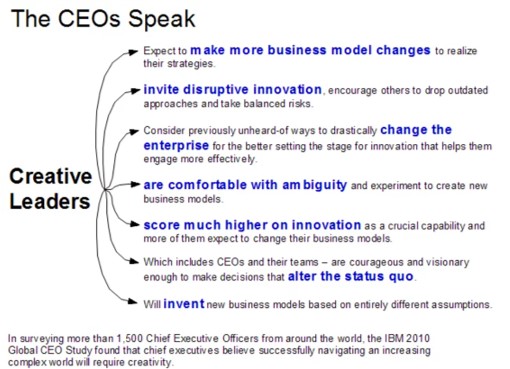
In today’s rapidly evolving business landscape, fostering a culture of change leadership has never been more crucial. Organizations that cling to the status quo risk falling behind in an era where adaptability and innovation dictate success. But how can leaders cultivate a culture that not only welcomes change but leads it? Let’s dive into the essentials and examine two case studies that reveal how real organizations have successfully implemented a culture of change leadership.

Understanding Change Leadership

Change leadership goes beyond the mere execution of projects. It encompasses the philosophies, behaviors, and environments that nurture continuous improvement and transformation. Core tenets include visionary thinking, empathy, agility, inclusivity, and relentless pursuit of excellence.

A culture of change leadership is one where every individual, regardless of rank or role, is empowered and motivated to seek better ways of doing things. This kind of environment thrives on shared purpose, trust, and open communication.

Steps to Creating a Culture of Change Leadership

1. Vision and Communication

The first step in nurturing change leadership is articulating a clear and compelling vision for the future. This isn’t just a top-down exercise—it involves collaboration and input from various levels within the organization to ensure that the vision resonates universally.

Action Tip: Host town hall meetings and workshops to co-create the vision with employees. Use various channels (emails, town halls, video messages) to communicate this vision regularly, ensuring it stays top of mind.

2. Empowerment and Autonomy

Empower employees at all levels to take initiative. When people feel trusted to make decisions and effect change, they’re more committed and innovative.

Action Tip: Implement decentralized decision-making where possible and provide access to resources and training to support autonomous action.

3. Continuous Learning

A culture of change leadership thrives on continuous learning. Encourage curiosity and experimentation.

Action Tip: Create platforms for knowledge sharing, like internal hackathons, learning programs, and innovation labs. Recognize and reward continuous educational efforts.

4. Inclusivity and Diversity

Diverse perspectives fuel innovative thinking. A collaborative and inclusive environment welcomes varied viewpoints and approaches.

Action Tip: Foster teams with diverse skills, backgrounds, and perspectives. Promote inclusive leadership practices and train managers to harness the power of diversity.

5. Recognition and Reward

People need to see that their efforts towards change are recognized and valued. Celebrate both small wins and major transformations.

Action Tip: Develop a reward system that highlights innovative efforts and contributions to change leadership. This can include monetary rewards, public recognition, or career advancement opportunities.

6. Feedback Loops

Creating mechanisms for feedback ensures that the change process remains dynamic and responsive. This could be through regular surveys, suggestion boxes, or open forums.

Action Tip: Establish a robust feedback system where employees can freely share their thoughts and ideas. Act on this feedback to demonstrate that their input is valued and impactful.

Case Study 1: A Tech Giant’s Transformation – TechnoWave Inc.

The Challenge

TechnoWave Inc., a leading technology company, found itself becoming complacent despite its past successes. Innovation was stalling, employee morale was dwindling, and their market position was at risk.

The Strategy

The leadership team decided to embark on a culture shift towards change leadership. They started by co-creating a bold vision for the future with employees through extensive workshops and brainstorming sessions. This vision was communicated tirelessly through multiple channels.

Next, they empowered their teams by decentralizing decision-making processes. Each project team received autonomy to pursue innovative solutions. They also provided extensive training on new technologies and agile methodologies.

To support diversity of thought, they actively recruited talent from varied backgrounds and disciplines, ensuring that each team was a melting pot of ideas.

Feedback mechanisms were introduced, including regular employee surveys and suggestion platforms. The leadership visibly acted on feedback to drive further involvement and trust.

The Outcome

Within a year, TechnoWave Inc. saw remarkable improvements in innovation metrics and employee engagement. New product lines were successfully launched, and their market position was reinvigorated. Employees felt more connected to the company’s mission, leading to higher job satisfaction and retention.

Case Study 2: A Healthcare Provider’s Journey – BetterCare Health Services

The Challenge

BetterCare Health Services, a large healthcare provider, was grappling with outdated processes and low employee morale. The rapidly changing healthcare landscape necessitated a significant overhaul.

The Strategy

The first step was to create a shared vision emphasizing patient care and operational excellence. This vision was not only communicated but also lived daily by the leadership team.

They implemented ‘Innovation Sprints,’ where cross-functional teams would tackle specific challenges within a set timeframe. These teams had the freedom and resources to explore new ideas, with leadership offering support rather than direction.

Inclusivity was a focus—training programs were rolled out to help employees at all levels develop skills in leadership, innovation, and empathy. Leadership roles were awarded not based on tenure but on demonstrated capacity for change leadership.

A system for ongoing feedback was instituted, involving regular town halls and anonymous feedback tools to ensure everyone had a voice.

The Outcome

BetterCare Health Services saw transformative results. Patient care metrics improved significantly, and the organization was able to implement more efficient processes. Employee surveys showed increased job satisfaction and engagement. The culture shift also resulted in several innovative projects, improving both patient experience and operational efficiency.

Conclusion

Fostering a culture of change leadership is not a one-time project but a continuous journey. It requires sustained effort, unwavering commitment, and a willingness to embrace discomfort. By establishing a shared vision, empowering employees, fostering continuous learning, embracing inclusivity, recognizing efforts, and maintaining open feedback loops, organizations can navigate the uncertainties of the future with confidence and agility.

TechnoWave Inc. and BetterCare Health Services exemplify how the principles of change leadership can breathe new life into organizations. As we forge ahead in this dynamic world, it is clear that the true leaders are those who not only anticipate change but also create and champion it. Are you ready to lead the change?

Bottom line: Understanding trends is not quite the same thing as understanding the future, but trends are a component of futurology. Trend hunters use a formal approach to achieve their outcomes, but a methodology and tools like those in FutureHacking™ can empower anyone to be their own futurist and trend hunter.

Image credit: Pexels

Subscribe to Human-Centered Change & Innovation WeeklySign up here to get Human-Centered Change & Innovation Weekly delivered to your inbox every week.
The Role of Leadership in Successful Change Management

The Role of Leadership in Successful Change Management

GUEST POST from Chateau G Pato

In today’s fast-paced and continually evolving business environment, change is the one constant. Organizations, regardless of size or industry, are frequently tasked with adapting to new technologies, shifting market dynamics, regulatory changes, and evolving customer expectations. However, navigating these changes successfully is rarely a straightforward process. The role of leadership in successful change management is pivotal, and understanding this role can be the difference between thriving transformation and a faltering initiative. In this article, I will explore the critical components of leadership in change management and illustrate these principles through two compelling case studies.

Understanding Change Management

Change management involves preparing, equipping, and supporting individuals to adopt change to drive organizational success and outcomes. It requires methodical planning, strategic communication, and a comprehensive understanding of the human aspects of change.

The Pillars of Effective Change Management Leadership

  1. Visionary Thinking: Leaders must possess a clear vision and articulate how the change aligns with the organization’s strategic goals.
  2. Communication: Effective communication is key to fostering understanding and buy-in from all stakeholders.
  3. Empathy and Support: Leaders must demonstrate empathy and provide support to address concerns and resistance.
  4. Commitment and Persistence: Change initiatives often encounter roadblocks. Leaders must be steadfast and resilient.
  5. Empowerment and Inclusion: Involving employees in the change process empowers them and enhances engagement.

Case Study 1: IBM’s Turnaround Under Lou Gerstner

In the early 1990s, IBM was on the brink of collapse. The company, once a behemoth in the technology sector, was struggling with declining revenues, an outdated business model, and a loss of competitive edge. Enter Lou Gerstner, who became CEO in 1993.

  • Visionary Thinking and Communication: Gerstner recognized that IBM needed a fundamental shift in its strategy and operations. He articulated a new vision emphasizing integrated solutions and services rather than just selling hardware. He communicated this vision consistently and compellingly across all levels of the organization.
  • Empathy and Support: Gerstner understood the anxiety and resistance that such a radical change could engender. He made it a priority to address these emotions head-on, engaging with employees, listening to their concerns, and ensuring that the rationale behind the change was clear and understood.
  • Commitment and Persistence: Despite significant resistance and skepticism from both within and outside the company, Gerstner remained resolute. He made difficult decisions, including divestitures and layoffs, to align the organization with its new strategic direction.
  • Empowerment and Inclusion: Gerstner involved a broad range of employees in the transformation process, tapping into their insights and fostering a culture of inclusivity. This participation not only enhanced buy-in but also unveiled innovative ideas that drove the change forward.

IBM’s turnaround under Gerstner is a testament to how visionary leadership, combined with empathetic and persistent efforts, can steer an organization through profound changes to emerge stronger and more competitive.

Case Study 2: Microsoft’s Cultural Change Under Satya Nadella

When Satya Nadella took the helm as CEO of Microsoft in 2014, the company was facing stagnation and a perception of being out of touch with modern tech trends. Nadella’s leadership brought about a significant cultural transformation that revitalized Microsoft’s innovative spirit and market position.

  • Visionary Thinking and Communication: Nadella envisioned a shift from a “know-it-all” culture to a “learn-it-all” culture, emphasizing growth mindset and continuous learning. He clearly communicated this new cultural vision and how it would enable Microsoft to innovate and compete more effectively.
  • Empathy and Support: Nadella’s empathetic leadership style was evident in his approach to change management. He frequently engaged with employees across all levels, listening to their concerns and encouraging open dialogue. This helped to alleviate fears and built trust throughout the organization.
  • Commitment and Persistence: Changing an entrenched corporate culture is not an overnight task. Nadella remained committed to fostering this cultural shift, reinforcing the growth mindset through repeated messaging, new training programs, and aligning rewards and recognition with the desired behaviors.
  • Empowerment and Inclusion: Nadella believed in empowering employees by giving them greater autonomy and encouraging collaboration. This inclusive approach harnessed the collective creativity and innovation of Microsoft’s diverse workforce, driving successful product launches and strategic pivots.

The transformation at Microsoft under Nadella’s leadership highlights the critical role of cultural change in organizational transformation. His empathetic yet resolute leadership approach underscored the importance of involving people at all levels in the process, ensuring the change was embraced and sustained.

Conclusion

The role of leadership in successful change management cannot be overstated. Both Lou Gerstner’s turnaround of IBM and Satya Nadella’s cultural transformation of Microsoft exemplify how effective leadership encompasses visionary thinking, clear communication, empathy, persistence, and empowerment.

Change is inevitable, but with the right leadership, it becomes not just manageable but an opportunity for growth and innovation. As we navigate the complexities of modern business landscapes, leaders who can master these elements will not only drive successful change but also ensure their organizations thrive in the face of continual evolution.

SPECIAL BONUS: The very best change planners use a visual, collaborative approach to create their deliverables. A methodology and tools like those in Change Planning Toolkit™ can empower anyone to become great change planners themselves.

Image credit: Unsplash

Subscribe to Human-Centered Change & Innovation WeeklySign up here to get Human-Centered Change & Innovation Weekly delivered to your inbox every week.