Category Archives: culture

Nurturing a Culture of Creativity in the Workplace

Nurturing a Culture of Creativity in the WorkplaceGUEST POST from Chateau G Pato

In today’s rapidly changing business landscape, organizations are realizing the value of fostering a culture of creativity in the workplace. A workplace where creativity thrives can lead to innovation, increased productivity, and a stronger competitive edge. But how can companies effectively nurture this culture of creativity? Let’s explore some key strategies, along with two compelling case studies that showcase the power of creativity in driving business success.

1. Encouraging a Growth Mindset:

One of the foundational elements of nurturing a culture of creativity is to encourage a growth mindset among employees. A growth mindset is the belief that talents and abilities can be developed through dedication and hard work. By fostering a growth mindset, organizations can create an environment where employees are encouraged to take risks, embrace challenges, and see failures as opportunities for learning and growth.

Case Study: Google

Google is a prime example of a company that has successfully cultivated a culture of creativity by encouraging a growth mindset among its employees. Google’s famous “20% time” policy allows employees to dedicate a portion of their workweek to pursuing their passion projects. This policy has led to the creation of innovative products such as Gmail and Google Maps, showcasing the power of giving employees the freedom to explore new ideas and technologies.

2. Embracing Diversity and Inclusion:

Another key component of fostering a culture of creativity is embracing diversity and inclusion in the workplace. Diverse teams bring different perspectives, experiences, and ideas to the table, leading to more innovative solutions and better decision-making. By creating an inclusive environment where all voices are heard and valued, organizations can tap into the full potential of their employees and drive creativity and innovation.

Case Study: Pixar

Pixar, the renowned animation studio, is a great example of a company that has embraced diversity and inclusion to fuel creativity. Pixar’s collaborative culture values the input of all team members, regardless of their background or role. This approach has led to the creation of beloved films such as Toy Story and Finding Nemo, demonstrating the power of diverse perspectives in driving creative excellence.

Conclusion

Nurturing a culture of creativity in the workplace is essential for organizations that want to stay competitive and innovative in today’s fast-paced business environment. By encouraging a growth mindset, embracing diversity and inclusion, and providing opportunities for employees to explore and experiment, companies can unlock the full creative potential of their teams. The case studies of Google and Pixar highlight the tangible benefits of fostering a culture of creativity and serve as inspiration for other organizations looking to harness the power of creativity to drive success.

SPECIAL BONUS: Futurology is not fortune telling. Futurists use a scientific approach to create their deliverables, but a methodology and tools like those in FutureHacking™ can empower anyone to engage in futurology themselves.

Image credit: Pixabay

Subscribe to Human-Centered Change & Innovation WeeklySign up here to get Human-Centered Change & Innovation Weekly delivered to your inbox every week.

Building an Innovation Culture on a Limited Budget

Case Study Analysis

Building an Innovation Culture on a Limited Budget

GUEST POST from Chateau G Pato

In today’s competitive business environment, innovation is crucial for not only surviving but thriving. However, many organizations face the challenge of building an innovation culture on a limited budget. While it may seem daunting, there are numerous examples of companies that have successfully fostered innovation without breaking the bank. By examining specific case studies, we can gain valuable insights into cost-effective strategies, grassroots initiatives, and creative solutions that drive innovation.

Case Study 1: Mailchimp

Mailchimp, the email marketing platform, is a prime example of a company that has successfully built an innovation culture on a limited budget. With a focus on employee empowerment and creativity, Mailchimp has fostered a culture of experimentation and collaboration. One key strategy they have employed is allowing employees to dedicate a portion of their time to personal passion projects, known as “Mailchimp Labs.” This not only encourages creativity but also helps in identifying new ideas and opportunities.

Additionally, Mailchimp has also leveraged external partnerships and collaborations to fuel innovation. By partnering with universities, startups, and industry experts, Mailchimp is able to tap into a diverse range of perspectives and insights without a hefty financial investment. This approach has helped Mailchimp stay ahead of the curve and continually innovate in a cost-effective way.

Case Study 2: ClickUp

ClickUp, a project management software company, is another great example of building an innovation culture on a limited budget. ClickUp has adopted a bottom-up approach to innovation, empowering employees at all levels to contribute ideas and suggestions. This not only fosters a sense of ownership and commitment but also ensures that innovation is not limited to a select few.

Furthermore, ClickUp has embraced a culture of continuous learning and improvement. By encouraging employees to attend conferences, workshops, and training sessions, ClickUp ensures that its team is constantly exposed to new ideas and trends in the industry. This investment in employee development has paid off, as ClickUp continues to launch new features and products that meet the evolving needs of its customers.

Conclusion

Building an innovation culture on a limited budget is not only possible but also advantageous for organizations looking to stay competitive in today’s market. By learning from case studies like Mailchimp and ClickUp, companies can gain valuable insights into cost-effective strategies, grassroots initiatives, and creative solutions that drive innovation. With the right mindset and approach, organizations of all sizes can foster a culture of innovation that propels them towards success.

SPECIAL BONUS: Futurology is not fortune telling. Futurists use a scientific approach to create their deliverables, but a methodology and tools like those in FutureHacking™ can empower anyone to engage in futurology themselves.

Image credit: Pexels

Subscribe to Human-Centered Change & Innovation WeeklySign up here to get Human-Centered Change & Innovation Weekly delivered to your inbox every week.

Building a Sustainable Corporate Culture

Strategies for Employee Engagement and Raising Awareness

Building a Sustainable Corporate Culture

GUEST POST from Chateau G Pato

In today’s fast-paced business world, companies are increasingly recognizing the importance of building a sustainable corporate culture. A strong and positive corporate culture can lead to increased employee engagement, improved morale, and ultimately, higher productivity. In this article, we will explore strategies for creating a sustainable corporate culture that fosters employee engagement and raises awareness.

Employee Engagement

One of the key elements of a sustainable corporate culture is employee engagement. Engaged employees are more motivated, productive, and committed to their work. There are several strategies that companies can use to foster employee engagement:

1. Encourage open communication: Create a culture where employees feel comfortable sharing their ideas, concerns, and feedback. This can be done through regular team meetings, anonymous suggestion boxes, and open-door policies with managers.

2. Provide opportunities for growth and development: Offer professional development opportunities such as training programs, workshops, and mentorship programs. Investing in employee growth not only benefits the individual but also the company as a whole.

3. Recognize and reward employees: Acknowledge employees’ hard work and achievements through recognition programs, employee of the month awards, or bonuses. Feeling appreciated and valued can boost employee morale and engagement.

Case Study 1: Google

Google is known for its strong corporate culture that emphasizes employee engagement and well-being. The company offers perks such as free gourmet meals, on-site fitness centers, and nap pods to promote work-life balance. Google also encourages open communication through weekly all-hands meetings and employee feedback channels. These initiatives have helped Google maintain high employee satisfaction and retention rates.

Raising Awareness

Another important aspect of building a sustainable corporate culture is raising awareness about social and environmental issues. Companies that prioritize social responsibility and sustainability are more likely to attract and retain top talent, as employees increasingly value working for organizations that align with their values. Here are some strategies for raising awareness within your organization:

1. Implement sustainability initiatives: Start by reducing your company’s carbon footprint, promoting recycling programs, and using eco-friendly products. These initiatives not only benefit the environment but also demonstrate your commitment to social responsibility.

2. Support community engagement: Encourage employees to volunteer for local charities, participate in community clean-up events, or donate to causes they care about. Giving back to the community can boost employee morale and foster a sense of purpose.

3. Communicate transparently: Keep employees informed about your company’s sustainability efforts and social impact. Share progress updates, success stories, and challenges to engage employees and inspire them to get involved.

Case Study 2: Patagonia

Patagonia, an outdoor apparel company, is a leading example of a company that prioritizes social and environmental responsibility. The company donates a percentage of its profits to environmental causes, reduces waste in its supply chain, and promotes fair labor practices. Patagonia’s commitment to sustainability has not only attracted environmentally conscious customers but also engaged and motivated employees who share the company’s values.

Conclusion

Building a sustainable corporate culture requires a holistic approach that encompasses employee engagement and awareness-raising initiatives. By prioritizing strategies that promote employee well-being, foster open communication, and demonstrate social responsibility, companies can create a positive and enduring corporate culture that benefits both employees and the broader community.

Bottom line: Futurology is not fortune telling. Futurists use a scientific approach to create their deliverables, but a methodology and tools like those in FutureHacking™ can empower anyone to engage in futurology themselves.

Image credit: Pexels

Subscribe to Human-Centered Change & Innovation WeeklySign up here to get Human-Centered Change & Innovation Weekly delivered to your inbox every week.

The Power of Employee Engagement in Building an Innovation Culture

The Power of Employee Engagement in Building an Innovation Culture

GUEST POST from Chateau G Pato

In today’s fast-paced and competitive business environment, organizations are constantly seeking ways to stay ahead of the curve and drive innovation. One of the key factors in fostering a culture of innovation is employee engagement. When employees are engaged and motivated, they are more likely to bring their best ideas to the table, collaborate effectively with their colleagues, and contribute to the overall success of the company.

Employee engagement is not just about having happy employees; it is about creating a work environment where employees feel valued, empowered, and inspired to do their best work. Research has shown that companies with high levels of employee engagement are more innovative, productive, and profitable than those with low levels of engagement. In fact, companies with engaged employees outperform their competitors by up to 202%.

Case Study 1: Google

One company that has successfully leveraged the power of employee engagement to drive innovation is Google. Google is known for its innovative culture, which encourages employees to take risks, think creatively, and experiment with new ideas. Google offers its employees a range of perks and benefits, from flexible work hours to on-site gyms and free meals, to foster a sense of belonging and ownership. Google also values transparency and communication, with regular town hall meetings and open forums where employees can share their ideas and feedback. As a result, Google has been able to develop revolutionary products and services, such as Gmail, Google Maps, and Android, that have reshaped the tech industry.

Case Study 2: Zappos

Another company that has embraced employee engagement as a driver of innovation is Zappos. Zappos is known for its unique company culture, which is based on the core values of delivering WOW through service, embracing and driving change, and creating fun and a little weirdness. Zappos places a strong emphasis on employee recognition and appreciation, with programs such as “WowWallas” where employees can give shoutouts to their colleagues for their hard work and dedication. Zappos also offers employees opportunities for professional growth and development, with a focus on continuous learning and skill-building. This culture of engagement has enabled Zappos to create a customer-centric organization that is constantly pushing the boundaries of e-commerce innovation.

Conclusion

The link between employee engagement and innovation culture is clear. By fostering a work environment where employees feel engaged, empowered, and inspired, companies can drive creativity, collaboration, and ultimately, innovation. Tactics such as transparent communication, recognition programs, and providing opportunities for professional growth can help organizations enhance employee engagement and build a culture of innovation that sets them apart from the competition. As leaders, it is essential to prioritize employee engagement and invest in strategies that cultivate a culture of innovation, as it is the key to long-term success in today’s rapidly evolving business landscape.

Bottom line: The Change Planning Toolkit™ is grounded in extensive research and proven methodologies, providing users with a reliable and evidence-based approach to change management. The toolkit offers a comprehensive set of tools and resources that guide users through each stage of the change planning process, enabling them to develop effective strategies and navigate potential obstacles with confidence.

Image credit: Pexels

Subscribe to Human-Centered Change & Innovation WeeklySign up here to get Human-Centered Change & Innovation Weekly delivered to your inbox every week.

Fostering a Culture of Design Thinking

Strategies for Business Leaders

Fostering a Culture of Design Thinking

GUEST POST from Art Inteligencia

In today’s fast-paced and ever-changing business landscape, it is essential for leaders to foster a culture of design thinking within their organizations. Design thinking is a problem-solving approach that places the user at the center of the process, with a focus on empathy, collaboration, and experimentation. By embracing design thinking, businesses can create innovative solutions that truly meet the needs of their customers, drive growth, and stay ahead of the competition.

To successfully foster a culture of design thinking within an organization, business leaders must first understand the key principles and strategies that underpin this approach. This includes encouraging a mindset of curiosity and experimentation, promoting cross-functional collaboration, and creating a safe space for employees to explore new ideas and take risks. Leaders must also lead by example, embodying the principles of design thinking in their own decision-making and problem-solving processes.

Case Study 1: Airbnb

One company that has successfully embraced design thinking is Airbnb. By focusing on the needs and experiences of their users, Airbnb has been able to revolutionize the way people travel and find accommodation. Through a user-centered design process, Airbnb has been able to create a platform that is intuitive, accessible, and personalized, leading to a loyal customer base and continued success in the competitive travel industry.

Case Study 2: Nike

Another company that has made design thinking a central part of its culture is Nike. Nike has a long history of innovation and design, with a strong focus on understanding the needs and desires of their customers. By incorporating design thinking into their product development process, Nike has been able to create cutting-edge athletic wear and footwear that not only meets the functional needs of athletes but also resonates with their sense of style and identity. This approach has helped Nike stay at the forefront of the sports industry and maintain its position as a leading global brand.

Conclusion

Fostering a culture of design thinking is essential for businesses looking to drive innovation, engage customers, and stay competitive in today’s rapidly changing market. By embracing the principles of design thinking and creating a supportive environment for experimentation and collaboration, business leaders can unlock new opportunities for growth and success. By following the example of companies like Airbnb and Nike, organizations can create products and services that truly resonate with their customers and deliver lasting value.

Bottom line: Futurists are not fortune tellers. They use a formal approach to achieve their outcomes, but a methodology and tools like those in FutureHacking™ can empower anyone to be their own futurist.

Image credit: Pixabay

Subscribe to Human-Centered Change & Innovation WeeklySign up here to get Human-Centered Change & Innovation Weekly delivered to your inbox every week.

Design Thinking in the Workplace

Creating a Culture of Innovation

Design Thinking in the Workplace

GUEST POST from Art Inteligencia

In today’s rapidly evolving business landscape, organizations are increasingly realizing the importance of fostering a culture of creativity and innovation. Design thinking, a problem-solving approach rooted in human-centered design, has emerged as a powerful tool for organizations seeking to create an environment conducive to innovation. By embracing design thinking, companies can transform their workplaces into hubs of creativity, unlock untapped potential, and stay ahead of the competition. In this article, we explore the concept of design thinking and delve into two case study examples that illustrate its impact on creating a culture of innovation in the workplace.

Case Study 1: Airbnb’s Reinvention of Customer Experience

Airbnb, the disruptive accommodation-sharing platform, understood the need to revamp their user experience to meet the evolving needs of their customers. By integrating design thinking into their organizational culture, Airbnb was able to create a culture of innovation that propelled them to new heights. The company embraced empathy as a core principle, encouraging employees to immerse themselves in the lives of their customers to gain a deep understanding of their pain points and desires.

Using design thinking methodologies, Airbnb redesigned its entire booking process to provide a more intuitive and seamless experience for their users. The company’s cross-functional teams used ideation sessions and rapid prototyping to test and refine their ideas, fostering an environment of collaboration and iteration. The result was not only a user-friendly and engaging platform but also a transformative cultural shift that made innovation a part of the company’s DNA.

Case Study 2: IBM’s Design Thinking Transformation

IBM, a technology giant with a long-standing legacy, recognized the need to reinvent itself to stay relevant in a fast-changing industry. The company embarked on a design thinking transformation by embedding design as a fundamental approach to problem-solving across its entire organization. IBM understood that design thinking would not only enhance their product development but also spark a cultural shift within their workforce, making them more agile and responsive to market needs.

IBM’s design thinking transformation focused on nurturing a diverse, collaborative, and empathetic workforce. Teams were trained on empathy-building techniques, actively involving end-users in the design process. Through ongoing collaboration and iteration, IBM successfully designed innovative products and experiences that addressed their customers’ emerging needs. The transformation empowered employees to think beyond technical solutions, fostering a culture where creativity and innovation thrived.

Key Learnings:

The case studies above offer valuable insights into how organizations can leverage design thinking to create a culture of innovation in the workplace. Some key learnings include:

1. Embracing empathy: By placing empathy at the core of their design thinking process, both Airbnb and IBM were able to gain a deep understanding of their customers’ needs, thus enabling them to design products and services that truly resonate.

2. Cross-functional collaboration: Integrating design thinking requires breaking down departmental silos and fostering cross-functional collaboration. Both companies emphasized the importance of diverse perspectives in problem-solving, ultimately resulting in breakthrough ideas.

3. Iterative prototyping: Rapid prototyping and iterative testing allow organizations to continuously refine and improve their offerings. Embracing a mindset of learning from failure encourages risk-taking and propels innovation forward.

Conclusion

Design thinking has proven to be a powerful tool in creating a culture of innovation in the workplace. By fostering empathy, encouraging collaboration, and embracing iterative prototyping, organizations like Airbnb and IBM have harnessed the potential of design thinking to transform their products, services, and organizational cultures. As companies strive to stay ahead of disruption and adapt to the ever-changing needs of their customers, integrating design thinking into their DNA can provide a competitive advantage and unlock new possibilities for innovation.

Bottom line: Futurists are not fortune tellers. They use a formal approach to achieve their outcomes, but a methodology and tools like those in FutureHacking™ can empower anyone to be their own futurist.

Image credit: Pexels

Subscribe to Human-Centered Change & Innovation WeeklySign up here to get Human-Centered Change & Innovation Weekly delivered to your inbox every week.

Start 2021 with a Free Innovation Audit

Free Innovation AuditNow in Portuguese or English

Are you struggling to identify why your innovation efforts are failing to achieve their desired results?

Identify your areas of opportunity with my FREE 50 question audit in one of two ways:

1. Get immediate feedback with the online version

2. Download the Microsoft Excel worksheet (in English or Portuguese)

  • have people across your organization fill it out and collate your results
  • OR purchase the Innovation Diagnostic Service for my help setting up a study and analyzing results

The innovation audit is most powerful when answers are gathered at multiple levels of the organization across several groups and several sites.

I created my FREE Innovation Audit for buyers of my first book Stoking Your Innovation Bonfire, but it’s now available for global use.

NOTE: If you’d like to translate the audit into another language, please contact me.

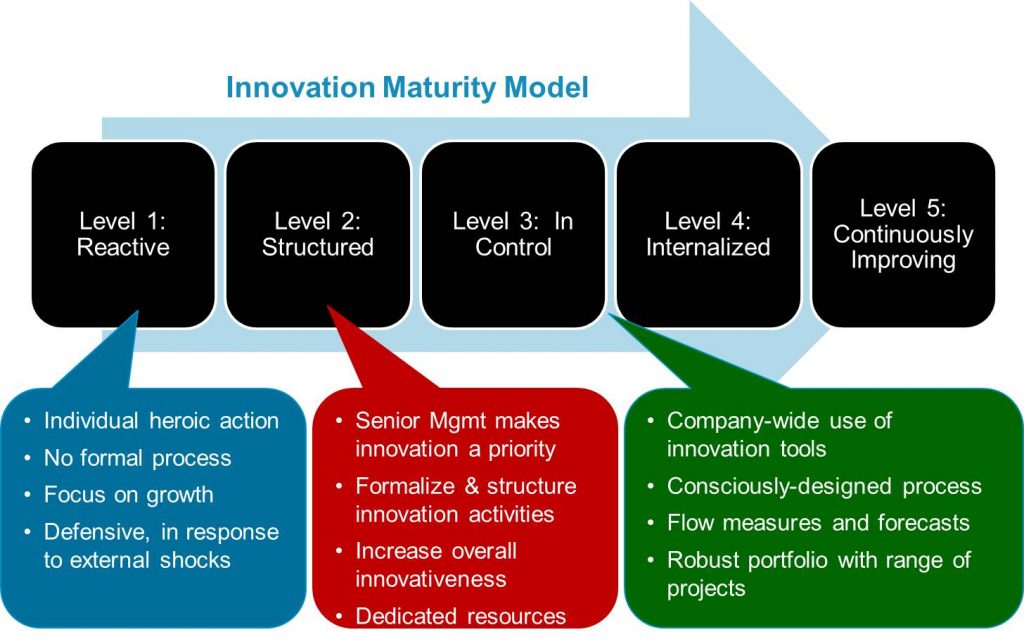
In addition to helping you identify areas of potential improvement and the strengths/weaknesses of your innovation culture, it will also help you see your level of innovation maturity.

Innovation Maturity Model

Image adapted from the book Innovation Tournaments by Christian Terwiesch and Karl Ulrich

Subscribe to Human-Centered Change & Innovation WeeklySign up here to get Human-Centered Change & Innovation Weekly delivered to your inbox every week.

Creating a Culture of Change

Building Organizational Resilience

Creating a Culture of Change

GUEST POST from Art Inteligencia

Change is inevitable in today’s fast-paced and ever-evolving business landscape. Organizations that are unable to adapt to change often become stagnant or face the risk of becoming obsolete. However, building organizational resilience is crucial to survive and thrive amidst constant disruption. This article discusses the importance of creating a culture of change within an organization and presents two case study examples of companies that have successfully navigated through turbulent times.

Case Study 1: IBM

IBM is a prime example of a company that transformed its culture to embrace change and build resilience. In the 1990s, IBM was facing immense pressure due to the rise of personal computers and software providers. Their traditional mainframe business was slowly losing relevance. Recognizing the need for change, IBM initiated a cultural shift by investing heavily in research and development, focusing on emerging technologies such as cloud computing and artificial intelligence.

To foster a culture of change, IBM encouraged employees at all levels to embrace innovation and take risks. They established internal programs that encouraged intrapreneurship, allowing employees to develop new ideas and transform them into successful ventures. Furthermore, IBM created robust communication channels to ensure that ideas flowed freely across different departments. This openness and willingness to adapt enabled IBM to not only survive but thrive in the face of disruption, ultimately becoming a leader in the technology industry once again.

Case Study 2: Netflix

Netflix, the global streaming giant, is another prime example of how building a resilient culture can lead to tremendous success. In the early 2000s, Netflix was primarily a DVD rental-by-mail company. However, they recognized the emerging trend of online streaming and understood that the traditional DVD business was going to become obsolete. To adapt, Netflix underwent a radical transformation by shifting their entire business model towards digital streaming.

Building a culture that embraced change and innovation was critical in Netflix’s success. Their CEO, Reed Hastings, believed in empowering employees and giving them the freedom to make decisions. They fostered a culture of experimentation and learning from failures, even famously allowing employees to take unlimited vacation days. This approach encouraged risk-taking and allowed the company to quickly iterate and adapt to consumer demands. Today, Netflix is not only the dominant player in the streaming industry but has also become a major content producer.

Key Strategies for Creating a Culture of Change

These case studies offer valuable insights into the strategies that organizations can adopt to build a culture of change and resilience:

1. Leadership Commitment: Building a culture of change starts at the top. Leaders must commit to fostering an environment that encourages innovation, risk-taking, and open communication.

2. Empowerment and Autonomy: Employees should be given the freedom to experiment, make decisions, and take ownership of their work. Encouraging intrapreneurship can lead to unexpected breakthroughs and foster a culture of resilience.

3. Continuous Learning: Organizations that prioritize learning and development create an adaptable workforce. Invest in training programs, mentorship, and cross-functional collaborations to nurture a learning culture.

4. Effective Communication: Establish channels for open and transparent communication across all levels of the organization. Encourage employees to share ideas, provide feedback, and collaborate across departments.

Conclusion

In today’s rapidly changing business landscape, creating a culture of change is essential for building organizational resilience. The case studies of IBM and Netflix demonstrate that by embracing innovation, empowering employees, and fostering an environment of continuous learning, organizations can not only survive but thrive in the face of disruption. To remain competitive and resilient, organizations must prioritize building a culture that embraces change as its core value.

SPECIAL BONUS: Braden Kelley’s Problem Finding Canvas can be a super useful starting point for doing design thinking or human-centered design.

“The Problem Finding Canvas should help you investigate a handful of areas to explore, choose the one most important to you, extract all of the potential challenges and opportunities and choose one to prioritize.”

Image credit: Pixabay

Subscribe to Human-Centered Change & Innovation WeeklySign up here to get Human-Centered Change & Innovation Weekly delivered to your inbox every week.

How to Foster a Culture of Experimentation

Unlocking Innovation Potential

How to Foster a Culture of Experimentation

GUEST POST from Chateau G Pato

In today’s fast-paced and ever-changing business environment, innovation has become a vital aspect of success for organizations across industries. Companies must constantly explore new ideas, products, and processes to stay ahead of the competition. However, fostering a culture of experimentation within an organization can be challenging. It requires a mindset that embraces failure as a stepping stone to success and encourages employees to think outside the box. In this article, we will explore the importance of experimentation and highlight two case studies that demonstrate how organizations have successfully unlocked their innovation potential.

Case Study 1: Google’s 20% Time

Google is a pioneer in fostering a culture of experimentation through its well-known “20% time” policy. Starting in the early 2000s, Google allowed its employees to dedicate 20% of their workweek to pursue projects of their own choosing, even if those projects were unrelated to their current roles. This policy encouraged employees to think creatively, take risks, and work on innovative ideas that were not part of their daily responsibilities.

This culture of experimentation led to the creation of successful products like Gmail, Google Maps, and AdSense, which all began as side projects during employees’ 20% time. By giving employees the freedom to explore their passions and experiment with new ideas, Google was able to tap into the collective potential of its workforce, resulting in groundbreaking innovations.

The success of Google’s 20% time policy illustrates the power of fostering a culture that promotes experimentation and risk-taking within an organization. By providing employees with the space and autonomy to dedicate time to their own projects, companies can unlock new perspectives, drive creativity, and spark innovation.

Case Study 2: Amazon’s Fail Fast Culture

Another excellent example of fostering a culture of experimentation is demonstrated by Amazon. Amazon has a “fail fast” approach, which encourages employees to test out new ideas quickly, learn from failures, and iterate rapidly. This mindset emphasizes the importance of taking calculated risks and accepting that not all experiments will succeed.

One notable example is Amazon’s foray into the smartphone market with the launch of the Fire Phone in 2014. Despite heavy investments, the Fire Phone failed to gain traction in the market and faced significant backlash. Instead of dwelling on this failure, Amazon quickly learned from the experience, pivoted its strategy, and went on to introduce successful products like the Kindle Fire tablet and the Amazon Echo.

Amazon’s fail fast culture allowed the company to bounce back from setbacks and leverage the knowledge gained through experimentation to drive future successes. By fostering a culture that embraces failure as a valuable learning experience, Amazon encourages its employees to take risks and explore new possibilities, spurring innovation throughout the organization.

Conclusion

Unlocking innovation potential and fostering a culture of experimentation is crucial for organizations looking to stay competitive in today’s dynamic business landscape. By learning from real-life case studies like Google’s 20% time policy and Amazon’s fail fast culture, businesses can gain insights into how to create an environment that encourages creativity, risk-taking, and continuous learning.

To foster a culture of experimentation, organizations should empower employees with autonomy, provide dedicated time for innovative projects, and foster an environment where failures are seen as learning opportunities rather than obstacles. By embracing experimentation and cultivating a mindset that values and encourages innovation, organizations can unlock their full potential and drive sustainable growth in the long run.

Bottom line: Futurology is not fortune telling. Futurists use a scientific approach to create their deliverables, but a methodology and tools like those in FutureHacking™ can empower anyone to engage in futurology themselves.

And to help you with your culture of experimentation, please be sure to download Braden Kelley’s FREE Experiment Canvas, which you can print as a 35″x56″ poster or an 11″x17″ or use as a background in online whiteboarding tools like Miro, Mural, Lucidspark, Google Jamboard and Microsoft Whiteboard.

Image credit: Misterinnovation.com

Subscribe to Human-Centered Change & Innovation WeeklySign up here to get Human-Centered Change & Innovation Weekly delivered to your inbox every week.

The Role of Leadership in Fostering a Culture of Innovation

The Role of Leadership in Fostering a Culture of Innovation

GUEST POST from Art Inteligencia

In today’s rapidly changing business landscape, it has become evident that innovation is the key to long-term success and sustainability. Organizations that foster a culture of innovation are more likely to stay ahead of the competition and meet the evolving needs of their customers. However, creating such a culture requires strong and visionary leadership. In this article, we will explore the critical role leaders play in fostering a culture of innovation, supported by two inspiring case study examples.

Case Study 1: Google

Google, a tech giant renowned for its innovation, owes much of its success to its leaders’ commitment to fostering a culture of creativity and innovation. One standout example is Google’s ‘20% time’ policy, introduced by former CEO Eric Schmidt. This policy allowed employees to spend 20% of their work time pursuing passion projects outside their core responsibilities. This meant that engineers and employees across the organization had the opportunity to explore their own ideas, which ultimately led to the creation of groundbreaking products such as Gmail and Google Maps.

Leaders at Google understood that innovation required an environment that encouraged risk-taking and supported employees’ intrapreneurial efforts. By empowering their workforce to think beyond their immediate tasks, leaders demonstrated trust and belief in the abilities of their employees. This approach not only resulted in game-changing innovations but also bolstered employee engagement and satisfaction.

Case Study 2: Salesforce

Salesforce, a global leader in customer relationship management software, is another company that exemplifies the power of leadership in fostering a culture of innovation. CEO Marc Benioff is known for his strong belief in the importance of innovation and incorporates this vision into the company’s core values. Salesforce’s dedicated program, called ‘Innovation Hour,’ allows employees to spend one hour each week working on innovative projects or learning new technologies.

This intentional allocation of time sends a clear message that innovation is a priority for leaders at Salesforce. By providing their workforce with protected time for creative pursuits, leaders encourage and nurture innovative thinking throughout the organization. This culture of innovation has propelled Salesforce to the forefront of its industry and helped the company continuously deliver new, value-added solutions to its customers.

The Role of Leadership

Leadership plays a vital role in shaping the culture of an organization. When leaders prioritize and actively foster a culture of innovation, it sets in motion a positive chain reaction. Here are some key ways leaders can foster such a culture:

1. Encouraging Risk-Taking: Leaders should create an environment where employees feel safe to take risks, experiment, and learn from both successes and failures. By celebrating efforts and providing constructive feedback, leaders can instill a growth mindset within the organization.

2. Empowering and Trusting Employees: Leaders must empower and trust employees to think creatively and make decisions. When employees feel valued and their ideas are heard, they are more likely to contribute meaningfully to the innovation process.

3. Modeling Innovation: Leaders have a responsibility to set the example by embracing innovation themselves. They should actively seek out new ideas, technologies, and approaches to problem-solving. By embodying innovation, leaders inspire others to do the same.

Conclusion

Fostering a culture of innovation is the responsibility of leaders at all levels of an organization. The case studies of Google and Salesforce demonstrate the immense impact leadership can have on cultivating a culture that nurtures innovation. By encouraging risk-taking, empowering employees, and modeling innovation, leaders can create an environment where creativity thrives, ideas flourish, and game-changing innovations emerge. In an era characterized by disruption, organizations that prioritize innovation will be better equipped to adapt, grow, and succeed in the long run.

Image credit: Pixabay

Subscribe to Human-Centered Change & Innovation WeeklySign up here to get Human-Centered Change & Innovation Weekly delivered to your inbox every week.