
Author Archives: Chateau G Pato

About Chateau G Pato

Chateau G Pato is a senior futurist at Inteligencia Ltd. She is passionate about content creation and thinks about it as more science than art. Chateau travels the world at the speed of light, over mountains and under oceans. Her favorite numbers are one and zero. Content Authenticity Statement: If it wasn't clear, any articles under Chateau's byline have been written by OpenAI Playground or Gemini using Braden Kelley and public content as inspiration.

Innovative Ways to Engage Employees in the Innovation Process

Innovative Ways to Engage Employees in the Innovation Process

GUEST POST from Chateau G Pato

Welcome to the age of innovation! In this ever-evolving business landscape, the role of employees has become more significant than ever before. Today, companies are recognizing the necessity of inclusive innovation efforts, wherein every employee feels empowered and motivated to contribute to the innovation process. Below, I share two compelling case studies that highlight successful strategies to engage employees in the innovation journey.

Case Study 1: Google’s ‘20% Time’ Policy

Google has long been celebrated as a hotbed for innovation, and one of the company’s most successful strategies to fuel creativity is its ‘20% Time’ policy. This initiative allows employees to dedicate 20% of their work hours to projects that interest them, even if these projects fall outside their regular job responsibilities.

Key Elements of the ‘20% Time’ Policy:

  • Autonomy: Employees have the freedom to explore ideas that they are passionate about. This autonomy leads to increased motivation and creative thinking.
  • Resource Allocation: The company provides necessary resources and support to help employees turn their ideas into reality.
  • Recognition: Successful projects born out of the ‘20% Time’ are acknowledged and celebrated, fostering a culture of appreciation and motivation.

The impact of the ‘20% Time’ policy has been monumental. Iconic products like Gmail, Google News, and AdSense emerged from this initiative, demonstrating the power of giving employees room to innovate.

Case Study 2: 3M’s ‘15% Rule’

3M, a company renowned for its innovation, has adopted a similar approach to employee engagement with its ‘15% Rule.’ This rule allows employees to devote 15% of their working time to developing new ideas and projects.

Key Elements of the ‘15% Rule’:

  • Faith in Employees: By investing faith in their employees’ abilities, 3M encourages a culture of trust and confidence.
  • Collaboration: Employees are encouraged to form cross-functional teams to bring diversified perspectives to their projects.
  • Intrapreneurship: The rule fosters an intrapreneurial environment where employees feel like owners of their projects, driving them to achieve innovative solutions.

One of the most notable outcomes of the ‘15% Rule’ is the invention of the Post-it Note. This iconic product revolutionized communication and organization, and it emerged from an employee’s effort within the ‘15% Rule.’ This success story emphasizes the importance of giving employees the latitude to explore their ideas.

Key Takeaways for Effective Employee Engagement in Innovation

Drawing inspiration from these case studies, we can identify some key strategies to successfully engage employees in the innovation process:

  1. Provide Autonomy and Freedom: Create an environment where employees have the freedom to explore their ideas without the constraints of their regular job responsibilities.
  2. Allocate Resources and Support: Ensure that employees have access to the resources, tools, and support necessary to execute their ideas.
  3. Foster a Culture of Recognition: Celebrate and reward innovative ideas and projects, and make recognition a vital part of the culture.
  4. Encourage Collaboration: Promote cross-functional teamwork to bring diverse perspectives and expertise to the innovation process.
  5. Build Trust and Confidence: Show faith in employees’ abilities and create an environment where they feel confident and motivated to innovate.

By adopting these strategies, organizations can not only drive innovation but also cultivate a workforce that feels valued and empowered. As we’ve seen with companies like Google and 3M, the results can be truly transformative.

In conclusion, engaging employees in the innovation process is no longer an option but a necessity. By creating a culture that fosters creativity, autonomy, and support, organizations can unlock the full potential of their workforce and drive groundbreaking innovations.

Let’s embark on this journey of inclusive innovation, where every employee is a co-pilot steering the company toward a radiant future of endless possibilities.

SPECIAL BONUS: The very best change planners use a visual, collaborative approach to create their deliverables. A methodology and tools like those in Change Planning Toolkit™ can empower anyone to become great change planners themselves.

Image credit: Pexels

Subscribe to Human-Centered Change & Innovation WeeklySign up here to get Human-Centered Change & Innovation Weekly delivered to your inbox every week.

The Future of Energy

Renewable Sources and Sustainability

The Future of Energy: Renewable Sources and Sustainability

GUEST POST from Chateau G Pato

In an era where the threats posed by climate change are ever increasing, the discussion surrounding renewable energy and sustainability has never been more vital. Traditional fossil fuels have proven to be both environmentally destructive and finite. As a result, the shift toward renewable energy sources is not just a trend, but a critical necessity for our global future. This article delves into the promising possibilities offered by renewable energy and highlights key case studies that are leading the way.

Understanding Renewable Energy

Renewable energy sources are those that can be replenished naturally over short periods of time. Unlike fossil fuels, these energy sources are sustainable and have minimal environmental impact. Here are some of the most notable types of renewable energy:

  • Solar Power
  • Wind Power
  • Hydropower
  • Geothermal Energy
  • Biomass Energy

Case Study 1: Solar Power in Germany

Germany has emerged as a global leader in solar energy adoption. The country’s Energiewende (Energy Transition) policy aims to move away from fossil fuels and nuclear energy, embracing renewables as the backbone of the nation’s energy future.

Key Strategies

  • Feed-in Tariffs: Germany implemented feed-in tariffs to encourage investment in solar power. This policy guarantees a fixed premium rate for electricity generated from solar energy.
  • Investment in R&D: The government has heavily invested in research and development, facilitating innovation in solar technology that has reduced costs and increased efficiency.
  • Community Participation: Solar cooperatives and community-led projects have spread across the country, ensuring local involvement and benefits from renewable energy projects.

Outcomes

  • Germany now boasts one of the highest solar capacities in the world, with solar energy contributing significantly to the national grid.
  • The country has seen substantial job creation within the renewable energy sector, along with reduced greenhouse gas emissions.

Case Study 2: Wind Power in Denmark

Denmark has exemplified the effective utilization of wind power. With the ambitious goal to be fossil fuel-free by 2050, the country is revolutionizing its energy landscape through innovative policies and investments.

Key Strategies

  • Government Support: Strong governmental backing has been crucial, with policies in place that support wind energy development both onshore and offshore.
  • Wind Turbine Manufacturing: Denmark is home to leading wind turbine manufacturers who have driven down costs and improved technology through scale and innovation.
  • International Collaboration: The country is actively involved in international projects and collaborations, sharing knowledge and technology.

Outcomes

  • Wind power accounts for a significant portion of Denmark’s electricity production, often meeting more than 40% of the country’s total electricity needs.
  • The nation is recognized as a center for wind energy expertise, contributing to a global reduction in carbon emissions.

The Path Forward

While significant progress has been made, challenges remain. The initial cost of renewable energy infrastructure, the need for technological advancements, and the integration of renewables into existing grids are barriers that must be overcome. However, the socio-economic and environmental benefits make the pursuit of renewable energy non-negotiable.

Future Actions

  • Continued Investment: Governments and the private sector must continue to invest in renewable energy technologies and infrastructure.
  • Policy Support: Strong, consistent policies that support renewable adoption will be crucial for continued growth.
  • Public-Private Partnerships: Collaborations between public institutions and private enterprises can drive innovation and bring renewable projects to fruition.
  • Education and Awareness: Educating the public and stakeholders about the benefits and possibilities of renewable energy can foster greater acceptance and adoption.

The future of energy lies in our ability to embrace renewable sources and create sustainable systems. By learning from successful case studies and ensuring commitment at all levels, we can build a cleaner, more resilient energy future for all.

SPECIAL BONUS: The very best change planners use a visual, collaborative approach to create their deliverables. A methodology and tools like those in Change Planning Toolkit™ can empower anyone to become great change planners themselves.

Image credit: Unsplash

Subscribe to Human-Centered Change & Innovation WeeklySign up here to get Human-Centered Change & Innovation Weekly delivered to your inbox every week.

How Technology is Shaping the Urban Landscape

Smart Cities

How Technology is Shaping the Urban Landscape - Smart Cities

GUEST POST from Chateau G Pato

The concept of “Smart Cities” has been a buzzword in urban planning and development circles for years now. It refers to the utilization of technologies like IoT (Internet of Things), big data, and artificial intelligence to make urban spaces more efficient, sustainable, and livable. In this article, we’ll delve into how technology is revolutionizing our cities, making them smarter, safer, and more efficient.

Components of a Smart City

Smart cities incorporate various technological advancements to improve a wide range of services and infrastructure.

  • Smart Transportation Systems
  • Intelligent Waste Management
  • Connected Public Services
  • Sustainable Energy Solutions
  • Advanced Security and Surveillance

Case Study 1: Barcelona, Spain

Barcelona is a pioneering example of a smart city, leveraging technology to enhance the quality of life for its residents.

Key Initiatives

  • Smart Lighting: Barcelona has implemented smart street lighting that adjusts based on pedestrian and vehicle activity, leading to reduced energy consumption and increased safety.
  • Waste Management: The city uses sensors in waste bins to monitor their fill levels, optimizing collection routes and reducing operational costs.
  • Public WiFi: A widespread public WiFi network ensures that citizens and tourists can stay connected, facilitating easier access to city services.

Impact

These initiatives have not only cut costs but also contributed to a 33% reduction in energy consumption and a 25% drop in garbage collection costs. Barcelona’s smart city strategy has significantly improved urban living conditions and boosted economic growth.

Case Study 2: Singapore

Singapore is another leading example in the realm of smart cities, frequently topping global smart city rankings.

Key Initiatives

  • Smart Traffic Management: Singapore has deployed intelligent traffic systems that use AI to analyze real-time traffic data, optimizing traffic signal timings and reducing congestion.
  • Digital Healthcare: The city-state offers telemedicine services and smart hospital management systems to improve healthcare delivery.
  • Smart Water Management: Advanced sensors and IoT technologies monitor water quality and distribution, safeguarding this precious resource.

Impact

Singapore’s smart initiatives have led to a 15% reduction in traffic delays and substantial improvement in healthcare outcomes. The efficient water management system has also minimized waste, securing Singapore’s water supply against future uncertainties.

Challenges and Considerations

While the advantages of smart cities are manifold, there are several challenges that must be addressed:

  • Data Privacy and Security
  • High Initial Implementation Costs
  • Interoperability of Different Technologies
  • Socio-Economic Disparities
  • Governance and Policy Frameworks

Addressing these challenges requires a multi-stakeholder approach involving governments, private companies, and citizens.

Conclusion

Smart cities represent the future of urban living, leveraging technology to create efficient, sustainable, and inclusive urban environments. As seen in the examples of Barcelona and Singapore, technology can significantly enhance the quality of life, making cities safer, more resource-efficient, and better connected. However, success lies in carefully considering the associated challenges and adopting a holistic, inclusive approach.

The transformation is already underway, and as technology continues to evolve, we can expect our urban landscapes to become even smarter.

SPECIAL BONUS: The very best change planners use a visual, collaborative approach to create their deliverables. A methodology and tools like those in Change Planning Toolkit™ can empower anyone to become great change planners themselves.

Image credit: Pexels

Subscribe to Human-Centered Change & Innovation WeeklySign up here to get Human-Centered Change & Innovation Weekly delivered to your inbox every week.

Creating a Seamless Omni-channel Customer Experience

Creating a Seamless Omni-channel Customer Experience

GUEST POST from Chateau G Pato

In our rapidly evolving digital age, customers expect a seamless experience across all the channels through which they engage with a brand. Whether it’s online, through a mobile app, or in-store, the goal is to create an integrated, coherent experience that meets customer expectations and prompts loyalty. This article delves into the essentials of creating a seamless omni-channel customer experience and showcases two compelling case studies of brands that have successfully implemented such strategies.

Understanding Omni-channel Customer Experience

Omni-channel customer experience refers to providing a united and consistent brand experience across multiple customer touchpoints. This could include:

  • Brick-and-mortar stores
  • Websites
  • Mobile apps
  • Social media platforms
  • Email communications
  • Customer service interactions

To achieve this, businesses need to ensure that they not only have a presence on these channels but that each channel is well-integrated with the others. Synchronizing data and interactions across these channels helps in providing a unified customer journey.

Case Study 1: Starbucks

Starbucks is an exemplary case of effective omni-channel integration. Their approach is holistic, entwining digital and physical customer interactions in a seamless fashion.

Digital Integration

Starbucks leverages its mobile app to streamline the customer experience. Customers can place orders and make payments via the app, accumulating loyalty points for every transaction. This system is consistent whether you are in a store, using the app, or purchasing through their website.

In-store Synchronization

Upon arriving at the store, the personalization continues. Their baristas are equipped with information about your order, preferences, and existing loyalty points, ensuring a streamlined transaction and personalized service. This seamless transition from digital to physical touchpoints helps foster customer satisfaction and loyalty.

Case Study 2: Disney

Disney has long been synonymous with exceptional customer experience, and their adoption of omni-channel strategies only enhances this reputation.

My Disney Experience

Disney’s My Disney Experience platform is a stellar example of omni-channel excellence. Through this platform, visitors can plan their entire trip, book tickets, reserve accommodations, and schedule dining and entertainment.

MagicBand Technology

Disney’s MagicBand technology further smooths the customer journey. This wearable device is connected to the My Disney Experience platform and serves as a ticket, room key, FastPass, and payment method. Whether a guest is interacting with the online planning system or using the band within the parks, the experience flows seamlessly from one touchpoint to the next, enhancing convenience and engagement.

Strategies for Creating a Seamless Omni-channel Customer Experience

Based on insights from these case studies, here are essential strategies for developing an integrated omni-channel experience:

  • Unified Data Systems: Centralize customer data to ensure information consistency across all channels.
  • Personalization: Customize interactions based on individual customer data and preferences.
  • Consistency: Maintain a consistent brand message, look, and feel across all platforms.
  • Technology Integration: Employ technologies that interlink different channels, such as mobile apps connected to in-store systems.
  • Feedback Mechanisms: Implement systems to collect and act upon customer feedback from all touchpoints.

Conclusion

Creating a seamless omni-channel customer experience is not just a competitive advantage but a necessity in today’s interconnected marketplace. As illustrated by Starbucks and Disney, effective integration across digital and physical channels not only enhances customer satisfaction but also drives loyalty. By unifying data, personalizing interactions, maintaining consistency, leveraging technology, and valuing customer feedback, businesses can craft exceptional omni-channel experiences that resonate with their customers.

SPECIAL BONUS: The very best change planners use a visual, collaborative approach to create their deliverables. A methodology and tools like those in Change Planning Toolkit™ can empower anyone to become great change planners themselves.

Image credit: misterinnovation.com

Subscribe to Human-Centered Change & Innovation WeeklySign up here to get Human-Centered Change & Innovation Weekly delivered to your inbox every week.

Nurturing Resilience in Employees During Periods of Change

Nurturing Resilience in Employees During Periods of Change

GUEST POST from Chateau G Pato

In today’s fast-paced, constantly evolving business environment, change has become the new normal. As organizations adapt to market demands, technological advancements, and global challenges, it is essential to ensure that employees remain resilient throughout these transitions. Resilient employees can navigate uncertainties, remain productive, and contribute positively to a company’s transformation. Here, we explore strategies to nurture resilience in employees, emphasizing real-world case studies that epitomize successful practices.

The Importance of Employee Resilience

Employee resilience is the capacity to cope with, adapt to, and recover from stress or adversity. It’s a critical attribute that empowers individuals to face challenges head-on, maintaining their well-being and effectiveness in the process. Resilient employees are not only crucial for personal growth but also contribute to the overall health and success of the organization. Building resilience can:

  • Improve adaptability and flexibility.
  • Enhance problem-solving skills.
  • Promote a positive mindset.
  • Increase engagement and productivity.
  • Reduce burnout and turnover rates.

Case Study 1: Tech Solutions Inc.

Background: Tech Solutions Inc., a leading software development company, faced a significant restructuring challenge due to rapid technological advancements and market competition. The change caused uncertainty and stress among employees.

Strategy:

The company adopted a comprehensive approach to foster resilience:

  • Transparent Communication: Leadership maintained open channels of communication, providing regular updates about the changes and their implications.
  • Training and Development: Employees were offered workshops on stress management, adaptability, and professional skills.
  • Support Systems: An Employee Assistance Program (EAP) was introduced, offering counseling and support resources.

Outcome:

These initiatives resulted in higher morale and a smoother transition. Employees reported feeling more supported, and the company’s productivity increased by 15% during the restructuring phase.

Case Study 2: Green Innovations Ltd.

Background: Green Innovations Ltd., a renewable energy firm, needed to pivot its business model in response to evolving market dynamics and regulatory changes.

Strategy:

To build resilience, the company implemented the following practices:

  • Inclusive Culture: Employees were involved in decision-making processes, fostering a sense of ownership and control.
  • Resilience Training: The company provided resilience-building programs, focusing on emotional intelligence, mindfulness, and coping strategies.
  • Peer Support Networks: Peer mentoring and support groups were established to create a community of empathy and assistance.

Outcome:

The proactive measures allowed employees to embrace change confidently. The business experienced a 20% growth in revenue, attributed to the innovative ideas and commitment demonstrated by the resilient workforce.

Key Strategies to Nurture Resilience

Drawing lessons from these case studies, here are essential strategies to nurture resilience in employees:

  • Foster Open Communication: Create an environment where transparency is valued, and employees are kept informed about changes and their potential impact.
  • Invest in Training: Offer continuous learning opportunities to enhance both personal and professional development.
  • Offer Support Systems: Implement programs that provide psychological support and promote mental health.
  • Encourage Inclusivity: Involve employees in decision-making processes to build a sense of community and shared purpose.
  • Develop Peer Networks: Facilitate peer support groups to foster a collaborative and supportive work culture.

Conclusion

In conclusion, nurturing resilience in employees is not just beneficial but essential in the face of continuous change. By adopting a multifaceted approach that includes transparent communication, training, support systems, inclusivity, and strong peer networks, organizations can ensure that their workforce remains strong, adaptable, and productive, even during the most challenging times.

As we’ve seen from Tech Solutions Inc. and Green Innovations Ltd., resilient employees are the backbone of successful organizations. By investing in resilience-building strategies, companies can create a thriving work environment capable of navigating the complexities of today’s ever-changing world.

SPECIAL BONUS: The very best change planners use a visual, collaborative approach to create their deliverables. A methodology and tools like those in Change Planning Toolkit™ can empower anyone to become great change planners themselves.

Image credit: misterinnovation.com

Subscribe to Human-Centered Change & Innovation WeeklySign up here to get Human-Centered Change & Innovation Weekly delivered to your inbox every week.

Scaling Human-Centered Design

Best Practices for Growth and Expansion

Scaling Human-Centered Design

GUEST POST from Chateau G Pato

In today’s fast-paced, ever-evolving market landscape, human-centered design (HCD) has emerged as a bright guiding star for organizations striving to create products, services, and experiences that resonate deeply with their users. However, scaling HCD practices across large, distributed teams, or during periods of rapid growth, presents unique challenges.

To successfully expand your HCD capabilities while preserving their core principles, it’s crucial to follow certain best practices. In this article, we’ll explore these best practices through insightful case studies of organizations that have effectively scaled HCD.

Understanding Human-Centered Design

Human-centered design is a creative approach to problem-solving that starts with an understanding of the needs and experiences of the people you’re designing for. The process often involves the following stages:

  1. Empathize – Understand your users and their needs.
  2. Define – Clearly articulate the problem you are solving.
  3. Ideate – Generate a wide range of solutions.
  4. Prototype – Build tangible representations for a range of your ideas.
  5. Test – Iterate and refine your solutions based on user feedback.

Best Practices for Scaling Human-Centered Design

Scaling HCD requires more than just integrating it into your workflows. It involves a cultural shift, investment in education, and effective tools and processes. Here are some key best practices:

1. Institutionalize a User-Centric Culture

  • Leadership Buy-in: Leaders should be vocal advocates for HCD, encouraging its methods and principles throughout the organization.
  • Cross-functional Teams: Embed HCD practitioners within cross-functional teams to ensure diverse perspectives and holistic solutions.
  • Celebration of Wins: Recognize and celebrate successful HCD projects to reinforce its value.

2. Develop Robust Training Programs

  • Workshops and Bootcamps: Regularly offer training sessions to enhance skills and spread HCD knowledge.
  • Mentorship Programs: Pair less experienced staff with HCD experts to provide on-the-job learning opportunities.
  • Online Resources: Create a repository of HCD tools, templates, and case studies that employees can access anytime.

3. Implement Repeatable Processes and Tools

  • Design Systems: Develop and maintain a design system to ensure consistency across products.
  • Journey Mapping: Use journey maps to visualize and communicate user experiences.
  • Feedback Loops: Establish consistent feedback mechanisms to quickly iterate on designs.

Case Study: IBM – From Design Thinking to Enterprise-wide HCD

IBM is a prime example of a company that scaled HCD across its massive, global organization. The company’s transformation started with the adoption of design thinking principles in 2012. Here’s how they did it:

Cultural Transformation

IBM understood that scaling HCD would require a cultural overhaul. They appointed over 1,000 design leaders across various divisions, ensuring that teams had dedicated advocates for HCD practices. Leadership reinforced the value of design thinking by integrating it into the company’s overall strategic goals.

Training and Tools

IBM invested heavily in training, creating IBM Design Thinking, a scalable framework for design thinking with resources accessible to all employees. They developed the “Loop” model, emphasizing continuous user feedback and iteration, which helped embed HCD into the DNA of their operations.

Results

As a result, IBM saw significant improvements in user satisfaction and a faster time-to-market for their products. The embracement of HCD enabled IBM to stay competitive and innovative in a rapidly changing tech landscape.

Case Study: Airbnb – Building an HCD Culture through Storytelling and Visualization

Airbnb illustrates how storytelling and visualization can drive the adoption of HCD at scale.

Storytelling

Airbnb’s founders began by listening to user stories to understand their needs deeply. This storytelling approach became a foundational element of their HCD practice, making user experiences tangible and relatable for the entire team.

Visualization with Experience Maps

Airbnb created detailed experience maps that visualized the journey of users from start to finish, allowing teams to identify pain points and opportunities for improvement. These visual tools helped communicate the importance of HCD to non-designers and facilitated cross-functional collaboration.

Results

By embedding storytelling and visualization in their HCD efforts, Airbnb could continuously innovate and refine their platform based on real user insights. This approach significantly contributed to their rapid growth and global success.

Conclusion

Scaling human-centered design is both an art and a science. It requires a concerted effort to foster a user-centered culture, invest in employee education, and implement robust processes and tools. By learning from the experiences of companies like IBM and Airbnb, organizations can navigate the complexities of growth while maintaining an unwavering focus on their users.

Human-centered design, when scaled effectively, not only drives innovation but also ensures that growth is rooted in genuine user needs and experiences. As you embark on your scaling journey, remember: empathy, education, and iteration are your greatest allies.

Human-Centered Change and Innovation is embracing the heart of innovation, one user at a time.

SPECIAL BONUS: The very best change planners use a visual, collaborative approach to create their deliverables. A methodology and tools like those in Change Planning Toolkit™ can empower anyone to become great change planners themselves.

Image credit: Pexels

Subscribe to Human-Centered Change & Innovation WeeklySign up here to get Human-Centered Change & Innovation Weekly delivered to your inbox every week.
The Power of Storytelling in Change Leadership

The Power of Storytelling in Change Leadership

GUEST POST from Chateau G Pato

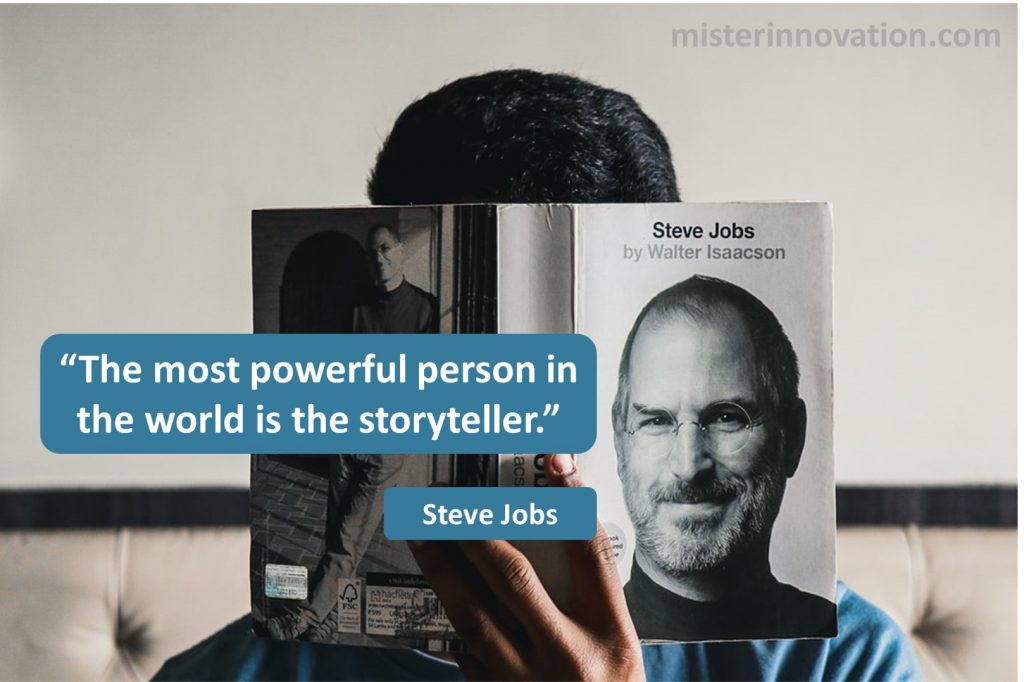
Change is an inevitable part of organizational growth and development. Yet, despite its necessity, change often meets with resistance. As a human-centered change and innovation thought leader, I’ve come to understand that the art of storytelling can be a formidable tool in leading and sustaining change initiatives. Let me share with you why storytelling is so potent in this context and provide real-world cases where narrative power transformed organizational landscapes.

Understanding Storytelling in Change Leadership

Storytelling in change leadership is about crafting and sharing narratives that encapsulate the vision, mission, and progress of change. Stories have an innate ability to make abstract concepts tangible and relatable, which helps to inspire, persuade, and rally people around a common cause.

Why is Storytelling Effective?

  • Emotional Connection – Stories evoke emotions, which are crucial for inspiring action. Emotional engagement can motivate people more powerfully than logic or data alone.
  • Simplifying Complexities – Organizational changes are often complex. Narratives help distill these complexities into understandable and manageable segments.
  • Creating Shared Understanding – Through storytelling, diverse groups within an organization can develop a shared understanding and commitment to the change process.
  • Preserving Organizational Memory – Narratives help in capturing lessons learned and crucial moments, preserving the organization’s collective memory and facilitating future initiatives.

Case Study 1: IBM’s Turnaround with Lou Gerstner

Background

In the early 1990s, IBM faced a severe crisis. The company was on the brink of breaking up into smaller, autonomous units due to declining profits. Lou Gerstner was brought in as CEO to steer IBM back to stability.

The Role of Storytelling

Gerstner used storytelling to reshape IBM’s identity and strategy:

  • Crafting a New Vision – Through compelling narratives, Gerstner communicated a bold vision of a united IBM that could offer integrated solutions to clients—departing from the idea of breaking the company up.
  • Personal Engagement – He shared stories of his personal interactions with clients and employees to convey the need for responsive and customer-centered innovation. These stories highlighted the consequences of remaining fragmented and the benefits of cohesive operations.
  • Revitalizing Culture – Gerstner’s stories focused on a cultural shift from a hardware-centric mindset to a service-oriented one. His consistent messaging created a shared understanding and communal drive across IBM’s global workforce.

Outcomes

Through these narratives, Gerstner succeeded in aligning the workforce with the new, unified strategy. IBM managed to regain its foothold in the industry, pivoting into services and consulting, which remain critical revenue streams to this day.

Case Study 2: Procter & Gamble’s (P&G) Cultural Transformation

Background

In the early 2000s, P&G faced stagnation. Aging brands and lost market share became primary concerns. A.G. Lafley took the helm as CEO with a vision to rejuvenate the corporate culture and accelerate innovation.

The Role of Storytelling

Lafley utilized storytelling as a key method to ignite change:

  • Connecting to Purpose – Lafley often shared stories about P&G’s storied history, reminding employees about innovative breakthroughs and the company’s mission to improve consumer lives.
  • Success Stories – By highlighting past and ongoing success stories, Lafley demonstrated the power of collaboration and innovation. These stories celebrated employee contributions and showcased the tangible benefits of P&G’s efforts on the end-consumer.
  • Story-Driven Communication – Lafley integrated storytelling into day-to-day communications, using it to clarify strategic objectives and instill a sense of purpose in every division of the company.

Outcomes

The consistent narrative connected employees to a common purpose, and P&G saw a renaissance in innovation. The cultural shift led to the revival of several key brands and introduced successful new products to the market, ultimately reviving P&G’s growth trajectory.

Implementing Storytelling in Your Organization

Steps to Get Started

  • Identify Core Messages – Determine the key themes and messages that need to be conveyed.
  • Seek Authentic Stories – Look for genuine instances within the organization that illustrate these messages.
  • Engage Employees – Encourage employees to share their own stories, fostering a culture of inclusion and participation.
  • Use Multiple Channels – Disseminate stories through various platforms – meetings, newsletters, videos, and social media.

Best Practices

  • Be Consistent: Regularly reinforce the core messages through your stories.
  • Keep it Relatable: Ensure that stories are relevant to the audience’s experiences.
  • Be Honest: Authenticity builds trust, an essential component of effective change leadership.

Conclusion

Storytelling isn’t just a means of communication; it’s a crucial strategy in change leadership. By connecting emotionally, simplifying complexities, and creating shared understanding, leaders can guide their organizations through transformation journeys more effectively. The success stories of IBM and P&G illustrate the transformative power of well-crafted narratives. As you lead your organization through change, remember that every interaction is an opportunity to tell a story that resonates and inspires.

Final Thought

Embrace the power of storytelling in your leadership approach, and watch how it fosters a more engaged, resilient, and forward-moving organization.

SPECIAL BONUS: The very best change planners use a visual, collaborative approach to create their deliverables. A methodology and tools like those in Change Planning Toolkit™ can empower anyone to become great change planners themselves.

Image credit: misterinnovation.com

Subscribe to Human-Centered Change & Innovation WeeklySign up here to get Human-Centered Change & Innovation Weekly delivered to your inbox every week.

Building Resilient Organizations

Strategies for Designing Agile and Resilient Organizations that can Effectively Navigate Industry Disruptions

Building Resilient Organizations

GUEST POST from Chateau G Pato

In today’s fast-paced and ever-evolving business landscape, organizations face continuous disruptions that challenge their ability to remain competitive and thrive. To navigate these disruptions successfully, organizations must prioritize resilience and agility. By designing resilient organizations that can adapt and respond effectively, leaders can better position their businesses to weather industry disruptions and emerge stronger. In this article, we will explore strategies that can help build agile and resilient organizations, showcasing two compelling case studies that demonstrate their practical application.

1. Embracing a Culture of Adaptability:

A resilient organization begins with a resilient culture. Companies that foster a mindset of adaptability and continuous learning are better equipped to navigate industry disruptions. Organizations must first assess their current culture and identify areas in need of improvement. By encouraging innovation, risk-taking, and employee empowerment, businesses can build an environment that promotes flexibility and agility.

Case Study 1: Netflix

Netflix, originally a DVD rental service, recognized the shift in consumer behavior towards streaming services. Instead of resisting the change, Netflix embraced the disruption by evolving into a leading provider of online content. By prioritizing adaptability and empowering employees to experiment and take risks, Netflix capitalized on the opportunity to transform its business model, ultimately becoming one of the most influential disruptors in the entertainment industry.

2. Developing Robust Strategic Planning:

Strategic planning is essential for building resilient organizations. Effective planning allows businesses to anticipate disruptions, make proactive decisions, and quickly adapt to market shifts. Organizations must be willing to challenge conventional thinking, explore alternative scenarios, and foster an environment that supports experimentation.

Case Study 2: Amazon

Amazon’s journey from an online bookstore to a global retail giant serves as a testament to the company’s strategic planning capabilities. Amazon consistently invests in innovation, technology, and supply chain optimization to maintain a competitive edge. By staying ahead of industry disruptions, Amazon successfully integrated new business models like marketplace platforms and cloud computing, ensuring long-term sustainability.

3. Building Collaborative Networks:

In an increasingly interconnected business world, organizations cannot thrive in isolation. Resilient organizations actively cultivate partnerships, collaborations, and networks that allow them to leverage shared knowledge, resources, and expertise. Building strong relationships with suppliers, customers, and industry players fosters resilience by enhancing access to valuable information and enabling collaboration during times of disruption.

Conclusion

Building resilient organizations is vital to navigating industry disruptions successfully. By embracing a culture of adaptability, establishing robust strategic planning processes, and cultivating collaborative networks, businesses can enhance their resilience and fortify their ability to thrive amid uncertainty. The case studies of Netflix and Amazon exemplify these strategies’ effectiveness, showcasing how organizations that prioritize agility and resilience can not only survive but also lead industry disruptions. By leveraging these approaches, organizations can position themselves as catalysts for positive change and build a future-ready business ecosystem.

SPECIAL BONUS: The very best change planners use a visual, collaborative approach to create their deliverables. A methodology and tools like those in Change Planning Toolkit™ can empower anyone to become great change planners themselves.

Image credit: Pixabay

Subscribe to Human-Centered Change & Innovation WeeklySign up here to get Human-Centered Change & Innovation Weekly delivered to your inbox every week.

Understanding the Fear of Missing Out (FOMO) and Its Impact on Consumer Decision-Making

Understanding the Fear of Missing Out (FOMO) and Its Impact on Consumer Decision-Making

GUEST POST from Chateau G Pato

In this era of constant digital connectivity, consumers are experiencing an overwhelming fear of missing out (FOMO) on the latest trends, experiences, and opportunities. This fear has a profound effect on consumer decision-making and shapes how they engage with brands, products, and services. To truly understand FOMO’s impact, we must delve into its psychological roots and explore two compelling case studies.

Psychological Roots of FOMO:

Fear of missing out stems from the basic human desire for social connection, the need for validation, and the fear of being left behind. Countless studies have shown that individuals have a fundamental longing to be part of a community, to share experiences, and to feel accepted. FOMO amplifies these desires in the digital age, fueling anxiety-driven decision-making.

Case Study 1: The Influence of FOMO on Buying Behavior

In recent years, the beauty industry witnessed a significant rise in FOMO-driven purchasing behaviors. Brands cleverly utilize social media platforms and influencers to create a sense of scarcity and urgency, inducing FOMO within consumers. A prime example of this phenomenon is the limited-edition makeup collaborations, which generate immense buzz and excitement. By tapping into consumers’ FOMO, brands create a fear of not having the exclusive item, leading to impulsive purchases and even waiting in long queues.

An in-depth analysis conducted by a major cosmetics company revealed that 70% of consumers who bought limited-edition products did so due to FOMO. Furthermore, the study found that consumers were inclined to share their purchases on social media platforms, seeking validation and admiration from their peers. Thus, FOMO not only influences purchase decisions but also contributes to the amplification of social status online.

Case Study 2: The Effect of FOMO on Travel Choices

The travel industry faces a unique challenge in catering to FOMO-driven decision-making. Consumers are bombarded with picturesque imagery of exotic destinations, luxurious resorts, and thrilling experiences. This abundance of options creates a sense of FOMO, as individuals fear missing out on the next best travel experience. Travel companies have capitalized on this psychological state by emphasizing “limited availability” and “exclusivity” in their marketing strategies.

A case study conducted by a prominent travel agency demonstrated the impact of FOMO on consumer behavior. They offered two identical vacation packages: Package A was available without any time restrictions, while Package B was advertised as limited to the first 50 bookings. Despite Package B being slightly more expensive, it received 70% more bookings within 48 hours. The fear of missing out on an exclusive opportunity significantly influenced consumers’ travel choices, even at an increased cost.

Mitigating FOMO:

As human-centered professionals, it is crucial to understand the phenomenon of FOMO and its impact on consumer decision-making. To cater to consumers effectively, brands should consider the following strategies:

1. Transparent Communication: Be open and honest with consumers, providing clear information about product availability or event schedules.

2. Curated Exclusivity: Offer limited-edition products or experiences thoughtfully, but without exploiting consumers’ FOMO. Ensure that exclusivity is based on genuine benefits rather than artificial scarcity.

3. Customer Empowerment: Encourage consumers to make decisions based on their true preferences, rather than succumbing to FOMO. Provide ample information, resources, and reviews to help them make well-informed choices.

Conclusion

Understanding the fear of missing out (FOMO) is essential for human-centered professionals to navigate the ever-changing consumer landscape effectively. By recognizing the psychological roots of FOMO and analyzing case studies, we can see its tangible impact on consumer decision-making. Brands that acknowledge and address FOMO while promoting transparency, curated exclusivity, and customer empowerment are more likely to build trust, loyalty, and meaningful connections with their audience, ultimately shaping a more conscious consumer culture.

SPECIAL BONUS: The very best change planners use a visual, collaborative approach to create their deliverables. A methodology and tools like those in Change Planning Toolkit™ can empower anyone to become great change planners themselves.

Image credit: Pixabay

Subscribe to Human-Centered Change & Innovation WeeklySign up here to get Human-Centered Change & Innovation Weekly delivered to your inbox every week.

Building Cross-Functional Collaboration for Breakthrough Innovations

Building Cross-Functional Collaboration for Breakthrough Innovations

GUEST POST from Chateau G Pato

In today’s fast-paced and interconnected world, fostering cross-functional collaboration has become crucial for organizations aiming to drive breakthrough innovations. The ability to bring diverse teams together, breaking down silos and leveraging collective expertise, is a proven catalyst for successful innovation. This article delves into the importance of cross-functional collaboration and presents two compelling case studies that highlight its transformative power.

Case Study 1: Procter & Gamble’s Connect + Develop Program

One exemplary case of cross-functional collaboration for breakthrough innovation is Procter & Gamble (P&G)’s Connect + Develop program. P&G recognized the need for external inputs and diverse perspectives to drive disruptive innovation and address complex consumer challenges. The program laid the foundation for building collaborations with external partners, including startups, inventors, and academia, to co-create groundbreaking solutions.

Through Connect + Develop, P&G fostered cross-functional collaboration by creating a platform that allowed different teams to engage with external partners. This collaboration brought together scientists, engineers, marketers, and designers to work alongside external experts, accelerating the innovation process. By dissolving internal boundaries and extending their innovation ecosystem beyond traditional boundaries, P&G witnessed unprecedented breakthroughs such as the development of the Swiffer, a game-changing cleaning tool.

Key Takeaway: P&G’s Connect + Develop program showcases the power of cross-functional collaboration in driving breakthrough innovations. By leveraging external expertise and promoting diverse collaboration, P&G achieved remarkable success in meeting customer needs and driving market growth.

Case Study 2: Tesla’s Battery Gigafactory

Another compelling case study demonstrating the value of cross-functional collaboration can be observed in Tesla’s Battery Gigafactory project. Tesla recognized the criticality of battery storage technology for the widespread adoption of electric vehicles and renewable energy solutions. To overcome existing limitations and drive breakthrough innovations in battery technology, Tesla embarked on an ambitious project to build the world’s largest battery factory.

Tesla’s Battery Gigafactory brought together professionals from various disciplines, including battery experts, automation specialists, engineers, and supply chain professionals, to collaboratively develop cutting-edge battery technologies from scratch. By integrating diverse fields of expertise, Tesla fostered a culture of cross-functional collaboration, fueling the rapid advancement of battery technology and significantly lowering production costs.

Key Takeaway: Tesla’s Battery Gigafactory project exemplifies how cross-functional collaboration can revolutionize an industry. By engaging experts from multiple domains and aligning their efforts under a shared vision, Tesla transformed the electric vehicle market and accelerated the shift towards sustainable energy solutions.

Conclusion

The case studies of P&G’s Connect + Develop program and Tesla’s Battery Gigafactory project illustrate the transformative impact of cross-functional collaboration on driving breakthrough innovations. By breaking down silos, fostering diverse perspectives, and leveraging collective expertise, organizations can create an ecosystem that thrives on collaboration. To embark on the path of successful breakthrough innovation, organizations should embrace cross-functional collaboration as a core principle, enabling them to surpass existing boundaries and achieve unprecedented growth and market success.

SPECIAL BONUS: The very best change planners use a visual, collaborative approach to create their deliverables. A methodology and tools like those in Change Planning Toolkit™ can empower anyone to become great change planners themselves.

Image credit: Unsplash

Subscribe to Human-Centered Change & Innovation WeeklySign up here to get Human-Centered Change & Innovation Weekly delivered to your inbox every week.