Category Archives: Innovation

From Hero to Host – A New Metaphor for Innovation Leadership

LAST UPDATED: November 25, 2025 at 3:05PM

From Hero to Host - A New Metaphor for Innovation Leadership

GUEST POST from Chateau G Pato

In most organizational narratives, innovation is seen as an act of singular brilliance. We celebrate the Hero Leader: the visionary CEO, the charismatic product genius, or the lone fixer who descends into a crisis and saves the day. This model — the leader as the sole source of all good ideas and the ultimate risk-taker — is outdated, unsustainable, and actively stifles widespread, continuous innovation in a complex enterprise.

The Hero Leader creates an Innovation Bottleneck. When one person owns the vision and assumes all the career risk (Hero Risk), everyone else is waiting for permission to act. Teams revert to a compliance mindset, managing upward expectations instead of exploring market opportunities. This dependency fosters a culture of learned helplessness and eliminates the possibility of true, decentralized innovation.

The human-centered solution is to shift the leadership role from a performer to an enabler: Hero to Host. The Host Leader’s job is not to provide the content (the ideas or the answers) but to deliberately design the context — the structural, psychological, and resource environment — in which great ideas can emerge from anywhere in the organization. The Host manages the Organizational System Risk (Host Risk) so that innovators can take product risk.

The Five Core Shifts from Hero to Host

The transition from Hero to Host requires a behavioral and structural pivot:

  1. From Dictating the Answer to Curating the Talent: The Hero pitches their idea; the Host intentionally brings together diverse, cross-functional “guests” (experts from different silos) and aligns them on the right customer problem to solve.
  2. From Mitigating Risk to Providing Safety: The Hero tries to protect the organization from failure; the Host creates a Psychological Safety Net (a Safe Harbor or learning budget) that actively protects the innovator from the failure of the experiment.
  3. From Centralized Power to Distributed Ownership: The Hero is the final sign-off authority; the Host empowers small, autonomous teams with delegated decision rights for rapid prototyping and testing within established boundaries.
  4. From Short-Term Metrics to Long-Term Learning: The Hero demands quick ROI; the Host asks: “What definitive data did we learn from this test, and how cheaply did we learn it?”
  5. From Status to Service: The Hero maintains command and control; the Host actively seeks to remove organizational roadblocks (bureaucracy, slow procurement, siloed data) for their teams, viewing their authority as a tool for service.

The Three Primary Actions of the Host Leader

1. Setting the Stage (Designing the Safe Space)

A good host ensures the party space is safe and welcoming. The Host Leader’s first job is to establish the Innovation Charter. This includes defining the boundaries for exploration (what’s safe to fail?), allocating ring-fenced Learning Capital (not rigid P&L budgets), and establishing clear, non-punitive governance processes. This structural work signals to the organization that exploration is not only allowed but strategically funded.

2. Curating the Guests (Ensuring Systemic Diversity)

The Host ensures the right mix of people for creative collaboration. The Host Leader actively breaks down silos by mandating cross-functional teams (e.g., pairing a compliance officer with a designer, or a finance analyst with a field engineer) and providing them with a shared, human-centered framework, like Design Thinking. The Host knows that breakthrough ideas happen at the intersection of disciplines, where the friction of different perspectives generates unexpected solutions.

3. Managing the Flow (Governing the Process, Not the Outcome)

A host guides the energy of the event; they don’t perform every dance. The Host Leader manages the process rigor. They don’t dictate which product to build, but they ensure teams are rigorously applying the methodology — properly conducting empathy interviews, building quick MVPs, and rapidly validating hypotheses. The Host provides the guardrails (the process) but allows teams the autonomy to move within them.

Case Study 1: The Software Company’s CEO Transition

Challenge: Stagnant Portfolio Driven by Centralized Decision-Making

A mid-sized enterprise software company was built on the back of its charismatic founder/CEO (the Hero), who micromanaged product development. As the market sped up, the CEO became the bottleneck for every major decision, slowing launch cycles and causing high burnout among high-potential product managers.

The Host Transition: Delegation and Protection

The CEO publicly announced a shift: his new primary metric was the Volume of High-Value Experiments Run by Autonomous Teams. His intervention focused on becoming the Host:

  • Protection Charter: He established an internal Venture Fund with a public “Decoupling Failure” policy, ensuring teams that ran rigorous experiments were celebrated even if the results were negative.
  • Curated Teams: He mandated that every new product initiative must have representation from sales, engineering, and customer support, forcing co-creation and accountability for the customer journey.
  • Role Shift: The CEO stopped attending weekly product meetings. Instead, he held monthly Roadblock Removal Sessions, where teams brought him their three biggest bureaucratic hurdles. His job was exclusively to remove those hurdles.

The Human-Centered Lesson:

By consciously stepping out of the spotlight and designing a system of support, the CEO transformed his role from the source of the idea to the ultimate organizational shield. In the first year, the company’s experiment volume tripled, and one successful venture was launched, entirely conceived and executed without the CEO’s direct input, proving that the Host’s power lies in their ability to protect, not perform.

Case Study 2: The Healthcare Network and the Systemic Host

Challenge: Innovation Failure in Operational Process Due to Silo Warfare

A large healthcare network needed to improve patient intake efficiency, but every attempt failed because IT, Facilities, and Clinical Operations could never agree on the human-centered solution. The friction was a systemic failure of leadership, with departments acting as organizational silos (mini-Heroes) protecting their own turf.

The Host Structure: The Innovation Concierge

Instead of relying on a single Hero leader, the network established a systemic Host mechanism: the Innovation Concierge Team. This permanent, central team (Step 1: Setting the Stage) was given no ideas of its own, but was granted the authority to temporarily pull resources from any silo.

  • Curating the Guests: When a new intake challenge arose, the Concierge Team convened a diverse, time-boxed Innovation Task Force (Step 2: Curating). This force included a doctor, a data analyst, and a facilities manager.
  • Governing the Flow: The Concierge Team enforced a strict 4-week Design Sprint process, ensuring the teams moved past consensus and quickly prototyped a solution. The Concierge was responsible for managing the calendar and removing organizational friction (Step 3: Managing the Flow).

The Human-Centered Lesson:

The Host function was embedded into the system itself, rather than resting on one person. The Concierge Team successfully solved 12 complex operational challenges in two years, not by creating the solutions, but by acting as the neutral, authoritative Host that enforced collaboration and protected the teams from departmental pushback. Innovation became a predictable, repeatable service, not a dependency on a single charismatic figure.

The Human-Centered Call to Action

If your innovation strategy requires a Hero to succeed, your strategy is inherently fragile and dependent on an unsustainable source of energy. True, resilient, enterprise innovation requires a collective shift in leadership behavior. Stop viewing your role as the source of the brilliant idea. Instead, view your role as the architect of the environment — the ultimate Host who ensures the space is safe, the resources are flowing, and the process is rigorous.

Leadership is no longer about having the best ideas; it is about designing the best conditions for ideas to thrive.

“The Host Leader understands that their greatest power comes not from being the smartest person in the room, but from being the one who makes everyone else in the room feel safe and empowered to be brilliant.” — Braden Kelley

Frequently Asked Questions About Hero-to-Host Leadership

1. What is the fundamental difference between the Hero Leader and the Host Leader?

The Hero Leader is the performer who provides the solution, assumes all the risk, and acts as the central bottleneck for decisions. The Host Leader is the enabler who designs the systemic environment, curates the right diverse teams, and provides the psychological and structural safety for others to create and take risks.

2. How does the Host Leader approach risk and failure differently?

The Hero Leader typically avoids failure and manages risk by controlling the outcome. The Host Leader actively creates a “Safe Harbor” and allocates “Learning Capital,” understanding that early, cheap failure (a failure of hypothesis) is a necessary, strategically funded asset that accelerates organizational learning.

3. What is the role of the Host Leader in managing cross-functional teams?

The Host Leader serves as the “Curator.” They actively break down organizational silos by intentionally assembling diverse teams (IT, Finance, Design, Operations) to address a shared customer problem. The Host’s authority is used not to dictate the answer, but to enforce the methodology (e.g., Design Thinking process rigor) and remove bureaucratic roadblocks across organizational lines.

Your first step toward Host Leadership: Identify an innovation team currently struggling with bureaucracy (slow sign-offs, procurement delays, data access). Hold a 15-minute meeting where you, the leader, commit to serving as the team’s dedicated Roadblock Remover. Publicly state that your new job is not to approve their idea, but to shield them from the organizational immune system for one month. This small, consistent act of service immediately transforms your leadership metaphor and empowers the pioneer.

Extra Extra: Because innovation is all about change, Braden Kelley’s human-centered change methodology and tools are the best way to plan and execute the changes necessary to support your innovation and transformation efforts — all while literally getting everyone all on the same page for change. Find out more about the methodology and tools, including the book Charting Change by following the link. Be sure and download the TEN FREE TOOLS while you’re here.

Image credit: 1 of 1,000+ FREE quote slides for your meetings and presentations at http://misterinnovation.com

Subscribe to Human-Centered Change & Innovation WeeklySign up here to get Human-Centered Change & Innovation Weekly delivered to your inbox every week.

Structuring a Safe Harbor for Internal Ventures

Protecting the Pioneer

LAST UPDATED: November 24, 2025 at 9:53AM

Structuring a Safe Harbor for Internal Ventures

GUEST POST from Chateau G Pato

You’ve done the hard work of articulating the need for breakthrough innovation. You’ve convinced your leadership that calculated risk is necessary for survival. But now comes the critical structural challenge: where, exactly, will that risk-taking happen? If you launch a nascent venture directly into the core business, the company’s powerful Organizational Immune System – driven by optimizing for efficiency, quarterly targets, and predictable profit – will immediately attack and ultimately destroy the venture.

Innovation pioneers need protection. They need a Safe Harbor — a dedicated, ring-fenced organizational structure designed to shelter early-stage ventures from the metrics, bureaucracy, and conservative culture of the successful core business. This is not just a physical space; it’s a temporary zone of psychological and operational safety where teams can move quickly, fail cheaply, and generate the definitive learning required to validate truly disruptive business models.

The Safe Harbor is the structural counterpart to the concept of Decoupling Failure. If Decoupling Failure is the philosophical guardrail that protects the innovator’s career, the Safe Harbor is the concrete organizational infrastructure that makes that protection real and enforceable by law of the land.

The Three-Dimensional Structure of a Safe Harbor

A well-structured Safe Harbor is built on three key dimensions of separation, ensuring the venture team operates under a different rulebook:

1. Metric Separation: Funding for Learning, Not Profit

Ventures within the Safe Harbor cannot be measured by the core business’s metrics (Revenue, Quarterly P&L, Cost-Efficiency). They must be measured by Learning Velocity and Validation Milestones.

  • Early Stage (Phase 1: Discovery): Metrics are qualitative and focus on problem validation: Number of customer interviews completed, confidence level in problem statement, cost-per-learning-dividend.
  • Mid Stage (Phase 2: Incubation): Metrics shift to quantitative validation: Retention rate of early adopters, willingness-to-pay validation, cost of customer acquisition (CoCA) hypothesis.
  • Late Stage (Phase 3: Scaling): Only when validation is mature do metrics transition to resemble core business metrics, such as Unit Economics and Growth Rate, preparing the venture for controlled re-entry.

2. Process Separation: Immunity from Bureaucracy

The venture team must be exempt from the vast majority of standard corporate processes that are optimized for scale, not speed. This requires setting up distinct operational pathways:

  • Procurement: Granting fast-track, small-dollar procurement authority to buy rapid prototyping tools or access niche external consultants without a six-week RFP process.
  • Compliance & Legal: Assigning a single, dedicated legal counsel who understands the difference between operational risk (low) and market risk (high) for a prototype, allowing for rapid deployment of minimum viable products (MVPs) into a controlled test environment.
  • Hiring: Providing authority to hire niche, often expensive, external talent (freelancers, experts) quickly without passing through the central HR pipeline’s lengthy approval cycle. Speed is paramount in the exploration phase.

3. Personnel Separation: Protecting the Pioneer’s Career

This is the essential human-centered dimension. The innovator must know that dedicating themselves to a high-risk venture—which has a high probability of failure—will not destroy their career. The Safe Harbor must implement a Return Ticket policy:

Any employee moving into the Safe Harbor must be guaranteed a role of equivalent standing, compensation, and prestige upon the venture’s termination (whether successful or failed). This protection allows the best internal talent, those who are already highly valued by the core business, to engage in high-risk work without undue personal fear. You cannot build the future with second-string players.

Case Study 1: The Insurance Giant and the Digital Greenhouse

Challenge: Slow Market Response to Emerging Fintech Threats

A global insurance firm was seeing its core products commoditized by agile fintech startups, but its internal development cycle took 24 months to launch anything new due to the heavy gravity of regulatory approval, IT integration, and committee sign-off.

Safe Harbor Intervention: The Digital Greenhouse

The firm created a Digital Greenhouse, reporting directly to the CEO, not a divisional president. This Greenhouse was structured as a Safe Harbor with three key features:

  • Controlled Metrics: Ventures were initially funded with a “Learning Capital” grant. Success for the first nine months was measured only by the volume and quality of validated customer data, demonstrating definitive learning (Metric Separation).
  • Operational Carve-out: Teams were given their own small, isolated IT environment (a sandbox) and fast-track access to a dedicated external law firm for quick regulatory opinions, bypassing internal compliance queues (Process Separation).
  • Return Ticket Policy: A talent exchange policy was established guaranteeing Greenhouse staff a lateral or promotional move back to the core business upon project completion, provided their tenure was marked by rigorous process, regardless of outcome (Personnel Separation).

The Human-Centered Lesson:

The Greenhouse teams successfully launched three validated MVPs within one year. Critically, two ventures failed quickly, saving millions in investment. The single successful venture—a niche micro-insurance product—was quickly scaled. The company realized that the structural safety allowed high-value engineers and product managers to risk their reputations on exploration, proving that protection unlocks velocity.

Case Study 2: The Energy Company and the Decentralized Skunkworks

Challenge: Internal Resistance to Renewables and Decarbonization

A traditional oil and gas company needed to diversify into renewable energy and decarbonization, but the core engineering and budgeting divisions were structurally resistant, viewing renewables as too low-margin and risky. The organizational immune system was rejecting the future.

Safe Harbor Intervention: The Decentralized Skunkworks

The company established a decentralized Skunkworks model, placing small venture teams outside the main campus and requiring them to utilize third-party vendors for almost all IT and HR services. This forced maximum separation:

  • Funding Separation: The Skunkworks was funded by a dedicated Corporate Venture Capital (CVC) arm, which had its own P&L and investment criteria. Ventures were treated as external investments, thus exempt from core budget approval cycles (Metric Separation).
  • Physical and Cultural Isolation: Placing the team in a separate city created immediate cultural distance, allowing them to establish their own agile workflow, collaboration tools, and cultural norms without being constantly judged by core employees (Process Separation).
  • Pioneer Protection: The CVC arm offered equity stakes and defined vesting schedules, compensating for the high financial risk, while the parent company offered career sponsorship for successful integration back into a senior sustainability role (Personnel Separation).

The Human-Centered Lesson:

The Skunkworks successfully developed a modular battery storage solution for industrial use. By forcing both physical and structural separation, the company allowed a completely different culture—one of speed, open collaboration, and high-risk tolerance—to flourish. The core business didn’t judge the pioneers; it watched and learned, eventually acquiring the most successful ventures and the talent back into the main fold at the point of scale, fundamentally shifting the company’s long-term strategy.

The Safe Harbor Imperative: The Temporary Bridge

The purpose of the Safe Harbor is not to permanently isolate innovation; it is to give ventures the time to achieve escape velocity before they are forced to integrate with the core. The success of the Safe Harbor is measured by how effectively it manages the transfer of the validated business model and the pioneer talent back into the core when they are strong enough to withstand organizational gravity.

Human-centered change leaders must view the Safe Harbor as a Strategic Incubation Unit. It is the necessary bridge between the world of optimization (now) and the world of exploration (the future). Structure precedes culture; protect the pioneer, and the innovation will follow.

“The greatest risk is not in funding a pioneer; the greatest risk is letting your existing success unintentionally sabotage your future success.”

Frequently Asked Questions About the Internal Safe Harbor

1. What is the primary function of an Internal Safe Harbor?

The primary function is to provide a ring-fenced organizational structure that shelters early-stage, high-risk ventures from the metrics, bureaucracy, and cultural immune system of the successful core business. It is a temporary zone of psychological and operational safety.

2. How is a Safe Harbor different from a standard R&D department?

A standard R&D department often works on incremental or adjacent innovation and is typically measured by output (patents, papers). A Safe Harbor focuses solely on disruptive business models, is measured by Learning Velocity and Market Validation, and is granted specific exemptions from core corporate processes (e.g., procurement, HR, compliance) that traditional R&D teams still follow.

3. What is the most critical human-centered component of the Safe Harbor structure?

The most critical human-centered component is the Return Ticket policy. This guarantees that employees who dedicate themselves to high-risk ventures (which are likely to fail) are guaranteed a role of equivalent standing and prestige upon the venture’s termination, thereby protecting their career and attracting the best internal talent.

Your first step toward creating a Safe Harbor: Identify one strategic, high-potential idea that is currently stalled in a core business unit. Structure a minimal viability team (2-3 people). Write a formal memo granting them a 6-month exemption from two specific corporate processes (e.g., procurement approval and standard time-tracking) and publicly state that their success will be measured by the quality of their customer interviews, not their P&L. This small, official act of separation is the beginning of the Safe Harbor.

Extra Extra: Because innovation is all about change, Braden Kelley’s human-centered change methodology and tools are the best way to plan and execute the changes necessary to support your innovation and transformation efforts — all while literally getting everyone all on the same page for change. Find out more about the methodology and tools, including the book Charting Change by following the link. Be sure and download the TEN FREE TOOLS while you’re here.

Image credit: 1 of 1,000+ FREE quote slides for your meetings and presentations at http://misterinnovation.com

Subscribe to Human-Centered Change & Innovation WeeklySign up here to get Human-Centered Change & Innovation Weekly delivered to your inbox every week.
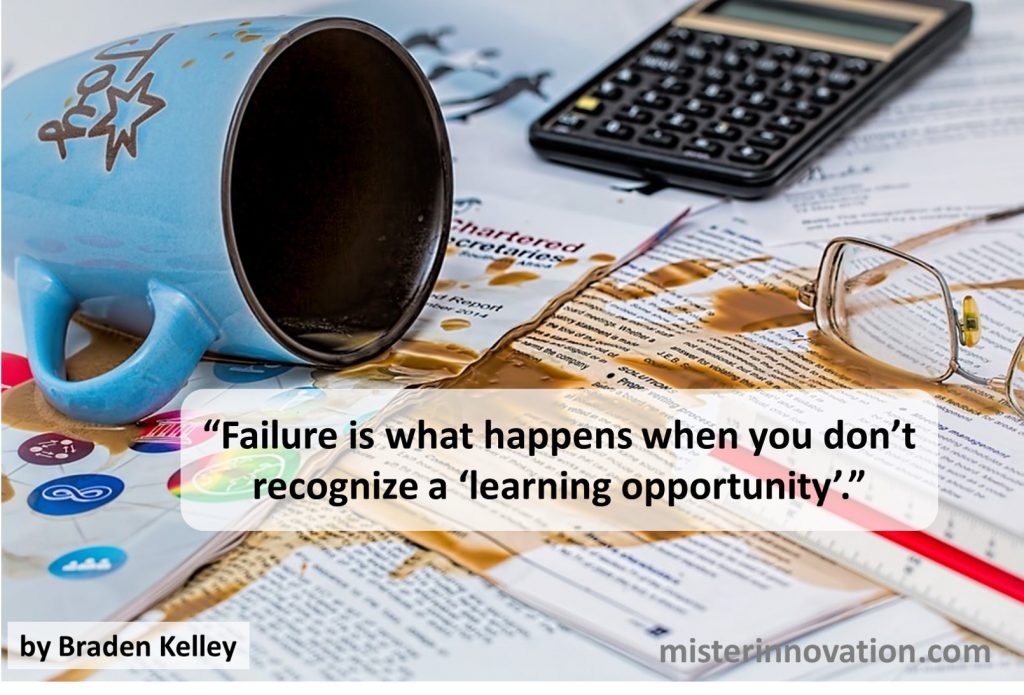
Decoupling Failure to Build the Psychological Safety Net for Risk-Taking

LAST UPDATED: November 22, 2025 at 9:25AM

Decoupling Failure to Build the Psychological Safety Net for Risk-Taking

GUEST POST from Chateau G Pato

Every organization proudly declares its commitment to innovation. Yet, when you look closely at the annual performance review process, the budgeting models, and the criteria for promotion, you often find a subtle, yet powerful, mechanism for punishing mistakes. This disconnect is the single greatest inhibitor of meaningful change. The moment an employee realizes that an experiment that fails translates into a personal failure on their record, they will immediately stop taking the calculated risks necessary for true breakthrough innovation.

The solution is not just to tolerate failure — that’s passive and often meaningless in practice. The solution is to actively Decouple Failure. This is the deliberate organizational practice of separating the inevitable, often beneficial, negative outcome of a well-executed innovation experiment from the professional integrity, compensation, and career trajectory of the team and individuals who ran it. It’s about building a Psychological Safety Net beneath every strategic risk, ensuring that the person is protected even when the hypothesis is invalidated.

If we treat every “failure” as a crucial, expensive data point, then the team that generated that data point successfully performed their job. This human-centered perspective shifts the focus from avoiding mistakes to maximizing learning velocity — the speed at which we gain definitive, actionable knowledge.

The Three Pillars of Decoupling Failure

To institutionalize this psychological safety net, organizations must implement changes across three core cultural and structural pillars:

1. The Language Pillar: From Failure to Learning

The words leaders use shape the culture of risk. Leaders must banish language that equates an unsuccessful result with incompetence. Instead of asking, “Why did this initiative fail?” ask, “What definitive market or technical data did we learn from this prototype, and what is the cheapest next step?” We must formalize the “failure report” not as a punitive document, but as a Learning Dividend Document, celebrating the knowledge gained and the hypothesis invalidated. Crucially, leaders must clearly distinguish between a failure of hypothesis (good, valuable data) and a failure of process (negligence or carelessness, which remains unacceptable).

2. The Structural Pillar: Budgeting for Learning Capital

Innovation budgets must be structured not as rigid spending plans, but as pools of learning capital. Allocate specific, defined, and ring-fenced funds purely for experimentation where a negative outcome is anticipated and acceptable — the “safe-to-fail” zone. Critically, these expenditures should be accounted for as R&D Learning Costs, not Project Overruns or Losses, thus permanently decoupling them from operational P&L performance metrics that determine bonuses and budget health.

3. The Leadership Pillar: Rewarding Process Over Outcome

Leaders must stop rewarding heroic, chance-driven successes and start rewarding rigorous process and high integrity. The highest praise should go to the team that identified an unnecessary risk early, stopped the experiment before it became too expensive (the concept of failing fast), and clearly articulated the market or technical insight gained. When promotion or compensation is tied to demonstrating intentional risk-taking and disciplined, transparent learning, the culture begins to shift from passive avoidance to active, scientific exploration.

Key Benefits of Decoupling Failure

When an organization successfully decouples failure, the following powerful advantages emerge, driving both innovation and employee trust:

  • Increased Risk Appetite: Teams are emboldened to test truly disruptive ideas (the 10X ideas), knowing the career consequences are strictly limited to the budget of the experiment itself, not their professional standing.
  • Accelerated Time-to-Insight: By actively celebrating early stopping, teams gain crucial market data much sooner, preventing months or years of expensive investment in projects that were flawed from the start.
  • Enhanced Psychological Safety: Trust dramatically increases, leading to more open communication, better transparency around potential problems, and the earlier flagging of risks to leadership.
  • Improved Talent Retention: High-potential employees who seek challenging, exploratory work are far more likely to stay in an environment where disciplined risk-taking is valued and career trajectories are protected.
  • Reduced Cognitive Load: Employees spend less time managing their internal career risk profile and more time focusing creative energy on solving complex customer problems.

Case Study 1: The Fortune 500 Bank and the Innovation Sandbox

Challenge: Stagnant Digital Offerings Due to Internal Risk Aversion

A major bank recognized that its internal approval processes and metrics were meticulously designed for loss prevention, not innovation. Any project that failed to generate positive ROI in its first year was subject to intense scrutiny, directly impacting the managing director’s bonus and future career prospects. This culture led to teams exclusively pursuing incremental, safe projects (e.g., small app updates) and actively avoiding disruptive fintech ideas (e.g., blockchain applications).

Intervention: Decoupling via the “Innovation Sandbox”

The bank established an Innovation Sandbox, a ring-fenced organizational unit given a specific annual budget for Proof-of-Concept (POC) Experiments. Key characteristics included:

  • Clear Mandate: The Sandbox’s official goal was defined as “Generate 10 critical learning dividends (POC successes or failures) with a maximum investment of $50,000 each.” The goal was not profit or revenue generation, but knowledge acquisition.
  • Decoupled Metrics: The success of the Sandbox director was measured entirely on the quality of the insights gained and the speed of the failure (the lower the cost of the unsuccessful POC, the better the performance rating).
  • Personnel Protection: Employees seconded to the Sandbox were guaranteed in writing that the P&L results of their experiments would not factor into their annual review, bonus calculation, or promotion track.

The Human-Centered Lesson:

The Sandbox rapidly became a hotbed of experimental activity. Within 18 months, the team ran 30 experiments, yielding 25 “failures” that provided invaluable, cheap data on consumer reaction to new payment methods and blockchain applications. Because the failures were decoupled from career punishment, teams enthusiastically killed bad ideas early, saving the bank significant resources. The five successes, fueled by the learning from the failures, led to the bank’s first genuinely disruptive digital product in a decade, demonstrating that protection of the innovator is the key to breakthrough success.

Case Study 2: The Manufacturing Firm and the R&D Post-Mortem

Challenge: High Cost of Delayed Failure in Product Development

A large industrial manufacturer suffered from a cultural affliction: R&D teams often knew months in advance that a new, complex product design had major technical flaws, but they feared reporting the bad news to senior leadership. Instead of stopping, teams would “over-engineer” costly workarounds and delay acknowledging the failure, resulting in millions of dollars wasted before the project was finally cancelled late in the cycle (a classic failure of process driven by fear).

Intervention: Decoupling via the “Learning Credit” System

The firm formalized a Learning Credit System and redesigned its mandatory post-mortem process into a Learning Review.

  • Learning Review Process: Any project officially cancelled before reaching Stage Gate 3 received an automatic “Learning Review” (not a punitive audit). The team was publicly celebrated if they could prove they saved the company money and time by failing fast and clearly articulating the data-driven reason for stopping.
  • Credit System: Team leaders and core members received “Learning Credits” toward professional development or additional small-scale experiments, specifically for demonstrating early, high-integrity reporting of a failure of hypothesis.
  • Leadership Modeling: The CTO began publicly and formally celebrating (via internal video and memos) the project leads who delivered the most actionable negative data, reinforcing that the value lay in the rigor and timing of the testing, not the positive result.

The Human-Centered Lesson:

The cultural shift was dramatic and immediate. Teams started reporting bad news weeks or months earlier. The culture transformed from one of “cover up the flaw” to one of “document the data and save the capital.” The decoupling allowed engineers to act with high integrity — they were now rewarded for saving the company money and intellectual capital by stopping a flawed project quickly. The result was a 40% reduction in costly late-stage project cancellations and a significant boost in employee engagement and trust.

Frequently Asked Questions About Decoupling Failure

1. What is the fundamental concept of Decoupling Failure?

Decoupling Failure is the deliberate strategic practice of separating the negative outcome of an innovation experiment (the failed test, prototype, or idea) from the professional evaluation, compensation, and career trajectory of the innovator or team that conducted the experiment.

2. How is Decoupling Failure different from simply “tolerating” mistakes?

Tolerating mistakes is passive; it accepts an error after it happens. Decoupling is active and intentional. It structures the organization (through budgets, language, and performance metrics) to expect, fund, and reward learning generated from calculated risk-taking, turning a negative outcome into a valuable, protected asset (a “Learning Dividend”).

3. Does this model encourage carelessness or recklessness?

No. Decoupling failure rewards intentional risk-taking and rigorous process, not carelessness. Leaders must clearly distinguish between a failure of process (sloppiness, negligence, ethical lapse) which is always unacceptable, and a failure of hypothesis (a well-designed test proving the idea won’t work), which is highly valuable and protected.

The Human-Centered Call to Action

Innovation is inherently messy, unpredictable, and often wasteful — if you only measure success. But if you measure learning velocity and integrity of testing, that perceived waste becomes a highly efficient investment in future success. The most potent tool a human-centered change leader has is not a spreadsheet, but a culture built on trust and psychological safety.

By actively decoupling the experiment’s outcome from the innovator’s fate, you give your teams the greatest permission slip of all: the freedom to try and the psychological safety to stop when the data demands it. This is how you transform a risk-averse culture into an Exponential Learning Engine.

“If you want breakthrough success, you must first design a system that protects the people who deliver the necessary data of failure.”

Your first step toward Decoupling Failure: Identify a specific, small-scale innovation initiative currently underway (a prototype, a pilot, a market test). Review the budget line for that project and ask: “Is this expenditure treated as a cost that must result in profit, or is it treated as a budgeted cost of learning?” If the answer is the former, work immediately with finance to ring-fence a portion of that spending as “Learning Capital,” and publicly state that the success of the project manager will be measured by the rigor and speed of their testing, not the P&L result. Document the key learning gained from the next negative outcome as a formal “Learning Dividend.”

Extra Extra: Because innovation is all about change, Braden Kelley’s human-centered change methodology and tools are the best way to plan and execute the changes necessary to support your innovation and transformation efforts — all while literally getting everyone all on the same page for change. Find out more about the methodology and tools, including the book Charting Change by following the link. Be sure and download the TEN FREE TOOLS while you’re here.

Image credit: Pixabay

Subscribe to Human-Centered Change & Innovation WeeklySign up here to get Human-Centered Change & Innovation Weekly delivered to your inbox every week.

Building a Gig-Innovation Model

Leveraging the External Talent Cloud

LAST UPDATED: November 21, 2025 at 9:32AM

Building a Gig-Innovation Model

GUEST POST from Chateau G Pato

The traditional model of innovation — locked within the four walls of the corporate R&D lab or internal project team — is no longer sufficient for navigating today’s complex, rapidly evolving landscape. In an era defined by accelerating technological shifts, diverse customer demands, and intense global competition, organizations cannot afford to limit their intellectual firepower to their fixed headcount. Instead, they must strategically tap into the vast, specialized skills, fresh perspectives, and scalable capacity residing in the External Talent Cloud. This is the essence of building a robust Gig-Innovation Model.

For the human-centered change leader, this isn’t about simply outsourcing tasks or replacing core employees; it’s about intelligently augmenting internal teams with precision-targeted external expertise, on-demand. The smartest organizations are those that can fluidly and ethically assemble the absolute best talent for any given innovation challenge, regardless of whether that talent is on the payroll or part of the global freelance ecosystem. This model unlocks unprecedented agility, cost-efficiency, and a breadth of expertise that no single enterprise could ever hope to maintain internally.

Embracing the Gig-Innovation Model is not just a trend; it’s a strategic imperative for organizations aiming to stay relevant, accelerate their pace of innovation, embed continuous change capabilities, and ultimately, thrive in the future.

The Limitations of Internal-Only Innovation

Relying solely on internal teams for innovation, while valuable for core competencies, presents several critical limitations that can hinder growth and agility:

  • Persistent Skill Gaps: Rapidly evolving fields (e.g., advanced AI ethics, quantum computing, specialized biotech applications) often require highly niche skills that are too expensive, too difficult, or too transient to hire and retain full-time.
  • Inherent Cognitive Bias: Internal teams, however brilliant and well-intentioned, can suffer from organizational groupthink, entrenched paradigms, and a lack of truly fresh, outside perspective, often leading to incremental rather than disruptive ideas.
  • Scalability Challenges: Spiky or short-term innovation demands (e.g., a rapid proof-of-concept sprint for a new product, a deep dive into an emerging market segment) are difficult to staff efficiently with fixed internal resources without overworking teams or sacrificing other strategic priorities.
  • Cost Inflexibility: Maintaining a large, diverse internal innovation team comes with significant fixed overhead (salaries, benefits, infrastructure), regardless of current project load or strategic focus, limiting dynamic resource allocation.

The Gig-Innovation Model directly addresses these by providing flexible, on-demand access to a diverse, global talent pool.

Key Characteristics of a Robust Gig-Innovation Model

Successfully integrating external talent into your innovation pipeline requires intentional design, clear processes, and a human-centered cultural shift:

  • Clear Project Scoping & Modularity: Precisely defining innovation challenges into discrete, modular projects or work packages with clear deliverables, measurable outcomes, and acceptance criteria suitable for external contribution.
  • Curated Talent Cloud & Platform Strategy: Proactively building relationships with reputable freelance platforms, specialized agencies, and individual experts, thereby creating a trusted, accessible network for specific, high-demand skill sets (e.g., UI/UX design, data science, specific market research, advanced engineering).
  • Seamless On-boarding & Integration: Establishing efficient, digitally-enabled processes for on-boarding external talent, including secure system access, clear cultural integration into project teams, and robust communication channels from day one.
  • Hybrid Team Leadership & Enablement: Training internal leaders to effectively manage and integrate hybrid teams, fostering psychological safety, promoting equitable collaboration between full-time employees and external contributors, and recognizing diverse contributions.
  • Robust Intellectual Property (IP) Management: Implementing clear, legally sound frameworks and explicit agreements to protect company IP, ensure confidentiality, and fairly compensate external innovators for their contributions.
  • Performance & Relationship Management: Developing systems for tracking external talent performance, providing constructive feedback, and proactively nurturing long-term relationships with high-performing individuals for future engagements, creating a loyal extended network.

Key Benefits of the Gig-Innovation Model

Embracing the external talent cloud delivers tangible benefits that significantly accelerate innovation and strengthen overall organizational resilience and adaptability:

  • Enhanced Agility & Speed: Rapidly assemble expert teams for time-sensitive projects or urgent strategic pivots, dramatically accelerating time-to-market for new products, services, or internal solutions.
  • Access to Niche & Frontier Expertise: Tap into highly specialized, cutting-edge skills (e.g., specific regulatory knowledge for emerging markets, advanced quantum computing algorithms) that are often unavailable or cost-prohibitive to hire internally on a permanent basis.
  • Diverse Perspectives & De-biased Thinking: Introduce fresh, unbiased thinking, cross-industry insights, and global perspectives that challenge internal assumptions and foster truly disruptive, rather than merely incremental, innovation.
  • Cost Optimization & Flexibility: Convert fixed labor costs into flexible, variable project-based expenses, allowing for more dynamic budget allocation and resource deployment across innovation initiatives.
  • Risk Mitigation & Experimentation: Test new market ideas, technological concepts, or business models with lower initial investment by leveraging external talent for discrete proofs-of-concept or pilot projects.
  • Internal Up-skilling & Knowledge Transfer: Internal teams gain new skills, knowledge, and best practices by collaborating directly with external experts, fostering continuous learning and capability building across the organization.

Case Study 1: The Automotive OEM and the Autonomous Future

Challenge: Accelerating Autonomous Driving Software Development

A major automotive OEM was falling behind competitors in autonomous driving software development. Their internal R&D team possessed deep automotive engineering expertise but lacked the cutting-edge AI and machine learning specialists needed to accelerate their vision for self-driving vehicles. Hiring these specialists full-time proved difficult due to high demand and fierce competition from tech giants.

Gig-Innovation Intervention:

The OEM strategically established a dedicated “Innovation Guild” comprising both internal engineers and a carefully curated network of external freelance AI/ML experts sourced through specialized platforms. They meticulously broke down their complex autonomous driving software into modular components (e.g., perception algorithms, sensor fusion, predictive modeling) that could be worked on by hybrid teams. Internal project managers were rigorously trained in Hybrid Team Leadership, focusing on agile methodologies, transparent communication, and ensuring psychological safety and equitable contribution from both internal and external members. Robust IP Management protocols were established from the outset.

The Human-Centered Lesson:

This Gig-Innovation Model allowed the OEM to access top-tier AI talent globally, without the significant overhead and hiring challenges of full-time recruitment. The external experts brought fresh methodologies and accelerated development timelines. Crucially, the internal engineers gained invaluable hands-on experience and facilitated knowledge transfer, significantly up-skilling them for the future. The OEM significantly accelerated its software development roadmap, reducing its projected time-to-market for advanced autonomous features by 18 months, demonstrating how targeted external talent can fill critical gaps and drive innovation faster and more effectively.

Case Study 2: The Consumer Goods Giant and Sustainable Packaging

Challenge: Disruptive Sustainable Packaging Solutions

A global consumer goods giant was committed to ambitious sustainability goals, particularly in eliminating single-use plastics from its product lines. Their internal packaging R&D team, while competent in traditional materials, lacked deep expertise in niche areas like bioplastics from algae, advanced composite materials, or circular economy design principles at scale. They urgently needed truly disruptive, rather than merely incremental, solutions.

Gig-Innovation Intervention:

The company launched an open innovation challenge, leveraging a global crowdsourcing platform to tap into a diverse ecosystem of material scientists, industrial designers, and sustainability strategists worldwide. This involved meticulous Clear Project Scoping, breaking down the overarching challenge into specific, solvable problems. They offered competitive bounties and long-term retainer contracts for the best solutions and talent. Internal core teams worked collaboratively alongside external experts in focused sprints, with clear Seamless On-boarding & Integration processes for winning contributors to join short-term projects. They eventually formed a permanent “Sustainable Solutions Hub” led by an internal core team but primarily staffed by external experts on a flexible, project-by-project basis, constantly curating the talent cloud.

The Human-Centered Lesson:

This model provided unprecedented access to diverse, cutting-edge knowledge and a global network of innovators. It allowed the company to rapidly prototype and test materials and designs that their internal team alone could not have conceived. The external perspective challenged internal biases about manufacturability and cost, pushing for truly radical solutions. Within a year, they identified three promising bioplastic innovations and two circular design concepts, significantly accelerating their sustainability roadmap and establishing themselves as a leader in eco-friendly packaging, all by embracing external ingenuity on demand as a core part of their innovation strategy.

Building Your Gig-Innovation Future: A Human-Centered Approach

The Gig-Innovation Model is not just a tactical staffing solution; it’s a strategic framework for future-proofing your organization. It requires a fundamental shift in mindset: from simply owning all resources to intelligently accessing and integrating the best global resources. It demands a culture of trust, transparency, and a genuine valuing of diverse contributions, regardless of employment status.

Start by identifying your organization’s most critical innovation bottlenecks or strategic areas where fresh, external perspective is desperately needed. Pilot a small, clearly scoped project with external talent, focusing intently on fostering trust, ensuring clear communication, and achieving seamless integration between internal and external contributors. By doing so, you’ll transform your organization from a closed system to an open, dynamic, and resilient innovation ecosystem, poised to adapt and thrive in any future.

“The walls of your innovation lab are only as high as your imagination. Break them down with the External Talent Cloud to truly unleash human-centered innovation.”

Your first step towards building a Gig-Innovation Model: Identify a specific, non-core innovation challenge or a complex research question that your internal team has been struggling with or has limited time to address. Instead of immediately assigning it internally, clearly define the precise deliverable and the specific expertise required. Then, research and identify two different external talent platforms or individual freelancers specializing in that exact niche. Compare their capabilities and propose a small, well-defined pilot project to leverage this external expertise, focusing on how it will bring a truly new perspective or a specialized skill set that your internal team currently lacks. Document the expected learning for your internal team.

Frequently Asked Questions About the Gig-Innovation Model

1. What is the Gig-Innovation Model?

The Gig-Innovation Model is a strategic framework where an organization augments its internal teams by fluidly and ethically accessing specialized, on-demand external talent (freelancers, consultants, experts) from the global gig ecosystem to drive innovation. It focuses on filling niche skill gaps and bringing fresh, unbiased perspectives to complex challenges.

2. How does using external talent improve the quality of innovation?

External talent introduces diverse, cross-industry expertise and challenges the organization’s inherent cognitive biases (groupthink). This leads to the formulation of truly disruptive ideas, wider opportunity mapping, and solutions that are more resilient because they are pressure-tested by outside perspectives.

3. What is the biggest challenge in adopting this model?

The biggest challenge is cultural and operational: training internal leaders in **Hybrid Team Leadership** and establishing robust, clear processes for **Seamless Onboarding & Integration**. Successful adoption requires prioritizing trust and psychological safety to ensure fair and effective collaboration between full-time employees and external contributors.


Extra Extra: Because innovation is all about change, Braden Kelley’s human-centered change methodology and tools are the best way to plan and execute the changes necessary to support your innovation and transformation efforts — all while literally getting everyone all on the same page for change. Find out more about the methodology and tools, including the book Charting Change by following the link. Be sure and download the TEN FREE TOOLS while you’re here.

Image credit: Pexels

Subscribe to Human-Centered Change & Innovation WeeklySign up here to get Human-Centered Change & Innovation Weekly delivered to your inbox every week.

Why Qualitative Data is the Soul of Innovation

Beyond the Dashboard

LAST UPDATED: November 16, 2025 at 09:36PM

Why Qualitative Data is the Soul of Innovation

GUEST POST from Chateau G Pato

In today’s business landscape, “data-driven” has become the mantra. We are awash in dashboards, metrics, KPIs, and algorithms, all designed to give us a clear, quantifiable picture of performance. And rightly so—quantitative data is essential for measuring results, optimizing processes, and identifying trends. But what if I told you that in our relentless pursuit of the “what,” we are often missing the much more powerful “why”?

The truth is, true innovation—the kind that creates new markets, delights customers in unexpected ways, and genuinely changes human behavior—rarely springs from a spreadsheet. It emerges from deep empathy, nuanced understanding, and the ability to connect seemingly disparate observations. This is the domain of qualitative data. It’s the soul of innovation, breathing life into the numbers and revealing the human stories behind the trends.

For human-centered change leaders, mastering the art of qualitative inquiry isn’t just a research technique; it’s a foundational leadership skill. It’s about listening more deeply, observing more keenly, and seeking the unspoken needs that dashboards simply cannot illuminate.

What is Qualitative Data?

Qualitative data describes qualities or characteristics. It is collected through methods that explore underlying reasons, opinions, and motivations, providing insights into the “why” and “how” of phenomena. Unlike quantitative data, which focuses on numbers and statistics, qualitative data deals with words, meanings, interpretations, and experiences.

Key Characteristics of Qualitative Data

To truly appreciate its power, understanding the fundamental characteristics of qualitative data is essential:

  • Exploratory: It seeks to understand concepts, opinions, or experiences rather than to measure them.
  • Contextual: It provides rich, in-depth understanding of a situation, problem, or human experience within its natural setting.
  • Interpretive: It relies heavily on the researcher’s interpretation of observations and conversations, seeking patterns and meanings.
  • Non-numerical: Its focus is on descriptions, narratives, and meanings, rather than statistical analysis.
  • Emergent: Key themes, hypotheses, and insights often surface organically during the data collection and analysis process, rather than being pre-defined.

Key Benefits for Innovation

Embracing qualitative data moves innovation from a mechanistic process to a deeply human one, unlocking several crucial benefits:

  • Uncovering Unmet Needs: It reveals pain points, desires, and behaviors that customers can’t articulate or that quantitative data masks. This is where breakthrough ideas truly lie, often in the subtle nuances.
  • Deep Empathy: Direct observation and conversation build a profound understanding of users’ lives, motivations, and emotional drivers, which is critical for designing truly human-centered solutions.
  • Contextual Understanding: It explains why a dashboard metric is fluctuating, or how a process is actually being used (or circumvented) in real-world scenarios, providing the “story behind the numbers.”
  • Idea Generation & Validation: Qualitative insights fuel powerful ideation, providing concrete human problems to solve, and then allow for rapid, iterative validation of concepts with real users.
  • Sense-Making in Complexity: In complex, ambiguous situations, qualitative data helps make sense of divergent perspectives and synthesize them into coherent pathways forward, offering clarity amidst chaos.
  • Building Organizational Stories: Human stories gleaned from qualitative research are far more powerful for galvanizing teams and stakeholders around a shared vision than charts and graphs alone, fostering engagement and buy-in.

Case Study 1: Re-imagining the Commute Experience

Challenge: Stagnant Public Transportation Ridership

A metropolitan transit authority was seeing stagnant ridership despite investments in new train cars and minor schedule adjustments. Their dashboards showed ridership numbers, peak times, and route popularity, but offered no insights into why people chose not to ride or why existing riders were sometimes dissatisfied.

Qualitative Intervention:

Instead of relying solely on quantitative surveys, the authority deployed ethnographic researchers. They rode trains and buses, interviewed commuters during their journeys, observed behavior at stations, and conducted in-home interviews about daily routines. They specifically looked for “un-articulated needs” and “workarounds.”

The Human-Centered Lesson:

What emerged was fascinating. Dashboards highlighted efficiency, but qualitative research revealed an emotional dimension: stress. Commuters felt a profound lack of control, from unpredictable delays to confusing information displays, to the anxiety of missing connections. One key insight: many commuters loved their “third space” (headphones, reading) but hated interruptions. This led to innovations like clearer real-time digital signage inside the cars, predictive arrival times on personal apps, and even small, quiet zones. These changes weren’t about speed, but about alleviating stress and increasing a sense of control and predictability—factors the numbers alone never revealed. Ridership subsequently increased, driven by an improved “emotional experience” rather than just functional efficiency.

Case Study 2: Understanding Small Business Lending Friction

Challenge: Low Adoption of Digital Lending Platform

A large bank launched a sophisticated new digital platform for small business loans, expecting high adoption. While dashboards showed a few initial users, conversion rates were low, and traditional loan applications still dominated. The quantitative data only indicated a problem, not its root cause.

Qualitative Intervention:

The bank’s innovation team conducted in-depth interviews with small business owners, observed them attempting to navigate the new platform, and even shadowed them during their busy workdays. They engaged in “contextual inquiry” to understand their daily challenges beyond just financial needs.

The Human-Centered Lesson:

The qualitative insights were striking. The digital platform was designed with a “big business” mindset, asking for detailed projections and complex financial statements that many small business owners, especially sole proprietors or new ventures, didn’t have readily available or structured in that format. They weren’t “digital averse”; they were “complexity averse” and “time-poor.” The qualitative research revealed their deep fear of making a mistake, of being judged, and the overwhelming feeling of paperwork. The solution wasn’t just to simplify the platform, but to introduce a human element: a “digital concierge” chatbot backed by human support, designed to guide them through the process in plain language, pre-populate forms with existing bank data, and reassure them at each step. This blended approach addressed the human anxiety, leading to a significant increase in digital platform adoption, proving that even a digital solution needs a human touch based on qualitative understanding.

Beyond Metrics: Cultivating a Qualitative Mindset

Integrating qualitative data means cultivating a new mindset within your organization. It means valuing stories as much as statistics, curiosity as much as certainty, and empathy as much as efficiency. It requires leaders to:

  • Get Out of the Office: Actively seek opportunities to spend time with customers, employees, and partners in their natural environments.
  • Ask “Why” (Five Times): Don’t settle for surface-level answers. Probe deeper to uncover root causes and underlying motivations.
  • Practice Active Listening: Hear not just words, but emotions, hesitations, and unspoken needs. Truly listen to understand, not just to respond.
  • Embrace Ambiguity: Qualitative data is messy; it doesn’t fit neatly into charts, but that’s precisely where the richest, most transformative insights reside. Be comfortable with uncertainty as you explore.

Dashboards show us the health of the body, but qualitative data reveals the beating heart and the dreams within the mind. To truly innovate in a human-centered way, we must look beyond the quantifiable surface and connect with the profound, often unstated, human truths that qualitative inquiry uncovers.

“Numbers tell us how many people clicked. Stories tell us why they might click next time.”

Your first step towards qualitative insight: Identify one critical customer journey or internal employee process that is currently under-performing or causing frustration. Instead of immediately diving into metrics, schedule five 30-minute, open-ended conversations with individuals who experience that journey or process daily. Ask them to describe their biggest challenges, unexpected moments, and what they secretly wish could be different. Just listen, without judgment or interruption, and take diligent notes. The insights you gain will be invaluable.

Extra Extra: Because innovation is all about change, Braden Kelley’s human-centered change methodology and tools are the best way to plan and execute the changes necessary to support your innovation and transformation efforts — all while literally getting everyone all on the same page for change. Find out more about the methodology and tools, including the book Charting Change by following the link. Be sure and download the TEN FREE TOOLS while you’re here.

Image credit: Dall-E

Subscribe to Human-Centered Change & Innovation WeeklySign up here to get Human-Centered Change & Innovation Weekly delivered to your inbox every week.

The Venture Client Model

Bringing the Outside In for Internal Disruption

LAST UPDATED: November 13, 2025 at 1:23PM
The Venture Client Model

GUEST POST from Chateau G Pato

For decades, large corporations have wrestled with a critical innovation problem: how to access the speed and agility of the startup ecosystem without choking it with bureaucracy or overpaying through premature acquisition. Corporate Venture Capital (CVC) offered a financial window, but often failed to translate investment into operational change. The solution is not more capital; it’s a new engagement model built on a human-centered relationship: the Venture Client Model.

The Venture Client Model transforms the relationship between the corporation and the startup. Instead of acting as a passive investor, the large company acts as a first, paying client — a crucial lighthouse customer. The startup receives a contract (not just equity) and the opportunity to pilot its technology within a real, complex industrial environment. The corporation, in turn, gains early, de-risked access to disruptive solutions and the ability to test future technologies for internal applications.

This model is inherently human-centered because it focuses on solving real, internal pain points with external ingenuity, forcing a necessary friction between established internal process and external disruptive speed. It moves innovation from the periphery of financial investment directly into the core of operational value creation, where change truly impacts the customer and the bottom line.

The Three Pillars of the Venture Client Advantage

The success of the Venture Client Model hinges on its unique structure, which addresses the primary failures of traditional internal R&D and CVC:

1. De-Risked Operational Access (The Speed Multiplier)

Traditional procurement processes are an innovation killer. They are designed for stability, not speed. The Venture Client Unit (VCU) operates with its own streamlined legal and commercial framework, allowing for the rapid deployment of proof-of-concept projects. This structure allows a startup solution to enter the corporate environment in weeks, not months, dramatically accelerating the time-to-value.

2. Focused Pain Point Sourcing (The Value Anchor)

Unlike traditional CVC, which often chases market hype, the VCU starts by rigorously identifying the top five systemic pain points within the parent organization (e.g., slow supply chain traceability, high energy consumption in a factory). They then source startups specifically to solve those problems. This ensures that every pilot project is anchored to an immediate, quantifiable operational return, overcoming internal resistance by delivering proven, tangible value right away.

3. Internal Cultural Catalyst (The Mindset Shift)

The most profound impact of the Venture Client Model is internal. When a lean, external solution fixes a multi-million-dollar internal process in six weeks, it creates a powerful cultural catalyst. It shows internal teams what is possible outside the traditional, risk-averse framework, directly increasing the Adaptability Quotient (AQ) of the workforce. It changes the mindset from “we can’t do that” to “who outside can help us do this?”

Case Study 1: The Automotive OEM and Process Optimization

Challenge: Inefficient Factory Floor Logistics

A major European automotive manufacturer was suffering from production bottlenecks due to outdated manual logistics tracking on its assembly lines. Traditional internal R&D struggled to find a quick, cost-effective solution that could integrate with decades-old legacy systems. The internal solution required a full-scale IT overhaul, demanding years and hundreds of millions.

Venture Client Intervention:

The manufacturer’s VCU identified a small startup specializing in computer vision-based inventory tracking. Within a specialized procurement sandbox, the VCU ran a three-month pilot. The startup’s off-the-shelf software was integrated with existing CCTV infrastructure to track component flow automatically. The result was a 15% reduction in assembly-line bottlenecks and an immediate, visible ROI. The manufacturer then scaled the solution across five factories within the next year.

The Human-Centered Lesson:

The success was not just technological; it was methodological. The Venture Client process forced internal operations teams to collaborate with a nimble external party on a real, immediate problem, breaking down “Not Invented Here” bias and proving the viability of external solutions.

The Crucial Distinction: Client vs. Investor

The Venture Client is fundamentally different from Corporate Venture Capital (CVC). CVC focuses on a financial return in 5-7 years, often funding startups outside the corporation’s direct operational sphere. The Venture Client focuses on an operational return in 6-12 months. The contract is for a product or service (not equity), though VCU often has an option for future equity if the pilot is successful. This immediate operational focus ensures that the initiative remains aligned with core business needs, securing necessary internal sponsorship.

Case Study 2: The Infrastructure Firm and Predictive Maintenance

Challenge: Reactive Maintenance in Remote Infrastructure

A global energy infrastructure firm maintained thousands of remote assets (pipelines, wind farms) and relied on scheduled or reactive maintenance, leading to costly downtime and emergency fixes. The internal data science team was too small and too focused on existing predictive models to develop a radically new solution.

Venture Client Intervention:

The VCU scouted a specialized startup utilizing acoustic sensing and advanced machine learning to detect micro-leaks and component wear in real-time, long before traditional vibration sensors flagged an issue. The firm acted as the first commercial client, providing the startup with critical, large-scale training data from their assets. The pilot demonstrated an increase in lead time for critical fixes by three weeks. The firm then moved from a pilot contract to a large-scale, multi-year vendor contract, securing a strategic advantage in predictive asset management.

The Human-Centered Lesson:

This highlights the mutual value exchange. The corporation gained a strategic, proprietary solution and validated a technology stream. The startup gained a massive, credible reference customer and the data necessary to rapidly mature its AI model. It’s a win-win built on the human-centered need for speed (startup) and stability (corporation).

Conclusion: Scaling External Ingenuity

The Venture Client Model is the ultimate tool for scaling external ingenuity for internal disruption. It turns the largest corporate asset — its scale, its budget, and its pain points — into a magnet for innovation. By establishing a dedicated, de-risked commercial channel, corporations can access game-changing technologies on their own terms, transforming innovation from a high-stakes financial bet into a continuous portfolio of strategic pilots that accelerate organizational learning.

“Stop waiting for the big acquisition to disrupt your business. Start paying the right startups to solve your most urgent problems today. That is the Venture Client Model.” — Braden Kelley

Your first step toward building a Venture Client capability: Identify the single biggest operational bottleneck in your organization that costs over $5 million annually, and commit to finding an external startup solution to pilot it within 90 days.

Extra Extra: Because innovation is all about change, Braden Kelley’s human-centered change methodology and tools are the best way to plan and execute the changes necessary to support your innovation and transformation efforts — all while literally getting everyone all on the same page for change. Find out more about the methodology and tools, including the book Charting Change by following the link. Be sure and download the TEN FREE TOOLS while you’re here.

Image credit: Pexels

Subscribe to Human-Centered Change & Innovation WeeklySign up here to get Human-Centered Change & Innovation Weekly delivered to your inbox every week.

Innovation or Not – The Trackless Train

A Human-Centered Analysis

LAST UPDATED: November 13, 2025 at 1:23PM
Innovation or Not - The Trackless Train

GUEST POST from Chateau G Pato

In the urban mobility landscape, China’s Autonomous Rail Rapid Transit (ART) — colloquially known as the trackless train or trackless tram — has emerged as a major disruptive force. Operating on rubber tires guided by optical sensors and GPS along “virtual tracks” painted on the road, it mimics the capacity and ride quality of a light rail system without the immense cost and disruption of laying physical rails. The critical question for city leaders is: Does this technology satisfy a true Human-Centered Change imperative, or is it merely an aesthetically pleasing substitute?

Innovation, in my view, is defined by solving a problem with a solution that delivers orders of magnitude greater value to the end-user or the system. The trackless train is a powerful example of systemic innovation because it challenges the trade-off that has defined urban transit for a century: high capacity equals high infrastructure cost.

It sits squarely in the “mid-tier transit” niche, providing the capacity (up to 300-500 passengers) that traditional Bus Rapid Transit (BRT) often lacks, while avoiding the exorbitant cost ($100M+ per kilometer) and multi-year construction timelines of Light Rail Transit (LRT). This cost differential is the fundamental disruptive innovation, making high-capacity transit accessible to thousands of previously underserved cities.

The Three-Axis Innovation Test

To assess ART’s true innovative nature, we must evaluate it against three critical axes of change:

1. The Cost-Reduction Axis (Systemic Innovation)

The primary systemic innovation of the trackless train is the elimination of fixed steel rails. This massive reduction in civil engineering cost — with proponents suggesting installation for as little as $10M per kilometer compared to $130M per kilometer for LRT — is transformative for medium-sized cities globally. This enables cities previously locked out of high-capacity transit due to budget constraints to deploy a solution quickly. This is innovation by subtraction.

2. The User Experience Axis (Human-Centered Innovation)

For the passenger, the value proposition hinges on ride quality and reliability. ART leverages stabilization technologies borrowed from high-speed rail to offer a smoother, quieter ride than a standard articulated bus. Furthermore, its guidance system and dedicated lane operations (where implemented) ensure a higher level of punctuality and predictability than mixed-traffic buses. The rail-like aesthetic also positively impacts land use, encouraging development around stations much like traditional rail. The faster deployment time also means citizens get access to improved transit sooner, a key human-centered benefit.

3. The Operational Flexibility Axis (Adaptive Innovation)

Unlike fixed-rail systems, ART offers greater adaptive flexibility. The vehicles are bi-directional and, crucially, can temporarily leave their virtual track to navigate around accidents or construction, a capability impossible for LRT. This allows the system to remain resilient to unexpected urban disruption, delivering a less frustrated customer experience.

  • The Challenge: Critics argue that this flexibility undercuts its benefit, as it still operates in mixed traffic and lacks the legal permanence that fixed rail offers to developers for long-term investment guarantees.

Case Study 1: Yibin, China – The Speed and Cost Imperative

Challenge: Rapid Urban Expansion vs. Traditional Rail Cost

Yibin, a city in Sichuan, China, experienced rapid population growth and needed a mid-capacity transit solution quickly to connect the old city center with its new high-speed rail network. Traditional LRT was deemed too expensive and time-consuming for the required 17.7km line through dense urban areas.

ART Intervention:

Yibin adopted the ART system (Line T1). The line was constructed and made operational in less than a year at a cost estimated around $13M/km — significantly less than the cost of conventional light rail. The short deployment time was critical to connecting the new high-speed rail station to the city’s commercial hubs almost immediately upon its completion. The ART was able to deliver a rail-like experience — speed (up to 70kph) and capacity (300 passengers per train) — at an accelerated timeline, thereby redefining the transit delivery schedule constraint.

The Innovation Takeaway:

This case demonstrates the value of Time-to-Market Innovation. The ART solution allowed Yibin to unlock the economic benefits of its high-speed rail investment years earlier than a conventional project would have allowed. The combination of speed and cost proved to be the transformative change agent.

The Gadgetbahn Critique: Is it Just a Fancy Bus?

A significant, rational critique from the transit community dismisses ART as a “gadgetbahn” — a glorified articulated bus. Critics point out that the system still requires reinforced concrete guideways to handle the multi-axle steering and rubber wheels repeating the same trajectory, which can cause significant differential road wear and compromise the promised low disruption and quick deployment. This addresses a critical flaw in the infrastructure savings claim.

However, the innovation lies not just in the hardware, but in the integration of technologies — high-speed rail stabilization, sensor-fusion guidance (GPS, Lidar), and multi-car articulation — that collectively push it into a new capacity and ride-quality tier. It’s an example of combinatorial innovation, where existing technologies are synthesized to solve a previously intractable systemic problem. It is a bus platform elevated to a new class of service, offering a viable, lower-cost step between high-quality BRT and full LRT.

Case Study 2: Perth, Australia – The Policy Barrier Test

Challenge: Certifying a New Mid-Tier System in a Developed Market

Perth, Western Australia, was one of the first Western cities to commit to implementing ART. Their challenge was not technical feasibility, but rather overcoming the rigid, decades-old regulatory framework that recognizes only two categories: fixed rail and road vehicles (buses/cars). ART fits neither.

ART Intervention:

The Perth initiative received funding for certification and demonstration of the ART vehicle. The focus of the trial was less on performance and more on addressing the policy and safety assurance gap. This involved proving how the vehicle’s unique steering, braking, and guidance systems met stringent public transport safety standards, essentially forcing a regulatory body to create a new transit category. The investment here is in demonstrating the integrity of the system to a skeptical, risk-averse regulatory environment.

The Innovation Takeaway:

The Perth case highlights that Innovation is often a Policy Problem. The ART forces cities to rethink urban transit categories, creating a viable regulatory precedent for mid-tier transit globally. The innovation is the ability to adapt to, and ultimately change, the institutional environment required for mass-scale adoption.

Conclusion: Redefining the Rail Niche

The trackless train is more than a clever bus. It is a powerful disruptive innovation because it provides a high-value trade-off for urban planners: high capacity and quality at a fraction of the cost and time. While it will not replace subways or traditional high-density light rail, it creates a new, accessible rail niche for the thousands of medium-sized cities worldwide that need a step up from BRT but cannot afford LRT. It provides the capacity necessary to drive urban regeneration without the financial burden, fundamentally changing how we approach city-shaping.

“True innovation eliminates the impossible trade-off. The trackless train removes the ‘rail-or-bust’ constraint for millions of urban citizens.”

Your first step toward systemic innovation: Identify one systemic problem in your organization currently constrained by a high cost/high time trade-off, and challenge your teams to find a combinatorial solution that eliminates the cost barrier entirely, much like the trackless train.

Extra Extra: Because innovation is all about change, Braden Kelley’s human-centered change methodology and tools are the best way to plan and execute the changes necessary to support your innovation and transformation efforts — all while literally getting everyone all on the same page for change. Find out more about the methodology and tools, including the book Charting Change by following the link. Be sure and download the TEN FREE TOOLS while you’re here.

Image credit: Pexels

Subscribe to Human-Centered Change & Innovation WeeklySign up here to get Human-Centered Change & Innovation Weekly delivered to your inbox every week.

What Leaders Need to Know About Organizational Innovation

What Leaders Need to Know About Organizational Innovation

GUEST POST from Art Inteligencia

Organizational innovation is an essential component of any successful business. In an ever-changing business environment, having the ability to develop and implement innovative solutions can be the difference between success and failure. But what do leaders need to know about organizational innovation?

First and foremost, leaders need to understand the importance of fostering a culture of innovation. Creating an environment where employees feel comfortable to come up with creative solutions and take risks is essential for any business looking to stay ahead of the competition. Leaders should be willing to provide resources and support to help employees come up with new ideas and solve problems.

Leaders should also be aware of the potential risks associated with innovation. While new ideas can bring great rewards, they can also come with a certain degree of risk. Leaders should have a strategy in place to mitigate these risks, and make sure that any new initiatives are thoroughly tested before implementation.

Leaders should also recognize the importance of collaboration when it comes to innovation. Working together to come up with creative solutions can be a great way to foster team spirit and drive the business forward. Leaders should encourage employees to work together to come up with new ideas and solutions, and should provide resources to help facilitate this process.

Finally, leaders should have a clear vision of where they want the business to go. Having a clear direction and a plan to reach it can help ensure that the organization’s efforts are focused on the right goals. Leaders should be willing to challenge the status quo and embrace new ideas to drive the business forward.

Organizational innovation is an essential component of any successful business. It is important for leaders to recognize the importance of fostering a culture of innovation, being aware of the potential risks associated with innovation, encouraging collaboration, and having a clear vision of where they want the business to go. By taking these steps, leaders can ensure that their organization is well-positioned to take advantage of new opportunities and remain competitive in an ever-changing business environment.

Image credit: Pexels

Subscribe to Human-Centered Change & Innovation WeeklySign up here to get Human-Centered Change & Innovation Weekly delivered to your inbox every week.
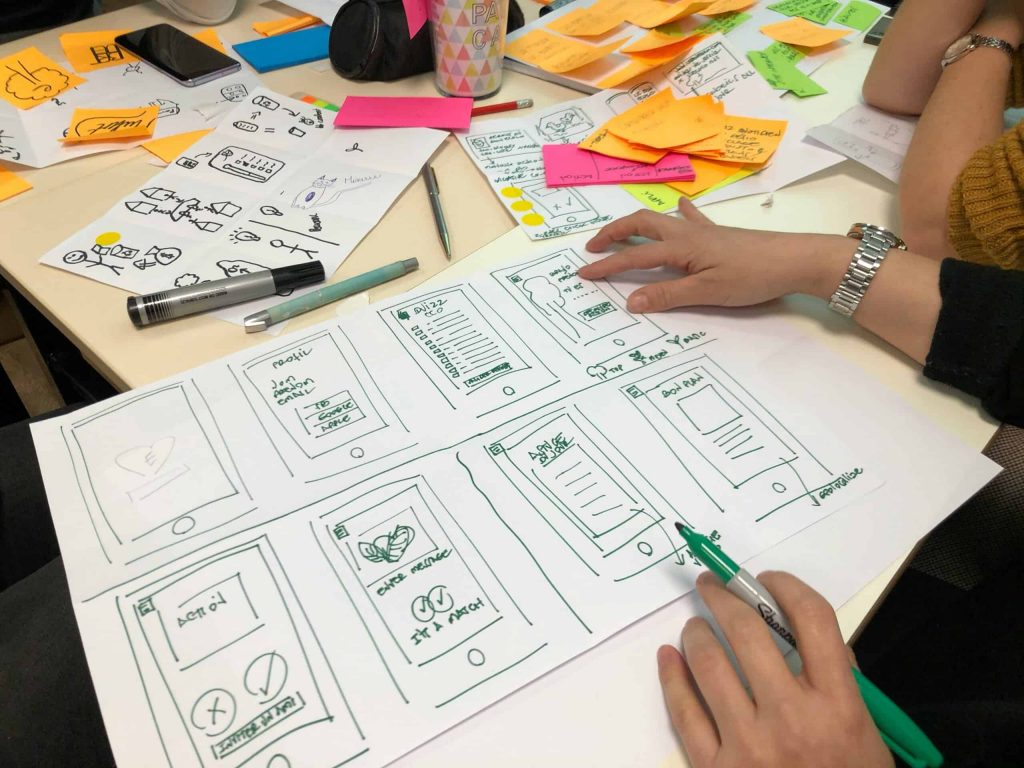
The Role of Intellectual Property in Innovation

The Role of Intellectual Property in Innovation

GUEST POST from Art Inteligencia

The role of intellectual property in innovation is becoming increasingly important. Intellectual property is defined as the legal right to a creative work or invention, which includes patents, trademarks, copyrights, and trade secrets. It is a way to protect the creativity and innovation of individuals and organizations, ensuring that they can benefit from their innovations and protect them from potential competitors.

Intellectual property can be used in a number of ways to encourage innovation. For example, a patent can be used to protect an invention from being copied or used without permission. This incentivizes companies to invest in research and development, as they know that their innovations will be protected. Similarly, trademarks can be used to protect a company’s brand, preventing others from using their name or logo without permission.

Copyrights are also an important form of intellectual property, allowing creators to protect their work from being reproduced or used without their permission. This gives creators control over how their work is used, and ensures that they are properly compensated for their efforts.

Trade secrets are also used to protect valuable information about a company’s products and processes. This prevents competitors from gaining access to a company’s confidential information, which can give them an unfair advantage.

Intellectual property is essential in encouraging innovation, as it provides a financial incentive for individuals and companies to invest in research and development. It also helps protect the creativity and hard work of individuals and organizations, which is essential for a healthy and vibrant economy. Without intellectual property, it would be much harder for innovators to benefit from their creativity and inventions.

Image credit: Pixabay

Subscribe to Human-Centered Change & Innovation WeeklySign up here to get Human-Centered Change & Innovation Weekly delivered to your inbox every week.

Latest Interview with Voltage Control’s Innovation Series

Latest Interview with Voltage Control's Innovation Series

I recently had the opportunity to sit down with Douglas Ferguson of Voltage Control, to speak with him for their Innovation Series about my work as a popular keynote speaker, workshop facilitator, and thought leader on the topics of continuous innovation and change, and some of my work with clients to create innovative strategies, digital transformations, and increased organizational agility.

But mostly in this information-packed interview, I reveal key lessons from the Human-Centered Innovation Toolkit™ and my books Charting Change and Stoking Your Innovation Bonfire, including what’s hard about making innovation sustainable, the difference between invention and innovation and how the human elements are the key to successful innovation.

Here is an excerpt from the interview:

Start with the end in mind

Measurement provides a good starting point for establishing a strong foundation. “No innovation idea emerges fully formed. What people come up with are idea fragments and you have to collect and connect those dots to create a fully formed idea.” Based on those ideas, begin by identifying the value you want to create.

In order to make sure an initiative creates all the value it intends to, Braden advocates for the use of experiments with checkpoints. “You can have checkpoints that you establish along the way in terms of getting from what you’re able to do now versus your vision for the full value that you hope to create.” When thinking through experiments to validate assumptions about feasibility, viability, and desirability, also consider the flaws that might be present in your experimentation process.

“Start plotting out all the different experiments that you plan to run and the learning that you hope to get from each one. Those are the things that you can measure against to show that you’re making progress, to show that you’re going to get to the end and that you’re on track.”

The Experiment Canvas was designed to help with this:
Click here to get The Experiment Canvas™ (11″x17″)
Click here to get The Experiment Canvas™ poster (35″x56″)

Planning with the end in mind also includes consideration for scaling the invention. “Make sure you’re laying out checkpoints around your ability to scale it, because if you can’t get to that [wide] adoption point, then most likely you’re not going to get your investment back.” Think through what you’ll have to work against in order to scale so that profitability is part of the long-term plan from the beginning. Braden looks to companies like Tesla as an example of the potentially disastrous effects an inability to profitably scale can have on a product and a company’s viability despite having strong ideas and exploration practices.

Click here to read the entire interview

Here are some additional links:

1. Click here to visit the Voltage Control interview page

2. Click here to get your copy of Charting Change

3. Click here for more information on the Change Planning Toolkit™


Accelerate your change and transformation success

Subscribe to Human-Centered Change & Innovation WeeklySign up here to get Human-Centered Change & Innovation Weekly delivered to your inbox every week.