
Author Archives: Art Inteligencia

About Art Inteligencia

Art Inteligencia is the lead futurist at Inteligencia Ltd. He is passionate about content creation and thinks about it as more science than art. Art travels the world at the speed of light, over mountains and under oceans. His favorite numbers are one and zero. Content Authenticity Statement: If it wasn't clear, any articles under Art's byline have been written by OpenAI Playground or Gemini using Braden Kelley and public content as inspiration.

What is Futurology?

What is Futurology?

GUEST POST from Art Inteligencia

Futurology, also known as prospective or future studies, is the science of predicting the future. It is a branch of social science and philosophy that seeks to understand the present in order to predict and plan for the future. Futurists and futurologists attempt to predict the future of humanity and the world, covering multiple disciplines such as politics, economics, technology, and culture.

As a field of study, futurology is relatively new and is still in the process of being developed. Its main goal is to provide insights on how to best prepare for the future. It is believed that by understanding the current trends and developments, futurologists can offer advice and guidance as to how to best prepare for what is to come.

Futurology is an interdisciplinary field that draws on elements of economics, anthropology, sociology, psychology, and other disciplines in order to gain an understanding of the future. It is often used to inform public policy decisions and help businesses plan for the future.

Futurologists use a variety of methods to make predictions about the future. These methods include analyzing current trends, using statistical models, and making use of expert opinions. Futurology is also closely related to the study of science fiction, as it attempts to predict the world of tomorrow based on the current state of affairs.

Futurology is an ever-evolving field that is constantly changing with the times. As technology, politics, and culture continue to evolve, so too will the predictions made by futurists. It is an exciting and dynamic field of study that will only continue to grow in importance as we move into the future.

Bottom line: Futurology is not fortune telling. Futurists use a scientific approach to create their deliverables, but a methodology and tools like those in FutureHacking™ can empower anyone to engage in futurology themselves.

Image credit: Pexels

Subscribe to Human-Centered Change & Innovation WeeklySign up here to get Human-Centered Change & Innovation Weekly delivered to your inbox every week.
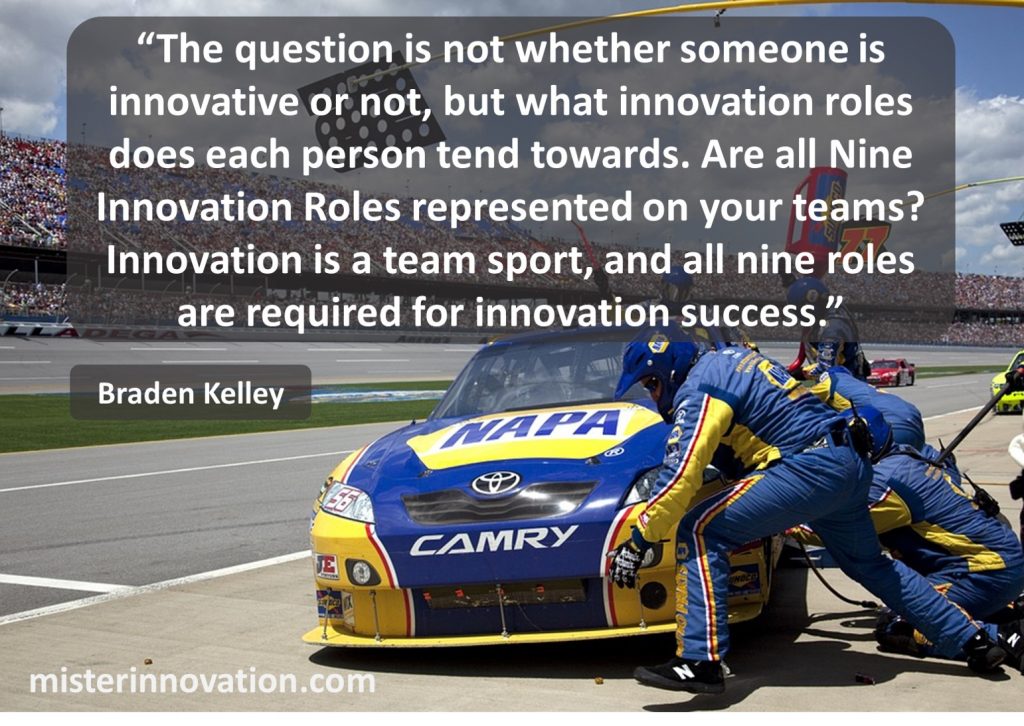
Balancing Agility and Stability

Strategies for managing organizational change during a digital transformation

Balancing Agility and Stability

GUEST POST from Art Inteligencia

In today’s fast-paced business environment, organizations must adapt and evolve continuously to stay competitive. The rapid pace of technological advancements has spurred the need for digital transformation, requiring organizations to embrace new technologies, processes, and ways of thinking. While digital transformation offers numerous benefits, including increased efficiency, improved customer experiences, and accelerated growth, it also presents significant challenges, particularly in terms of managing organizational change.

One of the key challenges organizations face during a digital transformation is striking a balance between agility and stability. On one hand, organizations must be agile enough to respond to the ever-changing business landscape and quickly adopt new technologies. On the other hand, they must also maintain a level of stability to ensure that the organization remains aligned with its strategic goals and objectives.

To navigate this balancing act successfully, organizations must develop strategies that prioritize both agility and stability. One effective approach is to create a culture that values experimentation, collaboration, and continuous learning. By fostering a culture of innovation, organizations can empower their employees to adapt to change more effectively and drive the digital transformation process forward.

Case Study 1: Netflix

As a pioneer in the digital streaming industry, Netflix has undergone several major transformations since its inception. One of the key factors driving Netflix’s success has been its ability to balance agility and stability effectively. By continuously experimenting with new technologies and business models, such as its shift from DVD rentals to online streaming, Netflix has remained at the forefront of the industry.

Netflix’s commitment to agility is exemplified by its famous “culture of freedom and responsibility,” which encourages employees to take risks and think outside the box. At the same time, Netflix also maintains a level of stability by setting clear strategic goals and objectives that guide decision-making at all levels of the organization.

Case Study 2: General Electric

General Electric (GE) provides another compelling example of how organizations can successfully manage organizational change during a digital transformation. In recent years, GE has embarked on a digital transformation journey aimed at leveraging the power of data and analytics to drive innovation and growth across its various business units.

To balance agility and stability, GE has implemented a comprehensive change management strategy that focuses on employee engagement, continuous learning, and cross-functional collaboration. By providing employees with the tools and support they need to adapt to new technologies and ways of working, GE has been able to drive significant improvements in efficiency, customer satisfaction, and business performance.

Conclusion

Managing organizational change during a digital transformation requires a delicate balance between agility and stability. By creating a culture of innovation, setting clear strategic goals, and empowering employees to adapt to change, organizations can navigate the challenges of digital transformation successfully. By learning from the experiences of companies like Netflix and General Electric, organizations can develop effective strategies for managing organizational change and driving long-term success in the digital age.

Bottom line: Futures research is not fortune telling. Futurists use a scientific approach to create their deliverables, but a methodology and tools like those in FutureHacking™ can empower anyone to engage in futures research themselves.

Image credit: Lit C1

Subscribe to Human-Centered Change & Innovation WeeklySign up here to get Human-Centered Change & Innovation Weekly delivered to your inbox every week.

Leveraging Technology for Disruptive Design

Discussing the role of emerging technologies like AI, IoT, and blockchain in designing for disruption

Leveraging Technology for Disruptive Design

GUEST POST from Art Inteligencia

In today’s fast-paced and ever-changing world, disruptive design has become a key differentiator for businesses looking to stay ahead of the curve. With the rapid advancement of technologies such as artificial intelligence (AI), Internet of Things (IoT), and blockchain, designers now have more tools at their disposal than ever before to create innovative and groundbreaking solutions.

AI, in particular, has revolutionized the design process by enabling designers to analyze vast amounts of data and identify patterns that would have been impossible to detect just a few years ago. By leveraging AI-powered algorithms, designers can now predict trends, personalize products, and streamline the design process to deliver more meaningful and impactful experiences for users.

One such case study that exemplifies the power of AI in disruptive design is the fashion industry. By utilizing AI to analyze customer preferences and behavior, companies like Stitch Fix have been able to create personalized clothing recommendations that cater to individual styles and needs. This not only enhances the customer experience but also drives sales and customer loyalty.

Similarly, IoT has opened up new avenues for disruptive design by connecting physical devices and sensors to the internet, allowing for unprecedented levels of data collection and automation. For example, companies like Nest have revolutionized the home automation industry by creating smart thermostats that learn from user behavior and adjust to optimize energy efficiency. This not only saves money for consumers but also reduces carbon emissions and contributes to a more sustainable future.

Lastly, blockchain technology has the potential to disrupt traditional design practices by enabling secure and transparent transactions, streamlining processes, and enhancing collaboration between stakeholders. For instance, companies like Provenance are using blockchain to trace the origins of products and ensure ethical sourcing practices, providing consumers with greater transparency and trust in the products they purchase.

Conclusion

The role of emerging technologies like AI, IoT, and blockchain in disruptive design cannot be understated. By harnessing the power of these technologies, designers have the ability to create innovative solutions that challenge the status quo and drive positive change in the world. As we look towards the future, it is clear that the intersection of technology and design will continue to shape the way we live, work, and interact with the world around us.

Bottom line: Futures research is not fortune telling. Futurists use a scientific approach to create their deliverables, but a methodology and tools like those in FutureHacking™ can empower anyone to engage in futures research themselves.

Image credit: Pexels

Subscribe to Human-Centered Change & Innovation WeeklySign up here to get Human-Centered Change & Innovation Weekly delivered to your inbox every week.

The Role of Emotions in Consumer Behavior

Applying Insights for Innovation

The Role of Emotions in Consumer Behavior: Applying Insights for Innovation

GUEST POST from Art Inteligencia

In today’s fast-paced and competitive market, understanding the role of emotions in consumer behavior is crucial for companies looking to innovate and stay ahead of the curve. Emotions play a significant role in shaping consumer decision-making, influencing what products they buy and how they interact with brands. By tapping into these emotions, companies can create more meaningful and memorable experiences for their customers, leading to increased loyalty and brand advocacy.

Case Study 1: Apple

One company that has successfully leveraged the power of emotions in consumer behavior is Apple. With its sleek design, intuitive user interface, and powerful marketing campaigns, Apple has cultivated a strong emotional connection with its customers. By focusing on the emotional benefits of its products, such as creativity, self-expression, and simplicity, Apple has been able to position itself as a lifestyle brand that goes beyond just selling technology. This emotional appeal has helped Apple maintain a loyal customer base and drive sales year after year.

Case Study 2: Coca-Cola

Another example of a company that has used emotions to drive consumer behavior is Coca-Cola. Through its iconic advertising campaigns, Coca-Cola has been able to evoke feelings of happiness, nostalgia, and togetherness in consumers. By associating its brand with positive emotions, Coca-Cola has created a strong emotional bond with its customers, leading to increased sales and brand loyalty. In addition, Coca-Cola has been able to innovate by introducing new flavors and products that tap into different emotional needs, such as its Diet Coke line for health-conscious consumers.

Innovative companies are increasingly recognizing the importance of emotions in consumer behavior and are incorporating emotional insights into their product development and marketing strategies. By understanding the emotional drivers behind consumer behavior, companies can create products and experiences that resonate with their target audience on a deeper level. This emotional connection can lead to increased brand loyalty, customer satisfaction, and ultimately, business success.

Conclusion

The role of emotions in consumer behavior is a powerful force that companies can harness to drive innovation and growth. By understanding and tapping into the emotional needs and desires of their customers, companies can create products and experiences that truly resonate with their target audience. By applying insights from successful case studies like Apple and Coca-Cola, companies can pave the way for innovation and success in today’s competitive market.

Bottom line: Futures research is not fortune telling. Futurists use a scientific approach to create their deliverables, but a methodology and tools like those in FutureHacking™ can empower anyone to engage in futures research themselves.

Image credit: Pexels

Subscribe to Human-Centered Change & Innovation WeeklySign up here to get Human-Centered Change & Innovation Weekly delivered to your inbox every week.

From Traditional to Innovative

Transforming Established Organizations

From Traditional to Innovative: Transforming Established Organizations

GUEST POST from Art Inteligencia

In today’s rapidly changing business landscape, the ability to innovate is no longer just a nice-to-have for companies – it’s essential for survival. However, many established organizations find themselves stuck in a traditional mindset that stifles creativity and hinders progress. In order to thrive in the face of technological disruption and shifting consumer expectations, these companies must undergo a transformation that allows them to embrace innovation and drive meaningful change.

Case Study 1: General Electric

One such company that successfully made this transition is General Electric (GE). Once known for its bureaucratic structure and hierarchical decision-making processes, GE recognized the need to adapt to a more agile and innovative approach in order to stay competitive in the digital age. Under the leadership of CEO Jeff Immelt, GE began to prioritize innovation by investing in research and development, fostering a culture of collaboration and experimentation, and embracing new technologies such as the Internet of Things.

As a result of these efforts, GE was able to launch new products and services that captivated customers and drove revenue growth. For example, GE’s Predix platform, which uses data analytics to improve the performance of industrial equipment, has revolutionized the way companies manage their operations. By embracing a culture of innovation, GE was able to transform itself from a traditional conglomerate into a modern, forward-thinking organization that is leading the way in the digital industrial revolution.

Case Study 2: IBM

Another example of a company that successfully transitioned from a traditional mindset to an innovative culture is IBM. Once known for its focus on hardware and consulting services, IBM faced a decline in revenue as its legacy businesses became increasingly commoditized. In response, CEO Ginni Rometty implemented a strategy to pivot towards higher-growth areas such as cloud computing, artificial intelligence, and blockchain.

To foster a culture of innovation within IBM, Rometty encouraged employees to think creatively, take risks, and challenge the status quo. One initiative that emerged from this push for innovation was IBM Watson, a cognitive computing platform that has been used in industries ranging from healthcare to finance. By encouraging experimentation and embracing new technologies, IBM was able to reinvent itself and establish a leadership position in emerging markets.

Conclusion

The transformations of companies like GE and IBM serve as powerful examples of how established organizations can adapt to a rapidly changing business environment by fostering a culture of innovation. By investing in research and development, encouraging collaboration and experimentation, and embracing new technologies, these companies were able to reinvent themselves and drive growth in new markets. As other organizations face similar challenges, they can look to these case studies for inspiration and guidance on how to navigate the path from tradition to innovation.

Bottom line: Futures research is not fortune telling. Futurists use a scientific approach to create their deliverables, but a methodology and tools like those in FutureHacking™ can empower anyone to engage in futures research themselves.

Image credit: Pexels

Subscribe to Human-Centered Change & Innovation WeeklySign up here to get Human-Centered Change & Innovation Weekly delivered to your inbox every week.

Sustainable Supply Chains

From Traceability to Transparency

Sustainable Supply Chains

GUEST POST from Art Inteligencia

In the era of increased awareness surrounding environmental and social issues, sustainable supply chains have become a key focus for businesses seeking to operate responsibly. As consumers demand greater transparency and accountability from the companies they support, organizations must prioritize the implementation of sustainable practices throughout their supply chain. From traceability to transparency, it is crucial for businesses to ensure that every step of their supply chain is aligned with their values and commitments to sustainability.

One of the key components of a sustainable supply chain is traceability. By tracking the journey of a product from its origin to its final destination, companies can ensure that their products are ethically and sustainably sourced. This not only helps to reduce the risk of environmental and social violations within the supply chain, but also allows companies to address issues such as deforestation, child labor, and unfair labor practices.

A prime example of a company that has successfully implemented traceability within its supply chain is Patagonia. The outdoor apparel company is known for its commitment to sustainability, and has taken significant steps to ensure that its products are produced in an ethical and environmentally responsible manner. By working closely with its suppliers and conducting regular audits, Patagonia has been able to trace the journey of its products from the farm to the factory, and ultimately to the consumer. This level of transparency has not only helped to build trust with customers, but has also positioned Patagonia as a leader in sustainable supply chain practices.

Transparency is another crucial aspect of a sustainable supply chain. By openly sharing information about their sourcing practices, companies can build credibility and demonstrate their commitment to sustainability. Transparency also allows companies to identify areas for improvement within their supply chain, and work towards implementing more sustainable practices.

A company that has excelled in promoting transparency within its supply chain is IKEA. The furniture retailer has been transparent about its commitment to sustainability, and has made significant strides in ensuring that its products are produced in an environmentally responsible manner. Through initiatives such as the Better Cotton Initiative and the Forest Stewardship Council certification, IKEA has been able to provide customers with products that are sourced from sustainable materials. By openly sharing information about its sourcing practices and supply chain operations, IKEA has been able to build trust with customers and stakeholders, and position itself as a leader in sustainable supply chain management.

In conclusion, sustainable supply chains are essential for businesses looking to operate responsibly and ethically in today’s world. From traceability to transparency, companies must prioritize the implementation of sustainable practices throughout their supply chain in order to build trust with customers and stakeholders, and demonstrate their commitment to environmental and social responsibility. By following the example of companies such as Patagonia and IKEA, businesses can work towards creating a more sustainable future for all.

Bottom line: Futures research is not fortune telling. Futurists use a scientific approach to create their deliverables, but a methodology and tools like those in FutureHacking™ can empower anyone to engage in futures research themselves.

Image credit: Pixabay

Subscribe to Human-Centered Change & Innovation WeeklySign up here to get Human-Centered Change & Innovation Weekly delivered to your inbox every week.

The Power of AI Analytics

Unleashing Hidden Insights for Enhanced Performance

The Power of AI Analytics

GUEST POST from Art Inteligencia

Artificial intelligence (AI) has revolutionized the way businesses operate in the digital age. One of the most powerful applications of AI technology is in the field of analytics, where advanced algorithms are used to uncover hidden insights and patterns within large datasets. By harnessing the power of AI analytics, organizations can gain a competitive edge by making more informed decisions and optimizing their performance in ways that were previously unimaginable.

Case Study 1: Retail Industry

A leading global retailer was struggling to effectively manage their inventory and optimize their supply chain to meet customer demand. With the help of AI analytics, the company was able to analyze massive amounts of data, including sales figures, pricing trends, and customer purchase history, to predict future demand and adjust their inventory levels accordingly. As a result, the retailer was able to reduce stockouts, minimize overstocking, and increase sales by 15% within the first year of implementing AI analytics. By leveraging hidden insights uncovered through AI technology, the company was able to improve its operations and enhance overall performance.

Case Study 2: Healthcare Industry

A large healthcare provider was facing challenges in efficiently managing patient care and resource allocation across its network of hospitals and clinics. By implementing AI analytics, the organization was able to analyze patient data, including medical history, treatment outcomes, and demographic information, to identify patterns and trends that could improve care delivery. The healthcare provider used this information to optimize staffing levels, streamline workflows, and personalize treatment plans for patients based on their unique needs. As a result, the organization was able to reduce readmission rates, improve patient outcomes, and increase overall efficiency in healthcare delivery.

Conclusion

The power of AI analytics is transforming industries across the globe by unlocking hidden insights and driving enhanced performance. By leveraging advanced algorithms and cutting-edge technology, organizations can harness the full potential of their data to make more informed decisions, optimize processes, and drive innovation. As we continue to navigate the increasingly complex and data-driven business landscape, AI analytics will play a crucial role in shaping the future of organizations and propelling them towards greater success.

Bottom line: Futures research is not fortune telling. Futurists use a scientific approach to create their deliverables, but a methodology and tools like those in FutureHacking™ can empower anyone to engage in futures research themselves.

Image credit: Pixabay

Subscribe to Human-Centered Change & Innovation WeeklySign up here to get Human-Centered Change & Innovation Weekly delivered to your inbox every week.

The Role of Precision Medicine in Personalizing Healthcare Treatment

The Role of Precision Medicine in Personalizing Healthcare Treatment

GUEST POST from Art Inteligencia

In the evolving landscape of healthcare, precision medicine stands out as a beacon of hope for individualized treatment strategies. By integrating clinical and molecular information, precision medicine tailors healthcare to the unique genetic makeup of each patient, offering a more accurate diagnosis, prognosis, and treatment plan.

Case Study 1: Oncology and Genomic Profiling

Jane, a 54-year-old woman, was diagnosed with breast cancer. Traditional chemotherapy had limited effect, and her prognosis was poor. However, genomic profiling of her tumor revealed a specific mutation that was targetable by a new, experimental drug. Enrolled in a clinical trial, Jane received the personalized medication, which significantly reduced her tumor size and improved her quality of life. This case underscores the power of precision medicine in identifying effective treatments for patients who might otherwise have limited options.

Case Study 2: Pharmacogenomics and Mental Health

John, a 30-year-old man, struggled with severe depression and had tried multiple antidepressants with no success. Through pharmacogenomic testing, his healthcare provider discovered that John had a genetic variation affecting his metabolism of certain medications. With this insight, John was prescribed a different class of antidepressant tailored to his genetic profile. The result was a dramatic improvement in his symptoms, demonstrating how precision medicine can optimize medication selection and dosing for better outcomes.

Conclusion

Precision medicine is not a distant dream but a rapidly advancing reality. It holds the promise of revolutionizing healthcare by making treatment as unique as the patients themselves. As we continue to unravel the human genome and harness the power of data analytics, the potential for personalized healthcare becomes increasingly tangible. With each successful case study, we move closer to a future where every patient can receive care that is precisely calibrated to their individual needs.

These case studies illustrate the profound impact that precision medicine can have on patient care. By leveraging advanced technologies and personalized data, healthcare providers can offer treatments that are more effective and less invasive, leading to better patient outcomes and a brighter future for medicine.

Bottom line: Futures research is not fortune telling. Futurists use a scientific approach to create their deliverables, but a methodology and tools like those in FutureHacking™ can empower anyone to engage in futures research themselves.

Image credit: Pixabay

Subscribe to Human-Centered Change & Innovation WeeklySign up here to get Human-Centered Change & Innovation Weekly delivered to your inbox every week.
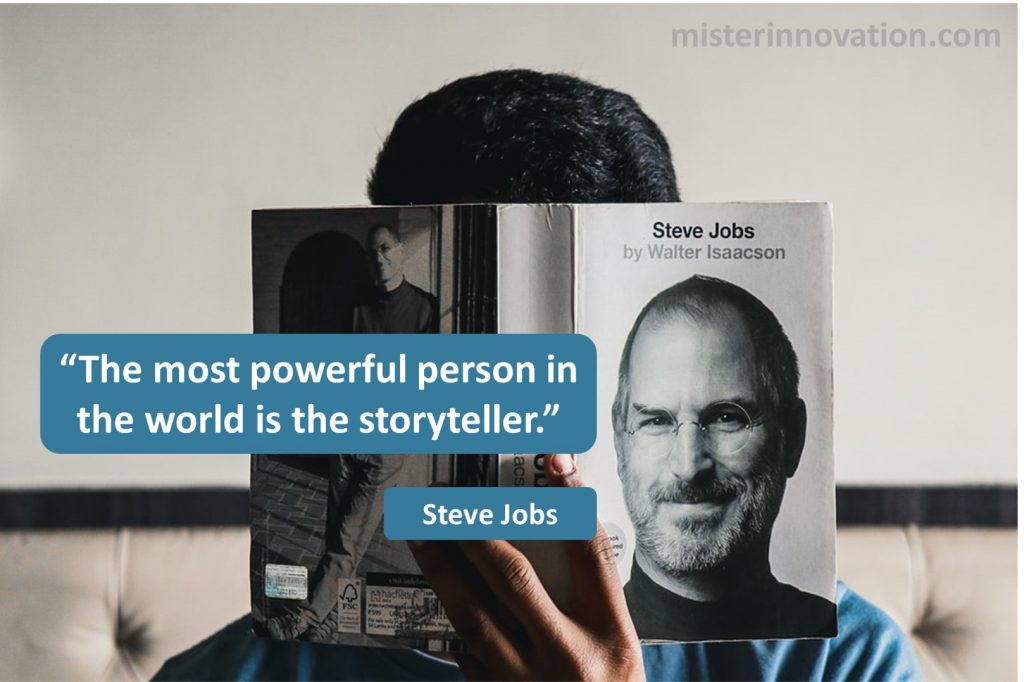
Change Metrics that Matter

Measuring the Impact of Change Initiatives

Change Metrics that Matter

GUEST POST from Art Inteligencia

In today’s dynamic business environment, organizations are constantly undergoing change to stay competitive and adapt to market demands. However, implementing change initiatives can be challenging, and measuring the impact of these efforts is essential to ensure their success. It is crucial for organizations to not only track the progress of change initiatives but also measure their effectiveness and impact on key metrics. In this article, we will explore the importance of measuring change metrics that matter and highlight two case study examples of organizations that have successfully measured the impact of their change initiatives.

Measuring the impact of change initiatives is crucial for organizations to understand whether their efforts are driving the desired results and achieving their intended goals. Without proper measurement, organizations may struggle to quantify the success of their change initiatives and identify areas for improvement. By establishing clear metrics and measuring progress against them, organizations can track the effectiveness of their change initiatives, identify areas of success, and pivot their approach if necessary.

One key aspect of measuring the impact of change initiatives is identifying the right metrics to track. While traditional metrics such as cost savings and revenue growth are important, organizations should also consider measuring softer metrics such as employee engagement, customer satisfaction, and organizational culture. By tracking a combination of both hard and soft metrics, organizations can gain a holistic understanding of the impact of their change initiatives and ensure they are driving long-term success.

Case Study 1: Company A

Company A, a global technology company, embarked on a large-scale organizational restructuring to streamline operations and improve efficiency. To measure the impact of this change initiative, the company tracked metrics such as employee productivity, customer satisfaction, and time-to-market for new products. By analyzing these metrics over time, Company A was able to identify areas where the change initiative was successful and areas that required further attention. As a result, the company was able to make data-driven decisions to optimize its change initiative and achieve its desired outcomes.

Case Study 2: Company B

Company B, a healthcare organization, implemented a new electronic health record system to improve patient care and streamline operations. To measure the impact of this change initiative, the organization tracked metrics such as patient outcomes, staff satisfaction, and operational efficiency. By analyzing these metrics, Company B was able to identify that the new system led to faster patient check-ins, improved accuracy of patient records, and increased staff satisfaction. As a result, the organization was able to demonstrate the success of its change initiative and make continuous improvements to enhance patient care further.

Conclusion

Measuring the impact of change initiatives is essential for organizations to drive success and achieve their desired outcomes. By tracking a combination of hard and soft metrics, organizations can gain a holistic understanding of the effectiveness of their change initiatives and make data-driven decisions to optimize their approach. The case study examples of Company A and Company B highlight the importance of measuring change metrics that matter and the positive impact it can have on organizational success. As organizations continue to navigate change in an ever-evolving business landscape, measuring the impact of change initiatives will be crucial to driving sustainable growth and success.

Bottom line: Futures research is not fortune telling. Futurists use a scientific approach to create their deliverables, but a methodology and tools like those in FutureHacking™ can empower anyone to engage in futures research themselves.

Image credit: misterinnovation.com

Subscribe to Human-Centered Change & Innovation WeeklySign up here to get Human-Centered Change & Innovation Weekly delivered to your inbox every week.

Augmented Reality for Travel and Tourism

Redefining Customer Journeys

Augmented Reality for Travel and Tourism: Redefining Customer Journeys

GUEST POST from Art Inteligencia

As technology continues to advance, industries such as travel and tourism are constantly seeking new ways to enhance customer experiences. Augmented reality (AR) has emerged as a powerful tool in this pursuit, providing unique and immersive experiences for travelers. By overlaying digital information onto the physical world, AR has the potential to revolutionize the way people explore destinations, engage with local culture, and make travel decisions.

Case Study 1: Airbnb’s AR-powered travel experiences

In recent years, Airbnb has been at the forefront of incorporating AR technology into its platform to enhance the customer journey. By leveraging AR capabilities, Airbnb now offers virtual tours of rental properties, allowing potential guests to preview accommodations and explore the space before booking. This not only gives travelers a more accurate representation of the property but also helps them make informed decisions based on their preferences.

Additionally, Airbnb has introduced AR-powered city guides that provide travelers with real-time information about local attractions, restaurants, and events. By simply pointing their phones at a street corner, users can access detailed information about nearby points of interest, making it easier to navigate unfamiliar cities and discover hidden gems. This personalized and interactive experience adds a new dimension to travel planning and enriches the overall itinerary for Airbnb guests.

Case Study 2: Marriott Hotels’ virtual concierge service

Marriott Hotels has also embraced AR technology to redefine the customer journey for its guests. In partnership with Wayfair, Marriott has introduced a virtual concierge service that allows guests to visualize and decorate their hotel rooms using AR. By scanning a QR code with their smartphone, guests can access Wayfair’s catalog of furniture and decor items, virtually placing them in their room to see how they would look in real life.

This innovative use of AR enhances the personalization of hotel accommodations and empowers guests to create a space that suits their tastes and preferences. By offering this virtual design experience, Marriott Hotels not only enhances the customer journey but also creates a more engaging and memorable stay for guests.

Conclusion

Augmented reality is rapidly transforming the travel and tourism industry by redefining customer journeys and creating immersive experiences for travelers. Companies like Airbnb and Marriott Hotels are leading the way in integrating AR technology into their services, providing customers with personalized and interactive experiences that enhance their overall travel experience. As AR continues to evolve, we can expect to see even more innovative applications that redefine the way we explore destinations, engage with local culture, and make travel decisions. Augmented reality is truly shaping the future of travel and tourism, offering endless possibilities for creating unforgettable customer journeys.

Bottom line: Futures research is not fortune telling. Futurists use a scientific approach to create their deliverables, but a methodology and tools like those in FutureHacking™ can empower anyone to engage in futures research themselves.

Image credit: Pixabay

Subscribe to Human-Centered Change & Innovation WeeklySign up here to get Human-Centered Change & Innovation Weekly delivered to your inbox every week.