
Monthly Archives: February 2022

Top 10 Benefits of Doing Annual Employee Experience Audits

Top 10 Benefits of Doing Annual Employee Experience Audits

GUEST POST from Art Inteligencia

Employee experience is paramount to organizational success. Ensuring that employees feel valued, empowered, and engaged has a direct impact on productivity, innovation, and retention. One powerful tool in achieving this is conducting annual employee experience audits. Let’s delve into the top ten benefits of this practice, supported by real-world case studies.

1. Enhanced Employee Engagement

Regular audits help organizations identify what truly matters to employees, leading to enhanced engagement strategies.

2. Improved Retention Rates

Understanding and addressing employee concerns through audits can significantly improve retention rates.

3. Increased Productivity

By pinpointing and removing barriers, audits can enhance workplace efficiency and productivity.

4. Better Talent Attraction

Companies committed to improving employee experiences are more attractive to top talent.

5. Strengthened Company Culture

Regular audits foster a culture of openness and continuous improvement.

6. Boosted Innovation

When employees feel heard and valued, they are more likely to contribute innovative ideas.

7. Enhanced Employee Well-being

Insights from audits can help tailor well-being programs to employee needs.

8. Informed Decision-making

Data from audits provide a solid foundation for strategic decision-making.

9. Increased Organizational Agility

Regular feedback loops enable organizations to remain agile in the face of change.

10. Competitive Advantage

Companies that prioritize employee experience gain a significant competitive edge.

Case Study 1: Tech Innovators Inc.

Tech Innovators Inc., a major software company, implemented annual employee experience audits three years ago. Since then, they’ve seen a 40% reduction in turnover and a 25% increase in productivity. By regularly gathering feedback and acting on it, they’ve cultivated a dynamic and motivated workforce, allowing them to maintain a leading position in their sector.

Case Study 2: Health & Wellness Corporation

Health & Wellness Corporation, a global leader in healthcare services, integrated annual audits into their HR practices. By listening to employee feedback, they revamped their benefits package to better address employee needs, which resulted in a notable improvement in employee satisfaction scores and a significant decline in absenteeism. This proactive approach has turned their employee experience into a benchmark for the industry.

Engaging in annual employee experience audits not only nurtures a thriving organizational environment but also serves as a catalyst for business growth and success. To further deepen your understanding, check out How to Create a Culture of Innovation and 5 Essential Elements for Driving Successful Change.

Extra Extra: Futurology is not fortune telling. Futurists use a scientific approach to create their deliverables, but a methodology and tools like those in FutureHacking™ can empower anyone to engage in futurology themselves.

Image credit: Pixabay

Subscribe to Human-Centered Change & Innovation WeeklySign up here to get Human-Centered Change & Innovation Weekly delivered to your inbox every week.

Stop Fooling Yourself

Stop Fooling Yourself

GUEST POST from Greg Satell

Early in my career I was working on a natural gas trading desk and found myself in Tulsa Oklahoma visiting clients. These were genuine roughnecks, who had worked their way up from the fields to become physical gas traders. When the NYMEX introduced “paper” contracts and derivatives into the market, however, much would change.

They related to me how, when New York traders first came to town offering long-term deals, they were thrilled. For the first part of the contract, they were raking in money. Unfortunately, during the latter months, they got crushed, losing all their profits and then some. The truth was that the trade was pure arbitrage and they never had a chance.

My clients’ brains were working against them in two ways. First, availability bias, caused them to value information most familiar to them and dismiss other data. The second, confirmation bias, made them look for information that would confirm their instincts. This, of course, isn’t at all unusual. It takes real effort to avoid believing the things we think.

Becoming a Square-Peg Business in a Round-Hole World

When I was researching my book, Mapping Innovation, I spoke to every great innovator I could find. Some were world class scientists, others were top executives at major corporations and still others were incredibly successful entrepreneurs. Each one shared with me how they were able to achieve incredible things.

What I found most interesting was that the story was different every time. For every one who told me that a particular approach was the secret to their success, I found someone else who was equally successful who did things completely differently. The fact is that there is no one “true path” to innovation, everybody does it different ways.

Yet few organizations acknowledge that in any kind of serious way. Rather, they have a “way we do things around here,” and there are often significant institutional penalties for anyone who wants to do things differently. Usually these penalties are informal and unspoken, but they are very real and can threaten to derail even the most promising career.

You can see how the same cognitive biases that lost my gas trader friends money are at work here. In a profitable company, the most available information suggests things are being done the “right” way and everybody who wants to get ahead in the organization is heavily incentivized to embrace evidence to support that notion and disregarding contrary data.

That’s how organizations get disrupted. They stick to what’s worked for them in the past and fail to notice that the nature of the problems they need to solve has fundamentally changed. They become better and better at things that people care about less and less. Before they realize what happened, they become square-peg businesses in a round-hole world.

Silicon Valley Jumps the Shark

Nobody can deny the incredible success that Silicon Valley has had over the past few decades. Still mostly a backwater in the 1970s and 80s, by the end of 2020 four out of the ten most valuable companies in the world came from the Bay Area (not including Microsoft and Amazon, which are based in Seattle). No other region has ever dominated so thoroughly.

Yet lately Silicon Valley’s model of venture-funded entrepreneurship seems to have jumped the shark. From massive fraud at Theranos and out-of control founders at WeWork and Uber to, most recently, the incredible blow-up at Quibi, there is increasing evidence that the tech world’s “unicorn culture” is beginning to have a negative impact on the real economy.

One clue of where things went wrong can be found in Eric Ries’s book, The Startup Way. Ries, whose earlier effort, The Lean Startup, was a runaway bestseller, was invited to implement his methods at General Electric and transform the company to a 124 year-old startup. Much like with the “unicorns,” it didn’t end well.

The fundamental fallacy of Silicon Valley is that a model that was developed for a relatively narrow set of businesses—essentially software and consumer electronics—could be applied to solve any problem. The truth is that, much like the industrial era before it, the digital era will soon end. We need to let go of old ways and set out in new directions.

Unfortunately, because of how brains are wired for availability bias and confirmation bias, that’s a whole lot easier said than done.

Breaking Out of the Container of Your Own Experience

In 1997, when I was still in my twenties, I took a job in Warsaw, Poland to work in the nascent media industry that was developing there. I had experience working in media in New York, so I was excited to share what I’d learned and was confident that my knowledge and expertise would be well received.

It wasn’t. Whenever I began to explain how a media business was supposed to work, people would ask me, “why?” That forced me to think about it and, when I did, I began to realize that many of the principles I had taken for granted were merely conventions. Things didn’t need to work that way and could be done differently.

I also began to realize that, working for a large corporation in the US, I had been trained to work within a system, to play a specific part in a greater whole. When a problem came up that was outside my purview, I went to someone down the hall who played another part. Yet in post-Communist Poland, there was no system and no one down the hall.

So I had to learn a new outlook and a new set of skills and I consider myself lucky to have had that experience. When you are forced to explore the unknown, you end up finding valuable things that you didn’t even know to look for and begin to realize that many perspectives can be brought to bear on similar problems with similar fact patterns.

Learning How to Not Fool Yourself

In one of my favorite essays, originally given as a speech, the great physicist Richard Feynman said “The first principle is that you must not fool yourself—and you are the easiest person to fool. So you have to be very careful about that,” and goes on further to say that simply being honest isn’t enough, you also need to “bend over backwards” to provide information so that others may prove you wrong.

So, the first step is to be hyper-vigilant and aware that your brain has a tendency to fool you. It will quickly grasp on the most readily available data and detect patterns that may or may not be there. Then it will seek out other evidence that confirms those initial hunches while disregarding contrary evidence.

Yet checking ourselves in this way isn’t nearly enough, we need to actively seek out and encourage dissent. Some of this can be done with formal processes such as pre-mortems and red teams, but a lot of it is cultural, hiring for diversity and running meetings in such a way that encourages discussion by, for instance, having the most senior leaders speak last.

Perhaps most of all, we need to have a sense of humility. It’s far too easy to be impressed with ourselves and far too difficult to see how we’re being led astray. There is often a negative correlation between our level of certainty and the likelihood of us being wrong. We all need to make an effort to believe less of what we think.

— Article courtesy of the Digital Tonto blog
— Image credit: Pixabay

Subscribe to Human-Centered Change & Innovation WeeklySign up here to get Human-Centered Change & Innovation Weekly delivered to your inbox every week.

10 Unexpected Costs from NOT Doing Annual Partner Experience Audits

10 Unexpected Costs from NOT Doing Annual Partner Experience Audits

GUEST POST from Chateau G Pato

In the ever-evolving world of business, partner relationships are akin to a finely tuned machine. They require regular maintenance and adjustments to operate at peak performance. However, one area that often gets overlooked is the partner experience audit. Failing to conduct these audits can lead to a series of unexpected costs that can severely impact your business.

The Hidden Costs

  1. Misaligned Expectations: Without an audit, partners may develop misaligned expectations, leading to conflicts and unfulfilled objectives.
  2. Loss of Trust: Trust, once lost, can be costly to rebuild. Audits help maintain transparency and trust between partners.
  3. Decreased Partner Engagement: Partners are less likely to engage if they feel their voices are not heard or their concerns are not addressed.
  4. Increased Attrition: Dissatisfied partners are more likely to leave, increasing recruitment and onboarding costs for new partners.
  5. Reputation Damage: Poor partner experiences can tarnish your brand’s reputation, affecting both current and potential partners.
  6. Revenue Loss: A disengaged partner can result in missed opportunities and lost revenue.
  7. Operational Inefficiencies: Unaddressed issues can lead to inefficiencies in operations, ultimately increasing costs.
  8. Incomplete Market Reach: Under-performing partners may limit your ability to fully leverage market opportunities.
  9. Increased Training Costs: Poor experiences might necessitate additional training and resources to bring partners up to speed.
  10. Legal Challenges: Problems that could have been identified early may lead to legal disputes that are costly to resolve.

Case Studies

Case Study 1: Tech Innovators, Inc.

Tech Innovators, a mid-sized software firm, neglected partner experience audits for two years. This oversight led to several partners misinterpreting new software features, resulting in implementation errors. This not only increased customer support costs but also caused friction within their partner network. By the time a comprehensive audit was conducted, two key partners had switched to competitors, leading to a noticeable dip in their market share.

Case Study 2: Global Agro Solutions

Global Agro Solutions saw its distribution efficiency plummet when it failed to conduct continuous partner experience assessments. The lack of communication meant that several partners didn’t have access to updated training materials and sales strategies. This misalignment led to a 15% increase in product return rates and a 10% decrease in partner retention over the next fiscal year.

Conclusion

Annual partner experience audits are not just a procedural task; they are a critical component of strategic business management. Ignoring these audits can lead to unforeseen costs and lost opportunities. Embracing them ensures a vibrant, productive, and mutually beneficial partnership ecosystem.

If you’re interested in learning more about the role of human-centered innovation and strategies to engage partners, don’t miss these reads:

Invest in your partner relationships, and they’ll invest in you.

This article provides a comprehensive discussion on the unexpected costs that arise from neglecting partner experience audits, complemented by two case studies. The document also links readers to additional resources for a broader understanding of partner engagement and innovation.

Extra Extra: Futurology is not fortune telling. Futurists use a scientific approach to create their deliverables, but a methodology and tools like those in FutureHacking™ can empower anyone to engage in futurology themselves.

Image credit: Pexels

Subscribe to Human-Centered Change & Innovation WeeklySign up here to get Human-Centered Change & Innovation Weekly delivered to your inbox every week.

The ABCDEs of Technology Adoption

The ABCDEs of Technology Adoption

GUEST POST from Arlen Meyers, M.D.

Every day, doctors have to make daily decisions about whether or not to adopt a new technology and add it their clinical armamentarium, either replacing or supplementing what they do. In doing so, they run the risk of making a Type 1 or a Type 2 adoption error.

Epistemology is a branch of philosophy generally concerned with the nature of knowledge. It asks questions such as ‘How do we know?’ and ‘What is meaningful knowledge?’. Understanding what it means to have knowledge in a particular area—and the contexts and warrants that shape knowledge—has been a fundamental quest for centuries.
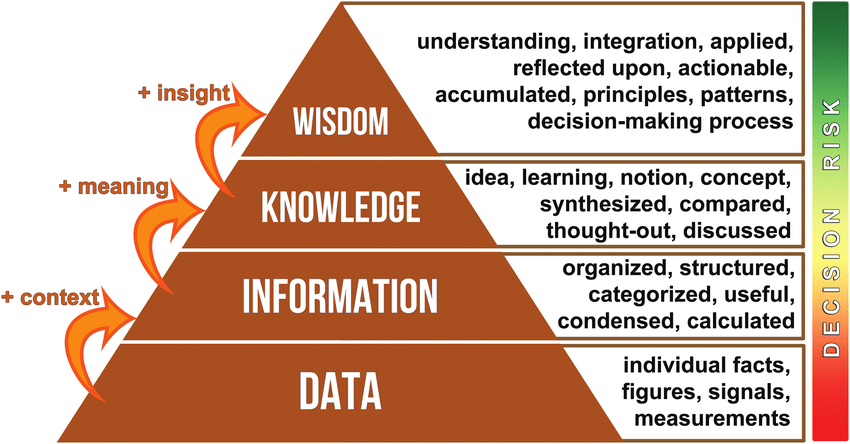
Data Information Knowledge Wisdom Pyramid

In Plato’s Theaetetus, knowledge is defined as the intersection of truth and belief, where knowledge cannot be claimed if something is true but not believed or believed but not true. Using an example from neonatal intensive care, this paper adapts Plato’s definition of the concept ‘knowledge’ and applies it to the field of quality improvement in order to explore and understand where current tensions may lie for both practitioners and decision makers. To increase the uptake of effective interventions, not only does there need to be scientific evidence, there also needs to be an understanding of how people’s beliefs are changed in order to increase adoption more rapidly.

Only 18% of clinical recommendations are evidence based. There are significant variations in care from one doctor to the next. Physicians practicing in the same geographic area (and even health system) often provide vastly different levels of care during identical clinical situations, including some concerning variations, according to a new analysis.

Clinical and policy experts assessed care strategies used by more than 8,500 doctors across five municipal areas in the U.S., keying in on whether they utilized well-established, evidence-backed guidelines. They found significant differences between physicians, including some working in the same specialty and hospital.

The study results were published Jan. 28 in JAMA Health Forum.

One practice difference the authors found surprising was in arthroscopic knee surgery rates. In these cases, the top 20% of surgeons performed surgery on 2%-3% of their patients, while the bottom 20% chose this invasive option for 26%-31% of patients with the same condition being treated in the same city.

The question is why?

There’s an old joke that there are two ways everyone sees the world: those that see it as a 2×2 matrix and those that don’t.
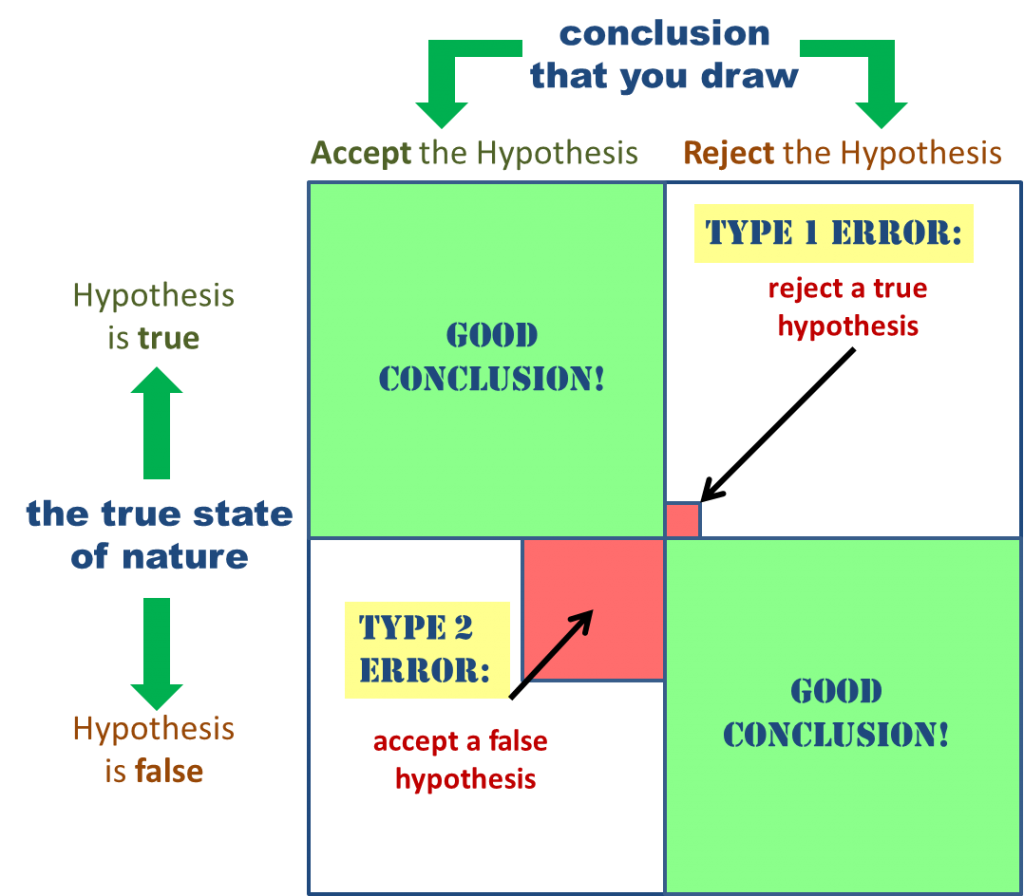
Type 1 Type 2 Errors Kris Martin

A type 1 error occurs when they make a “false positive” error and use or do something that is not justified by the evidence. Type 2 errors, on the other hand are “false negatives” where the practitioner rejects or does not do something that represents best evidence practice.

The most recent example is the campaign to get doctors to stop prescribing low value interventions and tests. The Choosing Wisely campaign, which launched five years ago, hasn’t curbed the widespread use of low-value services even as physicians and health systems make big investments in the effort, a new report found.

The analysis, released  in Health Affairs, said a decrease in unnecessary healthcare services “appear to be slow in moving” since the campaign was formed in 2012. The report found that recent research shows only small decreases in care for certain low-value services and even increases for some low-value services.

The reasons why American doctors keep doing expensive procedures that don’t work are many. The proportion of medical procedures unsupported by evidence may be nearly half. In addition, misuse of cannabis, supplements, neutriceuticals and vitamins are rampant.

Evidence-based practice is held as the gold standard in patient care, yet research suggests it takes hospitals and clinics about 17 years to adopt a practice or treatment after the first systematic evidence shows it helps patients. Here are some ways to speed the adoption of evidence based care.

Unfortunately, there are many reasons why there are barriers to adoption and penetration of new technologies that can result in these errors. I call them the ABCDEs of technology adoption:

Attitudes: While the evidence may point one way, there is an attitude about whether the evidence pertains to a particular patient or is a reflection of a general bias against “cook book medicine”

Biased Behavior: We’re all creatures of habit and they are hard to change. Particularly for surgeons, the switching costs of adopting a new technology and running the risk of exposure to complications, lawsuits and hassles simply isn’t worth the effort. Doctors suffer from conformation bias, thinking that what they do works, so why change?

Here are the most common psychological biasesHere are many more.

Why do you use or buy what you do? Here is a introduction to behavioral economics.

Cognition: Doctors may be unaware of a changing standard, guideline or recommendation, given the enormous amount of information produced on a daily basis, or might have an incomplete understanding of the literature. Some may simply feel the guidelines are wrong or do not apply to a particular patient or clinical situation and just reject them outright. In addition, cognitive biases and personality traits (aversion to risk or ambiguity) may lead to diagnostic inaccuracies and medical errors resulting in mismanagement or inadequate utilization of resources. Overconfidence, the anchoring effect, information and availability bias, and tolerance to risk may be associated with diagnostic inaccuracies or suboptimal management.

In addition,  there is a critical misunderstanding of what information randomized trials provide us and how health care providers should respond to the important information that these trials contain.

  • Has this trend been studied?
  • If so, who conducted the study?
  • Was it somebody who may make money based on study results?
  • Did the study include a control group?
  • What population did they use to test this trend?

Do you know how to read the medical literature?

Denial: Doctors sometimes deny that their results are suboptimal and in need of improvement, based on “the last case”. More commonly, they are unwilling or unable to track short term and long term outcomes to see if their results conform to standards.

Emotions: Perhaps the strongest motivator, fear of reprisals or malpractice suits, greed driving the use of inappropriate technologies that drive revenue, the need for peer acceptance to “do what everyone else is doing” or ego driving the opposite need to be on the cutting edge and winning the medical technology arms race or create a perceived marketing competitive advantage. In other words, peer pressure and social contagion is present in medicine as much as anywhere else. “Let’s do this test, just in case” is a frequent refrain from both patients and doctors, when in fact, the results of the treatment or test will have little or no impact on the outcome. It is driven by a combination of fear, the moral hazard and bias.

Here are some common customer fears when it comes to adopting a new product or technology and how to overcome them.

 Although investment in start-ups is significant, complex barriers to implementing change and innovation remain.

These “unnecessary” barriers, which vary from complicated funding structure to emotional attitudes towards healthcare, have resulted in the uneven advancement of medical technologies – to the detriment of patients in different sectors.

Economics: What is the opportunity cost of my time and expertise and what is the best way for me to optimize it? What are the incentive to change what I’m doing?

Here are three insights as to why physicians are still skeptical about using wearable technology to monitor patients’ health:

  1. Data access. Clinicians aren’t interested in using wearables if data from the devices isn’t connected to their organization’s EHR. Only 10 percent of physicians said they have integrated data from patient wearables, leaving clinicians unable to access the data or having to enter it manually.
  2. Data accuracy. Some physicians do not trust data from consumer wearable devices; for example, the FDA and other global regulators have cleared a smartwatch application that can alert patients who have already been diagnosed with atrial fibrillation when they are experiencing episodes. However, the capability is less useful as a mass screening tool and has generated many false positive results.
  3. User error and anxiety. If a wearable device is not worn correctly, it may generate inaccurate results. Some who use wearables to monitor their health can also become too focused on vitals such as heart rhythm and pulse rate, which can cause anxiety-induced physical reactions that mimic conditions such as atrial fibrillation.

The past 600 years of human history help explain why humans often oppose new technologies and why that pattern of opposition continues to this day. Calestous Juma, a professor in Harvard University’s Kennedy School of Government, explores this phenomenon in his latest book, “Innovation and Its Enemies: Why People Resist New Technologies.”

Here are the key takeaways.

Research indicates that doctors make these kinds errors frequently(http://ecp.acponline.org/sepoct01/pilson.pdf). Moreover, we are witnessing the development of digital health technologies like medical mobile apps, most of which are not clinically validated. So, how should a clinician decide when to adopt new technology? How much evidence is sufficient for an unsophisticated physician to begin adopting or applying a technological innovation for patient care? How do you strike a balance between innovation and evidence from a patient safety and quality standpoint?

Changing patient behavior has been described as the “next frontier”. To make that happen, we will need to change doctor behavior as well.Some interventions work but passive interventions don’t.

Here are some suggestions:

  1. Recognize, that like most customers, surgeons buy emotionally and justify rationally.
  2. Surgeons should be introspective about how and when they adopt new technologies and try to minimize Type 1 and Type 2 errors
  3. While an initial step is to be sure that surgeons are aware of new information that might drive an adoption decision, research indicates that simply presenting them with that information does not change behavior.
  4. Doctors should be skeptical about digital health technologies that might be technically and commercially validated, but not clinically validated.
  5. Doctors will have to resolve the conflict between best evidence and personalized medicine. We face the opportunity to individualize care yet are faced with the challenges of delivering mass customized care when it is becoming increasingly commoditized.
  6. Technology adoption, diffusion and sustainability vary depending on the product offering like drugs, devices, digital health products, care delivery innovation or business process innnovation.
  7. Doctors often have nothing to do with choosing which technology is adopted or, more importantly, paid for by a third party.
  8. Doctors, particularly those that are employed, have to concern themselves more and more with making the numbers, which involves implicitly or covertly rationing care, as irrational as it may be.
  9. Conflicts of interest hide, in some instances, the motivation for technology adoption.
  10. Doctors have high switching costs when it comes to including something new in their therapeutic armamentarium.
  11. In most instances, dissemination and implementation has more to do with leading change than the technology. Consequently it is best to get buy in from clinicians early, define a clear unmet need, have internal champions and leadership from the C-suite.
  12. Adoption and penetration happens in organizations when there is a match between the values and skills of intrapreneurs and organizational innovation readiness as demonstrated by teams that are willing to pull the oars in the same direction.
  13. Here are some ways to to change doctor prescribing habits to conform to evidence based medicine

The job doctors want virtual care technologists to do is that they want you to give them a QWILT: quality, workflow efficiencies,income, protection from liability and giving them more time spend with patients (face to face, since, in most instances, that’s how they get paid) Increasingly, they also want to spend more time “off the clock”, instead of being overburdened with EMR pajama time and answering non-urgent emails or patient portal messages.

While monetary incentives and behavioral “nudges” both have their strengths, neither of them is sufficient to reliably change clinician behavior and improve the quality of their care. Sometimes nudging helps. Organizational culture, while diverse and complex, provides another important lens to understand why clinicians are practicing in a certain way and to put forth more comprehensive, long-term solutions.

The public shares some culpability. Americans often seem to prefer more care than less. But a lot of it still comes from physicians, and from our inability to stop when the evidence tells us to. Professional organizations and others that issue such guidelines also seem better at telling physicians about new practices than about abandoning old ones.

Medicine has a lot to learn from the consumer products industry when it comes to using the power of brands to change behavior. Some are using personal information technologies to give bespoke information to individual patients, much like Amazon suggesting what books to buy based your preferences. We need to do the same thing for doctors.

Like most consumer electronics customers, doctors will almost always get more joy from technology the longer they wait for it to mature. Cutting-edge gadgets can invoke awe and temptation, but being an early adopter involves risk, and the downsides usually outweigh the benefits.

There are many barriers to the adoption and penetration of medical technologies. The history of medicine is full of examples, like the stethoscope, that took decades before they were widely adopted. Hopefully, with additional insights and data, it won’t take us that long.

Image credits: Pixabay, ResearchGate.net, Kris Martin

Subscribe to Human-Centered Change & Innovation WeeklySign up here to get Human-Centered Change & Innovation Weekly delivered to your inbox every week.

Metrics for Assessing Organizational Readiness for Innovation

Metrics for Assessing Organizational Readiness for Innovation

GUEST POST from Art Inteligencia

In today’s rapidly evolving business landscape, innovation is not just an option but a necessity. Yet, before diving headfirst into the innovation process, organizations need to assess their readiness. However, evaluating readiness isn’t straightforward. This article explores key metrics for assessing organizational readiness for innovation through the examination of two case studies and valuable internal links.

The Importance of Readiness Metrics

Innovation efforts fail not because of lack of ideas but due to unprepared environments that stifle creativity and execution. To avert this, businesses must establish readiness metrics that gauge various crucial aspects such as culture, resources, leadership, strategy alignment, and market adaptation.

Key Metrics to Assess Readiness

Cultural Alignment

An innovative culture thrives on openness, risk-taking, collaboration, and learning. To measure this, factors such as employee willingness to experiment, leadership support, and cross-department collaboration are vital.

Resource Availability

Assess the availability of time, talent, and technology. Readiness involves having the necessary infrastructure and dedicated personnel that can focus on innovation without overstretching existing resources.

Case Study 1: Tech Giants Inc.

Background: Tech Giants Inc., a leading technology company, embarked on a mission to assess their readiness for a major innovation drive. Previously, the company faced hurdles due to resource constraints and lack of alignment among teams.

Metrics Used: They applied readiness metrics focused on cultural alignment by surveying employee openness and leader support, and resource availability metrics by auditing their talent pool and technology infrastructure.

Outcome: With the insights gained, Tech Giants Inc. implemented structural changes that placed innovation champions in each team and dedicated resources strategically. As a result, they successfully launched breakthrough products.

Case Study 2: Healthcare Innovators LLP

Background: Healthcare Innovators LLP struggled with integrating innovation across its rigid hierarchical structure.

Metrics Used: By adopting strategy alignment readiness metrics, they assessed leadership’s communication of innovation goals and market adaptation readiness by studying emerging healthcare trends.

Outcome: They initiated training programs for executives to better communicate and champion innovation, leading to a more agile organization that adapted swiftly to industry advancements.

Conclusion

Organizations must establish and continually refine their readiness metrics tailored to their unique environments. By doing so, they increase their chances of successful innovation endeavors.

In crafting this article, the focus is on delivering insights into understanding what makes an organization ready for innovation. It includes case studies that show practical application of metrics and the resulting outcomes, providing a comprehensive perspective. Additionally, you might also want to check out Braden Kelley’s free innovation maturity assessment, also known as an innovation audit.

Extra Extra: Futurology is not fortune telling. Futurists use a scientific approach to create their deliverables, but a methodology and tools like those in FutureHacking™ can empower anyone to engage in futurology themselves.

Image credit: Pixabay

Subscribe to Human-Centered Change & Innovation WeeklySign up here to get Human-Centered Change & Innovation Weekly delivered to your inbox every week.

Future-Proofing Design for Accessibility

Future-Proofing Design for Accessibility

GUEST POST from Chateau G Pato

In an era where digital engagement is at the core of our everyday lives, the importance of designing with accessibility in mind has never been more critical. Ensuring that your designs are accessible not only caters to the current user base but also future-proofs them for the evolving needs of a diverse, global population.

Understanding Accessibility

Accessibility is about more than just compliance with laws and guidelines. It’s about creating inclusive environments where everyone, regardless of ability, can participate fully. This approach not only increases market reach but also enriches the user experience for everyone. To learn more about the principles of accessible design, visit our detailed guide on Accessibility Principles.

Case Study: Accessible E-commerce

Case Study: Large Online Retailer

A leading online retailer transformed its platform to be more accessible by integrating features such as screen reader compatibility, keyboard navigation, and customizable text sizes. By doing so, they not only aligned with global accessibility standards but also saw a noteworthy increase in customer satisfaction and sales revenue.

Their journey emphasizes that accessible design does not compromise aesthetics or functionality; instead, it enhances user interaction and experience. For more details on implementing accessibility in digital platforms, see our E-commerce Accessibility Guide.

Case Study: Public Sector Website

Case Study: Government Information Portal

A national government revamped its public information portals to adhere to accessibility standards such as WCAG 2.1. The improvements involved making all content perceivable, operable, and understandable for users with diverse accessibility needs. Post-implementation, there was a significant uptick in user engagement and satisfaction, showing how critical accessible design is to inclusivity and public engagement.

Strategies for Future-Proofing Accessible Design

Future-proofing accessible design requires continuous adaptation and innovation. Here are some strategies to consider:

  • Embrace Emerging Technologies: Integrate AI and machine learning to predict and cater to diverse user needs dynamically.
  • Continuous User Feedback: Regularly gather and implement user feedback to address evolving accessibility demands.
  • Universal Design Principles: Adopt principles that benefit all users, not just those with disabilities.

Building An Inclusive Future

Future-proofing design for accessibility is an ongoing journey. It calls for constant vigilance, empathy, and innovation. By prioritizing accessibility today, we lay the groundwork for a more inclusive tomorrow. Interested in more insights on improving user experiences through accessible design? Check out our section on Enhancing User Experience with Accessibility.

Bottom line: Futurology is not fortune telling. Futurists use a scientific approach to create their deliverables, but a methodology and tools like those in FutureHacking™ can empower anyone to engage in futurology themselves.

Image credit: Pexels

Subscribe to Human-Centered Change & Innovation WeeklySign up here to get Human-Centered Change & Innovation Weekly delivered to your inbox every week.

What You Must Know Before Leading a Design Thinking Workshop

What You Need to Know Before Leading a Design Thinking Workshop

GUEST POST from Douglas Ferguson

Leading a design thinking workshop can completely transform your company for the better. According to the 71% of brands that champion design thinking, making a shift to a design-centered mindset will dramatically improve productivity and work ethic amongst your staff.

Are you ready to take your team to the next level?

If you’re ready to take your team to the next level by leading a design thinking workshop, it’s essential to know the basics of design thinking first. Having a deeper understanding of this human-centered approach will make it easier to get your team on board with this process.

In this article we’ll cover the basics of design thinking and the best way to approach leading a workshop for your team with the following topics:

  • What is Design Thinking?
  • A History of Design Methodology
  • The Six Phases of Design Thinking
  • Leading a Design Thinking Workshop

Understanding Design Thinking

Design thinking is a creative problem-solving method that centers on the needs of the end-user, by considering them first when creating products or services. When you authentically understand the wants and needs of the consumer, you can develop successful products and services they value and use to improve their lives.

Ultimately, a design thinking approach helps you understand the experience of the end-user by adopting the end user’s mindset and creating your product or service from this perspective.

A History of Design Thinking

The human-centered design process is an extension of the design thinking methodology. Though scientists, creatives, scholars, analysts, and engineers have studied this methodology for the past several years, the idea to apply a design mindset to problem-solving as a business strategy didn’t exist until the cognitive scientist and Nobel Prize laureate Herbert A. Simon coined the term in 1969. Simon explained the modern idea of design as an applicable way of thinking about business in his book, The Sciences of the Artificial.

Whiteboarding

Since Simon began the conversation about the design thinking methodology, many academic elites and experts have adopted this concept and expanded upon it. Yet one thing remains the same: the user should be at the core of any design process. The human-centered process is an exploration of how to accurately and innovatively create a product or service that satisfies consumers’ wants and needs.

“We must design for the way people behave, not for how we would wish them to behave.” –Donald A. Norman, Living with Complexity

Women with Laptop Pexels

The Six Phases of Design Thinking

Let’s take a look at the six phases of the human-centered design process to learn how to create with purpose as you prepare for leading a design thinking workshop.

1. Observe & Understand Users’ Behavior

The first phase of the design thinking process is to observe and understand the end user’s behavior to learn as much as possible about their needs. This allows you to better understand the people you are designing for as you approach problem-solving from their perspective. Doing so will allow you to deeply empathize with them and identify opportunities to better cater to and address these issues.

By identifying the end user’s behavioral patterns you’ll have a clearer understanding of what your customers enjoy and what they are dissatisfied with. This phase allows for greater innovation as you build trust and connect to your consumers.

Women Collaboration Pexels

2. Ideation

The ideation phase focuses on brainstorming new solutions based on what you learned by observing the end-user. Remember to stay focused on a human-centered design process while generating ideas. The use of divergent thinking is critical in this stage to foster creativity and generate as many ideas as possible.

In the ideation phase, everything is fair game. For example, instead of worrying about the details of how your potential ideas will work, focus on “why not?”

There are no right or wrong answers, only potential creative solutions to the problems you’ve identified. When you prioritize the needs and desires of the people you are creating for, you’ll arrive at the most successful solutions that you’ll continue to refine through the rest of the design thinking process.

3. Prototype

Now that you have potential solutions, it’s time to bring your best ideas to life with rapid prototypes. In this phase, you’ll test your ideas in real-time with real people to get their feedback. Rapid prototypes are quick and easy versions of the ideas you want to create. Their role is to ensure that your vision is on target and it allows you space to make amendments based on feedback before you make the final product.

This experimental phase isn’t about perfection. The goal is to create a quick, tangible prototype so that you can test it.

Group of People Whiteboarding Pexels

4. Feedback

In the feedback phase of the design process, you’ll test your prototype. This is perhaps the most vital part of the human-centered design process as it will determine whether or not your idea works for the people you are designing for.

Get your prototype in the hands of your target consumer and ask them: how and why does this product/service achieve or fail to reach your needs and desires? During this stage, you’ll want to collect as many details as possible from testers as you’ll use this feedback to finalize your solution.

5. Integration

The integration phase of the design thinking process helps you to identify the usefulness of the proposed solution. Consider the feedback you receive and how you can implement it into your design to make it better. This is a fluid process: integrate, test, and repeat until you reach the best version of your idea. Once your solution is fully-fledged and replicable, it’s time to share it.

6. Application

It’s time to send your idea out into the world! During this last stage of the design thinking process, make the final prototype and share it. It’s important to keep an eye on changes in your target audience and their needs and desires as time progresses so that you can make adaptations to your design as necessary.

With each new update, return to phase one and repeat the process for best results. Remember that the user’s needs change over time, so it is important to anticipate future alterations to best serve consumers’ changing needs.


Leading a Design Thinking Workshop

When we approach innovation with a human-centered design process, we are able to empathize with and therefore better understand the end-user and what they truly desire. Everything we create is an extension from t

When we approach innovation with a human-centered design process, we can empathize with and therefore better understand the end-user and what they truly desire. By leading a design thinking workshop, you’ll encourage your team to innovate in this human-centered way. As you create everything from this level of self-awareness, you’ll ultimately develop better products and services as you improve your company and team as well.

Once you have a clear understanding of the design thinking process, you’ll be able to lead your design thinking workshop with your team. Whether your design sprint is a few days or a few hours, a well-executed design thinking workshop will help you keep your customers’ needs top of mind.

Hiring a professional facilitator is one of the best ways to lead a design thinking workshop at your company. At Voltage Control, our team of facilitators is happy to assist you in your design thinking needs. With a clear understanding of this methodology and an effort to lead your team with the same mentality, you’re sure to see the benefits of adopting a design thinking approach.

This article originally appeared on VoltageControl.com, you can find it HERE.


Do you want to learn more about human-centered design?

Voltage Control facilitates design thinking workshops, innovation sessions, and Design Sprints. Please reach out at hello@voltagecontrol.com for a consultation.

Image credits: Pexels, Unsplash

Subscribe to Human-Centered Change & Innovation WeeklySign up here to get Human-Centered Change & Innovation Weekly delivered to your inbox every week.

Charity Experience Audit 101

Charity Experience Audit 101

GUEST POST from Art Inteligencia

In today’s competitive nonprofit landscape, delivering exceptional experiences is no longer a luxury; it’s a necessity. This is especially true for charities, who rely on the generosity of donors and the impact they make on beneficiaries. A Charity Experience Audit is a powerful tool to assess and improve both donor and beneficiary experiences.

Why Conduct a Charity Experience Audit?

A Charity Experience Audit provides valuable insights into the following:

  • Donor Experience: Understanding donor motivations, satisfaction levels, and pain points can help charities build stronger relationships, increase donations, and improve fundraising campaigns.
  • Beneficiary Experience: Evaluating the impact of programs and services on beneficiaries can help charities optimize their efforts, measure outcomes, and ensure that their mission is being fulfilled.

Key Steps in a Charity Experience Audit

1. Define Your Goals

Clearly articulate the objectives of your audit. Are you looking to improve donor retention, increase program effectiveness, or enhance your organization’s reputation? Your goals will guide the scope and focus of your audit.

2. Identify Key Stakeholders

Involve a diverse group of stakeholders, including donors, beneficiaries, staff, and board members. Their perspectives will provide a comprehensive understanding of the experiences.

3. Conduct a Thorough Assessment

Employ a variety of research methods to gather qualitative and quantitative data:

  • Surveys and Questionnaires: Use structured surveys to collect quantitative data on satisfaction levels, preferences, and behaviors.
  • Interviews: Conduct in-depth interviews with key stakeholders to gain insights into their experiences and opinions.
  • Focus Groups: Facilitate discussions with small groups of stakeholders to generate ideas and identify areas for improvement.
  • Observation: Observe interactions between staff and donors or beneficiaries to identify potential pain points and opportunities for improvement.
  • Review Existing Data: Analyze historical data on donations, program outcomes, and feedback to identify trends and patterns.

4. Analyze the Data

Identify key themes, patterns, and insights from the data collected. Use data visualization tools to present findings in a clear and compelling way.

5. Develop Action Plans

Prioritize the most critical areas for improvement and develop actionable plans to address them. Involve stakeholders in the development of action plans to ensure buy-in and ownership.

6. Implement and Monitor

Execute the action plans and monitor their progress. Use key performance indicators (KPIs) to measure the impact of the changes.

Case Study 1: Enhancing Donor Experience

Charity: A mid-sized environmental organization struggling with declining donor retention rates.

Audit Findings: Donors felt disconnected from the organization’s impact and lacked transparency in how their donations were used. They also desired more personalized communication and recognition.

Action Plan: The charity implemented a donor portal that provided real-time updates on project progress, personalized thank-you messages, and exclusive behind-the-scenes content. They also launched a volunteer program to allow donors to directly participate in conservation efforts.

Results: Donor retention rates increased by 20%, and average donation amounts grew by 15%.

Case Study 2: Improving Beneficiary Outcomes

Charity: A global health organization providing healthcare services in under-served communities.

Audit Findings: Beneficiaries reported long wait times, confusion about the services offered, and a lack of follow-up care. Staff members were overwhelmed and struggled to provide personalized support.

Action Plan: The organization implemented a digital health platform to streamline appointment scheduling, provide educational materials, and facilitate remote consultations. They also trained staff on patient-centered communication and provided additional resources to reduce workload.

Results: Patient satisfaction increased by 30%, and the number of patients served grew by 15%.

Benefits of a Charity Experience Audit

A Charity Experience Audit offers numerous benefits for both donors and beneficiaries:

For Donors:

  • Increased satisfaction and loyalty
  • Improved communication and transparency
  • Enhanced understanding of impact
  • More personalized and meaningful giving experiences

For Beneficiaries:

  • Improved program effectiveness and outcomes
  • Enhanced access to services
  • More responsive and tailored support
  • Greater empowerment and dignity

By investing in a Charity Experience Audit, charities can build stronger relationships with donors, increase their impact on beneficiaries, and ultimately achieve their mission.

Bottom line: Futurology is not fortune telling. Futurists use a scientific approach to create their deliverables, but a methodology and tools like those in FutureHacking™ can empower anyone to engage in futurology themselves.

Image credit: Pexels
Guest Content Generator: Google Gemini due to OpenAI Playground outage

Subscribe to Human-Centered Change & Innovation WeeklySign up here to get Human-Centered Change & Innovation Weekly delivered to your inbox every week.

Partnership Experience Audit 101

Partnership Experience Audit 101

GUEST POST from Chateau G Pato

In the rapidly evolving marketplace of today, the ability to effectively manage and nurture partnerships is a competitive advantage that no company can afford to overlook. Conducting a Partnership Experience Audit every year is a crucial activity that ensures your collaboration dynamics align with your strategic business objectives. This audit not only strengthens existing relationships but also ensures your company is poised for success in attracting new partners.

Why is a Partner Experience Audit Important?

Think of a Partner Experience Audit as a diagnostic tool for your partnership strategies. It allows you to uncover relationship bottlenecks, enhance communication processes, and align mutual objectives. Conducting this audit annually guarantees that your engagements are not just surviving but thriving. Being proactive in understanding the needs and expectations of your partners empowers your growth strategy by cementing a resilient partnership ecosystem.

Key Activities in a Partner Experience Audit

  • Stakeholder Interviews: Conduct in-depth interviews with key stakeholders to gather insights on the strengths and weaknesses of the partnership.
  • Performance Analysis: Evaluate the past year’s performance metrics to assess alignment and execution against objectives.
  • Feedback Loops: Implement systematic feedback processes to continuously capture partner sentiment and address areas of concern.
  • Communication Review: Analyze communication channels and frequency to ensure transparency and efficiency.
  • Alignment Sessions: Facilitate strategic alignment sessions to ensure shared vision and goal synchronization.

Benefits of Conducting a Partner Experience Audit

Undertaking a Partner Experience Audit enhances collaboration, fosters innovation, and strengthens partnership value. These evaluations allow businesses to identify areas for improvement, offering insights into more effective decision-making and resource allocation. Moreover, they contribute to a culture of continuous improvement, crucial for long-term success.

How Companies Use Partner Experience Audits as a Competitive Advantage

Innovative companies like Apple and Microsoft have leveraged Partner Experience Audits to create seamless, beneficial infrastructures for their partners. For instance, Apple thoroughly assesses partner experiences to refine their supplier protocols and innovate collaboratively, maintaining high product standards and market leadership.

Microsoft, on the other hand, uses these audits to enhance partner ecosystems, supporting their mission to empower every organization. By ensuring frictionless interactions through their audits, Microsoft builds trust and reinforces its strategic partnerships, contributing to its reputation as a collaborative powerhouse.

Beyond these giants, consider any organization that wishes to harness the energy similar to that detailed in Change Management Strategy, where aligning change initiatives with partnership audits can further drive synergy and success.

Conclusion

Executing a thorough Partner Experience Audit yearly isn’t just an operational exercise; it’s a strategic necessity. As your company navigates the complexities of the modern business landscape, these audits will serve as the cornerstone for building robust, adaptive, and successful partnerships. Embrace this opportunity to fine-tune your partner relationships and set the stage for sustainable growth.

Bottom line: Futurology is not fortune telling. Futurists use a scientific approach to create their deliverables, but a methodology and tools like those in FutureHacking™ can empower anyone to engage in futurology themselves.

Image credit: Pexels

Subscribe to Human-Centered Change & Innovation WeeklySign up here to get Human-Centered Change & Innovation Weekly delivered to your inbox every week.

The Future of Agile

Trends and Innovations

GUEST POST from Art Inteligencia

The Future of Agile

Introduction to the Evolving Landscape of Agile

As thought leaders in human-centered change and innovation, we must continuously adapt and evolve. Agile methodologies have transformed how organizations operate, focusing on flexibility, collaboration, and customer-centric solutions. As we look to the future, several trends and innovations are expected to reshape the Agile landscape.

Emerging Trends in Agile

The Agile landscape is ever-evolving, responding to technological advancements and shifts in organizational culture. Here are the trends that are gaining momentum:

  • Agile Beyond Software Development: Agile principles are now being applied across various sectors, from marketing to finance, embracing a more holistic approach to organizational agility.
  • Remote and Distributed Teams: With the rise of remote work, Agile practices are evolving to support distributed teams, emphasizing virtual collaboration and digital tools.
  • AI and Machine Learning Integration: Agile processes are increasingly integrating AI and machine learning, optimizing workflows, and enhancing decision-making.

Case Studies: Leading the Agile Revolution

Case Study 1: Spotify’s Squad Model

Spotify has become synonymous with Agile innovation through its unique approach known as the ‘Squad Model.’ This framework promotes team autonomy and accountability, empowering ‘squads’ to operate as self-contained units focusing on specific objectives. Each squad is cross-functional, enhancing collaboration and efficiency.

The success of Spotify’s model highlights the importance of customizing Agile practices to fit organizational needs and culture, fostering an environment conducive to rapid innovation and experimentation.

Case Study 2: ING’s Agile Transformation

In the financial services sector, ING has demonstrated the power of Agile transformation. Through the adoption of Agile principles, ING restructured its operations, breaking down silos and fostering a collaborative, customer-focused culture.

This transformation involved training over 3,500 employees in Agile methodologies, integrating Agile teams across multiple departments to enhance efficiency and speed to market. ING’s journey underscores the potential for Agile practices to drive significant organizational change, even within highly regulated industries.

Innovations Driving the Future of Agile

As Agile continues to evolve, several innovations are expected to shape its future:

  • Agile at Scale: Large organizations are increasingly seeking ways to implement Agile at the enterprise level, integrating Agile methodologies across all facets of their operations.
  • Agility in Strategic Leadership: Leadership teams are adopting Agile practices to enhance strategic decision-making and responsiveness to market dynamics.
  • Hybrid Models: Many companies are blending Agile with traditional project management methodologies to create hybrid models that leverage the strengths of both approaches.

Conclusion

The future of Agile is bright, driven by the need for organizations to remain competitive in an ever-changing environment. By embracing these trends and innovations, companies can not only survive but thrive in a landscape marked by constant change.

For more insights into organizational change, explore our article on Agile Leadership and discover strategies for effective Digital Transformation.

Bottom line: Futurology is not fortune telling. Futurists use a scientific approach to create their deliverables, but a methodology and tools like those in FutureHacking™ can empower anyone to engage in futurology themselves.

Image credit: Pixabay

Subscribe to Human-Centered Change & Innovation WeeklySign up here to get Human-Centered Change & Innovation Weekly delivered to your inbox every week.