
Monthly Archives: April 2020

Making the Most of AI-Powered Business Solutions

Making the Most of AI-Powered Business Solutions

GUEST POST from Art Inteligencia

Artificial Intelligence (AI) has become an integral part of the business landscape, revolutionizing the way organizations operate, streamline processes, and make data-driven decisions. With the ability to analyze vast amounts of data in real-time, AI-powered business solutions are transforming industries and helping companies gain a competitive edge. In this article, we will explore two case studies that showcase how businesses are harnessing the power of AI to drive innovation and success.

Case Study 1: Retail Giant Boosts Sales and Personalization with AI

One of the world’s largest retail chains sought to enhance its customer experience and increase sales through targeted marketing campaigns. By leveraging AI-powered business solutions, the company was able to analyze customer data, preferences, and purchase history to develop personalized recommendations for each shopper.

Using advanced machine learning algorithms, the AI system analyzed vast amounts of customer data, including demographics, online behavior, and purchase patterns, to identify trends and patterns. This insight enabled the retail giant to segment their customer base and tailor marketing campaigns based on individual preferences.

As a result, the company achieved significant improvements in customer engagement and loyalty. By sending targeted offers and product recommendations, they saw a substantial increase in sales conversion rates. Additionally, the personalized approach led to higher customer satisfaction, as shoppers felt that the brand understood their needs and preferences.

Case Study 2: Healthcare Provider Enhances Diagnosis Accuracy with AI

A leading healthcare provider aimed to improve diagnostic accuracy by leveraging AI technology. The organization utilized AI algorithms to analyze diverse patient data, medical images, and electronic records, allowing doctors to make more precise and efficient diagnoses.

Through deep learning techniques, the AI-powered system was able to analyze thousands of medical images, identify patterns, and highlight potential areas of concern. This not only expedited the diagnosis process but also reduced the rate of misdiagnosis.

The healthcare provider also integrated AI in their electronic health records (EHR) system to enable real-time analysis of patient data. This allowed doctors to receive immediate alerts and recommendations based on critical health indicators, ensuring timely intervention and proactive care.

By implementing AI-powered business solutions, the healthcare provider witnessed a significant improvement in diagnostic accuracy and patient outcomes. The technology not only reduced the burden on healthcare professionals but also enhanced patient trust and satisfaction.

Conclusion

These case studies demonstrate how AI-powered business solutions can revolutionize industries and drive transformative success. By leveraging the power of AI, companies can gain deep insights into customer preferences, develop personalized marketing strategies, enhance diagnostic accuracy, and improve patient outcomes.

However, it is essential to note that implementing AI systems requires an understanding of the technology and its potential impact on business operations. Organizations must invest in robust data infrastructure, ensure ethical usage of data, and provide adequate training to employees to leverage AI effectively.

As AI continues to evolve, businesses that embrace and integrate AI-powered solutions will accelerate their growth, stay ahead of the competition, and deliver exceptional value to their customers.

Image credit: Pixabay

Subscribe to Human-Centered Change & Innovation WeeklySign up here to get Human-Centered Change & Innovation Weekly delivered to your inbox every week.

Exploring the Impact of Human-Computer Interaction

Exploring the Impact of Human-Computer Interaction

GUEST POST from Chateau G Pato

In today’s digital age, interactions between humans and computers have become an integral part of our daily lives. Human-Computer Interaction (HCI) refers to the design, development, and study of interactive systems that facilitate seamless communication between humans and computers. This field has revolutionized various industries and transformed the way we live, work, and interact. In this article, we will explore the impact of HCI on two case study examples.

Case Study 1 – Healthcare Industry

The healthcare industry has witnessed significant advancements through the application of HCI principles. One notable case study is the implementation of electronic health record (EHR) systems. These systems allow healthcare professionals to securely store and access patients’ medical information in a digital format. HCI plays a crucial role in designing user-friendly interfaces that enhance the accuracy, efficiency, and usability of EHR systems.

For instance, the adoption of user-centered design principles in EHR systems has led to improvements in information organization, task efficiency, and error reduction. By understanding the needs and workflows of healthcare professionals, HCI experts have successfully integrated features like intuitive user interfaces, context-awareness, and decision support systems. These advancements not only improve healthcare professionals’ productivity but also enhance patient safety and healthcare quality.

Moreover, HCI has facilitated the development of patient-centric systems in healthcare. For example, wearable devices and smartphone applications enable individuals to monitor their health conditions and communicate with healthcare providers. HCI techniques ensure that these systems provide a seamless experience, empowering patients to actively participate in their healthcare management. From reminders for medication adherence to real-time health tracking, HCI has revolutionized how patients engage with healthcare services, leading to better health outcomes.

Case Study 2 – Education Sector

HCI has made substantial contributions to the education sector, transforming pedagogical approaches and improving learning outcomes. One compelling case study is the integration of technology in classrooms, such as interactive whiteboards and collaborative learning platforms. HCI principles help create engaging and interactive interfaces that facilitate effective knowledge transfer and student engagement.

For instance, interactive whiteboards enable teachers to develop multimedia-rich lessons, encouraging active student participation. HCI considerations ensure that these boards have user-friendly interfaces, allowing educators to seamlessly navigate through content and incorporate various media elements like images, videos, and interactive quizzes. By creating a dynamic learning environment, HCI has enhanced student engagement and knowledge retention.

Furthermore, HCI has played a pivotal role in the development of online learning platforms and Massive Open Online Courses (MOOCs). Through HCI techniques, these digital learning platforms provide personalized learning experiences, adaptive assessments, and social interactions among learners. HCI principles guide the design of intuitive, accessible, and customizable interfaces that cater to diverse learner needs, ultimately promoting effective and accessible education beyond traditional classroom settings.

Conclusion

Human-Computer Interaction has had a profound impact on various industries, significantly transforming healthcare and education. The case study examples discussed highlight the power of HCI in creating user-friendly systems that enhance productivity, safety, and engagement. As technology continues to advance, the field of HCI will undoubtedly play a critical role in shaping the future of human-computer interactions, ensuring seamless experiences and enriching lives.

Bottom line: Futurology is not fortune telling. Futurists use a scientific approach to create their deliverables, but a methodology and tools like those in FutureHacking™ can empower anyone to engage in futurology themselves.

Image credit: Pixabay

Subscribe to Human-Centered Change & Innovation WeeklySign up here to get Human-Centered Change & Innovation Weekly delivered to your inbox every week.

Change Leadership and the Art of Listening

Using Change Management to Improve Employee Engagement

GUEST POST from Art Inteligencia

Successful leadership in the ever-evolving business environment of today requires an ability to facilitate and navigate through change. This dynamic calls for a particular type of leader – a ‘Change Leader’ – one who can inspire others to challenge established norms and embark on a journey of transformation. One facet of change leadership that often goes underestimated is the art of listening.

Active listening is not just ‘hearing’ what is said. It involves comprehensively interpreting the underlying messages, asking thoughtful questions, and understanding body language, tone, and emotions. Intuitive listening leads to smarter decision-making, improved relationships, and, eventually, successful leadership.

This article aims to explore active listening’s significance in change leadership and illustrate it with the help of two practical case study examples.

CASE STUDY 1: Microsoft’s Digital Transformation

Under the leadership of CEO Satya Nadella, Microsoft’s culture underwent a significant shift from “know-it-all” to “learn-it-all”. The evolution began when Nadella took over in 2014. However, one critical element Nadella brought to his leadership style was active listening.

Assuming a humbler, more inclusive approach, he encouraged everyone across the organization to always be in the active learning mode. He acknowledged that the key to thrive amid constant change is to keep an open mind, be receptive to different perspectives, and evolve accordingly.

Nadella’s focus on listening reshaped the tech giant’s internal culture, leading to a broader transformation in their approach towards partners, customers, and competitors. Understanding the evolving market dynamics and customers’ core needs enabled Microsoft to pivot towards the booming cloud industry successfully. This initiative spiked a rapid growth in both profit and market cap.

CASE STUDY 2: Turning around Nissan Motor Co.

The resurrection of Nissan Motor Co. is a telling example of listening in effective change leadership. When Carlos Ghosn became CEO in 1999, Nissan was buried under a $20 billion debt, and its global market share was shrinking. A challenge like this required extraordinary leadership that many doubted Ghosn possessed.

Acknowledging the collective wisdom inherent in the organization, Ghosn initiated frank discussions with employees across all hierarchical levels. By genuinely listening to their insights and applying their feedback, he uncovered various systemic issues like cultural conflict, miscommunication, and inefficient operations.

Ghosn used these insights to implement radical structural changes, prompting a significant cultural shift. These changes brought Nissan back to profitability in 2001, just two years after Ghosn took charge. Nissan’s comeback emphasizes the power of attentive listening when leading rough terrains of change.

Conclusion

The importance of listening in change leadership cannot be underestimated. As the cases of Microsoft and Nissan illustrate, effective listening can lead to valuable insights that drive transformational growth. Through sincere engagement, constructive empathy, and active open-mindedness, Change Leaders can apply the knowledge gained from listening to guide their teams effectively.

Change leaders need empathy to understand their teams’ fears and concerns during trying times. Above all, they need the humility to know that they don’t have all the answers, and it’s okay to listen, learn, and lead.

In a rapidly changing world where new strategies and innovations rule, it’s through active listening that leaders can truly adapt, foster trust, and drive meaningful change. So, let’s harness the power of listening to lead the change we wish to see.

Image credit: Pexels

Subscribe to Human-Centered Change & Innovation WeeklySign up here to get Human-Centered Change & Innovation Weekly delivered to your inbox every week.
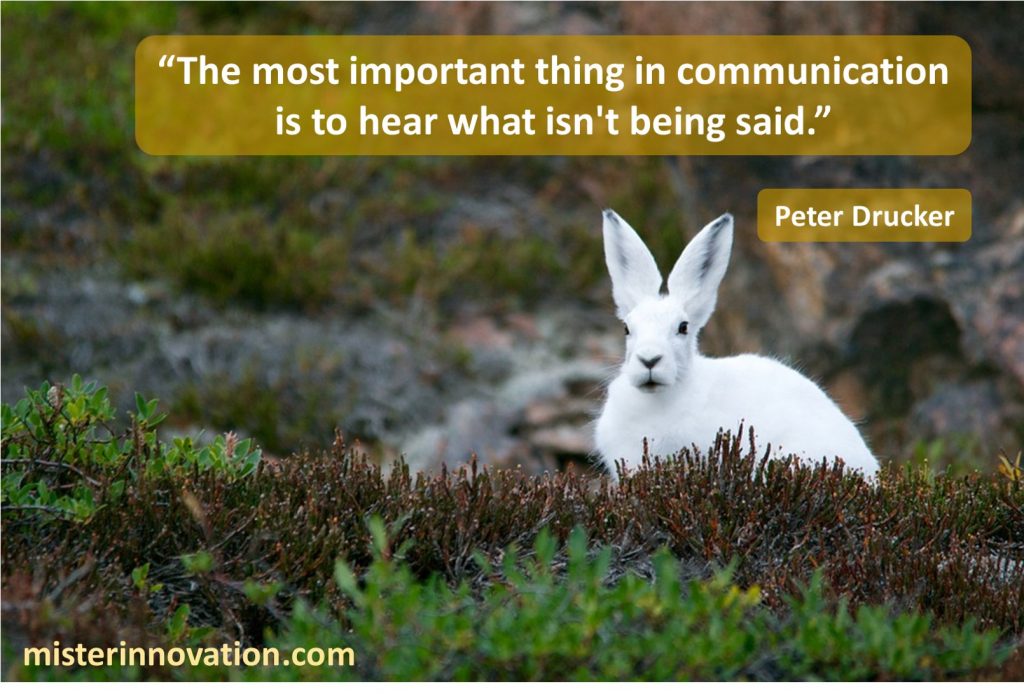
Crafting a Change Management Communication Plan

A Guide Featuring Relevant Case Studies

Crafting a Change Management Communication Plan

GUEST POST from Chateau G Pato

Change management is a systematic approach designed for the transition of individuals, teams, and organizations from a current state to a future desired state. For any transitional process to be successful, stellar communication is crucial. This skill is even more vital when dealing with changes within an organization, making the need for a compelling change management communication plan a prime necessity.

Developing a robust change management communication plan can sometimes get quite complex, given the diverse organizational structures, numerous stakeholders, and interrelated business processes. Yet, armed with the right blueprint, the benefits are substantial and deeply impactful on the organization’s transition. The following discussion explores effective strategies for creating a communication plan for change management. To bring those strategies into context, two case study examples are also illustrated.

Case Study 1: Microsoft’s Transition to Cloud Computing

Perhaps one of the first significant changes organizations had to manage was the shift from traditional servers to cloud computing. Microsoft is a prime example of how a company strategically used change management to transition into a new era.

In 2010, Microsoft announced its shift to the cloud-first approach, a move that left not only its employees but also its massive customer base requiring serious convincing. It aimed to manage the transition smoothly and ensure it didn’t disrupt normal operations.

Microsoft used two primary communication strategies. First, they communicated why the change was necessary, emphasizing that delay would result in falling behind competitors. Secondly, they explicitly described what to expect from the change and how it would affect them.

The importance of effectively communicating the ‘why’ and ‘what’ of change cannot be overstated and must be engrained within any change management communication plan. Failure to do so would only lead to resistance and potential conflict.

Case Study 2: Adobe’s Shift to Subscription Model

Another excellent case study is Adobe’s transition from a licensing model to a cloud-based subscription model in 2013. Despite the move attracting significant backlash from users initially, Adobe managed to navigate this change remarkably well.

Adobe’s communication plan’s credibility was key to their success. They had to convince their user base that the transition was beneficial while addressing their uncertainties. Adobe effectively leveraged multiple communication channels – videos, blogs, user forums, press releases – to convey the pricing structure, advantages, and the overall rationale behind the transition.

Their transparency garnered user trust. Adobe emphasized the value they were providing and alleviated customer aversion to the change by clearly communicating.

Key Takeaways For Communication Plan

Learning from these successful change management examples, here are few steps you can implement in your communication plan:

1. Identify key stakeholders: Ensure you identify and understand all your stakeholders, anticipating their reactions, objections, and pain points to address them effectively.

2. Communicate early and often: The importance of beginning communication early cannot be overstated. Consistent, periodic communication reaffirms your messages, alleviates concerns, and mitigates potential resistance.

3. Deliver clear messages: Messaging must align with your change strategy. It should be clear, concise, and jargon-free. Also, be sure to communicate about the purpose, benefits, and impact of the change.

4. Engage all communication channels: The channels you choose to communicate changes influence the reception of your message. Consider a mix of presentations, newsletters, email digests, or webinars to communicate effectively.

5. Provide support and training: Allay stakeholder concerns by assuring support and training to facilitate a smooth transition. This further demonstrates your commitment to the change and the welfare of those affected.

Change does not occur in a vacuum. It is inextricably tied to people and processes. Thus, effective communication plans are crucial for successful change management. Crafting a change management communication plan with crucial input from all stakeholders is vital for the plan’s success, bolstering the acceptance and smooth transition during times of change.

Image credit: Misterinnovation.com

Subscribe to Human-Centered Change & Innovation WeeklySign up here to get Human-Centered Change & Innovation Weekly delivered to your inbox every week.

Exploring the Benefits of Automation

How to Use Technology to Streamline Innovation

Exploring the Benefits of Automation

GUEST POST from Art Inteligencia

Automation is one of the leading protagonists in the fourth industrial revolution. As technology continues to evolve at a rapid pace, companies are seeking ways to streamline their processes, increase productivity, and reduce costs while maintaining a high level of quality and service. At the heart of these opportunities is the incredible potential of automation technology.

Automation is the use of systems, such as computers or robots, to perform tasks that would usually require human intervention. The benefits of automation are numerous and range from increased efficiency and consistency to the reduction of errors. With automation in place, businesses can focus on strategic, innovative projects that can yield significant results.

Let’s delve deeper into the potential of automation and how it can be leveraged to streamline innovation and benefit businesses. We will illustrate this through the lens of two key case studies.

Case Study 1: Amazon

Our first example is one that is universally known: Amazon. The eCommerce giant has proven itself at the forefront of automation in multiple arenas, focusing especially on its warehouse operations. Using robots in its warehouses has helped Amazon achieve incredible efficiency in handling, storing, and moving goods.

Amazon employs over 200,000 robotic units in conjunction with human employees. These robots perform tasks like moving goods around in warehouses. This has reduced the walking time of human workers, increasing efficiency and reducing errors due to fatigue. More importantly, automation allows Amazon to process and ship orders swiftly, with robotics ensuring that the right package gets to the right place at the right time, thereby enhancing customer satisfaction.

The benefits Amazon reaped from automation led to the inception of Amazon Robotics where their technological advancements like AI-powered drones for package delivery or their anticipatory shipping model are creating groundbreaking changes in the distribution landscape.

Case Study 2: General Motors

Our second case is a little closer to home, being a part of our everyday commute. General Motors, one of the largest automakers, leverages automation to streamline their operations. GM utilizes over 30,000 robots for jobs such as welding, painting, and assembly. Robots have enabled the car manufacturer to maintain high consistency levels in the manufacturing process, ensuring that every part works perfectly before being integrated into a car.

Further, by taking over the labor-intensive tasks, robots have drastically reduced the chances of human error and injury in the assembly line. As a result, GM has managed to boost their factory productivity. Thanks to these automated systems, their production line can churn out a staggering one vehicle every minute around the clock.

Such automation has also allowed General Motors to innovate and adapt to the changing market. For instance, during the COVID-19 pandemic, GM swiftly repurposed their production line to produce much-needed ventilators.

Conclusion

Innovation and implementation of automation have certainly paved the way for success in both Amazon and General Motors. While automation can necessitate a significant initial investment, the long-term benefits concerning efficiency, cost reduction, and innovation potential can be transformative.

Technology continues to evolve, and with it, the potential for automation increases. From streamlining existing processes to developing groundbreaking innovations, automation provides businesses with opportunities to stay competitive and responsive in a dynamic, ever-changing market. The challenge is for businesses to harness this potential, exploring automation in ways that are practical, beneficial, and ultimately essential to maintaining a competitive edge.

Image credit: Pixabay

Subscribe to Human-Centered Change & Innovation WeeklySign up here to get Human-Centered Change & Innovation Weekly delivered to your inbox every week.

Design Thinking in the Digital Age

Leveraging Technology for Creative Solutions

Design Thinking in the Digital Age

GUEST POST from Chateau G Pato

At the intersection of innovation and problem-solving lies design thinking. This unique methodology provides a solution-based approach to overcoming obstacles and has been at the forefront of some of the most creative solutions and remarkable inventions. In today’s digital age, design thinking has transformed, leveraging the boons of technology to create more agile, dynamic, and user-centric products and services.

Navigating through uncertain times and complex challenges, businesses across the globe are utilizing design thinking to produce creative solutions. This article offers a glimpse into the process of design thinking in today’s digital era by exploring its role, benefits, and two enlightening case studies.

The Role of Design Thinking in the Digital Age

In the digital age, companies need to fully understand and meet the unique needs of their digitally-savvy customers. This is where the empathetic, human-centered perspective of design thinking comes into play. Technology not only provides a plethora of tools to facilitate design thinking but also prolifically influences the human experiences which are central to the process.

Leveraging technology in design thinking can help companies to better understand their customer’s behaviour and needs. Utilizing digital mediums like A/B testing, data analytics, virtual reality, etc., not only provide a wealth of insights but also allows for agility in designing, prototyping, and testing products or services.

Case Study 1: IBM

IBM exemplifies a company that has used design thinking to navigate business transformation. The tech giant adopted Enterprise Design Thinking, a framework which melds design thinking with agile practices for businesses. In response to advancements in digitization, IBM recognized a need to transform itself into a more user-centered business, with the goal of creating elite software that solves users’ problems.

IBM trained thousands of its employees in this strategy, fostering a company-wide shift that prioritized user experience. Their design thinking workshops enabled them to gather insights through collaborative creativity, and to iterate solutions based on valued user feedback using technologies such as AI, cloud computing, and machine learning. This demonstrates how design thinking, coupled with technology, can drive growth, profound transformation and outstanding business outcomes.

Case Study 2: Airbnb

Another exemplary application of design thinking and technology can be seen with Airbnb, now a billion-dollar startup. When Airbnb was on the verge of bankruptcy, the founders decided to focus on developing a better user experience to distinguish them from competitors. Thus, they turned to design thinking.

The co-founders traveled to New York and started living as Airbnb hosts. They met customers, learned about their experiences, and made necessary changes. Utilizing technology, the founders restructured and improved the website interface, resulting in an intuitive, appealing UI that focused on high-quality images of rental spaces. They mapped the customer journey, identified pain points, and provided innovative solutions. This approach resulted in a significant increase in revenue in just one week, reaffirming the power of design thinking in transforming businesses.

Conclusion

Design thinking delivers creative problem-solving strategies that promote a more empathetic, user-focused philosophy. In the digital era, leveraging technology enables real-time feedback, seamless collaboration, and a vast potential for innovation. As the examples of Airbnb and IBM illustrate, the combination of design thinking and technology can lead to transformative results for businesses ready to embrace change and focus on user needs. Indeed, as the world becomes ever more digital, design thinking will remain a vital tool for leveraging technology to foster creative, exceptional solutions.

Image credit: Pexels

Subscribe to Human-Centered Change & Innovation WeeklySign up here to get Human-Centered Change & Innovation Weekly delivered to your inbox every week.

The Benefits and Challenges of Futures Research

The Benefits and Challenges of Futures Research

GUEST POST from Art Inteligencia

As the world continues to evolve at a rapid pace, it becomes increasingly vital for individuals, businesses, and governments to anticipate future trends and develop effective strategies to navigate the uncertainties that lie ahead. Futures research, also known as futurology or foresight, is an interdisciplinary field that aims to uncover potential futures and provide valuable insights for decision-making processes. This article explores the benefits and challenges of futures research and highlights two case study examples that demonstrate its practical applications.

Benefits of Futures Research:

1. Anticipating and Planning for Change: One of the primary benefits of futures research is its ability to help individuals and organizations anticipate and plan for change. By employing various analytical methods and tools, futures researchers can identify potential trends, disruptions, and emerging issues that may shape the future landscape. This gives decision-makers a valuable advantage in understanding the scope of potential challenges and opportunities, allowing them to proactively adapt their strategies and make informed decisions accordingly.

Case Study Example: Shell’s Scenarios Planning

Shell, one of the world’s largest oil and gas companies, has successfully utilized futures research techniques to adapt to changing energy landscapes. In the 1970s, amidst the oil crisis and mounting environmental concerns, Shell developed a set of scenarios to explore alternative futures in the energy sector. These scenarios provided a framework for decision-making and helped Shell anticipate the rise of renewable energy, leading to investments in solar, wind, and biofuels. This groundwork enabled Shell to diversify its portfolio and transition to a more sustainable energy company over time.

2. Inspiring Innovation and Resilience: Futures research fosters a culture of innovation by encouraging individuals and organizations to explore new possibilities and challenge conventional thinking. By examining potential futures, researchers can identify gaps, unmet needs, and disruptive trends, stimulating creative thinking and novel approaches. This, in turn, enables the development of innovative products, services, and strategies that can lead to a competitive advantage.

Case Study Example: Xerox’s PARC Research Center

Xerox established the Palo Alto Research Center (PARC) in the early 1970s to focus on exploring the future of computing and technology. PARC researchers anticipated various advancements in personal computing, including graphical user interfaces, ethernet networking, and laser printing. These foresight-inspired innovations laid the foundation for Xerox’s success in the technology market and significantly influenced the development of modern computing as we know it today.

Challenges of Futures Research:

1. Uncertainty and Complexity: Futures research is inherently confronted with uncertainty and complexity, making it challenging to accurately predict specific future outcomes. Multiple variables, unexpected events, and the interconnectedness of systems can often lead to inaccurate forecasts. The future is shaped by a multitude of factors, including political, social, economic, technological, and environmental influences, making it difficult to capture all possibilities comprehensively.

2. Perceived Lack of Relevance and Adoption: Another challenge of futures research lies in its perceived lack of relevance and adoption across various sectors. Many decision-makers tend to prioritize short-term goals and immediate challenges, overlooking the long-term view that futures research provides. Overcoming this challenge requires a shift in mindset that recognizes the value of investing time, resources, and attention in long-term foresight, as it offers unique insights and strategic advantages.

Conclusion:

Futures research holds immense value as a tool for planning, inspiring innovation, and enabling better decision-making by anticipating potential future trajectories. Through case study examples like Shell’s Scenarios Planning and Xerox’s PARC Research Center, we have seen how futures research can lead to successful adaptations to changing landscapes and the development of groundbreaking innovations. However, it is essential to acknowledge the challenges inherent in such endeavors, including the inherent uncertainty and the need for widespread adoption. By embracing futures research and embedding it into decision-making processes, individuals, organizations, and societies can proactively prepare for the unknowns and shape a more resilient and sustainable future.

Bottom line: Futurists are not fortune tellers. They use a formal approach to achieve their outcomes, but a methodology and tools like those in FutureHacking™ can empower anyone to be their own futurist.

Image credit: Pixabay

Subscribe to Human-Centered Change & Innovation WeeklySign up here to get Human-Centered Change & Innovation Weekly delivered to your inbox every week.

Human-Centered Design and AI Integration

Human-Centered Design and AI Integration

GUEST POST from Chateau G Pato

As the realm of artificial intelligence continues to evolve, so does its integration into various sectors of our society. One crucial aspect of seamlessly blending AI technologies into our daily lives is through human-centered design. Human-centered design focuses on designing systems, products, and services that prioritize the needs and experiences of people. By incorporating this design approach into the development and implementation of AI technologies, we can ensure that these advancements are effective, intuitive, and ultimately benefit human users. In this article, we will explore two case study examples that demonstrate the successful integration of human-centered design and AI.

Case Study 1: Amazon Echo

The Amazon Echo, powered by the AI assistant Alexa, is an excellent example of human-centered design combined with AI integration. When Amazon first launched the Echo, they understood that the key to ensuring widespread adoption of this voice-activated speaker was by making it as user-friendly as possible. The design team conducted extensive research to understand how people interact with technology and what features would enhance their daily lives.

Through this process, they identified voice input as the most natural and intuitive form of interaction. By enabling users to speak naturally to Alexa, Amazon created a device that seamlessly fit into people’s existing routines. Additionally, the team emphasized understanding user context and needs, allowing Alexa to provide personalized and context-aware responses. Whether it is playing music, setting reminders, or controlling smart home devices, the Amazon Echo demonstrates how AI integration can be harnessed successfully through human-centered design.

Case Study 2: Apple Health App

The Apple Health app is another prime example of human-centered design principles applied in conjunction with AI integration. The goal of this app is to empower individuals to take more control of their health by offering them valuable insights and information. By seamlessly connecting with various health devices and apps, the app collects and presents data in a user-friendly manner, making it easy for individuals to track their health and well-being.

Apple’s design team recognized the importance of providing meaningful and understandable data visualization. They ensured that users can effortlessly comprehend their health information, empowering them to make informed decisions about their lifestyle choices. The AI integration in the app leverages complex algorithms to analyze data in real-time, offering personalized suggestions and notifications to the users based on their unique health goals.

By considering the very essence of human-centered design, Apple successfully integrated AI technologies into the Health app, making it an indispensable tool for individuals seeking to prioritize their well-being.

Conclusion

The successful integration of artificial intelligence into our daily lives relies heavily on the principles of human-centered design. Case studies such as Amazon Echo and Apple Health app provide excellent examples of how AI technologies can be seamlessly incorporated into products and services while prioritizing the needs and experiences of users. By implementing human-centered design, companies can ensure that AI interventions are intuitive, accessible, and ultimately enhance the overall human experience.

Image credit: Unsplash

Subscribe to Human-Centered Change & Innovation WeeklySign up here to get Human-Centered Change & Innovation Weekly delivered to your inbox every week.

What is Social Analysis?

What is Social Analysis?

GUEST POST from Art Inteligencia

Social analysis is the practice of understanding how individuals, groups, and societies interact with each other and how they are structured. It is an interdisciplinary field of study that draws on various methods and theories from the social sciences, including sociology, psychology, and anthropology.

Social analysis seeks to explain why social relationships and institutions take the forms they do, how they are maintained, how they change, how they are experienced, and how they are shaped by broader social, economic, and political contexts. In addition, social analysis is used to identify and address social problems, as well as to develop strategies for social change.

The term social analysis is often used interchangeably with other terms, such as social research, social science, and social theory. However, social analysis is distinct from these other terms in its focus on understanding the social dynamics of a particular situation. Social analysis is not only concerned with the empirical data collected from a certain society, but also with understanding the underlying social forces that shape its dynamics.

Social analysis often employs a variety of methods, such as interviews, surveys, and participant observation. In addition, it can draw on other sources of data, such as archival records, census data, and quantitative analysis.

Social analysis is an important tool for understanding the complexities of social life. It provides insights into how individuals and groups interact, how they are structured, and how they are shaped by larger social and economic forces. Social analysis can also be used to identify and address social problems, as well as to develop strategies for social change.

Image credit: Pixabay

Subscribe to Human-Centered Change & Innovation WeeklySign up here to get Human-Centered Change & Innovation Weekly delivered to your inbox every week.

Achieving Digital Agility

Achieving Digital Agility

GUEST POST from Art Inteligencia

Digital agility is an essential goal for any modern business. It is the ability to quickly and effectively adjust to shifts in customer needs, new technologies, and changes in the competitive landscape. In order to keep up with the rapidly changing digital environment, organizations must be able to quickly and efficiently adopt new technologies and strategies to remain competitive.

The first step to achieving digital agility is to understand the current digital landscape. This involves researching the latest trends, technologies, and strategies, as well as assessing the competitive landscape. Once an organization has a good understanding of the current digital environment, they should assess their own organization and identify areas where they can improve their digital agility.

One important aspect of achieving digital agility is to ensure that employees have the right skills and knowledge to effectively use new technologies and strategies. Training and development should be a priority for organizations looking to become more agile. Organizations should provide employees with the necessary resources and training to understand how to use new technologies and strategies, as well as how to effectively apply them to their daily work.

Organizations should also prioritize the adoption of new technologies and strategies. This includes implementing new software and systems, as well as adopting new processes and procedures for managing digital data. Organizations should also assess their existing systems and processes to identify any potential areas of improvement.

Finally, organizations should ensure that they have the necessary resources available to implement and manage changes in order to achieve digital agility. This includes having a dedicated team of IT professionals to handle the implementation and management of new technologies and strategies. It also involves having the right resources, such as hardware and software, in place to support the changes.

Digital agility is an essential goal for any modern business, and it requires a comprehensive approach to ensure that organizations are able to quickly and effectively adjust to the rapidly changing digital environment. By understanding the current digital environment, assessing their own organization, providing employees with the necessary training and resources, prioritizing the adoption of new technologies and strategies, and having the right resources in place to support the changes, organizations can be well on their way to achieving digital agility.

The Human-Centered Change methodology from Braden Kelley leverages more than 70 tools and is a great way to plan a transformation towards achieving digital agility.

Image credit: Pexels

Subscribe to Human-Centered Change & Innovation WeeklySign up here to get Human-Centered Change & Innovation Weekly delivered to your inbox every week.