Author Archives: Chateau G Pato

About Chateau G Pato

Chateau G Pato is a senior futurist at Inteligencia Ltd. She is passionate about content creation and thinks about it as more science than art. Chateau travels the world at the speed of light, over mountains and under oceans. Her favorite numbers are one and zero. Content Authenticity Statement: If it wasn't clear, any articles under Chateau's byline have been written by OpenAI Playground or Gemini using Braden Kelley and public content as inspiration.

Augmented Reality and Gaming

Elevating User Experiences

Augmented Reality and Gaming: Elevating User Experiences

GUEST POST from Chateau G Pato

The fusion of augmented reality (AR) technology and gaming has revolutionized the way people interact with digital content, providing an immersive and interactive experience like never before. By superimposing digital images onto the real world, AR makes virtual elements appear as if they exist in the physical environment, blurring the line between fiction and reality. This groundbreaking technology has opened up a whole new world of possibilities for the gaming industry, allowing developers to create captivating and engaging experiences that captivate players’ minds and hearts.

Case Study 1: Pokémon Go

One of the most prominent examples of augmented reality in gaming is the wildly popular mobile game Pokémon Go. Launched in 2016 by Niantic, the game took the world by storm by allowing players to explore their surroundings in search of virtual creatures called Pokémon. Using the GPS and camera on their smartphones, players can see Pokémon overlaid on the real world through their device’s screen, making it seem as though the creatures are right in front of them. This innovative approach to gaming not only captivated millions of players worldwide but also encouraged them to get out and explore their surroundings in a whole new way. Pokémon Go demonstrated the power of AR to elevate user experiences by seamlessly blending the digital and physical worlds, creating a truly immersive and unforgettable gaming experience.

Case Study 2: Ingress

Another compelling example of augmented reality in gaming is the success of the game Ingress, also developed by Niantic. Ingress is a location-based, augmented reality mobile game that tasks players with capturing and controlling virtual portals located at real-world landmarks and points of interest. Players must collaborate with others to strategically capture and defend portals, creating a dynamic and engaging gameplay experience that encourages social interaction and teamwork. By leveraging the power of AR technology, Ingress elevates the gaming experience by adding a layer of depth and immersion that traditional games cannot replicate. The game challenges players to explore their surroundings, interact with other players, and work together to achieve common goals, making it a truly unique and unforgettable experience.

Conclusion

Overall, augmented reality has the potential to revolutionize the gaming industry by elevating user experiences and creating immersive and interactive gameplay experiences that captivate players’ imaginations. Through innovative applications of AR technology, developers can create games that transcend traditional boundaries and engage players in new and exciting ways. As AR continues to evolve and improve, the possibilities for gaming are endless, and we can expect to see even more groundbreaking and revolutionary games that push the boundaries of what is possible. Augmented reality and gaming are a match made in heaven, and the future looks brighter than ever for this exciting and rapidly growing industry.

Bottom line: Futurology is not fortune telling. Futurists use a scientific approach to create their deliverables, but a methodology and tools like those in FutureHacking™ can empower anyone to engage in futurology themselves.

Image credit: Pexels

Subscribe to Human-Centered Change & Innovation WeeklySign up here to get Human-Centered Change & Innovation Weekly delivered to your inbox every week.

Up-skilling and Re-skilling for Remote Work

Navigating the Digital Transformation

Up-skilling and Re-skilling for Remote Work

GUEST POST from Chateau G Pato

The shift to remote work has become a dominant trend in the digital age, accelerated by the global pandemic. As businesses strive to adapt to this new working environment, the need for up-skilling and re-skilling has never been more crucial. Navigating the digital transformation requires individuals to continuously learn and upgrade their skills to stay relevant in the ever-evolving job market.

Case Study 1: Sarah’s Journey to Up-skilling

Sarah, a marketing manager for a traditional brick-and-mortar retail store, found herself facing uncertainty as the pandemic forced the closure of physical stores. With the company transitioning to an online platform, Sarah realized the importance of enhancing her digital marketing skills to meet the demands of remote work. She enrolled in online courses on social media marketing, search engine optimization, and content creation, equipping herself with the tools needed to thrive in the digital realm. By up-skilling, Sarah not only secured her position within the company but also opened up new opportunities for career advancement in the digital marketing field.

Case Study 2: John’s Re-skilling Success Story

John, a sales executive for a manufacturing company, was faced with the challenge of transitioning to remote work as in-person sales meetings became impossible due to travel restrictions. Recognizing the need to reskill in order to adapt to the new sales landscape, John took initiative in learning about virtual selling techniques, e-commerce platforms, and customer relationship management systems. By embracing the digital transformation and developing his skills in online sales strategies, John was able to successfully pivot his approach and continue to drive sales for the company despite the limitations of remote work.

As the examples of Sarah and John illustrate, up-skilling and re-skilling are essential components of navigating the digital transformation in the remote work era. To thrive in this new environment, individuals must be proactive in expanding their skill sets and embracing technology to stay competitive in the job market. Whether through online courses, workshops, or mentorship programs, continuous learning is key to adapting to the changing landscape of work.

Conclusion

Up-skilling and re-skilling are not just buzzwords, but critical strategies for success in the digital age. By investing in continuous learning and development, individuals can future-proof their careers and seize opportunities in the remote work environment. Embracing the digital transformation through up-skilling and re-skilling is not only a necessity but a pathway to personal and professional growth in an increasingly digital world.

Bottom line: Futurology is not fortune telling. Futurists use a scientific approach to create their deliverables, but a methodology and tools like those in FutureHacking™ can empower anyone to engage in futurology themselves.

Image credit: Pexels

Subscribe to Human-Centered Change & Innovation WeeklySign up here to get Human-Centered Change & Innovation Weekly delivered to your inbox every week.
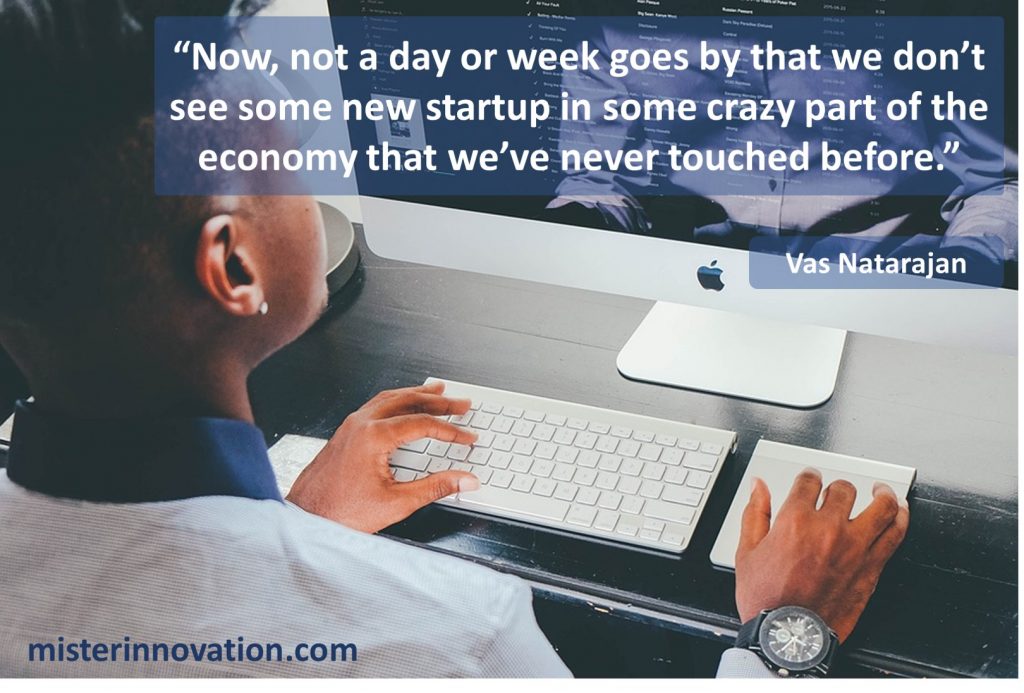
Effective Collaboration Strategies for Startups and Small Businesses

Effective Collaboration Strategies for Startups and Small Businesses

GUEST POST from Chateau G Pato

Collaboration is a key component of success for startups and small businesses. By working together, teams can achieve greater results and overcome challenges more efficiently. However, collaboration is not always easy to achieve. It requires good communication, trust, and a shared vision. In this article, we will explore some effective collaboration strategies for startups and small businesses, as well as two case studies of successful collaborations.

1. Clear Communication: One of the most important aspects of effective collaboration is clear communication. Teams must be able to communicate their ideas, goals, and concerns openly and honestly. This can help avoid misunderstandings and ensure that everyone is on the same page. Regular team meetings, emails, and project management tools can all help facilitate clear communication within a team.

Case Study 1: Startup A is a small software development company that specializes in creating mobile apps. The team at Startup A struggled with communication, which led to missed deadlines and low morale among team members. To address this issue, the team implemented a daily stand-up meeting where everyone would share their progress, challenges, and goals for the day. This simple change in communication helped the team stay on track and build stronger relationships with each other.

2. Build Trust: Trust is another crucial element of effective collaboration. Team members must trust each other to do their work effectively and have each other’s backs when things get tough. Building trust can take time, but it is essential for a team to function well. Encouraging transparency, respecting each other’s opinions, and celebrating successes together can all help foster trust within a team.

Case Study 2: Small Business B is a marketing agency that works with various clients to create marketing campaigns. The team at Small Business B struggled with trust issues, as team members were often working in silos and not sharing their work with each other. To address this issue, the team implemented a project management tool where all team members could track their progress, share files, and communicate with each other. This improved transparency and collaboration within the team, leading to more successful campaigns and happier clients.

Conclusion: Effective collaboration is essential for startups and small businesses to succeed. By implementing clear communication strategies and building trust within a team, businesses can achieve greater results and overcome challenges more efficiently. The case studies of Startup A and Small Business B demonstrate the positive impact that effective collaboration can have on a team’s success. By prioritizing collaboration, startups and small businesses can create a strong foundation for growth and innovation.

Bottom line: Futurology is not fortune telling. Futurists use a scientific approach to create their deliverables, but a methodology and tools like those in FutureHacking™ can empower anyone to engage in futurology themselves.

Image credit: misterinnovation.com

Subscribe to Human-Centered Change & Innovation WeeklySign up here to get Human-Centered Change & Innovation Weekly delivered to your inbox every week.

Integrating Design Thinking into the Innovation DNA of Organizations

Integrating Design Thinking into the Innovation DNA of Organizations

GUEST POST from Chateau G Pato

In today’s fast-paced and competitive business landscape, organizations are constantly seeking ways to stay ahead of the curve and drive innovation. One powerful approach that has gained traction in recent years is design thinking. Originally popularized by design firm IDEO, design thinking is a human-centered approach to problem-solving that emphasizes empathy, ideation, prototyping, and testing.

While design thinking is often associated with the design industry, its principles can be applied across a wide range of industries and disciplines. When organizations integrate design thinking into their innovation processes, they can unlock new opportunities for creativity, collaboration, and customer-centricity.

Case Study 1: Airbnb

One of the most well-known examples of a company that has successfully integrated design thinking into its innovation DNA is Airbnb. Founded in 2008, Airbnb disrupted the hospitality industry by allowing individuals to rent out their homes to travelers. At the core of Airbnb’s success is its commitment to understanding and empathizing with the needs of its users.

By using design thinking principles, Airbnb was able to create a platform that not only meets the functional needs of travelers but also taps into the emotional aspects of travel, such as the desire for unique and authentic experiences. Through prototyping and testing, Airbnb continuously refines its user experience and stays ahead of the competition.

Case Study 2: IBM

Another organization that has embraced design thinking as a key driver of innovation is IBM. In 2012, IBM launched Design Thinking as part of its corporate strategy to foster a culture of innovation and collaboration. By equipping its employees with design thinking tools and methodologies, IBM has been able to transform its product development process and create user-centric solutions.

One of the most notable outcomes of IBM’s integration of design thinking is the development of Watson, its artificial intelligence platform. By applying design thinking principles, IBM was able to create a user-friendly interface for Watson that demystified artificial intelligence for a broader audience and enabled users to easily interact with the technology.

Conclusion

Integrating design thinking into the innovation DNA of organizations can lead to transformative and customer-centric outcomes. By putting empathy at the center of problem-solving, organizations can understand the needs and pain points of their users, leading to more innovative and successful solutions. As demonstrated by Airbnb and IBM, design thinking is not just a design tool – it is a mindset that can drive organizational success in today’s rapidly evolving business environment.

Bottom line: Futurology is not fortune telling. Futurists use a scientific approach to create their deliverables, but a methodology and tools like those in FutureHacking™ can empower anyone to engage in futurology themselves.

Image credit: Pixabay

Subscribe to Human-Centered Change & Innovation WeeklySign up here to get Human-Centered Change & Innovation Weekly delivered to your inbox every week.

Innovative Employee Recognition Programs

Going Beyond Traditional Rewards

Innovative Employee Recognition Programs

GUEST POST from Chateau G Pato

Employee recognition is a key component of fostering a positive workplace culture and driving employee engagement. While traditional rewards such as bonuses and gift cards are commonly used to recognize and reward employees, there is a growing trend towards more innovative and personalized recognition programs.

Companies that are truly invested in recognizing the hard work and dedication of their employees understand the importance of going beyond traditional rewards to create meaningful and lasting experiences that not only motivate employees but also foster a sense of belonging and appreciation. In this thought leadership article, we will explore two case studies of companies that have implemented innovative employee recognition programs with great success.

Case Study 1: Google’s Peer Bonus Program

Google is known for its innovative workplace culture, and its peer bonus program is no exception. Instead of relying solely on monetary rewards, Google gives employees the opportunity to nominate their peers for a bonus based on their contributions to the company. This program not only recognizes employees for their hard work but also fosters a culture of appreciation and collaboration.

Employees at Google have the opportunity to nominate their peers for a bonus of up to $1,000, which is awarded based on the impact of their work on the company. This not only incentivizes employees to go above and beyond in their roles but also creates a sense of camaraderie and support among team members.

Case Study 2: Salesforce’s Thank-You Economy

Salesforce, a leading customer relationship management company, takes employee recognition to the next level with its Thank-You Economy program. This program is centered around the idea of gratitude and appreciation, with employees encouraged to express their thanks to their colleagues in meaningful ways.

One unique aspect of Salesforce’s Thank-You Economy program is its emphasis on peer-to-peer recognition. Employees are given a platform to publicly recognize their colleagues for their contributions, whether it be a job well done on a project or going above and beyond to help a team member. This not only boosts employee morale but also reinforces a culture of appreciation and support within the company.

Conclusion

Traditional rewards are no longer enough to truly recognize and motivate employees. Companies that are committed to fostering a positive workplace culture and driving employee engagement are turning to innovative recognition programs that go beyond monetary rewards to create meaningful and personalized experiences for their employees. By implementing programs such as Google’s peer bonus program and Salesforce’s Thank-You Economy, companies can create a culture of appreciation and support that not only motivates employees but also strengthens team dynamics and drives organizational success.

Bottom line: Futurology is not fortune telling. Futurists use a scientific approach to create their deliverables, but a methodology and tools like those in FutureHacking™ can empower anyone to engage in futurology themselves.

Image credit: Pixabay

Subscribe to Human-Centered Change & Innovation WeeklySign up here to get Human-Centered Change & Innovation Weekly delivered to your inbox every week.

Mitigating risks and overcoming challenges during a digital transformation

Mitigating risks and overcoming challenges during a digital transformation

GUEST POST from Chateau G Pato

As organizations continue to undergo digital transformations, they are faced with a myriad of risks and challenges that can potentially hinder the successful implementation of new technologies. From legacy systems that are resistant to change to cybersecurity threats that put sensitive data at risk, businesses must navigate through these obstacles to achieve their goals. In this thought leadership article, we will explore how organizations can mitigate risks and overcome challenges during a digital transformation by examining two case studies.

Case Study 1: Company A

Company A, a manufacturing firm with a history of using traditional paper-based processes, decided to digitize their operations to increase efficiency and streamline production. However, during the implementation of a new enterprise resource planning (ERP) system, they encountered several challenges that threatened the success of their digital transformation.

One of the primary risks faced by Company A was the resistance from employees who were accustomed to their manual processes. To mitigate this risk, the organization implemented a comprehensive change management strategy that included training sessions, workshops, and continuous support for staff members. By engaging with employees and addressing their concerns, Company A was able to successfully transition to the new digital system with minimal disruptions.

Another challenge faced by Company A was the potential vulnerability to cyber threats as they moved sensitive data to a cloud-based ERP system. To address this risk, the organization invested in robust cybersecurity measures, including encryption, multi-factor authentication, and regular security audits. By prioritizing data security and implementing best practices, Company A was able to safeguard their information assets and mitigate the risk of breaches during their digital transformation.

Case Study 2: Company B

Company B, a retail organization looking to enhance their customer experience through digital channels, embarked on a digital transformation journey that included the implementation of an omnichannel marketing strategy. However, their efforts were hampered by the challenge of integrating disparate systems and data sources to create a seamless shopping experience for customers.

To overcome this challenge, Company B adopted an integration platform that allowed them to connect their CRM, e-commerce platform, inventory management system, and other applications in real-time. This streamlined data flow enabled the organization to gain a comprehensive view of their customers and deliver personalized marketing campaigns across all channels. By investing in a robust integration solution, Company B was able to overcome the challenge of siloed data and create a unified customer experience during their digital transformation.

Conclusion

Mitigating risks and overcoming challenges during a digital transformation requires proactive planning, stakeholder engagement, and investment in the right technologies. By learning from the experiences of companies like Company A and Company B, organizations can navigate through obstacles and achieve successful outcomes in their digital journey. Embracing change, prioritizing data security, and investing in integration solutions are crucial steps towards ensuring a smooth transition to a digital future.

Bottom line: Futurology is not fortune telling. Futurists use a scientific approach to create their deliverables, but a methodology and tools like those in FutureHacking™ can empower anyone to engage in futurology themselves.

Image credit: Unsplash

Subscribe to Human-Centered Change & Innovation WeeklySign up here to get Human-Centered Change & Innovation Weekly delivered to your inbox every week.

Collaborative Design for Disruption

Exploring the power of collaboration and co-creation in designing innovative solutions to industry challenges.

Collaborative Design for Disruption

GUEST POST from Chateau G Pato

In today’s rapidly changing business landscape, disruption is the norm rather than the exception. As industries face increasingly complex challenges, the ability to innovate and adapt quickly is essential for survival. Traditional top-down approaches to problem-solving are no longer effective in this dynamic environment. Instead, organizations are turning to collaborative design and co-creation to harness the power of collective intelligence and creativity.

Collaborative design refers to the process of bringing together diverse stakeholders, including employees, customers, partners, and experts, to co-create solutions to complex problems. By leveraging the unique perspectives and expertise of each participant, organizations can uncover new insights, challenge assumptions, and develop innovative solutions that are more likely to succeed in the market.

Case Study 1: Healthcare Industry

One industry that has successfully embraced collaborative design is the healthcare sector. In a case study published in the Harvard Business Review, a large hospital network in the United States faced a significant challenge in reducing patient readmissions. Despite implementing various initiatives, readmission rates remained stubbornly high. Recognizing the need for a fresh approach, the hospital network engaged patients, caregivers, nurses, physicians, and administrators in a collaborative design process to identify the root causes of readmissions and co-create solutions.

Through in-depth interviews, focus groups, and design thinking workshops, the diverse team uncovered a range of factors contributing to readmissions, including poor communication between healthcare providers and patients, inadequate discharge planning, and limited access to post-discharge care. Armed with these insights, the team developed a series of innovative solutions, such as a mobile app for patients to track their symptoms and communicate with their care team, a personalized discharge checklist, and a telehealth program for remote monitoring.

The results were impressive. Within six months of implementing the new initiatives, the hospital network saw a 20% reduction in readmission rates, leading to significant cost savings and improved patient outcomes. By embracing collaborative design, the organization was able to tap into the collective wisdom of its stakeholders and co-create solutions that addressed the root causes of the problem.

Case Study 2: Automotive Industry

Another industry that has leveraged the power of collaboration and co-creation is the automotive sector. In a case study published by McKinsey & Company, a leading car manufacturer faced a fierce competition from new entrants in the electric vehicle market. To stay ahead of the curve, the company knew it needed to innovate quickly and develop cutting-edge electric vehicles that would appeal to environmentally conscious consumers.

Rather than relying solely on its internal R&D teams, the car manufacturer decided to collaborate with independent designers, engineers, and sustainability experts to co-create a new electric vehicle concept. Through a series of design sprints, prototyping sessions, and user testing, the diverse team developed a revolutionary electric vehicle that combined state-of-the-art technology, sustainable materials, and a sleek design.

The result was a game-changer. The new electric vehicle received rave reviews from consumers and industry experts, catapulting the car manufacturer to the forefront of the electric vehicle market. By embracing collaborative design and tapping into external expertise, the organization was able to break free from its traditional mindset and push the boundaries of innovation.

Conclusion

Collaborative design and co-creation are powerful tools for tackling industry challenges and driving innovation. By bringing together diverse stakeholders, organizations can harness the collective intelligence and creativity of their teams to develop novel solutions that address the root causes of complex problems. As industries face increasing disruption, those that embrace collaborative design will be better equipped to thrive in the face of change.

Bottom line: Futurology is not fortune telling. Futurists use a scientific approach to create their deliverables, but a methodology and tools like those in FutureHacking™ can empower anyone to engage in futurology themselves.

Image credit: Unsplash

Subscribe to Human-Centered Change & Innovation WeeklySign up here to get Human-Centered Change & Innovation Weekly delivered to your inbox every week.

Overcoming Resistance to Change

Embracing Innovation at Every Level

Overcoming Resistance to Change

GUEST POST from Chateau G Pato

In today’s rapidly evolving business landscape, embracing innovation is no longer a choice; it’s a necessity. Organizations that resist change risk becoming stagnant, losing their competitive edge, and failing to meet the ever-changing needs of their customers. However, implementing change is often met with resistance from employees at all levels. This article explores the importance of overcoming resistance to change and provides two case studies that highlight successful examples of organizations that embraced innovation.

Case Study 1: Netflix’s Transformation from DVD Rental to Streaming Powerhouse

Netflix is a prime example of a company that transformed its business model to stay relevant in an ever-changing industry. In the late 90s and early 2000s, Netflix was primarily known as a DVD rental-by-mail service. However, with the rise of digital media and streaming platforms, Netflix recognized the need to evolve.

The executives at Netflix embraced the challenging task of shifting their focus from physical DVDs to online streaming. This transition required a complete overhaul of their infrastructure, as well as a mindset shift throughout the entire organization. However, they faced resistance from employees who were comfortable with the existing business model.

To overcome this resistance to change, Netflix’s leadership implemented several strategies. First, they communicated the urgency and importance of embracing digital innovation, emphasizing that failure to do so could result in the company’s demise. They also invested in employees’ professional development, providing training and education to ensure everyone had the necessary skills to adapt to the digital landscape.

By involving employees at every level in the transformation process, Netflix successfully overcame resistance to change. Today, the company is a global streaming powerhouse, providing on-demand entertainment to millions of subscribers worldwide.

Case Study 2: The Agile Transformation of Spotify

Spotify, the popular music streaming platform, faced its own challenges when trying to innovate and scale rapidly. Like many companies, they experienced difficulties with hierarchical structures and bureaucracy that hindered innovation and agility.

To address these challenges, Spotify undertook an innovative organizational transformation, adopting the agile methodology. This shift involved breaking down traditional functional silos and organizing teams into small, cross-functional units called “squads.” Each squad was responsible for a specific area of the product, encouraging collaboration and rapid decision-making.

Leadership at Spotify knew that overcoming resistance to change required a bottoms-up approach. They empowered employees to experiment, take ownership, and challenge existing ways of doing things. This not only fostered a culture of innovation but also gave individuals a sense of autonomy and purpose, leading to higher motivation and productivity.

By embracing the values of the agile methodology, Spotify transformed its entire organization, unlocking unprecedented innovation and adaptability. Today, it remains a global leader in the music streaming industry, continuously evolving to meet the demands of its users.

Conclusion

Change and innovation are essential for organizational growth and success in today’s dynamic environment. However, organizations must also recognize and address the resistance that accompanies these shifts. By involving employees at every level, providing training and support, and fostering a culture of ownership and autonomy, organizations can successfully overcome resistance to change. The case studies of Netflix and Spotify demonstrate the power of embracing innovation, transforming organizations, and remaining agile in the face of constant change.

Bottom line: Futurology is not fortune telling. Futurists use a scientific approach to create their deliverables, but a methodology and tools like those in FutureHacking™ can empower anyone to engage in futurology themselves.

Image credit: Pixabay

Subscribe to Human-Centered Change & Innovation WeeklySign up here to get Human-Centered Change & Innovation Weekly delivered to your inbox every week.

Climate Change and the Technologies Shaping a Sustainable Future

Climate Change and the Technologies Shaping a Sustainable Future

GUEST POST from Chateau G Pato

Climate change is one of the most urgent and pressing challenges faced by humanity today. The increasing levels of greenhouse gases in the atmosphere are causing rising temperatures, extreme weather events, and significant impacts on ecosystems and human societies. Addressing climate change requires innovative and sustainable solutions that can mitigate the causes and adapt to the consequences. Fortunately, advancements in technology are playing a crucial role in shaping a sustainable future. This article will explore two case study examples of how technology is helping combat climate change.

Case Study 1: Renewable Energy and the Power of Innovation

Renewable energy technologies are transforming the energy landscape and offering a sustainable alternative to fossil fuels. Solar and wind energy have become key players in reducing greenhouse gas emissions and combating climate change.

One remarkable case study is the Tengger Desert Solar Park in China, the largest solar farm in the world. Located in the Tengger Desert, this facility covers an area of over 43 square kilometers, harnessing the abundant sunlight to generate clean electricity. With a capacity of 1.5 GW, it supplies power to millions of households, significantly reducing CO2 emissions. The Tengger Desert Solar Park demonstrates the immense potential of solar energy and highlights the importance of large-scale renewable projects in transitioning to a low-carbon economy.

Another case study is the Block Island Wind Farm, situated off the coast of Rhode Island, USA. This pioneering offshore wind farm was the first of its kind in the country, providing clean energy to the local grid. With only five turbines, it may seem small, but it has a capacity of 30 MW, capable of powering more than 17,000 homes. The Block Island Wind Farm showcases the potential of wind energy to de-carbonize the electricity sector and reduce reliance on fossil fuels.

These case studies demonstrate that renewable energy technologies like solar and wind power can rapidly transform the energy landscape, contributing to a more sustainable future. Continued innovation and investments in renewable energy can bring us closer to achieving a carbon-neutral society and combating climate change effectively.

Case Study 2: Smart Agriculture and Precision Farming

Another area where technology is revolutionizing sustainability is agriculture. The world’s growing population necessitates increased food production while minimizing the environmental impact. Smart agriculture and precision farming techniques have emerged as promising solutions.

Vertical farming, for example, is a technology-driven approach to cultivate crops indoors, utilizing artificial light and efficient water usage. Japan’s Mirai no Toukei Kansai project exemplifies this concept. Located in an urban setting, this vertical farm occupies a small area but produces the equivalent of 10,000 square meters of traditional farmland. By leveraging advanced technologies such as LED lights, hydroponics, and AI-controlled systems, this vertical farm minimizes water usage, reduces pesticide dependence, and eliminates transportation emissions associated with long-distance food delivery. Vertical farming demonstrates the potential of technology to revolutionize traditional agricultural practices and ensure a sustainable food supply.

Similarly, precision farming techniques employ advanced technologies like sensors, drones, and data analytics to optimize agricultural practices. For instance, FarmLogs, a technology platform developed in the United States, collects and analyses data from various sources to provide farmers with real-time insights about their crops. By precisely monitoring crop health and nutrient requirements, farmers can minimize resource wastage while maximizing yields. Precision farming contributes to efficient resource management, reduced fertilization, minimized water use, and ultimately, more sustainable agricultural practices.

Conclusion

Addressing climate change requires a collaborative effort from various stakeholders, and technology plays a critical role in enabling the transition to a more sustainable future. The case studies of the Tengger Desert Solar Park, the Block Island Wind Farm, Mirai no Toukei Kansai vertical farm, and precision farming techniques exemplify the power of innovation and technology in combatting climate change. By continuing to invest in renewable energy, smart agriculture, and other sustainable technologies, we can create a more resilient and sustainable world for future generations. It is essential to embrace and leverage these advancements to ensure a brighter future for our planet.

Bottom line: Futurology is not fortune telling. Futurists use a scientific approach to create their deliverables, but a methodology and tools like those in FutureHacking™ can empower anyone to engage in futurology themselves.

Image credit: Unsplash

Subscribe to Human-Centered Change & Innovation WeeklySign up here to get Human-Centered Change & Innovation Weekly delivered to your inbox every week.

Change Communication Strategies

Effective Ways to Engage and Inspire Employees

Change Communication Strategies: Effective Ways to Engage and Inspire Employees

GUEST POST from Chateau G Pato

In today’s fast-paced business landscape, change has become the norm. Organizations constantly face the challenge of adapting to keep up with market demands and technological advancements. However, implementing change successfully requires more than just defining strategic objectives; it necessitates effective communication strategies that engage and inspire employees. This article explores two case study examples that highlight the importance of tailored communication approaches in facilitating successful change initiatives.

Case Study 1: Zappos’ Holacracy Implementation

Zappos, the renowned online shoe and clothing retailer, decided to adopt Holacracy, a self-management system that redistributes decision-making authority throughout an organization. Recognizing the potential resistance and confusion among employees during this major structural change, Zappos employed effective change communication strategies to engage and inspire their workforce.

Firstly, Zappos adopted a transparent approach to communication by sharing the rationale behind the change and its potential benefits. Jeff Weiner, CEO of Zappos, held numerous town hall meetings to address employees’ concerns and provide a platform for open dialogue. This facilitated a deeper understanding of the change’s purpose and ensured that employees felt heard and valued.

Secondly, Zappos utilized various mediums to communicate the change. They created informative videos, conducted webinars, and shared success stories from other organizations that had successfully implemented Holacracy. By utilizing a multichannel approach, Zappos ensured that employees received consistent and accessible information, increasing their comprehension and acceptance of the change.

The combination of transparent communication and a multichannel approach resulted in engaged and inspired employees at Zappos. By involving employees in the decision-making process and providing adequate support and information, Zappos successfully navigated the complexities of change and strengthened its workforce’s commitment to the new Holacracy system.

Case Study 2: Microsoft’s Cultural Transformation

Microsoft’s cultural transformation journey under CEO Satya Nadella serves as another compelling example of effective change communication strategies. Nadella aimed to shift the company’s culture from a slow-moving bureaucracy to a more agile, innovative, and growth-oriented organization. To achieve this, he implemented various communication strategies to engage and inspire Microsoft’s diverse workforce.

The first crucial step in Microsoft’s transformation journey was establishing a clear shared purpose. Nadella effectively communicated his vision of empowering every individual and organization to achieve more. By articulating a compelling purpose that resonated with employees’ values, Microsoft created a unifying narrative that inspired employees to embrace the cultural shift.

Next, Microsoft recognized the importance of continuous communication throughout the change process. Nadella participated in numerous internal events, global town halls, and leadership forums, actively engaging with employees and listening to their concerns. By consistently providing updates and seeking input, Microsoft fostered a culture of collaboration, transparency, and trust, crucial elements for successful change management.

Furthermore, Microsoft focused on building a learning culture and invested in employee development programs. They introduced new initiatives such as “OneWeek,” an immersive event where employees could explore the latest technologies and collaborate on innovative projects. This not only upskilled employees but also created a sense of excitement and possibility, reinforcing the cultural transformation.

By combining a compelling shared purpose, continuous communication, and investment in employee development, Microsoft successfully transformed its culture. The engagement and inspiration of its employees played a vital role in aligning the organization with its strategic objectives, fostering innovation, and ultimately driving success.

Conclusion

Change is an inevitable part of organizational growth, and effective communication strategies are essential for engaging and inspiring employees during these transitions. The case studies of Zappos and Microsoft demonstrate the power of tailored approaches to change communication, emphasizing transparency, multichannel communication, shared purpose, continuous updates, employee engagement, and development opportunities. By implementing such strategies, organizations can navigate change successfully, ensuring their employees embrace and thrive in the new reality.

Bottom line: Futurology is not fortune telling. Futurists use a scientific approach to create their deliverables, but a methodology and tools like those in FutureHacking™ can empower anyone to engage in futurology themselves.

Image credit: Pixabay

Subscribe to Human-Centered Change & Innovation WeeklySign up here to get Human-Centered Change & Innovation Weekly delivered to your inbox every week.