Author Archives: Chateau G Pato

About Chateau G Pato

Chateau G Pato is a senior futurist at Inteligencia Ltd. She is passionate about content creation and thinks about it as more science than art. Chateau travels the world at the speed of light, over mountains and under oceans. Her favorite numbers are one and zero. Content Authenticity Statement: If it wasn't clear, any articles under Chateau's byline have been written by OpenAI Playground or Gemini using Braden Kelley and public content as inspiration.

The Future of Transportation

Autonomous Vehicles and Smart Cities

The Future of Transportation: Autonomous Vehicles and Smart Cities

GUEST POST from Chateau G Pato

The future of transportation is upon us, and it’s one that promises to reshape our cities, redefine our commutes, and revolutionize our lifestyles. As a thought leader passionate about innovation and change, I can’t help but feel excited about the advancements in autonomous vehicles (AVs) and smart cities. These two technological evolutions are not just about new ways to travel; they are about transforming our urban landscapes into havens of efficiency, sustainability, and higher quality of life.

Understanding Autonomous Vehicles and Smart Cities

Autonomous Vehicles (AVs) are self-driving cars that use a combination of sensors, cameras, radar, and artificial intelligence to navigate and operate without human intervention. These vehicles promise to reduce accidents, enhance mobility for all, and offer unprecedented convenience.

Smart Cities, on the other hand, leverage technology and data to improve the efficiency of urban services, enhance the quality of life for citizens, and reduce environmental impact. This includes intelligent transportation systems, smart grids, IoT devices, and more.

When combined, AVs and smart cities have the potential to create a harmonious ecosystem where transportation is seamless, safe, and sustainable.

Case Study 1: Waymo in Phoenix, Arizona

Waymo, a subsidiary of Alphabet Inc., has been a pioneer in the autonomous vehicle space. Their pilot program in Phoenix, Arizona, has set a benchmark for how AVs can be integrated into a city’s infrastructure.

The Challenge: Phoenix faced increasing traffic congestion, road accidents, and a need for better public transportation options.

The Solution: Waymo introduced a fleet of autonomous taxis that residents could summon via an app. These AVs were integrated with Phoenix’s traffic management systems, allowing for real-time data exchange and optimized routing.

The Implementation: Initially, Waymo started with a small area and a select group of users. The program then gradually expanded as the vehicles demonstrated safe operation. Waymo worked closely with the city’s transportation department to ensure seamless integration.

The Outcomes:

  1. Reduced Traffic Congestion: With optimized routing, the AVs reduced unnecessary traffic on busy streets.
  2. Improved Safety: The autonomous taxis demonstrated a lower accident rate compared to human-driven vehicles.
  3. Increased Mobility: Residents, including those unable to drive due to disabilities or age, gained a new level of independence and mobility.

Case Study 2: Singapore’s Smart Nation Initiative

Singapore has long been at the forefront of integrating technology into urban planning, and their Smart Nation initiative is an exemplary model of a smart city.

The Challenge: As a densely populated urban center, Singapore faced challenges with traffic congestion, air pollution, and the need for efficient public transportation.

The Solution: The Smart Nation initiative aimed to integrate AVs into the city’s public transportation system, along with smart traffic management and data-driven urban planning.

The Implementation: Singapore launched extensive trials of AVs within designated areas. These vehicles were designed to communicate with each other and with smart traffic lights to ensure efficient movement through the city. They also integrated with the city’s public transportation system, offering last-mile connectivity options.

The Outcomes:

  1. Enhanced Efficiency: Smart traffic management and AVs led to smoother traffic flow and reduced travel times.
  2. Environmental Benefits: By optimizing routes and reducing idling times, the initiative contributed to lower emissions and better air quality.
  3. Economic Growth: The Smart Nation initiative attracted tech firms and startups, boosting local innovation and job creation.

The Path Forward

The future of transportation lies at the intersection of autonomous vehicles and smart cities. These technologies are not just about new gadgets or services; they are about rethinking how we live, work, and interact with our urban environments.

Key Considerations for the Future:

  1. Infrastructure Investment: Cities must invest in the necessary infrastructure to support AVs and smart technologies.
  2. Regulatory Frameworks: Governments need to create flexible yet robust regulatory frameworks that encourage innovation while ensuring safety and security.
  3. Public-Private Partnerships: Collaboration between the public and private sectors will be crucial for scaling these technologies and ensuring their widespread adoption.
  4. Community Engagement: Engaging citizens in the planning and implementation process will help address concerns and foster acceptance.

Conclusion

The future of transportation is bright, with autonomous vehicles and smart cities leading the way. These innovations promise not just to improve how we move from point A to point B but to enhance our overall quality of life. Phoenix and Singapore serve as powerful examples of what’s possible when technology and forward-thinking urban planning converge.

As we look ahead, it’s clear that the cities that embrace these changes will be the ones that thrive in the coming decades. Let’s move forward together towards a future where transportation is safer, more efficient, and more accessible for all.

SPECIAL BONUS: The very best change planners use a visual, collaborative approach to create their deliverables. A methodology and tools like those in Change Planning Toolkit™ can empower anyone to become great change planners themselves.

Image credit: Unsplash

Subscribe to Human-Centered Change & Innovation WeeklySign up here to get Human-Centered Change & Innovation Weekly delivered to your inbox every week.

The Role of Leadership in Successful Change Management

The Role of Leadership in Successful Change Management

GUEST POST from Chateau G Pato

In today’s fast-paced and continually evolving business environment, change is the one constant. Organizations, regardless of size or industry, are frequently tasked with adapting to new technologies, shifting market dynamics, regulatory changes, and evolving customer expectations. However, navigating these changes successfully is rarely a straightforward process. The role of leadership in successful change management is pivotal, and understanding this role can be the difference between thriving transformation and a faltering initiative. In this article, I will explore the critical components of leadership in change management and illustrate these principles through two compelling case studies.

Understanding Change Management

Change management involves preparing, equipping, and supporting individuals to adopt change to drive organizational success and outcomes. It requires methodical planning, strategic communication, and a comprehensive understanding of the human aspects of change.

The Pillars of Effective Change Management Leadership

  1. Visionary Thinking: Leaders must possess a clear vision and articulate how the change aligns with the organization’s strategic goals.
  2. Communication: Effective communication is key to fostering understanding and buy-in from all stakeholders.
  3. Empathy and Support: Leaders must demonstrate empathy and provide support to address concerns and resistance.
  4. Commitment and Persistence: Change initiatives often encounter roadblocks. Leaders must be steadfast and resilient.
  5. Empowerment and Inclusion: Involving employees in the change process empowers them and enhances engagement.

Case Study 1: IBM’s Turnaround Under Lou Gerstner

In the early 1990s, IBM was on the brink of collapse. The company, once a behemoth in the technology sector, was struggling with declining revenues, an outdated business model, and a loss of competitive edge. Enter Lou Gerstner, who became CEO in 1993.

  • Visionary Thinking and Communication: Gerstner recognized that IBM needed a fundamental shift in its strategy and operations. He articulated a new vision emphasizing integrated solutions and services rather than just selling hardware. He communicated this vision consistently and compellingly across all levels of the organization.
  • Empathy and Support: Gerstner understood the anxiety and resistance that such a radical change could engender. He made it a priority to address these emotions head-on, engaging with employees, listening to their concerns, and ensuring that the rationale behind the change was clear and understood.
  • Commitment and Persistence: Despite significant resistance and skepticism from both within and outside the company, Gerstner remained resolute. He made difficult decisions, including divestitures and layoffs, to align the organization with its new strategic direction.
  • Empowerment and Inclusion: Gerstner involved a broad range of employees in the transformation process, tapping into their insights and fostering a culture of inclusivity. This participation not only enhanced buy-in but also unveiled innovative ideas that drove the change forward.

IBM’s turnaround under Gerstner is a testament to how visionary leadership, combined with empathetic and persistent efforts, can steer an organization through profound changes to emerge stronger and more competitive.

Case Study 2: Microsoft’s Cultural Change Under Satya Nadella

When Satya Nadella took the helm as CEO of Microsoft in 2014, the company was facing stagnation and a perception of being out of touch with modern tech trends. Nadella’s leadership brought about a significant cultural transformation that revitalized Microsoft’s innovative spirit and market position.

  • Visionary Thinking and Communication: Nadella envisioned a shift from a “know-it-all” culture to a “learn-it-all” culture, emphasizing growth mindset and continuous learning. He clearly communicated this new cultural vision and how it would enable Microsoft to innovate and compete more effectively.
  • Empathy and Support: Nadella’s empathetic leadership style was evident in his approach to change management. He frequently engaged with employees across all levels, listening to their concerns and encouraging open dialogue. This helped to alleviate fears and built trust throughout the organization.
  • Commitment and Persistence: Changing an entrenched corporate culture is not an overnight task. Nadella remained committed to fostering this cultural shift, reinforcing the growth mindset through repeated messaging, new training programs, and aligning rewards and recognition with the desired behaviors.
  • Empowerment and Inclusion: Nadella believed in empowering employees by giving them greater autonomy and encouraging collaboration. This inclusive approach harnessed the collective creativity and innovation of Microsoft’s diverse workforce, driving successful product launches and strategic pivots.

The transformation at Microsoft under Nadella’s leadership highlights the critical role of cultural change in organizational transformation. His empathetic yet resolute leadership approach underscored the importance of involving people at all levels in the process, ensuring the change was embraced and sustained.

Conclusion

The role of leadership in successful change management cannot be overstated. Both Lou Gerstner’s turnaround of IBM and Satya Nadella’s cultural transformation of Microsoft exemplify how effective leadership encompasses visionary thinking, clear communication, empathy, persistence, and empowerment.

Change is inevitable, but with the right leadership, it becomes not just manageable but an opportunity for growth and innovation. As we navigate the complexities of modern business landscapes, leaders who can master these elements will not only drive successful change but also ensure their organizations thrive in the face of continual evolution.

SPECIAL BONUS: The very best change planners use a visual, collaborative approach to create their deliverables. A methodology and tools like those in Change Planning Toolkit™ can empower anyone to become great change planners themselves.

Image credit: Unsplash

Subscribe to Human-Centered Change & Innovation WeeklySign up here to get Human-Centered Change & Innovation Weekly delivered to your inbox every week.

The Design Thinking Process

A Step-by-Step Guide

The Design Thinking Process

GUEST POST from Chateau G Pato

In an age where technological advancements and global connectivity continually reshape the competitive landscape, the ability to innovate has never been more critical. Design thinking has emerged as a potent methodology to foster innovation, enabling organizations to approach problems from a human center to drive disruptive solutions. Today, I delve into this dynamic process in crafting my very best article ever, outlining the fundamental steps with insightful case studies to illuminate how design thinking can catalyze transformative results.

Understanding Design Thinking

Design thinking is not just a problem-solving tool; it is a way to infuse innovation into the cultural fabric of an organization. At its core, design thinking is about harnessing empathy to understand user needs deeply, ideating solutions collaboratively, and iterating continuously to refine those solutions.

The design thinking process can be broken down into five distinct phases:

1. Empathize
2. Define
3. Ideate
4. Prototype
5. Test

Understanding these stages in depth, and seeing them in action, reveals why design thinking is transformative.

Step 1: Empathize

The journey begins with empathy—understanding the people for whom you are designing. Empathy requires immersing oneself in the users’ experiences, often involving field research, interviews, and observations.

Case Study 1: Empathy in Healthcare Design

Consider the case of IDEO’s redesign of hospital patient admission processes. The team immersed themselves in the healthcare environment, observing, interviewing, and shadowing patients, nurses, and doctors. They discovered that anxiety stemmed not just from medical concerns but from inadequate communication and disorganized workflows. By empathizing deeply with patients and healthcare workers, IDEO identified nuanced pain points—insights that underpinned innovative solutions.

Step 2: Define

In this stage, information gleaned from empathy work is synthesized to define the core problems. This phase involves framing the problem in a way that is user-centered and actionable.

In the IDEO case, the problem was articulated as, “How might we reduce patient anxiety during the admission process?” Framing the problem in this manner ensured that solutions would center on enhancing the patient experience.

Step 3: Ideate

With a well-defined problem, it’s time to brainstorm ideas. This phase thrives on creativity and open-mindedness. Diverse perspectives within a team can lead to unexpected and groundbreaking concepts.

IDEO engaged cross-functional teams, including patients, administrators, and medical staff, in ideation workshops. They used techniques like mind mapping and “How Might We” questions to generate a plethora of ideas—ranging from pre-admission apps to reimagined waiting areas.

Step 4: Prototype

Prototyping transforms abstract ideas into tangible forms, facilitating feedback and iterative refinements. Prototypes can be anything from sketches and storyboards to digital mockups and physical models.

IDEO developed low-fidelity prototypes, such as simplified patient intake forms and interactive digital interfaces, to simulate the new admission process. These prototypes were not final solutions but tools to elicit user feedback.

Step 5: Test

Testing involves placing prototypes in the hands of users and collecting feedback to iterate and refine. Testing is cyclical—it often reverts back to ideation and prototyping to improve solutions continually.

IDEO tested their prototypes with real patients and staff, making iterative improvements based on direct feedback. They refined communication methods, streamlined workflows, and incorporated technological aids—all aimed at creating a seamless and reassuring admission process. The result was a markedly reduced anxiety rate and increased patient satisfaction.

Case Study 2: Redesigning the Banking Experience

Another illuminating example is the redesign of the financial services experience by Bank of America. To capture the essence of user needs, their design team spent extensive time interviewing and observing customers and bank employees.

After empathizing and defining the core problems—such as the stress surrounding financial management and the intimidating nature of banking for new customers—they ideated solutions focusing on ease and trust.

Prototypes included simplified online interfaces, interactive financial planning tools, and revamped branch layouts to promote a welcoming atmosphere. Testing these prototypes with users led to iterative enhancements, eventually culminating in features like the “Keep the Change” program, which rounds up debit-card purchases to the nearest dollar and deposits the difference into a savings account—making saving effortless and habitual.

Conclusion

Design thinking is more than a methodological approach; it is a philosophy that places human needs at the epicenter of problem-solving. By embodying empathy, framing actionable challenges, embracing diverse ideas, and iterating through prototypes and tests, organizations can unlock unprecedented creativity and innovation.

As witnessed through IDEO’s healthcare intervention and Bank of America’s user-centric banking overhaul, design thinking can drive meaningful change across industries. It is a beacon guiding us toward innovations that resonate profoundly with end-users, creating solutions that are not only successful but also deeply impactful.

Let us continue to champion design thinking, fostering a world where creative solutions and human-centered innovations usher in a future replete with possibilities.

SPECIAL BONUS: The very best change planners use a visual, collaborative approach to create their deliverables. A methodology and tools like those in Change Planning Toolkit™ can empower anyone to become great change planners themselves.

Image credit: Pixabay

Subscribe to Human-Centered Change & Innovation WeeklySign up here to get Human-Centered Change & Innovation Weekly delivered to your inbox every week.

Case Studies in Human-Centered Design

Real-Life Examples of Success

Case Studies in Human-Centered Design

GUEST POST from Chateau G Pato

In the dynamic world of design, the concept of human-centered design (HCD) has emerged as a transformative force. It’s a methodology that places the end-user at the core of the design process, ensuring that products, services, and solutions resonate deeply with the people they are intended to serve. This approach is not merely theoretical; it has demonstrable success stories that highlight its profound impact. In this article, I’ll delve into two compelling case studies that exemplify the success of human-centered design in action.

Case Study 1: The Revitalization of London’s Transport System

Context and Challenge

The London Underground, affectionately known as the Tube, is one of the oldest and most complex subway systems in the world. However, by the early 2000s, it was facing serious challenges. Overcrowding, outdated signage, and a sometimes confusing fare system were diminishing user experience and operational efficiency.

Human-Centered Approach

Transport for London (TfL) decided to employ a human-centered design approach to revamp their services. They started by conducting extensive user research to understand the real pain points experienced by the commuters. This included everything from observing commuter behavior and conducting in-depth interviews to gathering feedback through surveys.

Solutions and Implementation

1. Improved Signage and Wayfinding:
TfL introduced a new wayfinding scheme with clear, consistent signage throughout the Tube network. The famous Johnston typeface was refined for readability, and color-coded lines were made more distinct. High-contrast maps and thoughtfully placed signage facilitated easier navigation.

2. Contactless Payment System:
To simplify fare payment, TfL transitioned to a contactless payment system. This innovation allowed passengers to use their debit or credit card directly to pay for their journey, eliminating the need for Oyster cards or paper tickets. This move not only sped up boarding times but also reduced clutter and confusion around ticket machines.

3. Accessibility Enhancements:
TfL significantly improved accessibility by installing ramps, elevators, and step-free routes, making the system more navigable for people with disabilities, parents with strollers, and travelers with heavy luggage. These changes were based on direct feedback from affected users.

Impact and Results

The results were transformative. Commuter satisfaction rates increased, instances of fare evasion decreased, and operational efficiency saw a marked improvement. The contactless payment system became a global benchmark for transit systems worldwide. The Tube’s modernization illustrated how a human-centered approach could breathe new life into a century-old infrastructure, making it more inclusive, efficient, and user-friendly.

Case Study 2: Airbnb’s User-Driven Product Evolution

Context and Challenge

Airbnb, founded in 2008, was a fledgling start-up trying to carve out a niche in the hospitality industry. Initially, the platform struggled with user acquisition and retention, facing skepticism about user safety and reliability.

Human-Centered Approach

Airbnb’s founders, Brian Chesky, Joe Gebbia, and Nathan Blecharczyk, decided to immerse themselves in the user experience. They transformed their apartment into an Airbnb rental to better understand the host experience. Simultaneously, they traveled to meet with users personally, gathering firsthand feedback from hosts and guests.

Solutions and Implementation

1. Professional Photography Program:
One common piece of feedback was the inconsistency in listing photos, which often did not accurately represent the rental properties. Airbnb responded by offering free professional photography services to hosts. This initiative dramatically improved the quality and trustworthiness of property listings.

2. User-Generated Reviews and Ratings:
To build credibility and trust within their community, Airbnb established a robust review and rating system. These user-generated reviews provided transparency and built social proof, essential for reassuring new users of the platform’s safety and reliability.

3. Expanding Customer Support:
Airbnb recognized the need for strong customer support. They bolstered their support teams and introduced a 24/7 helpline to address any issues hosts or guests might encounter. They also created a comprehensive help center, filled with resources and FAQs driven by common user queries.

Impact and Results

These human-centered design interventions proved instrumental in Airbnb’s meteoric rise. High-quality photos increased booking rates, the review system fostered trust, and improved customer support boosted user satisfaction. Airbnb rapidly grew from a niche platform into a global giant, revolutionizing the travel and hospitality landscape.

Conclusion

The successes of London’s Transport System and Airbnb illustrate the transformative power of human-centered design. By prioritizing the needs, behaviors, and feedback of their users, these organizations not only tackled their initial challenges but also set new standards in their respective industries. Human-centered design is not merely a design philosophy; it is a strategic imperative that drives innovation, fosters user loyalty, and ensures sustained success.

As we continue to navigate an increasingly complex and user-driven world, the importance of embracing human-centered design cannot be overstated. These case studies serve as powerful reminders of what can be achieved when we place humans at the heart of the design process. So, let us take a leaf from their book, championing empathy, and user-centricity in all our design endeavors.

SPECIAL BONUS: The very best change planners use a visual, collaborative approach to create their deliverables. A methodology and tools like those in Change Planning Toolkit™ can empower anyone to become great change planners themselves.

Image credit: misterinnovation.com

Subscribe to Human-Centered Change & Innovation WeeklySign up here to get Human-Centered Change & Innovation Weekly delivered to your inbox every week.

Building a Greener Future with Sustainable Innovations

Building a Greener Future with Sustainable Innovations

GUEST POST from Chateau G Pato

In a world where environmental concerns are more pressing than ever, the imperative to pioneer sustainable innovations has never been clearer. While the challenge is daunting, it is also brimming with opportunities for companies, individuals, and societies to lead transformative change. This article delves deep into the concept of sustainable innovations and presents compelling case studies to inspire our collective journey toward a greener future.

What are Sustainable Innovations?

Sustainable innovations are developments that meet present societal needs without compromising future generations’ ability to meet theirs. It is about designing products, services, processes, and business models that have minimal negative impacts on the environment while adding value to society and enhancing economic viability.

Why is Sustainability Essential?

  1. Environmental Preservation: Limiting the use of non-renewable resources and reducing emissions can help mitigate climate change, loss of biodiversity, and pollution.
  2. Economic Growth: Sustainable practices can lead to new industries, job creation, and economic resilience through energy savings, waste reduction, and efficient resource utilization.
  3. Social Responsibility: Consumers increasingly demand that companies act as responsible stewards of the planet, leading to higher brand loyalty and reputation.

Case Study 1: Tesla’s Electric Vehicle Revolution

When we talk about sustainable innovations, it is impossible to overlook Tesla’s monumental impact on the automotive industry. Tesla’s mission to accelerate the world’s transition to sustainable energy by creating compelling electric vehicles (EVs) has redefined what we thought possible.

Key Innovations:

  1. Electric Drivetrain: Tesla’s electric vehicles, powered by advanced battery technology, prove that high performance and sustainability are not mutually exclusive. With increasing ranges and decreasing costs, EVs are now a viable alternative to traditional petrol and diesel vehicles.
  2. Supercharger Network: Tesla has built an extensive global network of high-speed charging stations, addressing one of the main barriers to EV adoption — range anxiety. These stations are powered increasingly by renewable energy sources, ensuring that the shift to electric vehicles truly benefits the environment.
  3. Autonomous Driving: Tesla’s integration of autonomous driving technology aims to improve traffic efficiency, reduce accidents, and potentially lower the energy consumption associated with driving, thus contributing further to a sustainable future.

Case Study 2: Unilever’s Sustainable Living Plan

Unilever, a global consumer goods giant, has demonstrated how large corporations can embed sustainability at the core of their business strategy through its Sustainable Living Plan, first launched in 2010.

Key Innovations:

  1. Sustainable Sourcing: Unilever has committed to sustainably sourcing 100% of its agricultural raw materials. By doing so, it supports biodiversity, enhances soil health, and ensures the livelihoods of farmers and workers.
  2. Circular Packaging: Unilever is a leader in reducing plastic waste. Its innovations in circular packaging involve creating recyclable, reusable, or compostable packaging by 2025. Initiatives like the “Refill Revolution” encourage consumers to bring back reusable containers, significantly reducing single-use plastics.
  3. Carbon Reduction: The company has pledged to achieve net-zero emissions by 2039. This includes optimizing the entire supply chain, from manufacturing to transportation. They’ve reduced emissions through energy-efficient practices, renewable energy use, and redesigning products to minimize environmental impact.

Path Forward: Embracing Sustainable Innovations

While the efforts of companies like Tesla and Unilever are inspiring, they should not be outliers but rather the norm. Here are a few ways to foster a culture of sustainable innovation:

  1. Cross-sector Collaboration: Collaboration between businesses, governments, academia, and NGOs can spur innovation. Shared knowledge and resources can amplify the impact of sustainable solutions.
  2. Consumer Awareness and Engagement: Educating consumers about the benefits and importance of sustainable products can drive demand, incentivizing businesses to innovate.
  3. Regulatory Support: Governments can play a crucial role by providing incentives for businesses to invest in sustainable practices and penalizing those that fall short.
  4. Investment in Research and Development: Continuous investment in R&D is essential for discovering breakthrough technologies and processes that drive sustainability.

Conclusion

The journey toward a sustainable future is long and complex, but it is undeniably the path we must take. Sustainable innovations not only mitigate environmental damage but also offer economic and societal rewards.

As thought leaders, entrepreneurs, policymakers, and citizens, we all have roles to play in fostering and adopting sustainable innovations. Together, let’s build a greener, brighter, and more equitable future.

SPECIAL BONUS: The very best change planners use a visual, collaborative approach to create their deliverables. A methodology and tools like those in Change Planning Toolkit™ can empower anyone to become great change planners themselves.

Image credit: misterinnovation.com

Subscribe to Human-Centered Change & Innovation WeeklySign up here to get Human-Centered Change & Innovation Weekly delivered to your inbox every week.
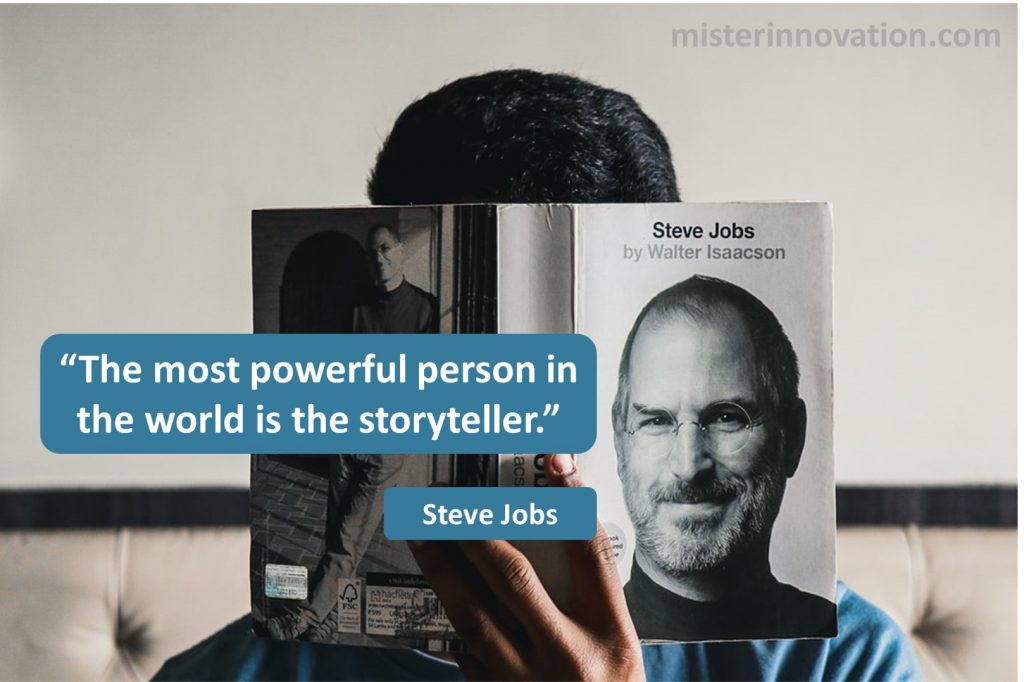
The Power of Storytelling in Creating Memorable Customer Experiences

The Power of Storytelling in Creating Memorable Customer Experiences

GUEST POST from Chateau G Pato

In our rapidly evolving digital era, where interactions are often fleeting and customer loyalty is a rare and priceless commodity, the singular power of storytelling as a tool to create memorable customer experiences cannot be overstated. Stories have the unique ability to evoke emotions, foster connections, and transform ordinary transactions into extraordinary experiences. More importantly, they possess the capacity to embed a brand indelibly in the hearts and minds of consumers.

As we delve into the art of storytelling in customer experience (CX), it is helpful to consider insights from two inspirational case studies—companies that have wielded the power of storytelling to create unforgettable customer experiences and, in doing so, have crafted enduring legacies.

Case Study 1: Airbnb – We Belong Anywhere

When it comes to leveraging storytelling to create remarkable customer experiences, Airbnb stands as an emblematic example. Founded in 2008, Airbnb transformed the travel industry by enabling people to rent out their homes to travelers seeking unique, localized experiences. But the company’s triumph is attributed not just to its innovative business model but to its masterful use of storytelling.

Airbnb’s foundational narrative is centered on the theme “Belong Anywhere.” The essence of this story is that travelers can find a sense of home and community, no matter where they go. This narrative resonates deeply with modern travelers who seek more authentic, personalized, and immersive experiences compared to the traditional, impersonal hotel stays.

One notable campaign that exemplifies this is the “Wall and Chain” animation, which tells the heartwarming story of a daughter booking an Airbnb stay in East Berlin for her father, who was once a guard at the Berlin Wall. During the stay, he reunites with a fellow guard and old friend. This poignant story embodies the theme of breaking down barriers and creating human connections, reinforcing the global vision of Airbnb.

Through the power of storytelling, Airbnb has not only created a memorable customer experience but has also fostered a global community of hosts and guests who share their own personal stories of adventure, discovery, and belonging. This community-driven content continuously enriches Airbnb’s brand narrative and strengthens its emotional ties with customers.

Case Study 2: Disney – Creating Magical Experiences

The Walt Disney Company, with its almost century-old legacy, has attained an unparalleled position in the realm of storytelling. Disney’s mastery lies in its ability to transport people into fantastical worlds, making even the briefest moments deeply memorable.

Disney’s storytelling prowess permeates every facet of the customer experience, especially in its theme parks. Walt Disney once envisioned Disneyland as a place where “parents and children could have fun together.” This vision has consistently guided Disney’s approach, resulting in an immersive and enchanting experience that keeps visitors returning generation after generation.

To illustrate this, consider the creation of Disney’s MagicBand, an all-in-one device introduced at Walt Disney World Resort. The MagicBand serves as a park ticket, hotel room key, and digital wallet. But beyond convenience, the strength of the MagicBand lies in the seamless and personalized storytelling experience it enables.

Upon wearing the MagicBand, visitors can receive surprise greetings from Mickey Mouse or personalized messages from Cinderella. The magic of these moments is that they feel spontaneous yet extraordinary, creating lasting memories. Behind the scenes, Disney’s sophisticated data analytics ensure that these interactions are as personal and delightful as possible.

Disney’s storytelling also extends to its staff—referred to as Cast Members—who are trained not just to provide services but to embody characters within the immersive story of the park. Every action is a performance, every detail is part of a meticulously crafted narrative, and this dedication to storytelling excellence ensures that visitors experience the magic firsthand.

The Essence of Memorable Experiences

Both Airbnb and Disney demonstrate that the essence of creating memorable customer experiences lies in the ability to tell compelling stories that resonate on an emotional level. A powerful narrative does more than just communicate a message; it builds relationships, enriches brand identity, and inspires loyalty.

To leverage storytelling effectively in CX, companies should consider the following principles:

  1. Know Your Audience: Understand who your customers are, their desires, fears, and aspirations. Craft your story to speak directly to their hearts.
  2. Be Authentic: Authenticity fosters trust. Ensure your storytelling reflects the true essence of your brand and the values you stand for.
  3. Create Emotional Connections: Stories that evoke genuine emotions tend to be the most memorable. Aim to create narratives that make your customers feel seen and understood.
  4. Engage Your Community: Involve your customers in your storytelling process. Encourage them to share their stories and experiences, creating a rich tapestry of communal narratives.
  5. Be Consistent: Across all touchpoints, maintain a consistent narrative. Every interaction should reinforce the overarching story you are telling.

Ultimately, storytelling in customer experience is an art form that, when mastered, transforms the way customers perceive, engage with, and cherish a brand. As Airbnb and Disney have shown, the stories you tell can turn ordinary moments into magical memories, forging deeper connections and creating a legacy that stands the test of time.

Embrace the power of storytelling, and you will not only captivate your audience but also foster a community of passionate advocates who live and breathe your brand story.

SPECIAL BONUS: The very best change planners use a visual, collaborative approach to create their deliverables. A methodology and tools like those in Change Planning Toolkit™ can empower anyone to become great change planners themselves.

Image credit: misterinnovation.com

Subscribe to Human-Centered Change & Innovation WeeklySign up here to get Human-Centered Change & Innovation Weekly delivered to your inbox every week.
Encouraging a Growth Mindset During Times of Organizational Change

Encouraging a Growth Mindset During Times of Organizational Change

GUEST POST from Chateau G Pato

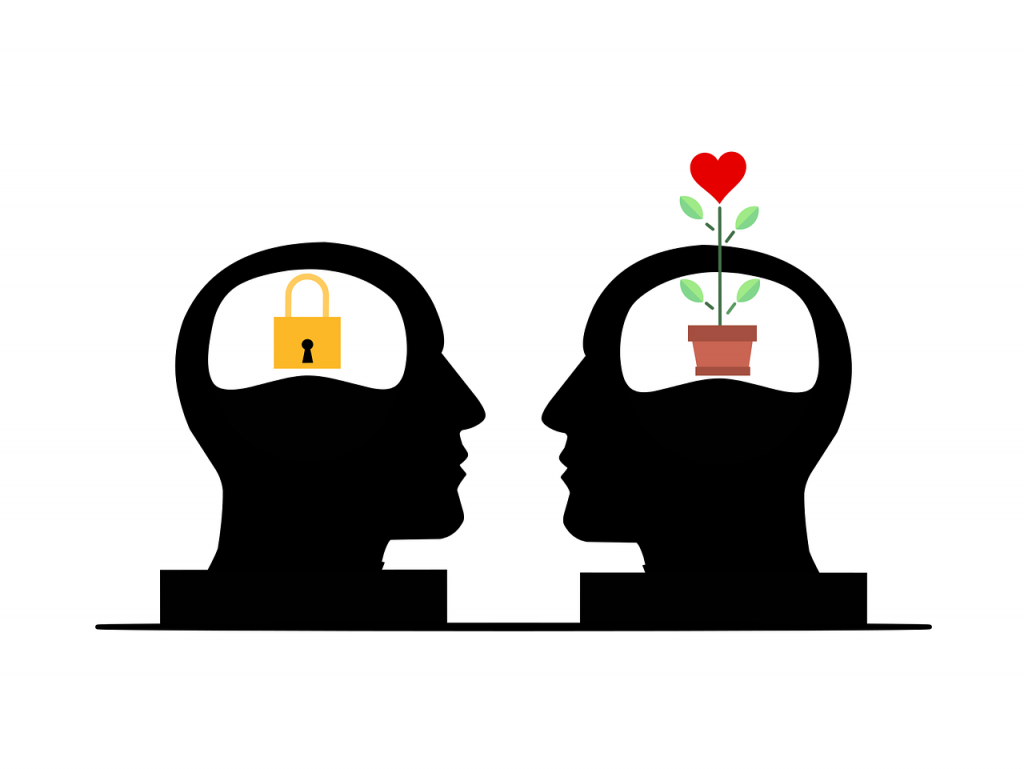
Organizational change is a formidable undertaking. It navigates the volatile waters of market dynamics, technological advancements, cultural shifts, and competitive pressures. Change initiatives falter when they fail to resonate with the human element within the enterprise—its people. At the heart of successful change lies a resilient culture, one that embraces a growth mindset. This article will explore how to nurture such a mindset and present two compelling case studies illustrating its transformative power.

The Essence of a Growth Mindset

Coined by psychologist Carol Dweck, a growth mindset is the belief that abilities and intelligence can be developed through dedication and hard work. This contrasts with a fixed mindset, the belief that talents are innate and unchangeable. In an organizational context, a growth mindset fosters perseverance, adaptability, and enthusiasm for learning—all crucial for navigating change.

Strategies for Cultivating a Growth Mindset

  1. Promote Continuous Learning: Encourage employees to take ownership of their development by offering training, workshops, and access to educational resources.
  2. Celebrate Effort over Success: Recognize and reward the process of learning and improvement, not just the outcomes.
  3. Provide Constructive Feedback: Offer feedback that emphasizes growth and potential rather than pointing out flaws.
  4. Lead by Example: Leadership should embody and reinforce a growth mindset by demonstrating learning and adaptability.
  5. Foster Psychological Safety: Create an environment where employees feel safe to experiment, make mistakes, and share ideas without fear of reprisal.

Case Study 1: Microsoft

When Satya Nadella assumed the role of CEO at Microsoft in 2014, the tech giant was facing significant challenges. Its culture had become siloed, and innovation was waning. Nadella’s solution? Inject a growth mindset into the organization.

Steps Taken:

  1. Cultural Transformation: Nadella initiated a cultural shift from a know-it-all to a learn-it-all mindset. He emphasized the importance of empathy, curiosity, and continuous learning.
  2. Leadership Development: Managers were trained to support and develop their teams rather than command and control.
  3. New Metrics: Success was redefined. Instead of focusing solely on short-term financial metrics, the company began tracking progress in learning and innovation.
  4. Encouraging Collaboration: To break down silos, Microsoft encouraged cross-team collaboration and knowledge sharing.

Results:

Microsoft’s transformation is nothing short of remarkable. Financially, the company’s market value soared from around $300 billion in 2014 to over $2 trillion in recent years. More importantly, the internal culture became more collaborative, innovative, and driven by continuous improvement.

Case Study 2: Procter & Gamble (P&G)

Procter & Gamble, a global leader in consumer goods, faced stagnation in the early 2000s. Sales were sluggish, and the company was perceived as bureaucratic and resistant to change. A significant shift was needed to regain its competitive edge.

Steps Taken:

  1. Purpose-Driven Change: CEO A.G. Lafley revitalized the organization by focusing on a clear purpose: “Touching lives, improving life.” This higher purpose inspired a culture of innovation and customer-centricity.
  2. Empowering Employees: P&G introduced initiatives aimed at empowering employees to experiment, learn from failures, and share insights. This included the “Connect + Develop” program that encouraged external and internal collaboration for innovation.
  3. Embedding Growth Mindset Principles: The company promoted the idea that abilities could be honed and that contributions and improvements were valuable regardless of their immediate success.
  4. Leadership Support: Leaders were tasked with cultivating environments where teams felt supported in pursuing bold ideas and taking calculated risks.

Results:

P&G experienced a renaissance in both market performance and corporate culture. Products resulting from the “Connect + Develop” program generated billions in revenue, and employee engagement soared. The company’s ability to adapt and innovate significantly improved, paving the way for sustained growth.

Conclusion

Embracing a growth mindset is more than an individual choice; it is a cultural imperative, especially during times of organizational change. As the cases of Microsoft and Procter & Gamble illustrate, fostering such a mindset can lead to profound transformations, driving innovation, collaboration, and resilience.

Organizations embarking on the change journey should remember that the path to success begins with nurturing the belief that everyone can grow, learn, and contribute to a shared future. By committing to continuous learning, celebrating effort, providing constructive feedback, leading by example, and ensuring psychological safety, leaders can create an environment where a growth mindset flourishes, ultimately enabling their organizations to thrive amidst the inevitable tides of change.

SPECIAL BONUS: The very best change planners use a visual, collaborative approach to create their deliverables. A methodology and tools like those in Change Planning Toolkit™ can empower anyone to become great change planners themselves.

Image credit: Pixabay

Subscribe to Human-Centered Change & Innovation WeeklySign up here to get Human-Centered Change & Innovation Weekly delivered to your inbox every week.

Implementing Effective Change Management Strategies in Your Organization

Implementing Effective Change Management Strategies in Your Organization

GUEST POST from Chateau G Pato

Change is an essential aspect of any organization’s growth and success. However, managing change can be a challenging task. Organizations must develop effective change management strategies to ensure smooth transitions and maximize the benefits of change. This article explores two case studies that highlight successful implementation of change management strategies, providing practical insights and lessons learned.

Case Study 1: Organization A – Streamlining Technology Integration

Background:
Organization A, a global technology company, was experiencing productivity challenges due to the lack of streamlined processes and fragmented technology systems. They recognized the need for change to improve efficiency, collaboration, and innovation. However, they faced resistance from employees accustomed to their existing systems.

Change Management Strategy:
Organization A developed a comprehensive change management strategy to address both the technical and human aspects of the change. Key steps included:

1. Communicating the Vision: Clear communication about the vision for change was vital in gaining employee buy-in and support. Organization A conducted town hall meetings, sent regular updates via email newsletters, and used internal social media platforms to foster transparency and encourage feedback.

2. Engaging Stakeholders: Involving employees and stakeholders in the planning and decision-making process created a sense of ownership and empowerment. Organization A formed cross-functional teams to gather insights, address concerns, and design the new technology integration plan collaboratively.

3. Training and Support: Providing adequate training and ongoing support to employees was crucial. Organization A organized training sessions, workshops, and one-on-one coaching to ensure employees gained the necessary skills and confidence to adapt to the new technology.

Results and Lessons Learned:
By effectively implementing their change management strategy, Organization A achieved impressive results. Productivity and collaboration improved significantly, and employees reported higher job satisfaction. The success of this case study demonstrated the importance of clear communication, stakeholder engagement, and robust support mechanisms in driving successful technology integration.

Case Study 2: Organization B – Cultural Transformation

Background:
Organization B, a traditional manufacturing company, recognized the need for a cultural transformation to adapt to a rapidly changing market landscape. They aimed to shift from a hierarchical and siloed culture to a more agile, collaborative, and innovative one. However, existing mindsets and resistance to change posed significant challenges.

Change Management Strategy:
Organization B designed a change management strategy centered around three core pillars:

1. Leadership Alignment: Top-level leaders embraced the change and conveyed a clear commitment to a new culture. They attended workshops, openly discussed the benefits of the transformation, and led by example.

2. Empowering Middle Managers: Organization B acknowledged the crucial role of middle managers in driving change. They provided training, coaching, and equipped them with the necessary skills to effectively communicate and support the transformation to their teams.

3. Cultural Reinforcement: Organization B implemented various activities to reinforce the desired cultural shift. This included recognition and rewards programs, cross-functional collaboration initiatives, and regular feedback mechanisms to monitor progress.

Results and Lessons Learned:
Following the successful implementation of their change management strategy, Organization B witnessed a significant shift in their organizational culture. Employees showed increased collaboration, innovation, and adaptability. This case study highlighted the importance of leadership alignment, empowering middle managers, and ongoing cultural reinforcement for a successful cultural transformation.

Conclusion

Implementing effective change management strategies plays a vital role in facilitating successful organizational transformations. The case studies of Organization A and Organization B demonstrated that clear communication, stakeholder engagement, training, support, leadership alignment, empowering middle managers, and cultural reinforcement are fundamental factors contributing to successful change implementation. By adopting these principles, organizations can navigate change and unleash their potential for growth, innovation, and sustained success.

SPECIAL BONUS: The very best change planners use a visual, collaborative approach to create their deliverables. A methodology and tools like those in Change Planning Toolkit™ can empower anyone to become great change planners themselves.

Image credit: Pixabay

Subscribe to Human-Centered Change & Innovation WeeklySign up here to get Human-Centered Change & Innovation Weekly delivered to your inbox every week.

How Augmented Reality is Transforming Retail Customer Experiences

How Augmented Reality is Transforming Retail Customer Experiences

GUEST POST from Chateau G Pato

Augmented Reality (AR), with its ability to overlay digital information onto the physical world, has emerged as a game-changer for the retail industry. By blending the real and virtual worlds, this technology has transformed traditional shopping experiences into digitally immersive journeys. AR has the potential to captivate customers, increase brand engagement, and ultimately influence purchasing decisions. Let’s explore a couple of captivating case studies that demonstrate the power of augmented reality in shaping the future of retail.

Case Study 1: IKEA Place

Swedish furniture giant IKEA has long been at the forefront of innovation in the retail industry. In 2017, they introduced IKEA Place, an augmented reality app that allows customers to virtually furnish their homes. With the help of AR, customers can visualize how different IKEA products would look and fit in their living spaces before making a purchase.

The app utilizes the camera on a smartphone or tablet to scan the room and place true-to-scale 3D models of furniture products in real-time. This enables customers to see how different items match their existing décor and how they fit spatially. The experience is incredibly immersive, giving customers a sense of confidence in their purchasing decisions.

The success of IKEA Place lies in its ability to bridge the gap between imagining how furniture would look and actually seeing it in a physical space. By incorporating augmented reality, IKEA has transformed their customers’ shopping experiences, providing them with a powerful tool that enhances decision-making and reduces the chances of post-purchase disappointment.

Case Study 2: Sephora Virtual Artist

Sephora, a leading beauty retailer, understands that trying on makeup can sometimes be a daunting and time-consuming task for customers. To address this issue, they launched the Sephora Virtual Artist app, which uses augmented reality to allow customers to try on various makeup products virtually.

The app incorporates facial recognition technology to map the user’s face and then overlay different makeup products, such as lipstick, eyeshadow, or foundation, giving customers an instant preview of their appearance. Users can experiment with different colors and products, enabling them to discover new styles and confident choices.

Sephora’s Virtual Artist empowers customers by providing them with a risk-free, interactive platform to experiment with different looks without making any physical changes to their appearance. By successfully incorporating augmented reality, Sephora not only enhances the customer experience but also boosts digital engagement and increases the likelihood of personalized purchases.

The Future of AR in Retail

These two case studies highlight how augmented reality is revolutionizing the retail industry by redefining customer experiences. AR technology has the potential to erase doubts and uncertainties associated with purchasing decisions, empowering customers with more confidence and reducing product returns. Additionally, AR enhances brand engagement by offering an interactive and immersive shopping experience, ultimately creating a stronger emotional connection between the customer and the brand.

As AR technology continues to advance, we can expect to see even more innovative retail applications. From virtual fitting rooms to personalized product recommendations based on augmented reality experiences, the possibilities are endless. Augmented reality is undeniably reshaping the retail landscape, and retailers who embrace this technology will gain a competitive edge by offering their customers more memorable and meaningful experiences.

SPECIAL BONUS: The very best change planners use a visual, collaborative approach to create their deliverables. A methodology and tools like those in Change Planning Toolkit™ can empower anyone to become great change planners themselves.

Image credit: Pixabay

Subscribe to Human-Centered Change & Innovation WeeklySign up here to get Human-Centered Change & Innovation Weekly delivered to your inbox every week.

The Future of Remote Work

Lessons Learned from the Pandemic

The Future of Remote Work

GUEST POST from Chateau G Pato

Introduction: Embracing a New Era of Work

The COVID-19 pandemic has undeniably transformed the way we work. With remote work becoming the norm for many industries, companies have had to adapt rapidly––often in unprecedented ways. As we navigate through this challenging time, it is crucial to reflect upon the lessons we have learned and the opportunities that lie ahead. This thought leadership article explores the future of remote work, drawing insights from two distinctive case studies that exemplify the positive impacts and lessons learned from this remarkable transition.

Case Study 1: Company X – Building a Flexible and Resilient Workforce

Company X, a global technology firm, had been contemplating remote work as a part of their long-term strategy but had yet to implement it at scale. When the pandemic struck, the company had no choice but to expedite its plans.

To ensure a successful transition, Company X focused on rapidly equipping their employees with the necessary tools, support, and training. The organization leveraged collaborative software platforms, such as project management tools, video conferencing software, and communication apps, to maintain seamless connectivity among teams. Regular virtual check-ins, team building sessions, and frequent updates from leadership helped maintain employee engagement and morale.

As a result, Company X witnessed several benefits. Employee productivity increased as individuals gained back the time typically spent commuting. Furthermore, the company identified significant savings in operational costs associated with office space, utilities, and maintenance. Consequently, Company X now views remote work as an integral part of their future work model and plans to incorporate a hybrid model that blends remote and in-person work to retain the best of both worlds.

Key Lesson: A supportive infrastructure and culture, coupled with reliable technology, are paramount for successful remote work implementation.

Case Study 2: Organization Y – Enhancing Inclusion and Diversity through Remote Work

Organization Y, a global nonprofit, recognized the potential of remote work to increase inclusivity and diversity within its workforce. Historically, geographical limitations and associated costs hindered their ability to attract talent from different regions and backgrounds.

With the shift to remote work, Organization Y was able to break these barriers. By opening up job opportunities to remote workers, they gained access to a much broader talent pool. As a result, the organization experienced increased diversity in terms of representation across genders, ethnicities, and skill sets, leading to enhanced creativity and innovation.

Furthermore, remote work enabled greater flexibility for employees with caregiving responsibilities or individuals with disabilities, fostering a more inclusive work environment. By prioritizing the development of virtual onboarding programs and remote mentoring initiatives, Organization Y ensured that all employees, regardless of their physical location, felt connected, valued, and supported.

Key Lesson: Remote work can be a powerful tool in driving diversity and inclusion, providing opportunities for individuals who may face geographical or physical limitations.

Conclusion: A Glimpse into the Remote Work Revolution

The pandemic has undoubtedly accelerated the adoption of remote work, transforming it from an optional perk to a fundamental way of working. Through the lenses of Company X and Organization Y, we have observed the numerous benefits of remote work: increased productivity, cost savings, enhanced inclusivity, and broader talent pools.

As we move forward, organizations need to embrace these lessons and seize the opportunity to build a future of work that amplifies the advantages of both remote and in-person environments. By investing in robust communication infrastructure, fostering supportive cultures, and leveraging technology, companies can cultivate flexibility, resilience, and diversity within their workforces.

The future of work rests in our ability to leverage the lessons learned from this unprecedented time and build a world where individuals thrive, regardless of their physical location. Together, we can shape a future of work that is not only efficient and productive but also inclusive and fulfilling.

SPECIAL BONUS: The very best change planners use a visual, collaborative approach to create their deliverables. A methodology and tools like those in Change Planning Toolkit™ can empower anyone to become great change planners themselves.

Image credit: Unsplash

Subscribe to Human-Centered Change & Innovation WeeklySign up here to get Human-Centered Change & Innovation Weekly delivered to your inbox every week.