
Author Archives: Chateau G Pato

About Chateau G Pato

Chateau G Pato is a senior futurist at Inteligencia Ltd. She is passionate about content creation and thinks about it as more science than art. Chateau travels the world at the speed of light, over mountains and under oceans. Her favorite numbers are one and zero. Content Authenticity Statement: If it wasn't clear, any articles under Chateau's byline have been written by OpenAI Playground or Gemini using Braden Kelley and public content as inspiration.

Unraveling the Potential of Quantum Computing in Solving Complex Problems

Unraveling the Potential of Quantum Computing in Solving Complex Problems

GUEST POST from Chateau G Pato

In recent years, the field of quantum computing has captured the imagination of scientists, researchers, and technologists worldwide. Promising significant advancements over classical computers, quantum computing has the potential to revolutionize various industries by solving complex problems that were once considered insurmountable. With its ability to harness the principles of superposition and entanglement, quantum computing offers novel approaches to computation, unlocking new frontiers in fields such as cryptography, drug discovery, optimization, and modeling complex physical systems.

Case Study 1 – Cryptography

One of the most exciting prospects of quantum computing lies in its ability to break cryptographic codes that are currently deemed unbreakable by classical computers. Case in point, the advent of quantum algorithms such as Shor’s algorithm allows for the efficient factorization of large numbers, a crucial foundation of many encryption methods currently employed. To illustrate how this could impact various industries, let’s consider the financial sector. Banks and financial institutions rely on encryption to protect customers’ sensitive information and ensure secure online transactions. Should quantum computers become capable of breaking existing encryption algorithms, the financial industry would need to swiftly adapt by implementing quantum-resistant encryption methods. The ripple effect of quantum computing in cryptography extends beyond finance, affecting communication, military intelligence, and data security for various sectors worldwide.

Case Study 2 – Drug Discovery

Another compelling case study showcasing the potential of quantum computing can be found in the field of drug discovery. The process of discovering new drugs is an intricate and time-consuming task involving extensive computational analysis. Quantum computing has the potential to significantly accelerate this process by simulating the behavior of molecules with unparalleled precision. By leveraging quantum algorithms, researchers can more accurately predict how drugs will interact with target molecules, reducing the need for costly and time-consuming laboratory experiments. This computational power could pave the way for the discovery of new drugs and the ability to personalize treatments based on an individual’s unique molecular makeup, revolutionizing healthcare and ultimately saving lives.

Additionally, quantum computing holds great promise in optimizing complex systems, offering solutions to previously intractable problems. Consider the logistics industry, which heavily relies on optimization algorithms to optimize delivery routes, minimize costs, and decrease transportation time. Quantum computing could offer significant advancements in this field by exponentially improving the efficiency of optimization algorithms. By analyzing vast amounts of data and considering intricate variables, quantum computers could determine optimal routes, minimizing fuel consumption, and reducing carbon emissions. Such advancements benefit not only the logistics industry but also have implications for supply chain management, traffic control, and urban planning, ultimately leading to more sustainable and efficient infrastructures.

While these case studies provide a glimpse into the future capabilities of quantum computing, it is important to acknowledge that the field is still in its infancy. Overcoming the current challenges of maintaining qubits’ stability, error correction, and scaling remains critical for the practical implementation of quantum computers. However, tremendous strides have been made, and as technology continues to evolve, quantum computing holds the potential to unlock new frontiers and transform countless industries.

Conclusion

Unraveling the potential of quantum computing offers a new chapter in computational possibilities. The breakthroughs it can provide, from breaking encryption codes to accelerating drug discovery and optimizing complex systems, can transform industries and shape the world we live in. Embracing quantum computing’s potential opens up new avenues for innovation and brings us closer to solving complex problems that were once thought to be beyond the reach of classical computation. Let us embrace this frontier with curiosity, resilience, and collaboration, as we stand on the precipice of a quantum revolution.

SPECIAL BONUS: Braden Kelley’s Problem Finding Canvas can be a super useful starting point for doing design thinking or human-centered design.

“The Problem Finding Canvas should help you investigate a handful of areas to explore, choose the one most important to you, extract all of the potential challenges and opportunities and choose one to prioritize.”

Image credit: Pixabay

Subscribe to Human-Centered Change & Innovation WeeklySign up here to get Human-Centered Change & Innovation Weekly delivered to your inbox every week.

The Power of Emotional Connections in Customer Experience

The Power of Emotional Connections in Customer Experience

GUEST POST from Chateau G Pato

In today’s competitive business landscape, organizations are constantly seeking ways to stand out and create memorable experiences for their customers. While product quality and efficient service are undoubtedly essential, there is another significant factor that can make a lasting impact on a customer’s journey – emotional connections.

Emotional connections in customer experience refer to the ability of a brand to tap into customers’ emotions, creating meaningful interactions that leave a lasting impression. When a customer feels a genuine connection with a brand, they are more likely to remain loyal, recommend it to others, and become advocates. Let’s explore two case studies that showcase the power of emotional connections in customer experience.

Case Study 1: Dove’s Real Beauty Campaign

Dove, a personal care brand, launched its “Real Beauty” campaign in 2004 with a mission to redefine beauty standards and promote self-acceptance. The campaign featured women of different ages, sizes, and ethnicities, focusing on real-life beauty rather than unrealistic beauty ideals portrayed in the media. By showcasing the diversity and authenticity of its customers, Dove successfully created an emotional connection with women worldwide.

This campaign resonated deeply with consumers who had long felt excluded or misrepresented in traditional beauty advertisements. People saw themselves, their mothers, sisters, and friends in Dove’s messaging, leading to a surge in positive sentiments towards the brand. The emotional connection established through the campaign resulted in increased brand loyalty and a significant boost in sales. Dove’s Real Beauty campaign demonstrated that by speaking to customers’ emotions and challenging societal norms, a brand can become a catalyst for positive change.

Case Study 2: Starbucks’ Personalized Customer Experience

Starbucks is renowned for the personalized customer experience it provides. Beyond serving a great cup of coffee, the company aims to create a comfortable atmosphere where customers can enjoy their drinks. One example of Starbucks’ commitment to emotional connections is the practice of writing customers’ names on cups. By personalizing each cup, Starbucks employees create a sense of recognition and importance for the customers.

In 2014, the company launched its “Meet Me at Starbucks” campaign, which featured short documentaries capturing genuine moments of human connection in their stores across the world. The emotionally-driven campaign highlighted Starbucks as a place where people can find common ground and connect with others. By showcasing the emotional value that Starbucks brings to people’s lives, the campaign reinforced the brand’s commitment to creating meaningful experiences for their customers.

Starbucks’ personalized approach and focus on emotional connections helped differentiate the company from its competitors. Customers often feel a sense of belonging and familiarity with Starbucks, making it their preferred choice even when competing options exist.

Conclusion

The examples of Dove and Starbucks showcase the impact emotional connections can have on customer experience. By understanding and addressing customers’ emotions, brands can become more than just a product or service provider. Companies that successfully build emotional connections foster loyalty, advocacy, and long-term customer relationships.

Creating emotional connections requires understanding customers’ values, aspirations, and pain points. Listening to their feedback and incorporating it into brand messaging and experiences allows companies to connect with customers at a deeper level. By emphasizing authenticity, inclusivity, and personalized experiences, brands can build emotional connections that transcend transactional relationships, leading to meaningful and enduring customer loyalty.

SPECIAL BONUS: Braden Kelley’s Problem Finding Canvas can be a super useful starting point for doing design thinking or human-centered design.

“The Problem Finding Canvas should help you investigate a handful of areas to explore, choose the one most important to you, extract all of the potential challenges and opportunities and choose one to prioritize.”

Image credit: Pixabay

Subscribe to Human-Centered Change & Innovation WeeklySign up here to get Human-Centered Change & Innovation Weekly delivered to your inbox every week.

Creating a Strong Change Coalition

Discussing the Importance of Assembling a Diverse and Influential Group of Change Agents to Drive Successful Transformation Efforts

Creating a Strong Change Coalition

GUEST POST from Chateau G Pato

Change is an inevitable part of any organization’s growth and evolution. However, ensuring the success of transformation efforts requires more than just a well-crafted strategy. It demands the creation of a strong change coalition – a diverse and influential group of change agents who can effectively champion and drive the change process. In this article, we will explore the significance of assembling such a coalition by reviewing two compelling case studies.

Case Study 1: IBM’s Transformation

IBM, a technology giant, faced a critical need to transform its business model to adapt to the rapidly changing technology landscape. To accomplish this, IBM embarked on a strategic transformation effort in 2012, which involved a significant shift towards cloud computing and cognitive computing solutions, such as their AI platform Watson.

One crucial aspect of IBM’s successful transformation was their ability to assemble a strong change coalition. The coalition consisted of top executives, mid-level managers, and frontline employees who possessed deep domain expertise, diverse perspectives, and influential positions within the organization. This diverse group of change agents worked collectively to overcome resistance, align stakeholders, and drive the necessary changes across the organization.

By assembling a strong coalition, IBM harnessed the power of its employees’ collective intelligence and created buy-in at every level. The influential members of the coalition facilitated communication, generated enthusiasm, and ensured the implementation of the transformation efforts. They also provided feedback and ensured that the change journey remained aligned with the company’s overarching vision. As a result, IBM successfully achieved its transformation goals, solidifying its position as a leading player in the technology industry.

Case Study 2: The British Airways Turnaround

In the late 1980s, British Airways (BA) faced serious challenges, including high operating costs, a demoralized workforce, and intense competition. To address these issues, BA relied on a strong change coalition to drive a successful turnaround. Led by CEO Colin Marshall, the change coalition included senior management, union leaders, and key stakeholders from various departments within the organization.

The diversity and influence of the coalition members played a crucial role in the transformation’s success. Marshall understood the importance of gaining commitment from unions, which historically opposed major changes. By actively involving union leaders in the change process, Marshall built trust, fostered collaboration, and ensured employee support for the necessary cost-cutting measures and improvements in customer service.

The change coalition at BA also focused on communication and transparency, ensuring that all employees were informed and engaged in the transformation efforts. Marshall, along with other influential members, actively listened to employees’ concerns, addressed them promptly, and recognized their contributions to the turnaround. This created a sense of ownership and commitment among the workforce, leading to significant improvements in both financial performance and customer satisfaction.

Conclusion

These case studies demonstrate that assembling a diverse and influential change coalition significantly contributes to the success of transformation efforts. Such coalitions not only provide the necessary expertise and perspectives to navigate through complex changes but also foster buy-in, build trust, and ensure continuous alignment with the organization’s vision.

When implementing your next strategic transformation endeavor, remember the importance of creating a strong change coalition. Identify influential individuals from various levels and functional areas within your organization, and empower them to champion the change process. By investing in a diverse and influential coalition, you lay the foundation for a successful transformation that can propel your organization towards greater success and sustainability.

SPECIAL BONUS: Braden Kelley’s Problem Finding Canvas can be a super useful starting point for doing design thinking or human-centered design.

“The Problem Finding Canvas should help you investigate a handful of areas to explore, choose the one most important to you, extract all of the potential challenges and opportunities and choose one to prioritize.”

Image credit: Pexels

Subscribe to Human-Centered Change & Innovation WeeklySign up here to get Human-Centered Change & Innovation Weekly delivered to your inbox every week.

Building a Culture of Change: Strategies for Leaders

Building a Culture of Change: Strategies for Leaders

GUEST POST from Chateau G Pato

Change is an inevitable part of any organization’s growth and success. Today, more than ever, leaders need to build and nurture a culture that embraces change, adaptability, and innovation. This article explores strategies that leaders can adopt to create a culture of change within their organizations, as evidenced by two compelling case studies.

Case Study 1 – Google’s 20% Time Policy

Google, one of the most innovative companies in the world, has a culture that emphasizes experimentation and risk-taking. One of their most well-known strategies for fostering a culture of change is its “20% Time” policy. This policy encourages employees to spend 20% of their work time pursuing projects and ideas that are not necessarily part of their assigned responsibilities. This approach has led to several significant innovations, such as Gmail and Google Maps. By allowing employees the freedom to explore and take risks, Google creates a culture that values change and empowers employees to drive it.

Leaders looking to build a culture of change can adopt similar strategies by encouraging experimentation and providing employees with the freedom to explore ideas outside of their immediate scope. This not only fosters creativity and innovation but also instills a sense of ownership and engagement among employees.

Case Study 2 – Zappos’ Holacracy

Zappos, the online shoe and clothing retailer, is known for its unique approach to organizational structure. In 2013, the company implemented a management philosophy called Holacracy, which replaces traditional top-down hierarchy with self-organizing teams. This system encourages continuous change, adaptability, and entrepreneurship.

By implementing Holacracy, Zappos allowed employees to have more autonomy and decision-making power, thereby empowering them to take ownership of their work. This approach has enabled the company to quickly adapt to changing market trends and customer demands. Zappos’ culture of change is built on the belief that every employee can contribute to the organization’s success and has the ability to drive positive change.

Leaders can learn from Zappos’ example by adopting a more decentralized approach to decision-making and empowering employees to take ownership of their roles. This not only motivates individuals but also enables the organization to quickly respond to changing environments and stay ahead of the competition.

Conclusion

Building a culture of change requires leaders to prioritize flexibility, innovation, and adaptability. Google’s “20% Time” policy and Zappos’ implementation of Holacracy provide valuable insights into fostering a culture that embraces change. By encouraging experimentation, empowering employees, and enabling decentralized decision-making, leaders can create an environment that not only welcomes change but also thrives on it. Embracing change is no longer an option for organizations; it is a necessity for survival and success in today’s rapidly evolving business landscape.

SPECIAL BONUS: Braden Kelley’s Problem Finding Canvas can be a super useful starting point for doing design thinking or human-centered design.

“The Problem Finding Canvas should help you investigate a handful of areas to explore, choose the one most important to you, extract all of the potential challenges and opportunities and choose one to prioritize.”

Image credit: Pixabay

Subscribe to Human-Centered Change & Innovation WeeklySign up here to get Human-Centered Change & Innovation Weekly delivered to your inbox every week.

Change Management in the Digital Age

Navigating Technological Disruption

Change Management in the Digital Age

GUEST POST from Chateau G Pato

In today’s digital age, businesses face the constant challenge of adapting to the fast-paced environment of technological disruption. Change management plays a critical role in helping organizations navigate this disruption and harness the power of digital advancements to stay competitive. In this article, we will explore two case studies that highlight the importance of effective change management in successfully implementing digital transformations.

Case Study 1: Blockbuster vs Netflix

One of the most classic examples of a company failing to adapt to technological disruption is the case of Blockbuster and Netflix. Blockbuster, once a dominant force in the video rental industry, was slow to embrace the digital revolution. As Netflix emerged with its online streaming platform, Blockbuster failed to recognize the significance of this shift and the changing preferences of consumers. Despite being offered the opportunity to buy Netflix in its early stages, Blockbuster declined the offer.

The failure of Blockbuster can be attributed to a lack of effective change management. The company failed to recognize the need to adapt its business model to the changing landscape of digital media consumption. Blockbuster was heavily invested in physical stores and rental services, and its reluctance to embrace digital streaming led to its downfall. In contrast, Netflix successfully implemented change management strategies by digitalizing its operations, adopting a subscription-based model, and investing in content creation. Today, Netflix is a global leader in the entertainment industry, while Blockbuster is merely a memory.

Case Study 2: General Electric (GE) and the Industrial Internet of Things (IIoT)

Another example that highlights the importance of change management in the digital age is the case of General Electric (GE) and its transformation through the Industrial Internet of Things (IIoT). GE, a multinational conglomerate, recognized the potential of IIoT to revolutionize industrial processes and unlock new opportunities for efficiency and productivity.

To fully leverage the power of IIoT, GE had to undergo significant changes in its operations, systems, and culture. Change management played a vital role in guiding GE’s digital transformation. The company implemented structured training programs to equip its employees with the necessary skills to embrace the digital technologies. Additionally, GE focused on developing a culture of innovation, collaboration, and agility to adapt to the rapidly changing digital landscape.

Through effective change management, GE successfully transformed its business by incorporating IIoT solutions into its product offerings. This resulted in improved operational efficiency, advanced data analytics capabilities, and enhanced customer experiences. By embracing digital disruption, GE was able to stay ahead of its competitors and maintain its position as a leader in the industrial sector.

Conclusion

The digital age has brought about rapid and widespread technological disruption, which poses significant challenges for businesses. The case studies of Blockbuster and General Electric demonstrate the critical role of change management in successfully navigating this disruption.

Organizations must be proactive in recognizing the need for change and embracing digital transformation. This requires effective change management strategies, including engaging employees, fostering a culture of innovation, and investing in the necessary resources and training. By doing so, businesses can leverage the power of digital advancements to stay competitive, deliver value to customers, and thrive in the digital age.

SPECIAL BONUS: Braden Kelley’s Problem Finding Canvas can be a super useful starting point for doing design thinking or human-centered design.

“The Problem Finding Canvas should help you investigate a handful of areas to explore, choose the one most important to you, extract all of the potential challenges and opportunities and choose one to prioritize.”

Image credit: Pixabay

Subscribe to Human-Centered Change & Innovation WeeklySign up here to get Human-Centered Change & Innovation Weekly delivered to your inbox every week.

Empowering Students and Teachers

Design Thinking for Effective Educational Strategies

Empowering Students and Teachers: Design Thinking for Effective Educational Strategies

GUEST POST from Chateau G Pato

In today’s rapidly changing world, education systems must adapt to meet the needs of students and prepare them for the challenges they will face in their future careers. Traditional teaching methods are no longer sufficient, and educators must embrace innovative approaches that foster critical thinking, problem-solving, and creativity. Design thinking, a human-centered approach to problem-solving, has emerged as a powerful tool for shaping effective educational strategies. This article explores how design thinking can empower students and teachers through two case study examples.

Case Study 1: Redesigning the Curriculum

At the Bayside High School in California, educators faced the challenge of creating a curriculum that would engage students and prepare them for the digital age. Using design thinking principles, the school formed a cross-functional team consisting of teachers, administrators, students, parents, and industry professionals. They conducted empathy interviews and observed students in their learning environment to gain a deep understanding of their needs and aspirations.

Through the design thinking process, the team identified a need for more hands-on, project-based learning experiences that would integrate technology and real-world problem-solving. Inspired by this insight, they redesigned the curriculum to incorporate interdisciplinary projects where students collaborated, researched, prototyped, and presented their solutions to community issues.

The results were phenomenal. Students became more engaged, taking ownership of their learning process and connecting with real-world problems. They demonstrated enhanced problem-solving skills, critical thinking abilities, and improved subject-matter understanding. By applying design thinking principles, Bayside High School transformed their curriculum into an effective and empowering one for both students and teachers.

Case Study 2: Enhancing Teacher Professional Development

In a district-wide initiative, the City School District in New York aimed to improve teacher professional development by applying design thinking principles. Educators recognized the importance of providing a supportive environment for teachers to learn and grow, which would ultimately benefit their students.

Using the design thinking process, the district created a teacher-centered approach. They conducted empathy interviews and observed teachers’ struggles and aspirations in their professional development journey. The insights gained helped the district identify gaps and areas of improvement in existing programs.

Armed with this information, the district piloted a new professional development program, which focused on collaboration among teachers, personalized learning experiences, and ongoing support. The program incorporated coaching sessions, peer-to-peer learning, and opportunities for teachers to develop and implement innovative teaching practices.

The results were transformative. Teachers felt empowered, more enthusiastic about their professional growth, and better equipped to meet their students’ needs. The collaborative approach fostered a sense of community among teachers, enabling the sharing of best practices and resources.

Conclusion

Design thinking offers a powerful framework for creating effective educational strategies that empower both students and teachers. By adopting a human-centered approach, education systems can gain a deep understanding of the needs and aspirations of their stakeholders. The case studies presented here demonstrate the positive impact of design thinking on transforming education.

Design thinking encourages a shift from passive learning to active problem-solving, nurturing critical thinking, creativity, and collaboration among students. Moreover, it fosters a supportive environment for teachers to develop and implement innovative teaching methods, leading to improved student outcomes.

As the world continues to evolve, it is imperative for educational institutions to embrace design thinking to empower future generations. By applying empathy, collaboration, prototyping, and iteration, educators can create educational strategies that equip students with the skills and mindset necessary to thrive in a rapidly changing global landscape.

SPECIAL BONUS: Braden Kelley’s Problem Finding Canvas can be a super useful starting point for doing design thinking or human-centered design.

“The Problem Finding Canvas should help you investigate a handful of areas to explore, choose the one most important to you, extract all of the potential challenges and opportunities and choose one to prioritize.”

Image credit: Misterinnovation.com

Subscribe to Human-Centered Change & Innovation WeeklySign up here to get Human-Centered Change & Innovation Weekly delivered to your inbox every week.

From Problem to Solution: Applying the Design Thinking Process

From Problem to Solution: Applying the Design Thinking Process

GUEST POST from Chateau G Pato

In today’s world, where challenges and problems arise daily, organizations and individuals are constantly seeking effective solutions. The traditional problem-solving methods are no longer enough to tackle complex and ambiguous issues. This is where the design thinking process comes into play.

Design thinking is a human-centered approach to innovation and problem-solving. It focuses on understanding the needs of people in order to create innovative solutions that are both useful and sustainable. By applying a structured and iterative approach, design thinking encourages creativity, collaboration, and empathy to tackle problems from multiple angles. Let’s explore two case study examples that highlight the effectiveness of the design thinking process.

Case Study 1: IDEO’s Success with the Palm V

In the late 1990s, Palm Computing faced a significant challenge. Its early personal digital assistants (PDA) were clunky and unintuitive, failing to gain mass market appeal. Palm turned to the design firm IDEO to lead a design thinking process that would transform their product.

IDEO conducted in-depth interviews and observations to understand user needs. They discovered that people wanted a device that was slim, convenient, and easy to use. By shifting their focus from technology-driven features to user-centric needs, IDEO’s team devised the concept of the Palm V.

Through multiple iterations and constant feedback from users, IDEO crafted a sleek PDA that fit in the palm of the hand. The design thinking process allowed IDEO to transform the PDA into an intuitive and user-friendly device. The Palm V became a tremendous success, revolutionizing the PDA market for years to come.

Case Study 2: Airbnb’s Rapid Growth and Disruption

At its inception in 2008, Airbnb faced a challenging problem. The founders struggled to find a scalable business model and to attract users to their home-sharing platform. In search of a solution, they applied the design thinking process.

The founders immersed themselves in their customers’ experiences, staying in homes listed on their platform and meeting with hosts to understand their pain points. By empathizing with both sides of the marketplace, they identified opportunities for improvement.

Through iterative prototyping and constant feedback loops, Airbnb gradually improved its platform, introducing features such as professional photography, guest reviews, and secure payment systems. These enhancements addressed key user concerns, increased trust, and facilitated bookings.

By applying the principles of design thinking, Airbnb not only solved its immediate problem but also disrupted the entire hospitality industry. Today, Airbnb is a household name with millions of listings worldwide.

Conclusion

These two case studies demonstrate how the design thinking process can lead to innovative and impactful solutions. By shifting the focus to users’ needs, using iterative methods, and fostering collaboration, organizations and individuals can tackle complex problems with creativity and empathy. Whether it’s revolutionizing the PDA industry or disrupting the hospitality market, design thinking provides a framework for turning problems into solutions.

SPECIAL BONUS: Braden Kelley’s Problem Finding Canvas can be a super useful starting point for doing design thinking or human-centered design.

“The Problem Finding Canvas should help you investigate a handful of areas to explore, choose the one most important to you, extract all of the potential challenges and opportunities and choose one to prioritize.”

Image credit: Pixabay

Subscribe to Human-Centered Change & Innovation WeeklySign up here to get Human-Centered Change & Innovation Weekly delivered to your inbox every week.

Innovation in the Digital Age: Navigating Disruption

Innovation in the Digital Age: Navigating Disruption

GUEST POST from Chateau G Pato

The rapid evolution of technology has transformed countless industries and redefined the ways we live and work. The digital age has brought immense opportunities for innovation, but it has also created significant disruption for traditional businesses. Navigating this disruption is crucial for companies to survive and thrive in an increasingly digital world. In this article, we will explore two case study examples of companies that have successfully embraced innovation in the face of disruption.

Case Study 1: Netflix

Netflix, initially founded as a DVD-by-mail rental service in 1997, navigated the disruption caused by the emergence of streaming platforms like YouTube and Hulu. Realizing the changing landscape of media consumption, Netflix transitioned from a physical DVD rental company to a leading player in the streaming industry.

Anticipating the shift in consumer behavior, Netflix started streaming movies and TV shows in 2007. This move allowed them to provide instant access to a vast library of content, eliminating the need for physical discs. Moreover, Netflix leveraged user data to personalize recommendations, creating a unique user experience that set them apart from their competitors.

By embracing digital innovation, Netflix not only survived but also thrived in the face of disruption. They disrupted the traditional video rental market and became the dominant force in the streaming industry, paving the way for other streaming giants like Amazon Prime Video and Disney+.

Case Study 2: Tesla

The automotive industry is no stranger to disruption, and Tesla has been at the forefront of innovative change. Founded in 2003, Tesla recognized the growing demand for electric vehicles (EVs) and set out to revolutionize the automobile industry.

Tesla’s innovation in EV technology, particularly their battery technology and autonomous driving capabilities, has shaped the future of electric mobility. By investing heavily in research and development, Tesla was able to overcome challenges such as limited driving range, slow charging times, and lack of charging infrastructure.

Moreover, Tesla adopted a direct-to-consumer sales model, bypassing traditional dealership networks and enabling them to control the entire sales process and customer experience. This approach disrupted the existing distribution system, putting Tesla in direct competition with established automakers.

Through their innovative approach, Tesla has not only disrupted the automotive industry but has also become the most valuable car manufacturer in the world, surpassing long-established giants like Toyota and General Motors.

Lessons Learned

These case studies demonstrate the importance of embracing innovation to navigate disruption successfully. In both cases, companies recognized the changing landscape of their respective industries and adapted to meet new consumer demands.

Key takeaways for businesses facing disruption in the digital age include:

1. Embrace new technologies: Keep an eye on emerging technologies and trends that could disrupt your industry. Proactively invest in research and development to remain ahead of the curve.

2. Leverage data and personalization: Utilize user data to provide personalized experiences and recommendations. This can help differentiate your business, create loyalty, and attract new customers.

3. Challenge traditional business models: Don’t be afraid to challenge long-standing industry practices. Disruptive innovation often comes from questioning the status quo and finding new ways to meet customer needs.

4. Stay agile and adaptable: Embrace change and be willing to pivot your business strategy when necessary. The ability to quickly adapt and respond to market shifts is crucial for survival in the digital age.

In conclusion, innovation is vital for navigating disruption in the digital age. By studying successful case studies like Netflix and Tesla, businesses can learn valuable lessons on how to embrace innovation and thrive in the face of disruption. The digital age presents endless opportunities, and those who are willing to adapt and innovate will be well-positioned for success in the ever-evolving digital landscape.

Bottom line: Futurology is not fortune telling. Futurists use a scientific approach to create their deliverables, but a methodology and tools like those in FutureHacking™ can empower anyone to engage in futurology themselves.

Image credit: misterinnovation.com

Subscribe to Human-Centered Change & Innovation WeeklySign up here to get Human-Centered Change & Innovation Weekly delivered to your inbox every week.
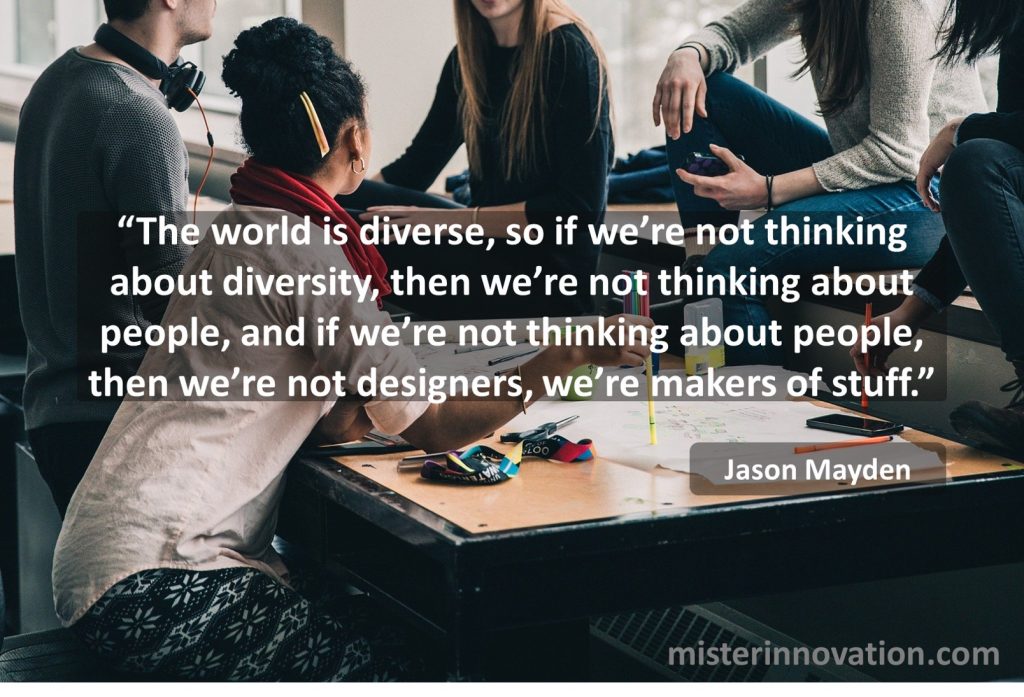
The Role of Diversity and Inclusion in Fostering Innovation

The Role of Diversity and Inclusion in Fostering Innovation

GUEST POST from Chateau G Pato

In today’s rapidly changing world, innovation is the driving force behind success and growth for any organization. To keep up with the ever-evolving market demands, companies are increasingly recognizing the importance of embracing diversity and fostering inclusion within their workforce. The impact of a diverse and inclusive environment goes beyond just social justice; it also plays a pivotal role in fostering innovation and driving business competitiveness. Let’s explore some case study examples that highlight the role of diversity and inclusion in promoting innovation.

Case Study 1: Google’s Employee Resource Groups

Google, a global technology leader, has long been known for its commitment to diversity and inclusion. One of the ways they promote a diverse and inclusive workforce is through their Employee Resource Groups (ERGs). These ERGs are voluntary, employee-led groups that aim to create a sense of belonging for underrepresented groups. By bringing together employees with diverse backgrounds, experiences, and perspectives, Google’s ERGs have become catalysts for innovation. These groups provide a platform for employees to connect, share ideas, and contribute to problem-solving, resulting in innovative solutions that address a wide range of challenges. For instance, the Black Googler Network (BGN) launched an initiative called “CS in Color” to address the racial disparities in computer science education. Through this program, BGN empowered students of color with coding skills, driving innovation by diversifying the tech industry’s talent pool.

Case Study 2: Johnson & Johnson’s Open Innovation Program

Johnson & Johnson (J&J), a multinational healthcare company, recognizes that embracing diversity contributes to its innovation efforts. They have implemented an open innovation strategy that emphasizes collaboration with external partners. In 2011, J&J established the Diversity & Inclusion External Innovation Council to enhance diversity and inclusion in their external collaborations. By partnering with entrepreneurs, startups, and diverse suppliers, J&J aims to foster innovation by tapping into a broader pool of ideas and solutions. By embracing diversity in their external partnerships, J&J has been able to drive breakthrough innovations in various therapeutic areas. For example, their collaboration with a small biotech company led to the development of a groundbreaking treatment for multiple myeloma, a type of blood cancer. By incorporating diverse perspectives and leveraging external partnerships, J&J has been able to stay at the forefront of healthcare innovation.

These case study examples demonstrate that diversity and inclusion play a vital role in fostering innovation. By embracing employees with different backgrounds, experiences, and perspectives, organizations can tap into a vast array of ideas and approaches. Diversity of thought and perspectives fuels creativity, leading to innovative solutions and increased competitiveness. Furthermore, inclusion ensures that diverse voices are heard, valued, and given the opportunity to contribute fully, resulting in a more collaborative and innovative work environment.

Conclusion

To fully reap the benefits of diversity and inclusion, organizations must focus on creating an inclusive culture that promotes psychological safety, encourages diverse perspectives, and supports collaboration. By doing so, organizations can foster an innovative culture where everyone feels empowered to contribute their unique ideas and drive positive change.

Diversity and inclusion are not only moral imperatives but also powerful enablers of innovation. Embracing diversity within the workforce promotes creativity, fuels innovation, and results in solutions that meet the needs of an increasingly diverse customer base. By fostering an inclusive environment where every voice is valued and heard, organizations can drive innovation, unlock new opportunities, and ensure long-term success in today’s fast-paced and competitive world.

Bottom line: Futurology is not fortune telling. Futurists use a scientific approach to create their deliverables, but a methodology and tools like those in FutureHacking™ can empower anyone to engage in futurology themselves.

Image credit: misterinnovation.com

Subscribe to Human-Centered Change & Innovation WeeklySign up here to get Human-Centered Change & Innovation Weekly delivered to your inbox every week.

Emerging Technologies that Will Revolutionize Healthcare in the Next Decade

Emerging Technologies that Will Revolutionize Healthcare in the Next Decade

GUEST POST from Chateau G Pato

In today’s rapidly evolving world, emerging technologies have played a crucial role in transforming various industries, with healthcare being no exception. Over the next decade, we can expect incredible advancements that will revolutionize healthcare to provide more accurate diagnoses, personalized treatments, and improved patient outcomes. Let’s explore two case study examples that showcase the potential of these emerging technologies.

Case Study 1: Artificial Intelligence (AI) in Radiology

Radiology has always been an essential branch of medicine when it comes to diagnosing diseases and conditions. With the advent of artificial intelligence (AI) technology, radiologists can now leverage machine learning algorithms to analyze medical images more efficiently and accurately.

For instance, Stanford University researchers developed an AI algorithm that outperformed radiologists in detecting pneumonia from chest X-rays. This algorithm demonstrated an accuracy of 92% compared to human radiologists’ 82% accuracy. By quickly and accurately detecting pneumonia, doctors can initiate timely treatment plans, potentially saving lives.

Moreover, AI-powered tools can reduce the burden on radiologists by automating tedious tasks, such as the identification of abnormalities in medical images. This allows radiologists to focus more on complex cases, leading to improved diagnostic accuracy and faster turnaround times.

Case Study 2: Blockchain for Enhanced Healthcare Data Security

Data security and privacy have been significant concerns in the healthcare industry. Blockchain technology offers a promising solution to these challenges by providing a decentralized and immutable platform for storing and sharing sensitive medical information securely.

Consider the case of MedRec, a prototype blockchain-based electronic medical record (EMR) system developed by researchers at MIT. MedRec addresses the issues of interoperability and data accessibility while maintaining patient privacy. Through blockchain, patients have control over their medical records and can securely grant access to healthcare providers, ensuring seamless and secured information exchange.

By leveraging blockchain, healthcare institutions can streamline the sharing of medical data across clinics, hospitals, and even international borders while maintaining data integrity, protecting against tampering and unauthorized access. This technology can improve care coordination, reduce medical errors, and enable more effective population health management in the coming decade.

These case studies are just a glimpse of the potential impact of emerging technologies on healthcare. With advancements like AI in radiology and blockchain for data security, the next decade holds exciting possibilities for revolutionizing healthcare delivery, improving patient outcomes, and reducing healthcare costs.

However, it is essential to address potential challenges like ethics, patient acceptance, and regulatory frameworks as these technologies become more prevalent. Ensuring appropriate implementation and collaboration among healthcare professionals, technologists, and policymakers will be crucial to navigating these challenges and maximizing the benefits of these emerging technologies.

Conclusion

As we move into the next decade, emerging technologies such as AI in radiology and blockchain for data security have the potential to reshape the healthcare landscape. By embracing and effectively harnessing these innovative solutions, healthcare providers can transform patient care, enhance diagnostics, and create a more efficient and secure healthcare system for all.

Bottom line: Futurology is not fortune telling. Futurists use a scientific approach to create their deliverables, but a methodology and tools like those in FutureHacking™ can empower anyone to engage in futurology themselves.

Image credit: Pexels

Subscribe to Human-Centered Change & Innovation WeeklySign up here to get Human-Centered Change & Innovation Weekly delivered to your inbox every week.