
Author Archives: Art Inteligencia

About Art Inteligencia

Art Inteligencia is the lead futurist at Inteligencia Ltd. He is passionate about content creation and thinks about it as more science than art. Art travels the world at the speed of light, over mountains and under oceans. His favorite numbers are one and zero. Content Authenticity Statement: If it wasn't clear, any articles under Art's byline have been written by OpenAI Playground or Gemini using Braden Kelley and public content as inspiration.

The Importance of Empathy in Change Management

The Importance of Empathy in Change Management

GUEST POST from Art Inteligencia

Change management is a critical aspect of any organization’s growth and evolution. It involves guiding and transitioning individuals, teams, and organizations from a current state to a desired future state. However, this process can be fraught with challenges and resistance. One key element that can significantly enhance the effectiveness of change management is empathy.

Understanding Empathy in Change Management

Empathy is the ability to understand and share the feelings of another. In the context of change management, empathy involves recognizing the emotional journey that employees go through during times of change. It’s about understanding their fears, concerns, and the impact of change on their daily work lives.

Case Study 1: Duarte, Inc.

At Duarte, Inc., a company specializing in presentations and corporate messaging, empathy played a pivotal role in their organizational change. The CEO, in the midst of rethinking the company’s strategy, ensured that the team was onboard and motivated. This was achieved by creating audience personas that reflected key employee segments and tailoring communication to match their mood1. By acknowledging the team’s specific fears and ensuring broad involvement, Duarte successfully navigated through major changes affecting every aspect of operations.

Case Study 2: Cultural Change Management Training

A cultural change management training company found that leading with empathy was essential for managing change. The CEO, who provides training in this area, discovered that vulnerability and empathy could build common ground, allowing the team to understand others’ perspectives, gain trust, and move forward together into the unknown2. This approach was crucial in managing the fear associated with change and fostering a supportive environment.

Strategies for Implementing Empathy

Here are some strategies to implement empathy in change management:

  • Create Audience Personas: Understand the different segments within your organization and tailor your communication to resonate with each group.
  • Conduct Interviews: Engage with employees to get a sample perspective on typical mindsets. Use this information to address their specific concerns.
  • Be Transparent: Share as much information as possible to help employees deal with discomfort. Acknowledge their fears openly.
  • Involve All Levels: Ensure that individuals at all levels feel included in the change process. A transformation won’t succeed without broad involvement.

Conclusion

Empathy is not just a soft skill; it’s a strategic tool that can make or break the success of change management. By employing empathy, leaders can create an environment of trust and openness, paving the way for a smoother transition and a more resilient organization.

Empathy in change management is about more than just understanding emotions; it’s about actively engaging with and supporting employees through the uncertainty of change. The case studies of Duarte, Inc. and the cultural change management training company illustrate the profound impact empathy can have on the success of organizational change. By incorporating empathy into change management strategies, leaders can foster a culture of trust and collaboration, essential for navigating the complexities of change.

References:
1: The Secret to Leading Organizational Change Is Empathy – HBR
2: Three Ways Empathy Can Enhance Your Change Management Technique – Forbes

Bottom line: Futurology is not fortune telling. Futurists use a scientific approach to create their deliverables, but a methodology and tools like those in FutureHacking™ can empower anyone to engage in futurology themselves.

Image credit: Pexels

Subscribe to Human-Centered Change & Innovation WeeklySign up here to get Human-Centered Change & Innovation Weekly delivered to your inbox every week.

Human-Centered Design in the Digital Age

Navigating Challenges and Opportunities

Human-Centered Design in the Digital Age

GUEST POST from Art Inteligencia

In today’s digitally advanced era, businesses progressively rely on technology to connect with customers, optimize processes, and enhance products and services. However, amidst this rapid digitization, it is crucial to remember that humans should remain at the core of all design and development efforts. Human-centered design (HCD) principles guide us to create meaningful and intuitive solutions that truly address the needs and expectations of users. This article explores the challenges and opportunities of human-centered design in the digital age, emphasizing the importance of empathy and two compelling case studies that exemplify its effectiveness.

Challenges of Human-Centered Design in the Digital Age:

While human-centered design principles promise significant benefits, implementing them in the digital age comes with unique challenges. Some of these challenges include:

1. Big Data Overload: In the digital landscape, businesses are inundated with vast amounts of data about their users. It can be overwhelming to sift through this data effectively to truly understand user needs and preferences. Distilling relevant insights from the sea of information becomes crucial to designing user-centric solutions.

2. Rapid Technological Advances: The pace at which technology evolves poses challenges in keeping up with user expectations. Designers must not only adapt to the evolving technological landscape but also anticipate potential user challenges and preferences that emerge with new technologies.

Opportunities presented by Human-Centered Design in the Digital Age:

Human-centered design offers numerous opportunities for businesses to excel in the digital age. Some key opportunities include:

1. Enhancing User Experience (UX): User experience is the cornerstone of success in the digital realm. By understanding users intimately through human-centered design practices, businesses can craft seamless, intuitive, and immersive experiences that exceed user expectations. A well-designed UX fosters loyalty, advocacy, and differentiates a brand in an intensely competitive market.

2. Driving Digital Transformation: Human-centered design enables organizations to drive digital transformation effectively. By consistently placing humans at the center of strategic decision-making, businesses can create digital products and services that drive productive, efficient, and meaningful outcomes.

Case Study 1: Airbnb – Transforming Travel Experiences:

Airbnb’s success is deeply rooted in the implementation of human-centered design principles. By aligning their platform with the needs, desires, and pain points of both hosts and guests, Airbnb created a transformative experience in the travel industry. The platform offers personalized recommendations, user reviews, intuitive search features, and streamlined booking processes, centered around user needs. Airbnb’s human-centered approach revolutionized the travel industry and disrupted traditional accommodation providers.

Case Study 2: Apple – Revolutionizing Digital Communication:

Apple’s dominance in the smartphone market is a testament to its adherence to human-centered design principles. Through exquisite hardware and software integration, intuitive interfaces, and seamless connectivity, Apple prioritizes a superior user experience. By keenly understanding user emotions, wants, and needs, Apple revolutionized digital communication and became a symbol of exceptional human-centered design in the digital age.

Conclusion

In the digital age, human-centered design remains instrumental in overcoming challenges and capitalizing on opportunities. By genuinely understanding users, their struggles, and preferences, businesses can create innovative and meaningful digital solutions. As demonstrated by Airbnb and Apple, human-centered design has the power to transform industries and build strong connections with users. Embracing human-centered design in the digital age is not only an ethical decision but also a strategic choice that fosters long-term success and establishes an organization as a leader in its domain.

Bottom line: Futurology is not fortune telling. Futurists use a scientific approach to create their deliverables, but a methodology and tools like those in FutureHacking™ can empower anyone to engage in futurology themselves.

Image credit: Pexels

Subscribe to Human-Centered Change & Innovation WeeklySign up here to get Human-Centered Change & Innovation Weekly delivered to your inbox every week.

Designing an Innovation Lab: A Step-by-Step Guide

Designing an Innovation Lab: A Step-by-Step Guide

GUEST POST from Art Inteligencia

Innovation has become a driving force for organizations looking to adapt and thrive in an ever-changing business landscape. To foster a culture of creativity and problem-solving, many companies are now investing in innovation labs. These dedicated spaces provide employees with the tools, processes, and environment necessary to drive impactful change. This article aims to present a step-by-step guide on designing an innovation lab, exploring key considerations and showcasing two inspiring case studies.

Step 1: Defining the Purpose and Objectives

Before embarking on the design process, it is crucial to define the purpose and objectives of the innovation lab. Is it primarily focused on developing new products, enhancing customer experience, or addressing internal efficiency challenges? Identifying the intended outcomes will help shape the lab’s design, resources, and methodologies.

Step 2: Creating the Right Environment

A successful innovation lab requires a physical and cultural environment that encourages collaboration, risk-taking, and creativity. This includes considerations such as open floor plans, flexible workspaces, comfortable furniture, and access to cutting-edge technology. Attracting natural light and incorporating natural elements can also enhance productivity and well-being.

Case Study 1: Google X Moonshot Factory

One of the most renowned innovation labs is Google X, the parent company of Google. The Moonshot Factory, as they call it, is responsible for developing radical, moonshot ideas that address global issues. The lab’s unique design features open spaces, colorful furniture, brainstorming walls, and prototypes scattered throughout the area. This innovative approach creates an atmosphere that fosters creativity, experimentation, and a sense of purpose, enabling teams to tackle audacious challenges with confidence.

Step 3: Promote Cross-Pollination and Collaboration

To maximize the potential of an innovation lab, it is essential to encourage cross-pollination of ideas and collaboration among employees from various departments. By integrating diverse perspectives and expertise, organizations can foster a more holistic and inclusive approach to problem-solving. Setting up common areas, organizing regular ideation sessions, and facilitating knowledge-sharing opportunities all contribute to a vibrant collaborative culture.

Case Study 2: Autodesk’s Pier 9 Workshop

Autodesk’s Pier 9 Workshop in San Francisco serves as an innovation lab that brings together artists, designers, and engineers to explore the intersection of technology and creativity. The lab provides users with cutting-edge equipment and a platform to experiment and create innovative projects. By fostering collaboration between diverse disciplines and offering access to advanced tools, Autodesk empowers individuals to push their boundaries and unleash their creative potential.

Step 4: Implement Agile Processes and Iterative Techniques

To drive innovation effectively, organizations should embrace agile processes that allow for rapid experimentation, continuous improvement, and quick iteration cycles. Encouraging teams to adopt proven methodologies like Design Thinking or Lean Startup principles helps create a structure that balances creativity with tangible results. Emphasizing the importance of learning from failure and celebrating successes also fosters a growth mindset within the lab.

Conclusion

Designing and implementing an innovation lab requires a strategic approach with careful consideration of the purpose, environment, collaboration, and iterative processes. By following this step-by-step guide, organizations can establish a dedicated space that cultivates creativity, engagement, and breakthrough innovations. The case studies of Google X Moonshot Factory and Autodesk’s Pier 9 Workshop serve as inspiring examples of successful innovation labs that have revolutionized industries by embracing the power of human imagination and collaboration. The future belongs to those who dare to innovate, and an innovation lab is the gateway to unlocking boundless possibilities.

Bottom line: Futurology is not fortune telling. Futurists use a scientific approach to create their deliverables, but a methodology and tools like those in FutureHacking™ can empower anyone to engage in futurology themselves.

Image credit: Unsplash

Subscribe to Human-Centered Change & Innovation WeeklySign up here to get Human-Centered Change & Innovation Weekly delivered to your inbox every week.

Well-being and Innovation

Prioritizing Employee Happiness for Success

Well-being and Innovation: Prioritizing Employee Happiness for Success

GUEST POST from Art Inteligencia

In today’s fast-paced and competitive world, organizations strive to stay ahead by fostering innovation. However, fostering a culture of innovation goes beyond providing cutting-edge technology or fostering creativity. By prioritizing employee well-being and happiness, companies can unlock the true potential of their workforce. This article explores the link between employee well-being, innovation, and organizational success through an analysis of two compelling case studies.

Case Study 1: Google

Google is renowned for its commitment to employee well-being, creating an environment that fosters innovation and promotes personal happiness. One notable initiative is their implementation of a flexible work schedule. Employees at Google are encouraged to manage their own time and choose when they work best, leading to increased job satisfaction and work-life balance.

Additionally, Google offers a wide range of employee benefits. Wellness programs, such as gym memberships and on-site healthcare facilities, contribute to the physical well-being of Googlers. Investment in mindfulness programs and meditation rooms helps nourish their mental health. Such initiatives not only boost individual well-being but also lead to a more focused and inspired workforce, driving innovation across the organization.

Google’s commitment to employee happiness goes beyond tangible benefits. The company fosters a supportive work environment through open communication, employee empowerment, and transparency. By actively involving employees in decision-making processes and encouraging idea sharing through platforms like “20% Time” (where employees dedicate 20% of their workweek to innovative projects), Google ensures that employees feel valued and motivated. This approach has resulted in various groundbreaking innovations, such as Gmail and Google Maps.

Case Study 2: Patagonia

The outdoor clothing company, Patagonia, is an excellent example of how prioritizing employee well-being drives innovative solutions. Patagonia’s mission statement – “Build the best product, cause no unnecessary harm, use business to inspire and implement solutions to the environmental crisis” – aligns with employees’ passion for environmental sustainability.

One of Patagonia’s notable well-being initiatives is its Corporate Social Responsibility (CSR) program. Employees are encouraged to spend up to two months working on environmental projects of their choice, which not only benefits the planet but also enhances their sense of purpose and well-being. This approach promotes innovation by nurturing employees’ interests and allowing them to apply their skills beyond their regular job roles.

Moreover, Patagonia values work-life balance and encourages employees to take time off to enjoy outdoor activities. By prioritizing individual well-being, they recognize that employees return rejuvenated and inspired, leading to increased creativity and innovative thinking in their roles.

Connections and Key Takeaways:

Both Google and Patagonia demonstrate that by prioritizing employee well-being, organizations can drive innovation and achieve success. Key themes emerging from these case studies include:

1. Flexibility and autonomy: Offering flexible work schedules and empowering employees to manage their time leads to increased job satisfaction and productivity.

2. Comprehensive well-being programs: Investing in physical and mental well-being programs contributes to holistic employee welfare, ultimately enhancing productivity and innovation.

3. Purpose-driven work: Aligning organizational goals with employees’ personal values fosters motivation, engagement, and innovative thinking.

4. Work-life balance: Encouraging employees to prioritize self-care and providing opportunities to pursue passions outside of work improves overall well-being, creativity, and problem-solving abilities.

Organizations that prioritize employee well-being and happiness foster an environment that nurtures innovation, engagement, and success. By adopting such practices and learning from the experiences of companies like Google and Patagonia, organizations can unlock the incredible potential of their employees, leading to sustained growth and competitive advantage.

Bottom line: Futurology is not fortune telling. Futurists use a scientific approach to create their deliverables, but a methodology and tools like those in FutureHacking™ can empower anyone to engage in futurology themselves.

Image credit: Pixabay

Subscribe to Human-Centered Change & Innovation WeeklySign up here to get Human-Centered Change & Innovation Weekly delivered to your inbox every week.

The Ethical Implications of Genetic Engineering and Biotechnology Advancements

The Ethical Implications of Genetic Engineering and Biotechnology Advancements

GUEST POST from Art Inteligencia

Genetic engineering and biotechnology advancements have revolutionized various domains, including medicine, agriculture, and environmental conservation. These innovative breakthroughs have the potential to benefit humanity significantly. However, as technology advances, it raises ethical concerns regarding the responsible and sustainable use of these techniques. This thought leadership article explores the intricate ethical considerations associated with genetic engineering and biotechnology through two compelling case studies.

Case Study 1: CRISPR-Cas9 and Human Germline Editing

The development and widespread use of CRISPR-Cas9 gene-editing technology have opened up possibilities for targeted modifications in organisms’ genetic material, including humans. The prospect of efficiently and precisely editing human genomes brings forth a myriad of ethical concerns.

One of the most prominent concerns is the application of CRISPR-Cas9 in germline editing, altering the heritable genetic code of future generations. While this technology holds immense potential for treating genetic diseases and eradicating hereditary anomalies, it also raises questions of long-term consequences, consent, and potential unknown harm to individuals or gene pools.

For instance, the controversial case study of Chinese scientist Dr. He Jiankui who claimed to have genetically modified twin girls in 2018, to confer them with resistance to HIV, ignited a global uproar. This unauthorized experiment lacked the required consensus within the scientific community, bypassing ethical boundaries and violating regulations. It highlighted the need for strict ethical guidelines and international consensus to govern the use of germline editing, ensuring transparency, safety, and accountable research.

Case Study 2: Genetic Modification in Agricultural Crops

Biotechnology advancements have played a significant role in improving crop yields, enhancing nutritional value, and increasing resistance to pests and diseases. However, the application of genetically modified (GM) crops also raises ethical questions related to food security, environmental impact, and consumer rights.

An illustrative case study is the widespread cultivation of Bt cotton, genetically modified to produce the Bacillus thuringiensis (Bt) toxin. This toxin offers natural resistance against bollworms, drastically reducing the need for chemical pesticides. While Bt cotton has provided tremendous benefits to farmers in terms of increased yields and reduced environmental pollution, it has also led to concerns related to adverse effects on non-target organisms, resistance development in target pests, and monopolistic control of seed markets.

The ethical implications of these concerns revolve around striking a balance between sustainable agricultural practices, long-term environmental impacts, farmers’ livelihoods, and the rights of consumers to make informed choices about the food they consume.

Conclusion

Genetic engineering and biotechnology advancements have immense transformative potential, but they also bear significant ethical implications. The case studies of CRISPR-Cas9 germline editing and genetic modification in agriculture demonstrate the multifaceted nature of these ethical considerations.

To address the ethical challenges posed by these advancements, proactive measures must be taken, including the establishment of robust ethical frameworks, international guidelines, and meaningful stakeholder engagement. Such measures can help ensure transparency, accountability, equitable access to benefits, and a responsible approach to genetic engineering and biotechnology.

By navigating the ethical implications of genetic engineering and biotechnology with a thoughtful and balanced perspective, we can harness these innovations for the betterment of humanity while safeguarding the well-being of individuals, societies, and the environment.

Bottom line: Futurology is not fortune telling. Futurists use a scientific approach to create their deliverables, but a methodology and tools like those in FutureHacking™ can empower anyone to engage in futurology themselves.

Image credit: Unsplash

Subscribe to Human-Centered Change & Innovation WeeklySign up here to get Human-Centered Change & Innovation Weekly delivered to your inbox every week.

How to Perform a Technology Assessment

How to Perform a Technology Assessment

GUEST POST from Art Inteligencia

Technology assessments are essential to any organization that wants to remain competitive and to stay up-to-date with the latest technological advancements. A technology assessment is a comprehensive analysis of the current and future state of an organization’s technology infrastructure, including hardware, software, networking and communications, and processes.

The purpose of a technology assessment is to identify areas in which the organization’s technology can be improved, and to recommend strategies and solutions to improve performance and reliability. A technology assessment can also help organizations identify opportunities to take advantage of new technology.

The following steps can help organizations conduct a successful technology assessment:

1. Gather Information

Before starting a technology assessment, it is important to first gather information about the organization’s current technology infrastructure and usage. This includes gathering data on hardware, software, networking, and communications. It can also be beneficial to collect information from users and other stakeholders about their technology needs and preferences.

2. Analyze Data

Once the data has been collected, it is important to analyze it to identify areas for improvement. This analysis should include an examination of the organization’s current technology infrastructure and usage, as well as an assessment of the organization’s future needs and goals.

3. Develop Technology Strategies

After analyzing the data, the next step is to develop technology strategies to meet the organizational goals. These strategies should consider both short-term and long-term goals and take into account the organization’s budget and other resources.

4. Create a Plan

Once the strategies have been developed, it is important to create a plan to implement them. This plan should include timelines and milestones, as well as budgets and resources needed to meet the goals.

5. Monitor and Adjust

Finally, it is important to monitor the progress of the technology assessment and make adjustments as needed. This will ensure that the assessment remains on track and that the organization is able to keep up with the latest technological advancements.

By following these steps, organizations can conduct a successful technology assessment and ensure that their technology infrastructure is up-to-date and optimized for the greatest efficiency and productivity.

If you’re still not clear what a technology assessment is, then check out my previous post:

What is a Technology Assessment?

Image credit: Pixabay

Subscribe to Human-Centered Change & Innovation WeeklySign up here to get Human-Centered Change & Innovation Weekly delivered to your inbox every week.

What is Trend Monitoring?

Trend Monitoring: How to Track the Latest Market Developments

What is Trend Monitoring?

GUEST POST from Art Inteligencia

In today’s fast-paced business world, staying ahead of the competition is a must. Companies need to stay on top of the latest trends in the market to ensure they’re not left behind. That’s where trend monitoring comes in.

Trend monitoring is the process of researching and tracking emerging trends in the market. It’s a critical tool for staying competitive and staying ahead of the competition. By tracking the latest developments in the market, you’ll be able to spot opportunities and capitalize on them.

The most effective way to monitor trends is to have a dedicated team of professionals who are constantly researching the latest developments and tracking the market. This team should include experts in the industry and market analysts who can provide the latest information on trends.

Once you have a team in place, you’ll need to set up a process for monitoring trends. This process should include identifying key trends to monitor, researching the latest developments, and tracking the market on a regular basis.

To identify key trends, you’ll need to look at the market both broadly and narrowly. Start by looking at larger trends such as macroeconomic and demographic changes. Then drill down and look at narrower trends such as industry-specific changes.

Once you’ve identified the key trends, you’ll need to research them. This includes gathering data, analyzing it, and drawing conclusions. You’ll also need to track the market on a regular basis to spot any changes.

Finally, you’ll need to act on the information you’ve gathered. This could include adjusting your marketing strategy, launching new products, or changing your pricing model.

By monitoring trends in the market, you’ll be better equipped to stay ahead of the competition and take advantage of new opportunities. It’s a critical tool for any business looking to stay competitive and profitable.

Now, some of you may be wondering how to spot trends in the first place or what trend spotting is. If so, then check out my previous article – What is Trend Spotting?

Bottom line: Trend monitors are not quite the same thing as futurists, but trend monitoring is a component of futurology. Trend monitors use a formal approach to achieve their outcomes, but a methodology and tools like those in FutureHacking™ can empower anyone to be their own futurist and trend monitor.

Image credit: Pexels

Subscribe to Human-Centered Change & Innovation WeeklySign up here to get Human-Centered Change & Innovation Weekly delivered to your inbox every week.
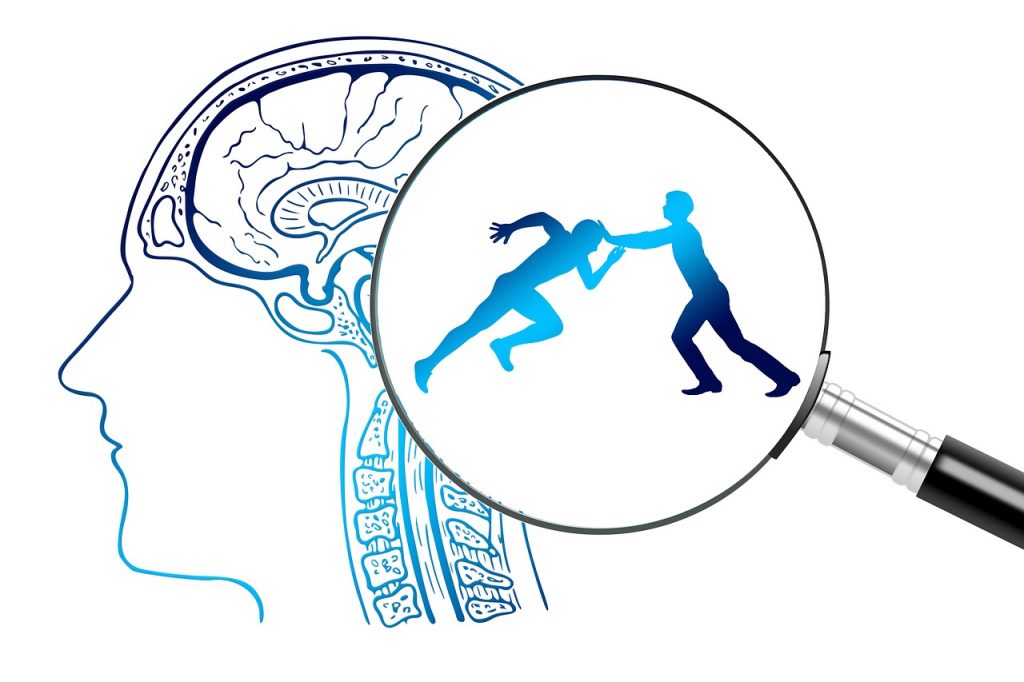
What is Trend Analysis?

What is Trend Analysis?

GUEST POST from Art Inteligencia

Trend analysis is an important tool for businesses, and it’s essential to understand how to use it in order to stay competitive. Trend analysis is the process of looking at data points over time to identify patterns and changes in behavior. It can help businesses identify opportunities, risks, and trends in the market, and it’s a great way to measure performance and plan for the future.

Trend analysis can be used to analyze past and current data, and it can also be used to predict future trends. By looking at patterns in the data, businesses can identify correlations and relationships between different variables that can inform decision-making. This can help businesses anticipate changes in the market and develop strategies to capitalize on them.

Trend analysis can be used to measure customer behavior, demand for products and services, and the effectiveness of marketing campaigns. It can also be used to identify seasonal trends, such as shopping habits during the holidays, and to monitor the performance of competitors.

Businesses can use trend analysis to identify potential opportunities and risks in the market. By analyzing past data, businesses can identify potential opportunities and create strategies to take advantage of them. They can also use trend analysis to identify potential risks and develop strategies to mitigate them.

PESTLE analysis can be used in trend analysis to identify key drivers of change.

PESTLE stands for Political, Economic, Social, Technological, Legal, and Environmental factors. It is an acronym used to analyze and assess the external environment of an organization in order to identify any potential opportunities or threats that may affect its operations. PESTLE analysis provides a comprehensive view of the external environment in which a business operates and can be used to identify potential risks and advantages that may not be immediately obvious.

This can help to identify potential opportunities and threats that may arise from changes in the external environment. By understanding how trends in these factors may impact your business, you can better plan for the future and ensure that your business remains competitive.

Trend analysis can also be used to track progress and measure the success of a business. By looking at data points over time, businesses can track their progress and measure the success of their strategies. This can help them identify areas of improvement and adjust their strategies accordingly.

Trend analysis is a powerful tool for businesses, and it’s essential to understand how to use it in order to stay competitive. By analyzing data points over time, businesses can identify trends, opportunities, and risks in the market and develop strategies to capitalize on them. It’s a great way to measure performance and plan for the future, and it can help businesses stay ahead of the competition.

Bottom line: Futurology is not fortune telling. Futurists use a scientific approach to create their deliverables, but a methodology and tools like those in FutureHacking™ can empower anyone to engage in futurology themselves.

Image credit: Pixabay

Subscribe to Human-Centered Change & Innovation WeeklySign up here to get Human-Centered Change & Innovation Weekly delivered to your inbox every week.

What is Trend Spotting?

What is Trend Spotting?

GUEST POST from Art Inteligencia

I am sure everyone has heard the term “trend spotting”, but what does it actually mean? Trend spotting is the process of identifying emerging trends in the marketplace and using them to inform strategic decision-making. Businesses have been using trend spotting to stay ahead of their competition and capitalize on emerging markets for decades.

Trend spotting can be used to identify new customer demographics, changing tastes and preferences, and upcoming products and services. It is a way to stay ahead of the curve, as trends can provide insights into what will be popular in the future.

There are several methods used to spot trends. Some businesses use surveys and polls to gauge customer sentiment and get an idea of what people are looking for. Others use competitive analysis to identify what their rivals are doing and where they are succeeding. Businesses can also use market research to track changes in the marketplace and stay ahead of the curve.

However, it’s important to remember that trend spotting isn’t an exact science. Trends can change quickly and the results of trend spotting can be unpredictable. Businesses should use a variety of methods and sources when trying to spot trends. They should also be aware that trends can be short-lived and should always be open to new ideas.

Trend spotting is an important tool for businesses looking to stay ahead of the competition and capitalize on emerging markets. However, it’s important to remember that it is not an exact science and can be unpredictable. Businesses should always be open to new ideas and use a variety of methods and sources when trying to spot trends.

Bottom line: Trend spotters are not quite the same thing as futurists, but trend spotting is a component of futurology. Trend spotters use a formal approach to achieve their outcomes, but a methodology and tools like those in FutureHacking™ can empower anyone to be their own futurist and trend spotter.

Image credit: Pixabay

Subscribe to Human-Centered Change & Innovation WeeklySign up here to get Human-Centered Change & Innovation Weekly delivered to your inbox every week.

The Impact of Artificial Intelligence on the Future of Work

The Impact of Artificial Intelligence on the Future of Work

GUEST POST from Art Inteligencia

Artificial Intelligence (AI) is transforming the landscape of work across various sectors. Its influence is reshaping the nature of jobs, the skills required, and the way we think about work itself. In this article, we will explore the impact of AI through two case studies that highlight the transformative power of AI in the workplace.

Case Study 1: Manufacturing Sector

The manufacturing sector has been one of the earliest adopters of AI technologies. A study by the OECD based on nearly 100 case studies shows that AI’s impact on workplaces has led to job reorganization rather than job displacement. Automation has prompted the reorientation of jobs towards tasks where humans have a comparative advantage. For instance, AI-driven robots handle repetitive tasks, allowing human workers to focus on creative and strategic responsibilities that require emotional intelligence and complex decision-making.

Benefits Observed:

  • Reduction in Tedium: Workers are relieved from monotonous tasks.
  • Greater Worker Engagement: Employees are more involved in meaningful work.
  • Improved Physical Safety: AI-driven machines handle hazardous tasks.

Challenges Noted:

  • Skill Requirements: There is a growing need for up-skilling.
  • Increased Work Intensity: Some workers report a rise in work pressure.

Case Study 2: Finance Sector

In the finance sector, AI has revolutionized the way data is processed and analyzed. For example, AI algorithms are now used to detect fraudulent transactions with higher accuracy and speed than human analysts. This shift has not only improved security but also allowed financial institutions to offer more personalized services to customers.

Benefits Observed:

  • Enhanced Security: AI provides robust fraud detection mechanisms.
  • Personalized Services: Customers receive tailored financial advice.

Challenges Noted:

  • Job Redefinition: Roles in finance are evolving to integrate AI competencies.
  • Privacy Concerns: There is an ongoing debate about data handling and privacy.

Conclusion

The case studies from the manufacturing and finance sectors demonstrate that AI is a double-edged sword. While it brings efficiency and new opportunities, it also presents challenges that need to be addressed through thoughtful policies and continuous learning. As AI continues to evolve, it is imperative that we foster a workforce that is adaptable and equipped with the skills necessary to thrive in an AI-augmented future.

The future of work is undeniably intertwined with the advancements of AI. By embracing the changes and preparing for the challenges, we can ensure that the impact of AI is positive and inclusive for all.

Bottom line: Futurology is not fortune telling. Futurists use a scientific approach to create their deliverables, but a methodology and tools like those in FutureHacking™ can empower anyone to engage in futurology themselves.

Image credit: Pixabay

Subscribe to Human-Centered Change & Innovation WeeklySign up here to get Human-Centered Change & Innovation Weekly delivered to your inbox every week.