GUEST POST from Robert B. Tucker
Crypto enterprenuer Sam Bankman-Fried was convicted on seven counts of fraud and conspiracy and may now face 110 years in prison when sentenced in 2024.
Meanwhile, in Texas, Theranos founder Elizabeth Holmes has begun serving an 11-year sentence for making false claims to investors about blood-testing devices that could supposedly detect “hundreds of diseases with just a few drops of blood.” The trial showed they could not reliably detect a single one.
And just this week, office space-sharing pioneer Adam Neumann’s brainchild, WeWork, declared bankruptcy.
Everywhere you look these days, formerly high-flying innovators seem to be falling out of the sky and crashing to earth. Even Elon Musk.
Two years ago, Musk was flying high. He was Time’s Man of the Year and Forbes named him the richest person on the planet. But his 2022 purchase of Twitter has become a financial and reputational nightmare. His antics have destroyed billions of dollars in shareholder value, alienated advertisers, and driven away users in droves.
Yet it would be a mistake to conflate Musk’s fall with Holmes or Bankman Fried. Musk is the real deal, the genuine article, and they are not.
The pre-Twitter Elon Musk who shines through the pages of Walter Isaacson’s biography of Musk deserves study by would-be innovators everywhere. Isaacson takes the reader behind the scenes and into Musk’s brain and bullied background growing up with a conspiracy-crazed father in South Africa. Isaccson, who has written biographies of Steve Jobs, Ben Franklin, Albert Einstein, and Leonardo Da Vinci, reveals how Musk was able to disrupt every industry he’s entered: money transfer with PayPal, renewable energy with SolarCity, electric vehicles and batteries with Tesla, and space entrepreneurship with SpaceX.
Isaacson tells the emblematic story of Musk in late 2018, sitting at his desk playing with a small toy version of the Tesla Model S. Examining the toy he noticed something that alerted his assumption-spotting mindset: the entire underbody was cast as one piece of metal. At a meeting of his core team, Musk pulled out the toy and put it on the table. “Why can’t we do that?” he asked.
An engineer present pointed out the obvious: an actual car was much bigger. Besides, someone else observed, there were no casting machines available to handle something the size of an automobile.
“Go figure out how to do it,” Musk demanded. “Find a bigger casting machine. It’s not as if that would break the laws of physics.” Five suppliers told them what they wanted was impossible. But they found a small casting company in Italy that was willing to give it a try. Today that company makes all of Tesla’s underbodies.
Musk deploys this sort of cognitive pushback against all sorts of impediments and conventional thinking which opens doors to new possibilities; it is fundamental to his method of operating and outlook on the world.
Told that it will take 10 days to set up a rocket on the launchpad for further testing, Musk urges his engineers to figure out how to set it up in one day. When told that doing business in China will require that he form a joint venture with a Chinese company, Musk pushes back on that assumption and ultimately is granted an exception.
When he seeks to understand why Denver Airport’s baggage handling system failed (”too complex”) or why it’s taken NASA and BoeingBA -2.3% forever to innovate in the rocket arena, he rethinks the assumption that being paid by the government on a cost-plus basis will ever get the job done. Instead, Musk proposes that NASA only pay him when he is successful, heightening the risk, but concentrating the do-or-die stakes that break barriers, boundaries, and bureaucracy.
Unnecessary complexities on the rocket engine line that slowed things down to a NASA/Boeing snail’s pace enrage and energize Musk. At one point, he put his design engineers in charge of production like he had done for a while at Tesla. “I created separate design and production groups a long time ago, and that was a bullshit mistake,” he said at one meeting. “You are responsible for the production process. You can’t hand it off to someone else. If the design is expensive to produce, you change the design.”
And then came Twitter. Musk impulsively decided to buy the company, then regretted it almost immediately. When he took over, there were 8000 employees. Two months later there were just over 2000, a 75% reduction. Overnight, Twitter went from being a nurturing workplace, replete with free artisanal meals, yoga studios, and paid rest days to the other extreme.
“He did it not only for cost reasons,” writes Isaacson, “he preferred a scrappy, hard-driven environment where rabid warriors felt psychological danger rather than comfort.” Musk believes that a small group of really great engineers can outperform a regular group 100 times larger. Musk’s method, as it had been since the Falcon One rocket, was to iterate fast, take risks, be brutal, except failure, and keep failing till you break through.
“We were changing the engines while the plane was spiraling out of control,” Musk tells Isaacson, referring to Twitter. “It’s a miracle we survived.” But did he really?
This article originally appeared in Forbes
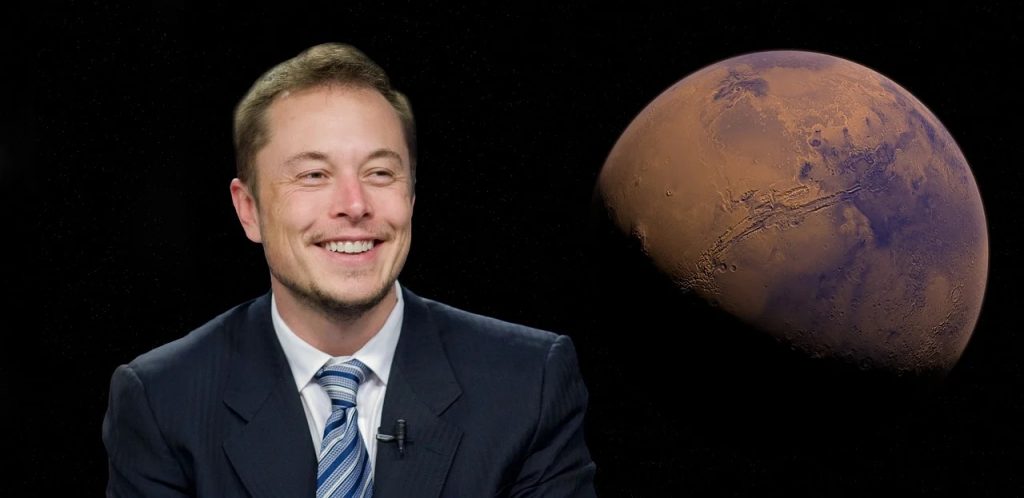
Image credit: Pixabay
 Sign up here to get Human-Centered Change & Innovation Weekly delivered to your inbox every week.
 Drum roll please…