From Screen Time to Real Time
LAST UPDATED: November 17, 2025 at 12:29PM
GUEST POST from Chateau G Pato
We live in an age of unprecedented digital connectivity. From instant messaging to global video calls, social media feeds to virtual reality, our lives are increasingly mediated by screens. While these technologies promise to bring us closer, many of us feel a growing sense of isolation, distraction, and even a loss of authentic human interaction. The paradox is stark: the more “connected” we become digitally, the more disconnected we can feel in real life.
This isn’t an indictment of technology itself, but a call to action for its designers and leaders. As human-centered change advocates, we must ask: Are we designing digital experiences that genuinely foster connection, or merely amplify convenience and fleeting engagement? The imperative is to shift our focus from maximizing “screen time” to optimizing “real time” — to design digital tools that intentionally guide us back to meaningful human connection, not away from it.
Re-centering human connection in digital design isn’t just about ethics; it’s about building products and services that truly resonate, create deeper loyalty, and solve fundamental human needs in a world saturated with digital noise.
The Disconnect: How Digital Design Can Go Astray
Often, digital design prioritizes:
- Efficiency over Empathy: Streamlining tasks can inadvertently strip away opportunities for nuanced human interaction.
- Engagement over Well-being: Algorithms optimized for attention can lead to addictive patterns and social comparison, diminishing mental health.
- Broadcasting over Belonging: Social platforms often favor one-to-many communication, diluting the intimacy and reciprocity of one-to-one or small-group interaction.
- Convenience over Consequence: Easy digital interaction can reduce the effort — and thus the perceived value — of real-world encounters, making authentic connection feel less necessary.
The goal is not to eliminate these digital conveniences, but to embed human connection into their core, making it an intended outcome, not an accidental byproduct.
Key Characteristics of Connection-Centered Digital Design
Designing for real human connection means integrating specific principles into every aspect of digital product development, making human needs the central focus:
- Intentional Friction: Introducing small, deliberate barriers that encourage thoughtfulness or shift interaction to real life (e.g., prompting users to consider who they’re sending a message to, or suggesting a real-world meet-up).
- Empathy-Driven Interfaces: Using language, visuals, and interaction patterns that feel genuinely supportive, understanding, and non-judgmental, mirroring positive human interaction.
- Facilitating Offline Action: Designing features that explicitly encourage and enable users to transition from online interaction to real-world engagement (e.g., event planning tools, local group discovery, “put your phone down” prompts).
- Valuing Deep Engagement Over Fleeting: Prioritizing meaningful, sustained interactions over superficial likes or endless scrolling, fostering true intellectual and emotional investment.
- Transparency in Algorithms: Helping users understand how their digital environment is curated, fostering a sense of control and agency over their experience, rather than feeling manipulated.
- Supporting Micro-Communities: Building tools that empower small, intimate groups to connect and collaborate effectively, fostering true belonging and mutual support.
Key Benefits of Re-Centering Human Connection
When digital design prioritizes genuine connection, the benefits extend far beyond immediate user satisfaction, impacting loyalty, well-being, and brand reputation:
- Increased Loyalty & Retention: Users who feel genuinely connected to a platform or community, and through it to other humans, are more likely to stay, engage deeply, and advocate for it.
- Enhanced Well-being: Products that foster healthy, real-world connections contribute positively to user mental and social health, leading to more sustainable, positive usage patterns.
- De-risked Reputation: Companies known for building “human-first” digital experiences cultivate trust and differentiate themselves in a crowded, often criticized, digital landscape, building resilience against negative sentiment.
- Deeper Innovation: Understanding the true human need for connection leads to more profound product insights and breakthrough designs that address fundamental human desires, rather than superficial wants.
- Stronger Communities: Digital platforms can become true enablers of robust, resilient real-world communities, driving collective action, shared value, and a sense of shared purpose.
Case Study 1: The “Local Connect” Feature in a Retail App
Challenge: Declining Foot Traffic & Online Anonymity
A national retail chain with local stores was struggling with declining foot traffic, despite a strong e-commerce presence. Their existing app focused solely on online shopping and product discovery, leaving customers feeling disconnected from their local community stores.
Connection-Centered Intervention:
The chain introduced a “Local Connect” feature into their existing retail app. This feature didn’t just show local store hours; it allowed customers to:
- See local store events (workshops, product launches) and RSVP directly.
- Connect with local store associates for personalized product recommendations or styling advice via moderated, time-bound chat (encouraging an in-store follow-up).
- Join interest-based “local circles” (e.g., “Gardening Enthusiasts,” “Book Clubbers”) hosted by local store staff, facilitating real-world meet-ups and discussions.
The Human-Centered Lesson:
This re-design recognized that physical retail thrives on community. The app moved beyond just being a shopping portal to a facilitator of local human interaction. It created “intentional friction” by making personal connections online that were designed to culminate in real-world interactions. This led to a measurable increase in local store foot traffic, higher conversion rates on specific products, and a stronger sense of community among customers, proving that digital can indeed drive real-world connection and breathe new life into traditional retail.
Case Study 2: The “Digital Detox Buddy” App
Challenge: Pervasive Digital Distraction in Personal Relationships
Many couples and families struggled with constant digital distraction during quality time together. Existing “digital detox” apps were often punitive or solo-focused, failing to address the social dynamic of putting down devices.
Connection-Centered Intervention:
A new app emerged, “Digital Detox Buddy,” designed explicitly for small groups (couples, families, friends). Instead of just blocking apps, it gamified shared, screen-free time. Users would “commit” to a screen-free period together, placing their phones face-down on a shared digital “mat” in the app. If anyone picked up their phone before the timer ended, a fun, agreed-upon “penalty” (e.g., buying coffee for the group, doing a silly dance) was activated, recorded by the app. The app also provided conversation starters and suggestions for offline activities for the group.
The Human-Centered Lesson:
This app successfully leveraged digital design to reduce screen time and increase real-world connection. By introducing shared accountability and positive reinforcement through gamification, it turned a solo struggle into a collective goal. It understood that human connection is often about shared experience and lighthearted challenge, using digital means to achieve a profoundly analog outcome: deeper, uninterrupted time with loved ones. It created an interface for putting interfaces away, intelligently using technology to foster human presence.
Designing for a More Connected Future
Re-centering human connection in digital design isn’t about shunning technology; it’s about elevating it to its highest purpose. It requires empathy, intentionality, and a willingness to challenge established norms of “engagement” metrics in favor of deeper, more meaningful outcomes. We must continually ask ourselves:
- Does this feature encourage face-to-face interaction or inadvertently replace it?
- Does this experience foster genuine empathy and understanding or superficial judgment?
- Does this tool help users feel more connected to other humans, or more isolated in a digital crowd?
By consciously integrating these principles, we can design a digital future that not only connects us more efficiently but also more profoundly, enabling us to thrive in both our screen time and, most importantly, our real time. This is the essence of truly human-centered digital innovation.
“The most human-centered digital designs are those that eventually get us to look up from our screens and truly see each other.”
Your first step toward connection-centered design: Identify one digital interaction your product or service currently offers that could lead to a richer, real-world connection but doesn’t. Brainstorm three small, intentional design changes — perhaps a prompt, a suggested action, or a subtle gamification — that could encourage users to transition from screen time to real time in that specific scenario. Focus on how digital can be a bridge, not a barrier.
Extra Extra: Because innovation is all about change, Braden Kelley’s human-centered change methodology and tools are the best way to plan and execute the changes necessary to support your innovation and transformation efforts — all while literally getting everyone all on the same page for change. Find out more about the methodology and tools, including the book Charting Change by following the link. Be sure and download the TEN FREE TOOLS while you’re here.
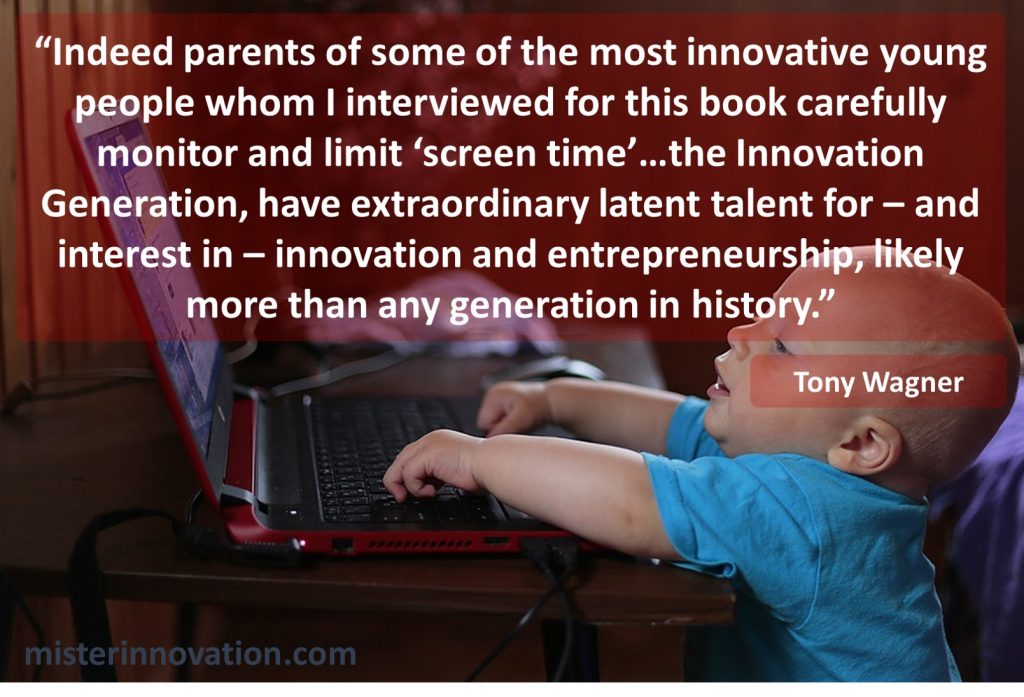
Image credit: 1 of 1,000+ FREE quote slides for your presentations at http://misterinnovation.com
 Sign up here to get Human-Centered Change & Innovation Weekly delivered to your inbox every week.