Author Archives: Art Inteligencia

About Art Inteligencia

Art Inteligencia is the lead futurist at Inteligencia Ltd. He is passionate about content creation and thinks about it as more science than art. Art travels the world at the speed of light, over mountains and under oceans. His favorite numbers are one and zero. Content Authenticity Statement: If it wasn't clear, any articles under Art's byline have been written by OpenAI Playground or Gemini using Braden Kelley and public content as inspiration.

The Future of Innovation

Emerging Technologies and their Impact

The Future of Innovation: Emerging Technologies and their Impact

GUEST POST from Art Inteligencia

Innovation has always been and will remain a crucial driving force behind human progress. As our society continues to evolve and embrace technological advancements, the future of innovation looks promising. Emerging technologies hold remarkable potential to transform industries, revolutionize business models, and enhance our everyday lives. In this article, we will explore two case studies that showcase the massive impact of emerging technologies on our future.

Case Study 1: Artificial Intelligence in Healthcare

One of the most exciting advancements in the healthcare industry is the integration of Artificial Intelligence (AI) technologies. Through machine learning algorithms and data analytics, AI is significantly improving diagnoses, treatment, and overall patient care. AI-powered systems can process vast amounts of medical data, identify patterns, and make accurate predictions, enabling healthcare professionals to provide more personalized and efficient treatments.

For instance, IBM’s Watson AI demonstrated incredible capabilities in the field of oncology. By analyzing medical literature, clinical guidelines, and patient records, Watson can quickly suggest potential treatment options, thereby aiding doctors in making informed decisions. This assists in reducing misdiagnoses, minimizing human errors, and ultimately, saving lives.

Moreover, companies like Google are utilizing AI algorithms to detect diseases from medical images. In a recent case, Google’s AI technology surpassed human radiologists in detecting breast cancer from mammograms. By augmenting radiologists’ capabilities with AI assistance, the accuracy and efficiency of diagnoses can be significantly improved. This not only saves valuable time but also allows healthcare professionals to focus on more complex cases, leading to better patient outcomes.

Case Study 2: Internet of Things (IoT) in Manufacturing

Another breakthrough emerging technology that is transforming industries is the Internet of Things (IoT). By connecting everyday objects to the internet and enabling them to communicate and exchange data, IoT is revolutionizing manufacturing processes. This improved connectivity streamlines operations, enhances efficiency, and allows for predictive maintenance, reducing downtime and costs.

General Electric (GE) has leveraged IoT to create the “Brilliant Factory” concept, which improves productivity and reduces waste in the manufacturing process. By integrating sensors into machines, GE collects real-time production data, enabling optimization and proactive decision-making. The data obtained from these connected machines allows manufacturers to identify bottlenecks, predict maintenance needs, and ensure efficient resource allocation.

Additionally, IoT is empowering manufacturers to embrace a personalized approach in their products. Adidas, for instance, introduced its “Speedfactory” leveraging IoT to enable highly individualized production of athletic shoes. By capturing personalized customer data and combining it with advanced manufacturing techniques, Adidas can create custom-fit shoes, meeting each customer’s specific requirements. This level of personalization not only enhances customer satisfaction but also drives brand loyalty.

The examples of AI in healthcare and IoT in manufacturing merely scratch the surface of the potential that emerging technologies hold for our future. From robotics to blockchain to virtual reality, the transformative power of these innovations is vast. However, it is crucial to recognize that while these advancements bring immense benefits, ethical considerations and responsible implementation are essential to ensure a future that is fair, inclusive, and transparent.

Conclusion

The future of innovation appears incredibly bright due to the rapid advancements in emerging technologies. AI is revolutionizing healthcare by improving diagnoses and treatment outcomes, whereas IoT is transforming manufacturing processes, leading to enhanced efficiency and personalized products. As we continue to embrace these technologies, it is vital to imagine and create a future that harnesses their potential while addressing potential challenges and ensuring a positive impact on society as a whole.

Bottom line: Futures research is not fortune telling. Futurists use a scientific approach to create their deliverables, but a methodology and tools like those in FutureHacking™ can empower anyone to engage in futures research themselves.

Image credit: Unsplash

Subscribe to Human-Centered Change & Innovation WeeklySign up here to get Human-Centered Change & Innovation Weekly delivered to your inbox every week.

Innovations in Healthcare

A Glimpse into the Medical Future

Innovations in Healthcare: A Glimpse into the Medical Future

GUEST POST from Art Inteligencia

With the rapid advancements in technology, healthcare is undergoing a transformative change. Today, we have the opportunity to witness medical innovations that were once considered science fiction. The future of healthcare promises improved patient care, enhanced diagnostics, and more effective treatments. In this article, we will explore two case studies that provide a glimpse into the medical future and demonstrate the potential impact of these innovations.

Case Study 1: Artificial Intelligence in Radiology

Radiology plays a crucial role in diagnosing and monitoring diseases. However, the interpretation of medical images is often time-consuming and prone to errors, leading to delayed diagnosis and treatment. Artificial Intelligence (AI) is revolutionizing the field of radiology by streamlining diagnostic processes and yielding more accurate results.

One exceptional example of AI’s application in radiology is the work done at Stanford University. Researchers developed an AI algorithm that analyzes chest X-rays to detect pneumonia accurately. The algorithm surpasses the accuracy of trained radiologists, offering a rapid and cost-effective solution for early pneumonia detection. This AI system has the potential to improve patient outcomes by enabling early intervention and reducing the time required for diagnosis.

The AI algorithms can also be trained to analyze other imaging modalities, such as MRI and CT scans, assisting radiologists in diagnosing a wide range of conditions. By harnessing the power of AI, radiology departments can improve the efficiency and accuracy of their processes, leading to better patient care.

Case Study 2: Telehealth for Remote Patient Monitoring

One of the greatest challenges faced by healthcare providers is caring for patients in geographically remote areas. Telehealth, the use of technology to deliver healthcare remotely, has emerged as a game-changer in addressing this issue. Remote patient monitoring (RPM), a component of telehealth, allows healthcare professionals to track patients’ vital signs and health parameters without the need for in-person visits.

An outstanding example of RPM implementation is the Veterans Health Administration (VHA) in the United States. VHA implemented telehealth programs to monitor veterans with chronic conditions, such as heart failure and diabetes. Through a combination of at-home wearable devices and virtual consultations, healthcare providers can remotely monitor patients’ health status and intervene when necessary. This proactive approach has led to significant reductions in hospital admissions and emergency department visits. Furthermore, patients appreciate the convenience of remote monitoring, as it saves them travel time and enhances their overall quality of life.

The integration of RPM into healthcare systems has immense potential to improve disease management and reduce healthcare costs. By utilizing technology to remotely monitor patients, healthcare providers can optimize care, prevent hospital re-admissions, and promote patient engagement.

Conclusion

The healthcare industry is on the cusp of a technological revolution that holds the promise of transforming patient care. Through artificial intelligence and telehealth advancements, we are witnessing the emergence of a medical future that is more efficient, effective, and accessible. The case studies presented in this article are just a glimpse into the potential of these innovations. As the medical landscape evolves, embracing these transformative technologies will undoubtedly lead to significant improvements in patient outcomes and the overall quality of healthcare delivery.

Bottom line: Futures research is not fortune telling. Futurists use a scientific approach to create their deliverables, but a methodology and tools like those in FutureHacking™ can empower anyone to engage in futures research themselves.

Image credit: Unsplash

Subscribe to Human-Centered Change & Innovation WeeklySign up here to get Human-Centered Change & Innovation Weekly delivered to your inbox every week.

Space Tourism: A Glimpse Into the Future of Travel

Space Tourism: A Glimpse Into the Future of Travel

GUEST POST from Art Inteligencia

The dream of exploring the vastness of space has enchanted humankind for centuries. What was once a distant and elusive objective is now becoming a tangible reality with the emergence of space tourism. This nascent industry holds the potential to revolutionize the way we experience travel and push the boundaries of human exploration. In this article, we will delve into the concept of space tourism and examine two case study examples that exemplify its potential to transform the future of travel.

Case Study 1: Virgin Galactic’s Suborbital Spaceflights

One of the pioneers in the space tourism sector is Virgin Galactic, founded by entrepreneur Richard Branson. Virgin Galactic aims to make suborbital spaceflights accessible to the general public. Passengers aboard Virgin Galactic’s spaceship, the VSS Unity, will experience zero gravity and witness the breathtaking view of Earth from space. This extraordinary experience will last approximately 90 minutes, opening a wealth of possibilities for aspiring space travelers.

The impact of Virgin Galactic’s endeavors on the future of travel cannot be understated. The success of their operations will pave the way for a new era of tourism, where journeying beyond Earth becomes as routine as boarding a plane. As this industry evolves, costs may decrease, allowing for broader adoption and making space travel a part of mainstream vacation options.

Case Study 2: SpaceX’s Lunar Tourism Mission

Another notable case study in the realm of space tourism is SpaceX’s plan to send tourists on a lunar excursion. In 2018, SpaceX announced that they had signed up their first passenger for a private journey around the Moon using their Starship spacecraft. While this mission has yet to take place, it demonstrates the potential for space tourism to extend beyond Earth’s orbit.

This lunar tourism mission not only represents a tremendous leap forward in terms of technological advancements but also reignites the collective imagination of aspiring space travelers. The opportunity to witness the Moon up close and personal, to venture further into the cosmos, opens up new horizons for exploration and serves as a catalyst for enticing more individuals to consider space tourism in the years to come.

The Future of Travel

Space tourism represents a shift towards a new paradigm in travel, where the boundaries of Earth are no longer seen as constraints. It offers the tantalizing prospect of experiencing zero gravity, witnessing breathtaking views, and attaining a different perspective on life. As the costs associated with space travel decrease and space tourism providers refine their operations, it is not unfathomable to envision a future where vacationers could opt for a suborbital spaceflight or even a lunar excursion as part of their holiday plans.

Space tourism’s impact extends far beyond leisure travel. The advancements made in this sector could also have significant implications for scientific research, allowing for experiments to be carried out in microgravity and opening up avenues for further exploration of celestial bodies. Moreover, the development of space tourism infrastructure could lay the groundwork for the colonization of other planets and the creation of space habitats.

Conclusion

Space tourism is no longer a distant dream confined to science fiction novels. The aforementioned case studies from Virgin Galactic and SpaceX exemplify the tangible steps being taken toward making space travel approachable for the general public. As this industry matures, space tourism holds the potential to not only redefine our travel experiences but also expand our horizons and unlock a new era of exploration and scientific discovery. Brace yourself for a future where the sky is no longer the limit; it is just the beginning.

Bottom line: Futures research is not fortune telling. Futurists use a scientific approach to create their deliverables, but a methodology and tools like those in FutureHacking™ can empower anyone to engage in futures research themselves.

Image credit: Unsplash

Subscribe to Human-Centered Change & Innovation WeeklySign up here to get Human-Centered Change & Innovation Weekly delivered to your inbox every week.

What is Impact Assessment?

What is Impact Assessment?

GUEST POST from Art Inteligencia

Impact assessments are an important tool used to analyze the potential effects of a proposed policy, program, or project on the environment, society, and economy. They are used to inform decision-making and prevent negative impacts from occurring. Impact assessments can be used to determine the potential benefits, costs, and risks associated with a project, as well as identify mitigation measures that can be taken to reduce potential impacts.

Impact assessments are used by government agencies, private organizations, and other stakeholders to evaluate the potential impacts of a proposed project or policy. It is important for decision-makers to consider the potential effects of a project on the environment, society, and economy before making a decision. Impact assessments help to identify potential risks and benefits, as well as identify ways to reduce or eliminate potential impacts.

Impact assessments involve collecting and analyzing data from a variety of sources. This data is used to evaluate the potential impacts of a proposed project or policy. Data sources may include public records, interviews with stakeholders, surveys, and scientific studies. The data is then analyzed to determine the potential impacts of the proposed project or policy.

Impact assessments are used in a wide range of areas, including energy, infrastructure, transportation, water resources, and natural resource management. They are also used in the evaluation of urban planning, land use, and public health initiatives. Impact assessments are designed to provide an unbiased and comprehensive evaluation of a proposed project or policy, and can help decision-makers make informed decisions.

Impact assessments are not a one-size-fits-all tool and should be tailored to the specific needs of the project or policy being evaluated. Different types of assessments may be used, such as environmental impact assessments, social impact assessments, and economic impact assessments. It is important to consider the potential impacts of a proposed project or policy on all aspects of society and the environment.

Impact assessments can be a valuable tool for decision-makers to use when evaluating the potential impacts of a proposed project or policy. By collecting and analyzing data from a variety of sources, impact assessments can provide an unbiased and comprehensive evaluation of the potential benefits, costs, and risks associated with a project or policy. By taking the time to evaluate the potential impacts of a proposed project or policy, decision-makers can make informed decisions that protect the environment, society, and economy.

Image credit: Pexels

Subscribe to Human-Centered Change & Innovation WeeklySign up here to get Human-Centered Change & Innovation Weekly delivered to your inbox every week.
The Psychology of Creativity: Tapping into the Inner Innovator

The Psychology of Creativity: Tapping into the Inner Innovator

GUEST POST from Art Inteligencia

Creativity is often perceived as a mysterious and intangible quality possessed by only a few select individuals. However, research in psychology has shed light on the inner workings of creativity, revealing that it is indeed a skill that can be nurtured and developed. By understanding the psychology of creativity, we can tap into our inner innovator and unlock the potential to generate novel and groundbreaking ideas. In this article, we will delve into the underlying principles of creative thinking and explore two case study examples that highlight the power of harnessing our innate creative abilities.

Case Study 1: Pixar Animation Studios

Pixar Animation Studios has redefined the world of animated films, continuously producing groundbreaking movies that captivate audiences of all ages. A key aspect of Pixar’s success lies in their commitment to fostering a creative environment. At Pixar, employees are encouraged to embrace their inner child-like curiosity, enabling them to think outside the box and bring novel ideas to the table. The company recognizes that creativity flourishes when individuals feel safe to take risks and voice their opinions.

Furthermore, Pixar adopts a collaborative approach that capitalizes on the power of diverse perspectives. They value the input of every team member, regardless of their role, fostering an egalitarian atmosphere where ideas can flow freely. By recognizing that creativity can come from anyone and anywhere within their organization, Pixar taps into the collective creative potential of their workforce.

Case Study 2: Warby Parker

Warby Parker revolutionized the eyewear industry by creating a consumer-centered business model that disrupted traditional retail habits. The founders of Warby Parker recognized that creativity is closely intertwined with empathy, understanding that true innovation arises from a deep understanding of the consumer’s needs and desires. They observed an opportunity to deliver stylish, affordable eyewear to customers who were tired of overpriced, limited options.

By conducting extensive market research and seeking insights into customer pain points, Warby Parker developed a disruptive direct-to-consumer model. The company’s innovative home try-on program, which allows customers to sample several frames before making a purchase, was born from this empathetic approach. Warby Parker’s success story demonstrates that creativity, when rooted in empathy, can redefine industries and challenge established norms.

Unpacking the Psychology of Creativity

Creativity is not a magical quality that only exists within a select few; it is a skill that can be developed and enhanced. The psychology of creativity unveils several key principles that can help individuals tap into their inner innovator:

1. Embrace a growth mindset: Adopting a growth mindset, as proposed by psychologist Carol Dweck, is crucial for nurturing creativity. Believing that creativity is a malleable skill fosters a willingness to learn and experiment, empowering individuals to explore new ideas fearlessly.

2. Cultivate curiosity: Curiosity is a driving force behind creativity. By maintaining a sense of wonder and actively seeking new experiences, individuals can broaden their perspectives and find inspiration in unexpected places.

3. Create a supportive environment: Environment plays a significant role in fostering creativity. Nurturing a culture that celebrates diverse ideas, encourages risk-taking, and rewards out-of-the-box thinking creates the ideal conditions for creative thinking to thrive.

Conclusion

The psychology of creativity reveals that everyone has the potential to tap into their inner innovator and generate game-changing ideas. By embracing a growth mindset, cultivating curiosity, and creating a supportive environment, individuals and organizations can unlock their creative potential. Case study examples, such as Pixar Animation Studios and Warby Parker, showcase the transformative power of embracing creative thinking. Indeed, the psychology of creativity teaches us that by harnessing our innate imaginative abilities, we can push the boundaries of what is possible and drive meaningful change in the world.

Bottom line: Futures research is not fortune telling. Futurists use a scientific approach to create their deliverables, but a methodology and tools like those in FutureHacking™ can empower anyone to engage in futures research themselves.

Image credit: Pexels

Subscribe to Human-Centered Change & Innovation WeeklySign up here to get Human-Centered Change & Innovation Weekly delivered to your inbox every week.

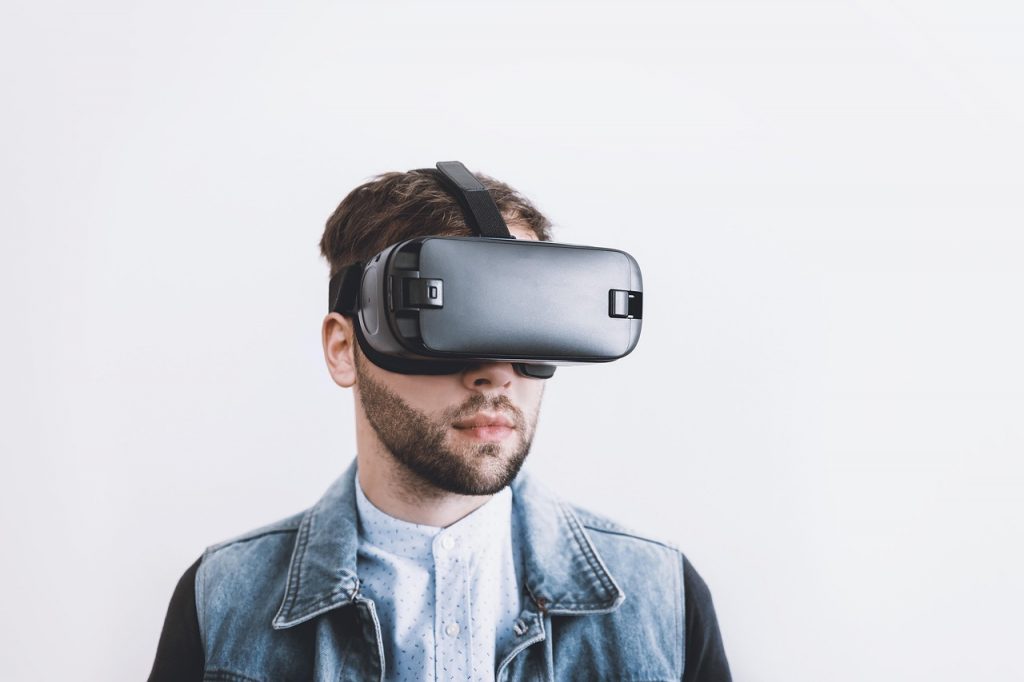
The Impact of Virtual Reality on Education and Training

The Impact of Virtual Reality on Education and Training

GUEST POST from Art Inteligencia

Over the past decade, virtual reality (VR) has rapidly evolved from a mere gaming technology to a powerful tool with vast potential in various industries. One sector where VR has already made a significant impact is education and training. With its ability to create immersive and realistic experiences, virtual reality has transformed the way we learn and develop new skills. In this article, we will explore the profound impact of VR on education and training through two compelling case study examples.

Case Study 1: Medical Training

One area where virtual reality has revolutionized education and training is in the field of medicine. Traditional medical training heavily relies on textbooks and real-life patient interactions. However, these methods have limitations when it comes to providing hands-on experience and exposure to rare medical scenarios. Virtual reality has stepped in to bridge this gap.

Take, for instance, the case of Osso VR. This VR surgical training platform allows medical students, residents, and even experienced surgeons to practice complex surgical procedures in a realistic virtual environment. By recreating the surgical environment, complete with haptic feedback, trainees can simulate various procedures on virtual patients with life-like precision. Osso VR has been proven to increase the efficiency of learning surgical techniques, reduce risks associated with training on patients, and enhance overall performance. It provides an invaluable opportunity for medical professionals to gain confidence and proficiency in critical procedures before stepping into the operating room.

Case Study 2: Cultural Immersion

Virtual reality has also proved to be a valuable tool in providing immersive cultural experiences for students. Many educational institutions now leverage VR to take students on virtual field trips, transcending the boundaries of physical travel and enabling them to explore ancient civilizations, distant countries, and unique cultural sites without leaving the classroom.

For instance, Google Expeditions offers an extensive library of virtual field trips using VR technology. Using inexpensive VR headsets, students can teleport to historical landmarks, foreign cities, or even outer space. By immersing themselves in these virtual environments, students can experience the history, culture, and natural wonders of places they may have never otherwise visited.

These experiences go beyond simply viewing images or reading textbooks. They enable students to actively engage with their surroundings, interact with virtual objects, and listen to narrations from experts. Research has shown that such immersive VR experiences enhance students’ retention, increase their empathy and cultural understanding, and improve their overall engagement with the subject matter.

Conclusion

The examples of medical training and cultural immersion provided here are just scratching the surface of the possibilities that virtual reality offers in education and training. VR has the potential to enhance learning outcomes across various disciplines, from engineering and architecture to aviation and military training. By offering safe, cost-effective, and immersive experiences, virtual reality is revolutionizing the way we educate and develop new skills.

As the technology continues to advance and become more accessible, it is essential for educators, institutions, and policymakers to embrace and integrate virtual reality into their curricula. By doing so, we can unlock the full potential of virtual reality and empower future generations with superior educational experiences, leading to a more dynamic and knowledgeable society.

Bottom line: Futures research is not fortune telling. Futurists use a scientific approach to create their deliverables, but a methodology and tools like those in FutureHacking™ can empower anyone to engage in futures research themselves.

Image credit: Pexels

Subscribe to Human-Centered Change & Innovation WeeklySign up here to get Human-Centered Change & Innovation Weekly delivered to your inbox every week.

Change Management in Times of Crisis

Strategies for Adaptation and Recovery

Change Management in Times of Crisis

GUEST POST from Art Inteligencia

Change management is crucial for organizations to navigate through times of crisis. Whether it is a global pandemic, economic downturn, or natural disaster, having effective strategies for adaptation and recovery is essential. In this article, we will discuss the importance of change management during a crisis and provide two case study examples to showcase successful strategies implemented by organizations.

Case Study 1: Procter & Gamble (P&G)

During the global financial crisis of 2008-2009, P&G, a multinational consumer goods company, faced the challenge of declining consumer spending. They realized the need for immediate action to adapt and recover, focusing on cost reduction and portfolio optimization. P&G implemented a change management strategy that included the following steps:

1. Engaging the Leadership: P&G’s leadership embraced the crisis and communicated the urgency for change throughout the organization. They provided a clear vision of the desired outcome and inspired employees to embrace the necessary changes.

2. Streamlining Operations: P&G reexamined their business processes and streamlined operations to eliminate inefficiencies and reduce costs. They implemented a ‘simplify to win’ approach, which involved consolidating product lines and optimizing the supply chain.

3. Enhancing Innovation and Marketing: P&G recognized the need to differentiate themselves from competitors during tough times. They focused on innovation and marketing efforts, launching new products and advertising campaigns to maintain consumer interest and loyalty.

The result of P&G’s change management strategy was significant. Despite the challenging economic conditions, the company managed to maintain profitability and even outperformed competitors by gaining market share. This successful adaptation and recovery showcased the effectiveness of a well-planned change management strategy during a crisis.

Case Study 2: Airbnb

In 2020, the travel industry faced an unprecedented crisis due to the COVID-19 pandemic. As countries imposed travel restrictions and people canceled their travel plans, Airbnb, a leading vacation rental platform, experienced a massive decline in bookings. To overcome this crisis, Airbnb employed a change management strategy focused on the following steps:

1. Prioritizing Safety: Airbnb acted swiftly to address safety concerns by introducing enhanced cleaning protocols and implementing strict guidelines to ensure guest and host safety. They communicated these measures transparently to rebuild trust among their users.

2. Diversifying Offerings: Recognizing the changing demand for accommodations, Airbnb expanded its offerings beyond traditional vacation rentals. They introduced Online Experiences, allowing hosts to offer virtual experiences to users staying at home. This diversification strategy helped them adapt to the changing needs of consumers during the crisis.

3. Empowering Hosts: Airbnb acknowledged the impact of the crisis on their hosts, who heavily rely on income from rentals. They introduced initiatives such as the Host Relief Fund, which provided support and financial assistance to struggling hosts. By actively involving and supporting their hosts, Airbnb built resilience within their community.

As a result of their change management strategy, Airbnb managed to rebound effectively. By September 2020, they had a successful IPO and demonstrated resilience in the face of a crisis that severely impacted the travel industry.

Conclusion

Change management is instrumental in helping organizations adapt and recover during times of crisis. The case studies of Procter & Gamble and Airbnb demonstrate effective strategies implemented to navigate through difficult times. By engaging leadership, streamlining operations, enhancing innovation, prioritizing safety, diversifying offerings, and empowering stakeholders, organizations can improve their chances of successfully adapting and recovering from crises. It is crucial for organizations to embrace change and implement proactive strategies to not only survive but also thrive amidst adversity.

SPECIAL BONUS: Braden Kelley’s Problem Finding Canvas can be a super useful starting point for doing design thinking or human-centered design.

“The Problem Finding Canvas should help you investigate a handful of areas to explore, choose the one most important to you, extract all of the potential challenges and opportunities and choose one to prioritize.”

Image credit: Pixabay

Subscribe to Human-Centered Change & Innovation WeeklySign up here to get Human-Centered Change & Innovation Weekly delivered to your inbox every week.
Design Thinking in Financial Services

Enhancing Customer Experience in Banking

Design Thinking in Financial Services - Enhancing Customer Experience in Banking

GUEST POST from Art Inteligencia

In today’s highly competitive financial services industry, banks are constantly seeking innovative ways to differentiate themselves and provide exceptional customer experiences. One approach gaining popularity is design thinking. By applying this human-centered design approach, banks can better understand customer needs and create solutions that truly enhance their experience. This article explores the concept of design thinking in financial services, highlighting its benefits and presenting two case studies that showcase how this approach can revolutionize the customer experience in banking.

Case Study 1: DBS Bank – Reinventing the Branch Experience

DBS Bank, one of Asia’s leading financial institutions, undertook a comprehensive redesign of its branches to align with design thinking principles. The bank conducted extensive research to understand customer pain points and preferences. By mapping the customer journey, DBS Bank gained insights into areas where it could improve the customer experience.

Using design thinking, DBS Bank transformed its branches into vibrant and welcoming spaces, departing from the traditional cold and impersonal atmosphere. The bank incorporated technology seamlessly into the branch experience, providing customers with self-service kiosks, touch-screen displays for product information, and interactive tools for personalized financial planning. These changes not only enhanced efficiency but also encouraged customers to engage more actively with their banking needs.

As a result, DBS Bank saw a significant increase in customer satisfaction and engagement. The branch transformation project showcased how design thinking can positively impact the customer experience, making traditional banking more accessible and enjoyable.

Case Study 2: Simple – A Digital-First Banking Solution

Simple, an online banking platform in the United States, embraced design thinking to create a truly customer-centric banking experience. Simple aimed to simplify banking, addressing the frustrations customers encountered with traditional banks’ complex products and processes.

Through extensive user research and empathy mapping, Simple identified key pain points experienced by their target customers. Armed with these insights, the company created a streamlined online platform with an intuitive user interface. It focused on providing real-time financial insights, goal-oriented savings features, and transparent fee structures—all while eliminating unnecessary bureaucracy.

By leveraging design thinking in their digital-first approach, Simple ensured that its platform catered to users’ needs, resulting in high customer satisfaction and loyalty. Simple’s success demonstrated how design thinking can be applied not only to physical spaces but also to digital solutions, revolutionizing the customer experience in banking.

Conclusion

Design thinking is transforming the financial services industry by enabling banks to put customers at the center of the design process. By gaining deep customer insights, banks can create innovative solutions that enhance the customer experience, driving customer satisfaction and loyalty. The case studies of DBS Bank and Simple highlight how design thinking can be applied in both physical and digital environments, leading to remarkable improvements in customer engagement and overall brand reputation. As financial institutions continue to prioritize customer experience, embracing design thinking becomes pivotal for their success in an increasingly competitive landscape.

SPECIAL BONUS: Braden Kelley’s Problem Finding Canvas can be a super useful starting point for doing design thinking or human-centered design.

“The Problem Finding Canvas should help you investigate a handful of areas to explore, choose the one most important to you, extract all of the potential challenges and opportunities and choose one to prioritize.”

Image credit: Wikimedia Commons

Subscribe to Human-Centered Change & Innovation WeeklySign up here to get Human-Centered Change & Innovation Weekly delivered to your inbox every week.

Six Keys to Successful Futures Research

Six Keys to Successful Futures Research

GUEST POST from Art Inteligencia

Futures research is an essential part of strategic planning and decision-making in a variety of industries. It involves examining the “big picture” to anticipate and prepare for potential trends, events, and opportunities in the future. As such, it requires a deep understanding of current events and the ability to develop creative strategies to capitalize on them. Here are some key tips for doing great futures research.

1. Develop a broad knowledge base. To be successful in futures research, you need to be aware of a wide range of topics and emerging trends. This means staying up to date on current events, industry news, and technological developments. It also means being curious and exploring different ideas and perspectives.

2. Think critically. Great futures research involves not only recognizing current trends, but also predicting how they may change and evolve over time. This requires critical thinking to analyze data and make informed predictions about the future.

3. Look for patterns. Patterns can provide valuable insights into the future. By recognizing patterns in past events, you can gain a better understanding of potential future outcomes.

4. Utilize data. Data is an essential tool for futures research. By utilizing data-driven analytics and modeling, you can gain a better understanding of how current trends may shape the future.

5. Leverage technology. Technology can be a powerful tool for futures research. By leveraging new technologies and tools, such as artificial intelligence and machine learning, you can gain a more detailed view of the future.

6. Be creative. Creative problem solving is essential for great futures research. Think outside the box to identify potential opportunities and develop creative strategies to capitalize on them.

By following these tips, you can become a great futures researcher. With a deep understanding of current events, critical thinking skills, an eye for patterns, a data-driven approach, technological savvy, and creative problem solving, you can gain a unique and valuable perspective on the future.

Bottom line: Futures research is not fortune telling. Futurists use a scientific approach to create their deliverables, but a methodology and tools like those in FutureHacking™ can empower anyone to engage in futures research themselves.

Image credit: Pixabay

Subscribe to Human-Centered Change & Innovation WeeklySign up here to get Human-Centered Change & Innovation Weekly delivered to your inbox every week.

7 Secrets of Effective Data Analysis

7 Secrets of Effective Data Analysis

GUEST POST from Art Inteligencia

Data analysis is a critical skill in the world of business, and the ability to effectively analyze data can be the difference between success and failure. With the increasing amount of data available today, it’s more important than ever to get the most out of the data you have. Here are some tips for effective data analysis.

1. Have a Clear Goal

Before you begin any data analysis, it’s important to have a clear goal in mind. What do you want to learn from the data? What kind of questions do you want to answer? Having a clear goal will help you focus your efforts and ensure that you’re making the most of your data.

2. Collect Quality Data

Data is only as good as the quality of the data you collect. Collecting accurate data is essential for effective analysis, so ensure that you’re collecting data from reliable sources.

3. Understand Your Data

Before you can begin to analyze your data, you need to understand what it is telling you. Take the time to familiarize yourself with the data and what it means.

4. Use the Right Tools

There are a variety of tools available for data analysis, and it’s important to use the right ones for the task at hand. Using the right tools will help you get the most out of your data and make the analysis process more efficient.

5. Visualize Your Data

Visualizing your data can help you better understand it and draw more meaningful conclusions. There are a variety of tools available for visualizing data, from simple charts and graphs to more complex visualizations.

6. Focus on the Big Picture

When analyzing data, it’s easy to get lost in the details. It’s important to remember to step back and look at the big picture. What are the overarching trends and patterns in your data? What does it all mean in the grand scheme of things?

7. Be Prepared to Take Action

Once you’ve analyzed your data, it’s important to be prepared to take action. What changes can you make based on the data you’ve analyzed? How can you use the data to drive growth and improve performance?

By following these tips, you can ensure that you’re getting the most out of your data and making informed decisions. Data analysis is an invaluable skill in the modern business world, and the ability to effectively analyze data can be the difference between success and failure.

Image credit: Pexels

Subscribe to Human-Centered Change & Innovation WeeklySign up here to get Human-Centered Change & Innovation Weekly delivered to your inbox every week.