
Category Archives: Healthcare

Harnessing the Power of Emerging Technologies for Innovation

Harnessing the Power of Emerging Technologies for Innovation

GUEST POST from Art Inteligencia

The rapid evolution of technology has always been a catalyst for innovation. From the steam engine to the internet, each technological leap has reshaped societies, economies, and industries. Today, we’re standing at the brink of another transformative epoch, powered by a confluence of emerging technologies such as artificial intelligence (AI), blockchain, the Internet of Things (IoT), and quantum computing. Organizations that effectively harness these tools can propel themselves to new heights of innovation, efficiency, and customer satisfaction.

The question, however, is not simply about access to these technologies – it’s about the strategic integration of them to solve real-world problems and create meaningful value. Here’s how some visionary companies have harnessed the power of emerging technologies for innovation, and what you can learn from them.

Case Study 1: IBM Watson and Healthcare

Leveraging AI for Complex Diagnoses

IBM’s Watson is a sterling example of how AI can revolutionize entire industries. While Watson has multiple applications across various sectors, its contributions to healthcare have been particularly groundbreaking.

The Challenge

Prior to Watson, diagnosing complex medical conditions, particularly those involving rare diseases or difficult-to-diagnose symptoms, often required extensive, time-consuming research and collaboration among specialists. This resulted in delayed treatments and, in some instances, poorer patient outcomes.

The Innovation

Watson leveraged AI and natural language processing to sift through vast amounts of medical literature, patient records, clinical trials, and more. It can cross-reference a patient’s symptoms and history with this immense knowledge base to suggest potential diagnoses and treatment options.

The Outcome

One striking example of Watson’s utility is its role in oncology. In partnership with renowned institutions like Memorial Sloan Kettering Cancer Center, Watson helps oncologists identify treatment options tailored to the genetic profile of individual patients. These insights are gleaned from Watson’s analysis of millions of pages of medical literature and clinical trial data—something a human could never replicate in such a short time frame.

The ability to bring data-driven insights to the bedside has not only sped up the diagnosis process but has also unlocked personalized treatment plans that improve patient outcomes. IBM Watson’s proficiency in assimilating and interpreting vast amounts of data has turned it into an invaluable asset in the fight against cancer.

Case Study 2: Walmart and Blockchain in Supply Chain Management

Blockchain for Transparency and Efficiency

Blockchain is often synonymous with cryptocurrencies, but its real-world applications extend far beyond digital currency. Walmart’s use of blockchain technology to enhance its supply chain management is a prime example of how it can be harnessed for innovation.

The Challenge

Supply chains, especially for food products, are notoriously complex and opaque. Tracking the origin of products can be difficult, impacting product recalls, quality assurance, and even compliance with regulations. The traditional methods of tracing produce back to its source were not only time-consuming but also error-prone.

The Innovation

To address these challenges, Walmart teamed up with IBM to develop a blockchain-based supply chain solution. By recording each transaction in the supply chain on a decentralized, immutable ledger, the technology provides unparalleled transparency and traceability.

The Outcome

The most impactful result came in the form of improved food safety. For instance, tracing the source of a mango, which traditionally took about a week, now takes mere seconds with blockchain. This rapid traceability enables faster responses to contamination incidents, thereby protecting consumers and reducing economic losses.

Blockchain also fosters accountability and trust among all stakeholders in the supply chain, from farmers to consumers. Additionally, by minimizing the need for intermediaries and manual record-keeping, blockchain streamlines operations, reduces costs, and increases efficiency.

Lessons for Your Innovation Journey

1. Align Technology with Strategic Goals

It’s not enough to adopt new technologies for their own sake. Aim to align emerging technologies with your organization’s strategic objectives. Whether it’s improving healthcare outcomes, ensuring food safety, or any other goal, the right technology should serve as a tool to achieve a broader vision.

2. Collaborate for Impact

IBM Watson’s collaboration with leading cancer centers and Walmart’s partnership with IBM showcase the power of strategic collaborations. By leveraging external expertise and resources, companies can achieve far greater impact than going it alone.

3. Focus on Data

Across both case studies, the importance of data is evident. AI and blockchain, among other technologies, thrive on data. Organizations that prioritize data collection, analytics, and integrity will find themselves better positioned to exploit these technologies’ full potential.

4. Plan for Scalability and Flexibility

Emerging technologies should be scalable and adaptable to future needs. Whether it’s AI models that can be updated with new data or blockchain solutions that can extend beyond initial use cases, planning for scalability ensures sustained innovation.

5. Human-Centered Approach

Never lose sight of the human element. Both Watson and Walmart’s blockchain solutions ultimately aim to improve human lives – whether by providing better healthcare or safer food. Any technological innovation should be tested against this benchmark.

Conclusion

In this ever-evolving landscape, the most successful organizations will be those that grasp the transformative potential of emerging technologies and harness them to drive meaningful change. From healthcare to retail, the opportunities are limitless for those willing to innovate thoughtfully and strategically.

Harness the power of these technologies not as a mere strategy, but as a fundamental aspect of your organizational ethos. Only then will you truly unlock the boundless possibilities that lie ahead.

Bottom line: Futurology is not fortune telling. Futurists use a scientific approach to create their deliverables, but a methodology and tools like those in FutureHacking™ can empower anyone to engage in futurology themselves.

Image credit: Pixabay

Subscribe to Human-Centered Change & Innovation WeeklySign up here to get Human-Centered Change & Innovation Weekly delivered to your inbox every week.

The Role of Artificial Intelligence in Revolutionizing Healthcare Delivery

The Role of Artificial Intelligence in Revolutionizing Healthcare Delivery

GUEST POST from Chateau G Pato

In recent years, the integration of artificial intelligence (AI) in healthcare has gained significant momentum, reshaping the way medical services are delivered. As AI technologies continue to advance, they have the potential to revolutionize healthcare systems, improve patient outcomes, and enhance overall efficiency. This thought leadership article explores two compelling case studies that exemplify the transformative power of AI in healthcare and shed light on its immense potential for the future.

Case Study 1: AI-Powered Diagnostic Assistance

One crucial aspect of healthcare delivery that AI has transformed is the process of medical diagnosis. Historically, clinicians used their expertise and assessments to identify diseases, often relying on time-consuming procedures and subjective interpretations. Today, AI-based diagnostic assistance systems have emerged as valuable tools to aid healthcare professionals in prompt and accurate diagnoses.

One striking example is the application of AI in radiology. A research team at Stanford University developed an AI algorithm named CheXNet, which was trained on vast amounts of medical data to identify abnormalities in chest X-rays. In a study conducted, CheXNet was found to outperform radiologists in identifying pneumonia from X-ray images. Integrating this AI tool into clinical practice can significantly reduce diagnostic errors, accelerate diagnosis timelines, and enhance patient care by assisting practitioners in identifying potential risks and initiating appropriate treatment promptly.

Case Study 2: AI-Driven Predictive Analytics

Another domain where AI has showcased its prowess in revolutionizing healthcare delivery is through predictive analytics. The ability to anticipate healthcare trends, predict disease outbreaks, and identify high-risk patients considerably enhances the efficiency of healthcare systems and enables proactive interventions.

For instance, the University of Chicago Medical Center implemented an AI-powered predictive system that accurately identified patients at high risk of developing sepsis—the leading cause of mortality among hospitalized patients. By analyzing vast amounts of patient data, such as vital signs, laboratory results, and clinical notes, the AI system generated early warnings, allowing healthcare providers to intervene promptly. This proactive approach resulted in a significant reduction in sepsis-related mortality rates, demonstrating the tremendous potential of AI in saving lives and minimizing adverse outcomes.

The Future Trajectory of AI in Healthcare:

These case studies provide valuable insights into the transformative impact of AI in healthcare delivery. However, the true potential of AI is yet to be fully realized. Several barriers, such as data privacy concerns, ethical considerations, and implementation challenges, need to be addressed to unlock AI’s full capabilities and further revolutionize healthcare delivery.

In the future, AI is anticipated to support personalized medicine by tailoring treatments to individual patients, improving medication adherence through intelligent reminders and monitoring, and facilitating seamless integration of electronic health records across healthcare providers. Moreover, AI-driven robotics and telemedicine solutions can enhance accessibility to quality healthcare, bridging geographical gaps and providing care to underserved populations.

Conclusion

Artificial intelligence has emerged as a powerful tool that holds immense promise for revolutionizing healthcare delivery. By augmenting diagnostic accuracy, facilitating proactive interventions, and enhancing overall efficiency, AI has the potential to transform healthcare systems to benefit both patients and providers. While challenges exist, it is crucial for stakeholders to collaborate, invest in research, and navigate ethical considerations to leverage AI’s transformative capabilities fully. With continued advancements and responsible integration, AI can truly revolutionize healthcare delivery, ensuring a healthier future for all.

SPECIAL BONUS: The very best change planners use a visual, collaborative approach to create their deliverables. A methodology and tools like those in Change Planning Toolkit™ can empower anyone to become great change planners themselves.

Image credit: Pexels

Subscribe to Human-Centered Change & Innovation WeeklySign up here to get Human-Centered Change & Innovation Weekly delivered to your inbox every week.
How Artificial Intelligence is Revolutionizing Healthcare

How Artificial Intelligence is Revolutionizing Healthcare

GUEST POST from Art Inteligencia

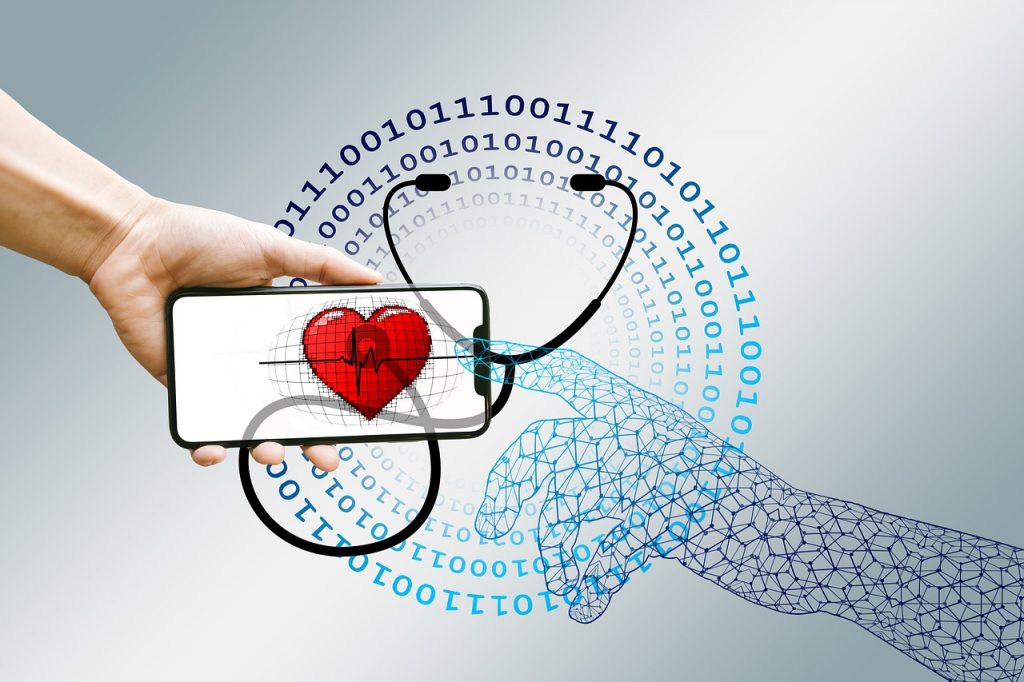
Artificial Intelligence (AI) is not just a futuristic concept; it’s a present-day marvel transforming industries across the globe. In healthcare, AI’s impact is particularly profound, offering groundbreaking solutions to some of the most complex medical challenges. This article will delve into how AI is revolutionizing healthcare, with a focus on two compelling case studies that illustrate its transformative power.

Case Study 1: Enhancing Diagnostic Accuracy in Oncology

In the realm of oncology, early and accurate diagnosis is critical. AI algorithms have been developed to analyze medical imaging with remarkable precision, surpassing even seasoned radiologists in detecting subtle signs of cancer. For instance, a study conducted by Medwave(1) highlighted an AI model that significantly improved the detection rates of breast cancer in mammograms. This model reduced false negatives, ensuring that patients receive timely treatment, which is often a determinant of survival.

Case Study 2: Predictive Analytics in Cardiology

Cardiology is another specialty where AI is making strides. At the Mayo Clinic, researchers employed AI to predict left ventricular dysfunction—a condition that often goes undetected until it’s too late². By analyzing vast amounts of patient data, the AI model identified individuals at risk, enabling early intervention. This predictive capability is a game-changer, potentially saving countless lives by preventing heart failure before it occurs.

The Broader Impact of AI in Healthcare

Beyond these case studies, AI’s broader impact on healthcare is multifaceted:

  • Clinical Workflow Optimization: AI streamlines clinical workflows, reducing the administrative burden on healthcare providers and allowing them to focus more on patient care.
  • Precision Medicine: By analyzing genetic information, AI enables personalized treatment plans that are tailored to the individual characteristics of each patient.
  • Operational Efficiency: AI systems manage hospital logistics, from scheduling appointments to predicting patient admission rates, optimizing the use of resources.

The Future of AI in Healthcare

As AI technology continues to evolve, its potential in healthcare is boundless. With ongoing advancements, we can expect AI to further enhance patient outcomes, reduce healthcare costs, and improve the overall efficiency of healthcare delivery systems. The case studies presented here are just the beginning of a revolutionary journey towards a smarter, more responsive healthcare ecosystem.

In conclusion, AI stands as a beacon of innovation in healthcare, promising a future where medical care is more accurate, efficient, and personalized than ever before. As we continue to harness the power of AI, we move closer to a world where healthcare is transformed for the betterment of all.

References:

(1) How AI is Transforming Healthcare: 12 Real-World Use Cases. https://medwave.io/2024/01/how-ai-is-transforming-healthcare-12-real-world-use-cases/.
(2) AI in healthcare: The future of patient care and health management. https://mcpress.mayoclinic.org/healthy-aging/ai-in-healthcare-the-future-of-patient-care-and-health-management/.
(3) 10 real-world examples of AI in healthcare | Philips. https://www.philips.com/a-w/about/news/archive/features/2022/20221124-10-real-world-examples-of-ai-in-healthcare.html.
(4) Top 18 AI Use Cases in Healthcare Industry in 2024 – AIMultiple. https://research.aimultiple.com/healthcare-ai-use-cases/.

Bottom line: Futurology is not fortune telling. Futurists use a scientific approach to create their deliverables, but a methodology and tools like those in FutureHacking™ can empower anyone to engage in futurology themselves.

Image credit: Pexels

Subscribe to Human-Centered Change & Innovation WeeklySign up here to get Human-Centered Change & Innovation Weekly delivered to your inbox every week.

Mask of the Road Warrior – The Xupermask

Xupermask on WILL.I.AM

WILL.I.AM and Honeywell have collaborated to bring the Xupermask to market.

What is the Xupermask?

It’s probably easiest to describe the Xupermask as equal parts: health & safety equipment, personal electronics, and fashion statement.

At its heart the Xupermask is a human-centered design intended to empower the user to feel both safe AND productive. It addresses the following set of user needs that are mostly unmet by traditional mask options:

1. Fits well to the face so escaping air doesn’t fog up your glasses
2. Fit also better prevents unsafe air from entering
3. Fans improve the ease of respiration
4. HEPA filters improve air quality
5. Built-in microphone for easier and safer phone calls
6. Built-in Bluetooth noise cancelling headphones for phone and entertainment

For me, the Xupermask seems like overkill for many day to day situations.

But, when I think about getting on public transport every day or flying on a commercial airline cross-country or across an ocean, the idea of having a Xupermask to wear becomes quite appealing.

And for those of us in the western United States, this could come in quite handy during forest fire season – just saying.

What do you think about the Xupermask?

Innovation or not?

Image credit: Xupermask


Accelerate your change and transformation success

Subscribe to Human-Centered Change & Innovation WeeklySign up here to get Human-Centered Change & Innovation Weekly delivered to your inbox every week.

Healthcare Jugaad Innovation of a 17-Year-Old

Healthcare Jugaad Innovation of a 17-Year-Old

Jugaad Innovation is an innovation subspecialty focused on designing inventions that are intentionally frugal and flexible in order to be more accessible to the entire world. As a result, a lot of jugaad innovation occurs in the developing world. Some of these inventions become innovations and spread from the developing world to the developed world.

I came across a story recently highlighting the potential healthcare jugaad innovation of 17-year-old Dasia Taylor of Iowa, who found that beets provide the perfect dye for her invention of sutures that change color when a surgical wound becomes infected (from bright red to dark purple).

According to Smithsonian magazine:

The 17-year-old student at Iowa City West High School in Iowa City, Iowa, began working on the project in October 2019, after her chemistry teacher shared information about state-wide science fairs with the class. As she developed her sutures, she nabbed awards at several regional science fairs, before advancing to the national stage. This January, Taylor was named one of 40 finalists in the Regeneron Science Talent Search, the country’s oldest and most prestigious science and math competition for high school seniors.

There is still commercialization work to do (more testing, clinical trials, etc.), but the approach shows promise and is far cheaper than high-tech sutures that require a smartphone to sense changes in electrical resistance as an indicator of infection.

Congratulations Dasia!

The great thing about this jugaad innovation approach is that not only could it be a practical solution for developing countries, but national health services and insurance companies are always looking for effective but inexpensive solutions as well.

Good luck with the rest of your research, and keep innovating!


Accelerate your change and transformation success

Subscribe to Human-Centered Change & Innovation WeeklySign up here to get Human-Centered Change & Innovation Weekly delivered to your inbox every week.

The Future of Healthcare

Embracing Digital Transformation for Enhanced Patient Care

The Future of Healthcare

GUEST POST from Chateau G Pato

In recent years, the healthcare industry has undergone a significant shift towards digital transformation. From electronic health records to telemedicine and wearable devices, technology is revolutionizing the way patients receive care and how healthcare providers deliver it. This digital revolution holds immense potential for improving patient outcomes, increasing efficiency, and reducing costs in the healthcare sector.

One of the key benefits of digital transformation in healthcare is improved patient outcomes. By leveraging technology such as electronic health records (EHRs), healthcare providers can access comprehensive and up-to-date patient information in real-time, enabling more informed decision-making and personalized treatment plans. For example, a study published in the Journal of Medical Internet Research found that patients with chronic conditions who used mobile health apps to track their symptoms and medication adherence experienced better health outcomes compared to those who did not use such technology.

Another significant advantage of digital transformation in healthcare is increased efficiency. With the advent of telemedicine and virtual care platforms, healthcare providers can reach and treat patients remotely, reducing the need for in-person visits and decreasing wait times. A case study conducted by Massachusetts General Hospital found that implementing a telemedicine program for patients with diabetes resulted in a 32% reduction in emergency department visits and a 47% decrease in hospital admissions, leading to improved patient care and cost savings for the hospital.

Moreover, digital transformation offers the potential to enhance patient engagement and satisfaction. By incorporating patient portals, mobile apps, and wearable devices into their care delivery, healthcare providers can empower patients to take a more active role in managing their health and wellness. For instance, a study published in BMC Public Health showed that patients who used a mobile app to track their physical activity and nutrition made significant improvements in their health behaviors and reported higher levels of satisfaction with their care providers.

Conclusion

The future of healthcare lies in embracing digital transformation to enhance patient care. By leveraging technology to improve outcomes, increase efficiency, and engage patients in their care, healthcare providers can revolutionize the way healthcare is delivered and ultimately improve the health and well-being of patients worldwide.

References:

1. Free C, Phillips G, Watson L, et al. The effectiveness of mobile-health technologies to improve health care service delivery processes: a systematic review and meta-analysis. Journal of Medical Internet Research. 2013; 15(1):e17.

2. Sood S, Mbarika V, Jugoo S, et al. What is telemedicine? A collection of 104 peer-reviewed perspectives and theoretical underpinnings. Telemedicine and e-Health. 2007; 13(5):573-590.

3. Dobson R, Whittaker R, Pfaeffli Dale L, et al. The effectiveness of text message-based self-management interventions for poorly-controlled diabetes: A systematic review. Diabetes Research and Clinical Practice. 2017; 6(137):12-20.

Bottom line: The Change Planning Toolkit™ is grounded in extensive research and proven methodologies, providing users with a reliable and evidence-based approach to change management. The toolkit offers a comprehensive set of tools and resources that guide users through each stage of the change planning process, enabling them to develop effective strategies and navigate potential obstacles with confidence.

Image credit: Pexels

Subscribe to Human-Centered Change & Innovation WeeklySign up here to get Human-Centered Change & Innovation Weekly delivered to your inbox every week.
Genomics and Its Potential in Revolutionizing Disease Diagnosis and Treatment

Genomics and Its Potential in Revolutionizing Disease Diagnosis and Treatment

GUEST POST from Chateau G Pato

Abstract

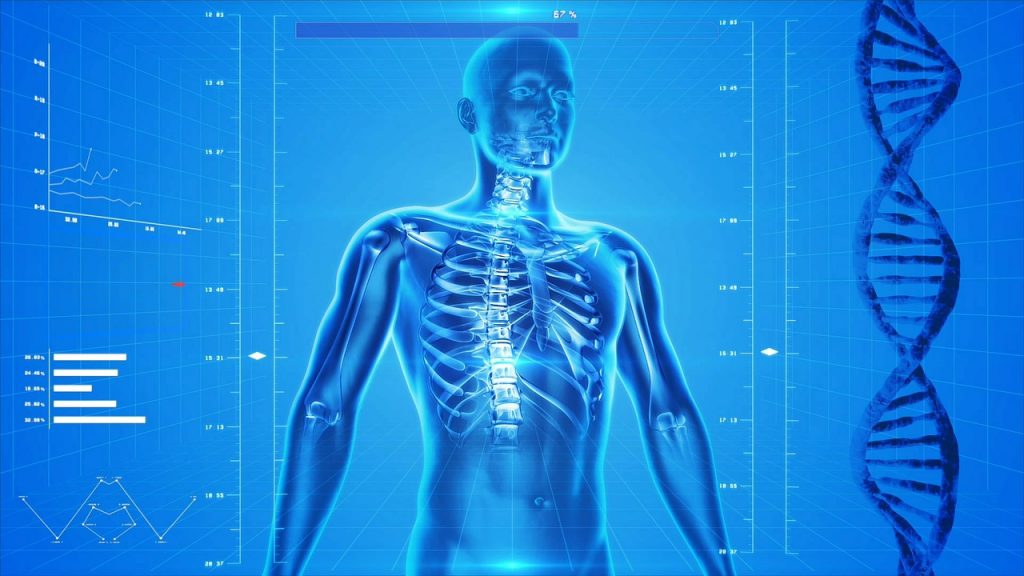
The sequencing of the complete human genome marked a pivotal moment in medical history, opening doors to a new era of personalized medicine. Genomics, the study of an individual’s genetic makeup, holds immense promise for disease diagnosis, prevention, and targeted treatment. However, as we delve deeper into this genomic landscape, we encounter complexities related to gene-environment interactions, non-coding regions, and the need for international collaboration. In this thought leadership article, we explore the evolution of genomic methodologies, their limitations, and their transformative impact on clinical practice. We also present two compelling case studies that exemplify the power of genomics in reshaping healthcare.

Introduction

Understanding the human genome has come a long way since Watson and Crick’s groundbreaking discovery of DNA structure in 1953 1. Initially, genome research was a specialized field, but recent advancements have brought genetics into the public consciousness. The advent of messenger-based RNA vaccines further accelerated this shift. In the 1970s, recombinant DNA technology expanded our ability to manipulate DNA, laying the foundation for medical genetics.

The Genomic Landscape

While Mendelian Inheritance in Man (MIM) cataloged single-gene diseases, it became evident that most common diseases are polygenic, with elusive mechanisms. The completion of the Human Genome Project in 2003 revolutionized our understanding of the genome, propelling us toward genomic medicine. Yet, challenges persist—particularly the interplay of genes, environment, and lifestyle, as well as the impact of non-coding genomic regions on health 1.

Genomic Medicine: A Multifaceted Approach

Genomic medicine offers a multifaceted approach to healthcare:

Diagnosis and Disease Prediction: Genomic sequencing enables early detection of genetic variants associated with diseases. Identifying these variants can significantly impact treatment outcomes.

Disease Prevention: Understanding an individual’s genetic predisposition allows for targeted preventive measures. Imagine predicting cardiovascular risk based on genetic markers and tailoring interventions accordingly.
Targeted Treatment: Genomics guides personalized therapies. For instance, pharmacogenomics helps determine drug responses based on genetic variations.

Case Studies: Unleashing Genomic Potential

Let’s delve into two real-world scenarios:

Case Study 1: Hereditary Breast Cancer

Patient: Sarah, a 35-year-old woman with a family history of breast cancer. Genomic Insight: Sarah carries a BRCA1 mutation, significantly increasing her risk. Clinical Impact: Early screening, risk-reducing surgeries, and tailored treatment options.

Case Study 2: Rare Neurological Disorder

Patient: Alex, a 10-year-old boy with unexplained seizures. Genomic Insight: Whole exome sequencing reveals a rare genetic variant. Clinical Impact: Precise diagnosis, genetic counseling, and targeted therapies.

Challenges and Collaborative Solutions

Despite progress, genomic tools remain in their infancy. International collaboration is essential to unlock their full potential. Researchers, clinicians, and policymakers must work together to address ethical, privacy, and data-sharing concerns.

Conclusion

Genomics is our compass toward personalized medicine. As we navigate this uncharted territory, let us embrace collaboration, research, and compassion. The hour demands it—the promise of genomics awaits fulfillment.

Core Tip: Genomics is the future of medicine, exemplified by breakthroughs like mRNA vaccines. Yet, the path forward requires rigorous research and global cooperation 1.

Disclaimer: This article provides insights into genomics and its potential but does not constitute medical advice. Consult a healthcare professional for personalized guidance.

1: Genomics in medicine: A new era in medicine

Bottom line: Futurology is not fortune telling. Futurists use a scientific approach to create their deliverables, but a methodology and tools like those in FutureHacking™ can empower anyone to engage in futurology themselves.

Image credit: Pixabay

Subscribe to Human-Centered Change & Innovation WeeklySign up here to get Human-Centered Change & Innovation Weekly delivered to your inbox every week.

The Role of Precision Medicine in Personalizing Healthcare Treatment

The Role of Precision Medicine in Personalizing Healthcare Treatment

GUEST POST from Art Inteligencia

In the evolving landscape of healthcare, precision medicine stands out as a beacon of hope for individualized treatment strategies. By integrating clinical and molecular information, precision medicine tailors healthcare to the unique genetic makeup of each patient, offering a more accurate diagnosis, prognosis, and treatment plan.

Case Study 1: Oncology and Genomic Profiling

Jane, a 54-year-old woman, was diagnosed with breast cancer. Traditional chemotherapy had limited effect, and her prognosis was poor. However, genomic profiling of her tumor revealed a specific mutation that was targetable by a new, experimental drug. Enrolled in a clinical trial, Jane received the personalized medication, which significantly reduced her tumor size and improved her quality of life. This case underscores the power of precision medicine in identifying effective treatments for patients who might otherwise have limited options.

Case Study 2: Pharmacogenomics and Mental Health

John, a 30-year-old man, struggled with severe depression and had tried multiple antidepressants with no success. Through pharmacogenomic testing, his healthcare provider discovered that John had a genetic variation affecting his metabolism of certain medications. With this insight, John was prescribed a different class of antidepressant tailored to his genetic profile. The result was a dramatic improvement in his symptoms, demonstrating how precision medicine can optimize medication selection and dosing for better outcomes.

Conclusion

Precision medicine is not a distant dream but a rapidly advancing reality. It holds the promise of revolutionizing healthcare by making treatment as unique as the patients themselves. As we continue to unravel the human genome and harness the power of data analytics, the potential for personalized healthcare becomes increasingly tangible. With each successful case study, we move closer to a future where every patient can receive care that is precisely calibrated to their individual needs.

These case studies illustrate the profound impact that precision medicine can have on patient care. By leveraging advanced technologies and personalized data, healthcare providers can offer treatments that are more effective and less invasive, leading to better patient outcomes and a brighter future for medicine.

Bottom line: Futures research is not fortune telling. Futurists use a scientific approach to create their deliverables, but a methodology and tools like those in FutureHacking™ can empower anyone to engage in futures research themselves.

Image credit: Pixabay

Subscribe to Human-Centered Change & Innovation WeeklySign up here to get Human-Centered Change & Innovation Weekly delivered to your inbox every week.

Innovations in Healthcare

A Glimpse into the Medical Future

Innovations in Healthcare: A Glimpse into the Medical Future

GUEST POST from Art Inteligencia

With the rapid advancements in technology, healthcare is undergoing a transformative change. Today, we have the opportunity to witness medical innovations that were once considered science fiction. The future of healthcare promises improved patient care, enhanced diagnostics, and more effective treatments. In this article, we will explore two case studies that provide a glimpse into the medical future and demonstrate the potential impact of these innovations.

Case Study 1: Artificial Intelligence in Radiology

Radiology plays a crucial role in diagnosing and monitoring diseases. However, the interpretation of medical images is often time-consuming and prone to errors, leading to delayed diagnosis and treatment. Artificial Intelligence (AI) is revolutionizing the field of radiology by streamlining diagnostic processes and yielding more accurate results.

One exceptional example of AI’s application in radiology is the work done at Stanford University. Researchers developed an AI algorithm that analyzes chest X-rays to detect pneumonia accurately. The algorithm surpasses the accuracy of trained radiologists, offering a rapid and cost-effective solution for early pneumonia detection. This AI system has the potential to improve patient outcomes by enabling early intervention and reducing the time required for diagnosis.

The AI algorithms can also be trained to analyze other imaging modalities, such as MRI and CT scans, assisting radiologists in diagnosing a wide range of conditions. By harnessing the power of AI, radiology departments can improve the efficiency and accuracy of their processes, leading to better patient care.

Case Study 2: Telehealth for Remote Patient Monitoring

One of the greatest challenges faced by healthcare providers is caring for patients in geographically remote areas. Telehealth, the use of technology to deliver healthcare remotely, has emerged as a game-changer in addressing this issue. Remote patient monitoring (RPM), a component of telehealth, allows healthcare professionals to track patients’ vital signs and health parameters without the need for in-person visits.

An outstanding example of RPM implementation is the Veterans Health Administration (VHA) in the United States. VHA implemented telehealth programs to monitor veterans with chronic conditions, such as heart failure and diabetes. Through a combination of at-home wearable devices and virtual consultations, healthcare providers can remotely monitor patients’ health status and intervene when necessary. This proactive approach has led to significant reductions in hospital admissions and emergency department visits. Furthermore, patients appreciate the convenience of remote monitoring, as it saves them travel time and enhances their overall quality of life.

The integration of RPM into healthcare systems has immense potential to improve disease management and reduce healthcare costs. By utilizing technology to remotely monitor patients, healthcare providers can optimize care, prevent hospital re-admissions, and promote patient engagement.

Conclusion

The healthcare industry is on the cusp of a technological revolution that holds the promise of transforming patient care. Through artificial intelligence and telehealth advancements, we are witnessing the emergence of a medical future that is more efficient, effective, and accessible. The case studies presented in this article are just a glimpse into the potential of these innovations. As the medical landscape evolves, embracing these transformative technologies will undoubtedly lead to significant improvements in patient outcomes and the overall quality of healthcare delivery.

Bottom line: Futures research is not fortune telling. Futurists use a scientific approach to create their deliverables, but a methodology and tools like those in FutureHacking™ can empower anyone to engage in futures research themselves.

Image credit: Unsplash

Subscribe to Human-Centered Change & Innovation WeeklySign up here to get Human-Centered Change & Innovation Weekly delivered to your inbox every week.

Emerging Trends in Biotechnology: Revolutionizing Healthcare

Emerging Trends in Biotechnology: Revolutionizing Healthcare

GUEST POST from Art Inteligencia

Biotechnology has been a game-changer in the field of healthcare, driving innovation, and revolutionizing medical treatments. It involves the development and application of biological systems, organisms, or derivatives to create technological advancements that improve health and the quality of life. As our understanding of biotechnology advances, we are witnessing the emergence of several trends that have the potential to shape the future of healthcare. In this article, we will explore two case study examples highlighting these trends.

Case Study 1: Gene Editing with CRISPR-Cas9

One of the most significant breakthroughs in biotechnology is the development of CRISPR-Cas9, a revolutionary gene-editing technology. CRISPR (Clustered Regularly Interspaced Short Palindromic Repeats) is a naturally occurring system found in bacteria that helps them defend against viruses. Scientists have harnessed this system to edit genes in various organisms, including humans.

This technology has shown immense promise in treating genetic diseases. In 2017, researchers at Oregon Health and Science University successfully used CRISPR-Cas9 to correct a disease-causing mutation in human embryos. This breakthrough opens up possibilities for preventing genetic diseases before birth. Additionally, CRISPR-Cas9 has the potential to treat various genetic disorders, such as sickle cell anemia and Huntington’s disease, by modifying disease-causing genes and restoring normal function.

The emergence of CRISPR-Cas9 has immense potential in revolutionizing healthcare by offering personalized and precise treatments for genetic diseases. However, it also raises ethical concerns, as it opens up possibilities for altering the human germline, potentially affecting future generations.

Case Study 2: Immunotherapy in Cancer Treatment

Immunotherapy is an innovative approach that harnesses the body’s immune system to fight cancer. This emerging trend in biotechnology has shown remarkable success in treating various types of cancer, improving patient outcomes, and extending survival rates.

One notable example is the development of immune checkpoint inhibitors that help activate the immune system’s response against cancer cells. Pembrolizumab, a checkpoint inhibitor, has shown remarkable effectiveness in treating advanced melanoma, a type of skin cancer. This drug allows the body’s immune cells to recognize and attack cancer cells, leading to improved patient responses and long-term survival.

Immunotherapy has also proven effective in treating other cancers, such as lung cancer, bladder cancer, and certain types of leukemia. It offers a promising alternative or complementary approach to traditional cancer treatments like chemotherapy and radiation therapy.

The emergence of immunotherapy represents a significant advancement in biotechnology, demonstrating the potential to transform cancer treatment and provide more effective and personalized therapies. However, challenges such as high costs, identifying appropriate patient selection criteria, and managing potential side effects still exist.

Conclusion

The emergence of new trends in biotechnology holds the promise of revolutionizing healthcare by offering groundbreaking treatments for diseases and improving patient outcomes. Gene editing with CRISPR-Cas9 and immunotherapy in cancer treatment are just two examples that showcase the potential impact of biotechnology in transforming healthcare.

While these advancements bring hope, ongoing research, ethical considerations, and regulatory frameworks are crucial to ensure the responsible and safe application of these technologies. However, it is undeniable that biotechnology has already started to reshape healthcare, making it a field to watch as we move towards a more advanced and personalized approach to medicine.

Bottom line: Futurists are not fortune tellers. They use a formal approach to achieve their outcomes, but a methodology and tools like those in FutureHacking™ can empower anyone to be their own futurist.

Image credit: Pixabay

Subscribe to Human-Centered Change & Innovation WeeklySign up here to get Human-Centered Change & Innovation Weekly delivered to your inbox every week.