Anduril’s AI Grand Prix: Racing for the Future of Work
LAST UPDATED: January 28, 2026 at 2:27 PM

GUEST POST from Art Inteligencia
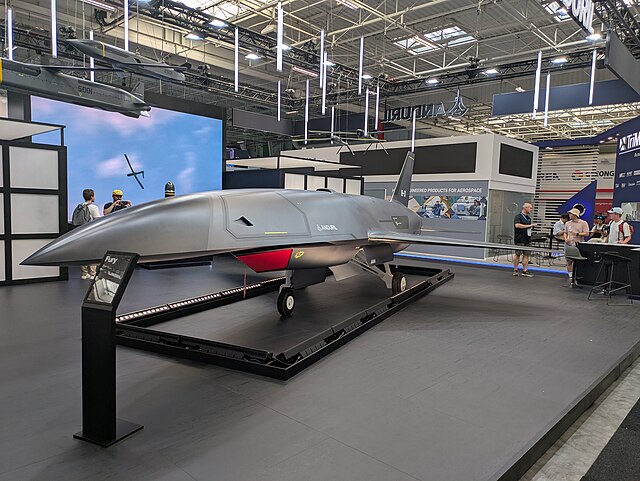
Anduril, a defense technology company known for its focus on AI-driven systems, recently announced its AI Grand Prix — a drone racing contest where the ultimate prize isn’t just glory, but a job offer. This isn’t merely a marketing gimmick; it’s a profound statement about their belief in demonstrated skill over credentialism, and a powerful strategy for identifying talent that can truly push the boundaries of autonomous systems. It epitomizes the shift from abstract evaluation to purposeful, real-world application, emphasizing hands-on capability over theoretical knowledge.
“The future of hiring isn’t about asking people what they can do; it’s about giving them a challenge and watching them show you.”
Why Challenge-Based Hiring is the New Frontier
This approach addresses several critical pain points in traditional hiring:
- Uncovering Latent Talent: Many brilliant minds don’t fit the mold of elite university degrees or polished corporate careers. Challenge-based hiring can surface individuals with raw, untapped potential who might otherwise be overlooked.
- Assessing Practical Skills: In fields like AI, robotics, and advanced engineering, theoretical knowledge is insufficient. The ability to problem-solve under pressure, adapt to dynamic environments, and debug complex systems is paramount.
- Cultural Alignment Through Action: Observing how candidates collaborate, manage stress, and iterate on solutions in a competitive yet supportive environment reveals more about their true cultural fit than any behavioral interview.
- Building a Diverse Pipeline: By opening up contests to a wider audience, companies can bypass traditional biases inherent in resume screening, leading to a more diverse and innovative workforce.
Beyond Anduril: Other Pioneers of Performance-Based Hiring
Anduril isn’t alone in recognizing the power of real-world challenges to identify top talent. Several other forward-thinking organizations have adopted similar, albeit varied, approaches:
Google’s Code Jam and Hash Code
For years, Google has leveraged competitive programming contests like Code Jam and Hash Code to scout for software engineering talent globally. These contests present participants with complex algorithmic problems that test their coding speed, efficiency, and problem-solving abilities. While not always directly leading to a job offer for every participant, top performers are often fast-tracked through the interview process. This allows Google to identify engineers who can perform under pressure and think creatively, rather than just those who can ace a whiteboard interview. It’s a prime example of turning abstract coding prowess into a tangible demonstration of value.
Kaggle Competitions for Data Scientists
Kaggle, now a Google subsidiary, revolutionized how data scientists prove their worth. Through its platform, companies post real-world data science problems—from predicting housing prices to identifying medical conditions from images—and offer prize money, and often, connections to jobs, to the teams that develop the best models. This creates a meritocracy where the quality of one’s predictive model speaks louder than any resume. Many leading data scientists have launched their careers or been recruited directly from their performance in Kaggle competitions. It transforms theoretical data knowledge into demonstrable insights that directly impact business outcomes.
The Human Element in the Machine Age
What makes these initiatives truly human-centered? It’s the recognition that while AI and automation are transforming tasks, the human capacity for ingenuity, adaptation, and critical thinking remains irreplaceable. These contests aren’t about finding people who can simply operate machines; they’re about finding individuals who can teach the machines, design the next generation of algorithms, and solve problems that don’t yet exist. They foster an environment of continuous learning and application, perfectly aligning with the “purposeful learning” philosophy.
The Anduril AI Grand Prix, much like Google’s and Kaggle’s initiatives, de-risks the hiring process by creating a performance crucible. It’s a pragmatic, meritocratic, and ultimately more effective way to build the teams that will define the next era of technological advancement. As leaders, our challenge is to move beyond conventional wisdom and embrace these innovative models, ensuring we’re not just ready for the future of work, but actively shaping it.
Frequently Asked Questions
What is challenge-based hiring?
What are the benefits of this approach for companies?
How does this approach benefit candidates?
Image credits: Wikimedia Commons, Google Gemini
 Sign up here to get Human-Centered Change & Innovation Weekly delivered to your inbox every week.