 There are some strange rumors circulating out there that I’ve written a book. Before these rumors spin out of control, I thought I should address you, the loyal and valued readers of Blogging Innovation, and set the record straight.
I have not written a novel, an autobiography, or a tell-all book. Let us be clear. Despite what some people might be saying, I have not written a book about how to fix the sorry state of the global economy, or anything that might even in a small part include tips about how to find the perfect job. I also do not, nor have I ever pretended to be able to give you a new look or make you fashionable, either by writing about fashion or by speaking any magic or even mildly interesting words about the subject.
But I must admit, that yes, I have written a book about innovation. Get your rotten tomatoes ready.
Now, some of you might be wondering, why on earth would I do this?
And, some of you might be wondering why I haven’t addressed these rumors before now.
Well, in regards to the timing, it didn’t feel right to say anything before now. It just felt too premature.
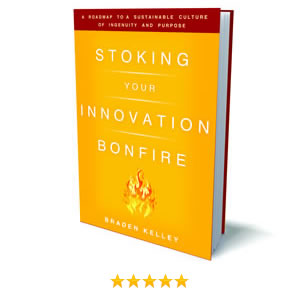 And, in regards to why I would write a book? Well, it’s not to become the next Julia Child or John Grisham. I’m not very good at cooking, and I couldn’t stomach being a lawyer. But, I can finally come clean and say that, yes, I am passionate about innovation. There, I’ve said it, and if you want to know what I think about the subject, you can now read the sordid details in the pages of this book.
Instead of fashion or fine cuisine, I’ve chosen to write about identifying and removing barriers to innovation. The full title of the book is Stoking Your Innovation Bonfire – A Roadmap to a Sustainable Culture of Ingenuity and Purpose and it is available for pre-order wherever fine business books are sold. The book is being published by John Wiley & Sons, officially launches in October 2010, and features a foreword by Rowan Gibson.
With this all out in the open, I promise that my blogging game won’t go to hell in a hand basket, and I hope I won’t be missing the Postrank cut anytime soon. If you want to get the inside scoop and read more information about the book, please visit http://innovationbonfire.com.
Now that I am publicly humiliated and exposed as the author that I am, I might as well offer you the opportunity to be one of the first to preview the sample chapter from my new book. All you have to do is join our mailing list by August 31, 2010 and you will receive an electronic copy of the chapter on ‘Sustainable Innovation’ from Stoking Your Innovation Bonfire on September 1, 2010. If you’re already receiving our monthly Innovation Insights newsletter, then you will automatically receive the free sample chapter.
I promise you won’t have to wait in any silly lines (queues for the Brits and Aussies among you) and I guarantee that you will still be able to read it no matter how you choose to hold your device. Finally, please don’t tell too many about this, I’m not sure I’m ready to face Maria Bartiromo quite yet.
 Sign up here to get Human-Centered Change & Innovation Weekly delivered to your inbox every week.
 Stoking Your Innovation Bonfire – A Roadmap to a Sustainable Culture of Ingenuity and Purpose is now available for Amazon Kindle both in the United States and in the United Kingdom.
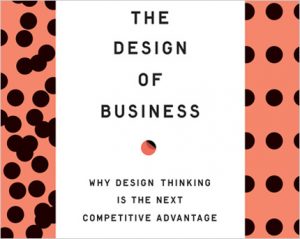 A few weeks ago I received “The Design of Business” by Roger Martin in the mail. “The Design of Business” is a relatively short, easy, and pleasant read.
 At the same time, there are other tensions in our organizations that managers in the era of the creative economy will have to become attuned to, and these include managing an appropriate balance between exploitation and exploration and not falling victim to the false certainty of the past when making business development decisions.