
Category Archives: Technology

The Future of Transportation

From Hyperloop to Flying Cars

The Future of Transportation: From Hyperloop to Flying Cars

GUEST POST from Chateau G Pato

Transportation is a crucial aspect of our daily lives and has been undergoing rapid changes in recent years. From self-driving cars to Hyperloop technology, the future of transportation looks more exciting and innovative than ever before. In this article, we will explore some of the cutting-edge developments in transportation and envision what the future holds for how we move from place to place.

Case Study 1: Hyperloop

One of the most talked-about advancements in transportation technology is the Hyperloop. This high-speed transportation system was first proposed by entrepreneur Elon Musk in 2013 and has gained traction as a potential game-changer in the industry. The Hyperloop concept involves using vacuum tubes to transport passengers or cargo at speeds of up to 700 mph, making travel between cities faster and more efficient than ever before.

Several companies have taken up the challenge to develop Hyperloop technology, with Virgin Hyperloop leading the way with successful test runs and plans for commercial implementation. The benefits of the Hyperloop include reduced travel times, decreased carbon emissions, and enhanced connectivity between cities. As this technology continues to evolve, we can expect to see more companies and governments investing in this revolutionary transportation system.

Case Study 2: Flying Cars

Another exciting development in transportation is the concept of flying cars. While it may sound like something out of a sci-fi movie, flying cars are becoming a reality thanks to advancements in drone technology and electric propulsion systems. Companies like Uber, Boeing, and Airbus are actively developing flying cars that could revolutionize urban mobility and alleviate traffic congestion in cities.

Flying cars offer the potential to transform how we commute, allowing for fast and efficient travel between urban centers and suburbs. With the ability to take off and land vertically, these vehicles could provide a convenient and environmentally friendly way to navigate our increasingly crowded cities. While there are still regulatory and safety challenges to overcome, the prospect of flying cars becoming a common mode of transportation in the future is an exciting one.

Conclusion

The future of transportation is filled with possibilities and innovations that promise to reshape how we move from place to place. From Hyperloop technology to flying cars, these advancements offer the potential to make travel faster, safer, and more sustainable. As we continue to invest in these cutting-edge technologies, we can look forward to a future where we can travel farther and faster than ever before. The transportation revolution is just beginning, and the future looks brighter than ever.

SPECIAL BONUS: Futurology is not fortune telling. Futurists use a scientific approach to create their deliverables, but a methodology and tools like those in FutureHacking™ can empower anyone to engage in futurology themselves.

Image credit: Unsplash

Subscribe to Human-Centered Change & Innovation WeeklySign up here to get Human-Centered Change & Innovation Weekly delivered to your inbox every week.

Augmented Reality in Sports

Redefining Fan Experiences

Augmented Reality in Sports

GUEST POST from Art Inteligencia

In the fast-paced world of sports, fan engagement is more important than ever. Fans want to feel connected to their favorite teams and athletes in a more immersive and interactive way. Enter augmented reality, a cutting-edge technology that is revolutionizing the way fans experience sports. By overlaying digital information onto the real world, augmented reality is transforming the fan experience, making it more engaging, exciting, and interactive than ever before.

One of the most exciting applications of augmented reality in sports is in fan engagement. By using AR technology, teams and leagues can offer fans a more personalized and interactive experience. For example, fans attending a game can use their smartphones or AR glasses to access real-time stats, player information, and exclusive content right from their seats. This not only enhances the fan experience but also creates new opportunities for sponsors and advertisers to engage with fans in a unique and meaningful way.

Another area where augmented reality is making a big impact is in sports broadcasting. With AR technology, broadcasters can overlay graphics, animations, and statistics onto the live game feed, providing viewers with a more immersive viewing experience. For example, during a basketball game, viewers can see real-time player stats, shot trajectories, and even virtual replays from different angles, giving them a deeper insight into the game and enhancing their overall viewing experience.

Case Study 1: NBA and Magic Leap

One of the most prominent examples of augmented reality in sports is the partnership between the NBA and Magic Leap, a leading AR technology company. In 2018, the NBA announced a partnership with Magic Leap to create a new way for fans to experience basketball games through AR. Using Magic Leap’s AR glasses, fans can access real-time statistics, player profiles, and exclusive content while watching the game, creating a more immersive and engaging experience for fans.

Case Study 2: Liverpool FC and Snapchat

Another great example of augmented reality in sports is the partnership between Liverpool FC and Snapchat. In 2019, Liverpool FC and Snapchat launched a new AR lens that allowed fans to experience the team’s iconic pre-match walkout at Anfield Stadium in augmented reality. Fans could use the lens to virtually walk out onto the pitch alongside their favorite players, creating a unique and interactive fan experience that brought them closer to the action.

Conclusion

Augmented reality is redefining fan experiences in sports by offering a more immersive, interactive, and engaging way for fans to connect with their favorite teams and athletes. As technology continues to evolve, we can expect to see even more exciting applications of AR in sports, creating new opportunities for fans, teams, and leagues to connect in ways we never thought possible. Augmented reality is truly changing the game for sports fans everywhere.

Bottom line: Futurology is not fortune telling. Futurists use a scientific approach to create their deliverables, but a methodology and tools like those in FutureHacking™ can empower anyone to engage in futurology themselves.

Image credit: Pixabay

Subscribe to Human-Centered Change & Innovation WeeklySign up here to get Human-Centered Change & Innovation Weekly delivered to your inbox every week.

The Power of Personalization

Leveraging Consumer Behavior for Innovation Success

The Power of Personalization

GUEST POST from Chateau G Pato

In today’s fast-paced and highly competitive business landscape, the ability to understand and cater to consumer behavior is crucial for innovation success. One of the most powerful tools at a company’s disposal for achieving this is personalization. By tailoring products, services, and marketing efforts to individual preferences and behaviors, businesses can create a more engaging and fulfilling experience for their customers, ultimately driving growth and success.

Personalization is not a new concept, but advances in technology and data analytics have made it easier and more effective than ever before. By leveraging customer data and insights, companies can create highly targeted and relevant experiences that resonate with consumers on a personal level. This not only increases customer satisfaction and loyalty, but also drives higher levels of engagement and conversion.

Case Study 1: Ecommerce

One industry that has successfully harnessed the power of personalization is e-commerce. Companies like Amazon and Netflix have built their entire business models around personalized recommendations, using algorithms to analyze customer preferences and behavior to suggest products or content that are likely to resonate with individual users. This not only enhances the customer experience by making it easier for consumers to find relevant products, but also drives increased sales and customer retention.

A recent study by McKinsey & Company found that companies that successfully personalize their marketing communications see an average of 10-30% uplift in revenue. For example, clothing retailer Stitch Fix uses a combination of algorithms and human stylists to curate personalized clothing collections for customers, leading to higher levels of customer satisfaction and repeat purchases.

Case Study 2: Starbucks

Another compelling case study of the power of personalization comes from Starbucks. The coffee giant uses its popular mobile app to collect data on customer preferences and behaviors, allowing it to offer personalized promotions and rewards to individual customers. This not only incentivizes repeat visits, but also drives higher levels of customer engagement and loyalty.

Conclusion

The power of personalization cannot be overstated. By leveraging consumer behavior for innovation success, companies can create more engaging and fulfilling experiences for their customers, ultimately driving growth and success. With the right tools and strategies in place, businesses can harness the power of personalization to drive increased revenue, customer loyalty, and competitive advantage in today’s dynamic marketplace.

SPECIAL BONUS: Futurology is not fortune telling. Futurists use a scientific approach to create their deliverables, but a methodology and tools like those in FutureHacking™ can empower anyone to engage in futurology themselves.

Image credit: Unsplash

Subscribe to Human-Centered Change & Innovation WeeklySign up here to get Human-Centered Change & Innovation Weekly delivered to your inbox every week.

Rethinking Urban Development

Smart Cities and Sustainable Infrastructure

Rethinking Urban Development: Smart Cities and Sustainable Infrastructure

GUEST POST from Chateau G Pato

As the world population continues to urbanize at an unprecedented rate, cities are faced with the pressing need to redefine urban development strategies. To meet the demands of growing populations, smart cities and sustainable infrastructure offer innovative solutions that can optimize resources, enhance livability, and mitigate environmental impacts. This article explores the paradigm shift towards smart cities and highlights two impactful case studies that showcase the successful implementation of sustainable infrastructure practices.

Case Study 1: Singapore’s Smart Nation Initiative:

Singapore, a leading global city, has embraced smart city technologies and sustainable infrastructure to address its unique challenges. The city-state’s Smart Nation Initiative leverages advanced technologies and strong governance to enhance urban livability and efficiency. Key projects, such as the Smart Traffic Lights system and Smart Nation Sensor Platform, demonstrate the integration of data and technology to optimize urban mobility and resource utilization.

One notable achievement is the “Smart Traffic Lights” project, where data analytics and real-time sensors have been deployed to dynamically control traffic lights based on traffic patterns. This has resulted in significant reductions in congestion, travel times, and carbon emissions. Singapore’s holistic approach to urban development combines smart mobility, low-energy buildings, and eco-friendly infrastructure, making it a remarkable case study.

Case Study 2: Barcelona’s Superblocks:

Barcelona, Spain, has pioneered the concept of “superblocks” to transform the urban landscape and prioritize sustainable modes of transportation. Superblocks involve transforming selected neighborhoods by restricting vehicle movement and creating pedestrianized areas, green spaces, and cycle lanes. This approach aims to reduce air pollution, noise levels, and traffic congestion while encouraging active mobility.

The Poblenou Superblock project demonstrates the transformative impact of this approach. By re-imagining the city grid, reclaiming street spaces for pedestrians and cyclists, and promoting mixed land-use development, Poblenou has become a thriving, sustainable neighborhood. The project showcases how urban redevelopment can create vibrant communities that prioritize public spaces, active transport, and social interaction.

The Benefits of Smart Cities and Sustainable Infrastructure:

1. Enhanced Quality of Life: Smart cities provide residents with improved access to essential services, efficient transportation systems, and connected infrastructure, resulting in enhanced quality of life.
2. Efficient Resource Utilization: Sustainable infrastructure optimizes energy consumption, reduces waste, and promotes the use of renewable energy sources, leading to greater resource efficiency and resilience.
3. Environmental Sustainability: By leveraging data analytics and internet of things (IoT) technologies, smart cities generate actionable insights to tackle environmental challenges, promoting sustainable practices and reducing carbon footprints.

Conclusion

The implementation of smart city technologies and sustainable infrastructure is revolutionizing urban development around the globe. The case studies of Singapore’s Smart Nation Initiative and Barcelona’s Superblocks exemplify the successful integration of technology, data, and sustainable principles to create livable and prosperous cities. As urbanization continues to accelerate, it is imperative that cities rethink their development strategies to build smart, sustainable, and inclusive future communities. Through concerted efforts and innovative approaches, cities can ensure a high quality of life for their inhabitants while preserving resources for generations to come.

Bottom line: Futurology is not fortune telling. Futurists use a scientific approach to create their deliverables, but a methodology and tools like those in FutureHacking™ can empower anyone to engage in futurology themselves.

Image credit: Pexels

Subscribe to Human-Centered Change & Innovation WeeklySign up here to get Human-Centered Change & Innovation Weekly delivered to your inbox every week.

Revolutionizing Education

How Technology Will Shape Learning in the Future

Revolutionizing Education: How Technology Will Shape Learning in the Future

GUEST POST from Chateau G Pato

Education is the fundamental pillar of human progress, enabling individuals to acquire knowledge, develop skills, and transform society. Throughout history, educational systems have evolved, reflecting societal advancements and the changing needs of learners. In the digital age, technology has emerged as a powerful tool that promises to revolutionize education, providing learners with unprecedented access to information, personalized learning experiences, and collaborative platforms. This article explores the transformative potential of technology in education by highlighting two case study examples that exemplify how it is shaping learning in the future.

Case Study 1: Khan Academy

Khan Academy, a non-profit organization founded by Salman Khan, has become a pioneer in leveraging technology for educational impact. With a vision to provide a free, world-class education for anyone, anywhere, Khan Academy has developed a vast library of instructional videos covering various subjects and academic levels. These videos are complemented by interactive exercises, practice materials, and real-time feedback, allowing learners to engage actively with the content and monitor their progress. The platform empowers students to study at their own pace, filling knowledge gaps and fostering a deep understanding of concepts before moving on. By embracing technology, Khan Academy has democratized education, transcending geographical barriers and addressing individual learning needs.

Furthermore, Khan Academy’s use of data analytics exemplifies the potential of technology in customizing learning experiences. The platform tracks user performance, enabling educators to identify common misconceptions and tailor interventions accordingly. By analyzing individual data points, educators can provide targeted support and foster adaptive learning environments. This technology-driven approach ensures that students receive personalized attention, effectively addressing their specific learning needs. Khan Academy’s success with technology-driven personalized learning serves as an inspiration for educational institutions worldwide, signaling a shift from traditional one-size-fits-all models towards dynamic, tailored approaches that optimize student outcomes.

Case Study 2: Virtual Reality in Medical Education

Technology is also revolutionizing specialized fields such as medical education. Traditional medical education relies heavily on textbooks, lectures, and practical experiences. However, emerging technologies like virtual reality (VR) offer immersive and interactive learning experiences that bridge the gap between theory and practice, enhancing knowledge retention and skill acquisition.

One noteworthy case study is the use of VR in surgical training. Companies like Osso VR and FundamentalVR have developed virtual simulations that allow medical students and professionals to practice complex procedures in a risk-free environment. These simulations provide haptic feedback, replicating the tactile sensations of real surgical instruments. By repeatedly engaging in realistic scenarios, learners gain confidence, hone their technical skills, and refine their decision-making abilities. VR technology enables educators to expose learners to various scenarios, ranging from routine cases to rare emergencies, preparing them for a wide range of surgical challenges. Its application in medical education not only improves learning outcomes but also facilitates standardized training, ultimately enhancing patient safety.

Conclusion

The future of education is being shaped by technology-driven transformations that offer immense potential for personalization, accessibility, and enhanced learning outcomes. The case studies of Khan Academy and the use of VR in medical education exemplify the power of technology to democratize learning and optimize skill development. As we embrace these advancements, it is crucial to ensure that technology remains a tool to enhance human interactions, critical thinking, and creativity within the learning process. By leveraging technology effectively, we can revolutionize education, prepare learners for the challenges of the future, and contribute to a more inclusive and knowledge-driven society.

Bottom line: Futurology is not fortune telling. Futurists use a scientific approach to create their deliverables, but a methodology and tools like those in FutureHacking™ can empower anyone to engage in futurology themselves.

Image credit: misterinnovation.com

Subscribe to Human-Centered Change & Innovation WeeklySign up here to get Human-Centered Change & Innovation Weekly delivered to your inbox every week.
Friday Funny – Unexpected Blackberry and Apple Problems

Thanks to Bettina von Stamm for bringing this comedic gem to my attention:

It does a great job of highlighting how technology companies come along and completely change parts of our common language.

For my non-European friends, Orange is a French mobile telecommunications provider (aka France Telecom).

I hope everyone has a funny Friday and a great weekend!


Accelerate your change and transformation success

Subscribe to Human-Centered Change & Innovation WeeklySign up here to get Human-Centered Change & Innovation Weekly delivered to your inbox every week.
What is a Technology Assessment?

What is a Technology Assessment?

GUEST POST from Art Inteligencia

A technology assessment is a formal evaluation of a technology’s current capabilities and potential for the future. It is commonly used to determine the viability of a technology for a particular purpose, such as to determine whether a certain technology is suitable for a given project or application. It is also used to assess the potential of a technology to solve existing problems or to create new opportunities.

The technology assessment process typically involves a review of the existing technology, an analysis of its current capabilities and its potential for development, and the identification of potential risks and benefits associated with the technology. This process is often conducted by a team of experts from a variety of disciplines, including technology, engineering, business, and finance.

The technology assessment process can involve both quantitative and qualitative analyses. Quantitative analyses involve the collection and analysis of data related to the technology, such as its performance, cost effectiveness, and security. Qualitative analyses involve the analysis of the technology’s potential to solve problems, as well as its potential to create new opportunities.

The results of the technology assessment are used to make decisions about whether or not to invest in the technology. In many cases, this decision is based on a cost-benefit analysis that takes into account the cost of the technology, the expected return on investment, and the potential risks associated with the technology.

Technology assessments are an important part of the decision-making process for any organization. They help organizations make informed decisions about the technologies they use and the direction they should take in order to remain competitive and successful.

Image credit: Pixabay

Subscribe to Human-Centered Change & Innovation WeeklySign up here to get Human-Centered Change & Innovation Weekly delivered to your inbox every week.
Using Intuition to Drive Innovation Success

Using Intuition to Drive Innovation Success

Americans are in love with data, big data, analytics, artificial intelligence and machine learning.

… and the rest of the world is catching the same disease.

Data is important, don’t get me wrong, but it is only one side of the coin driving innovation and operational success.

On the other side of the coin is intuition.

As smart organizations try and make greater use of human-centered design, empathy and intuition can and must play an increasingly important role.

Bruce Kasanoff states that “Intuition is the Highest Form of Intelligence” in his article on Forbes.

Intuition is incredibly important to human-centered design from the standpoint that an “intuitive” design taps into our shared understanding as humans of how things should operate.

Intuition is the secret sauce of the quantum human computer, and as the pace of change AND complexity both accelerate, we must change our brain function to develop not just our intellectual capabilities but our instinctual capabilities as well.

Nobel Prize winner Daniel Kahneman wrote about these two ways of thinking in his book Thinking, Fast and Slow. Let’s look at a short video looking at intuition, science and dreams:

Science Intuition and Dreams – Dean Radin

Dreams can be an incredibly powerful tool for innovation, in fact the Nine Innovation Roles that play an important role in the best-selling book Stoking Your Innovation Bonfire came to me in a dream. Many experts recommend that you keep a pen and a notebook next to your bed to capture these flashes of brilliance.

Dreams and shared understanding are but two manifestations of intuition, of our interconnectedness with each other and energies greater than ourselves. But how do we leverage our intuition for innovation?

One way is to use your innovation as an input to use with a tool like The Experiment Canvas™:

The Experiment Canvas

Which is available as a free tool here on my web site from the forthcoming Disruptive Innovation Toolkit™.

You can use it to craft a hypothesis based on your intuition that you want to test, it keeps you focused on what you hope to learn during the experiment, and to consider the setup, operation, and wrapup of your experiment – among other things.

Too often people ignore their intuition because it doesn’t seem scientific. But, turning intuitive insights into hypotheses to test will help you overcome your hesitancy until you train your intuition and to learn to trust it as the potential human quantum computer that it could be. The other reason that people ignore their intuition is that well, they just can’t hear it. For many people, their intellectual mind is so busy that they can’t receive and react to what their intuitive mind is telling them.

Here is an interesting video that highlights these two points and how humans communicate behind the scenes:

Are you drowning out your intuitive mind? Are you failing to consider what is saying, and to test its assertions?

If so, please stop it, and learn new ways to keep innovating!

SPECIAL BONUS:

If you’d like to watch and learn even more about intuition…

Here is a video on Nikola Tesla and the Power of Intuition:


Accelerate your change and transformation success

Subscribe to Human-Centered Change & Innovation WeeklySign up here to get Human-Centered Change & Innovation Weekly delivered to your inbox every week.
Preparing for the AI-Driven Workforce

Steps to Boost Workplace Productivity

Preparing for the AI-Driven Workforce

GUEST POST from Chateau G Pato

As artificial intelligence continues to revolutionize the way we work, it is essential for businesses to adapt and prepare for an AI-driven workforce. With the right strategies in place, companies can harness the power of AI to boost productivity, create efficiencies, and drive innovation. In this article, we will explore the steps that businesses can take to prepare for the AI-driven workforce and ultimately enhance workplace productivity.

Step 1: Invest in AI Training and Education
One of the most critical steps in preparing for an AI-driven workforce is to invest in training and education for employees. By providing comprehensive training programs on AI technologies and tools, employees can develop the skills necessary to work alongside AI systems effectively. This will not only help employees feel more confident in their roles but also increase overall productivity within the organization.

Case Study 1: Amazon

Amazon, a global e-commerce giant, is a prime example of a company that has successfully integrated AI into its workforce. Through its Amazon Robotics program, the company has automated numerous tasks in its fulfillment centers, allowing employees to focus on more complex and strategic roles. By providing training programs on how to work alongside AI-powered robots, Amazon has been able to boost workplace productivity and efficiency.

Step 2: Foster a Culture of Innovation and Collaboration
Another key step in preparing for the AI-driven workforce is to foster a culture of innovation and collaboration within the organization. By promoting an environment that encourages experimentation and the sharing of ideas, businesses can unlock the full potential of AI technologies and drive greater productivity. By encouraging employees to collaborate with AI systems and explore new ways of working, businesses can stay ahead of the curve in today’s rapidly changing digital landscape.

Case Study 2: Google

Google, a leading technology company, is known for its innovative approach to AI-driven workforce development. Through its AI research lab, DeepMind, Google has been able to develop cutting-edge AI technologies that enhance workplace productivity. By fostering a culture of collaboration between human employees and AI systems, Google has been able to revolutionize the way work is done within the organization, leading to increased productivity and efficiency.

Conclusion

Preparing for the AI-driven workforce is essential for businesses looking to stay competitive in today’s digital age. By investing in AI training and education, fostering a culture of innovation and collaboration, and learning from successful case studies such as Amazon and Google, businesses can effectively boost workplace productivity and drive success in the AI-driven future. Are you ready to embrace the future of work with AI?

Bottom line: The Change Planning Toolkit™ is grounded in extensive research and proven methodologies, providing users with a reliable and evidence-based approach to change management. The toolkit offers a comprehensive set of tools and resources that guide users through each stage of the change planning process, enabling them to develop effective strategies and navigate potential obstacles with confidence.

Image credit: Pixabay

Subscribe to Human-Centered Change & Innovation WeeklySign up here to get Human-Centered Change & Innovation Weekly delivered to your inbox every week.
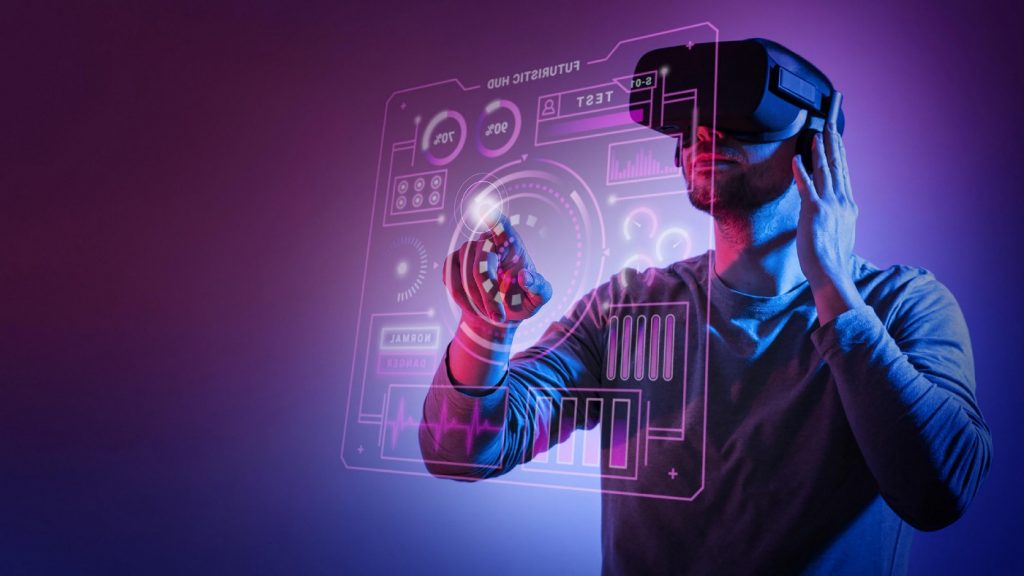
Unleashing the Power of Augmented Reality in Real Estate

Enhancing Property Viewing

Unleashing the Power of Augmented Reality in Real Estate

GUEST POST from Chateau G Pato

In today’s rapidly evolving real estate market, technology has become a crucial tool in enhancing property viewing experiences for both buyers and sellers. Augmented Reality (AR) is one such technology that has the potential to revolutionize the way properties are viewed and marketed. By overlaying digital information onto the real world, AR allows users to visualize properties in a more immersive and interactive way, leading to increased engagement and better decision-making. In this article, we will explore how AR is being used in the real estate industry to enhance property viewing experiences and drive business growth.

Case Study 1: Virtual Staging with AR

One of the key challenges in real estate is helping potential buyers envision themselves living in a property. This is where AR can play a crucial role in virtual staging. By using AR technology, real estate agents can digitally furnish a property in real-time, allowing buyers to see how the space would look with their own style and preferences. This not only saves time and money on physical staging but also creates a more personalized and engaging experience for potential buyers. A recent case study conducted by a leading real estate agency showed that properties with AR virtual staging sold 30% faster than those without, demonstrating the power of AR in driving sales and conversions.

Case Study 2: Interactive Property Tours

Another innovative way in which AR is being used in real estate is through interactive property tours. Instead of traditional static images or 360-degree videos, AR-powered tours allow potential buyers to explore a property in a more dynamic and engaging way. By simply pointing their smartphone or tablet at a property, users can access additional information such as floor plans, property details, and neighborhood amenities. This creates a more interactive and informative experience for buyers, leading to increased interest and engagement. A recent case study conducted by a luxury real estate developer found that properties with AR-powered tours received 50% more inquiries and 20% faster sales compared to traditional listings, highlighting the effectiveness of AR in driving user engagement and conversion rates.

Conclusion

The potential of AR in enhancing property viewing experiences in real estate is vast. By leveraging this innovative technology, real estate professionals can create more immersive, interactive, and personalized experiences for potential buyers, ultimately leading to increased engagement, faster sales, and higher conversions. As the real estate industry continues to evolve, embracing AR as a key tool in the property marketing toolkit will be crucial in staying ahead of the competition and driving business growth. By unleashing the power of Augmented Reality, the future of real estate is bound to be more exciting, engaging, and transformative than ever before.

Bottom line: The Change Planning Toolkit™ is grounded in extensive research and proven methodologies, providing users with a reliable and evidence-based approach to change management. The toolkit offers a comprehensive set of tools and resources that guide users through each stage of the change planning process, enabling them to develop effective strategies and navigate potential obstacles with confidence.

Image credit: Pixabay

Subscribe to Human-Centered Change & Innovation WeeklySign up here to get Human-Centered Change & Innovation Weekly delivered to your inbox every week.