Tag Archives: prioritization

Prioritization Drives Productivity

Prioritization Drives Productivity

GUEST POST from Mike Shipulski

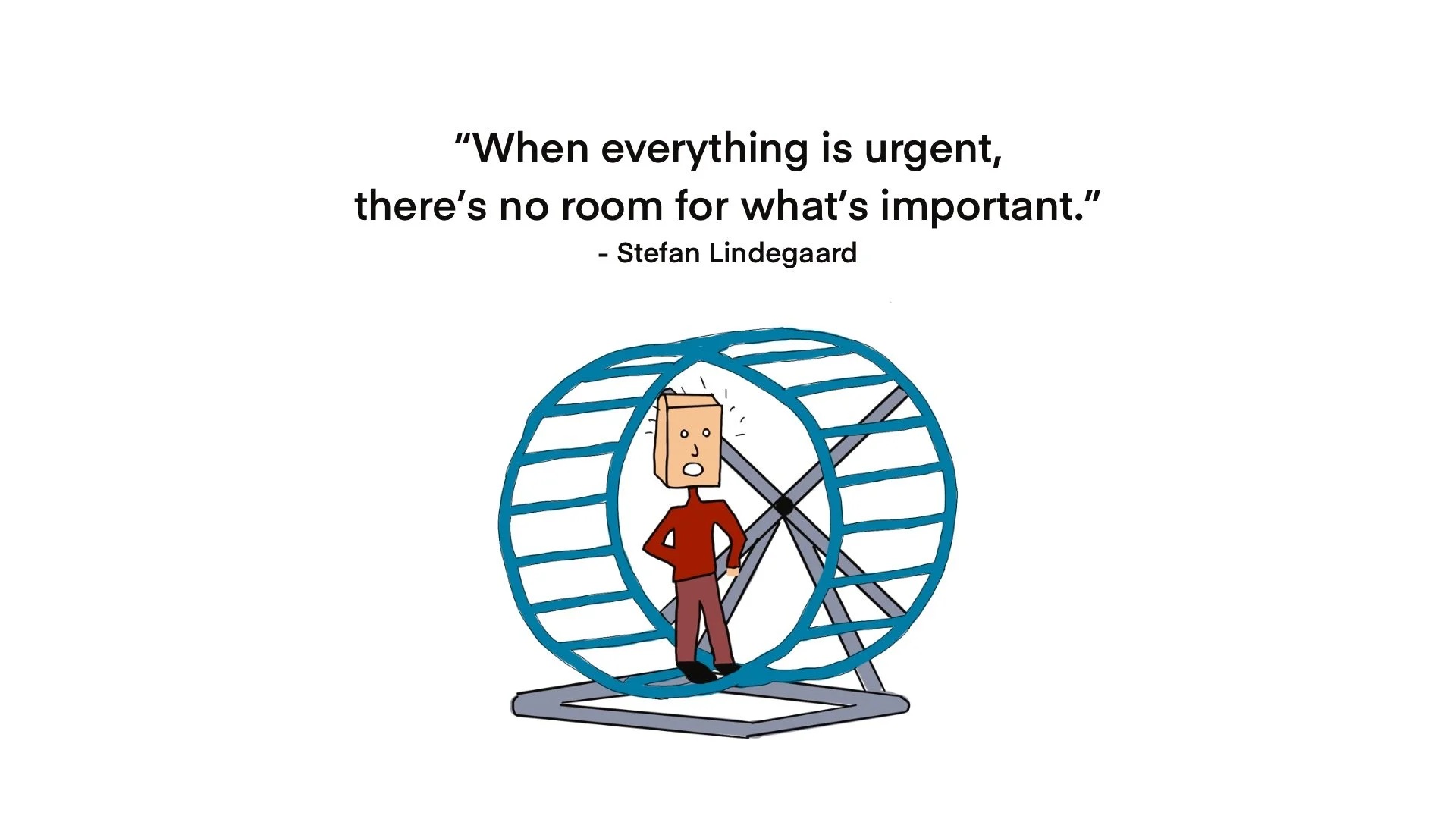
If you haven’t noticed, the pace and complexity of our work is ever-increasing. There’s more to do and there are more interactions among the players and the tasks. And though there’s more need for thinking and planning, there’s less time to do it. And the answer from company leadership – more productivity.

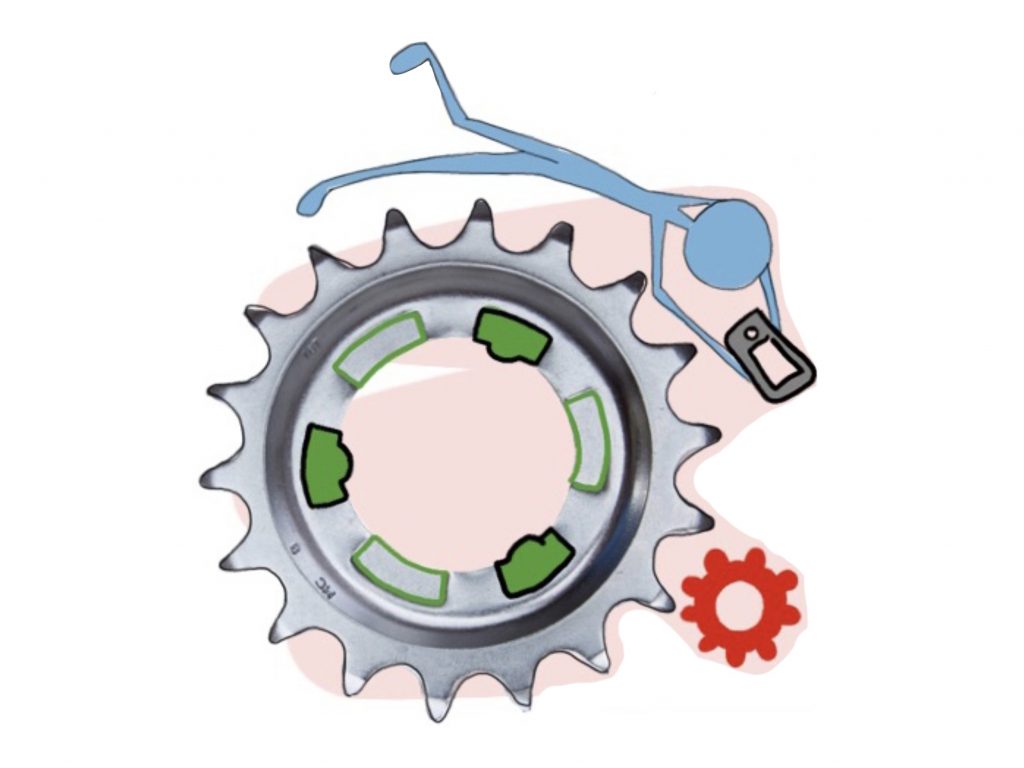
With the traditional view of productivity, it’s do more with less. That works for a while and then it doesn’t. And when you can no longer do more, the only remaining way to improve productivity is to do less.

If you try to do all five things and get four done poorly, wouldn’t it be more productive if you tried to do only three things and did them well? None of the three would have to touched up or redone. And none of the three would occupy your emotional bandwidth because they were done well and they’re not coming back to bite you. And because you focused on three things, you spent only three things worth of energy. Your life force is conserved and when you get home you still have gas in the tank.

If you get three things done each day, you’ll accomplish more than anyone else in the company. Don’t think so? Three things per day is fifteen things per week. And if you work fifty weeks per year, three things per day is one hundred and fifty things per year. (I hope you don’t work fifty weeks per year, I chose this number because it makes the math cleaner.)

It’s not easy to get three things done per day. With meetings, email, texts and the various collaboration platforms, you have almost zero uninterrupted time. And with zero uninterrupted time, you get about zero things done. And if I have to choose between getting three things done or zero things done, I choose three. It’s difficult to allocate the time to get three things done, but it’s possible.

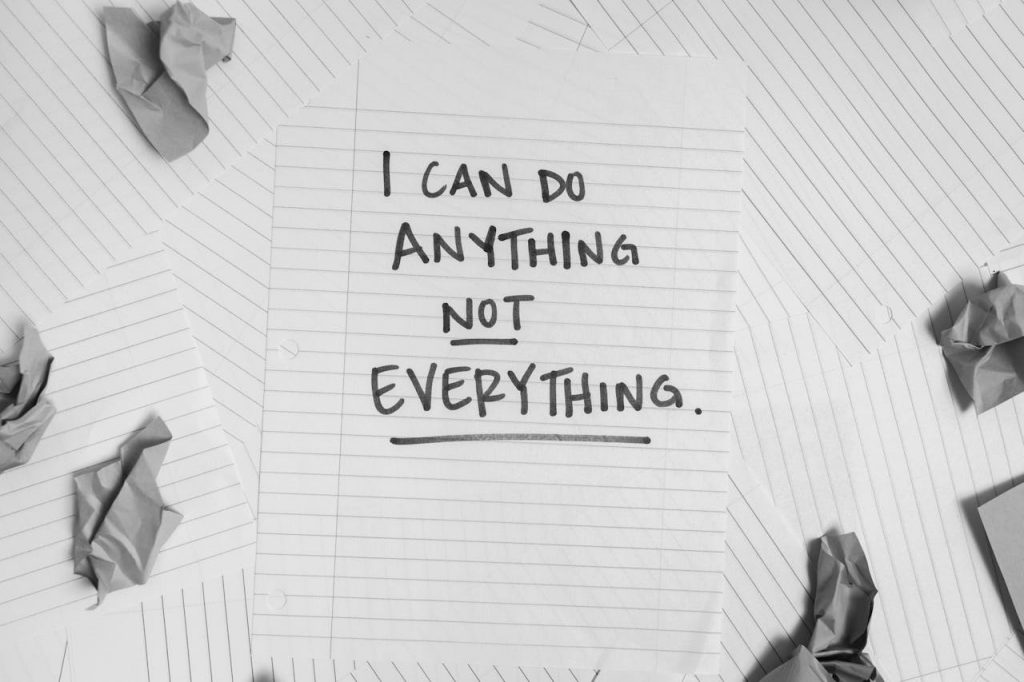
Three things may not seem like enough things, but three is enough. Here’s why. You don’t do just any three things, you do three important things. You choose what you want to get done and you get them done. The key is to decide which three things you’ll get done and which three hundred you won’t. To do this, take some time at the end of the day to define tomorrow’s three things. That way, first thing, you’ll get after the right three things. It’s productivity through prioritization. You’ve got to do fewer things to get more done.

And you can still deliver on large projects with the three-things-per-day method. For large projects, most, if not all, of the day’s three things should be directly related to the project. Remember the math – you can do fifteen things per week on a large project. And it works for long projects, too. Do one thing per week on the long project and you will accomplish fifty things over the course of the year. When was the last time you completed fifty things on a project?

And if you think three things is too few, that’s fine. If you want to do more than three things, you can. Just make sure you know which three you’ll complete before moving on to the fourth. But, remember, you want to leave work with some gas still in the tank so you can do three things when you get home.

Image credit: Pexels

Subscribe to Human-Centered Change & Innovation WeeklySign up here to join 17,000+ leaders getting Human-Centered Change & Innovation Weekly delivered to their inbox every week.

The Ethical Dilemma in Systems Design

Prioritizing People Over Efficiency

The Ethical Dilemma in Systems Design

GUEST POST from Chateau G Pato
LAST UPDATED: January 2, 2026 at 3:28PM

In our current world, the global economy is obsessed with the concept of “optimization.” We have built algorithms to manage our logistics, AI to draft our communications, and automated systems to filter our talent. On the surface, the metrics look spectacular. We are faster, leaner, and more productive than ever before. But as a specialist in Human-Centered Change™, I find myself asking a dangerous question: At what cost to the human spirit?

Innovation is change with impact, but if that impact is purely financial while the human experience is impoverished, we haven’t innovated — we’ve simply automated a tragedy. The great ethical dilemma of modern systems design is the seductive trap of efficiency. Efficiency is the language of the machine; empathy is the language of the human. When we design systems that prioritize the former at the total expense of the latter, we create a Corporate Antibody response that eventually destroys the very organization we sought to improve.

“Efficiency tells you how fast you are moving; empathy tells you if the destination is worth reaching. A system that optimizes for speed while ignoring the dignity of the person using it is not an innovation — it is an architectural failure.” — Braden Kelley>

The Myth of the Frictionless Experience

Designers are often taught that friction is the enemy. We want “one-click” everything. However, in our rush to remove friction, we often remove agency. When a system is too “efficient,” it begins to make choices for the user, eroding the very curiosity and critical thinking that define human creativity. We are seeing a rise in Creative Atrophy, where individuals become appendages to the software they use, rather than masters of it.

Ethical systems design requires what I call Meaningful Friction. These are the intentional pauses in a system that force a human to reflect, to empathize, and to exercise moral judgment. Without this, we aren’t building tools; we are building cages.

Case Study 1: The Algorithmic Management Crisis in Logistics

The Context: A major global delivery firm implemented a new “Efficiency OS” in early 2025. The system used real-time biometric data and predictive routing to shave seconds off every delivery. On paper, it was a 12% boost in throughput.

The Dilemma: The system treated humans as variables in a physics equation. It didn’t account for the heatwave in the Southwest or the emotional toll of “delivery surges.” The efficiency was so high that drivers felt they couldn’t take bathroom breaks or stop to help a fallen pedestrian. The result? A 40% turnover rate in six months and a massive class-action lawsuit regarding “digital dehumanization.”

The Braden Kelley Insight: They optimized for movement but forgot about momentum. You cannot sustain an organization on the back of exhausted, disenfranchised people. They failed to realize that human-centered innovation requires the system to serve the worker, not the worker to serve the algorithm.

Case Study 2: Healthcare and the “Electronic Burnout”

The Context: A large hospital network redesigned their Electronic Health Record (EHR) system to maximize patient turnover. The interface was designed to be “efficient” by using auto-fill templates and standardized checkboxes for every diagnosis.

The Dilemma: While billing became faster, the human connection between doctor and patient evaporated. Physicians found themselves staring at screens instead of eyes. The standardized templates missed the nuances of complex, multi-layered illnesses that didn’t fit into a “drop-down” menu. The result? Diagnostic errors increased by 8%, and physician burnout reached an all-time high, leading to a mass exodus of senior talent.

The Braden Kelley Insight: This was a classic Efficiency Trap. By prioritizing the data over the dialogue, the hospital lost its primary value proposition: care. They had to spend three times the initial investment to redesign the system with “empathy-first” interfaces that allowed for narrative storytelling and eye contact.

The Path Forward: Human-Centered Change™

If you are an innovation speaker or a leader in your field, your mission for 2026 is clear: We must move from efficiency-driven design to meaning-driven design. We must ask ourselves: Does this system empower the person, or does it merely exploit their labor? Does it create space for Human-AI Teaming, or does it seek to replace the human element entirely?

The organizations that thrive in the next decade will be those that understand that trust is the ultimate efficiency. When people feel seen, heard, and valued by the systems they inhabit, they contribute their useful seeds of invention with a passion that no algorithm can replicate. Let us choose to design for the human, and the efficiency will follow as a byproduct of a flourishing culture.

Frequently Asked Questions

What is the “Efficiency Trap” in innovation?

The Efficiency Trap occurs when an organization focuses so heavily on cost-cutting and speed that it neglects the human experience and long-term value. This often leads to burnout, loss of trust, and the eventual stifling of creative growth.

How can we design “meaningful friction” into our systems?

Meaningful friction is achieved by building in intentional pauses or “checkpoints” where users are encouraged to apply critical thinking or ethical judgment. For example, an AI tool might ask a user to confirm an automated decision that has significant social or emotional impact.

Why is empathy considered a strategic advantage in 2026?

In a world of ubiquitous AI, empathy is the one thing machines cannot simulate with true context. Empathy-driven design leads to higher customer loyalty, lower employee turnover, and more resilient systems that can adapt to the complex nuances of human behavior.

Extra Extra: Because innovation is all about change, Braden Kelley’s human-centered change methodology and tools are the best way to plan and execute the changes necessary to support your innovation and transformation efforts — all while literally getting everyone all on the same page for change. Find out more about the methodology and tools, including the book Charting Change by following the link. Be sure and download the TEN FREE TOOLS while you’re here.

Image credits: Google Gemini

Subscribe to Human-Centered Change & Innovation WeeklySign up here to get Human-Centered Change & Innovation Weekly delivered to your inbox every week.