Most organizations know they need to innovate. Far fewer know how to build the conditions that make innovation actually happen — consistently, at scale, across teams and functions. This is the gap that a great innovation keynote speaker is uniquely positioned to close.
But the term gets used loosely. Not every speaker who mentions disruption or design thinking qualifies as an innovation keynote speaker in the meaningful sense. Understanding what the role actually involves — and what separates genuinely useful speakers from entertaining but forgettable ones — is worth your time before you commit budget to a booking.
What Is an Innovation Keynote Speaker?
An innovation keynote speaker is a subject matter expert who helps organizations understand, develop, and apply innovation capabilities through live presentations, workshops, and masterclasses. Unlike a generic motivational speaker, an innovation keynote speaker brings deep expertise in how organizations create new value — and the cultural, structural, and human factors that determine whether innovation efforts succeed or fail.
The best innovation speakers don’t just inspire. They equip. Audiences leave with frameworks they can apply, mental models that reframe stubborn problems, and a clearer sense of the specific actions that will move their organization forward.
A strong innovation keynote typically addresses some combination of:
- Innovation strategy — how organizations choose where and how to innovate
- Innovation culture — the leadership behaviors, structures, and norms that enable or block creative thinking
- Human-centered design — building solutions around the real needs of real people
- Change management — navigating the human side of transformation
- Emerging technology and trends — understanding which forces are reshaping your industry and how to respond
What Does an Innovation Keynote Speaker Actually Do?
The format varies significantly depending on your event’s needs, budget, and goals. Here’s how the most common engagements work in practice.
Keynote Presentations
A 45 to 75-minute keynote is the most common format — typically delivered at a conference, leadership summit, or annual meeting. A well-designed innovation keynote sets the intellectual agenda for the event, gives attendees a shared language and framework, and creates the momentum that carries into breakout sessions and hallway conversations.
The best innovation keynotes challenge assumptions rather than confirming them. They introduce ideas the audience hasn’t encountered before, reframe familiar problems in ways that open new solutions, and leave people with a clear sense of what they can do differently starting Monday morning.
Workshops and Masterclasses
Workshops extend the keynote into active application. Rather than a one-way presentation, a workshop engages participants in using innovation frameworks on their own real challenges — building skills through practice rather than passive listening.
Innovation workshops are particularly valuable for leadership teams that need to move beyond general awareness into genuine capability building. A half-day or full-day workshop with the right facilitator can accomplish more than months of internal training on the same topics.
Webinars and Virtual Keynotes
Virtual formats have expanded access to innovation speakers significantly. A well-produced virtual keynote can reach distributed teams across multiple locations simultaneously, making innovation thinking accessible to organizations that couldn’t previously justify the investment in an in-person event.
Custom Research and Advisory
The deepest engagement level involves an innovation speaker working with your organization over time — developing custom frameworks, conducting research specific to your industry, and helping build internal capabilities rather than delivering a single keynote.
Innovation Keynote Speaker vs. Motivational Speaker — What’s the Difference?
This distinction matters more than most event planners realize when they’re making a booking decision.
A motivational speaker primarily works on mindset and emotional energy — leaving audiences feeling inspired, capable, and energized. That’s genuinely valuable in the right context. But motivation without a map doesn’t produce innovation. If your audience leaves feeling great but can’t articulate a single new framework or specific action they’ll take, the investment hasn’t generated a return.
An innovation keynote speaker works on both energy and capability. The best ones are genuinely inspiring — but the inspiration is grounded in substance. The audience doesn’t just feel differently, they think differently. They have new tools. They see their organization’s challenges through a new lens.
If your event goal is to energize your team before a busy quarter, a motivational speaker may be exactly right. If your goal is to build organizational capability, shift culture, or equip leaders with frameworks they’ll actually use, you need an innovation speaker.
What to Look for When Booking an Innovation Keynote Speaker
The speaking industry makes it easy to find charismatic presenters. It’s harder to find innovation speakers with genuine depth. Here’s what to look for.
Proprietary Frameworks and Original Thinking
Any speaker can summarize research and present trend lists. What distinguishes an exceptional innovation keynote speaker is original intellectual contribution — frameworks they’ve developed, models they’ve tested, insights that aren’t available in any business book. Ask what frameworks the speaker brings that are uniquely theirs. Look for powerful tools like Braden Kelley’s Nine Innovation Roles and Innovation Maturity Assessment. Look for comprehensive methodologies like Braden’s Human-Centered Innovation and frameworks like those in Stoking Your Innovation Bonfire.
Real-World Application Experience
Innovation theory is easy to talk about. Innovation practice is significantly harder. Look for speakers who have actually led innovation initiatives inside organizations — who understand the politics, the resource constraints, the cultural resistance, and the messy reality of trying to make new things happen inside existing institutions.
Genuine Customization
An innovation keynote that could be delivered identically to any audience in any industry is a warning sign. Strong innovation speakers invest real time understanding your organization’s specific challenges, your industry’s dynamics, and your audience’s level of sophistication before they set foot on stage. The best keynotes feel like they were written specifically for your people — because they were.
A Body of Work That Demonstrates Commitment
Books, frameworks, tools, research, years of consistent contribution to the field — these signal that a speaker has genuinely earned their expertise rather than recently rebranding as an innovation speaker because the label is in demand. Look at what they’ve built, not just how well they present.
Outcomes, Not Just Content
Ask what the speaker wants your audience to be able to do differently after the keynote. The answer tells you everything. Vague answers about inspiration or awareness signal a speaker focused on their own performance. Specific answers about behavioral changes, new frameworks the audience will apply, or decisions they’ll make differently signal a speaker focused on your organization’s outcomes.
Questions to Ask Before You Book
Use these in your vetting conversations to quickly identify the right fit:
- What original frameworks do you bring that aren’t available elsewhere? Listen for genuine intellectual property, not trend summaries. Look for powerful frameworks like The Eight I’s of Infinite Innovation and FutureHacking.
- How do you customize your content for different industries and audiences? A strong answer involves a discovery process. A weak one describes the same talk delivered everywhere.
- What do you want our audience to be able to do differently after your keynote? Look for specific behavioral outcomes, not emotional ones.
- Can you share an example of an insight you’ve delivered that wasn’t obvious at the time? This tests whether their thinking is genuinely ahead of the curve.
- What formats beyond the keynote do you offer, and when are they most valuable? This helps you understand whether a workshop or masterclass would serve your goals better than a standalone keynote.
- How do you measure whether a keynote has been successful? Speakers who think about impact tend to deliver it.
Why Organizations Hire Innovation Keynote Speakers
The specific reasons vary, but the most common situations where an innovation keynote speaker adds the most value include:
Annual conferences and leadership summits — where the right keynote sets the intellectual agenda for the year and gives distributed teams a shared framework to work from.
Culture change initiatives — where an external voice can say things internal leaders can’t, create psychological safety for new conversations, and help an organization see itself differently.
Strategy offsites — where a keynote or workshop challenges the assumptions underlying the current strategy before the planning process begins in earnest.
Industry conferences — where an innovation speaker positions your organization as a thought leader by association and delivers genuine value to attendees.
Learning and development programs — where innovation capability needs to be built systematically across a leadership population rather than inspired in a single event.
Ready to Book an Innovation Keynote Speaker?
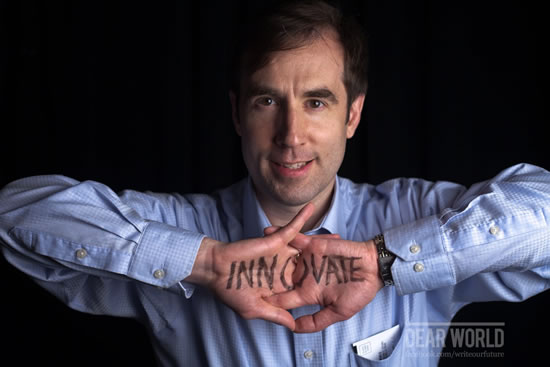
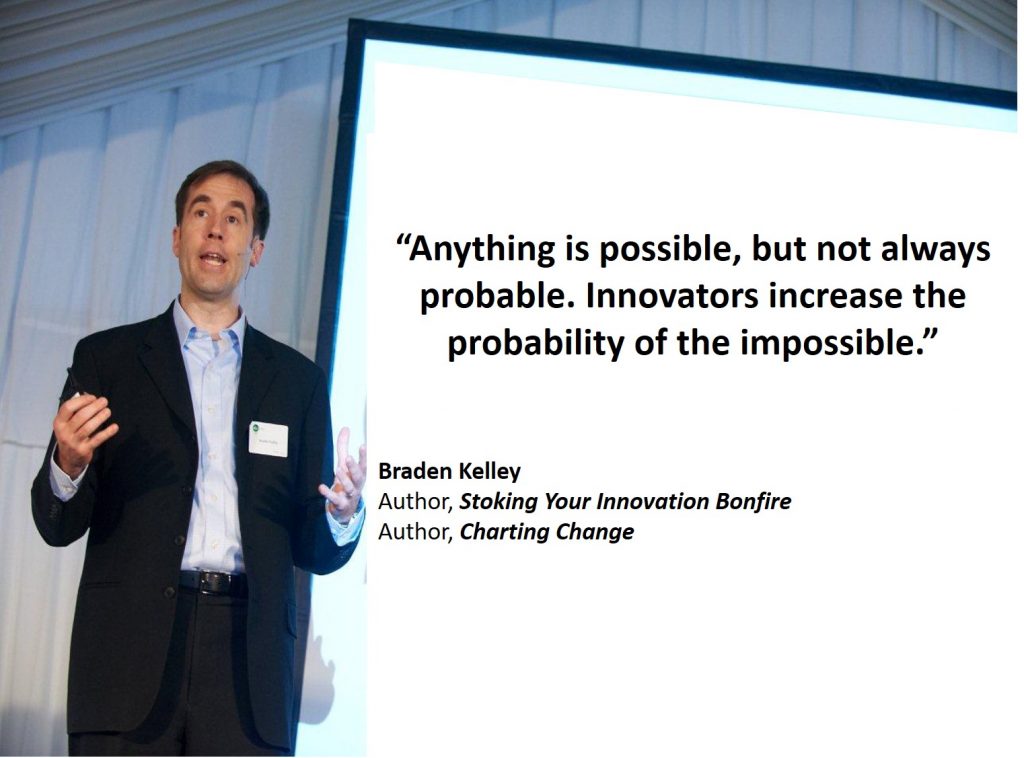
Braden Kelley is an innovation keynote speaker and futurist who has spent decades helping organizations build the mindsets, frameworks, and capabilities to thrive through change. His human-centered approach to innovation and change management has been applied by organizations worldwide, and his proprietary frameworks — including the Human-Centered Change methodology — give audiences tools they can use immediately.
Whether you need a keynote that re-frames how your leadership team thinks about innovation, a workshop that builds practical capability, or a masterclass that equips your people with frameworks for navigating change, Braden brings the substance and the delivery to make your event memorable and genuinely useful.
Explore ten reasons to hire an innovation keynote speaker — then book Braden Kelley for your next event.
Explore more on innovation strategy, change management, and human-centered thinking at Human-Centered Change and Innovation.