by Braden Kelley and Art Inteligencia
Why your gut already knows something’s wrong, and how to finally prove it.
You’ve seen it before. The numbers look okay on paper, but something just doesn’t feel right. Churn is creeping up. Conversions aren’t where they should be. Your support team is busier than ever. Yet, when you dig into the dashboards, nothing is jumping out and screaming for your attention.
So, like so many leaders do, you wait. You hope it’s a blip. You tell yourself the team will course correct. But deep down, you already know what’s really going on… Your customers are quietly voting with their feet.
Here’s the hard truth: The biggest threats to your revenue aren’t always obvious. They’re hiding in the frustrating onboarding flow your team has grown numb to. They’re buried in the clunky renewal process that only your customers seem to notice. They’re tucked away in the dozen micro-moments of friction you’ve accepted as “just the way things are.”
If You Can’t See It, You Can’t Fix It
For years, we’ve obsessed over measuring sentiment. NPS, CSAT, and star ratings all have their place. But as an experience designer, I can tell you this: sentiment doesn’t always open up a spreadsheet. Revenue does.
The problem is, most organizations don’t have a way to connect those frustrating customer moments to the bottom line. The result? CX initiatives get deprioritized, underfunded, or worse… they become shelfware because leaders can’t see the business case to act.
That’s exactly why I created the CX Revenue Leak Self-Assessment.
Five Minutes To Clarity
This isn’t just another survey. It’s a reality check for growth-minded leaders. In just five minutes, you’ll answer seven pointed questions about churn, conversions, support costs, renewals, customer sentiment, visibility, and your team’s ability to act. What you get in return is immediate clarity.
You’ll walk away with a Leak Score that tells you if you’re in a low, medium, or high-risk category, a laser-focused tip you can act on today, and a clear path forward. No email gate to get your results. No fluff. Just the truth about where your revenue is at risk.
So, if that nagging feeling hasn’t gone away, don’t ignore it. Take the CX Revenue Leak Self-Assessment right now and finally put a number to what your gut has been trying to tell you.
From “How Bad Is It?” To “How Much Can We Recover?”
Once you know where the leak is coming from, the next logical question is always, “how much is this actually costing us?” That’s where our CX ROI Calculator comes in. It’s the perfect companion to your results, helping you model a realistic, defensible range of recoverable revenue in seconds. It’s not the focus, but it’s the tool that will get your CFO nodding their head.
When You Need More Than a Quick Fix
Sometimes, a tip and a number are enough to get the ball rolling. Other times, you need to go deeper. You need to uncover the root cause of that leak, prioritize what to do first, and build a roadmap your team will actually adopt. Not one that collects dust.
That’s the heart of our independent Customer Experience Audit. It’s built on a simple belief: human-centered change only works when it’s paired with a business case that’s undeniable. That’s why we don’t just hand you a report, we deliver a 3-week action plan with effort vs. impact and estimated revenue lift for each of your top priorities.
The Cost of Waiting Is Greater Than You Think
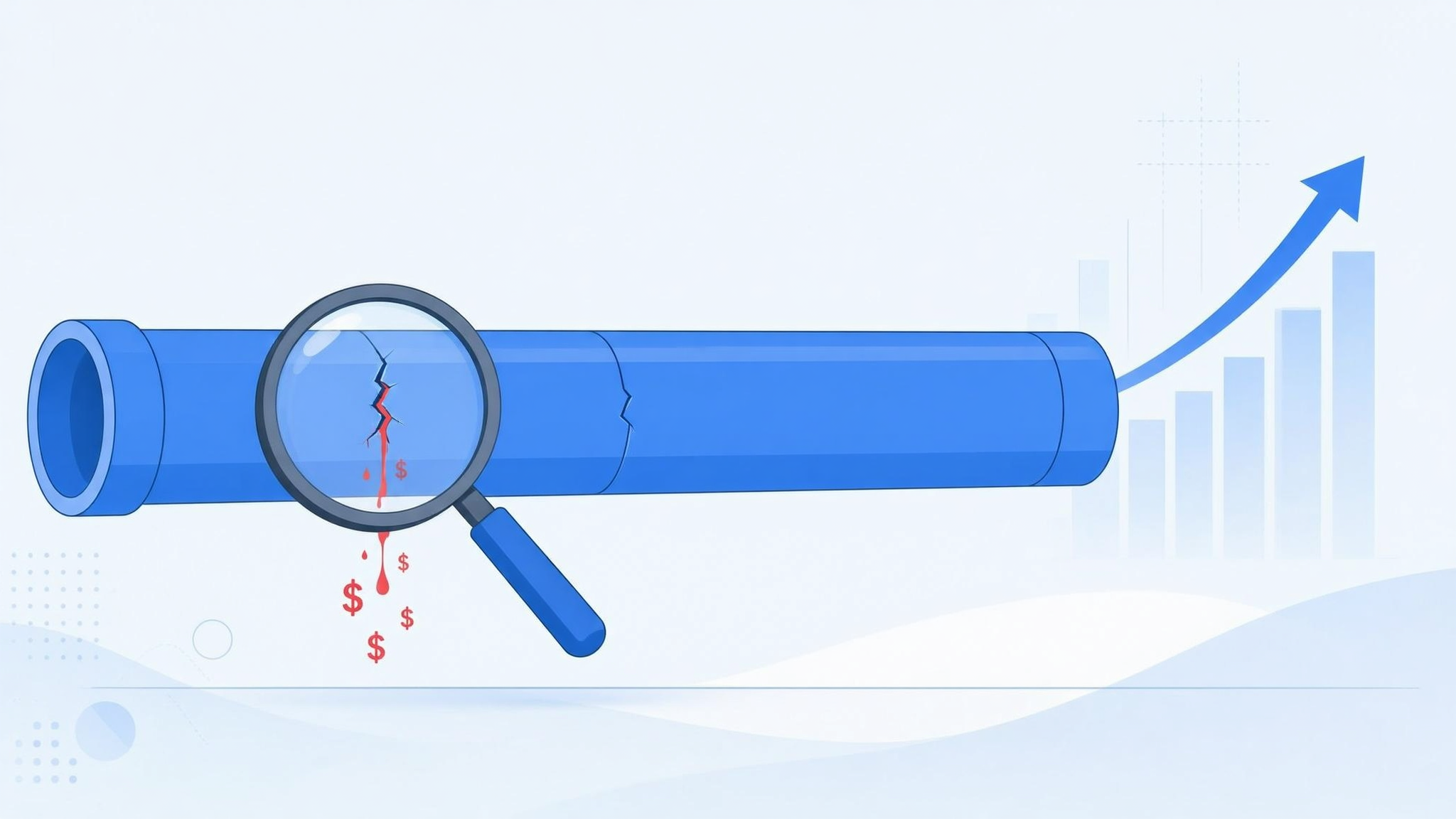
Every day you wait to address that friction is another day of lost revenue you won’t get back. The good news? You don’t have to boil the ocean to make progress. You just need to start by shining a light on your biggest leak.
So, do what great leaders do. Get curious. Get clarity. Then, get moving.
Start Your 5-Minute Assessment Now
Your customers are already telling you something. It’s time to hear what their actions are saying about your revenue.
Image Credits: Microsoft AI
Content Authenticity Statement: The topic area, key elements to focus on, etc. were decisions made by Braden Kelley, with a little help from Microsoft AI to clean up the article.
 Sign up here to get Human-Centered Change & Innovation Weekly delivered to your inbox every week.