• Editor’s Note: The State of the Game in 2026
When tech strategist Geoffrey A. Moore penned this piece in the spring of 2024, the “top of the fourth inning” was characterized by the initial, frantic rush toward generative AI adoption and a baseline shift toward customer success. Two years later, as we navigate 2026, the game has rapidly intensified.
We are no longer just talking about shifting toward “outcomes”—we are actively building the infrastructure to measure them. The baseline has evolved from simple subscription tracking to deep Experience Management Offices (XMOs) and Experience Level Measures (XLMs), proving that human-centered value is the ultimate digital metric. Furthermore, the early AI hype has matured into what we call the AI Soft Landing, where organizations are moving past experimental tools to restructure workflows around systemic, human-led collaboration. Read on to explore Geoffrey’s brilliant structural breakdown of how we arrived at this pivotal inning.
GUEST POST from Geoffrey A. Moore
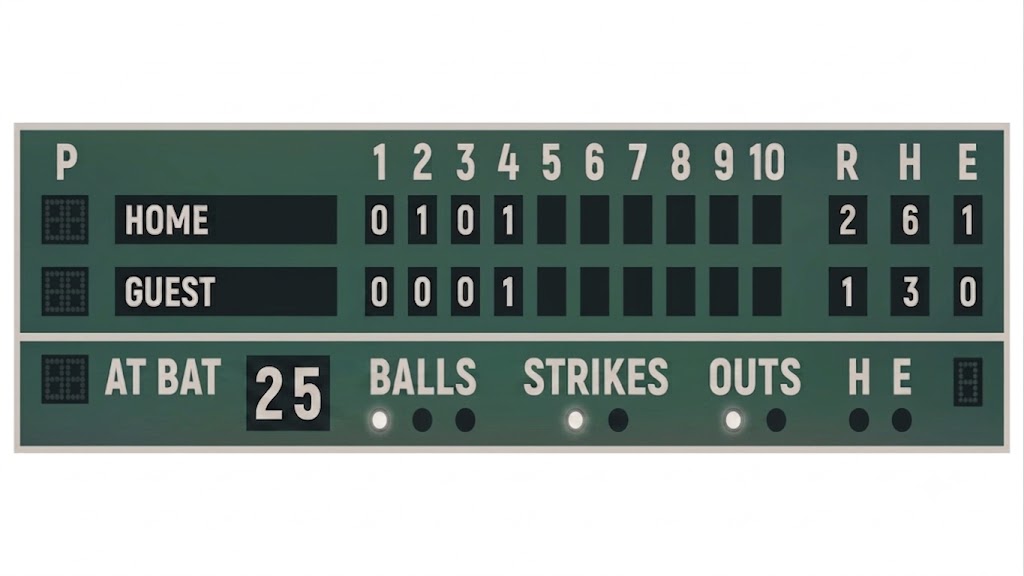
It’s spring of 2024, and as Major League baseball is getting underway, everyone in tech is talking about the future of work. Let me suggest we are in the top of the fourth inning, a couple of runners on base, but still much to be decided (all with the understanding that an inning in tech lasts somewhere between one and two decades—and you thought baseball games were long!). At any rate, here’s how I see it playing out.
The first inning where tech made a definitive impact on work spanned the 1970s and 80s when the dominant paradigm was proprietary mainframe computing and the focus was on management information systems. This was an era of control cultures where the mantra was plan your work and then work your plan. IBM and Oracle were the dominant players, and workflows were organized around reports.
The second inning emerged with the rise of client-server computing in the 1990s, where the focus was on real-time business processes. This was an era of competition cultures where the mantra was give me my objectives, give me my resources, and get the hell out of my way. Microsoft and Cisco were the dominant players, and workflows were organized around documents.
The third inning emerged out of the tech bubble popping at the turn of the century, where the dominant paradigm transitioned to cloud computing combined with mobile applications, and the focus shifted from B2B complex systems to B2C volume operations. This was an era of creativity cultures where the mantra was think different. Google and Apple were the dominant players, and workflows were organized around transactions.
Now we find ourselves at the top of the fourth inning, initiated with the rise of artificial intelligence, where the focus is on as-a-service subscription business models, the economics of churn, and the importance of the customer experience. This is an era of collaboration cultures where the mantra is put customer success before everything else. The dominant players have yet to be determined, but we do know that workflows will be organized around outcomes.
And that’s the point. Information technology that began at the periphery of the business as a back office report generation utility has now migrated to the very core of the enterprise’s mission, vision, and values. That’s why digital transformation is getting so much attention. But how to transform, and how to use digital technology to ensure that customers achieve the outcomes they seek, is very much still a work in progress.
That’s what I think. What do you think?
Image Credit: Gemini
 Sign up here to join 17,000+ leaders getting Human-Centered Change & Innovation Weekly delivered to their inbox every week.