
Monthly Archives: June 2020

Why Change Fatigue is Important

Why Change Fatigue is Important

GUEST POST from Art Inteligencia

Change is an inevitable part of life, and it is often necessary for progress. However, too much change in too short a time can lead to a phenomenon called change fatigue. Change fatigue occurs when people become overwhelmed by the sheer number of changes they are expected to make or adapt to in a short amount of time. This can lead to feelings of apathy, frustration, and demoralization.

Change fatigue can have a negative effect on both individuals and organizations. For individuals, it can lead to decreased motivation, decreased job satisfaction, and decreased productivity. For organizations, it can lead to a decrease in efficiency, morale, and ultimately, profits.

The best way to prevent change fatigue is to make sure changes are introduced gradually, allowing people to adjust and adapt to each change one at a time. It is important to give people the time and resources they need to fully understand and embrace the changes, and it is important to provide support and guidance throughout the process. In addition, it is important to communicate the reasons for the changes and the expected outcomes. This can help to ensure that people are more likely to accept and embrace the changes.

It is also important to distinguish between necessary and unnecessary changes. Unnecessary changes can lead to confusion and frustration, and should be avoided where possible. Finally, it is important to recognize that change is often difficult, and to allow people some time to adjust and adapt.

Change fatigue is a real problem, and it is important to take steps to prevent it. Careful planning, clear communication, and gradual implementation of changes can help to reduce the risks associated with change fatigue and ensure that people are able to successfully adapt to the new changes.

Image credit: Pixabay

Subscribe to Human-Centered Change & Innovation WeeklySign up here to get Human-Centered Change & Innovation Weekly delivered to your inbox every week.
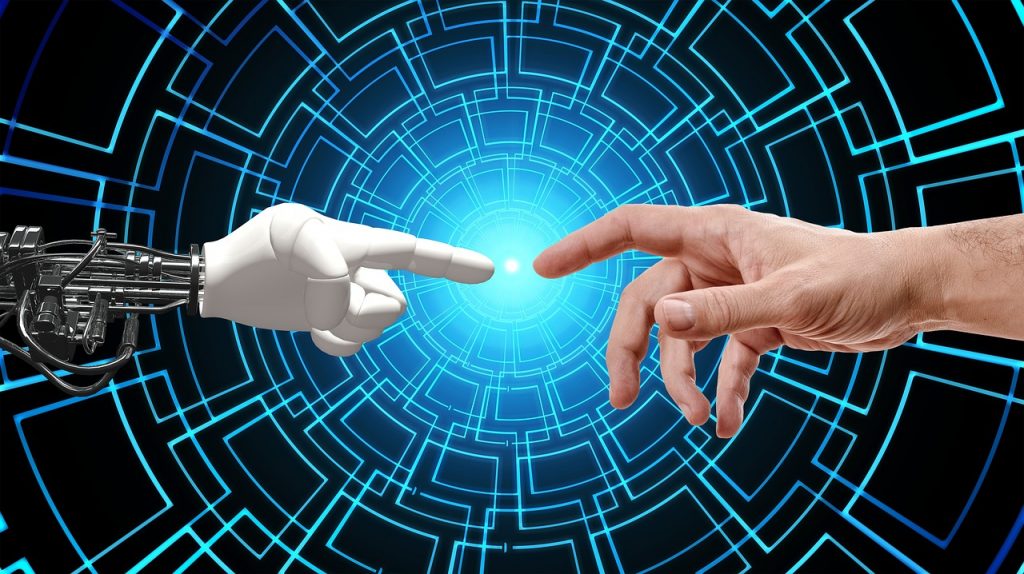
What Role Should Artificial Intelligence Play in Innovation?

What Role Should Artificial Intelligence Play in Innovation?

GUEST POST from Art Inteligencia

Innovation is an ever-evolving process that is constantly pushing the boundaries of what we can do. Artificial intelligence (AI) is quickly becoming a major player in the world of innovation, and its impact is already being felt across many different industries.

From increasing the efficiency of production processes to making more informed decisions, AI is helping to revolutionize the way businesses operate. AI is able to process large amounts of data quickly and accurately, allowing businesses to make better decisions faster. By leveraging AI, businesses can optimize their operations and increase productivity.

AI is also helping to drive innovation in healthcare. AI-powered algorithms are being used to detect diseases and diagnose medical conditions more accurately, and to develop more personalized treatments. AI is also helping medical professionals to better manage their patient data, providing them with more accurate insights into the patient’s condition.

AI is also revolutionizing the transportation industry. Self-driving cars are now a reality, and AI is helping to make them a safe and efficient form of transportation. AI-powered navigation systems are helping to reduce traffic congestion, and are allowing for more efficient route planning.

AI is also impacting the retail industry. AI-powered chatbots are helping to improve customer service and provide a more personalized shopping experience. AI-powered facial recognition technology is being used to increase security and reduce fraud.

The list of ways in which AI is impacting innovation is seemingly endless. AI is helping to revolutionize industries and is transforming the way businesses operate. As AI continues to evolve, it will no doubt continue to revolutionize the way we innovate.

Image credit: Pixabay

Subscribe to Human-Centered Change & Innovation WeeklySign up here to get Human-Centered Change & Innovation Weekly delivered to your inbox every week.

Co-Creation and Innovation

Co-Creation and Innovation

GUEST POST from Art Inteligencia

Co-creation has become a major part of the innovation process, allowing companies to develop new products and services while engaging their customers in a meaningful way. By allowing customers to have a direct input in the product development process, companies can ensure that the end result meets their exact needs and preferences.

The concept of co-creation has been around for some time, but it has become increasingly important in recent years as companies recognize the need to stay ahead of the competition and provide customers with the best possible experience. By leveraging co-creation, companies can ensure that their products and services are tailored precisely to their customers’ needs, rather than guessing what those needs may be.

One of the most common forms of co-creation is crowdsourcing, which allows companies to solicit ideas from a large group of people. This can be done through online platforms that allow customers to submit their ideas, or by engaging customers directly in the design process. This process can take place in a variety of ways, such as online surveys or workshops, allowing customers to provide direct input into the product or service they’re looking for.

Using co-creation can also help companies to increase customer loyalty. By giving customers a direct say in the design process, companies can create a sense of ownership, and customers may feel more invested in the product or service they’ve helped create. This can lead to increased customer loyalty, as customers may be more likely to purchase the product or service and recommend it to others.

Finally, co-creation can help companies to gain valuable insights into customer preferences and trends. By engaging customers directly in the design process, companies can gain an intimate understanding of what customers want and need, which can be invaluable when it comes to developing new products and services.

In short, co-creation is a powerful tool in the innovation process that allows companies to stay ahead of the competition and ensure their products and services are tailored precisely to customer needs. By leveraging co-creation, companies can open up a dialogue with customers, increase customer loyalty, and gain valuable insights into customer trends. All of these benefits make co-creation an essential part of the innovation process.

Image credit: Pexels

Subscribe to Human-Centered Change & Innovation WeeklySign up here to get Human-Centered Change & Innovation Weekly delivered to your inbox every week.