Experience Architecture
LAST UPDATED: December 27, 2025 at 10:49AM
GUEST POST from Chateau G Pato
Digital transformation promised seamless experiences. What many organizations delivered instead were faster silos. Customers gained more channels, but lost coherence. Experience architecture emerged as a response to this fragmentation.
Experience architecture is the practice of designing how people move through an ecosystem of interactions over time. It recognizes that experiences are not consumed in isolation, but constructed through sequences, transitions, and memory.
“Great experiences are not designed at the point of interaction. They are designed in the space between interactions.”
Why Journey Transitions Matter More Than Touchpoints
Most experience breakdowns occur during transitions: when customers switch channels, repeat information, or encounter conflicting signals. These moments shape perception more than polished interfaces.
Experience architecture focuses on these seams, ensuring that intent, context, and emotion carry forward.
Designing for a Blended Reality
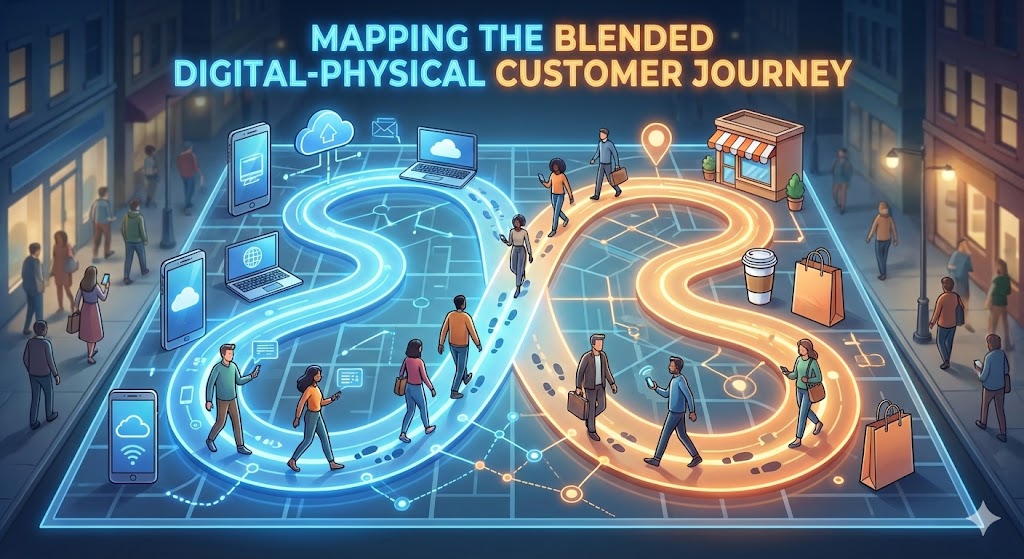
Customers no longer distinguish between digital and physical experiences. They expect continuity across screens, spaces, and people.
Architecting for this reality requires organizations to think in systems rather than channels.
A Practical Experience Architecture Framework
1. Persistent Context
Customer history, preferences, and intent should travel with them. Every interaction should feel informed, not isolated.
2. Emotional Progression
Journeys should reduce anxiety, build confidence, and reinforce trust over time.
3. Organizational Orchestration
Experience architecture aligns teams, platforms, and incentives around shared journey outcomes.
Case Study 1: Financial Services Onboarding
A financial institution redesigned its onboarding journey across digital applications and in-branch verification. Previously, customers felt confused and mistrustful during handoffs.
By architecting the journey holistically, the bank reduced drop-offs and improved satisfaction while lowering operational rework.
Case Study 2: Smart Mobility Services
A mobility provider integrated mobile apps, physical kiosks, and customer support into a unified experience. Real-time context flowed across channels, enabling proactive assistance.
The result was increased usage, fewer support calls, and stronger customer confidence during disruptions.
Experience Architecture as Strategic Infrastructure
Experience architecture is not a design deliverable. It is strategic infrastructure. It shapes how investments are made, how teams collaborate, and how success is measured.
Organizations that treat it as such outperform those that chase isolated improvements.
The Leadership Imperative
Leaders must move beyond channel ownership and optimize for journey outcomes. This requires shared accountability and a willingness to redesign internal systems in service of human experience.
Experience architecture succeeds when leadership treats experience as a system, not a surface.
Frequently Asked Questions
FAQ
Is experience architecture only for digital businesses?
No. Any organization with multiple touchpoints benefits from it.
Does it replace UX or service design?
No. It integrates and aligns them.
Where should organizations start?
Start by mapping transitions, not channels.
Extra Extra: Because innovation is all about change, Braden Kelley’s human-centered change methodology and tools are the best way to plan and execute the changes necessary to support your innovation and transformation efforts — all while literally getting everyone all on the same page for change. Find out more about the methodology and tools, including the book Charting Change by following the link. Be sure and download the TEN FREE TOOLS while you’re here.
Image credits: Unsplash
 Sign up here to get Human-Centered Change & Innovation Weekly delivered to your inbox every week.