The Living Cure
LAST UPDATED: January 29, 2026 at 5:38 PM
GUEST POST from Art Inteligencia
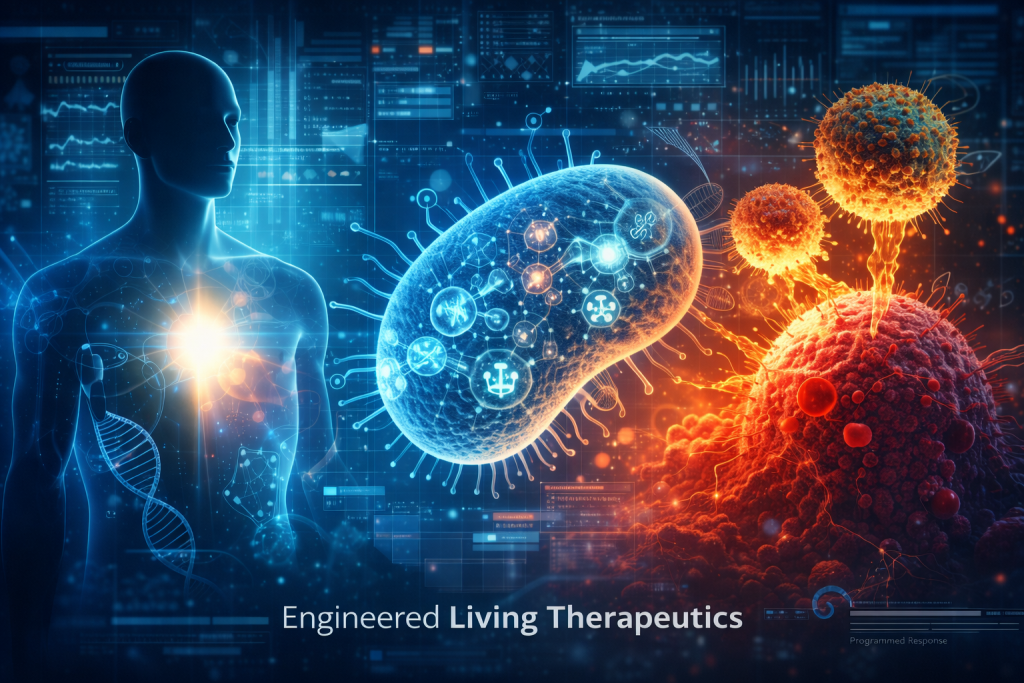
As a thought leader in human-centered change and innovation, I’ve seen countless industries disrupted by radical new approaches. Biotechnology is no exception. ELTs are not merely advanced drugs; they are biological systems, often engineered microbes or cells, programmed to perform specific therapeutic functions within the body. This is innovation at its most profound: leveraging the inherent intelligence and adaptability of life itself to heal.
Beyond the Pill: The Intelligence of Living Medicine
Traditional pharmaceuticals often act as blunt instruments, targeting specific pathways with limited specificity and potential side effects. ELTs, by contrast, offer a level of precision and dynamic response previously unimaginable. Imagine a therapy that can detect disease markers, produce therapeutic compounds only when needed, or even self-regulate its activity based on the body’s changing state. This intelligent adaptability is what makes ELTs a truly human-centered approach to healing, tailoring treatment to the unique, fluctuating biology of each individual.
“The future of medicine isn’t just about what we put into the body; it’s about what we awaken within it. Engineered Living Therapeutics aren’t just treatments; they’re collaborations with our own biology.”
Case Study I: Reprogramming the Gut for Metabolic Health
A burgeoning area for ELTs lies within the human microbiome. Consider the challenge of chronic metabolic diseases like Type 2 Diabetes. Current treatments often manage symptoms without addressing underlying dysregulation. One biotech startup engineered a strain of probiotic bacteria to reside in the gut. This engineered bacterium was programmed to sense elevated glucose levels and, in response, produce and deliver an insulin-sensitizing peptide directly within the intestinal lumen.
This targeted, localized intervention offered a novel way to manage blood sugar, reducing the systemic side effects associated with orally administered drugs. The innovation here wasn’t just a new molecule, but a living delivery system that dynamically responded to the body’s needs, representing a truly personalized and responsive therapy.
Case Study II: Targeted Oncology with “Smart” Cells
Cancer treatment remains one of medicine’s most formidable challenges. While CAR T-cell therapy has revolutionized certain hematological cancers, ELTs are pushing the boundaries further. Imagine immune cells engineered not only to identify cancer cells but also to produce potent anti-cancer molecules directly at the tumor site, or even to activate other immune cells to join the fight.
One research initiative is exploring tumor-infiltrating lymphocytes (TILs) engineered to express specific receptors that bind to unique tumor antigens and simultaneously secrete localized immunomodulators. This approach aims to overcome the immunosuppressive microenvironment of solid tumors, a significant hurdle for many current immunotherapies. This represents a leap towards truly precision oncology, where the body’s own defenders are given a sophisticated, living upgrade.
Leading the Charge: Companies and Startups in the ELT Space
The ELT landscape is rapidly evolving, attracting significant investment and groundbreaking research. Established pharmaceutical giants like Novartis and Gilead Sciences (through Kite Pharma) are already active in the approved CAR T-cell therapy space, which serves as a foundational ELT. However, a vibrant ecosystem of innovative startups is pushing the frontier. Companies like Seres Therapeutics are leading with microbiome-based ELTs for infectious diseases. Synlogic is developing engineered bacteria for metabolic disorders and cancer. Ginkgo Bioworks, while not a therapeutic company itself, is a critical enabler, providing the foundational synthetic biology platform for engineering organisms. Additionally, numerous academic spin-offs and smaller biotechs are emerging, focusing on niche applications, advanced gene editing techniques within living cells, and novel delivery mechanisms, signaling a diverse and competitive future for ELTs.
Designing Trust in Living Systems
ELTs raise questions about control, persistence, and governance. Human-centered change demands proactive transparency, ethical foresight, and adaptive regulation.
The future of ELTs will be shaped as much by trust as by technology.
The Human-Centered Future of Living Therapies
Healthcare innovation has long been constrained by an assumption that treatment must be static to be safe. Engineered Living Therapeutics (ELTs) challenge that assumption by embracing biology’s native strength: adaptability.
ELTs are living systems intentionally designed to operate inside the human body. They sense, decide, and respond. In doing so, they force leaders, regulators, and innovators to rethink what medicine is and how it should behave.
“True healthcare innovation begins when we stop trying to control biology and start designing with it.”
The journey with ELTs is just beginning. As with any transformative technology, there are ethical considerations, regulatory hurdles, and manufacturing complexities to navigate. However, the potential for these living medicines to offer durable, highly targeted, and adaptive treatments for a vast array of diseases — from cancer and autoimmune disorders to infectious diseases and chronic conditions — is immense. By placing the human at the center of this innovation, ensuring patient safety, accessibility, and shared understanding, we can unlock a future where our biology becomes an ally in healing, not just a battlefield.
Frequently Asked Questions
Disclaimer: This article speculates on the potential future applications of cutting-edge scientific research. While based on current scientific understanding, the practical realization of these concepts may vary in timeline and feasibility and are subject to ongoing research and development.
Image credits: Google Gemini
 Sign up here to get Human-Centered Change & Innovation Weekly delivered to your inbox every week.